


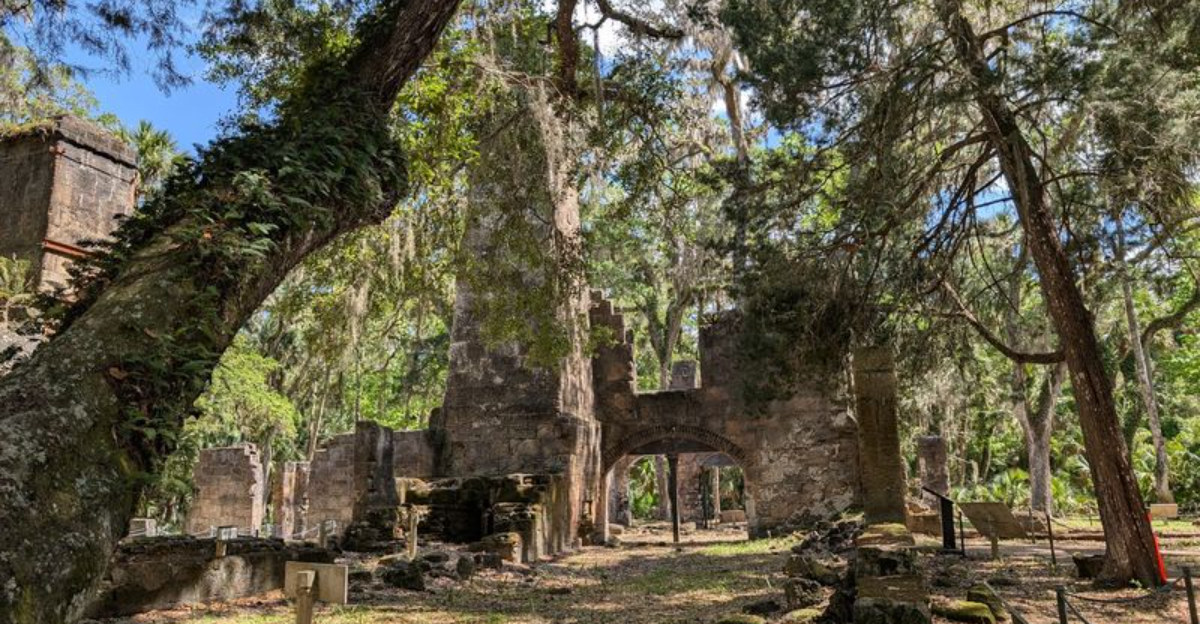
Hidden down a long, narrow dirt road near Flagler Beach, Florida, lies one of the state’s most fascinating and overlooked historic treasures. Bulow Plantation Ruins Historic State Park preserves the haunting remains of a massive 19th-century sugar plantation that was once the largest in all of East Florida.
From towering coquina stone walls to the ghostly outlines of slave cabins, every corner of this park tells a powerful story. Whether you love history, nature, or simply exploring hidden gems, this remarkable place is absolutely worth a visit.
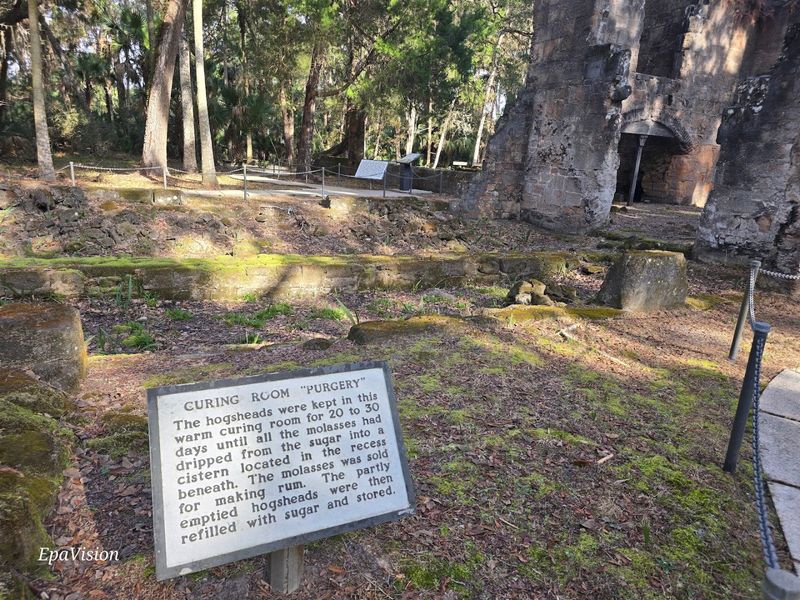
The Coquina Sugar Mill Ruins That Still Stand After Nearly 200 Years
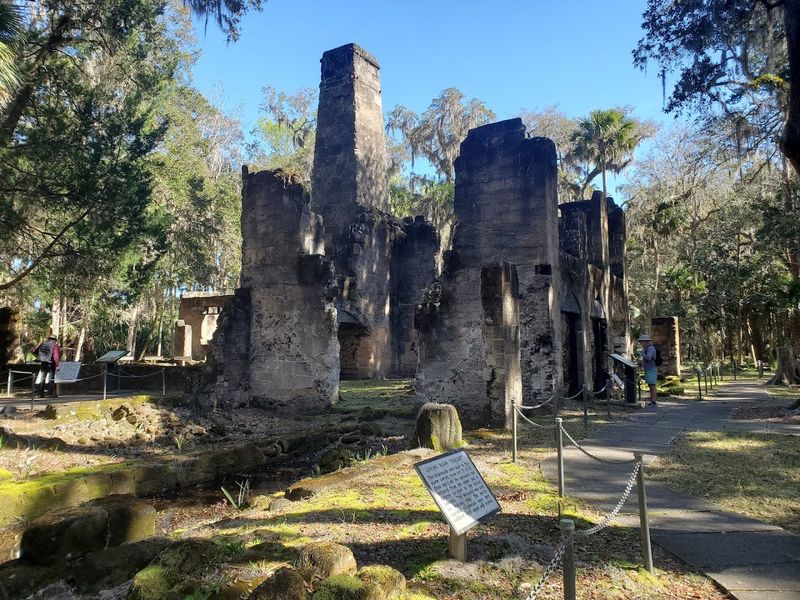
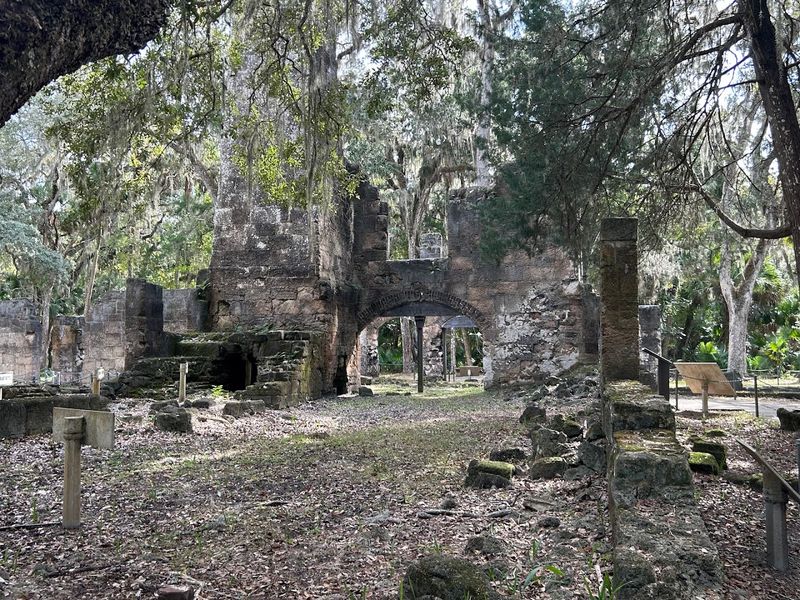
Few things stop you in your tracks quite like standing next to a wall built nearly two centuries ago. The coquina sugar mill ruins at Bulow Plantation are the park’s crown jewel, rising dramatically from the forest floor like something out of an adventure story.
Coquina is a unique Florida building material made from compressed shells and coral. It was tough enough to survive fire, war, and two centuries of Florida weather.
The mill was destroyed during the Second Seminole War in 1836, yet its thick walls refused to crumble completely.
Educational signs posted around the ruins explain exactly how sugar cane was processed here, step by step. Visitors consistently say reading those signs makes the whole experience click.
Standing among these walls, you can almost hear the machinery grinding and feel the intense Florida heat that workers endured every single day.
A Plantation That Once Ruled East Florida’s Sugar Economy
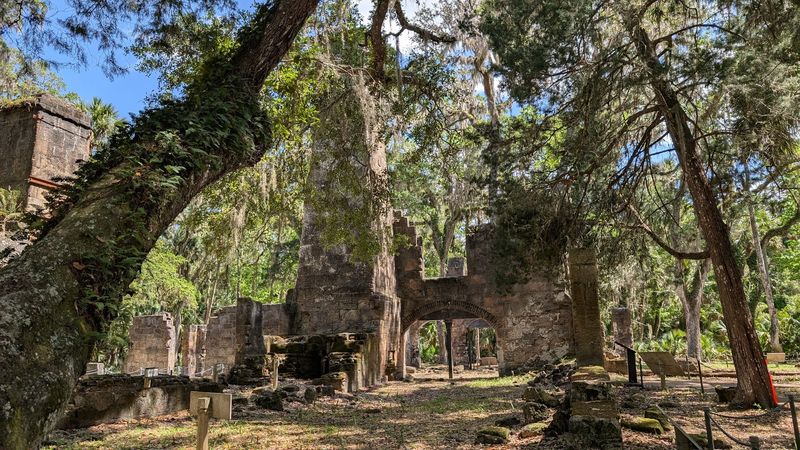
Back in the early 1800s, the Bulow Plantation was not just big — it was an empire. Covering over 2,200 acres, it was the largest sugar plantation in all of East Florida, producing sugar cane, cotton, rice, and indigo in enormous quantities.
Charles Wilhelm Bulow established the plantation around 1821, and after his death, his son John Joachim Bulow took over operations. At its peak, the plantation relied on the forced labor of over 300 enslaved people who worked under brutal conditions in the sweltering Florida heat.
The park does not shy away from telling this difficult history. Informational plaques throughout the site acknowledge the enslaved workers who made the plantation’s wealth possible.
Understanding this full story — the prosperity, the exploitation, and the eventual destruction — is exactly what makes a visit to Bulow such a meaningful and thought-provoking experience.
The Second Seminole War That Burned Everything to the Ground
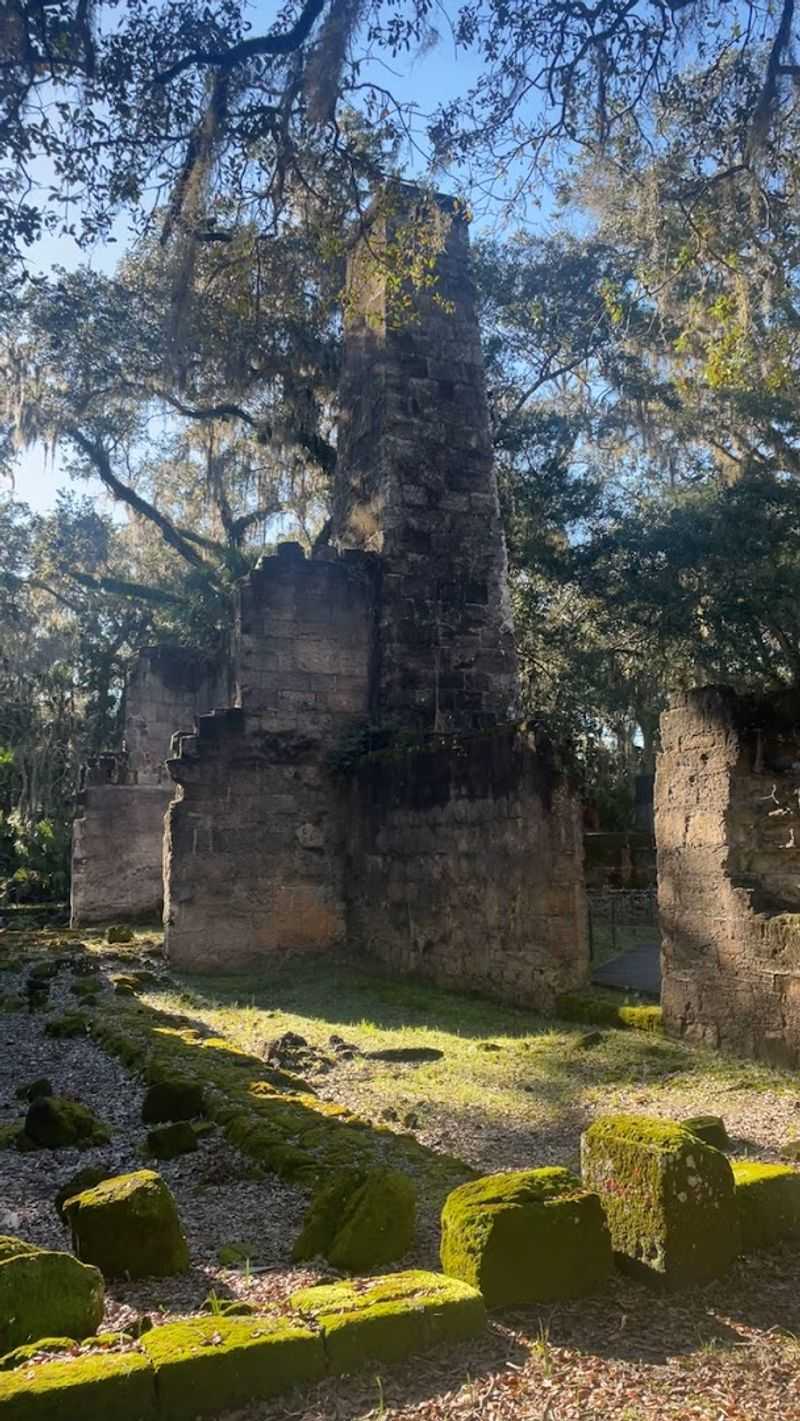
January 1836 changed everything at Bulow Plantation. As the Second Seminole War intensified across Florida, Seminole warriors burned the plantation to the ground, leaving almost nothing standing except the stone sugar mill walls.
Interestingly, John Joachim Bulow had actually tried to stay neutral during the conflict. He reportedly had friendly relationships with some Seminole leaders and resisted pressure from U.S.
Army General Joseph Hernandez to use the plantation as a military base. Despite his efforts at neutrality, the plantation was ultimately destroyed.
Bulow himself fled to France and died there just a year later in 1833, never returning to see what remained of his family’s legacy. The ruins left behind became an unintentional monument to one of the most turbulent chapters in Florida history.
Today, that dramatic story of conflict and loss gives the park an emotional depth that visitors find genuinely moving and unforgettable.
Tabby Slave Cabins Hidden Along a Quiet Forest Trail
Tucked behind the main picnic area along a small, easy-to-miss trail are the remains of the tabby slave cabins — and they are absolutely worth seeking out. Tabby was a construction material made from oyster shells, sand, water, and ash, commonly used throughout the American South during the 1800s.
These cabins housed the hundreds of enslaved people who worked the Bulow fields. Standing near them feels profoundly different from looking at the sugar mill ruins.
There is a quietness to this spot that encourages reflection rather than excitement. Multiple reviewers have noted that visiting the cabins made them think deeply about the human cost behind the plantation’s success.
The trail leading to the cabins is shaded and relatively short, making it accessible for most visitors. Do not skip this part of the park — it adds an important layer of humanity and historical honesty to the entire Bulow experience that no other section quite matches.
Bulow Creek Canoe and Kayak Trail Through Wild Florida Nature
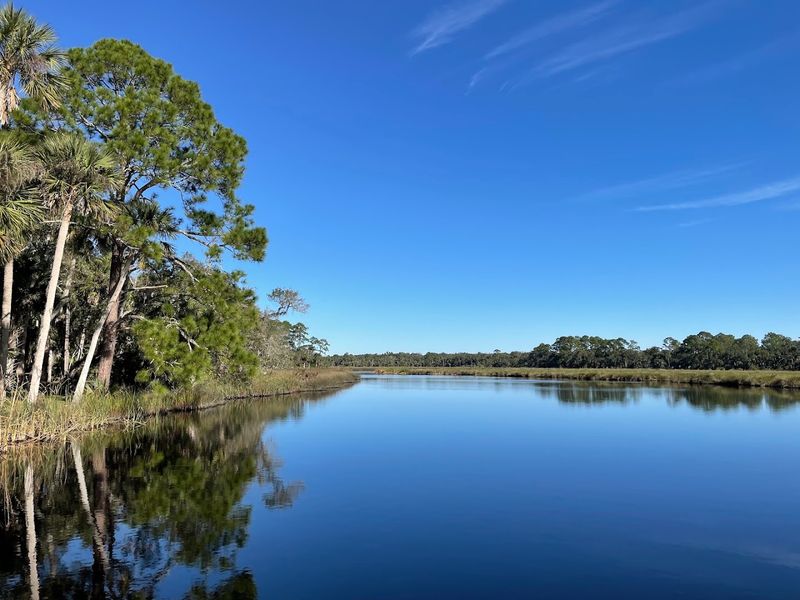
Paddling Bulow Creek feels like stepping into a completely different world. The creek winds through a stunning coastal hammock ecosystem, with towering trees draped in Spanish moss arching over the dark, mirror-still water.
It is the kind of scenery that makes you forget your phone exists.
The park provides a canoe and kayak launch ramp, making it easy to get on the water without any complicated logistics. Visitors who have launched kayaks here rave about having the creek almost entirely to themselves, especially on weekday mornings when crowds are minimal.
Wildlife sightings along Bulow Creek are common — expect to spot wading birds, turtles sunning on logs, and possibly even a gator or two drifting lazily near the bank. Whether you are an experienced paddler or a first-timer, the creek offers a peaceful, immersive Florida nature experience that perfectly complements the park’s rich historical side.
Self-Guided Tours That Make History Easy to Understand
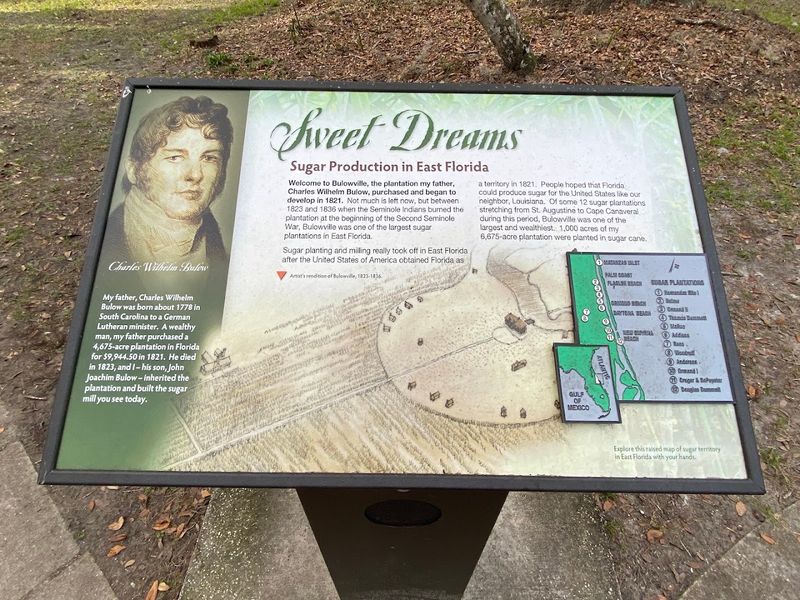
Not everyone visits a historic site with a history degree in hand, and Bulow Plantation makes sure that does not matter one bit. The park features a well-designed self-guided tour with informative signs posted throughout the ruins, breaking down the sugar-making process, plantation life, and the events of the Seminole War in clear, accessible language.
Reviewers consistently praise the quality of these educational displays. One visitor noted being especially impressed by the signs explaining the step-by-step process of making sugar cane in Florida’s intense heat.
Another mentioned that the exhibits made them appreciate the complexity of the site’s history in ways they had not expected.
On select days, park rangers also lead guided tours that go even deeper into the history. Catching one of these ranger-led talks is highly recommended — multiple visitors describe them as surprisingly entertaining, genuinely educational, and one of the highlights of their entire visit to the park.
The Plantation House Foundation — All That Remains of the Mansion
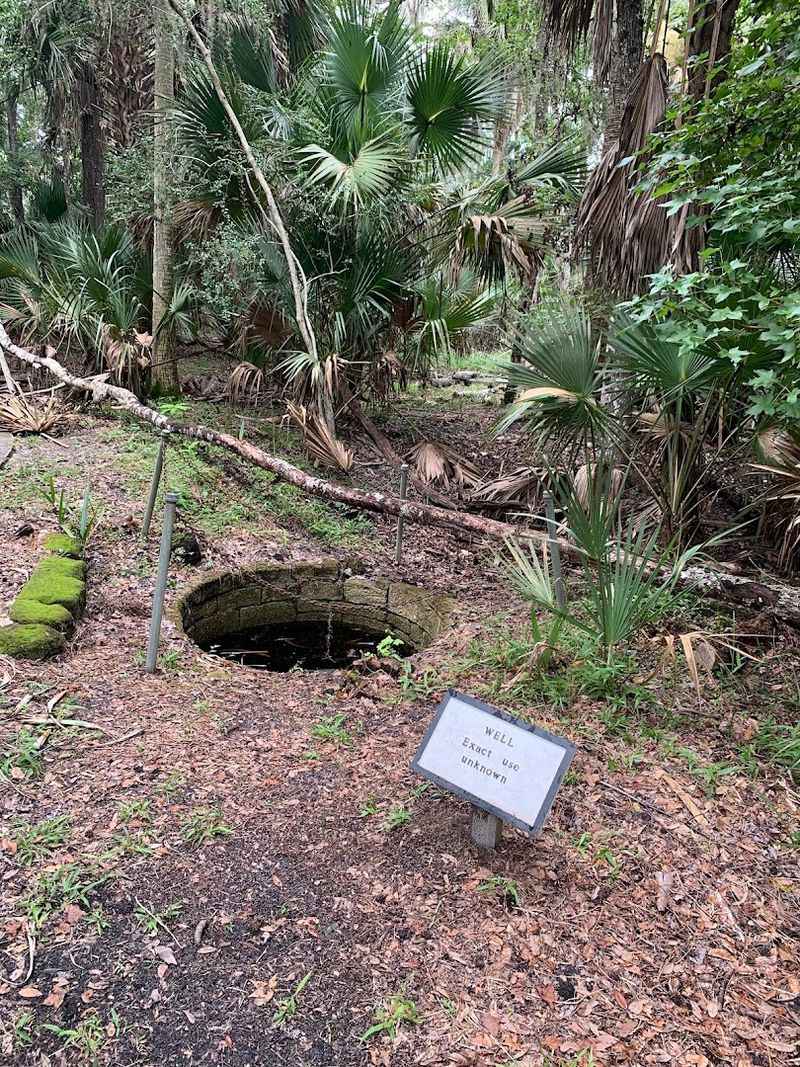
Here is something that hits differently than you might expect: the actual plantation mansion is completely gone. All that remains is the faint outline of its foundation, barely visible beneath decades of Florida vegetation reclaiming the land.
It is a humbling sight.
Unlike the dramatic sugar mill walls, the mansion foundation asks visitors to use their imagination. Standing inside the outline and picturing the grand house that once stood there — filled with wealth built on enslaved labor — creates a complicated emotional experience that lingers long after you leave the park.
The contrast between the nearly invisible mansion ruins and the still-standing mill walls tells its own story. The mill was built to last; the house was built for comfort.
One survived two centuries of Florida weather and the other did not. That quiet detail says something interesting about what the Bulow family truly valued, and it gives visitors plenty to think about on the drive home.
Hiking Trails Through a Breathtaking Coastal Hammock Ecosystem
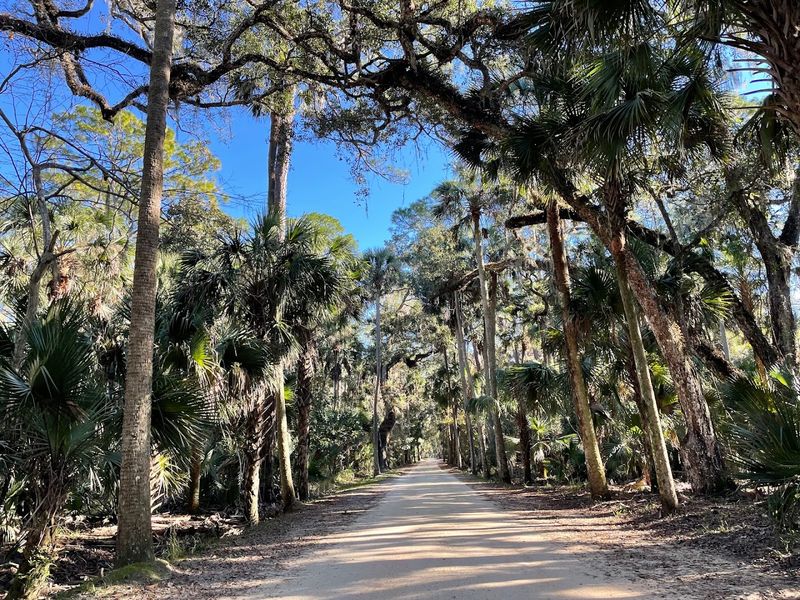
Beyond the ruins, Bulow Plantation Ruins Historic State Park offers some genuinely beautiful hiking. The park has multiple trail options ranging from a quick 0.3-mile walk to the ruins all the way to a challenging 6.8-mile trail through the coastal hammock wilderness.
The coastal hammock ecosystem here is something special. Massive live oak trees with sprawling canopies create a shaded, cathedral-like atmosphere along the trails.
Spanish moss hangs in long silver curtains, and the air smells like earth and salt. One reviewer described the woods as so beautiful she immediately wanted to hike the full 6.8-mile trail after finishing the shorter loop.
A word of advice: start early if you plan on a longer hike. Florida humidity can sneak up on you fast once the morning cool burns off.
Wear comfortable shoes, bring plenty of water, and take your time — the scenery genuinely rewards a slow, unhurried pace through the forest.
A Boat Ramp and Fishing Dock for Water Recreation Lovers
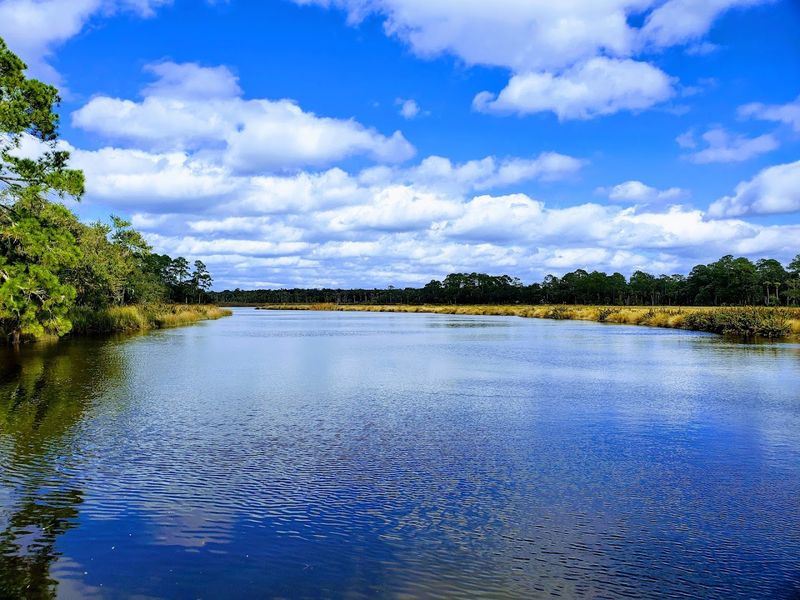
History is not the only reason to visit Bulow Plantation. The park also features a boat ramp with parking space for trucks and trailers, making it a convenient launch point for boaters exploring the Bulow Creek waterway and the wider Intracoastal Waterway system.
A small fishing dock gives anglers a quiet, shaded spot to cast a line and enjoy the peaceful creek scenery. Reviewers have spotted people fishing here during casual weekday visits, often with the dock almost entirely to themselves.
It has that old-Florida charm that feels increasingly rare as the coastline gets more developed.
The boat ramp area is described as easily accessible and well-maintained. Whether you are launching a full-sized boat or simply pulling up a chair on the dock with a fishing rod, this section of the park offers a relaxed, unhurried water experience that balances out the more intense historical portions of the visit perfectly.
Affordable Entry Fee That Makes History Accessible to Everyone
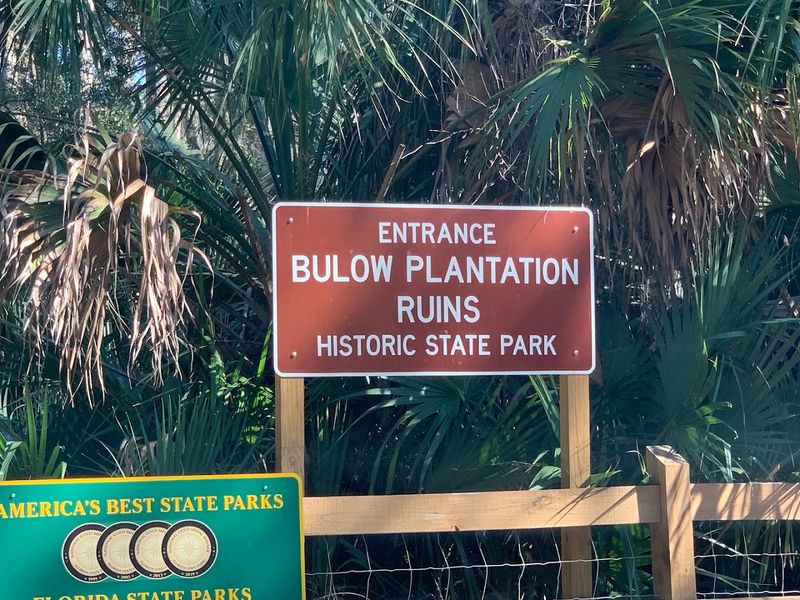
At just four dollars per car, Bulow Plantation Ruins Historic State Park might be one of the best deals in all of Florida. Pedestrians and cyclists pay just two dollars.
For that price, you get access to historic ruins, nature trails, a boat ramp, picnic areas, and restrooms. It is genuinely remarkable value.
Payment is collected through an honor-box system at the entrance. Visitors can pay with cash or scan a QR code to pay digitally — a handy option for anyone who does not carry exact change.
Multiple reviewers call the fee more than fair, with one noting it was easily worth every penny compared to many far more expensive Florida attractions.
After park hours, a short trail near the entrance remains accessible for free, giving late-arriving visitors at least a taste of the park’s natural beauty. For families watching their budget, Bulow offers a full afternoon of meaningful education and outdoor exploration without breaking the bank.
Dog-Friendly Trails Perfect for a Nature Walk With Your Pup
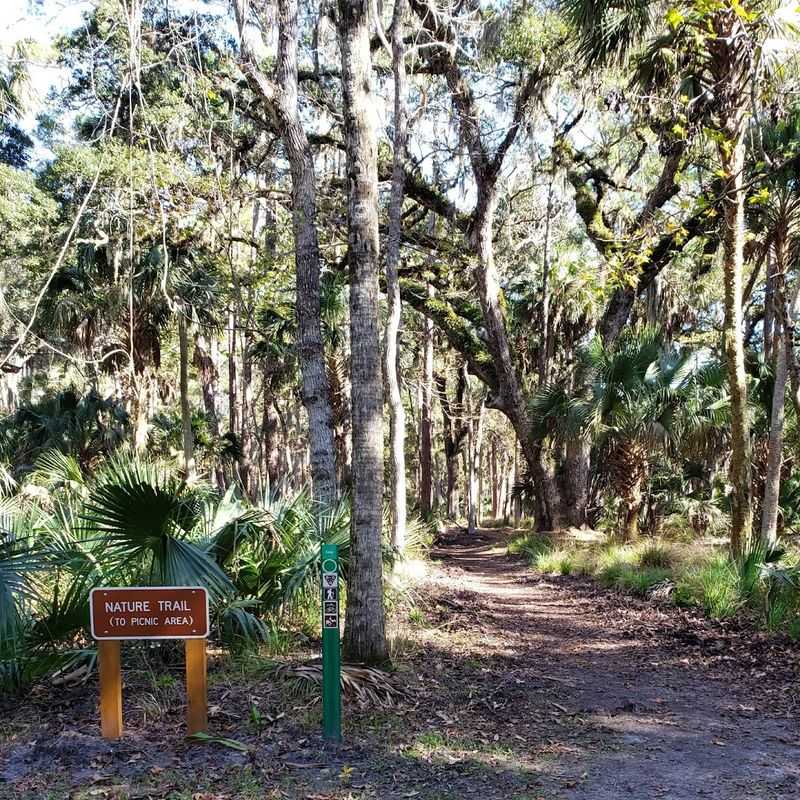
Good news for dog owners: Bulow Plantation Ruins Historic State Park welcomes leashed dogs on its trails. Reviewers have specifically mentioned bringing their dogs and finding the shaded, tree-covered paths a comfortable and enjoyable experience for four-legged visitors too.
The coastal hammock trails stay relatively cool thanks to the thick canopy overhead, which makes them more manageable for dogs even on warmer days. That said, Florida heat is no joke — bringing fresh water for your pup is a must, especially if you plan to tackle any of the longer trail options beyond the ruins loop.
There is something especially charming about exploring centuries-old ruins with a dog trotting happily beside you. The park’s relaxed, unhurried atmosphere suits a leisurely dog walk perfectly.
Just keep your pet leashed and away from the waterway edges where wildlife, including alligators, may be present along Bulow Creek and the surrounding wetlands.
Picnic Areas and Shady Spots for a Relaxing Family Outing
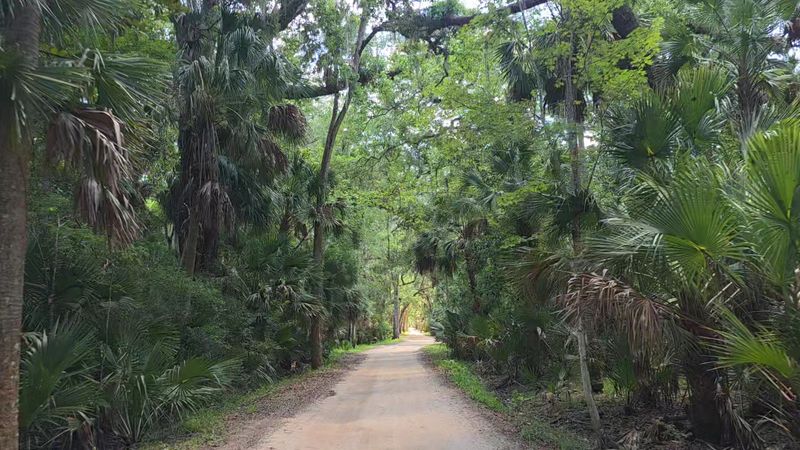
Sometimes the best part of a state park visit is simply sitting still and soaking in the surroundings. Bulow Plantation offers shaded picnic areas with tables and benches tucked beneath enormous live oak trees, making them ideal spots for a relaxed family lunch before or after exploring the ruins.
Reviewers frequently mention the park’s beautiful, well-maintained setting as one of its standout qualities. The combination of ancient trees, cool shade, and the sounds of nature creates an atmosphere that feels genuinely restorative — the kind of quiet that is hard to find near Florida’s busy beach towns.
Restrooms are available at the park, which is always a practical bonus for families with young children. Whether you are packing sandwiches for a casual afternoon or planning a longer outing that includes hiking and paddling, the picnic areas give everyone a comfortable place to rest, refuel, and appreciate the natural beauty all around them.
How to Plan the Perfect Visit to Bulow Plantation Ruins Historic State Park
Planning ahead makes a big difference at Bulow Plantation. The park is open Thursday through Monday from 9 a.m. to 5 p.m. and is closed on Tuesdays and Wednesdays.
Arriving early on a weekday gives you the best chance of having the ruins and trails almost entirely to yourself — a genuinely magical experience.
The park is located at 3501 Old Kings Rd, Flagler Beach, FL 32136. Getting there involves driving down a long, narrow dirt road that adds to the sense of discovery.
It sits conveniently close to Flagler Beach, Ormond Beach, and the scenic Loop road, making it easy to combine with other nearby attractions for a full day out.
Bring cash or have your phone ready for the QR code payment at the entrance. Pack water, comfortable walking shoes, bug spray, and sunscreen.
For questions or ranger tour schedules, call the park at +1 386-517-2084 or visit floridastateparks.org before your trip.
Enjoyed this story?
Add Fast Food Club as a preferred source to see more of our reporting on Google.