


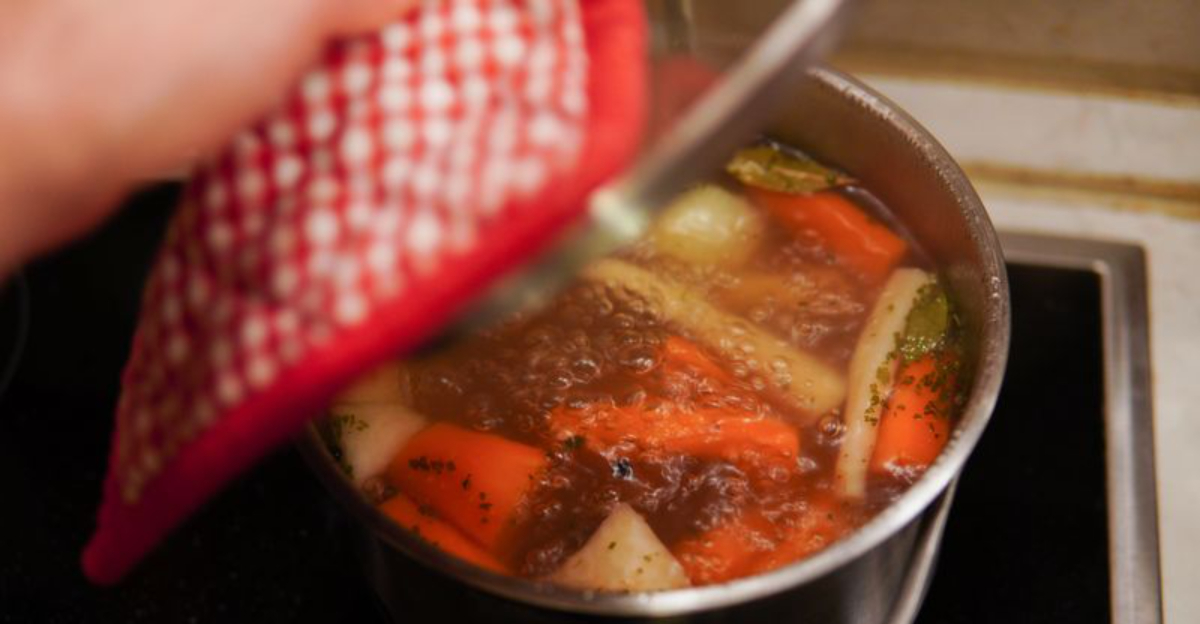
Open an old community cookbook and you will find a different America on the plate. These dishes once defined family dinners, church potlucks, and small town celebrations, yet many have slipped quietly from our tables.
Some faded as tastes changed, others as convenience foods took over. You might not crave them daily, but their stories still season our kitchens with memory.
Ambrosia salad
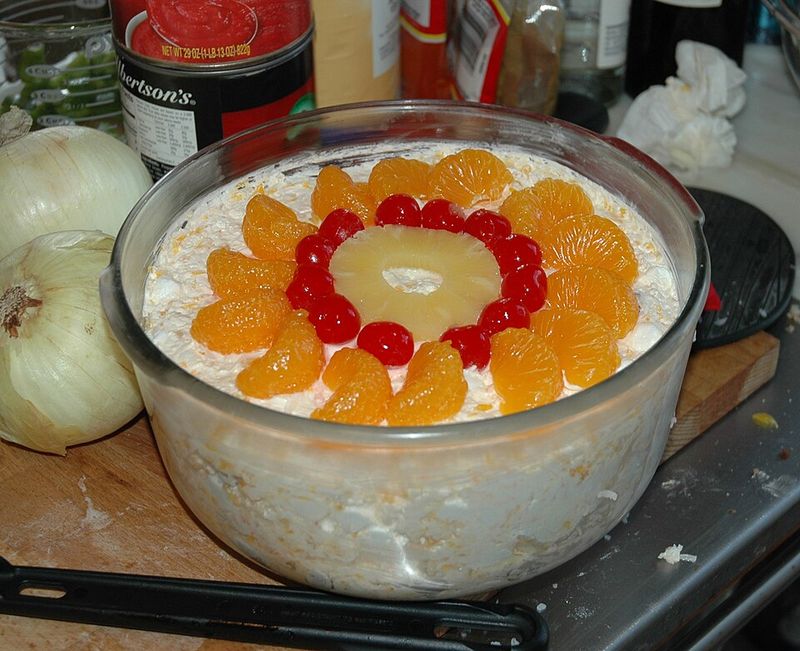
Ambrosia salad once felt like sunshine in a bowl, ladled at church suppers and holiday buffets. You got oranges, pineapple, coconut, marshmallows, and sometimes pecans, all coated in a dreamy cream that was more dessert than salad.
It tasted like celebration, sweet and bright, familiar and a little kitschy.
Today, it rarely makes the invite, edged out by fresher fruit platters and lighter sweets. People whisper about sugar and processed toppings, and the neon cherries lost their charm.
Still, one spoonful can time travel you to plastic tablecloths, paper plates, and someone’s aunt proudly guarding her secret recipe.
Tomato aspic
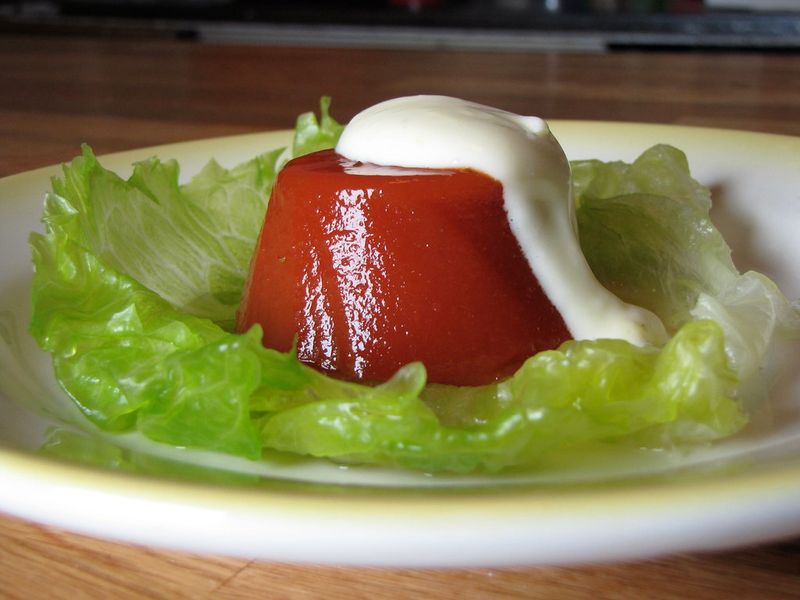
Tomato aspic felt glamorous in a midcentury way, a shimmering ring molded from tomato juice, gelatin, spices, and vegetables. Served cold with a dollop of mayo, it promised sophistication that felt thrillingly modern then.
You sliced it neatly, pretending you were hosting a magazine photo shoot right at home.
Now, the jiggle reads more spooky than chic, and cold tomato jelly asks a lot of your palate. Fresh salads and roasted tomatoes won the flavor vote.
Yet there is charm in that ruby glow, a reminder of creativity when pantry staples and imagination turned into a centerpiece.
Waldorf salad
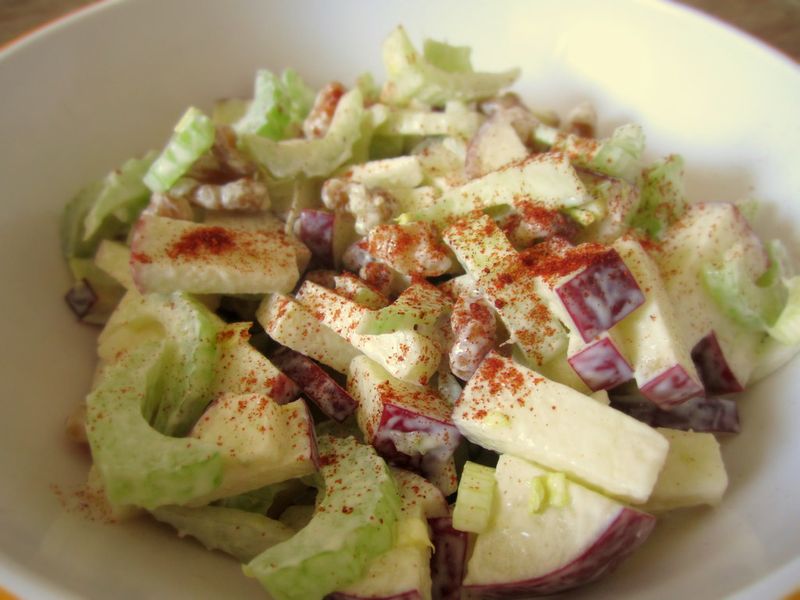
Waldorf salad arrived with hotel elegance, crisp apples, celery, grapes, and walnuts cloaked in creamy dressing. It felt balanced and bright, fancy without trying too hard.
You could serve it to grandparents or guests and everyone nodded like it belonged on good china.
Over time, yogurt swapped in, sugar backed off, and bitter greens took center stage. The old formula began to feel heavy, a little sweet for everyday lunches.
Still, that crunch whispers of linen napkins, polished silver, and menus that spelled comfort with confidence. Make it once, and you will remember why it charmed a century of diners.
Liverwurst
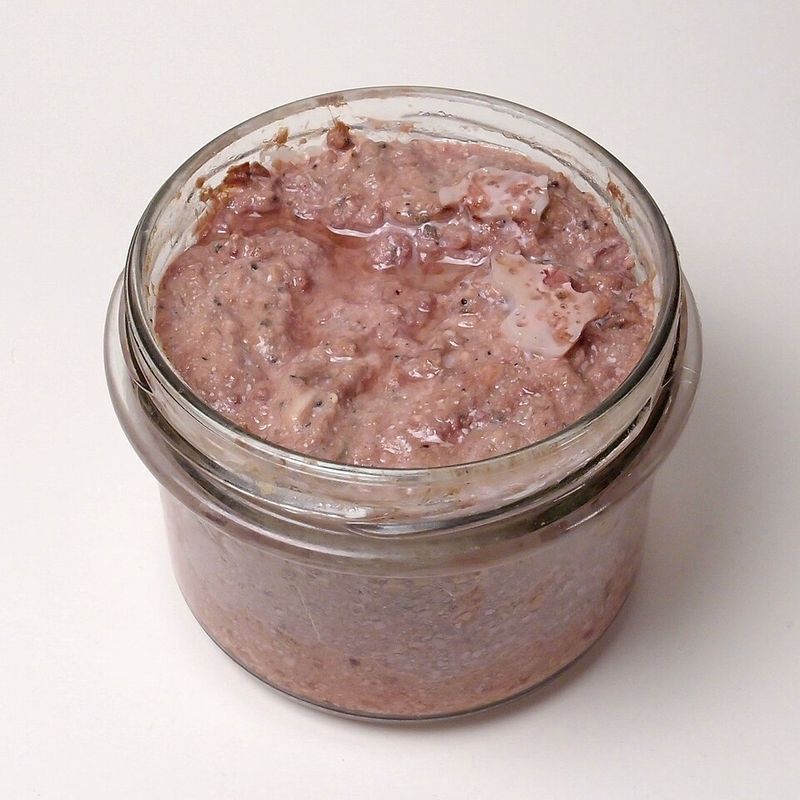
Liverwurst once held a steady spot beside bologna at the deli counter. Spread on rye with mustard and onion, it brought big flavor, silky texture, and iron rich confidence.
You either grew up loving it or learned to appreciate its unapologetic taste.
As palates shifted and wellness trends frowned at organ meats, liverwurst slipped from lunchboxes. Many still crave it quietly, remembering grandparents who swore by every bite.
Choose a good butcher and the sandwich becomes special again. It is bold, nostalgic, and honest, asking you to meet old world comfort halfway while you crunch into pickles and rye.
Pickled herring
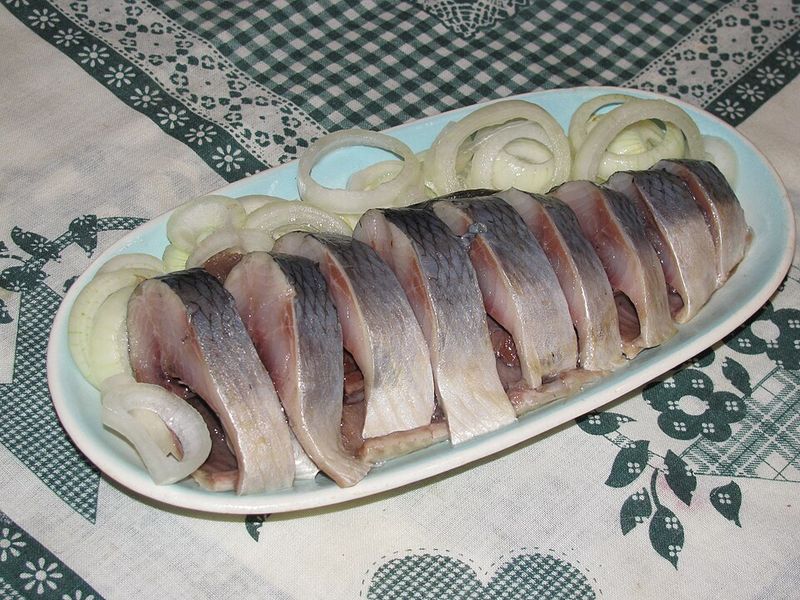
Pickled herring carried holidays and heritage, served from a cold jar onto rye with butter. Sweet brine, onion, and gentle spice made a bite that felt like family stories at the table.
You either reached eagerly or watched, curious and unsure, until bravery won.
Now, sushi and smoked salmon steal attention, while herring waits in a quiet corner of the store. It deserves better.
The texture is delicate, the flavor layered and bright with vinegar and clove. Put it out with potatoes and sour cream, and you may find yourself hooked on an old tradition that still sparkles.
Cornmeal mush
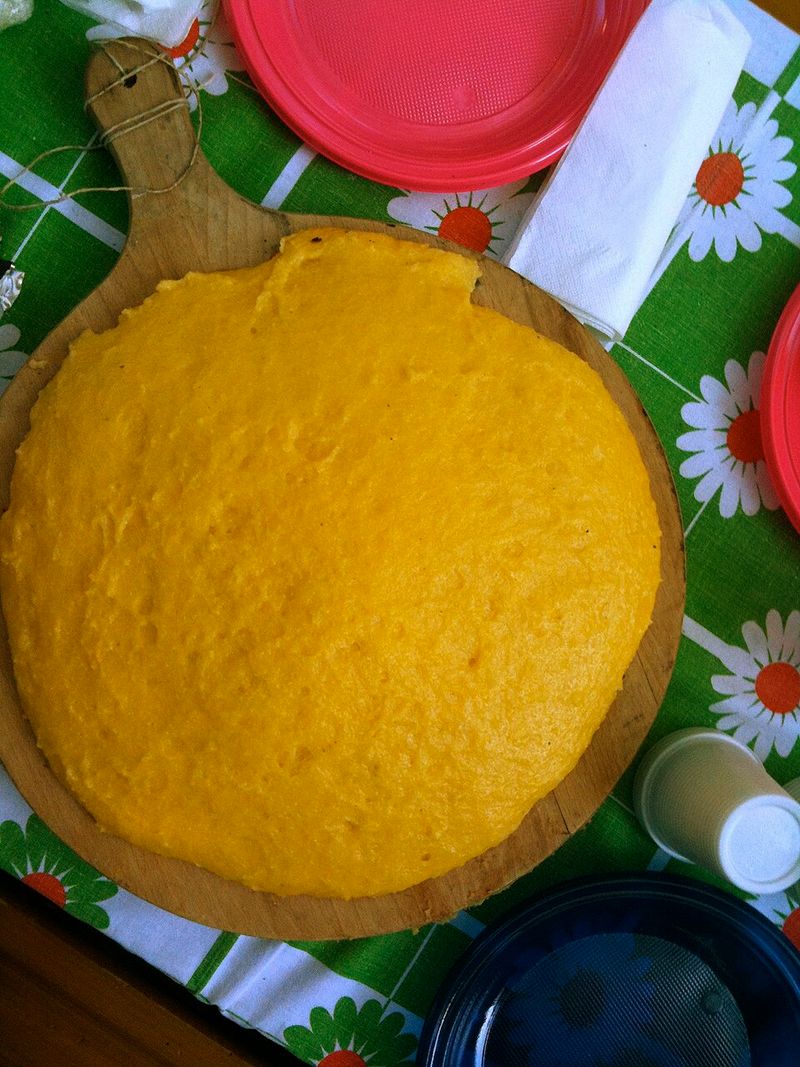
Cornmeal mush was morning fuel, simmered thick and poured into a bowl with butter or syrup. It could be chilled, sliced, and fried crisp for supper.
You felt the warmth rise as you stirred, the spoon standing straight like proof of thrift and patience.
Quick cereals and granola crowded it out, and even polenta stole its spotlight with a fancier name. Still, mush has quiet magic.
It is cheap, soothing, and endlessly adaptable. Dress it with cheese, greens, or sausage, and it becomes dinner.
Sometimes the simplest grains still carry the heaviest comfort when days ask a lot.
Spoon bread
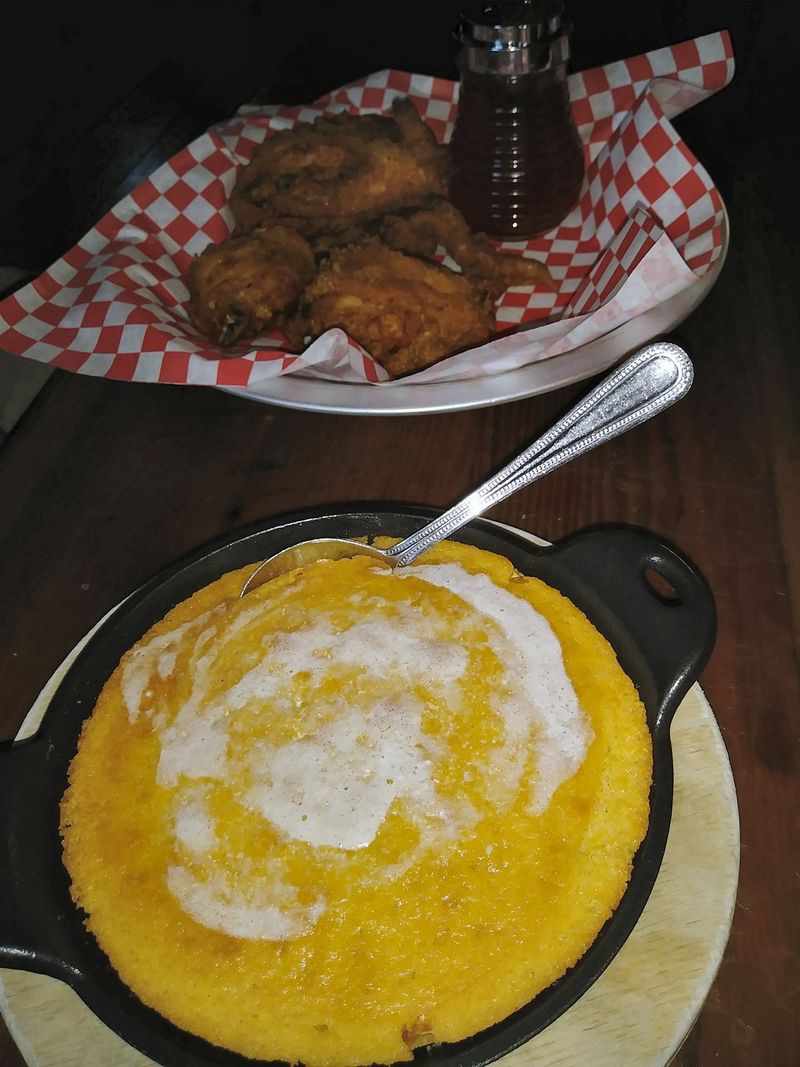
Spoon bread feels like a hug in casserole form, tender and custardy, halfway between cornbread and pudding. You scoop, not slice, and steam billows up with butter and corn fragrance.
It slides alongside beans, greens, or roast chicken like a polite, perfect guest.
As boxed mixes and quick bakes took over, spoon bread stayed mostly at church suppers and Sunday tables. It deserves a comeback.
Whisk cornmeal into hot milk, fold in eggs, and you get cloud like comfort. Serve it hot, and watch plates circle back for another spoonful, remembering how softness can still steal the show.
Cottage pudding
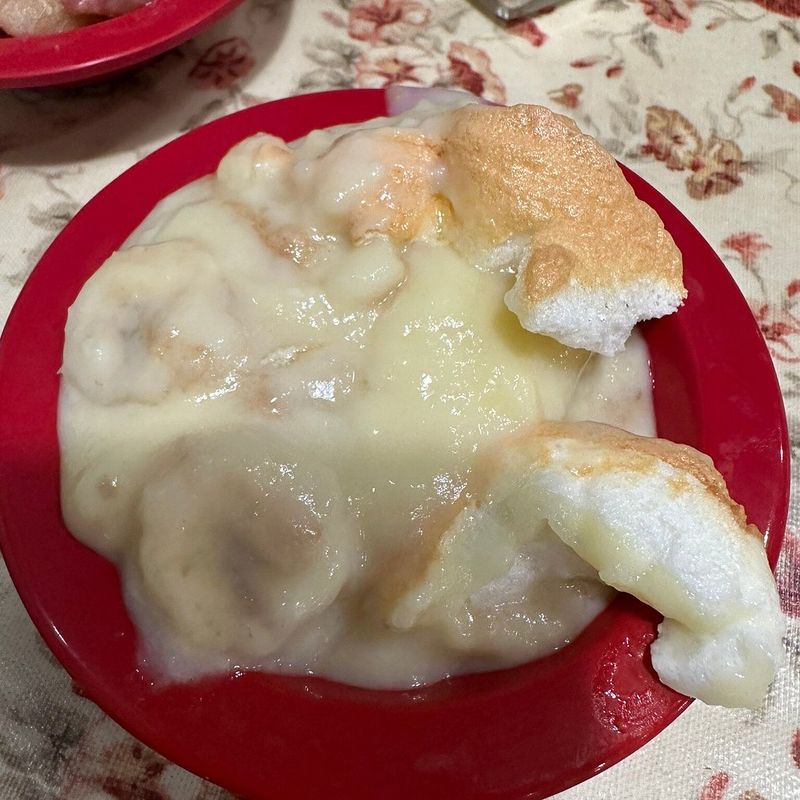
Cottage pudding is not pudding at all, but a plain cake dressed in warm sauce. You bake something humble, then pour silky vanilla or lemon over the top and watch it soak in.
It is the dessert you make from pantry odds and ends when company drops by.
We chase elaborate frostings now, towering layers and dramatic fillings. Yet cottage pudding wins with understatement.
The crumb is tender, the sauce forgiving, and the comfort immediate. When dessert should feel like a hug, this delivers without fuss.
Every bite says simple ingredients still know how to charm a table.
Creamed chipped beef
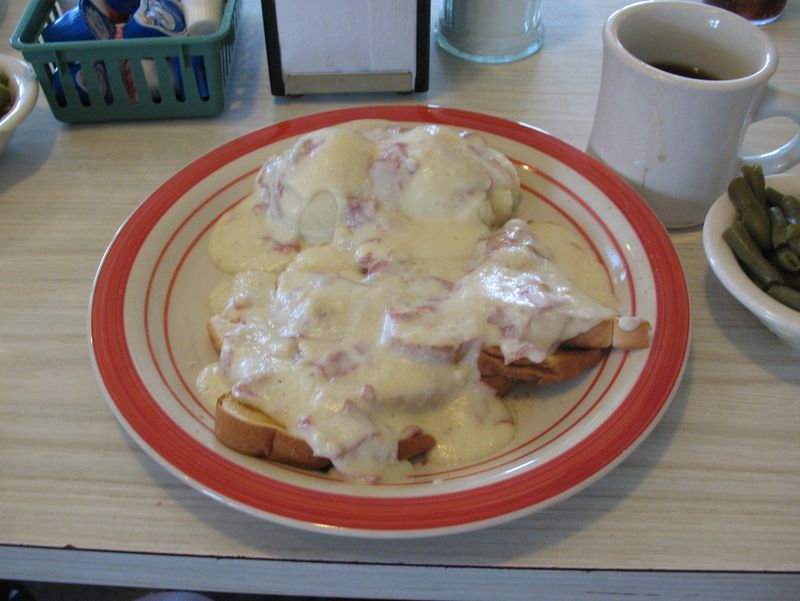
Creamed chipped beef fed barracks, diners, and busy homes, pouring salty ribbons of dried beef in a peppery cream over toast. It was cheap, fast, and belly warming, the kind of breakfast that powered long days.
You eat it and feel steady again, like you can handle whatever comes.
Nutrition labels are not gentle, and many moved on to lighter starts. But the nostalgia is strong.
Make a small skillet, use good toast, and season thoughtfully. It hits the spot on cold mornings, reminding you that comfort sometimes looks like gravy and hears old nicknames said with affection.
Jellied salads
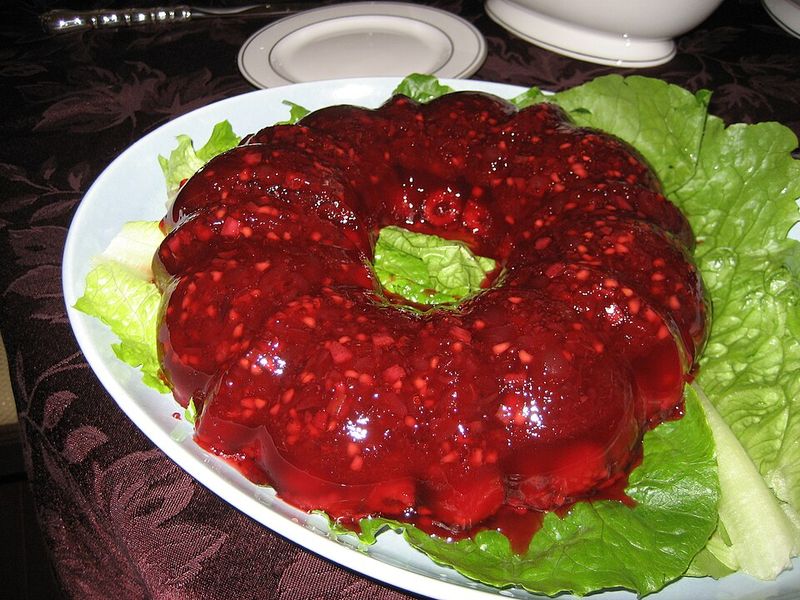
Jellied salads ruled the buffet line, wobbly towers with fruit or even vegetables set in jewel toned gelatin. It was part art project, part dessert, part dare, and completely era defining.
You sliced a shining ring and hoped what was suspended tasted friendly.
As expectations shifted toward fresh textures, the jello mold lost its sparkle. Still, there is fun in the spectacle and a thrill in unmolding success.
Make a small mold with berries and cream, and it can be lovely again. Nostalgia deserves a seat, even if the salad shimmies more than your appetite.
Pickled pigs’ feet
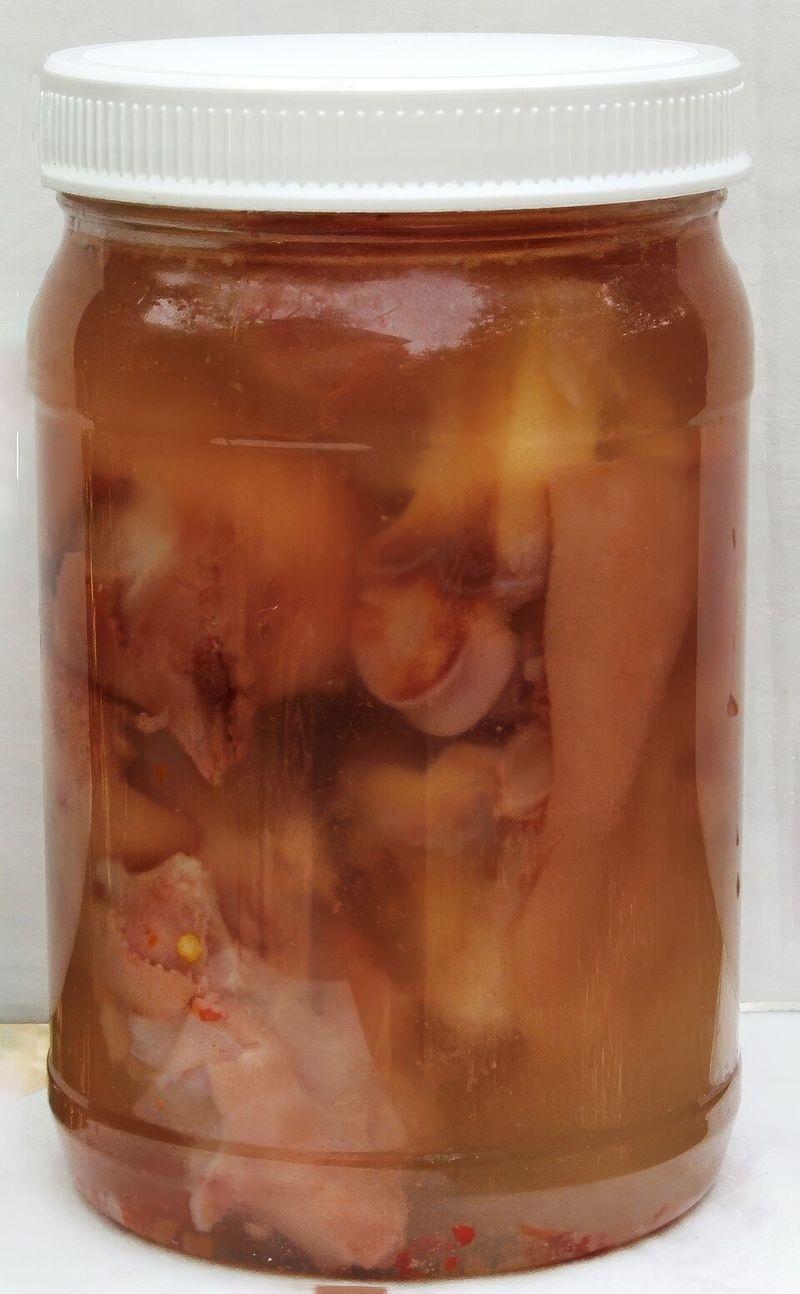
Pickled pigs’ feet lived on country store counters and in brave family kitchens, slick with vinegar, spice, and history. You learned to navigate the bones and gelatin, rewarded with tang and richness that clung to memory.
It tasted like resourcefulness, the whole animal honored.
Now, many shy away, choosing tidier cuts and boneless everything. Still, there is value in knowing this flavor and tradition.
With hot sauce, onions, and patience, the bite is bright and satisfying. You do not have to love it to respect it, but you might find yourself reaching back for another curious taste.
Apple butter
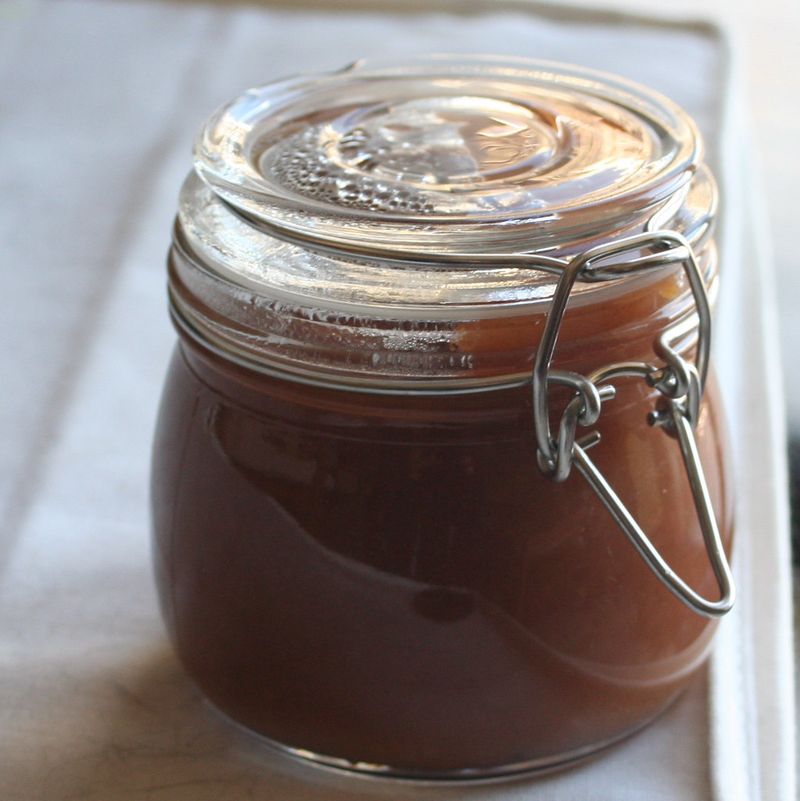
Apple butter simmered forever on the stove, apples melting into a mahogany spread scented with cinnamon and clove. You waited for the spoon to stand up, then slathered it on biscuits or toast.
It tasted like fall fairs, porch swings, and steam fogging chilly windows.
Jams and nut butters claimed the pantry, but apple butter still whispers comfort. It is not flashy, just deeply apple, gently sweet, and endlessly versatile.
Stir it into oatmeal, glaze pork, or swirl into yogurt. When the air turns crisp, one spoonful pulls you straight into sweater weather and home.
Chipped beef gravy
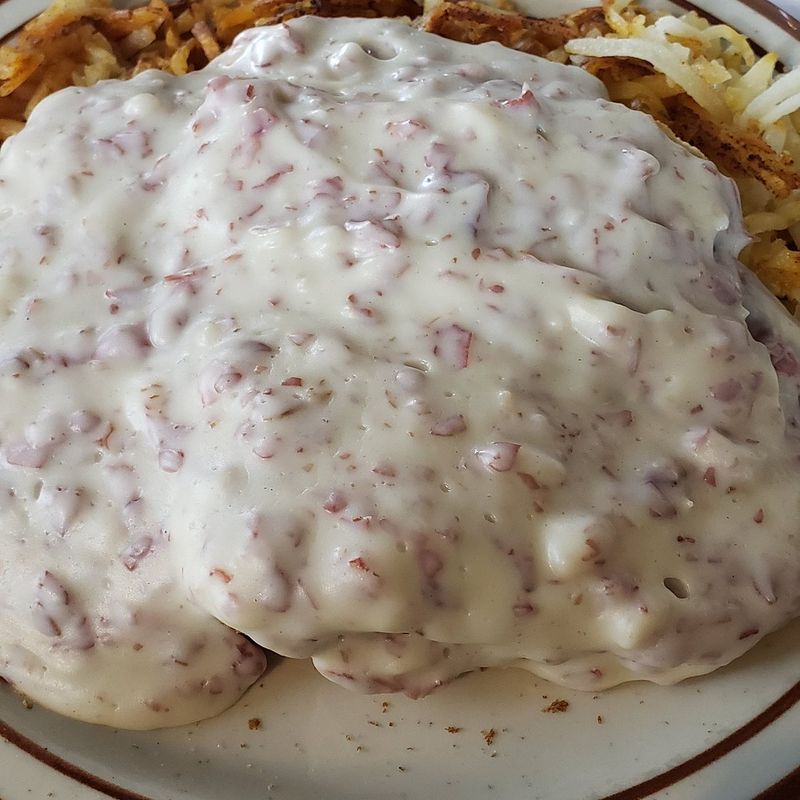
Chipped beef gravy is the same comforting cousin to creamed chipped beef, ladled over toast, biscuits, or potatoes. Salty dried beef, milk, and flour come together into a hearty, old school sauce.
It sticks to your ribs and your memories of big weekend breakfasts.
Modern mornings move fast, and sodium warnings are hard to ignore. Still, a small batch scratches the itch.
Season with pepper, add sautéed onions, and you have a richer plate that respects nostalgia. Serve with strong coffee and conversation, and the day feels steadier, like you took care of yourself the simple way.
Bread and milk

Bread and milk was not fancy, just survival turning into comfort. You tore yesterday’s loaf, poured cold milk, maybe added sugar or cinnamon, and called it breakfast or a soft supper.
It felt like being looked after, even when money was tight and choices were few.
Today, it sounds stark next to smoothies and parfaits. But there is tenderness in that bowl.
Warm the milk, add a pinch of nutmeg, and you get a soothing nightcap. It is humble, honest, and kind, the sort of food that remembers you when life asks for gentleness.
Tapioca pudding
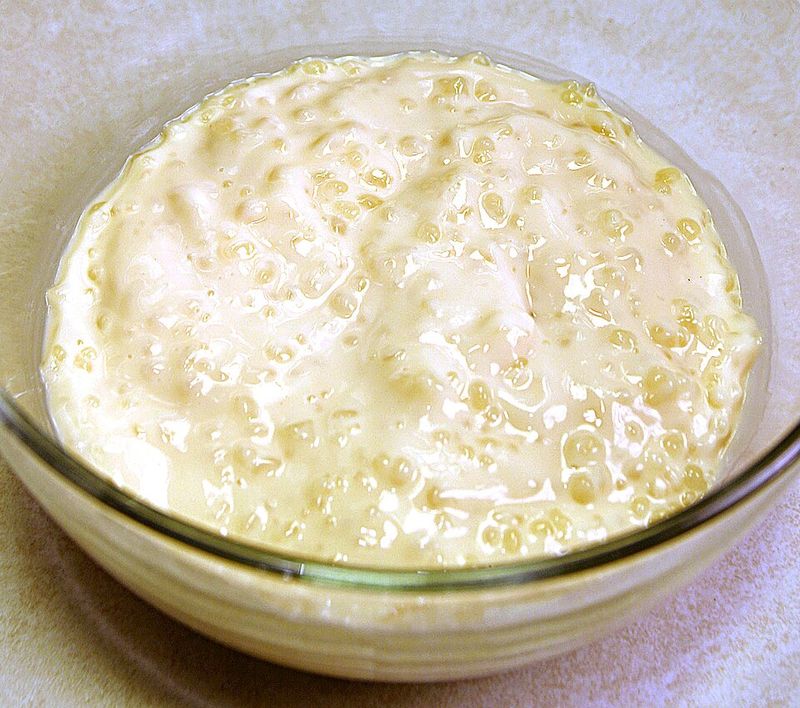
Tapioca pudding brought gentle sweetness and that signature pearly bounce. Cooked slowly, it turned milk, sugar, and starch into a dessert that felt soothing and quietly luxurious.
You could eat it warm or chilled, each spoonful calming like a lullaby.
Ready puddings and trendy sweets nudged it aside, and some never loved the texture. Yet patience pays off with tapioca.
The pearls turn tender, the custard silken, and vanilla blooms. Add citrus zest or a ribbon of jam, and suddenly it feels modern again.
It is proof that comfort is often a texture as much as a taste.
Succotash
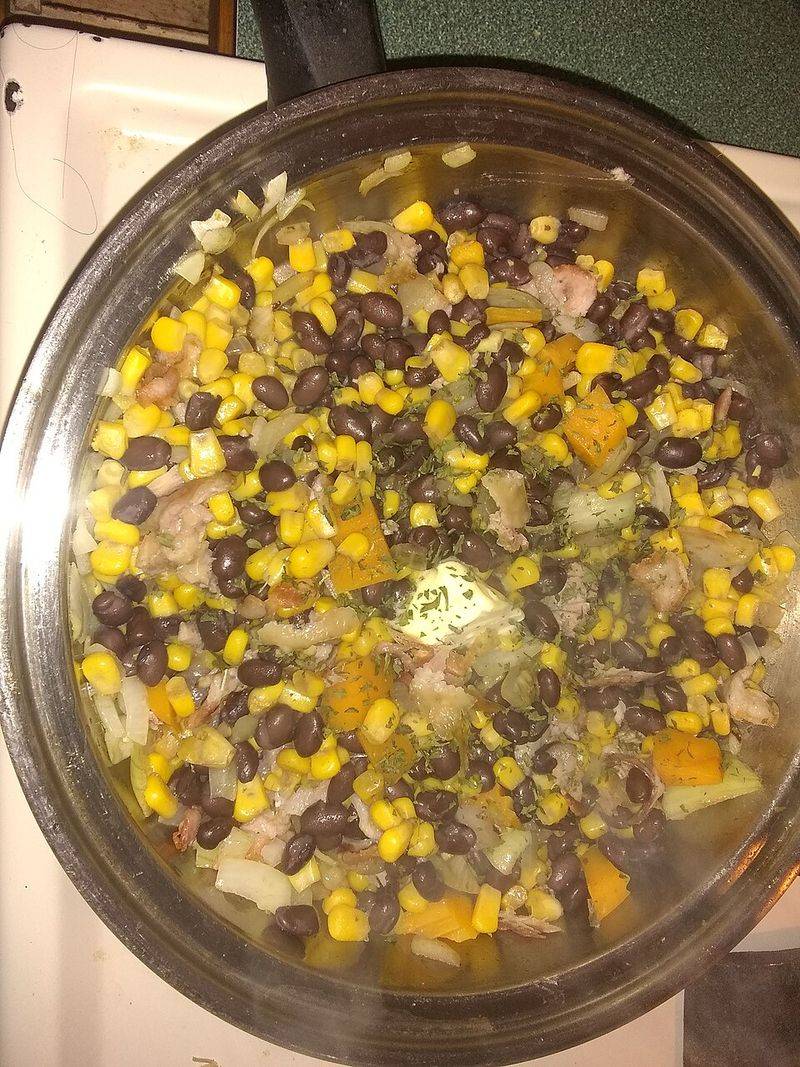
Succotash shines when corn is sweet and lima beans are creamy, tossed with butter and maybe a little cream. It is simple, warm weather comfort with a gentle snap and mellow richness.
You can taste gardens and front porches in every bite.
Some folks never warmed to limas, and succotash faded behind flashier sides. But it loves add ins like tomatoes, bacon, or herbs.
Brighten with lemon and it perks right up. Serve alongside grilled chicken, and you will remember why it stayed on so many family tables for so long.
Mock apple pie
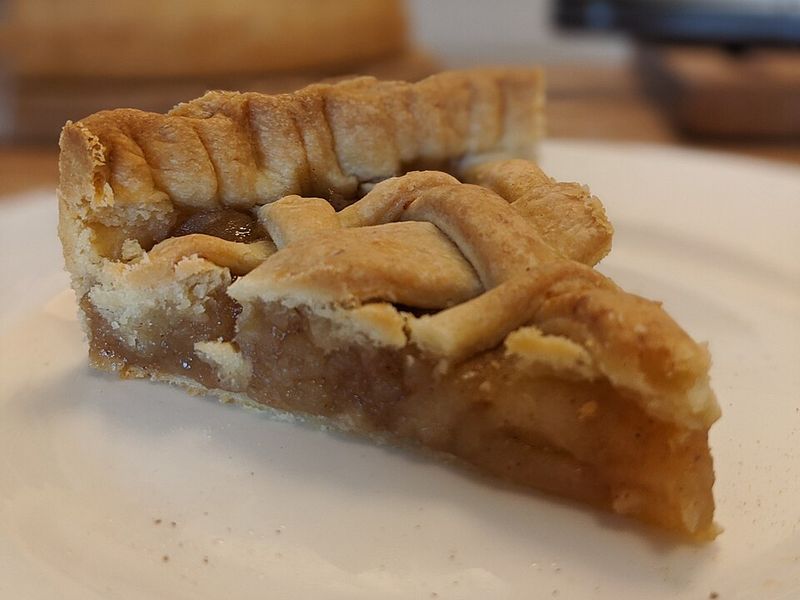
Mock apple pie used crackers, sugar, lemon, and spice to pretend its way into apple season. It was a trick born from scarcity and cleverness, and the result surprised more than a few doubters.
You tasted cinnamon and tart sweetness and forgot what you were missing.
With fruit available year round, the ruse feels less necessary now. Still, there is fun in the reveal and respect for ingenuity.
Bake one for a story as much as dessert, and serve it proudly. You might find that nostalgia and caramelized crumbs can outshine perfection on a plate.
Tomato gravy
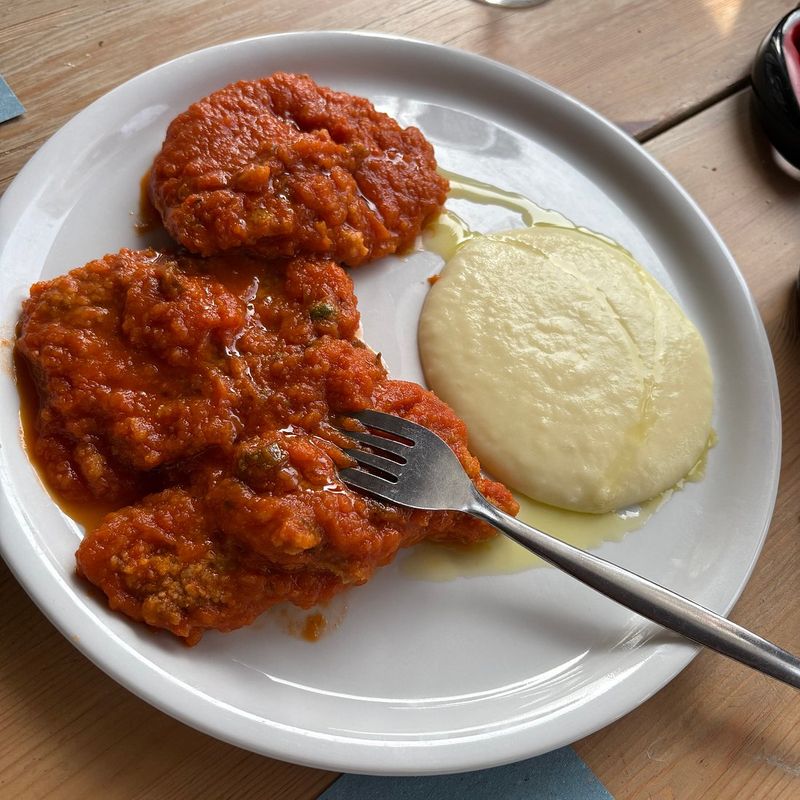
Tomato gravy turns garden sweetness into a savory blanket for biscuits, grits, or fried pork chops. It is creamy, tangy, and deeply comforting, like summer captured and poured warm.
You taste childhood breakfasts and slow Sundays in every spoonful.
As jarred sauces multiplied, tomato gravy slipped off many menus. But one skillet brings it back fast.
Use ripe tomatoes or good canned, whisk in milk, and season generously. Spoon it over flaky biscuits and watch faces soften.
When you need a bridge between savory and cozy, tomato gravy understands the assignment perfectly.
Ham salad
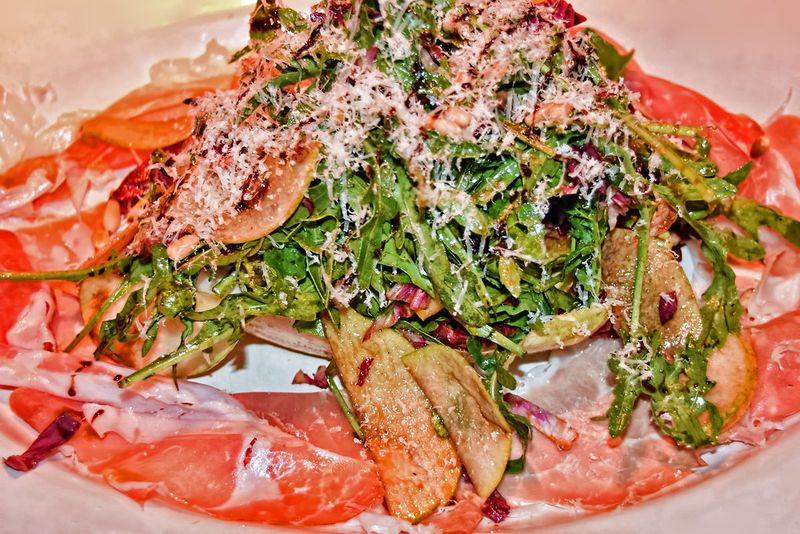
Ham salad was the thrifty hero of after-holiday fridges, turning leftover roasts into spreadable lunches. Minced ham, relish, celery, and a creamy binder made sandwiches that tasted like practicality and comfort.
You could spoon it on crackers and feel like the good kind of resourceful.
Today, deli cases lean toward sleeker proteins and cleaner labels. Some folks just do not crave the sweet relish tang anymore.
But the spread still sings on buttered toast or tucked with lettuce into a soft roll. When you need a no fuss lunch that tastes like Saturday, ham salad knows your name.
Boiled dinner
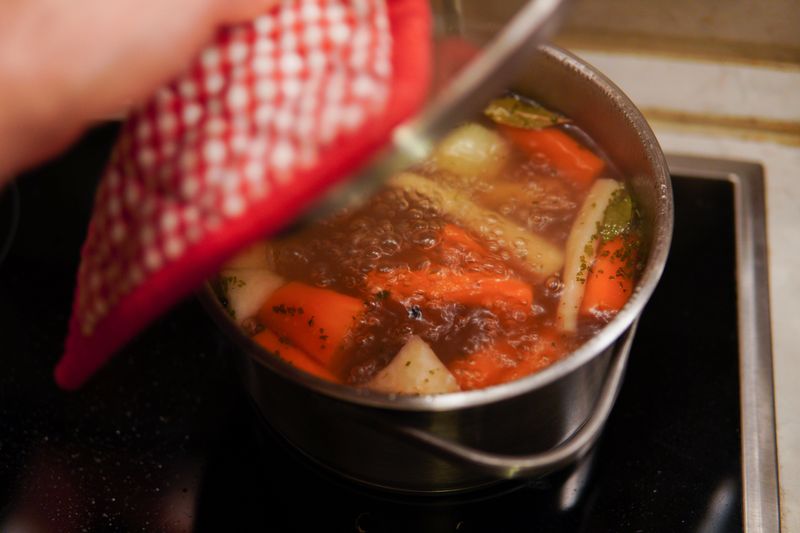
Boiled dinner was weeknight practicality turned feast, with corned beef or ham simmered alongside cabbage, carrots, and potatoes. The broth perfumed the house and promised full plates without fuss.
You ladled it generously, then passed mustard and called everyone to the table.
Today, roasting and searing get the glory, while boiling seems bland. Still, done right, the vegetables go sweet and tender, and the meat turns sliceable and juicy.
Save the broth for tomorrow’s soup, and you have value and comfort. It is the kind of meal that organizes a chilly evening into gratitude.
Enjoyed this story?
Add Fast Food Club as a preferred source to see more of our reporting on Google.