


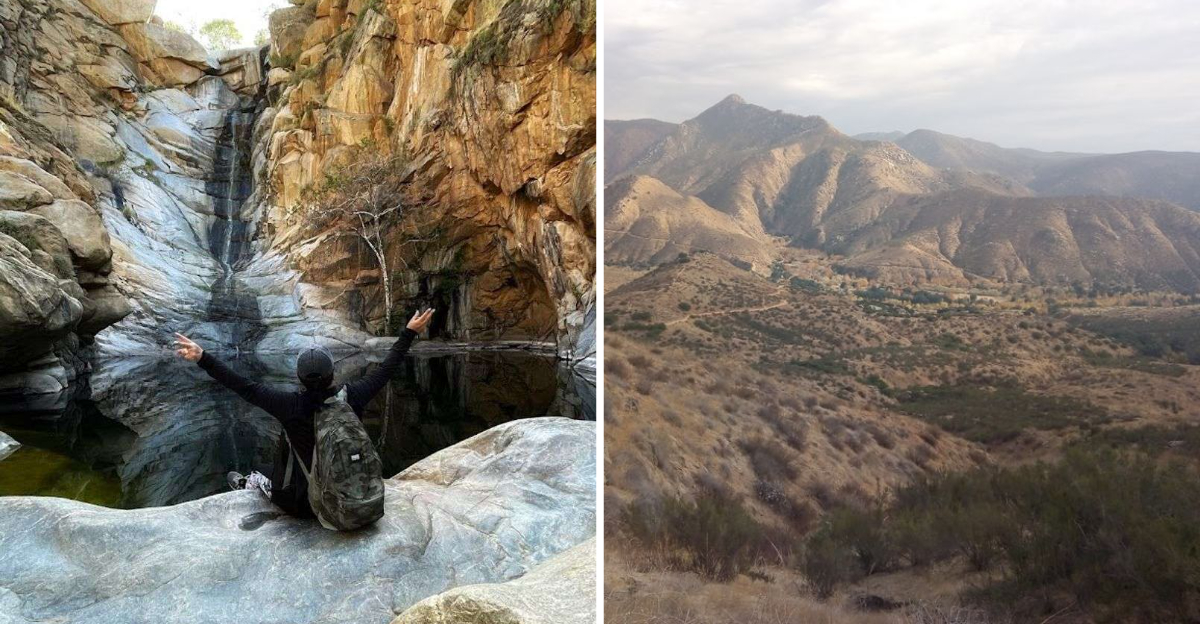
Tucked away in the rugged hills near Ramona, California, Cedar Creek Falls Trail leads to one of San Diego County’s most breathtaking natural wonders. This scenic hike winds through chaparral-covered hillsides before rewarding you with a stunning 80-foot waterfall cascading into a crystal-clear pool.
Whether you’re an experienced hiker or just looking for a refreshing outdoor adventure, this trail has something truly special to offer. Get ready to discover everything you need to know before you lace up your boots and hit the trail.
Where Cedar Creek Falls Trail Is Located
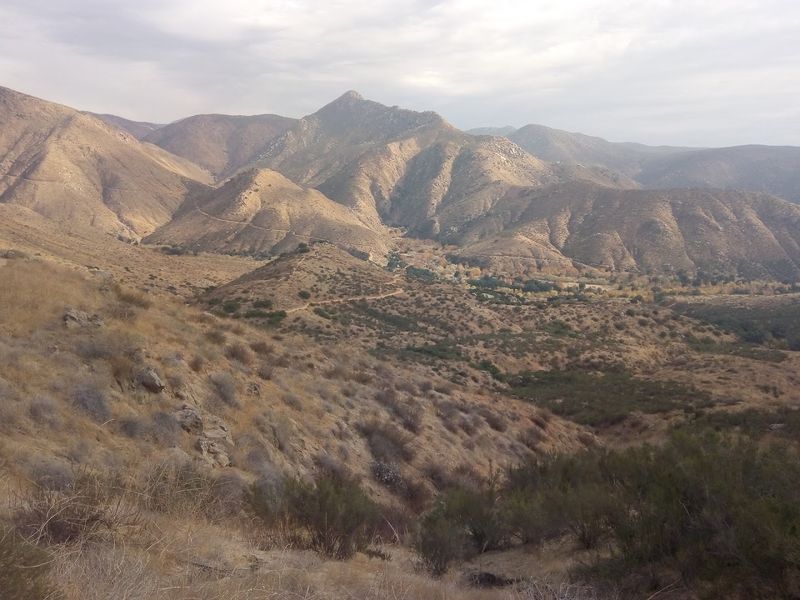
Nestled in the backcountry of San Diego County, Cedar Creek Falls Trail sits near the small town of Ramona, California, at coordinates 32.9933844, -116.7442667. The trailhead is accessed via Thornbush Road off Highway 78, making it reachable from both San Diego and the Inland Empire.
This hidden gem sits within the Cleveland National Forest, surrounded by wild chaparral, oak trees, and dramatic rocky terrain. The area feels worlds away from the busy city life of Southern California, even though it’s only about an hour’s drive from downtown San Diego.
Because the trail sits on federal land, visitors are required to obtain a free permit before hiking. This helps protect the sensitive ecosystem and manage the number of visitors each day.
Planning your trip in advance ensures you won’t show up only to be turned away.
Trail Distance and Difficulty Level
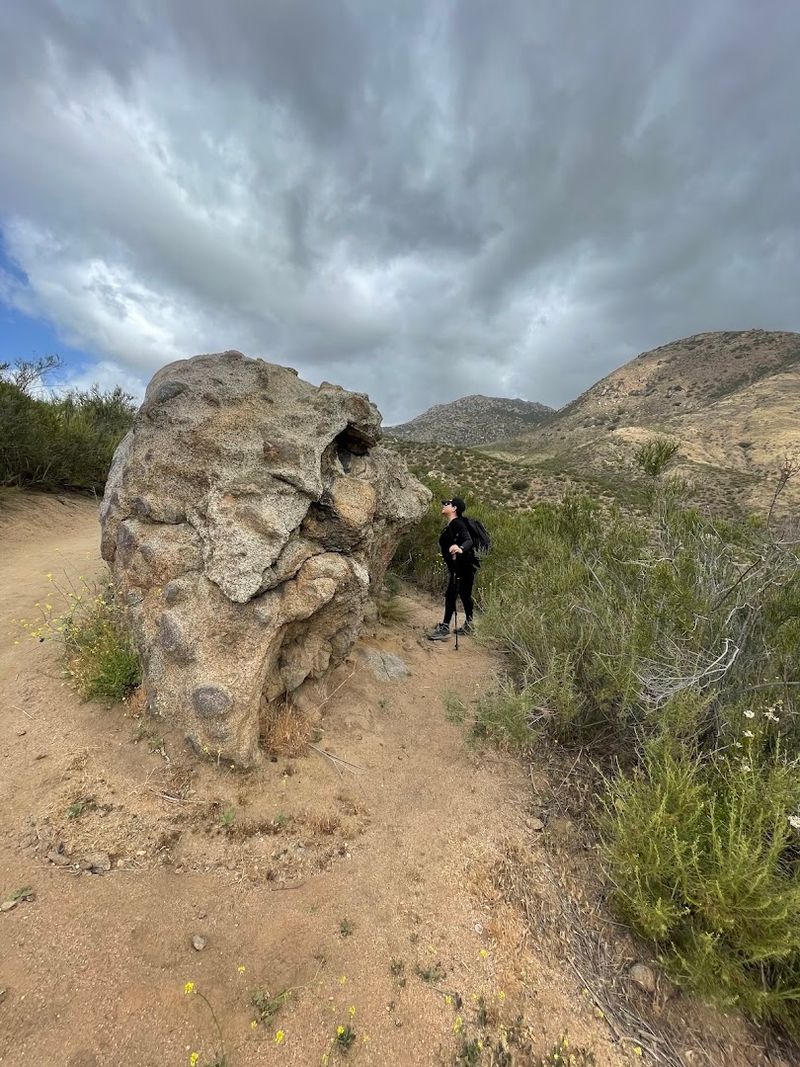
Ready to know what you’re signing up for? The Cedar Creek Falls Trail is approximately 5.8 miles round trip, making it a moderate hike suitable for teens and adults who are reasonably active.
The path is not overly technical, but it does involve some steep sections and uneven terrain.
Elevation change is around 1,100 feet, which means you’ll feel the burn on the way back up after visiting the falls. Most hikers complete the round trip in about 3 to 4 hours, depending on their pace and how long they linger at the waterfall.
Beginners should not underestimate this trail. Wearing proper footwear and bringing plenty of water are absolute musts.
The descent to the falls is steep in places, and footing can be tricky on loose gravel. Taking your time and staying on the marked path keeps everyone safe and happy.
The Stunning 80-Foot Waterfall Payoff
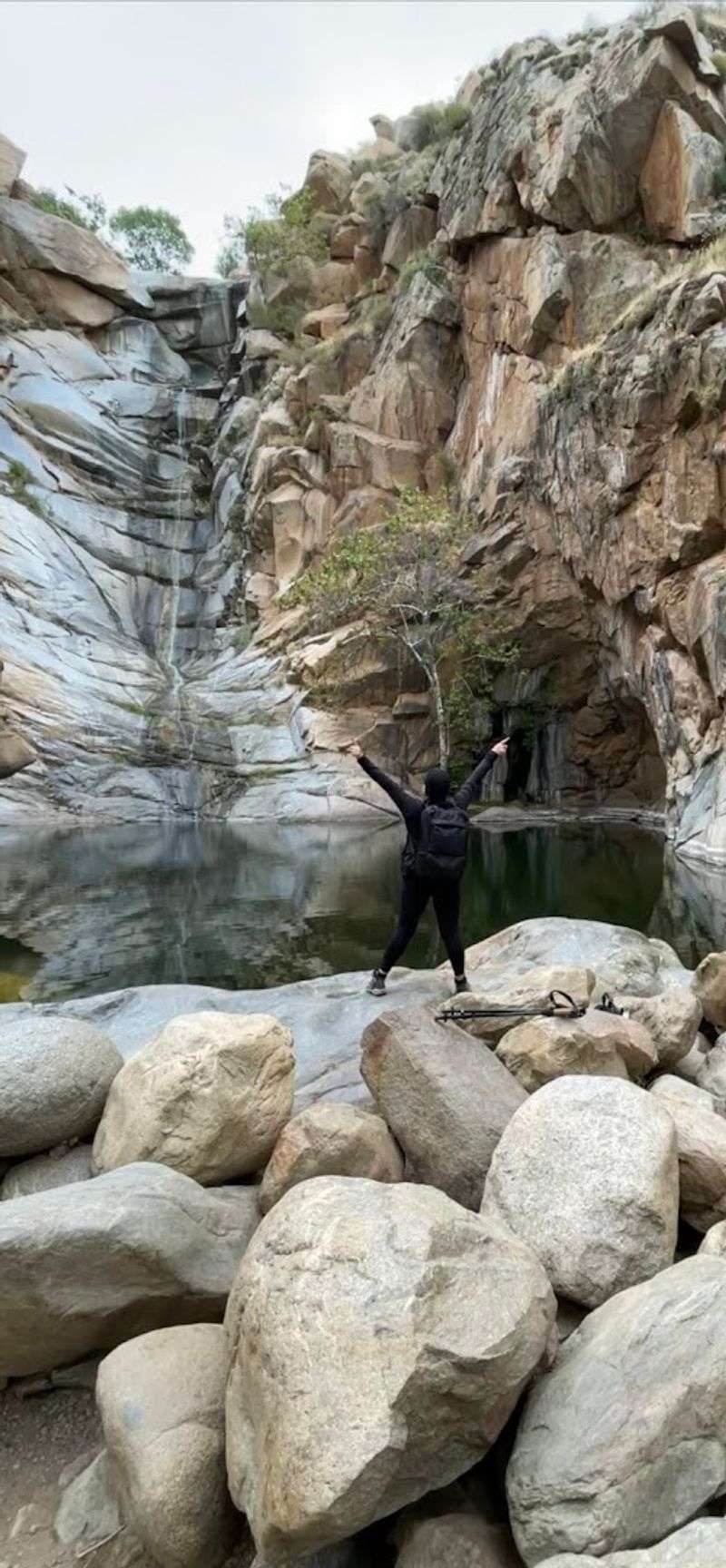
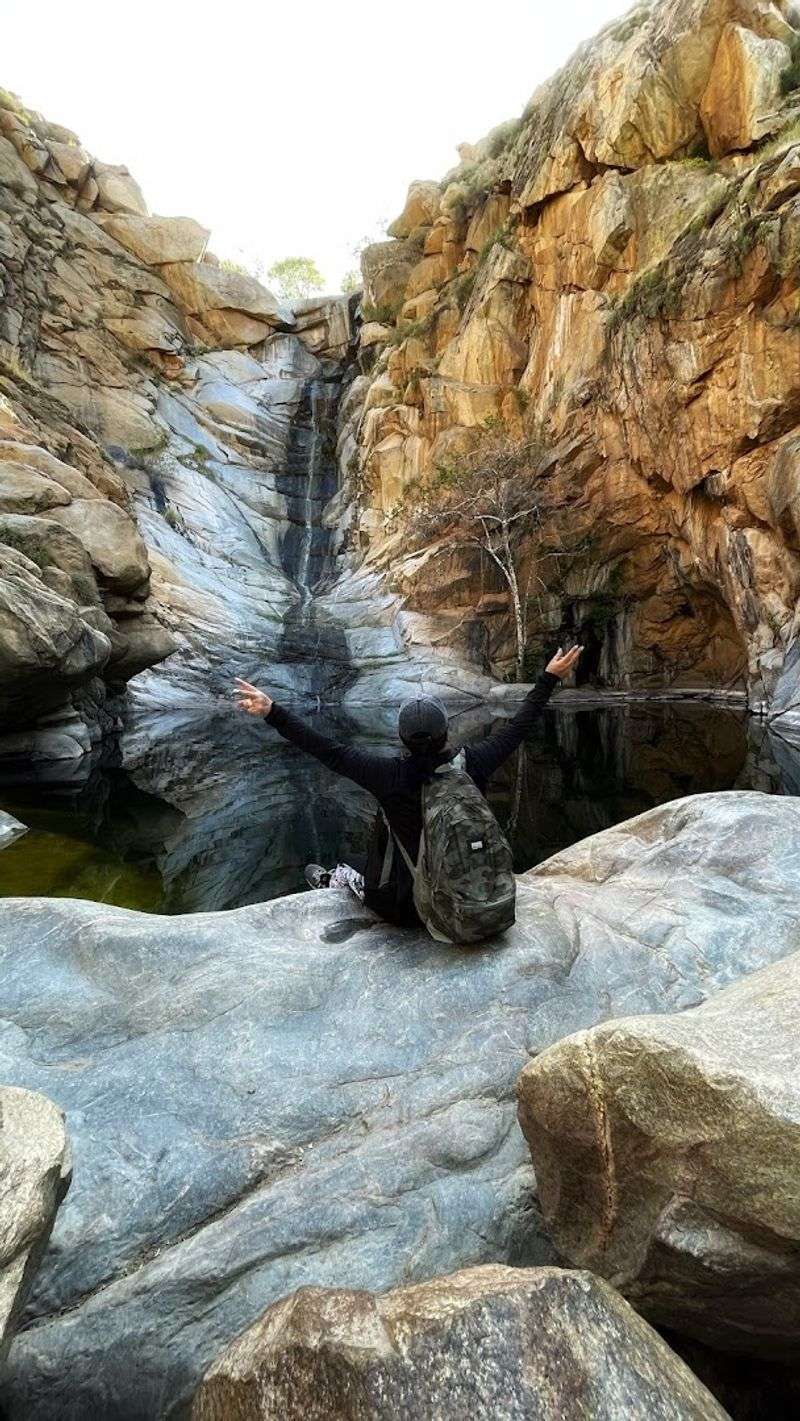
Few things in nature match the feeling of rounding a bend and suddenly seeing Cedar Creek Falls drop 80 feet into a glittering pool below. The waterfall is the undisputed star of this hike, and it absolutely delivers on the hype.
The sight and sound of rushing water after a dusty trail is genuinely refreshing.
The falls are most impressive during late winter and spring, when seasonal rainfall boosts the water flow significantly. During dry summer months, the waterfall may slow to a trickle, so timing your visit matters a lot if you want the full dramatic effect.
Standing at the base of the falls and looking up at the rocky cliffs above is a humbling experience. The mist from the falling water cools the air around the pool, creating a natural oasis in the middle of Southern California’s dry backcountry landscape.
It feels like a secret world.
Permit Requirements You Must Know About
Here is something many first-time visitors do not realize until it is too late: Cedar Creek Falls Trail requires a free permit to hike. The permit system was introduced to protect the fragile environment around the waterfall and prevent overcrowding, which had become a serious problem in recent years.
Permits are issued through a lottery system managed by the Cleveland National Forest. Applications typically open weeks before your desired hiking date, so checking the official forest service website early is strongly recommended.
Only a limited number of hikers are allowed per day.
Showing up without a permit means you will be turned away at the trailhead, no exceptions. Rangers actively check permits on busy weekends and holidays.
The good news is that the permit is completely free, so the only investment is a little planning ahead. Securing your spot early makes the whole experience much smoother and stress-free.
Best Time of Year to Visit
Timing your visit to Cedar Creek Falls can make the difference between a magical experience and a disappointing one. Late winter through early spring, roughly February through April, is widely considered the best window to visit.
Rainfall during these months keeps the creek flowing strong and the landscape looking lush and green.
Spring also brings wildflowers to the chaparral hillsides, adding splashes of color to an already beautiful hike. Temperatures are mild during this season, usually ranging from the mid-50s to the low 70s Fahrenheit, which is ideal for comfortable hiking without overheating.
Summer visits are possible but come with real challenges. Heat in the backcountry can be brutal, sometimes topping 100 degrees Fahrenheit, and the waterfall may be reduced to a trickle.
If summer is your only option, start hiking at sunrise to beat the heat and bring far more water than you think you need.
Wildlife You Might Spot Along the Way
The trail to Cedar Creek Falls passes through some of Southern California’s richest wildlife habitat. Keep your eyes open and you might be rewarded with some truly memorable sightings.
The Cleveland National Forest is home to a wide variety of animals that thrive in the chaparral ecosystem.
Golden eagles are sometimes spotted riding thermals high above the canyon. Mule deer are commonly seen grazing in the early morning hours near the trailhead.
Lucky hikers occasionally spot a bobcat or a coyote slipping through the brush alongside the trail.
Reptile lovers will appreciate the lizards and occasional rattlesnakes that sun themselves on rocks during warmer months. Always watch where you step, especially around rocky outcroppings.
Staying on the trail not only protects the wildlife habitat but also keeps you safe from unexpected encounters with the more dangerous residents of the backcountry.
What to Pack for a Successful Hike
Packing smart is one of the best things you can do before heading out to Cedar Creek Falls. The trail is remote enough that you cannot count on help being nearby if something goes wrong.
A little preparation goes a long way toward making your adventure both safe and enjoyable.
Water is the most critical item to bring. Aim for at least two liters per person, more if you are hiking during warmer months.
Snacks high in protein and carbohydrates help keep your energy steady over the 5.8-mile round trip. Sunscreen and a hat are essential since much of the trail is exposed to direct sunlight.
A basic first aid kit, a fully charged phone, and a downloaded offline map of the trail are smart additions to any pack. Sturdy hiking shoes with ankle support handle the rocky terrain far better than sneakers or sandals.
Trekking poles are optional but genuinely helpful on the steep descent.
Swimming Rules at the Waterfall Pool
One of the most common questions about Cedar Creek Falls is whether visitors can swim in the pool at the base of the waterfall. The answer has changed over the years and currently swimming is prohibited in the pool area.
This rule was put in place following several tragic accidents that occurred at the site.
The rocks around the pool can be extremely slippery, and the water depth and currents are unpredictable depending on recent rainfall. Jumping from the cliffs above the pool, once a popular but dangerous activity, is strictly forbidden and has resulted in serious injuries and fatalities in the past.
Rangers enforce these rules actively, and fines for violations can be steep. Even without swimming, spending time at the base of the falls is incredibly rewarding.
The cool mist, the sound of rushing water, and the towering canyon walls create an atmosphere that is peaceful and awe-inspiring all on its own.
Photography Tips for Capturing the Falls
Photographers absolutely love Cedar Creek Falls, and it is easy to see why. The dramatic 80-foot drop, the rocky canyon walls, and the surrounding chaparral create a naturally stunning composition that works beautifully in photos.
Knowing a few tricks helps you bring home shots worth showing off.
The best light for photography hits the falls in the morning hours, roughly between 8 and 10 a.m., when soft golden sunlight filters into the canyon. A wide-angle lens captures the full height of the falls along with the surrounding rock walls.
Using a slow shutter speed with a tripod creates that dreamy, silky water effect that makes waterfall photos look professional.
Overcast days are actually fantastic for waterfall photography because clouds act as a natural diffuser, eliminating harsh shadows. Bring a polarizing filter to cut glare off the water surface and boost the rich greens and blues in the scene.
Clean your lens before shooting near the mist.
Parking and Trailhead Access Information
Getting to the Cedar Creek Falls trailhead takes a bit of navigation since it sits in a fairly remote part of San Diego County. The trailhead is accessed via Thornbush Road, which branches off Highway 78 between Ramona and Julian.
The road is unpaved for a stretch, but most standard passenger vehicles handle it fine in dry conditions.
Parking is available in a small dirt lot near the trailhead. Spaces fill up quickly on weekends and holidays, especially during the popular spring season.
Arriving early, ideally before 8 a.m., dramatically increases your chances of snagging a spot without a long wait.
A National Forest Adventure Pass or America the Beautiful pass is required to park at the trailhead. These passes can be purchased online or at local outdoor retailers.
Do not forget to display your pass visibly on your dashboard to avoid a parking citation from forest service rangers.
Leave No Trace Principles on This Trail
Cedar Creek Falls is a genuinely special place, and keeping it that way depends on every visitor doing their part. The Leave No Trace principles are not just suggestions here; they are a responsibility every hiker shares when visiting fragile natural areas like this one.
Pack out everything you pack in, including food wrappers, fruit peels, and any other trash. Even biodegradable items like apple cores can disrupt local wildlife feeding habits and attract animals to the trail.
Staying on the marked path prevents damage to the surrounding chaparral vegetation, which takes decades to recover once disturbed.
Do not pick wildflowers, collect rocks, or disturb any wildlife you encounter. Keep noise levels low to preserve the peaceful atmosphere that makes this trail so beloved.
Campfires are not permitted in this area due to fire risk. Small acts of respect from each visitor add up to a healthier, more beautiful trail for everyone who comes after you.
Nearby Attractions to Extend Your Trip
Making a full day out of your Cedar Creek Falls adventure is easier than you might think, thanks to the charming nearby town of Julian. Located just about 20 minutes from the trailhead, Julian is famous for its old-fashioned apple pies, gold rush history, and quaint downtown shops.
It is the perfect place to refuel after a long hike.
The town hosts seasonal apple harvest festivals in the fall that draw visitors from across Southern California. Local bakeries, cider houses, and antique stores line the main street, giving the whole area a warm, nostalgic small-town vibe that feels completely different from urban Southern California.
For those who want more outdoor adventure, Cuyamaca Rancho State Park is also nearby and offers additional hiking trails through oak woodlands and meadows. Combining Cedar Creek Falls with a visit to Julian and Cuyamaca makes for a genuinely memorable San Diego County day trip worth repeating every season.
Why This Trail Feels Like California’s Best-Kept Secret
There is something almost magical about Cedar Creek Falls that keeps people coming back year after year. Unlike the crowded beaches or theme parks that dominate Southern California’s tourist scene, this trail offers something increasingly rare in modern life: genuine quiet and solitude in a stunning natural setting.
The combination of the dramatic waterfall, the wild chaparral landscape, and the remote backcountry atmosphere creates an experience that feels authentically Californian in the best possible way. No admission fees, no gift shops, no crowds of strangers jostling for space, just you, the trail, and the sound of water echoing off ancient canyon walls.
Hikers who make the effort to plan ahead, secure their permit, and arrive prepared consistently describe the experience as one of the most rewarding things they have done in San Diego County. Cedar Creek Falls is proof that California’s most extraordinary places are sometimes the ones you have to work just a little to find.
Enjoyed this story?
Add Fast Food Club as a preferred source to see more of our reporting on Google.