


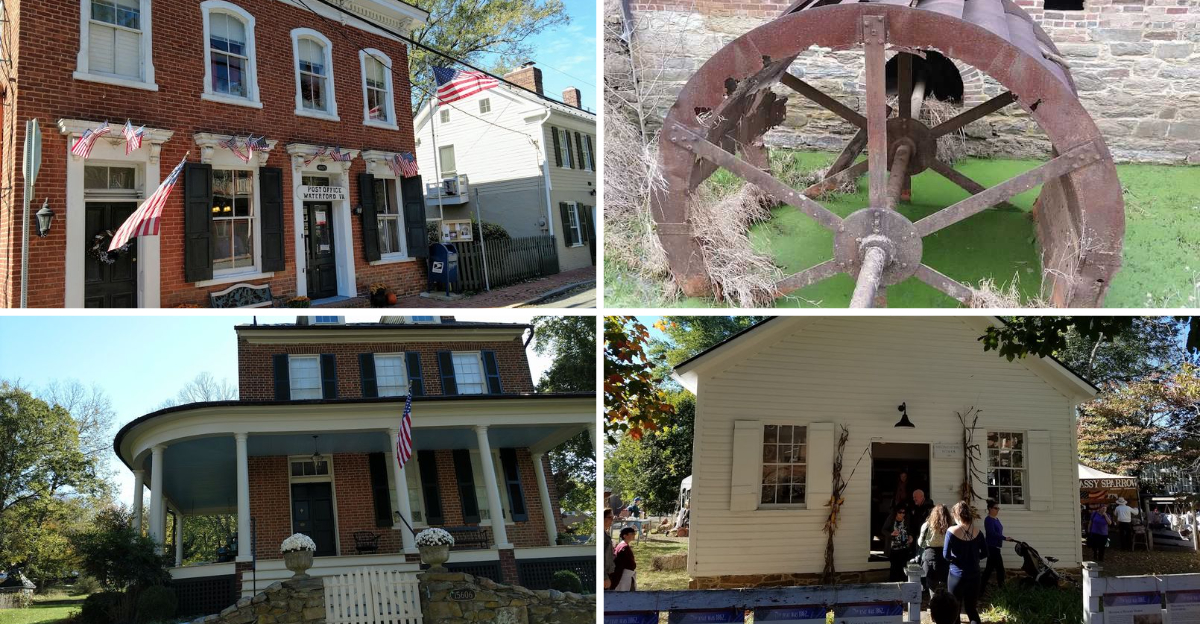
Tucked away in the rolling hills of Loudoun County, Waterford, Virginia is a village that time seems to have forgotten. Just 47 miles northwest of Washington, D.C., this tiny community looks almost exactly as it did two centuries ago.
Walking its quiet streets feels like stepping straight into a history book, with stone buildings, old mills, and unpaved lanes around every corner. If you have ever wondered what life was really like in the 1800s, Waterford might just be your answer.
A Village Frozen in Time: The Historic Core of Waterford
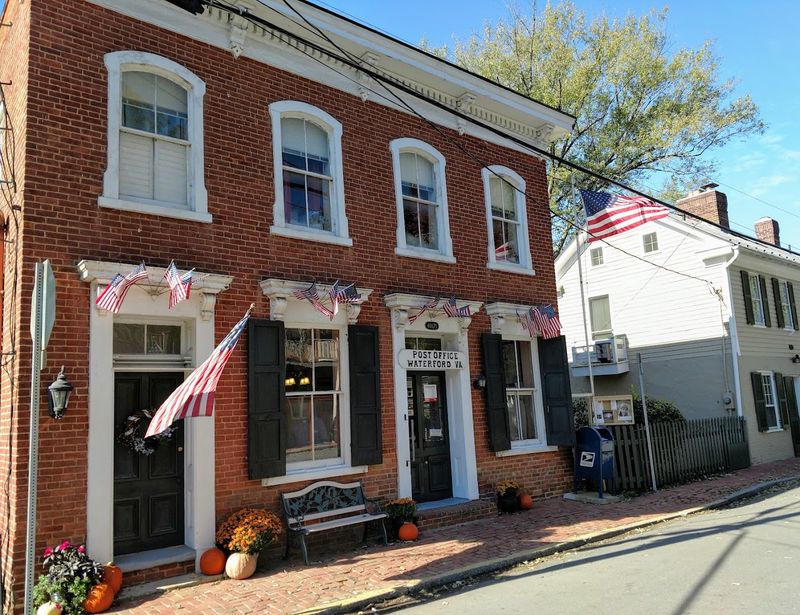
Some places carry history in their bones, and Waterford, Virginia is one of them. The village core looks almost identical to how it appeared in the early 1800s, with original stone homes, Federal-style architecture, and narrow dirt lanes still intact.
Unlike many preserved towns that feel like museum exhibits, Waterford actually has people living in these historic structures. That lived-in quality makes the whole place feel genuinely authentic rather than staged.
The National Park Service recognized this remarkable preservation by designating Waterford a National Historic Landmark in 1970. Fewer than 2,500 places in the entire country hold that distinction.
Visiting the village center is a powerful reminder that history is not always locked behind glass cases — sometimes it is right there under your feet, waiting to be explored.
Waterford Mill: Where the Water Still Flows
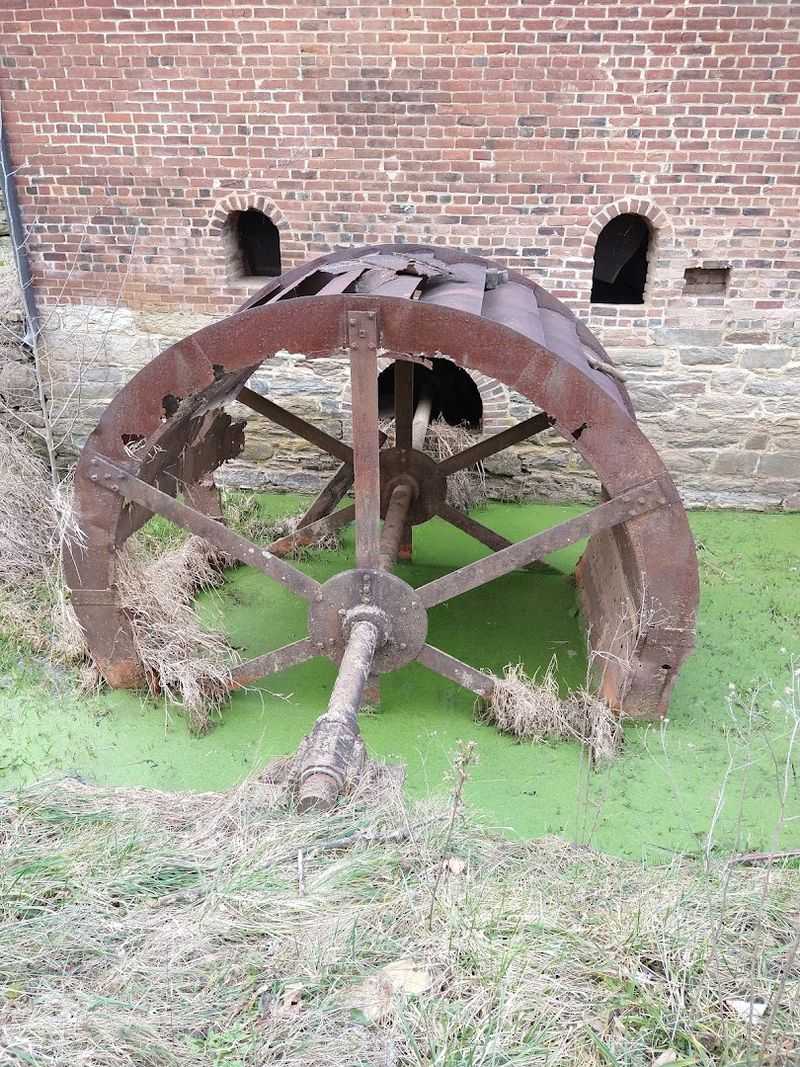
Standing beside Catoctin Creek, the Waterford Mill is one of the most iconic landmarks in the entire village. Built in the late 1700s, this grist mill ground grain for local farmers for generations, and its stone walls still stand strong today.
Water mills were the backbone of rural communities in early America. Without them, families could not easily turn wheat into flour or corn into meal.
Seeing the mill up close gives visitors a real sense of just how hard daily life once was.
The mill has been carefully preserved as part of the Waterford Foundation’s ongoing efforts to protect the village’s heritage. On certain event days, you can actually watch demonstrations of how the machinery worked.
There is something quietly magical about hearing the creak of old wooden gears and watching water do the heavy lifting, just as it did 200 years ago.
Loudoun County’s Best-Kept Secret: Why Nobody Talks About Waterford Enough
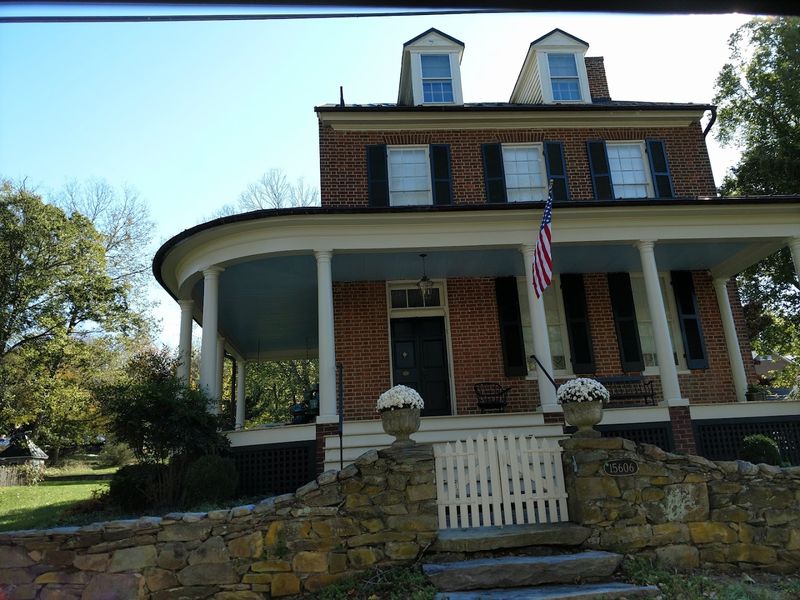
Most visitors to Loudoun County head straight for wineries or the charming shops of Leesburg. Waterford, sitting just seven miles northwest, rarely makes the tourist brochures — and honestly, that is part of its charm.
The village has no chain restaurants, no busy shopping centers, and no traffic jams. What it does have is genuine quiet, unpretentious beauty, and a sense of calm that is almost impossible to find this close to a major city like Washington, D.C.
Locals who know about Waterford tend to guard it like a favorite secret. Once you visit, it is easy to understand why.
The combination of rolling farmland, historic architecture, and near-total silence feels like a reward for those willing to look just a little bit off the beaten path. Sometimes the best places are the ones nobody tells you about.
The Quaker Roots That Shaped Everything
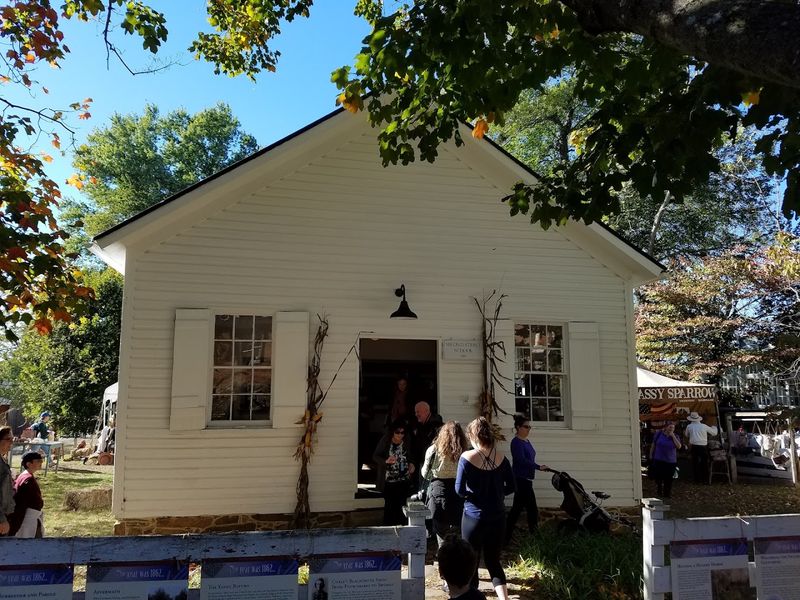
Waterford was founded primarily by Quakers who migrated from Pennsylvania in the late 1700s. Their beliefs left a permanent mark on the village’s character — one that is still visible today in the simplicity of its architecture and the peacefulness of its layout.
Quakers were known for their opposition to slavery, and Waterford became a notably anti-slavery community even as the surrounding Virginia countryside depended heavily on enslaved labor. That moral courage set Waterford apart from its neighbors in a very real and meaningful way.
The old Quaker meeting house still stands in the village, a plain and humble structure that speaks volumes about the values of those who built it. Visiting it feels like a quiet conversation with the past.
Understanding Waterford’s Quaker heritage helps explain so much about what makes this village feel different from anywhere else in Virginia.
Civil War Echoes: A Village Caught Between Two Worlds
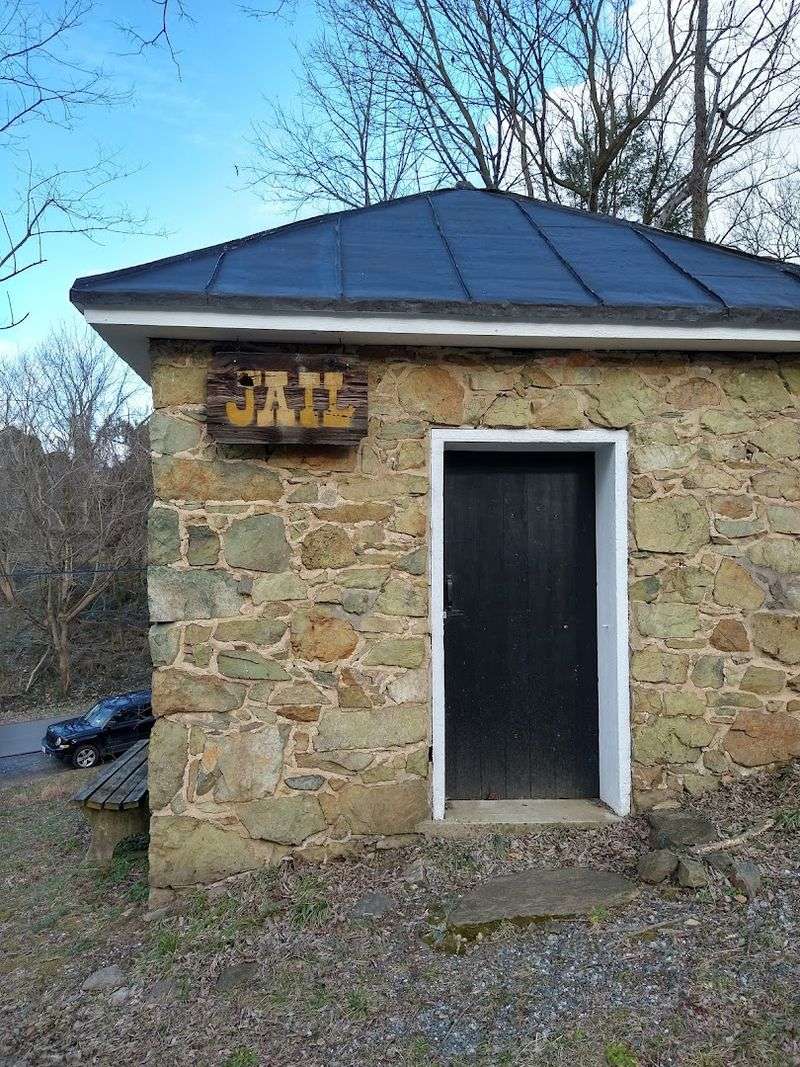
During the Civil War, Waterford found itself in a deeply complicated position. Virginia seceded from the Union, but many Waterford residents — shaped by their Quaker roots — remained loyal to the North.
The village became a kind of island of Union sympathy in Confederate territory.
Confederate troops occasionally raided the village, and some local men formed a Union cavalry unit known as the Loudoun Rangers. Their story is one of bravery, divided loyalties, and the personal costs of standing by your beliefs when everyone around you disagrees.
You can still feel those echoes walking through Waterford today. Buildings that survived the war stand as quiet witnesses to an incredibly turbulent chapter in American history.
Learning about the village’s Civil War experience adds a layer of depth to every stone wall and crooked fence post you pass along the way.
The Waterford Foundation: Guardians of a Living Landmark
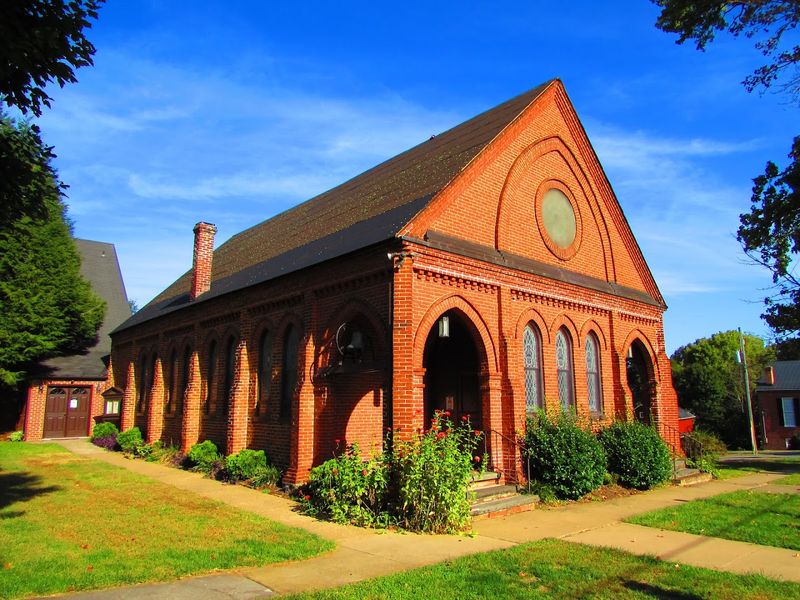
Without the Waterford Foundation, this village might look very different today. Founded in 1943, the organization has spent decades working to preserve the historic buildings, landscapes, and traditions that make Waterford so remarkable.
The Foundation does not just maintain old buildings — it actively keeps the community alive through educational programs, restoration projects, and the beloved annual Waterford Fair. Their work is a masterclass in how preservation and living community can exist side by side without one crowding out the other.
What makes the Foundation especially impressive is that it operates largely through volunteer effort and community fundraising. No massive government budget funds this work.
Instead, it is driven by people who genuinely love what Waterford represents. Supporting the Foundation, whether by attending the fair or making a donation, is one of the most meaningful ways a visitor can give back to this irreplaceable piece of American history.
Waterford Fair: The Annual Celebration You Did Not Know You Needed
Every first weekend of October, Waterford transforms into something even more magical than usual. The Waterford Fair draws thousands of visitors to the village for a weekend of traditional crafts, live music, and hands-on history that feels nothing like your typical fall festival.
Artisans demonstrate 18th and 19th-century crafts like blacksmithing, weaving, and pottery — not as performances, but as genuine skill-sharing. Watching a blacksmith shape hot iron with a hammer or a weaver thread a loom by hand is genuinely mesmerizing, especially for kids who have never seen anything like it.
The fair has been running for over 50 years, making it one of the longest-running juried craft fairs in the region. Proceeds go directly toward preservation efforts in the village.
Plan ahead if you want to attend — parking fills up fast, and this is one event that rewards arriving early with a full cup of coffee in hand.
Walking the Streets: A Self-Guided Tour Through the 1800s
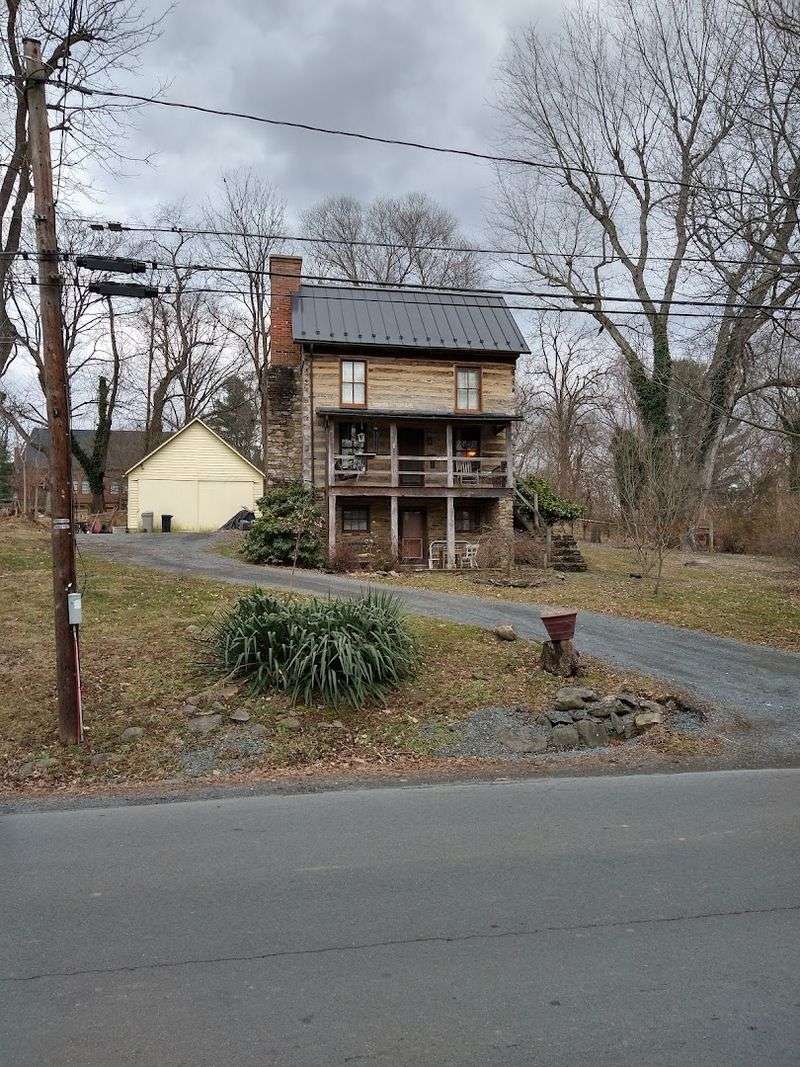
One of the best things about Waterford is that you do not need a tour guide, a ticket, or a reservation to experience it. Just park your car and start walking.
The entire historic core of the village is compact enough to explore on foot in an afternoon.
A self-guided walking tour map is available through the Waterford Foundation, pointing out key buildings and their stories. Each stop on the map adds another piece to the puzzle of what life here looked like 150 or 200 years ago.
The detail packed into just a few short blocks is genuinely surprising.
Wear comfortable shoes, because the lanes are uneven and unpaved in places — which, honestly, only adds to the atmosphere. Bring a camera too, because around every corner there is a composition that looks like it belongs on a postcard from another century entirely.
Architecture That Tells a Story: Federal Style Meets Rural Virginia
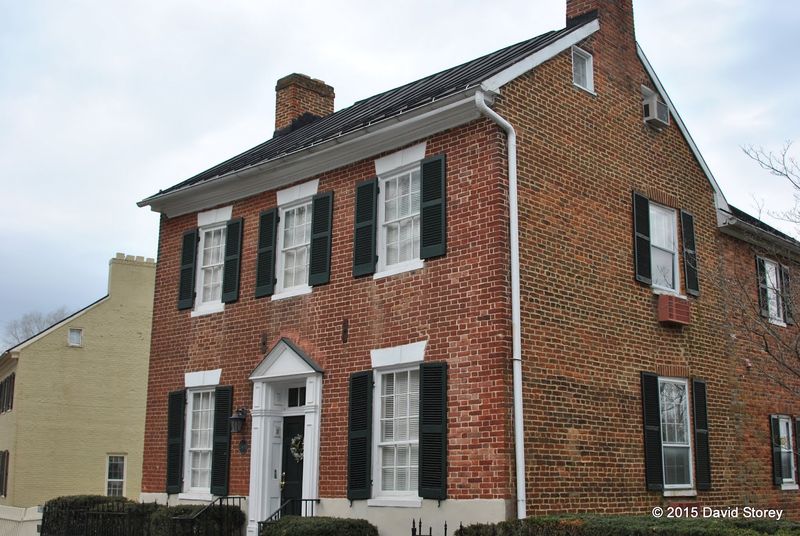
Architecture enthusiasts will feel right at home in Waterford. The village is packed with outstanding examples of Federal-style buildings, a design trend that swept America in the late 18th and early 19th centuries.
Clean lines, symmetrical facades, and modest ornamentation define the look.
What makes Waterford especially interesting is the way these refined architectural styles were interpreted by local craftsmen using local materials. The result is buildings that feel both polished and deeply rooted in the Virginia countryside.
Stone quarried from nearby fields forms walls that have stood for over two centuries.
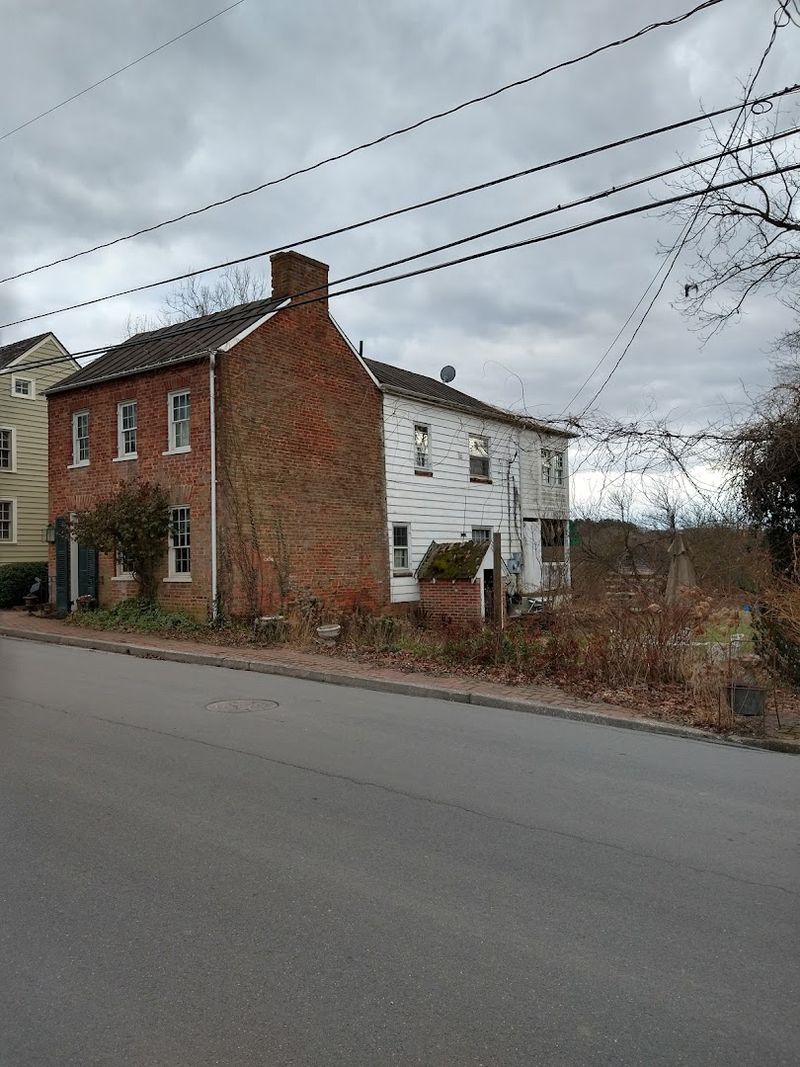
Many of these structures are still privately owned and occupied, which means they are maintained rather than mothballed. Walking past them, you get the rare sense that these buildings are still doing exactly what they were built to do: provide shelter, warmth, and a sense of home.
That continuity is quietly extraordinary.
Catoctin Creek: The Waterway That Built a Village
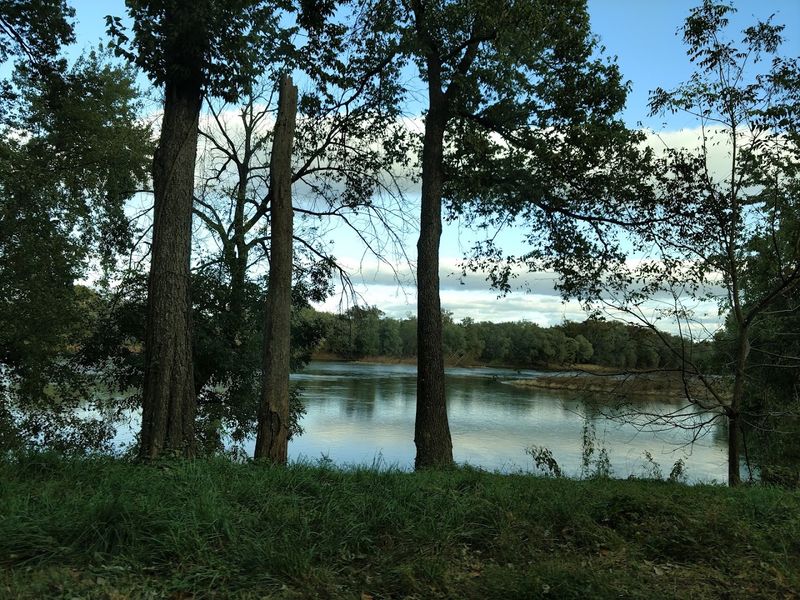
Long before roads connected rural Virginia communities, waterways did the heavy lifting. Catoctin Creek, which runs near Waterford, was the lifeblood of the village for generations.
It powered the mill, provided water for farms and livestock, and shaped the physical layout of the community.
Today, the creek is a lovely spot for a quiet walk or a moment of reflection. The sound of moving water over rocks has not changed in 200 years, and there is something grounding about that kind of continuity.
Nature does not care much about the passage of time.
Anglers occasionally try their luck along the creek’s banks, and wildflowers bloom along the edges in spring and early summer. Catoctin Creek is a reminder that the natural world was always the foundation upon which communities like Waterford were built — and that foundation is still very much in place.
Loudoun Rangers: The Brave Men Who Chose the Union
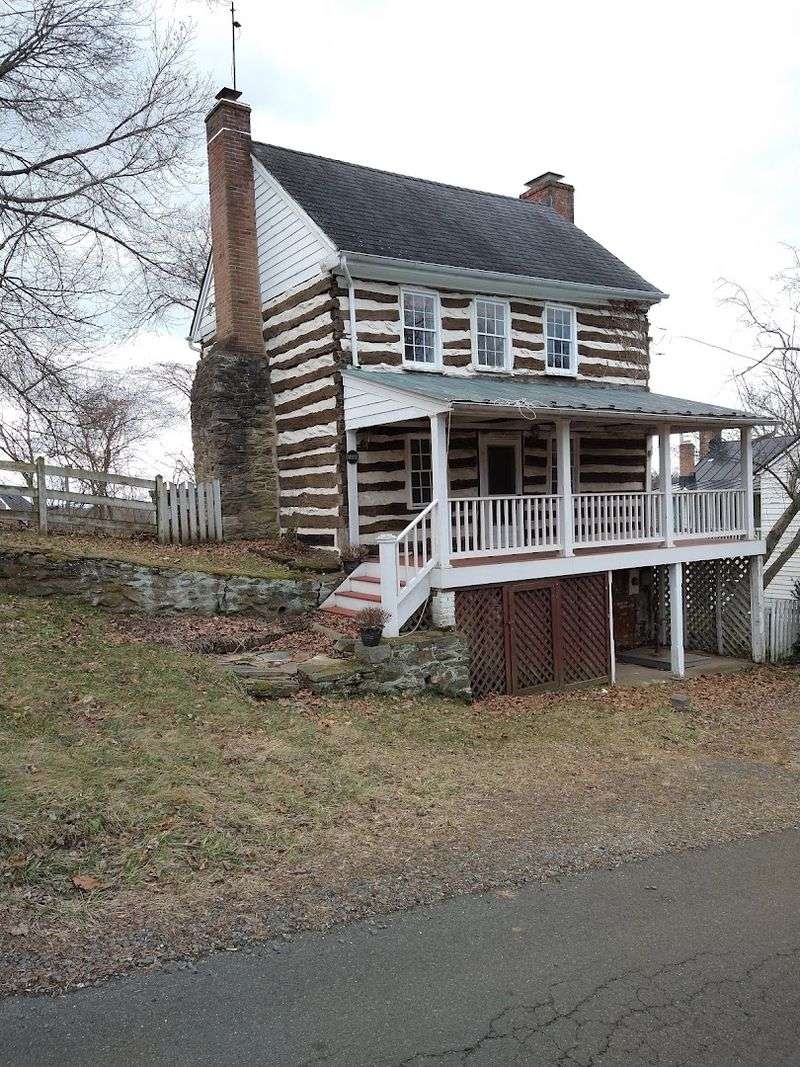
Not every Virginian fought for the Confederacy during the Civil War. In Waterford, a group of local men made the bold — and dangerous — decision to fight for the Union instead.
They became the Loudoun Rangers, one of the few Virginia-based Union cavalry units of the entire war.
Forming this unit took real courage. These men were fighting against their own state government, and Confederate sympathizers viewed them as traitors.
Raids on Waterford by Confederate forces were partly motivated by anger at the Rangers and the community that supported them.
Their story is a fascinating and often overlooked chapter in Civil War history. It challenges the simplistic narrative that all Southerners stood together, and it highlights the moral complexity of a conflict that tore apart not just a nation, but individual communities and families.
The Loudoun Rangers deserve far more attention than history has given them.
Day Trip Gold: Getting to Waterford from Washington, D.C.
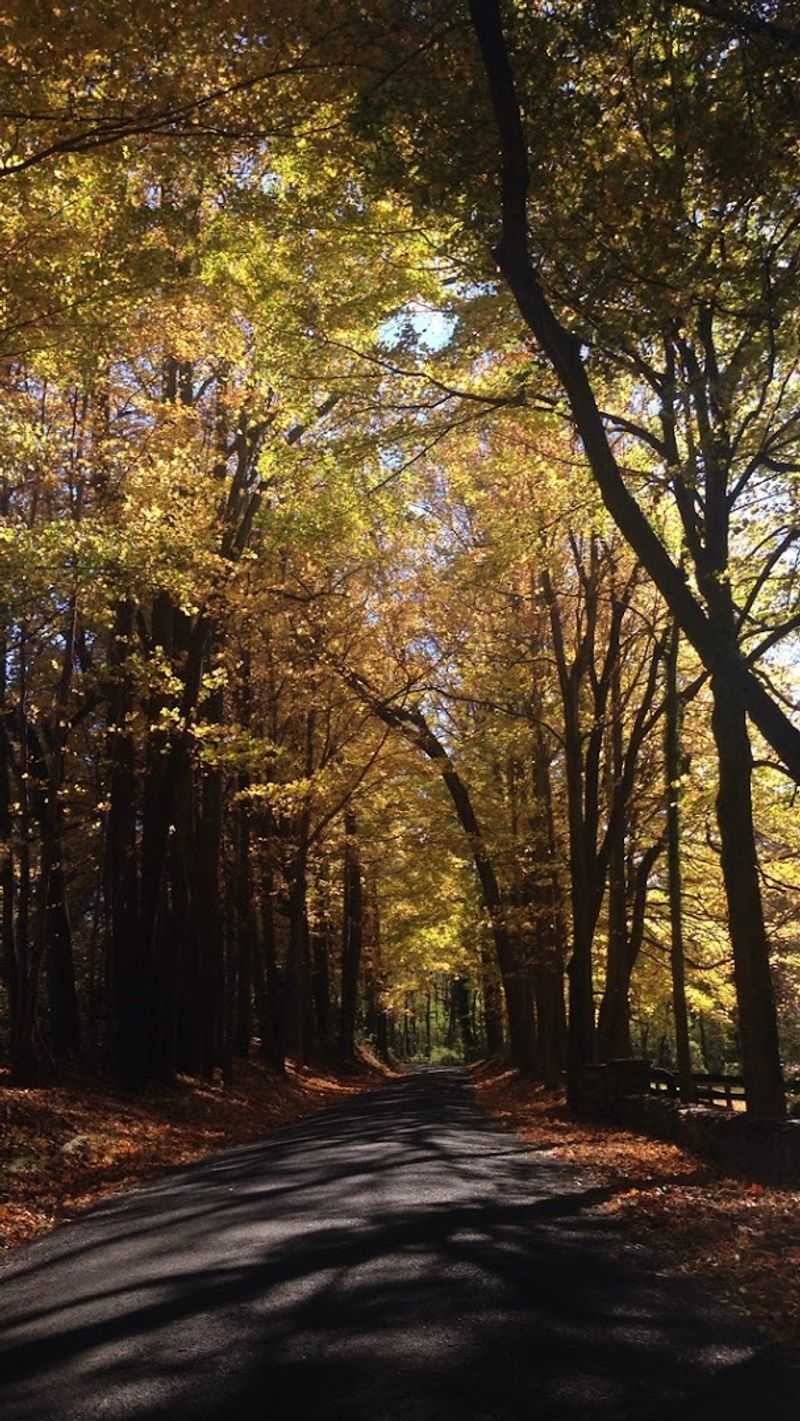
At just 47 miles from Washington, D.C., Waterford is one of the most rewarding day trips you can take from the capital. The drive itself is half the fun, winding through the green farmland and gentle hills of Loudoun County as the city skyline fades behind you.
Most visitors drive, as there is no direct public transit to the village. From Leesburg, it is only about 15 minutes northwest on Route 7 and then through smaller country roads.
The final stretch through the countryside feels like a deliberate decompression from modern life, which is exactly the right mood to arrive in.
Plan for at least three to four hours to really soak everything in. Bring a picnic, since dining options inside the village are extremely limited.
Pack snacks, a map, and a sense of curiosity — and you will leave Waterford feeling like you found something genuinely rare.
Why Waterford Matters: Preservation as an Act of Love
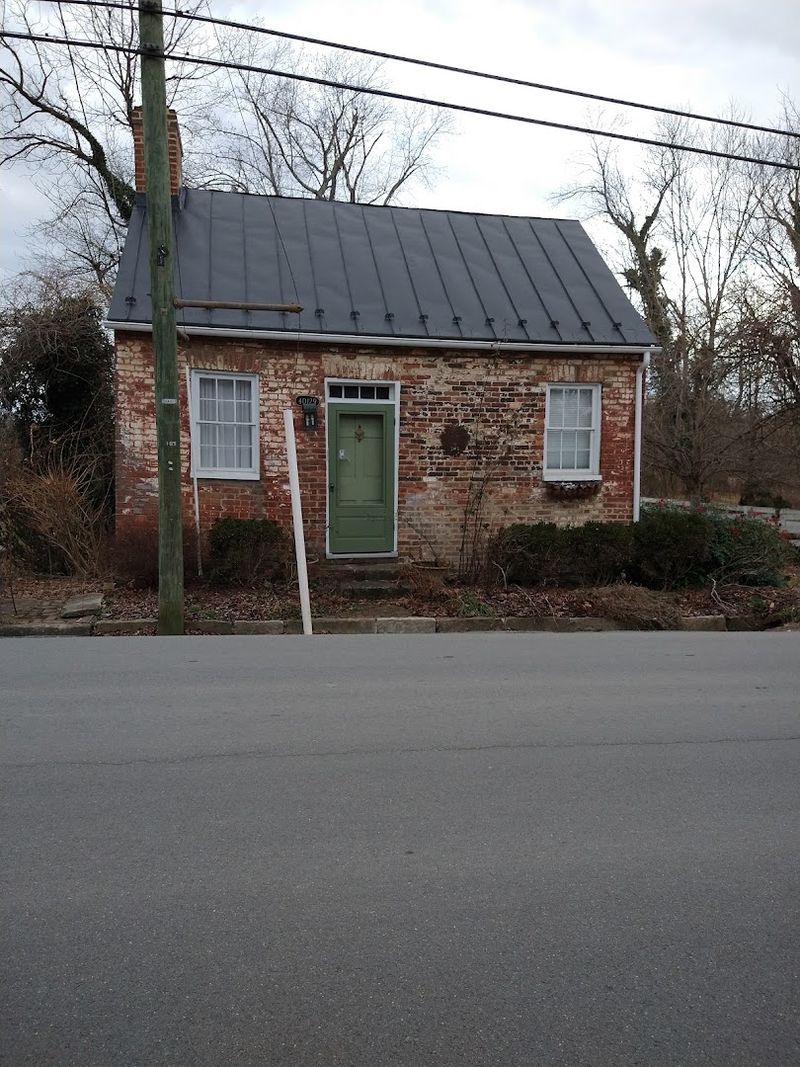
Places like Waterford do not survive by accident. They survive because people care enough to fight for them — to say no to development, yes to restoration, and to keep showing up year after year to do the quiet, unglamorous work of preservation.
Waterford teaches us something important: history is not just something that happened to other people in other times. It is a living inheritance, and what we do with it matters.
Every restored window frame, every preserved stone wall, every carefully maintained lane is a small act of love for the generations that came before and those still to come.
Visiting Waterford is not just a fun outing — it is a chance to reconnect with a slower, more intentional way of being in the world. In a time when everything moves fast and changes constantly, a village frozen in the 1800s feels less like a curiosity and more like a gift.
Enjoyed this story?
Add Fast Food Club as a preferred source to see more of our reporting on Google.