


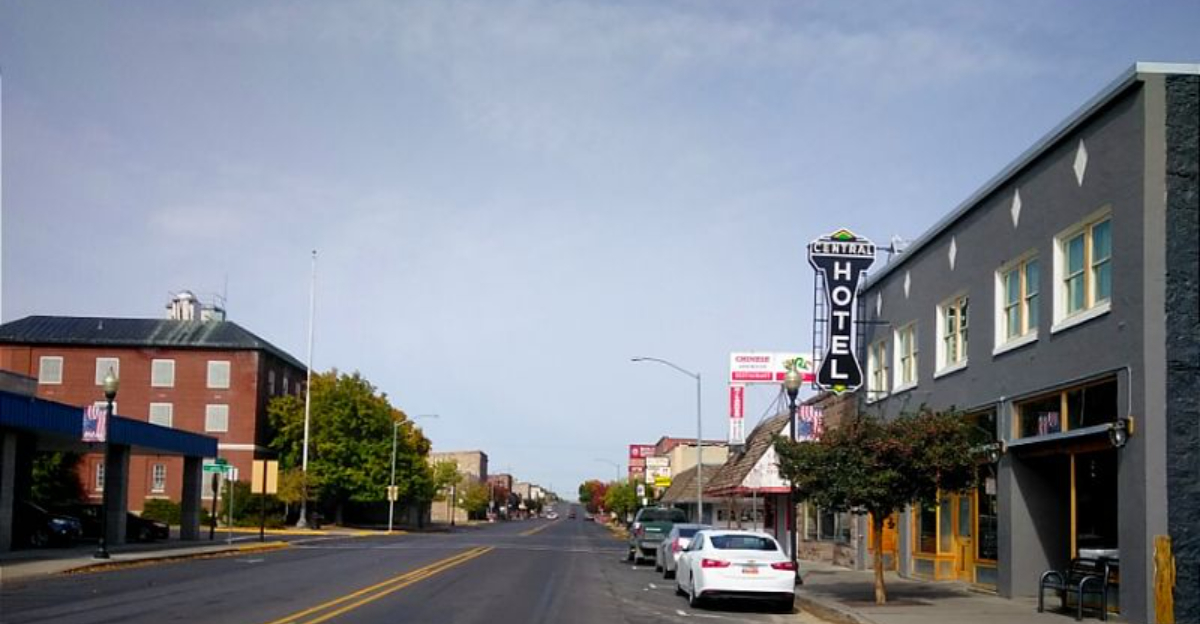
Tucked away in the high desert of southeastern Oregon, Burns is a small, quiet town that more and more retirees are calling home. With a population of just around 2,730 people, it offers a slower pace of life, wide open spaces, and surprisingly low living costs.
Comfortable monthly living in Burns can run as little as $1,400, making it one of Oregon’s best-kept retirement secrets. If you’re looking for peace, affordability, and natural beauty all in one place, Burns might be exactly what you’ve been searching for.
Housing Costs That Will Make Your Jaw Drop
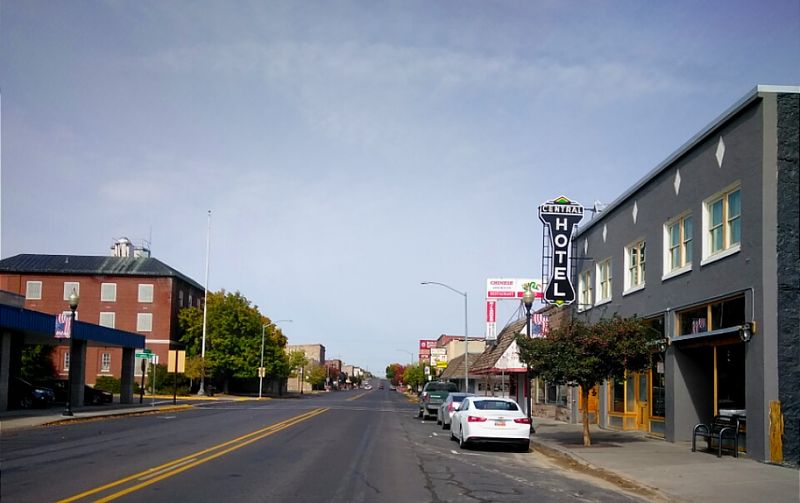
Back in bigger cities, $1,400 a month barely covers rent. In Burns, Oregon, that same amount can cover your entire monthly budget, including housing.
Home prices here are remarkably low, with median home values sitting well below the Oregon state average.
Retirees can find comfortable three-bedroom homes for under $150,000, and monthly rent for a decent apartment often falls between $500 and $700. That kind of savings adds up fast over a year or two.
Owning a home here means lower property taxes too, since Harney County has one of the lowest tax rates in the state. For retirees living on a fixed income, affordable housing is the foundation of a stress-free lifestyle.
Burns delivers that foundation in a big way, giving you more financial breathing room to enjoy your retirement years fully.
Grocery and Food Expenses Stay Surprisingly Low
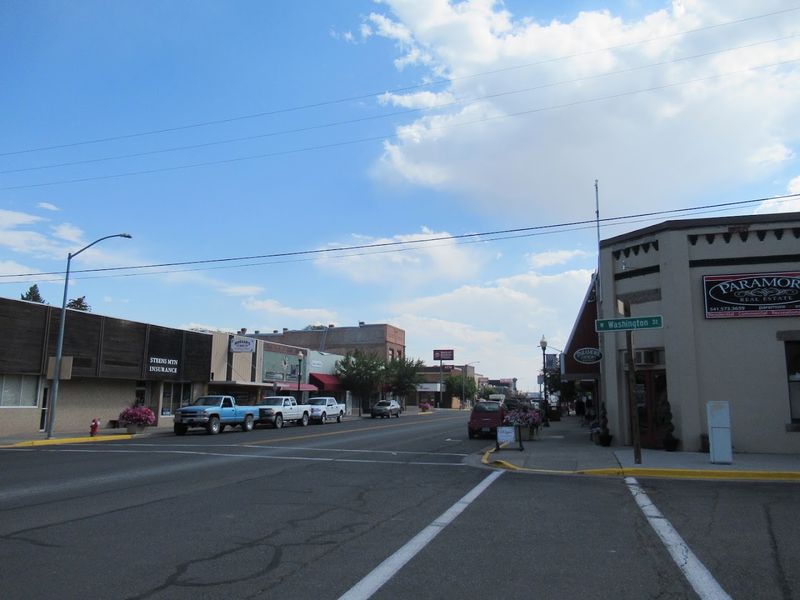
Feeding yourself well in Burns does not require a massive grocery budget. Local stores like Safeway serve the community, and prices tend to stay reasonable compared to urban Oregon markets.
Fresh produce, meats, and pantry staples are all accessible without breaking the bank.
Many retirees in Burns also take advantage of the surrounding land by growing small gardens or buying from local ranchers. Beef and other proteins are often available at lower prices because of the strong ranching culture in Harney County.
Eating out is also budget-friendly, with local diners and small restaurants offering hearty meals at prices that feel almost old-fashioned in the best possible way. A sit-down lunch rarely costs more than $12 to $15.
For retirees watching every dollar, Burns makes it genuinely easy to eat well without financial stress creeping into daily life.
Healthcare Access in a Rural Setting
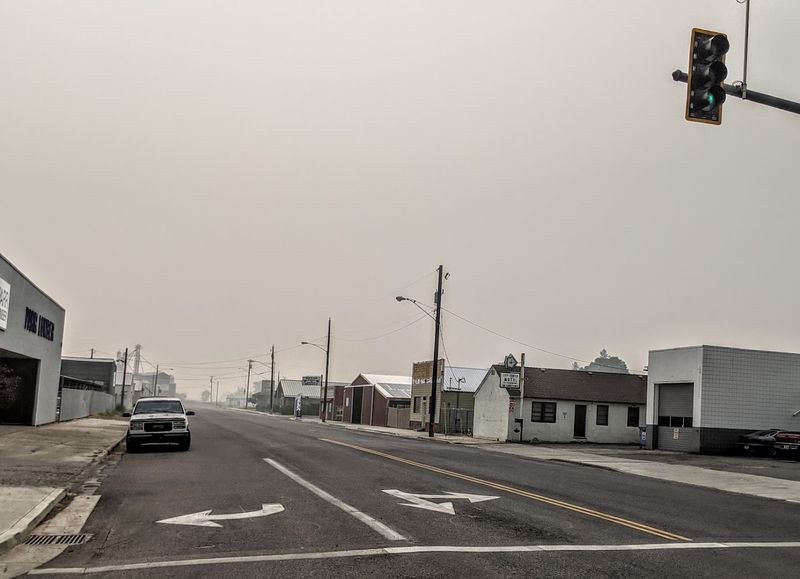
Healthcare is often the biggest worry for retirees considering a rural move, and Burns takes that concern seriously. Harney District Hospital serves the community and provides essential medical services, including emergency care, outpatient services, and primary care clinics.
While Burns is not a major medical hub, the hospital is well-regarded for its community-focused approach. Many retirees find that smaller facilities mean shorter wait times and more personalized attention from staff who actually remember your name.
For specialized care, Bend and Boise are both within driving distance, offering access to larger hospitals and specialist networks. Medicare and Medicaid are widely accepted throughout the region.
Telehealth services have also expanded access to specialists without requiring long drives. Overall, retirees in Burns find healthcare manageable and affordable, especially when combined with the lower cost of living that keeps their overall monthly expenses well within reach.
Utilities and Monthly Bills Stay Modest
One thing that surprises many newcomers to Burns is just how manageable monthly utility bills can be. Electricity, water, and gas costs in this small high-desert town tend to run lower than in larger Oregon cities, where demand and infrastructure drive prices up.
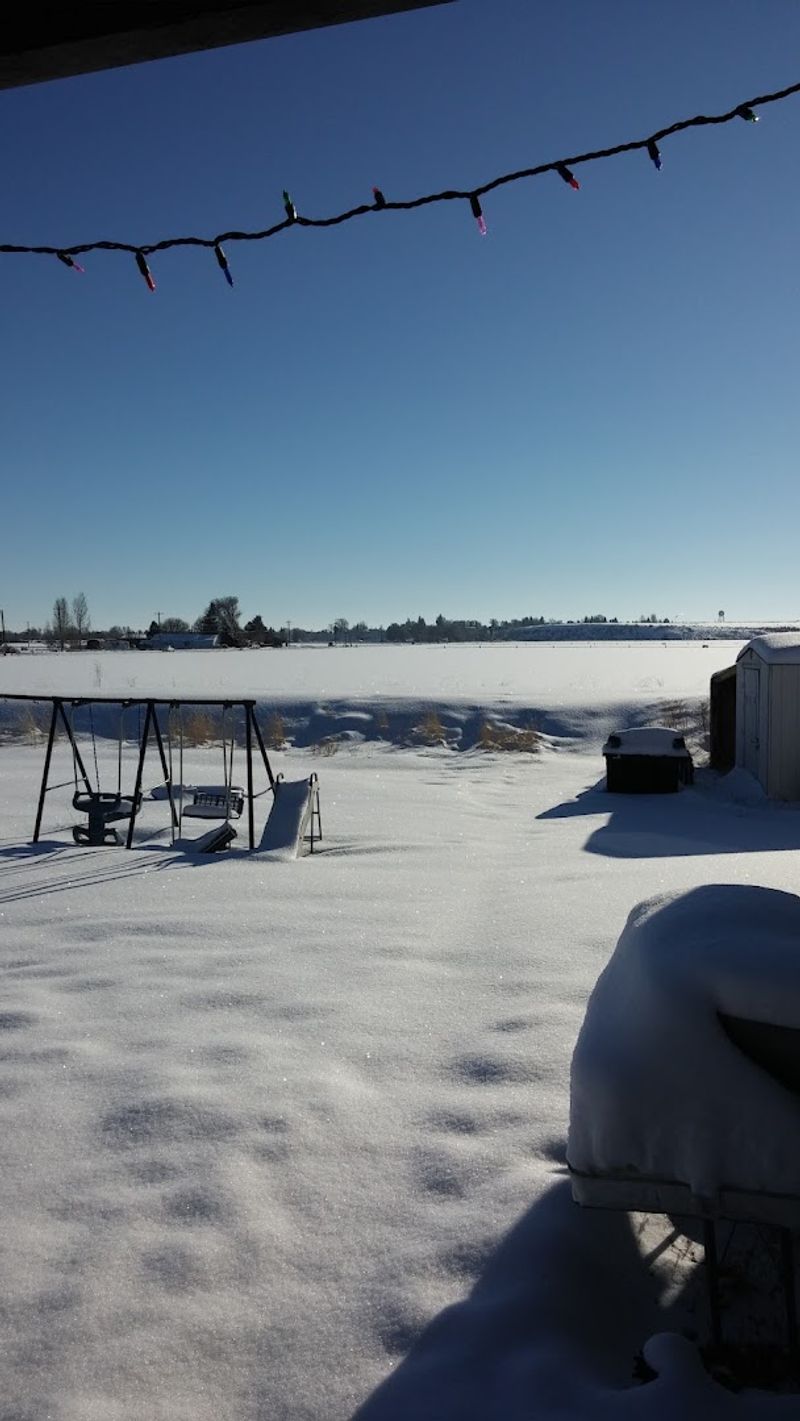
The average monthly utility bill for a modest home in Burns typically lands between $100 and $180, depending on the season. Winters can be cold in the high desert, so heating costs rise a bit from November through February, but they still remain very reasonable by most standards.
Internet service is available through local providers, and while options are more limited than in urban areas, basic broadband is accessible for streaming, video calls with family, and everyday browsing. For retirees who have downsized their lifestyle, keeping utility bills low is a satisfying part of the Burns experience that helps the monthly budget stay comfortably in check.
Transportation Savings in a Walkable Small Town
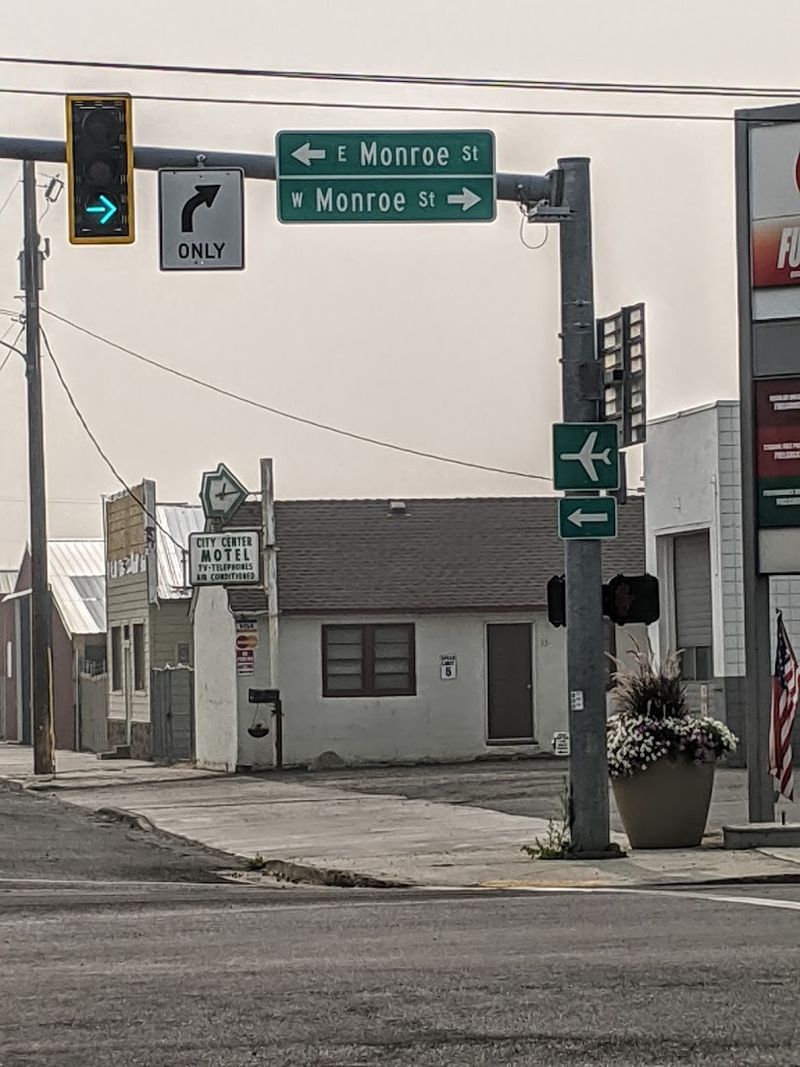
Forget rush-hour traffic, expensive parking garages, or crowded public transit systems. Burns operates at a completely different pace, and getting around town is simple, cheap, and low-stress.
Most essential services, shops, and restaurants are concentrated along Broadway Avenue, making short drives or even walks perfectly practical.
Car insurance rates in rural Harney County tend to be lower than state averages, and with minimal traffic congestion, wear and tear on your vehicle stays manageable. Gas prices can fluctuate, but shorter daily driving distances mean fuel costs remain a small line item in the monthly budget.
There is no need for a second car or ride-sharing apps constantly running in the background. Retirees in Burns often find that one reliable vehicle handles everything they need with ease.
That simplicity translates directly into meaningful savings that make the $1,400 monthly lifestyle target genuinely achievable for most people settling into town.
Malheur National Wildlife Refuge Right at Your Doorstep

Just south of Burns sits one of North America’s most celebrated birding destinations: Malheur National Wildlife Refuge. Spanning over 187,000 acres of marshes, meadows, and uplands, it draws birdwatchers and nature lovers from across the country every single year.
For retirees, having this kind of natural playground nearby is priceless. Morning walks along the refuge’s auto tour route offer sightings of sandhill cranes, white pelicans, herons, and hundreds of migratory species.
The hobby of birdwatching is wonderfully affordable, requiring little more than a good pair of binoculars and a field guide.
The refuge also supports hiking, wildlife photography, and quiet reflection, all things that enrich retirement life without costing a dime. Spending mornings watching the sun rise over Malheur Lake surrounded by wildlife has a way of reminding you exactly why you chose this peaceful corner of Oregon to begin with.
It is genuinely special.
A True Small-Town Community Feel
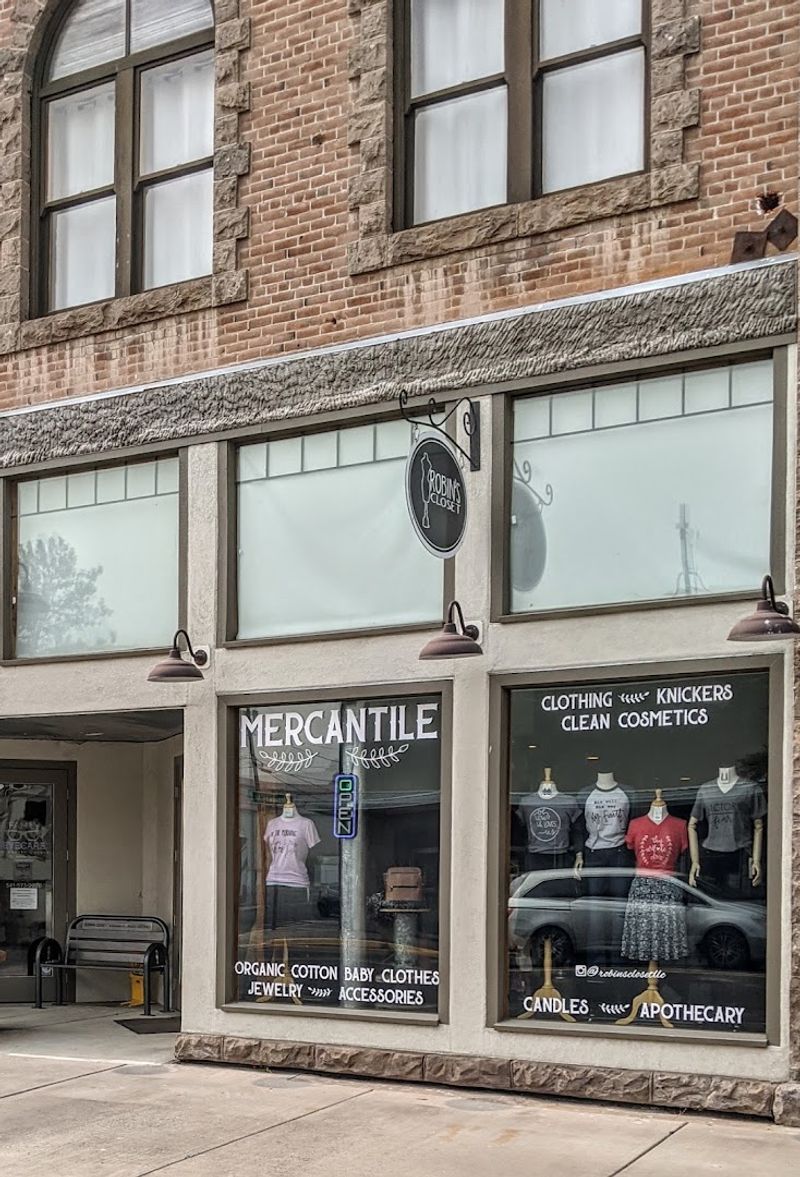
There is something almost nostalgic about life in Burns. Neighbors wave from their porches, shopkeepers remember your name, and the sense of community runs deep throughout Harney County.
For retirees who have spent decades in busy, anonymous cities, that shift in social atmosphere can feel genuinely refreshing.
Local events like the Harney County Migratory Bird Festival bring the community together each spring, celebrating the region’s incredible natural heritage. Year-round, community organizations, churches, and volunteer groups provide plenty of ways to stay connected and socially engaged.
Loneliness is a real concern for retirees, but Burns makes it easier than most places to build genuine friendships. When the population is small, your chances of running into familiar faces at the coffee shop or the post office are high.
That daily human connection adds a warmth to retirement life that no price tag can fully capture. Burns delivers it naturally.
Outdoor Recreation That Costs Almost Nothing
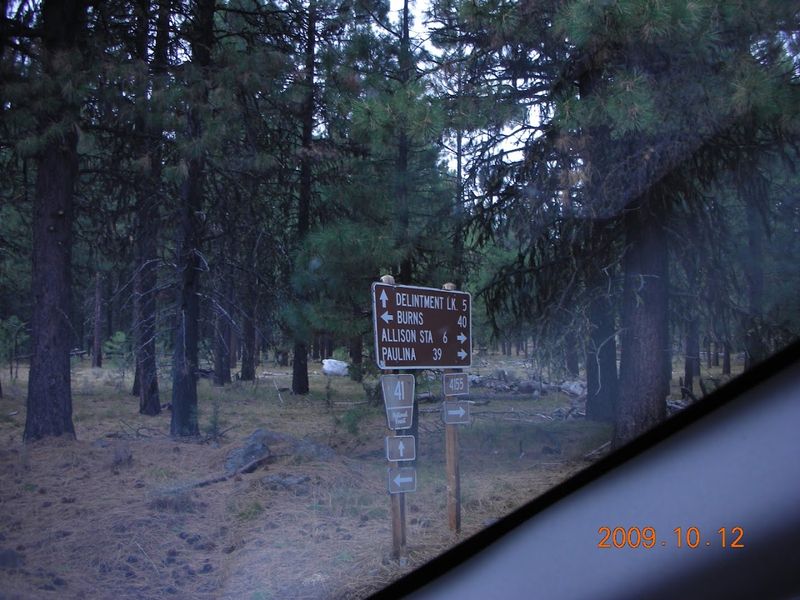
If your idea of a great retirement involves wide open spaces and fresh air, Burns is practically a dream come true. The surrounding Harney County landscape offers hiking, fishing, hunting, camping, and horseback riding across millions of acres of public land managed by the Bureau of Land Management.
Steens Mountain, one of Oregon’s most dramatic geological features, rises just south of Burns and offers breathtaking views, wildflower meadows, and gorges carved by ancient glaciers. Hiking its trails costs nothing, and the scenery is genuinely world-class.
Fishing enthusiasts love the Donner und Blitzen River and nearby reservoirs, where trout fishing is a beloved local tradition. Oregon fishing licenses are reasonably priced, and the experience of casting a line in peaceful high desert waters is hard to put a dollar value on.
Outdoor recreation in Burns keeps retirees active, happy, and spending very little money in the process.
Low Crime Rates and a Safe Environment
Safety matters enormously when choosing where to retire, and Burns holds up well in that department. As a small, tight-knit community, Burns benefits from the natural accountability that comes with everyone knowing their neighbors.
Serious crime is rare, and residents generally feel comfortable and secure in their daily routines.
The Harney County Sheriff’s Office and Burns Police Department serve the area, maintaining a visible and approachable local law enforcement presence. Response times in a small town tend to be faster and more personal than in sprawling urban areas where officers are stretched thin.
Retirees often mention that feeling safe at home and in their community is one of the most underrated aspects of life in Burns. Leaving your car unlocked or taking an evening walk without worry might sound old-fashioned, but in Burns, it is simply everyday life.
That peace of mind is worth far more than any spreadsheet can calculate.
Entertainment and Leisure on a Tight Budget

Big-city entertainment budgets do not belong in Burns, and that is actually a wonderful thing. Life here moves at a gentler rhythm, and leisure activities tend to be simple, authentic, and wonderfully affordable.
Movie nights, potluck dinners, community theater, and local festivals fill the social calendar without requiring expensive tickets.
The Harney County Library offers free access to books, digital resources, and community programs. Many retirees become regulars, enjoying reading groups and local author events that spark lively conversations.
Free public land means hiking, stargazing, and photography adventures are always just minutes away.
Burns also sits under some of the darkest night skies in the continental United States, making amateur astronomy a genuinely spectacular hobby. On clear nights, the Milky Way stretches overhead in breathtaking clarity.
For retirees who have learned that the best experiences in life are often the simplest ones, Burns offers exactly that kind of richly rewarding daily existence.
The Climate and Seasons of High Desert Living
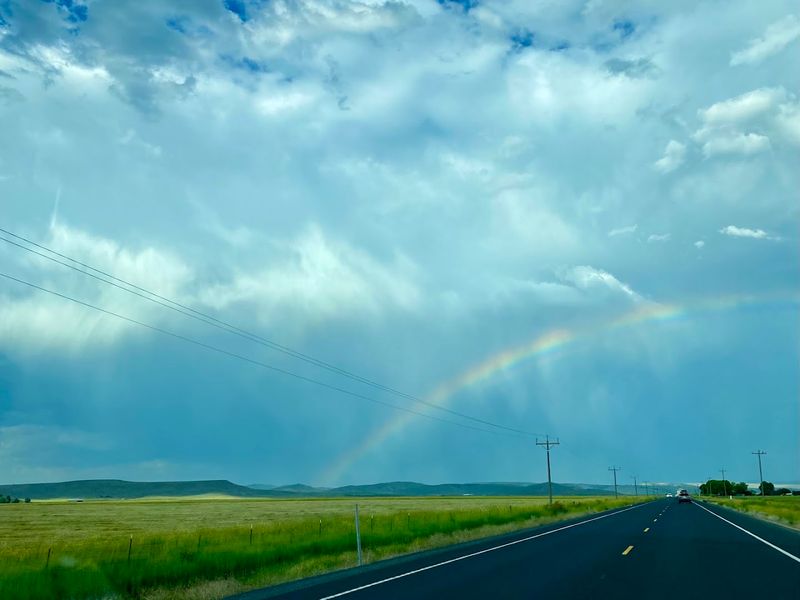
High desert living comes with its own distinct personality, and Burns wears it proudly. Summers are warm and sunny with low humidity, making outdoor activities genuinely pleasant without the oppressive heat found in desert cities further south.
Temperatures typically range from the mid-80s to low 90s in July and August, which is warm but very manageable.
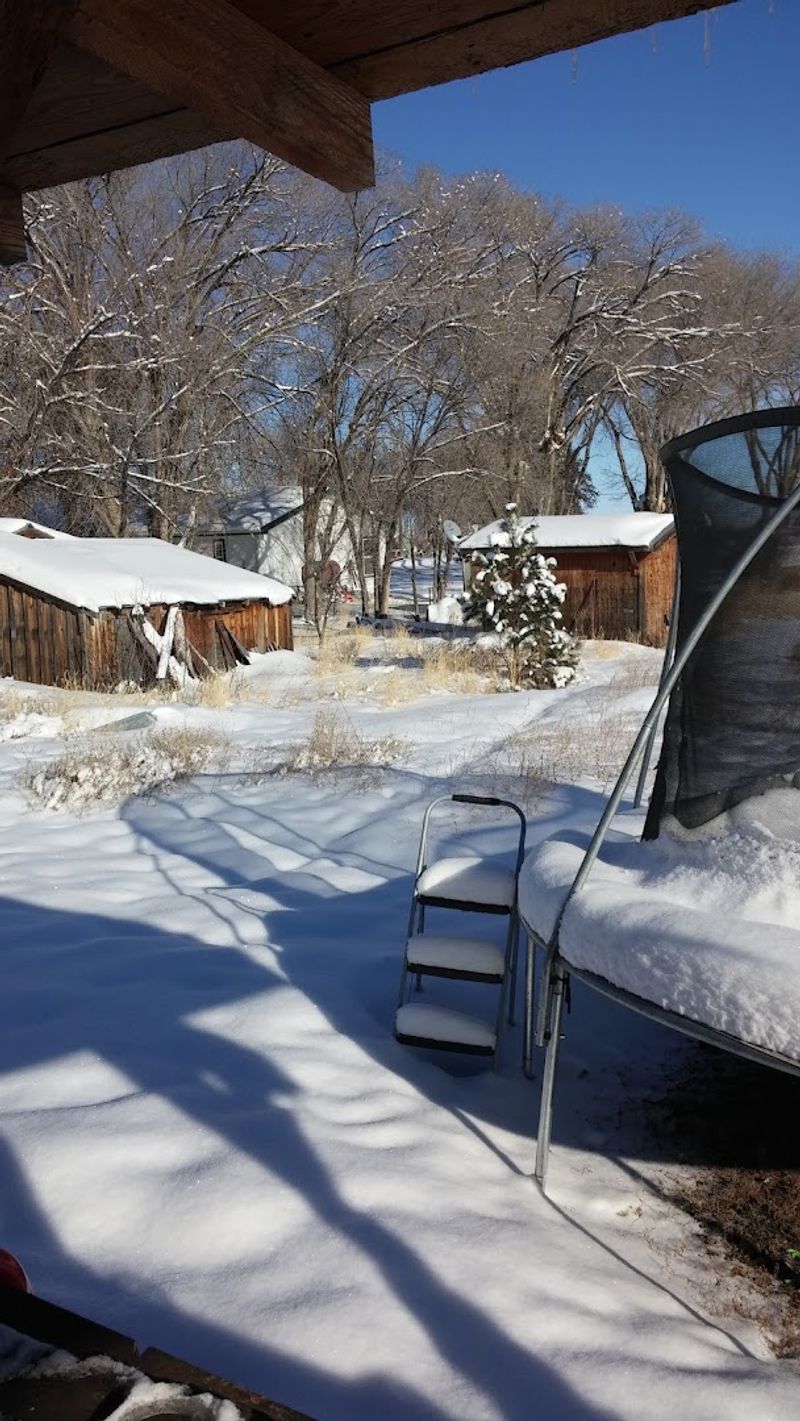
Winters bring cold temperatures and occasional snow, with January averages dipping into the mid-20s at night. The snow is usually light and does not linger as long as in wetter Oregon climates.
Spring and fall are stunning, with wildflowers blooming across the basin and golden light painting the landscape each evening.
Retirees who enjoy four distinct seasons without extreme weather tend to find Burns surprisingly agreeable. The dry air is also a bonus for those with certain respiratory sensitivities.
Overall, the climate rewards outdoor enthusiasts while staying livable throughout the year in ways that genuinely enhance daily retirement life.
Local Dining Scene with Down-to-Earth Prices
Nobody moves to Burns for Michelin-star dining, but that is part of its unpretentious charm. The local restaurant scene is small but satisfying, serving up hearty American comfort food at prices that feel refreshingly honest.
Breakfast at a local diner, complete with eggs, toast, and coffee, rarely tops $10.
Restaurants like Pine Room Cafe have built loyal followings among locals who appreciate generous portions and genuine hospitality. Ranching culture heavily influences the local menu, meaning quality beef dishes are a regular highlight worth looking forward to.
For retirees who enjoy cooking, the lower grocery costs in Burns mean home-cooked meals stretch further without sacrificing quality. Weekend dinners out with friends become a treat rather than a financial burden.
The unpretentious dining culture in Burns fits perfectly into the broader lifestyle philosophy of the town: good, simple living done well, without unnecessary expense or complication getting in the way.
Why Retirees Are Choosing Burns Over More Famous Oregon Towns
Ashland, Bend, and Cannon Beach get most of the retirement spotlight in Oregon, but their popularity comes with a steep price. Median home prices in Bend have soared past $600,000, pricing out many retirees on fixed incomes.
Burns offers a genuinely different path, one built on affordability, authenticity, and wide open space.
Word is spreading quietly through retirement communities and financial planning forums that Burns, Oregon deserves a serious look. The combination of low housing costs, minimal traffic, abundant public land, and a friendly community creates a retirement lifestyle that feels rich in all the ways that actually matter most.
Making the move does require embracing rural life and accepting that big-box stores and major airports are a drive away. But for retirees who value simplicity over convenience, Burns rewards that trade-off generously.
At around $1,400 a month, comfortable living here is not just possible. It is genuinely, sustainably real.
Enjoyed this story?
Add Fast Food Club as a preferred source to see more of our reporting on Google.