


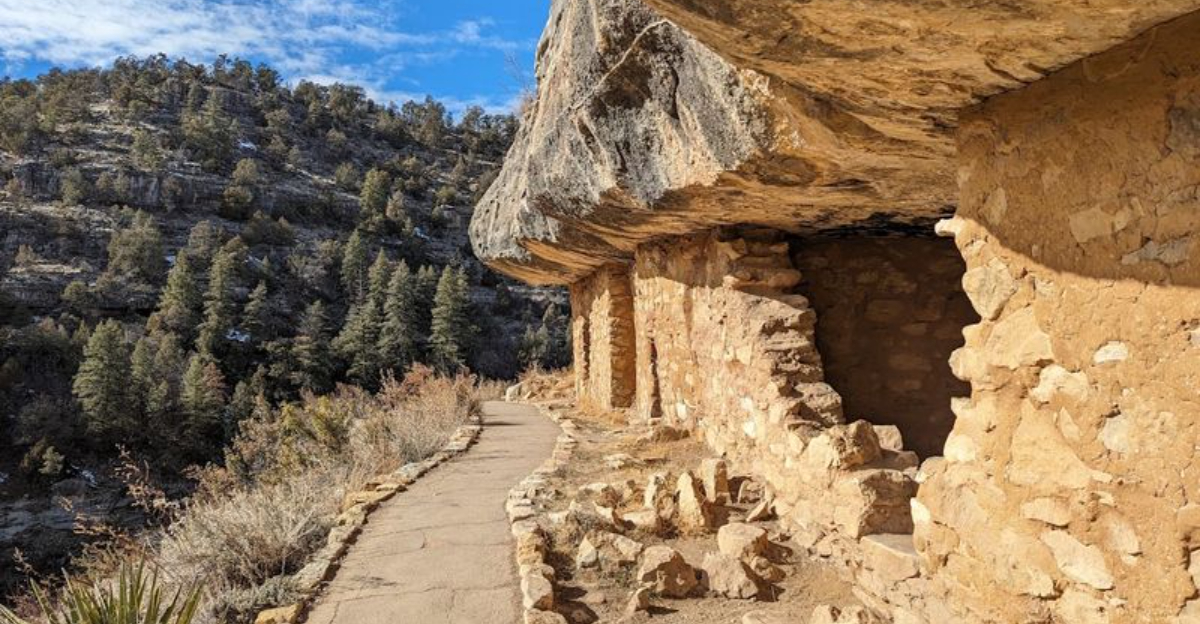
Tucked just a few miles east of Flagstaff, Arizona, Walnut Canyon National Monument is one of the Southwest’s most underrated treasures. Here, a short one-mile trail winds past dozens of ancient cliff dwellings built by the Sinagua people over 800 years ago.
You can walk right up to these stone rooms carved into the canyon walls and feel the history all around you. Whether you’re a first-time visitor or a seasoned hiker, this place will leave you absolutely speechless.
The Island Trail: Your Gateway to the Cliff Dwellings
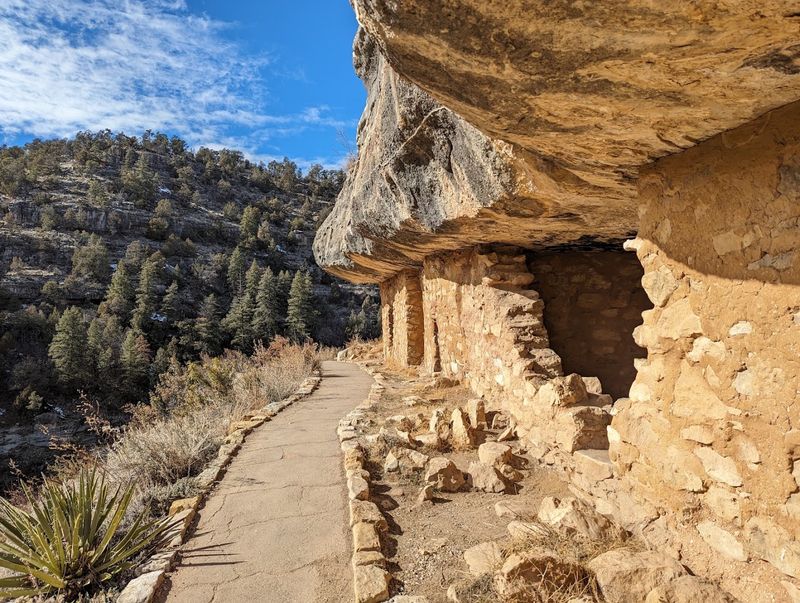
Picture yourself stepping through a doorway that hasn’t changed much in eight centuries. The Island Trail at Walnut Canyon National Monument is the star of the show, and for good reason.
This roughly one-mile loop is where history stops being something you read about and becomes something you actually feel beneath your feet.
The trail begins at the visitor center and descends into the canyon via a series of stairs. Once you reach the main loop, the path levels out and wraps around a rocky island formation, putting you face-to-face with over 25 cliff dwellings.
Informational signs along the route explain how the Sinagua people built and used these rooms.
Rangers often walk the trail and are happy to answer questions. Budget around 45 to 60 minutes for the full experience, and bring water because the climb back up is a real workout.
736 Stairs: What to Expect on the Descent and Climb
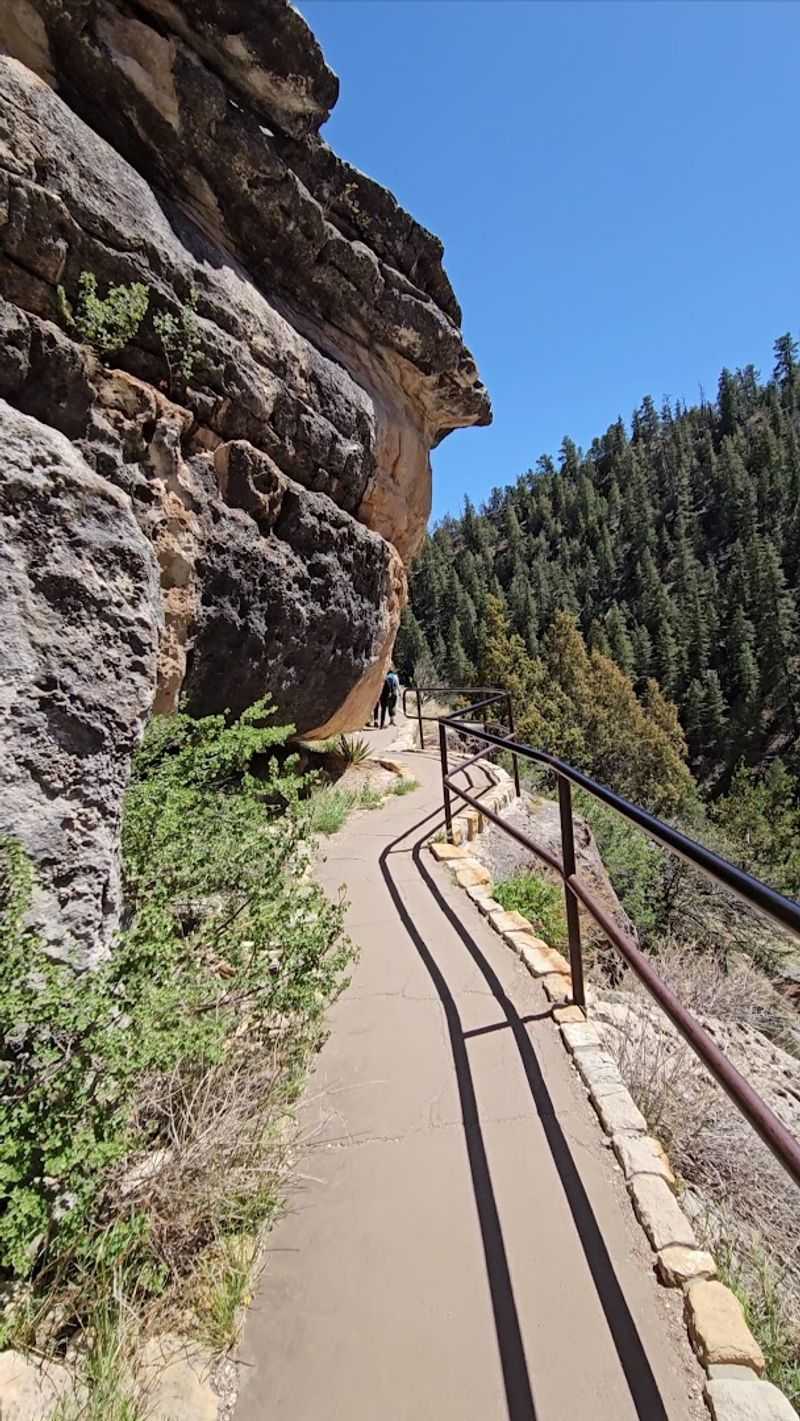
Let’s be honest: the stairs at Walnut Canyon are no joke. The Island Trail involves a total of 736 steps, with the descent feeling deceptively easy and the return climb reminding you exactly how high you’ve come.
The trail drops roughly 185 to 200 feet below the canyon rim, and at 6,690 feet of elevation, even fit visitors notice the thinner air.
That said, plenty of people of all ages and fitness levels complete this hike every single day. Benches are placed along the route so you can rest and catch your breath.
Handrails are available on most, though not all, sections of the staircase.
One visitor with a bad knee made it down and back without any trouble, taking her time. The key is pacing yourself, staying hydrated, and not letting the stair count intimidate you before you even begin.
The Sinagua People: Ancient Builders of the Canyon
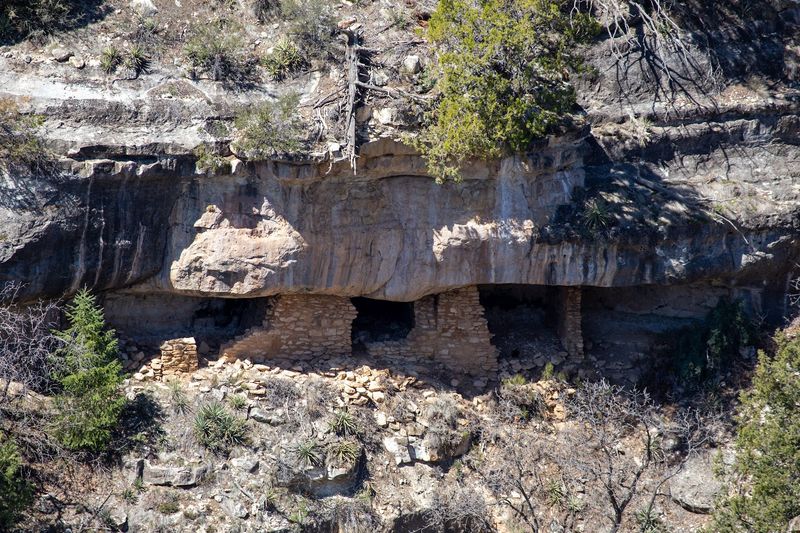
Around 800 years ago, a group of resourceful people known as the Sinagua made their homes inside the limestone ledges of Walnut Canyon. They were master builders, using the natural overhangs of the canyon walls as ready-made roofs and constructing stone walls to create individual rooms.
Some of these rooms still stand remarkably intact today.
The Sinagua were farmers, hunters, and traders who thrived in the high desert environment of northern Arizona. They grew crops along the canyon floor and gathered wild plants from the surrounding forest.
Interpretive signs along the Island Trail identify many of these same plants, connecting visitors to the daily rhythms of Sinagua life.
Imagining families cooking meals, children playing, and elders sharing stories in these very spaces adds a deeply human layer to the visit. This isn’t just a ruin; it’s a neighborhood frozen in time.
The Rim Trail: A Flat, Family-Friendly Alternative
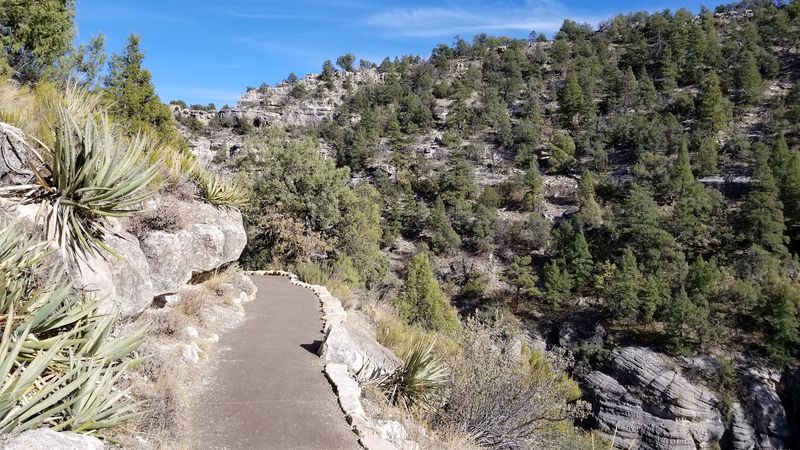
Not every great view requires a grueling climb. The Rim Trail at Walnut Canyon offers stunning canyon overlooks without a single stair to worry about.
This easy, mostly flat path runs along the top of the canyon and takes about 20 to 30 minutes to complete at a relaxed pace.
One of the biggest perks? The Rim Trail is pet-friendly, so you don’t have to leave your four-legged travel buddy behind in the car.
It’s also a solid option for stroller-friendly family visits, seniors, or anyone who wants the scenery without the physical challenge of the Island Trail.
From certain overlooks, you can actually spot cliff dwellings tucked into the canyon walls far below. The views are genuinely breathtaking, especially during golden hour when the red rock glows warm.
Best of all, the Rim Trail is free to access, no entrance fee required.
The Visitor Center: Your First Stop for History and Context
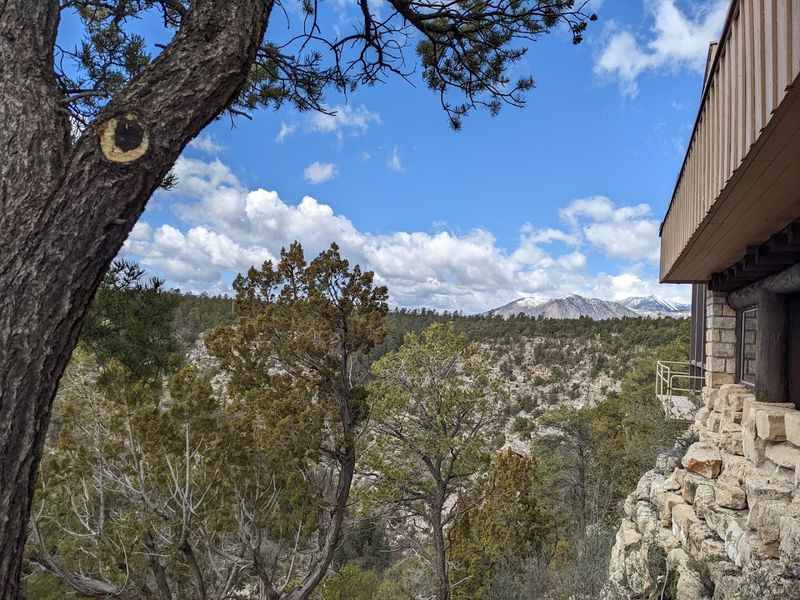
Before you head down the stairs, spend a few minutes inside the visitor center. It’s genuinely worth your time.
A short video about the cliff dwellings plays regularly and gives you a solid understanding of who the Sinagua were and why they chose this canyon as home. The exhibits showcase real artifacts left behind by these ancient residents.
Water fountains and clean restrooms are available inside, which is handy before tackling the trail. A small gift shop sells snacks, souvenirs, and locally crafted art pieces.
Staff and volunteers stationed throughout the center are knowledgeable and genuinely enthusiastic about sharing the monument’s history.
The view from the back of the visitor center is also surprisingly spectacular, offering a sweeping look into the canyon even before you step foot on the trail. Consider it a preview of what’s waiting below.
America the Beautiful pass holders get free entry here.
Up Close with the Cliff Dwellings: What You’ll Actually See
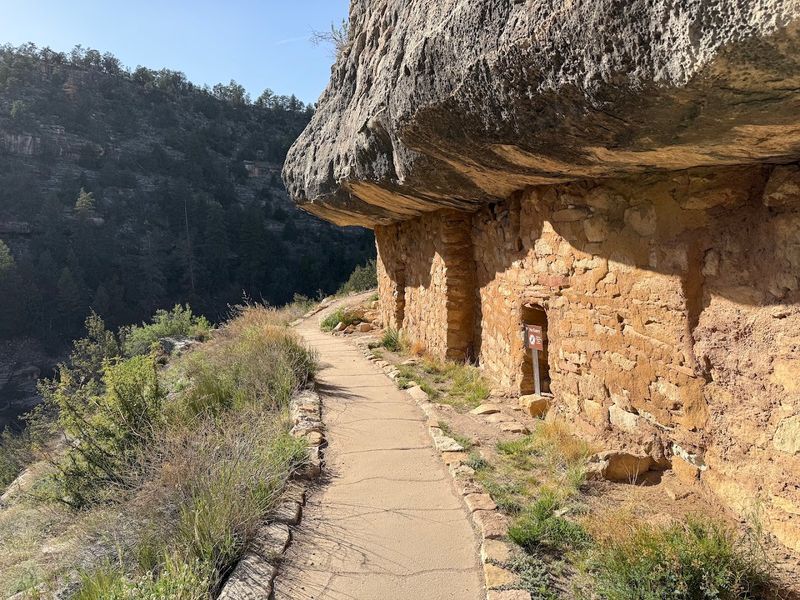
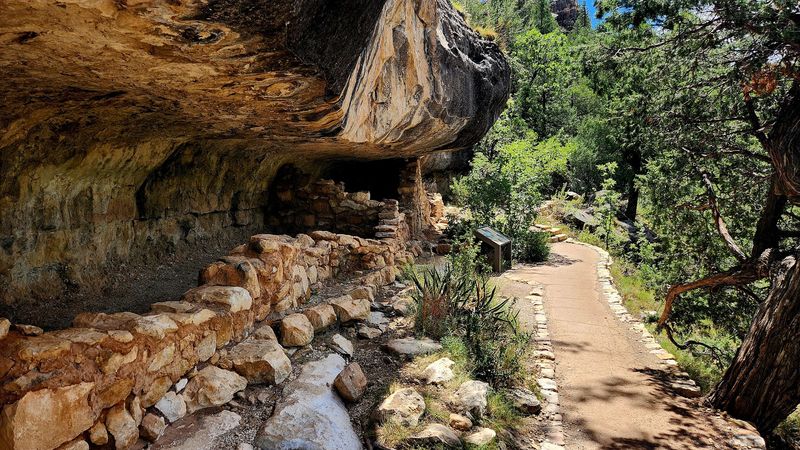
Standing just a few feet from a doorway that a Sinagua family once walked through every morning is a surprisingly emotional experience. Along the Island Trail, you’ll pass dozens of cliff dwellings in various states of preservation, some so well intact you can peer inside and see the original stone masonry walls still holding strong after centuries.
What makes Walnut Canyon special is the sheer number of dwellings visible from the trail. This isn’t one or two lonely ruins on a hillside; it’s an entire ancient community spread across the canyon walls.
Some rooms are right at eye level, while others are perched higher on the cliff face, visible in the distance.
The contrast of dark doorways against warm limestone rock makes for incredible photographs. Visitors consistently describe this experience as far more impactful than they expected, even those who have visited larger sites like Mesa Verde in Colorado.
Elevation and Altitude: Why You Should Pace Yourself
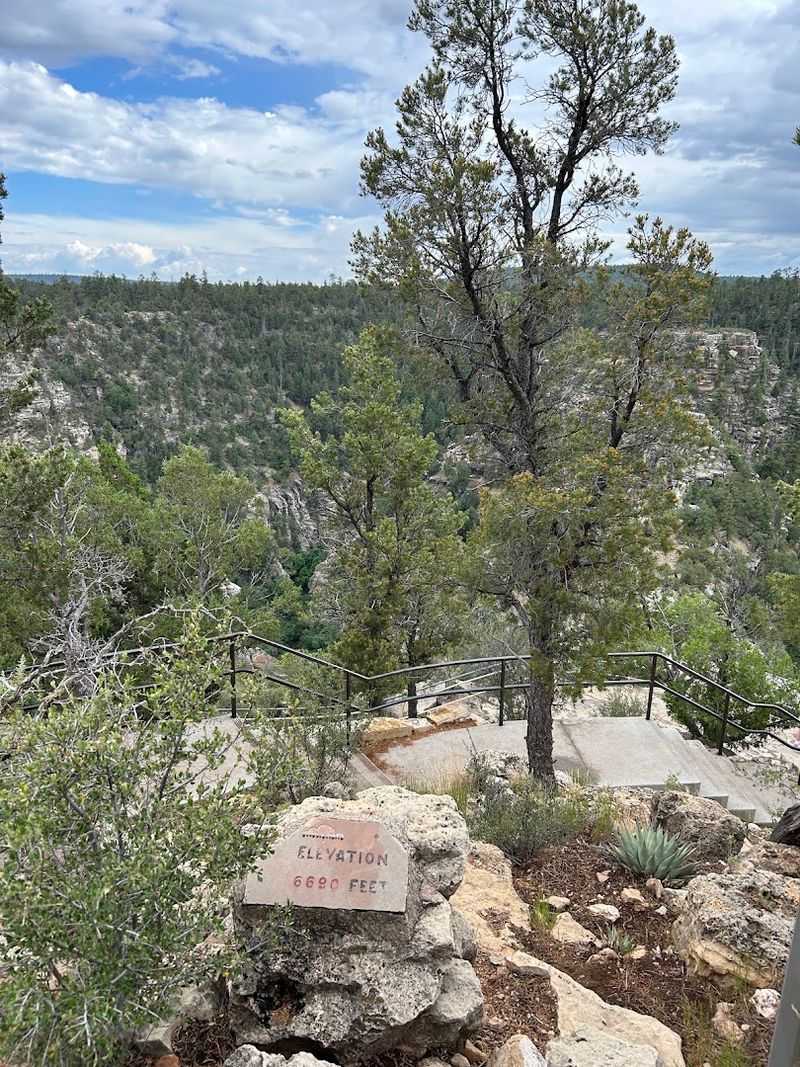
Walnut Canyon sits at an elevation of about 6,690 feet above sea level, which means the air is noticeably thinner than what most visitors are used to. If you’re traveling from a lower elevation, your body needs a little extra time to adjust, and that’s completely normal.
The climb back up those 736 stairs will feel harder than it looks on paper.
Hydration is absolutely critical here. Multiple visitor reviews mention being caught off guard by how quickly the altitude affects breathing and energy levels.
Benches are conveniently placed along the trail precisely for this reason, so use them without guilt or hesitation.
Children, seniors, and anyone with heart or respiratory conditions should be especially mindful. That said, families with toddlers and older adults with bad knees have all successfully completed the trail.
The trick is simple: slow down, drink water, rest when needed, and enjoy the scenery around every turn.
Best Time to Visit Walnut Canyon National Monument
Walnut Canyon is open year-round, seven days a week, from 9 AM to 5 PM. Each season brings its own unique personality to the canyon.
Summer mornings are ideal for beating the heat, while fall offers crisp air and golden foliage that frames the canyon walls beautifully.
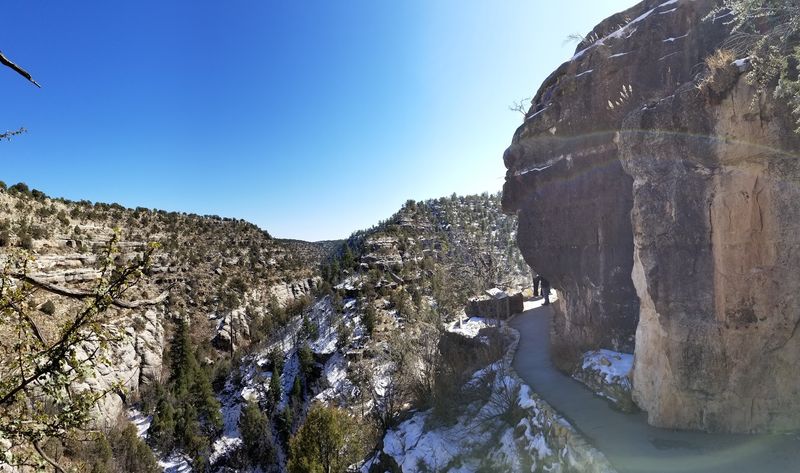
Winter visits are surprisingly magical. One reviewer described hiking the Island Trail during a snowstorm, with fresh snow dusting the ancient cliff dwellings and the red rock glowing against a white backdrop.
Quiet, peaceful, and almost surreal were the exact words used to describe it. Just check trail conditions ahead of time and wear appropriate footwear for slick stairs.
Spring brings wildflowers and mild temperatures, making it another fantastic window. Weekday mornings tend to be less crowded than weekend afternoons.
The monument’s phone number is 928-526-3367 if you want to call ahead and confirm conditions before making the drive.
Getting There: Location and Directions from Flagstaff
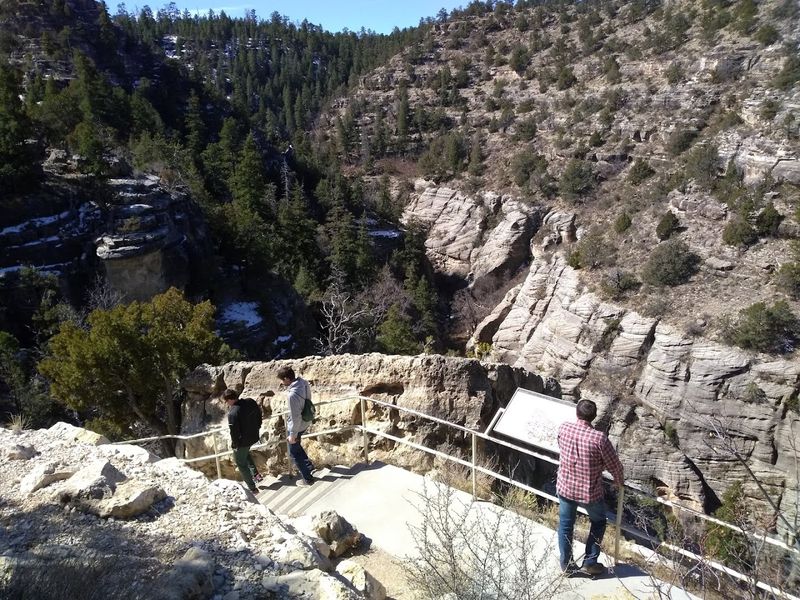
Walnut Canyon National Monument is remarkably easy to reach, which makes the experience even better. Located just about 7.5 miles east of downtown Flagstaff, Arizona, the monument sits right off Interstate 40 at Exit 204.
From there, a short three-mile drive down a paved road brings you to the visitor center and trailhead parking area.
The parking lot is described as relatively small, so arriving early on busy days is a smart move. Flagstaff itself is a great base for exploring the area, with plenty of hotels, restaurants, and other nearby attractions like Sunset Crater Volcano and Meteor Crater.
Road trippers passing through on I-40 often add Walnut Canyon as a quick detour, and many end up staying much longer than planned. It’s one of those places that surprises you with how much it offers for its compact size.
Seriously, don’t just drive past it.
Entrance Fees and the America the Beautiful Pass
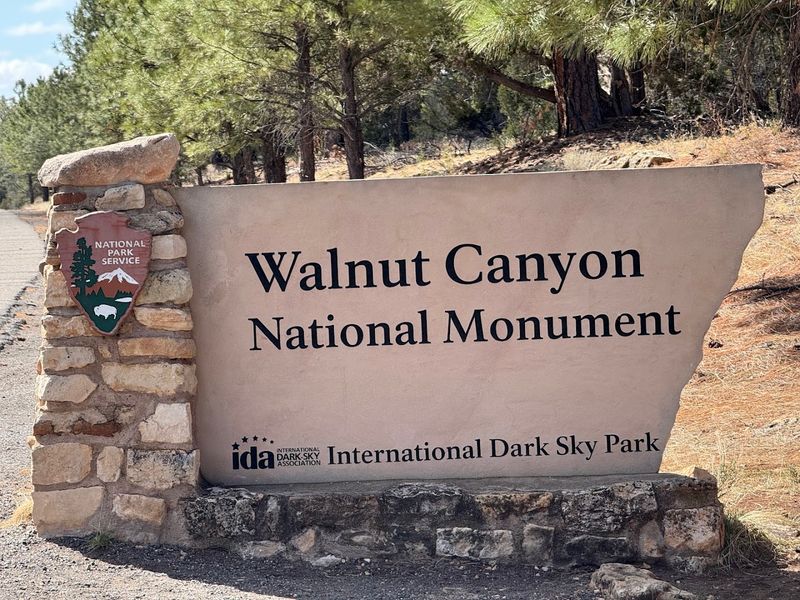
Visiting Walnut Canyon National Monument costs a small entrance fee, but if you already own an America the Beautiful pass, admission is completely free. That annual pass, which covers entrance to hundreds of national parks and monuments across the country, pays for itself quickly if you’re a regular park visitor or planning a multi-park road trip through the Southwest.
The fee structure supports the upkeep of the trails, visitor center, and interpretive programs that make this place so special. Rangers, volunteers, and well-maintained facilities don’t happen without funding, and the quality of the experience here clearly reflects that investment.
For families, solo travelers, and road trippers alike, the value is outstanding. You get access to ancient history, stunning canyon scenery, and knowledgeable staff for the price of a fast food meal.
Check the official NPS website at nps.gov/waca for current fee information and any seasonal updates before your visit.
Wildlife, Plants, and the Natural World of the Canyon
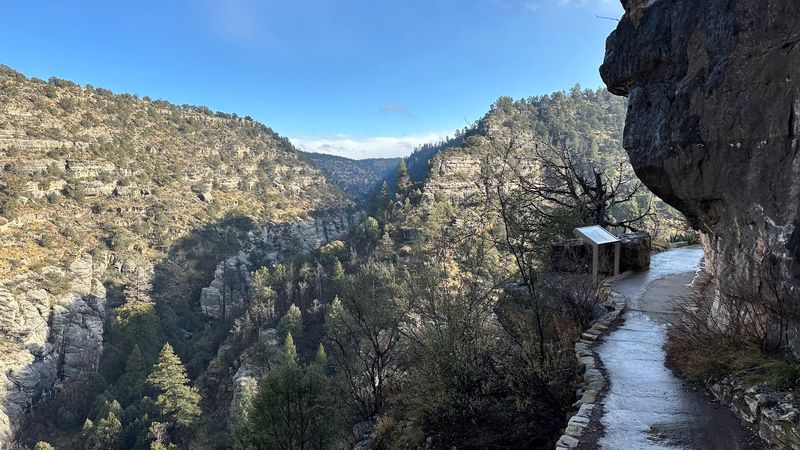
Walnut Canyon isn’t just about ancient ruins; the natural world surrounding those dwellings is equally fascinating. Interpretive signs along the Island Trail identify native plants and trees that the Sinagua people would have used for food, medicine, and building materials.
Reading those signs turns an ordinary hike into an outdoor classroom.
Pinyon pine, juniper, cliffrose, and various desert shrubs line the trail, while the canyon bottom supports a richer riparian ecosystem. Keep your eyes open for birds soaring along the canyon walls, including ravens and red-tailed hawks that nest in the limestone ledges.
Mule deer are occasionally spotted near the rim, especially during early morning visits. The canyon’s sheltered microclimate supports plant communities that differ noticeably from the surrounding plateau, a detail the Sinagua almost certainly understood and used to their advantage.
Nature here isn’t just a backdrop; it’s part of the whole story.
Tips for Visiting with Kids and Strollers
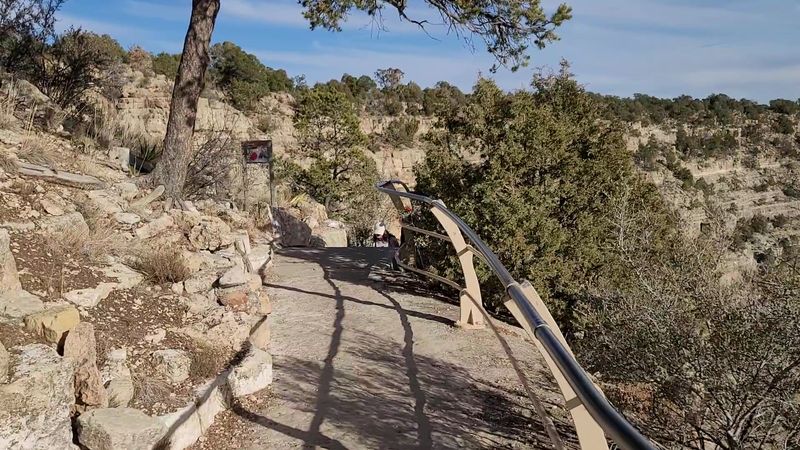
Families with young children will find Walnut Canyon surprisingly manageable, as long as you plan ahead. The Rim Trail is stroller-friendly and flat, making it an easy win for parents with toddlers or babies in carriers.
The views from the rim are genuinely impressive, and little ones tend to love spotting the tiny stone rooms far below in the canyon walls.
The Island Trail is a different story for very young children. The hundreds of stairs require careful supervision, and parents of toddlers should be prepared to carry little ones on some sections.
Reviewers with three-year-olds and ten-year-olds have completed the Island Trail successfully by taking it slow and making it an adventure rather than a race.
Pack snacks, extra water, and sunscreen regardless of which trail you choose. The visitor center has clean restrooms, which is always a win when traveling with kids.
This place creates the kind of memories families talk about for years.
Why Walnut Canyon Deserves a Spot on Every Arizona Itinerary
Many travelers zoom right past Walnut Canyon on their way to bigger-name parks, and that is genuinely their loss. This compact national monument packs an extraordinary amount of history, scenery, and emotional impact into a very short visit.
One reviewer who had lived in Arizona for over 30 years admitted they had no idea this gem existed until they finally stopped.
The combination of accessible trails, well-preserved ruins, knowledgeable rangers, and stunning canyon scenery creates an experience that lingers long after you’ve driven away. Visitors who have been to Mesa Verde consistently say Walnut Canyon holds its own in terms of atmosphere and intimacy, even if the scale is smaller.
Whether you have 90 minutes or a full afternoon, this monument rewards every minute you give it. Stop rushing to the next destination, park the car, lace up your shoes, and let an 800-year-old neighborhood remind you what really matters.
Enjoyed this story?
Add Fast Food Club as a preferred source to see more of our reporting on Google.