



Tucked away in the Blue Ridge Mountains of Virginia, the Blue Ridge Tunnel Trail is one of the state’s most surprising hidden gems. Built back in 1858, this historic railroad tunnel stretches nearly a mile through solid rock, giving hikers a one-of-a-kind experience you simply can’t find anywhere else.
Whether you’re an adventure seeker, a history buff, or just looking for a fun family outing, this trail has something special for everyone. Get ready to walk straight through a mountain and come out the other side with stories worth telling.
The History Behind the Blue Ridge Tunnel
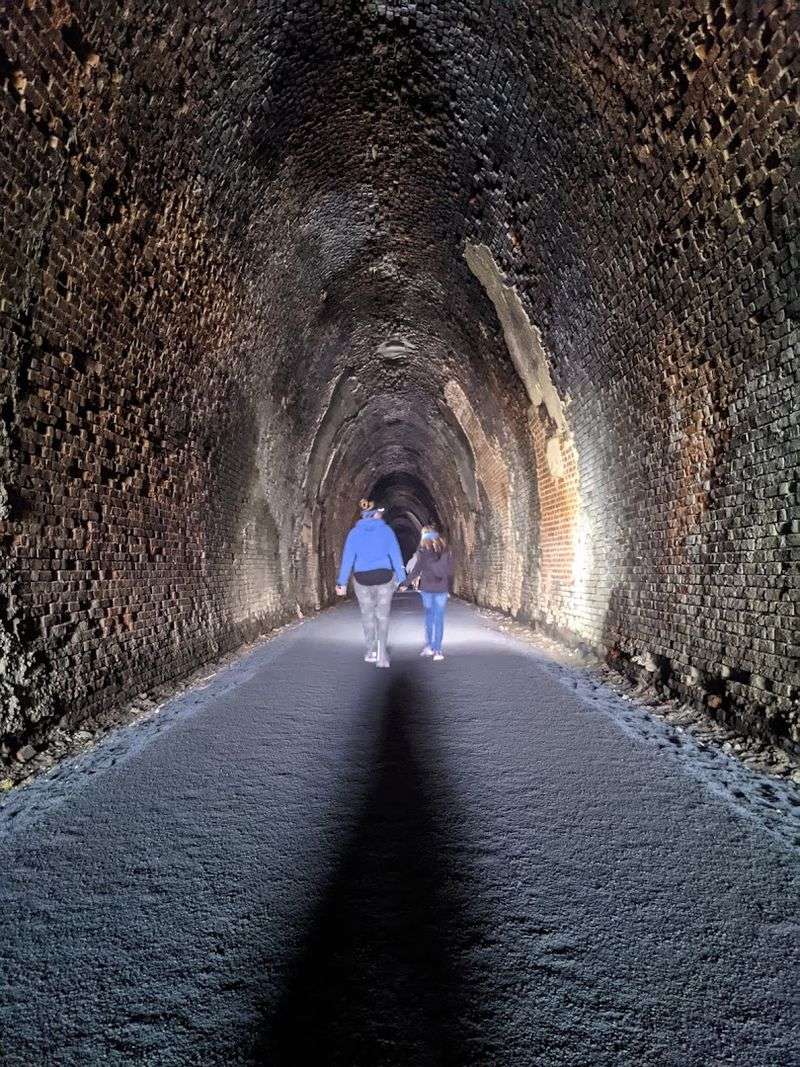
Back in the 1850s, building a railroad through a mountain was considered nearly impossible. Yet French-born engineer Claudius Crozet made it happen.
The Blue Ridge Tunnel was completed in 1858 and became the longest railroad tunnel in the United States at the time, stretching about 4,237 feet through the Blue Ridge Mountains.
Workers drilled and blasted through solid rock using hand tools and black powder, a jaw-dropping feat for that era. Hundreds of Irish immigrants and enslaved people labored under dangerous conditions to make Crozet’s vision real.
When you walk through the tunnel today, you’re literally stepping through a piece of American engineering history. Informational boards along the trail tell these stories in detail, making the hike feel like an outdoor museum.
Knowing what went into building this tunnel makes every step feel a little more meaningful.
Finding the Trailheads: East vs. West Entrance
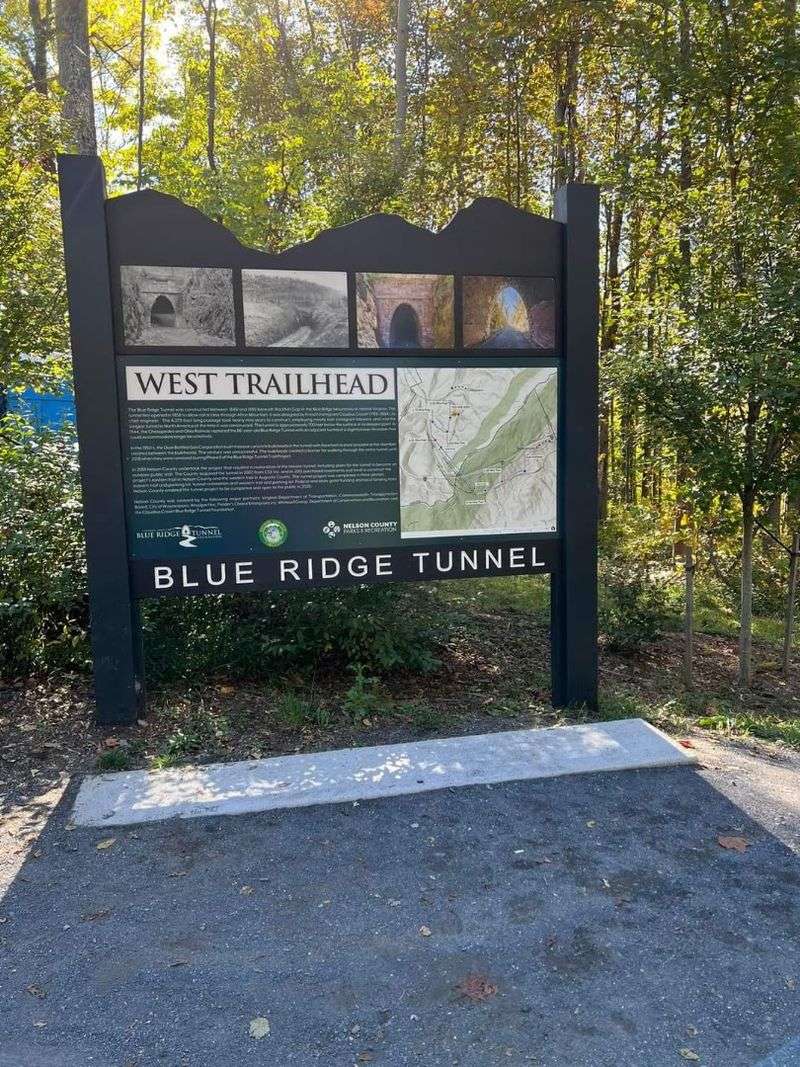
Choosing which entrance to start from can make a big difference in your experience. The East trailhead is located near the old Afton Depot, while the West trailhead sits close to Interstate 64 Exit 99 in Waynesboro, making it super convenient to reach from the highway.
Most hikers prefer starting from the West side because the trail runs slightly downhill toward the tunnel, giving your legs a gentler warm-up. The East entrance is also popular and a bit flatter overall, making it a solid choice for families with young kids.
Parking is limited at both spots, with roughly 20 spaces at the West trailhead, so arriving early on weekends is a smart move. Both trailheads have porta-potties available, but no other facilities.
Planning ahead and knowing which side you’ll start from helps the whole adventure go smoothly.
How Long Is the Hike, Really?
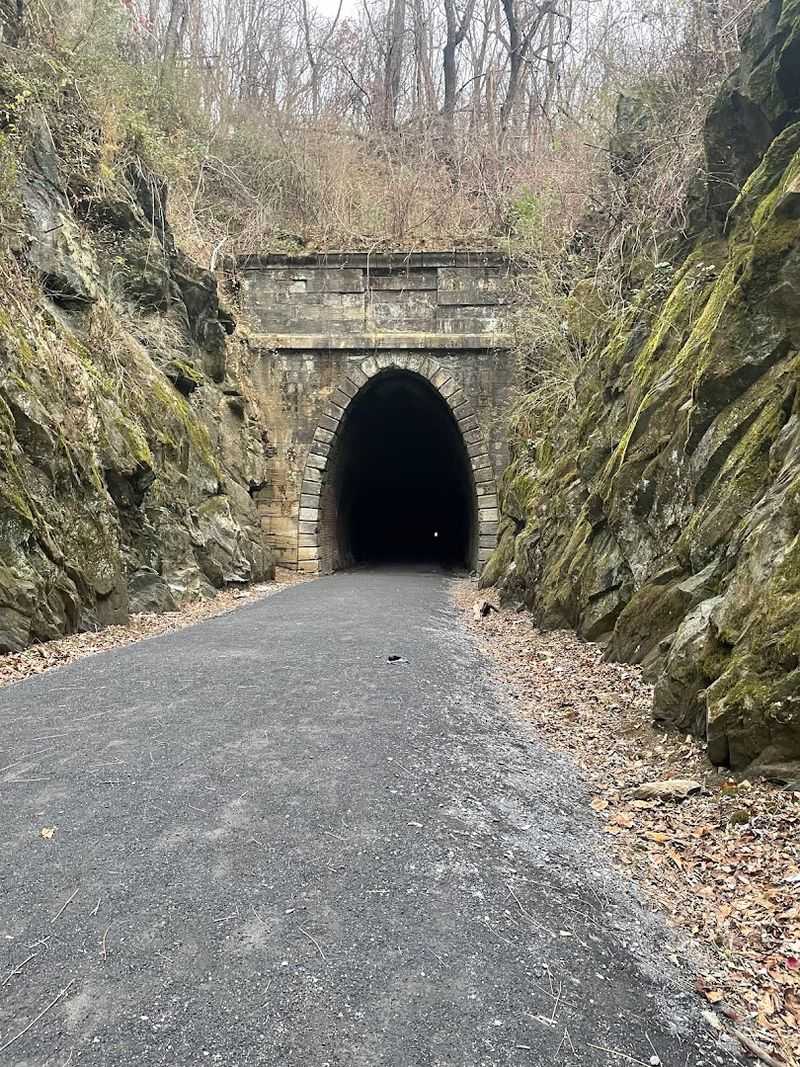
If you’re wondering whether you can handle this trail, here’s some good news: it’s genuinely manageable for most people. The full round trip from the West trailhead to the East trailhead and back clocks in at about 4.5 to 5 miles total, depending on your starting point.
From either trailhead to the tunnel entrance is roughly half a mile to a mile of walking on a well-maintained gravel path. The tunnel itself is just over a mile long, so you’ll cover that stretch twice if you go in and come back out the same entrance.
The trail is mostly flat with a few gentle slopes, though the return uphill section can feel tiring, especially for little ones. Budget around two hours for the full round trip at a relaxed pace.
Families with toddlers should plan extra time and pack snacks to keep energy levels up.
What the Tunnel Feels Like Inside
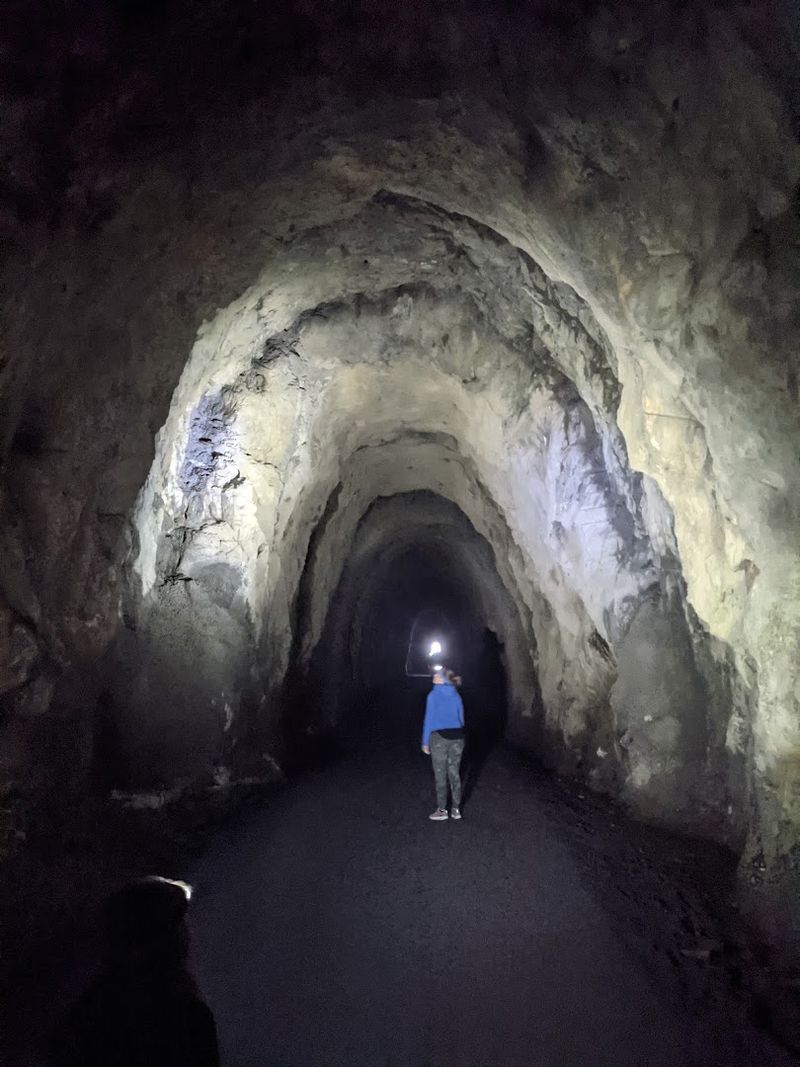
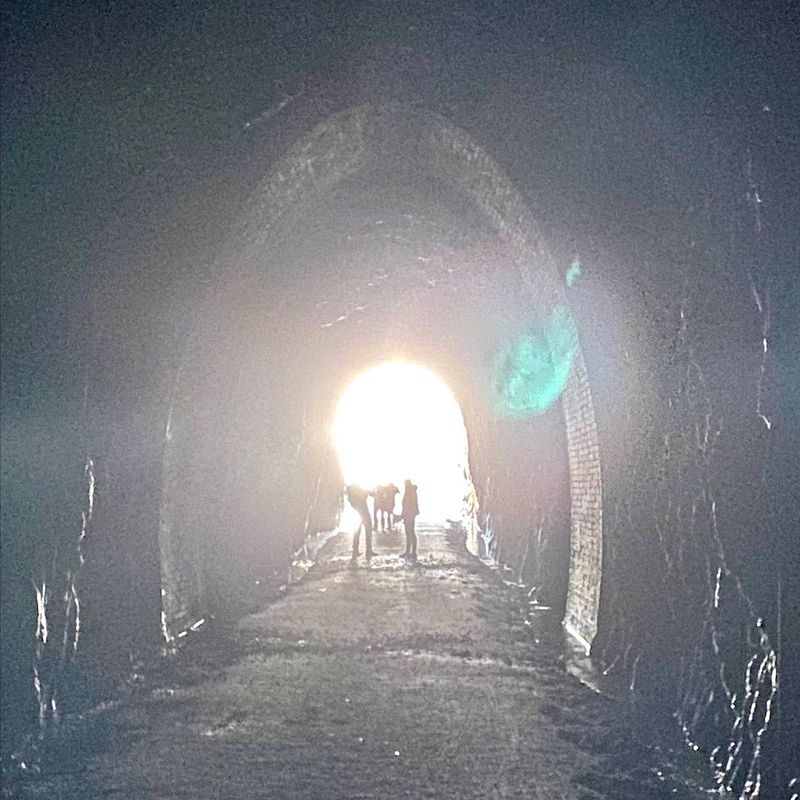
Walking inside the Blue Ridge Tunnel is genuinely unlike anything most people have experienced. The moment you step past the entrance arch, the outside world fades away and you’re surrounded by cool, damp stone walls stretching into near-total darkness.
The tunnel stays at a steady temperature of around 50 degrees Fahrenheit year-round, which feels refreshing on a hot summer day but surprisingly chilly on the way back out. A constant breeze flows through the tunnel, which can catch you off guard and make your ears sting a bit if you’re not prepared.
The floor has some puddles from dripping water, so waterproof shoes are a smart choice. One of the coolest moments is stopping in the middle of the tunnel, turning off your light, and experiencing total silence and complete darkness.
It’s a little eerie, a little magical, and totally unforgettable.
Bringing the Right Gear: Flashlights Are a Must
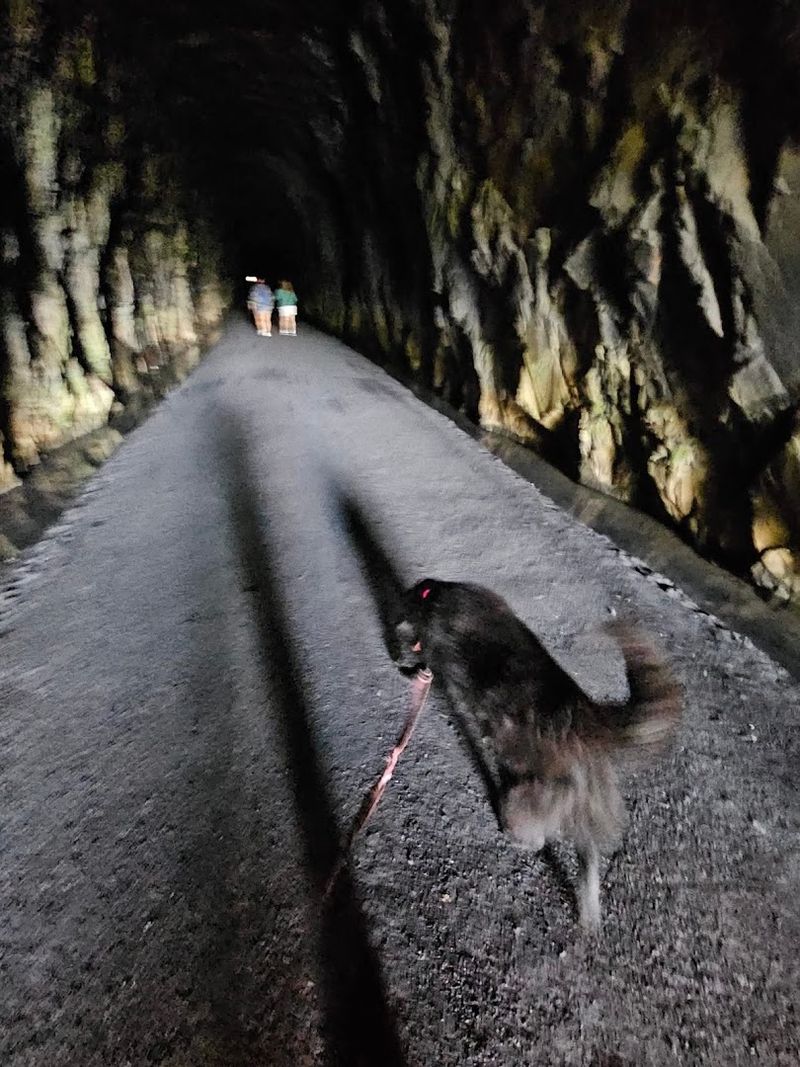
Ask anyone who has visited the Blue Ridge Tunnel and they’ll say the same thing: bring a flashlight. This is not optional.
The tunnel is pitch dark in the middle, and while you can always see a faint glow from both ends, navigating the uneven, wet floor without a light source is genuinely risky.
A headlamp is even better than a handheld flashlight because it keeps both hands free for balance. Your phone’s built-in flashlight can work in a pinch, but battery-powered headlamps are brighter and more reliable for a mile-long tunnel walk.
Wearing layers is also a good call since the temperature drops noticeably once you’re inside. A light jacket with a hood helps block the chilly tunnel wind.
Waterproof or trail shoes handle the puddles well. With the right gear packed, the tunnel transforms from a daunting dark passage into an awesome underground adventure.
Taking Kids on the Trail: What Parents Should Know
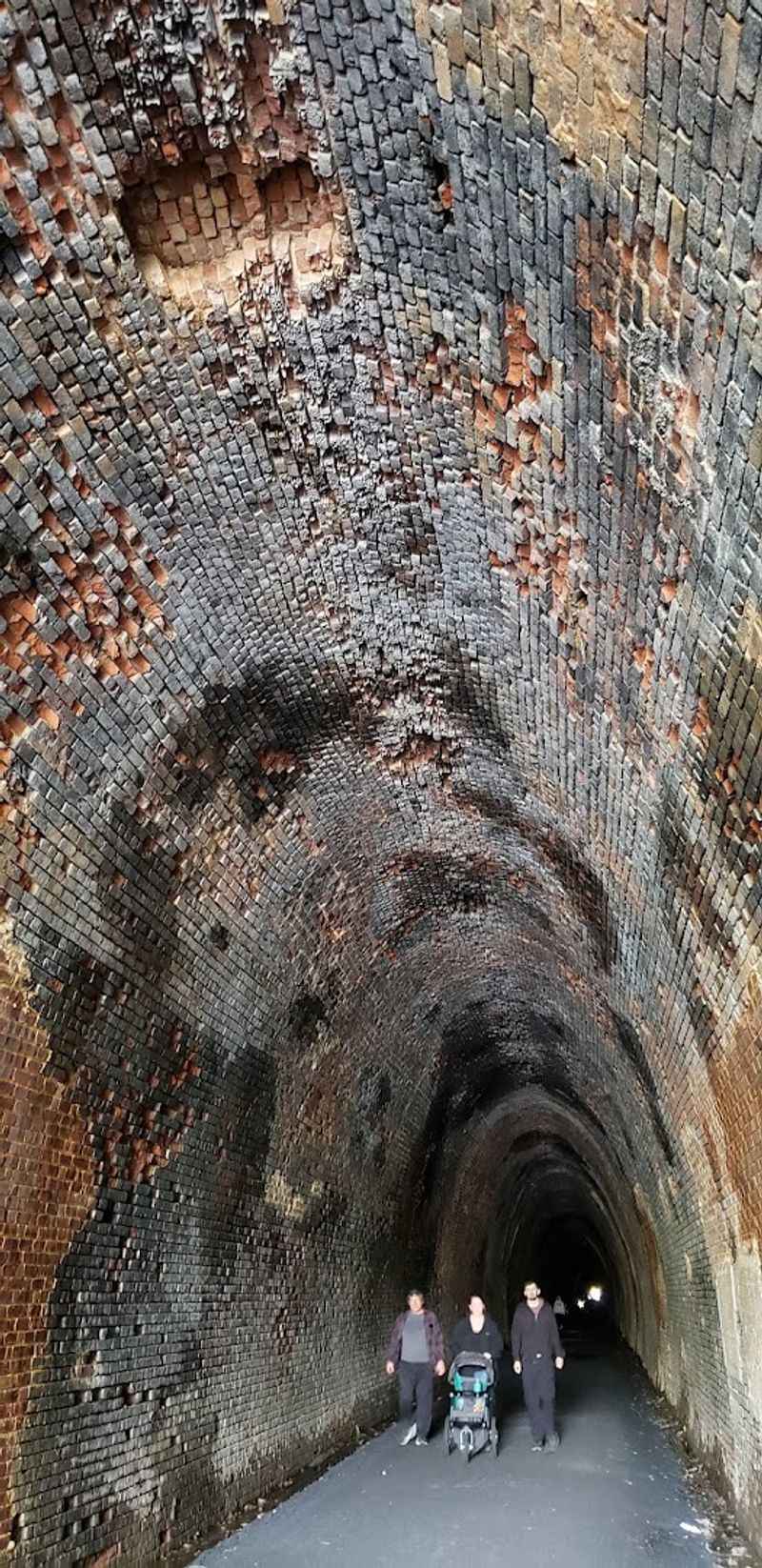
Families with young children have tackled this trail and loved it, but a little preparation goes a long way. Kids aged five and up generally handle both the walk in and the return trip without much trouble, but toddlers may need to be carried on the uphill sections heading back.
The gravel trail is smooth enough for small feet, and the tunnel itself is wide enough that kids won’t feel too cramped. Giving each child their own small flashlight turns the tunnel walk into an exciting game rather than a scary experience.
Pack plenty of water and snacks since there are no vending machines or shops nearby. The historical information boards along the trail are written in a way that even curious kids can enjoy.
Many families say their children talked about the tunnel walk for weeks afterward, making it one of those rare outings that genuinely impresses everyone.
Bringing Your Dog Along for the Adventure
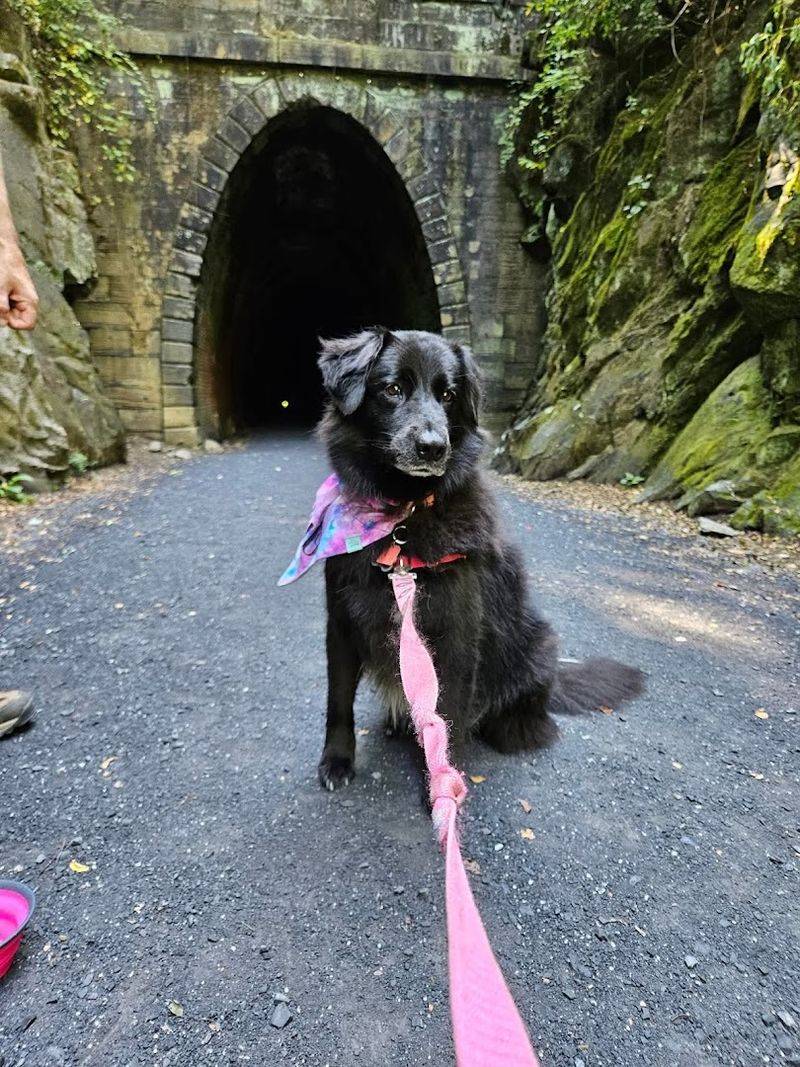
Good news for dog owners: the Blue Ridge Tunnel Trail is a fantastic outing for four-legged companions. The wide gravel path is easy on paws, and the cooler tunnel temperature is actually a relief for dogs on warm days.
Several visitors have brought their dogs through the full tunnel walk with great success. Just keep your pup on a leash since the trail can get busy on weekends and the tunnel’s echoing acoustics can spook some dogs.
The puddles inside the tunnel might get their paws wet, but most dogs take that in stride.
Bring fresh water for your dog since there are no water stations along the trail. The shaded forest sections on either side of the tunnel offer nice resting spots.
Dogs seem to genuinely enjoy the smells and sounds of the tunnel, making this one of those trails where your pet has just as much fun as you do.
The Scenic Beauty Surrounding the Trail
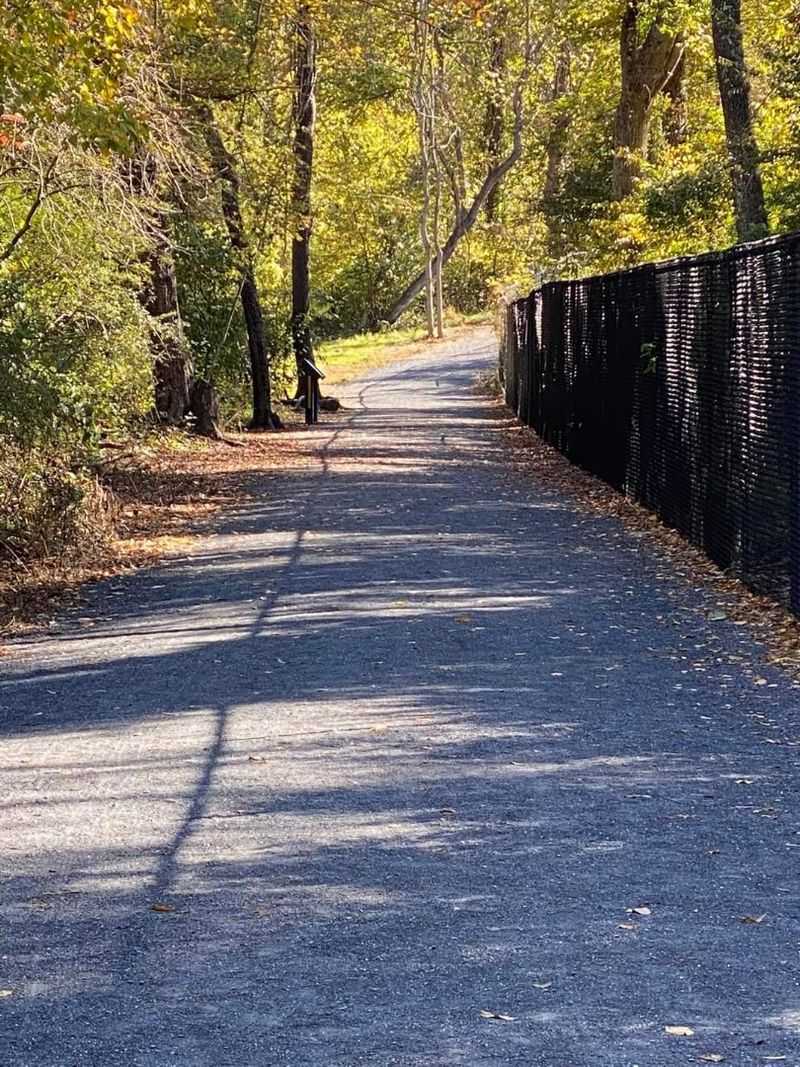
The tunnel gets most of the attention, but the trail itself is genuinely beautiful. Tall trees line the gravel path on both sides, creating a shaded canopy that feels peaceful and cool even in summer.
The Blue Ridge Mountains rise around you, giving the whole hike a dramatic, cinematic backdrop.
Fall is an especially magical time to visit. The leaves turn brilliant shades of orange, red, and gold, transforming the trail into a stunning natural gallery.
Several visitors have noted that the autumn colors alone make the trip worth it, even before reaching the tunnel.
Spring brings wildflowers and fresh green growth, while winter hikes offer a quiet, almost meditative experience with far fewer crowds. No matter the season, the trail rewards visitors with scenery that feels far removed from everyday life.
Bring a camera or charge your phone because you’ll want to capture nearly every step of this walk.
Biking Through the Tunnel: Is It Worth It?
Some visitors have attempted the Blue Ridge Tunnel Trail on bikes, and the experience is a bit of a mixed bag. The trail surface is packed gravel, which handles bike tires reasonably well on flat sections, but the hilly terrain on the West side can be a tough ride for casual cyclists.
Inside the tunnel, biking is technically possible but requires extra caution. Puddles on the floor are unpredictable, and when other hikers are present, navigating around them in the dark takes real care.
One reviewer specifically noted the West side hills were tough and wouldn’t recommend that approach for biking.
If you’re determined to bike the trail, starting from the East entrance and going slowly through the tunnel is the safer route. Bring a powerful headlamp mounted to your handlebars for visibility.
For most people, walking remains the best way to fully enjoy everything this unique trail has to offer.
The Best Time of Year to Visit
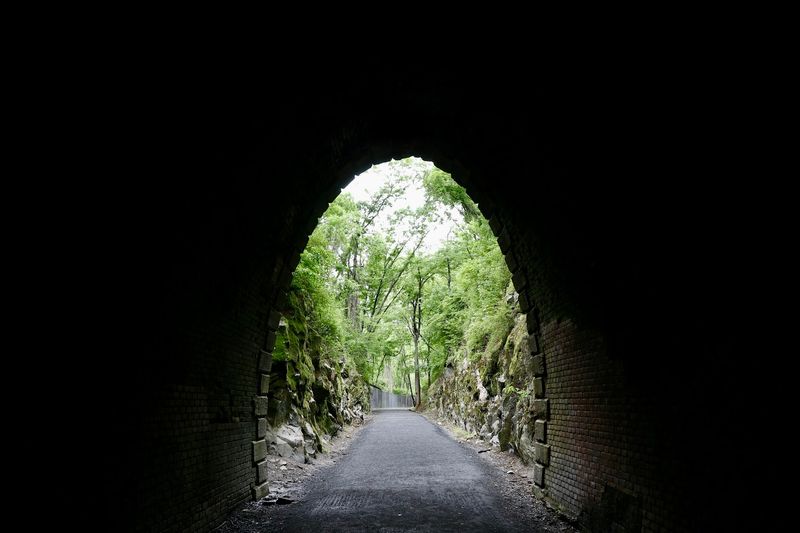
Spring and fall are widely considered the best seasons to visit the Blue Ridge Tunnel Trail. Spring brings mild temperatures, fresh greenery, and light crowds, while fall delivers stunning foliage that makes every photo look like a painting.
Both seasons offer comfortable hiking weather without the intense heat of summer.
Summer visits are still enjoyable, especially because the tunnel’s constant 50-degree temperature provides a natural air-conditioned break from the heat outside. However, summer weekends can get crowded, and parking fills up fast at both trailheads.
Winter is surprisingly peaceful, with very few other hikers on the trail and a stark, quiet beauty to the bare trees. The tunnel temperature stays the same year-round, so the cold air inside actually feels more noticeable in winter.
Weekday visits in any season almost always guarantee a quieter, more personal experience compared to busy weekend crowds.
Learning History Along the Trail’s Informational Boards
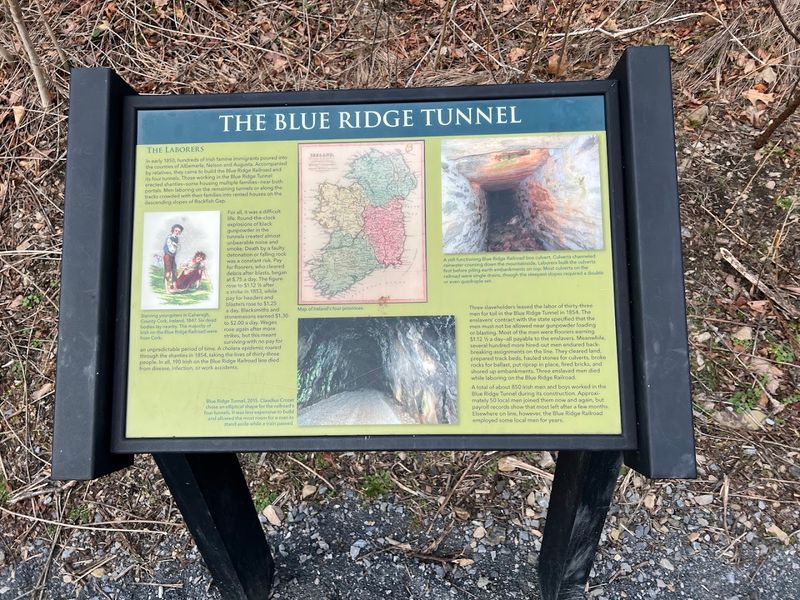
One of the most underrated parts of the Blue Ridge Tunnel Trail experience is the series of informational boards placed along the path. These signs tell the story of the tunnel’s construction, the people who built it, and the broader history of the Virginia Central Railroad in a way that’s genuinely engaging and easy to understand.
You’ll read about Claudius Crozet, the brilliant French engineer who designed the tunnel, and learn about the laborers whose hard work made it possible. The boards are written accessibly, so even younger visitors can follow along and understand the significance of what they’re walking through.
History lovers often say the informational boards are as memorable as the tunnel itself. Pausing at each sign adds only a few extra minutes to your hike but delivers a much richer understanding of this remarkable place.
It truly feels like an outdoor classroom hidden in the mountains of Virginia.
Safety Tips Every First-Time Visitor Should Follow
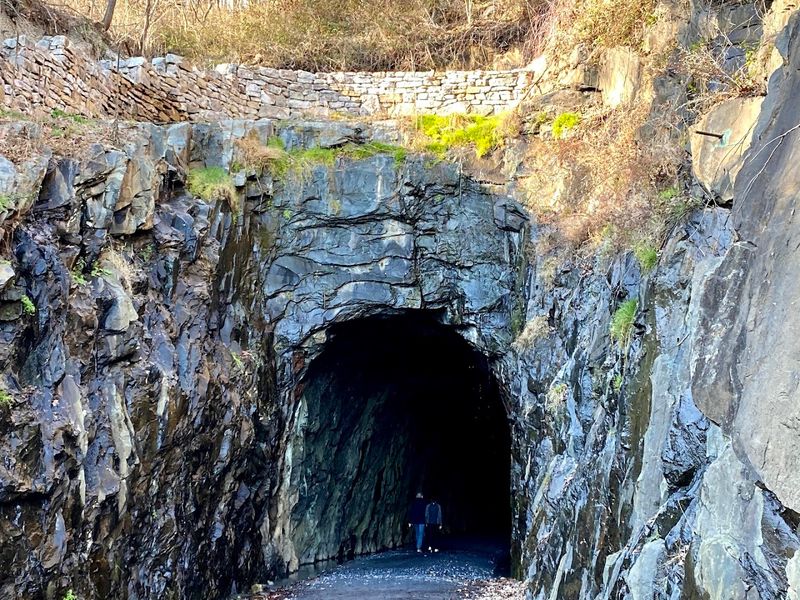
A little preparation makes the Blue Ridge Tunnel Trail a smooth, enjoyable outing rather than a stressful one. Beyond the essential flashlight, wearing sturdy shoes with good grip is highly recommended since the tunnel floor can be slippery from dripping water and standing puddles.
Bringing enough water for the full round trip is critical, especially on warm days or when hiking with children. There are no water fountains or stores along the trail, so carry more than you think you’ll need.
A light jacket or extra layer handles the temperature shift between the warm trail outside and the cool tunnel interior.
Stay aware of other hikers in the tunnel, especially cyclists, since the narrow passage requires some coordination when passing. Keeping kids and pets close in the dark sections prevents any anxious moments.
Letting someone know your plans before heading out is always a smart habit for any trail adventure.
Why This Trail Deserves Far More Attention
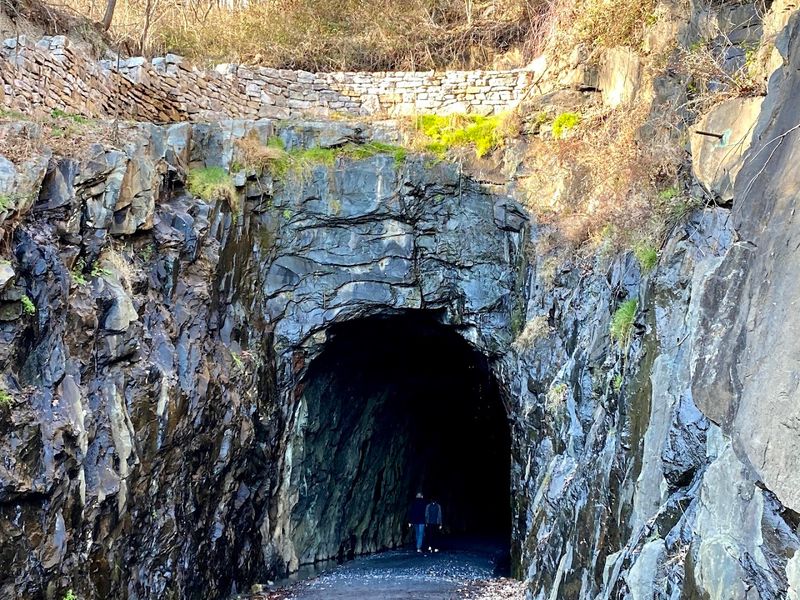
With a 4.8-star rating and glowing reviews from families, solo hikers, and dog owners alike, the Blue Ridge Tunnel Trail punches well above its relatively low profile. Most people driving past on Interstate 64 have no idea this extraordinary experience exists just minutes from the highway.
Where else can you walk through a mountain on a trail that’s both historically significant and visually stunning? The combination of easy access, family-friendly terrain, rich history, and that unforgettable tunnel experience makes this one of Virginia’s most rewarding hidden gems.
Visitors consistently describe it as one of those rare places that exceeds expectations every single time. Whether it’s your first visit or your fifth, the tunnel never gets old.
If your Virginia travel bucket list doesn’t already include the Blue Ridge Tunnel Trail, now is the perfect time to add it and start planning your adventure.
Enjoyed this story?
Add Fast Food Club as a preferred source to see more of our reporting on Google.