


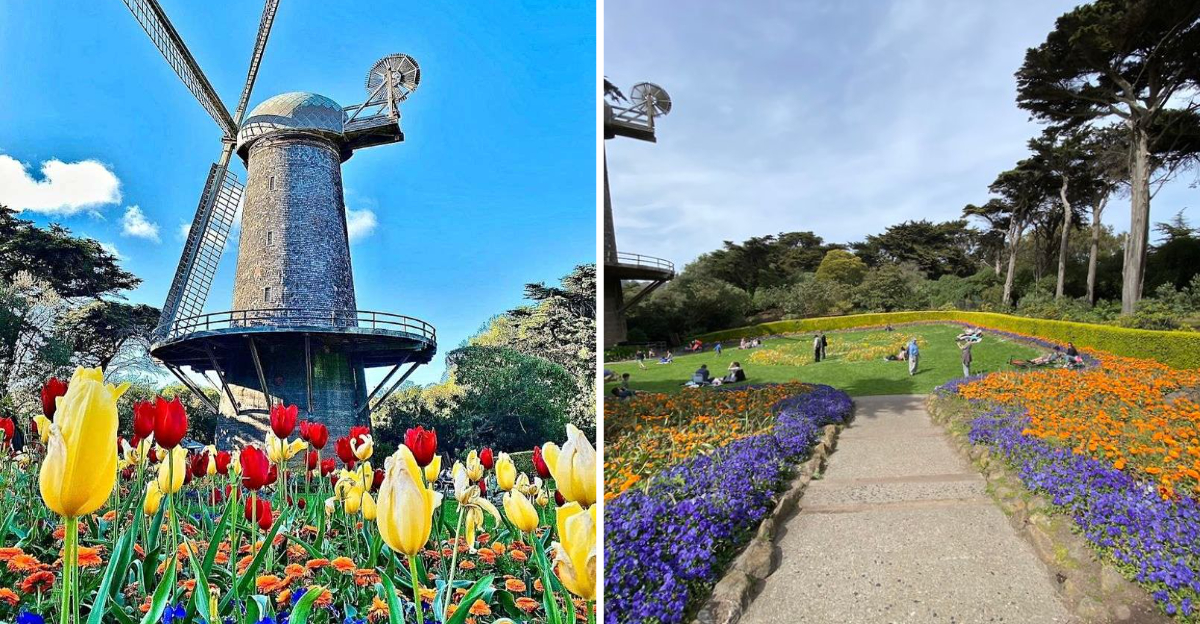
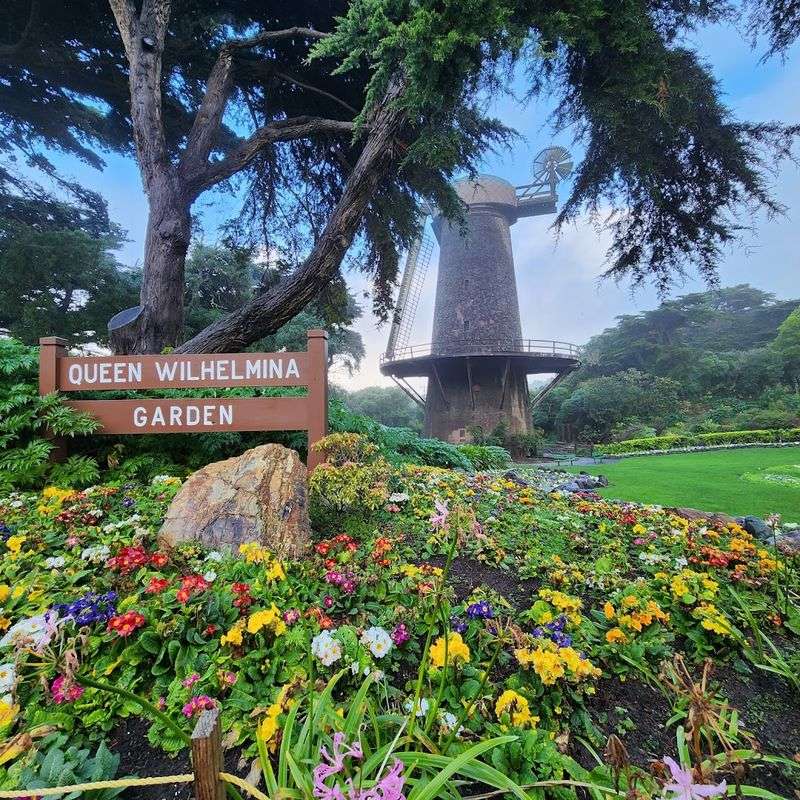
Tucked away at the western edge of Golden Gate Park in San Francisco, Queen Wilhelmina Garden is one of those rare places that stops you in your tracks the moment you see it. Bursting with colorful seasonal blooms and framed by a towering historic Dutch Windmill, this compact botanical garden carries an old-world charm that feels almost magical.
Whether you are a flower lover, a photography enthusiast, or simply someone looking for a peaceful escape, this garden has something special to offer. Rated 4.7 stars by over a thousand visitors, it is no surprise that people keep coming back season after season.
The Iconic Dutch Windmill That Steals Every Photo
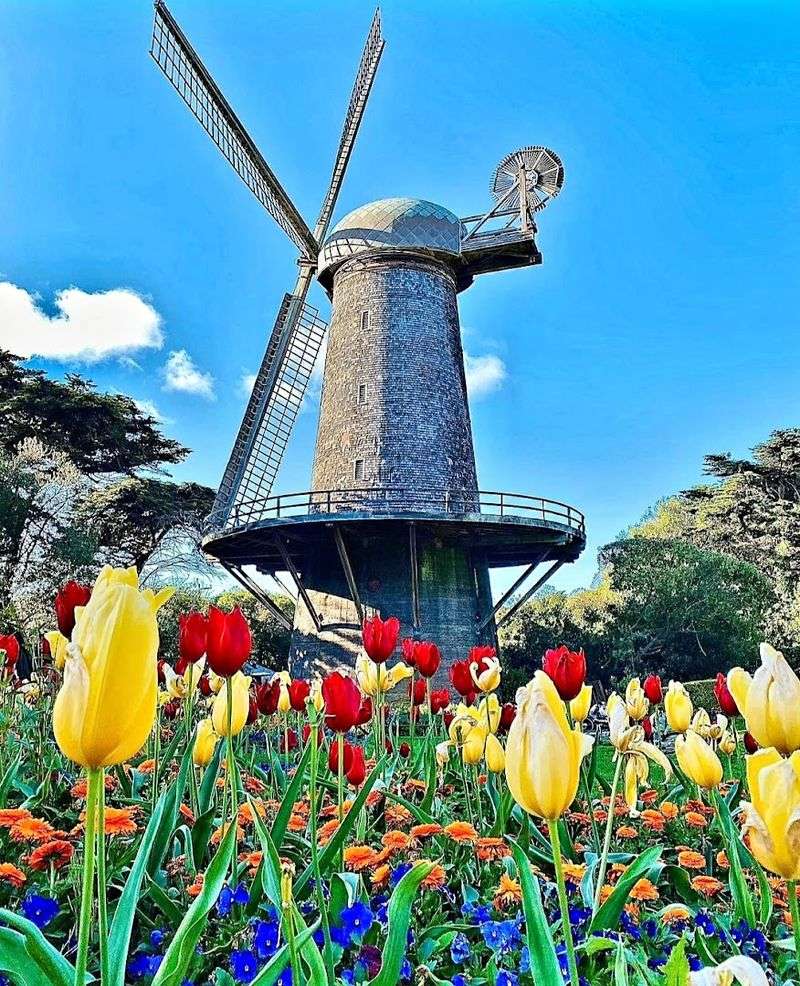
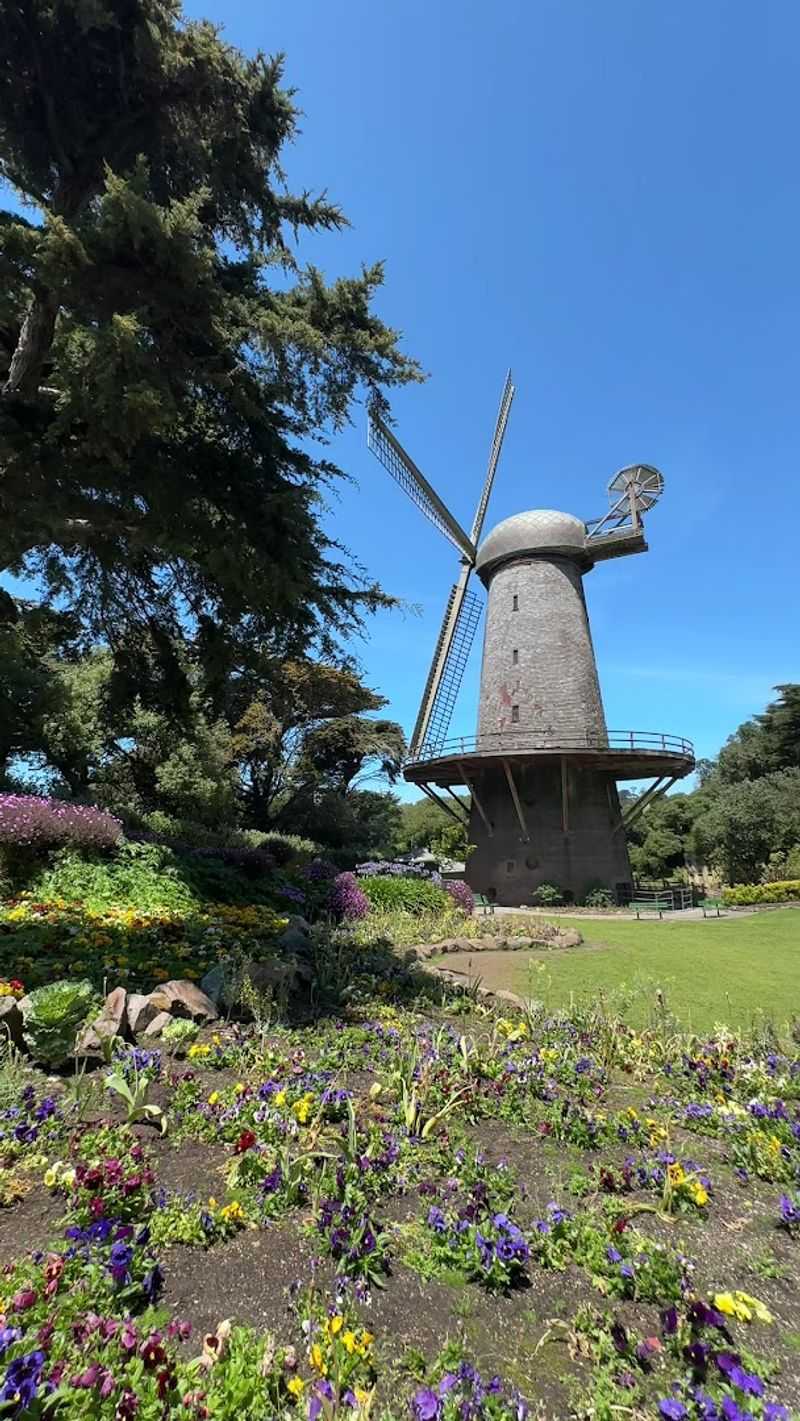
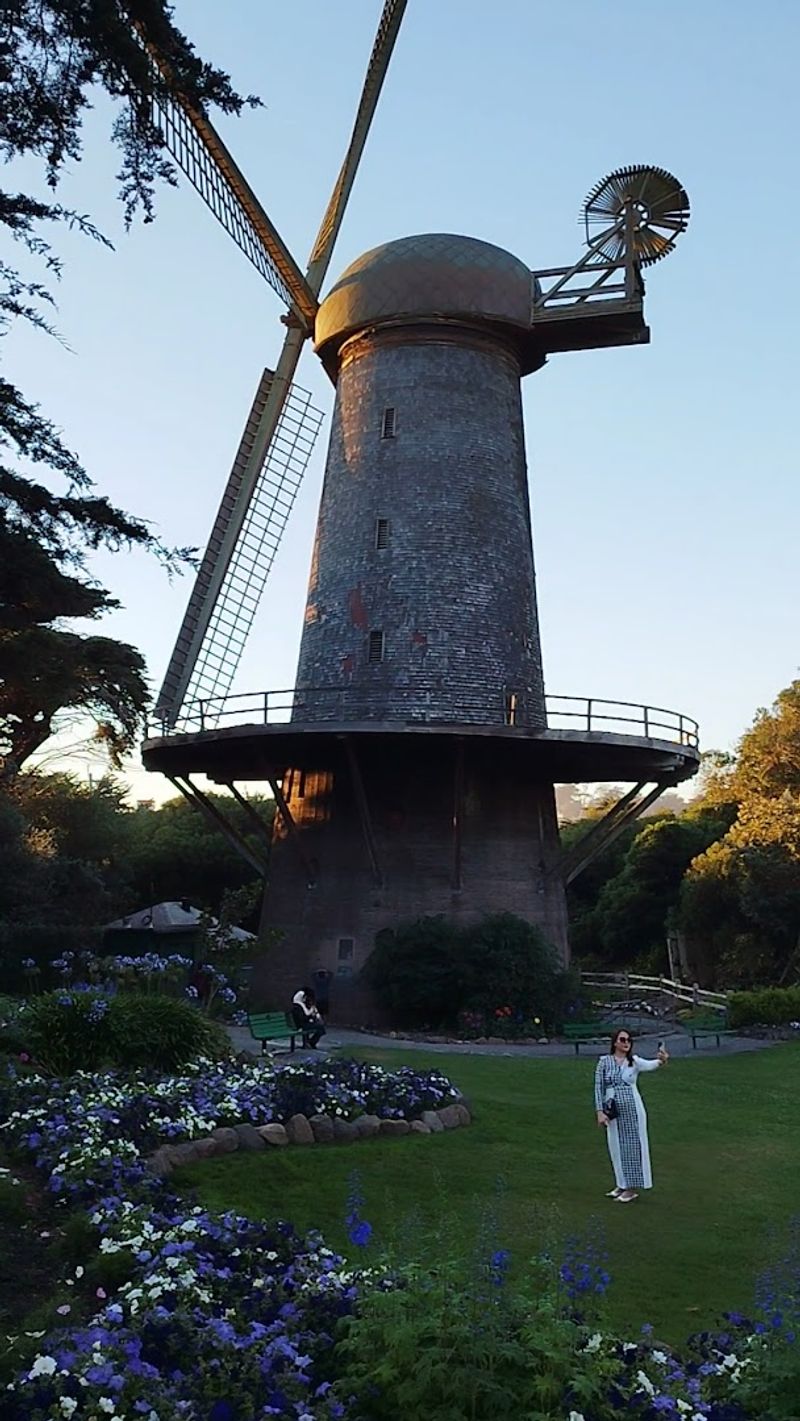
Standing tall and proud at the edge of Golden Gate Park, the Dutch Windmill at Queen Wilhelmina Garden is genuinely one of San Francisco’s most underrated landmarks. Built in the early 1900s, this massive structure once pumped fresh water to irrigate the entire park — a pretty remarkable engineering feat for its time.
Visitors often describe it as the heart of the garden, giving the whole space a storybook quality that is hard to find anywhere else in the city. Artists have been spotted setting up easels here, sketching the windmill against the sky.
Golden hour light hits the windmill in a way that makes every photo look professionally taken.
You cannot enter the windmill itself, but honestly, the exterior view is more than enough. Plan to spend some time just standing back and soaking it all in before exploring the blooms around it.
Tulip Season: Nature’s Most Colorful Calendar Event
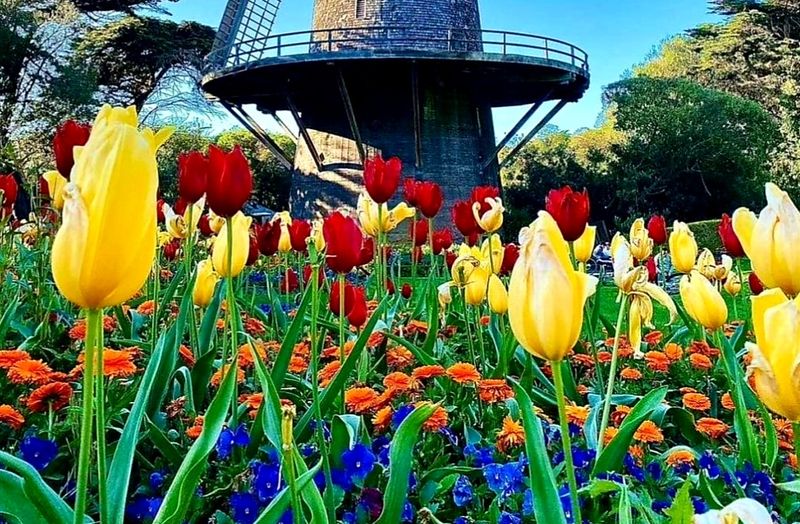
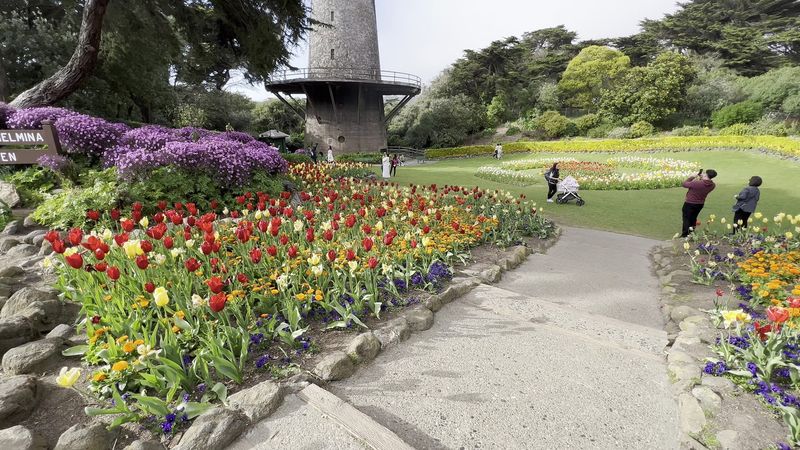
Few things in the Bay Area create as much buzz as tulip season at Queen Wilhelmina Garden. Every year, typically from late February through late March, the garden transforms into a jaw-dropping carpet of red, yellow, orange, and pink tulips that practically beg to be photographed.
Timing is everything here. Visit too early and the bulbs are still underground.
Arrive too late and the petals have already faded. The sweet spot is usually mid-to-late March, though some visitors have caught early blooms in the third week of February during warmer years.
One reviewer perfectly captured the feeling: arriving just in time to see the yellow and orange infusion in full glory felt like winning a small lottery. Check local park updates or social media before visiting to confirm bloom status.
Weekday mornings are the quietest, making for a far more relaxed experience.
A Year-Round Garden With Surprises Every Season
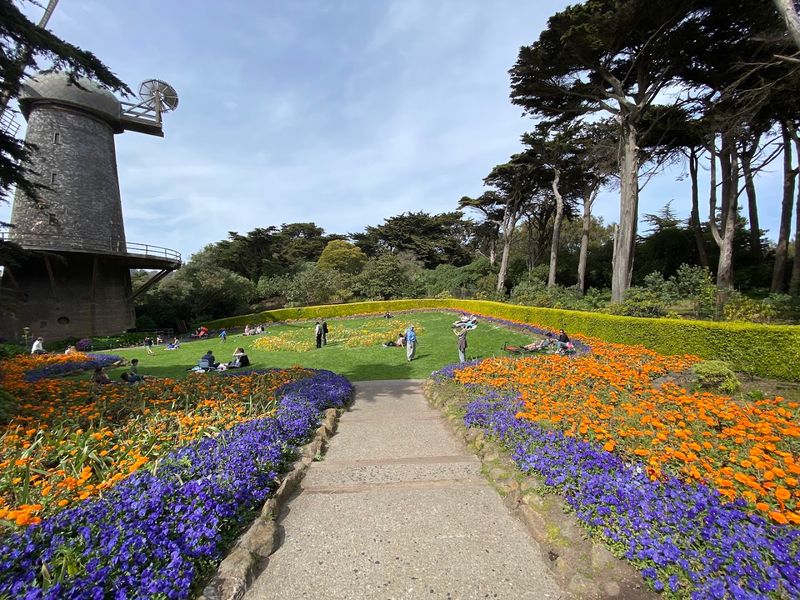
Tulips get all the glory, but Queen Wilhelmina Garden is genuinely worth visiting no matter what time of year you show up. Summer brings cheerful sunflowers and marigolds.
Late summer transitions into vibrant petunias. Even autumn plantings offer a quiet beauty that many visitors overlook entirely.
One reviewer who visited in July was pleasantly surprised by the sunflower display, noting that the late summer palette was just as photogenic as the famous spring tulips. The garden crew does an impressive job rotating seasonal plantings to keep the space looking fresh and alive throughout the year.
Off-season visits, like late November, will show you freshly planted bulbs rather than blooms — a reminder that beauty here works on a cycle. Understanding the seasonal rhythm makes each visit feel intentional and rewarding rather than disappointing.
Every season tells a different story at this garden.
Golden Hour Magic: The Best Time to Visit
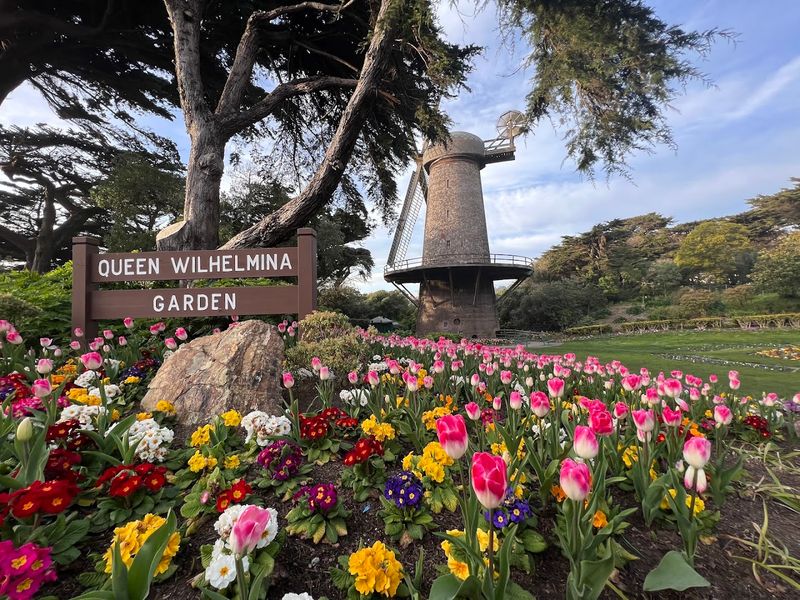
Ask any regular visitor when to visit Queen Wilhelmina Garden and they will almost certainly say: go at golden hour. The late afternoon sun hits the windmill and flowers at an angle that turns the whole garden into something out of a Dutch painting.
Colors deepen, shadows lengthen, and even a smartphone camera captures something extraordinary.
Morning visits have their own appeal too. The garden is far less crowded before noon, and the soft early light gives flowers a dewy, freshly-woken quality.
One reviewer specifically recommended morning visits to beat the crowds, especially on weekends during tulip season when parking and foot traffic can get intense.
After your golden hour garden visit, Ocean Beach is just a short walk away — perfect for catching a Pacific sunset. Pairing the garden and the beach into one evening outing is a San Francisco experience that feels genuinely unforgettable and completely free.
Ocean Beach Is Literally Steps Away
Here is a bonus that many first-time visitors do not realize until they are already there: Ocean Beach is just a few minutes’ walk from Queen Wilhelmina Garden. After wandering through the blooms and admiring the windmill, you can stroll down to the Pacific Ocean and watch waves crash against the shore.
The combination makes for one of the most satisfying afternoon outings in all of San Francisco. Garden serenity followed by raw coastal energy — it is a contrast that somehow works perfectly.
Reviewers consistently mention this pairing as one of the highlights of their visit, especially for catching the sunset after golden hour in the garden.
Bring a light jacket because the ocean breeze can be brisk even on sunny days. The walk between the garden and the beach is flat, easy, and suitable for all ages.
It adds zero cost and maximum reward to your outing.
Free Admission and Accessible Parking Make It Easy
In a city where almost everything costs money, Queen Wilhelmina Garden stands out as a completely free experience. There is no admission fee, no reservation required, and the garden is open 24 hours a day, seven days a week.
That kind of open-door policy is rare and genuinely refreshing.
Parking is another pleasant surprise. Street parking along John F.
Kennedy Drive and near Ocean Beach is available and free, which is practically unheard of in San Francisco. Visitors note that the western end of Golden Gate Park is far less congested than the park’s interior, making arrival and departure much smoother.
During peak tulip season on weekends, parking does get competitive, so arriving early in the morning gives you the best shot at a convenient spot. A short five-minute walk from the parking area to the garden is all it takes.
Simple, affordable, and accessible for everyone.
Photography Heaven: A Compact Space With Endless Angles
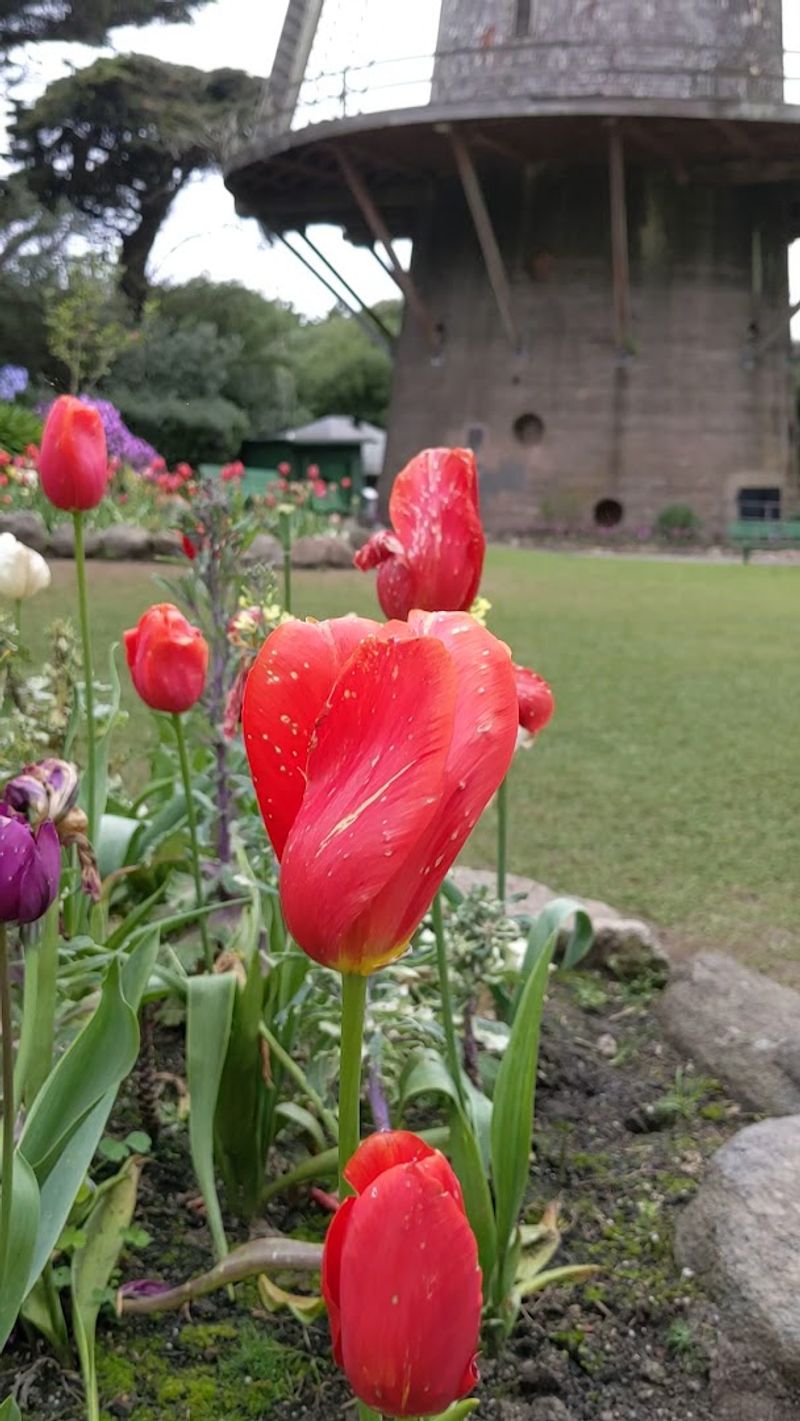
You do not need a wide-angle lens or a professional camera to leave Queen Wilhelmina Garden with stunning shots. The garden is compact, which actually works in a photographer’s favor — every corner offers a framed, intimate composition without needing to hunt for the right angle.
The Dutch Windmill provides a dramatic vertical element that anchors nearly every photo. Pair it with rows of tulips in the foreground and you have a composition that looks like it belongs on a travel magazine cover.
Artists and sketchers have been spotted here too, proving that the visual appeal extends well beyond smartphone screens.
Weekday mornings are the golden window for photographers. Fewer people in the frame, softer light, and a calm atmosphere make for cleaner, more personal shots.
One reviewer specifically mentioned visiting on a weekday to get crowd-free photos — smart advice worth following if photography is your goal.
A Peaceful Retreat Right Inside the City
City life moves fast, and sometimes you just need a place to breathe. Queen Wilhelmina Garden delivers that reset button in a way that feels almost effortless.
Reviewers describe it as calm, serene, and blissful — words you do not often associate with a garden sitting inside one of America’s busiest cities.
People come here to sip coffee while watching flowers sway in the breeze, to stretch out on the grass and simply do nothing, or to enjoy a quiet moment with someone they care about. One reviewer called it an ideal spot for a small picnic or a relaxed date — and honestly, it is hard to argue with that.
The ocean breeze drifts through from nearby Ocean Beach, keeping the air fresh and cool. Even when the garden is moderately busy, the atmosphere stays tranquil.
Something about the windmill and the flowers working together creates a natural sense of calm that is hard to explain but easy to feel.
The Garden’s Royal History and Dutch Connection
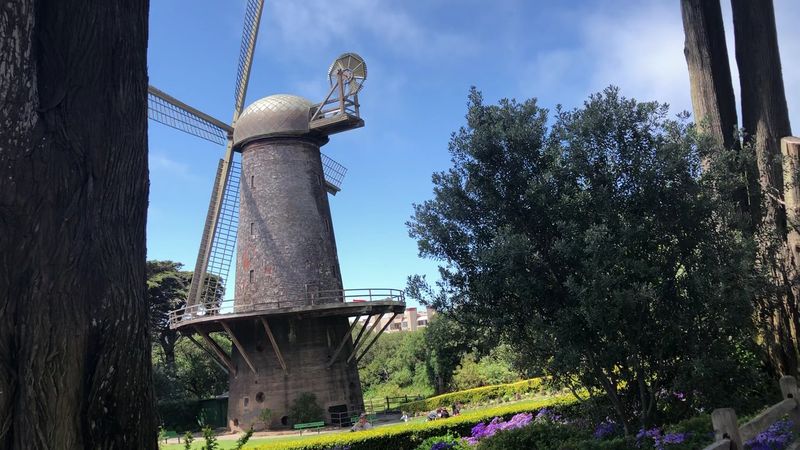
The name Queen Wilhelmina is not just decorative — it carries genuine historical weight. The garden was named in honor of Queen Wilhelmina of the Netherlands, who reigned from 1890 to 1948 and was known for her strength and dignity.
The Dutch Windmill nearby reinforces this connection to Dutch heritage beautifully.
The windmill itself was built in 1903 and originally served a very practical purpose: pumping groundwater to irrigate Golden Gate Park. It was a working piece of infrastructure before it became a beloved landmark.
The second windmill in the park, Murphy Windmill, was built shortly after for the same purpose.
Knowing this history adds a whole new layer of appreciation when you visit. What looks like a charming decorative feature was once vital engineering.
The garden carries that layered story quietly, letting the flowers and the windmill speak for themselves across more than a century of San Francisco history.
Tips for Visiting With Kids and Families
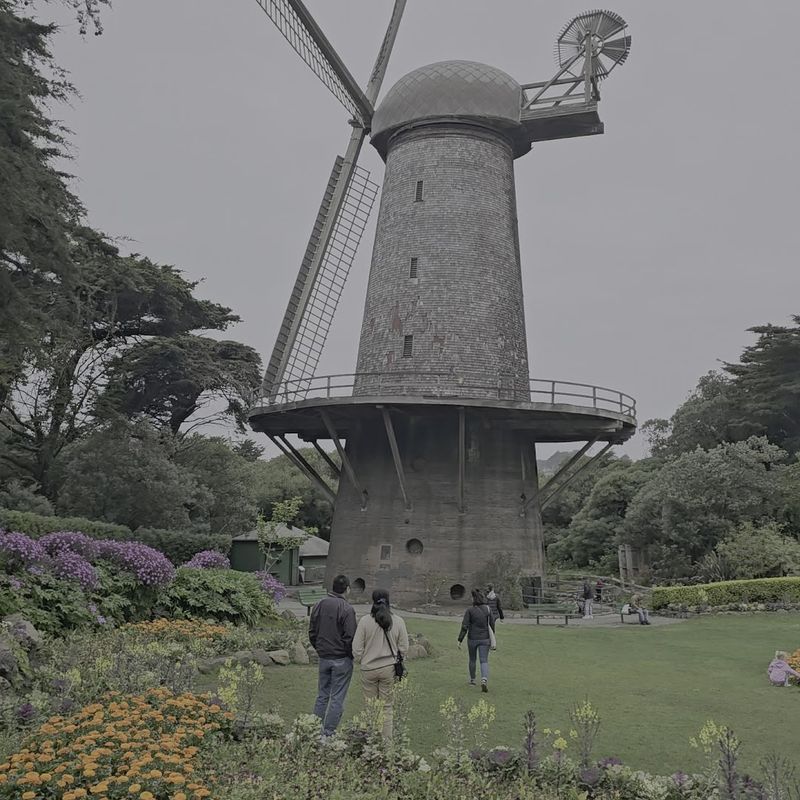
Families with kids will find Queen Wilhelmina Garden to be a surprisingly enjoyable stop. The open layout, colorful flowers, and towering windmill give children plenty of visual stimulation without overwhelming them.
There are no ticket lines, no crowds inside enclosed spaces, and no strict schedules to follow.
The flat, easy-to-navigate paths make it stroller-friendly, and the proximity to Ocean Beach means you can extend the outing with a beach walk after the garden visit. Kids who love flowers, windmills, or anything that looks slightly magical will be genuinely charmed by what they find here.
One heads-up for pet owners: signs at the garden indicate that dogs are not permitted inside the main garden area, so plan accordingly if you have a furry family member in tow. Otherwise, the garden is an open, welcoming space that works beautifully for a relaxed family morning or afternoon out.
What to Expect During Peak Season Crowds
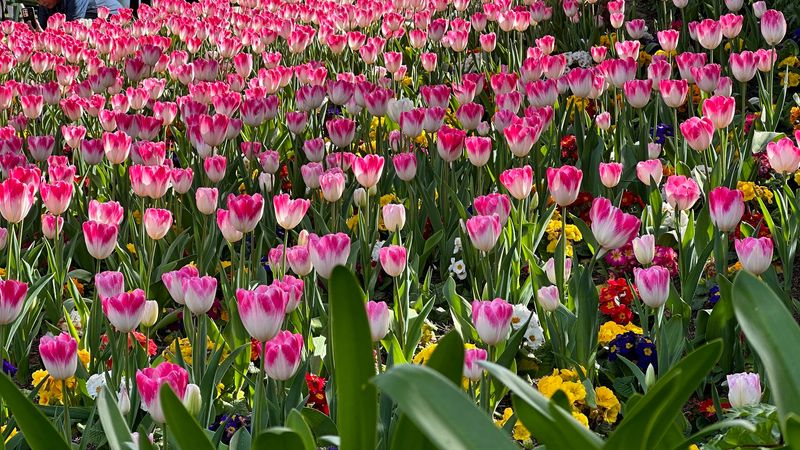
Word has spread fast about Queen Wilhelmina Garden, especially after social media attention brought a wave of new visitors in recent years. During peak tulip season on weekends, the garden can feel noticeably busy given how compact the space is.
Managing expectations before you arrive makes a real difference in how much you enjoy the visit.
The garden is small — reviewers consistently mention this. It is an intimate, cozy space rather than a sprawling botanical complex.
That intimacy is part of its charm, but it does mean that a crowd of fifty people can feel like a lot. Arriving early on weekday mornings is the most reliable way to experience the garden at its most peaceful.
Despite the occasional busy stretch, visitors almost universally leave with positive impressions. The flowers, the windmill, and the ocean nearby create a combination that feels special regardless of how many people are sharing the moment with you.
Seasonal Planting Cycles and How to Plan Your Visit
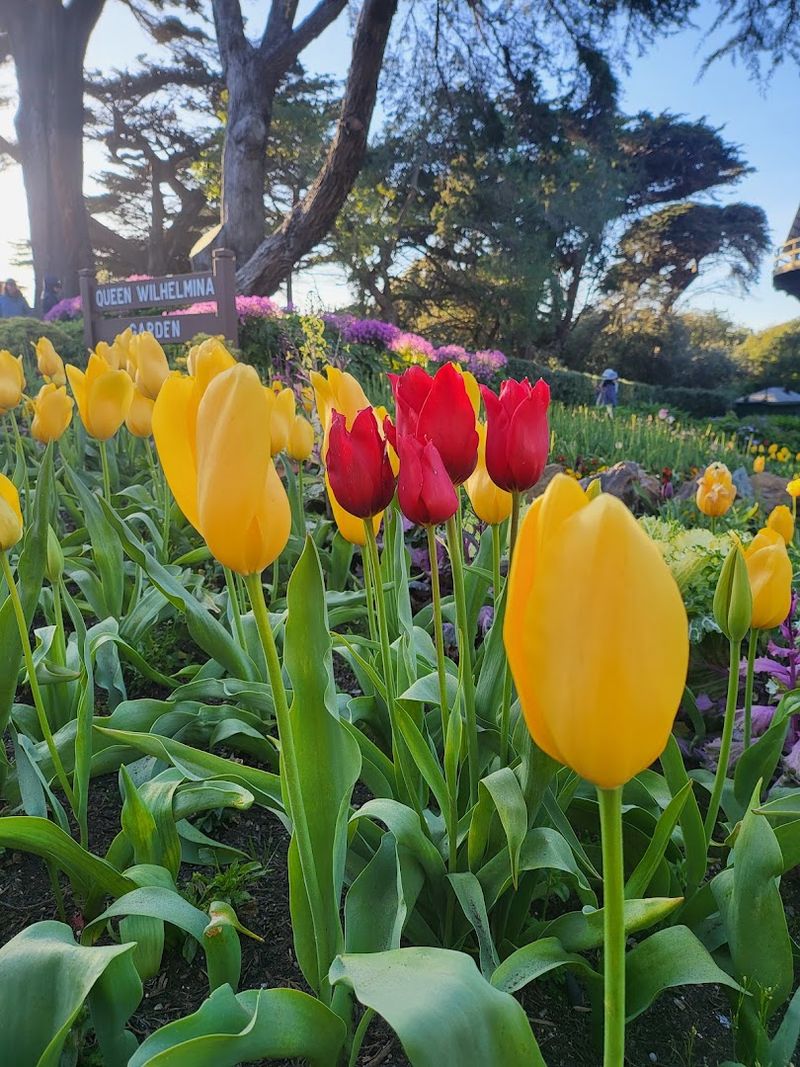
Planning your visit around the garden’s seasonal planting cycle is genuinely the key to getting the most out of Queen Wilhelmina Garden. Tulip bulbs are typically planted in winter and bloom from late February through late March.
Miss that window and you will find either bare soil or freshly sprouted greenery instead of the colorful display you came for.
Several reviewers shared honest accounts of arriving at the wrong time — one came in early April and found the tulips nearly finished, while another visited in late November and found only newly planted bulbs. These experiences are not failures; they are just part of understanding how a seasonal garden works.
Before visiting, check the San Francisco Recreation and Parks website or search recent social media posts tagged at the garden to get a real-time sense of what is blooming. A little research goes a long way toward turning a hopeful visit into a truly spectacular one.
Why This Hidden Gem Deserves a Spot on Every SF Itinerary
San Francisco has no shortage of must-see attractions, but Queen Wilhelmina Garden earns its place on any itinerary by offering something genuinely different. It is free, it is beautiful, it is steeped in history, and it sits steps away from the Pacific Ocean.
That combination is hard to beat anywhere in the world, let alone in one city neighborhood.
Reviewers with backgrounds from the East Coast, from other countries, and from right here in California all share the same sentiment: this garden surprises you. It looks small on a map but feels expansive in experience.
The windmill, the blooms, the ocean breeze, and the golden park light all work together to create something that lingers in memory long after you leave.
Whether you are a first-time San Francisco visitor or a longtime local who has somehow missed it, Queen Wilhelmina Garden rewards every visit with quiet beauty and a sense of discovery that never quite gets old.
Enjoyed this story?
Add Fast Food Club as a preferred source to see more of our reporting on Google.