


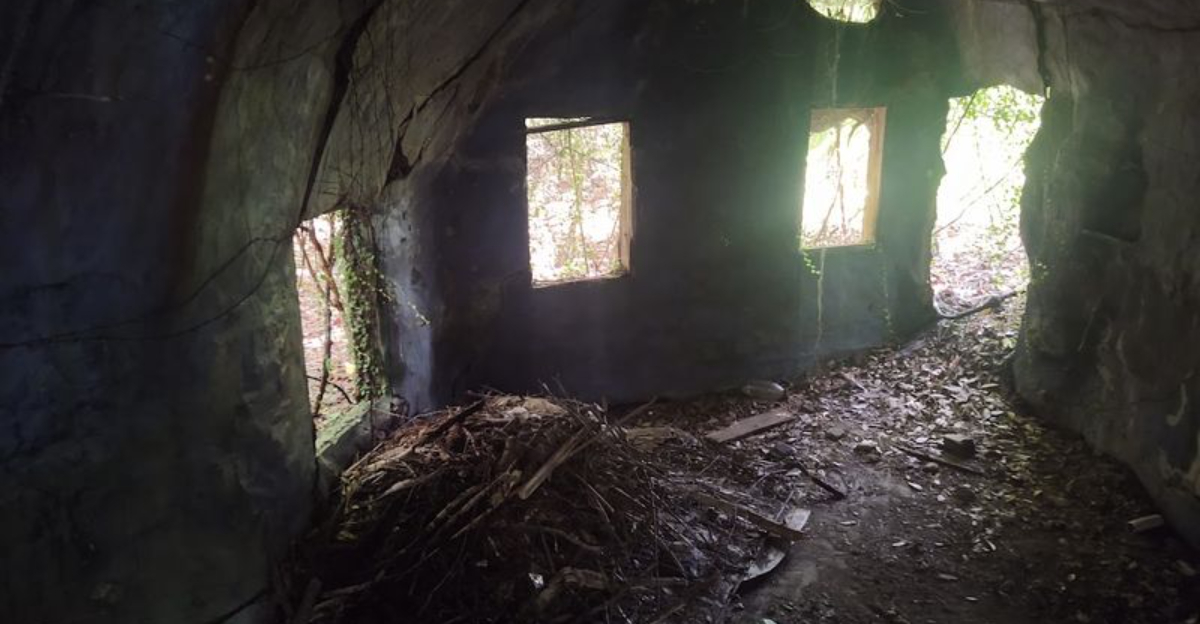
Tucked along the quiet shores of Mosquito Lagoon in Volusia County, Oak Hill, Florida is a small city with a big secret. Hidden among its mossy oaks and marshlands lies an abandoned village scattered with mysterious miniature structures that locals have nicknamed “elf houses.” These tiny, weathered buildings are barely big enough for a child to crawl into, yet they spark enormous curiosity among visitors and historians alike.
Whether you are a curious traveler, a history buff, or simply someone who loves a good mystery, Oak Hill has a story that will leave you wanting more.
The Origins of the Abandoned Village
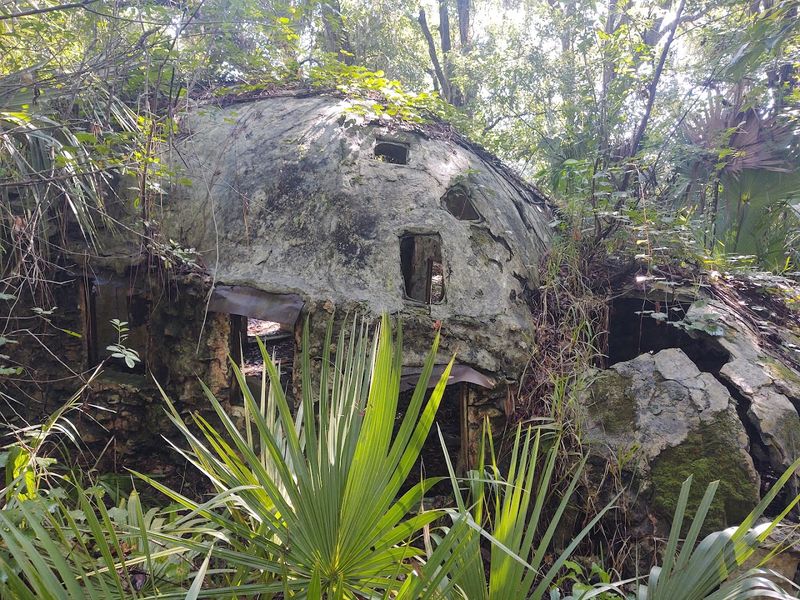
Long before Oak Hill became a quiet city of fewer than 2,000 residents, this stretch of Volusia County coastline had a much livelier past. The abandoned village is believed to date back to the early 1900s, when small fishing and farming communities dotted the edges of Mosquito Lagoon.
Over the decades, economic hardship and shifting populations caused many residents to pack up and leave. Buildings were left standing, slowly swallowed by Florida’s relentless vegetation.
What remained were dozens of crumbling foundations, rotting wooden planks, and those strange tiny structures that nobody could quite explain. Local historians have pieced together fragments of the village’s story through old land records and oral histories passed down through Oak Hill families.
The mystery of who built the miniature houses — and why — remains one of the most talked-about puzzles in this corner of Florida.
What Exactly Are the “Elf Houses”?
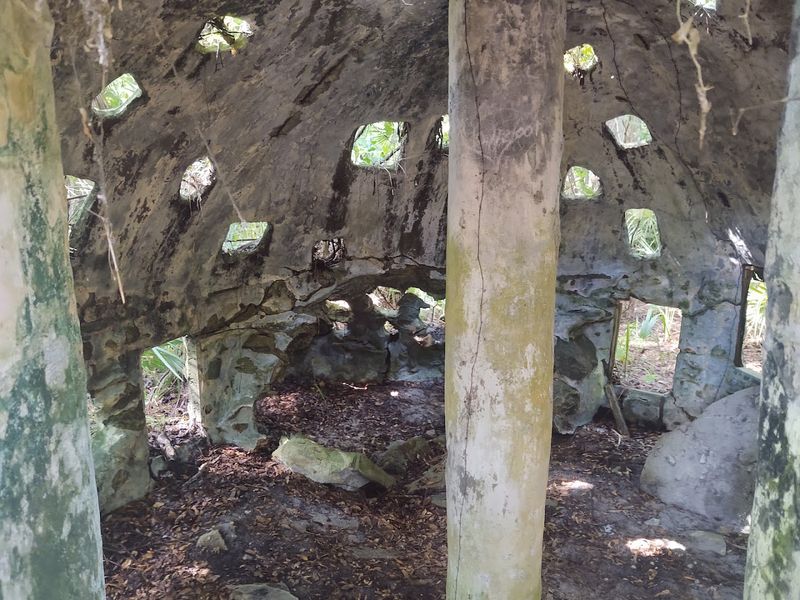
Imagine stumbling through a tangle of palmetto bushes and suddenly spotting a tiny wooden house no taller than your knee. That is exactly what explorers find when they venture into the abandoned village near Oak Hill.
The structures are built with real craftsmanship — tiny doors, sloped roofs, and even miniature windows.
Nobody officially knows who built them or what purpose they served. Some are made from old cypress wood, while others appear to use salvaged materials from the 20th century.
A handful even have tiny porches and decorative trim that suggest someone put genuine care into their construction.
Locals started calling them “elf houses” because of their fairy-tale appearance. Theories range from folk art installations to spiritual offerings left by early settlers.
Whatever their origin, these pint-sized buildings are genuinely one of the most unusual sights in all of Volusia County.
Oak Hill’s Location and Natural Setting
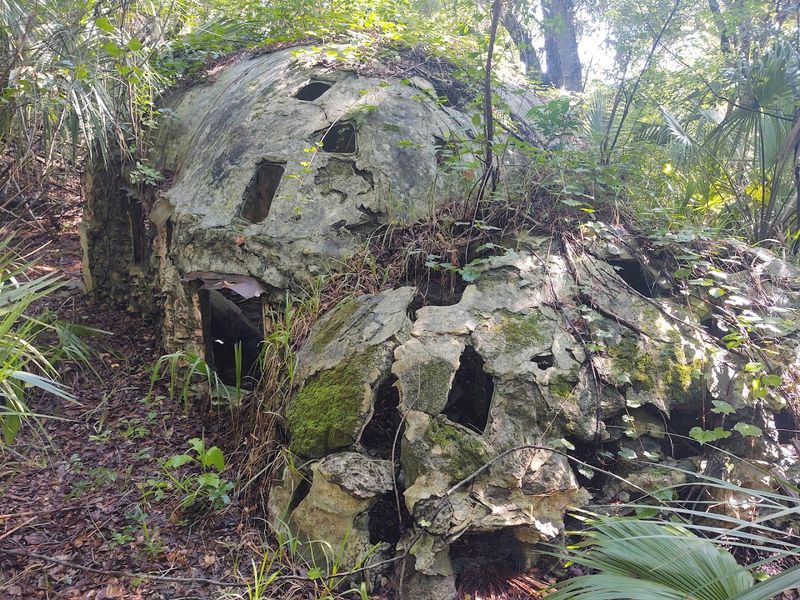
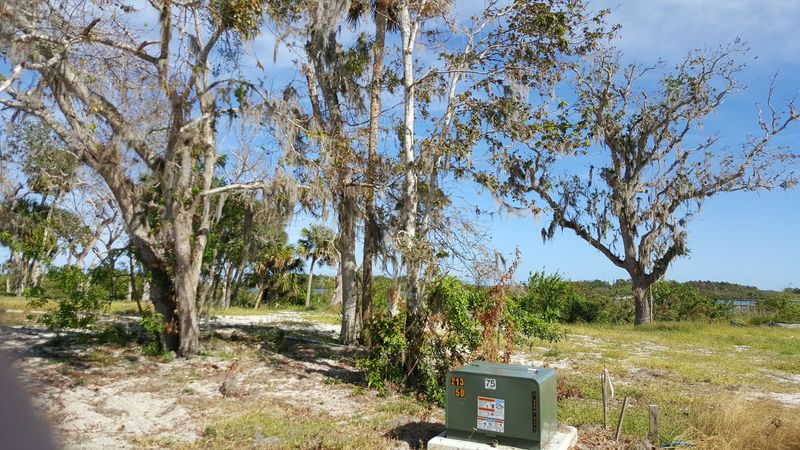
Sitting right on the edge of Mosquito Lagoon, Oak Hill enjoys one of the most dramatic natural backdrops in Florida. The city is part of the Deltona-Daytona Beach-Ormond Beach Metropolitan Statistical Area, but it feels worlds away from those busy tourist hubs.
The surrounding landscape is a mix of salt marshes, ancient oak hammocks, and tidal flats that stretch toward the Atlantic coast. This environment gives the abandoned village an eerie, atmospheric quality that is hard to find elsewhere.
Spanish moss drapes over the trees like old curtains, and the ground stays soft and spongy from years of moisture. When morning fog rolls in off the lagoon, the elf houses seem to almost glow in the mist.
Nature has essentially become a co-author of this mysterious place, wrapping the old structures in layers of green, brown, and shadow that make exploration feel genuinely magical.
The Role of Mosquito Lagoon in the Village’s Story
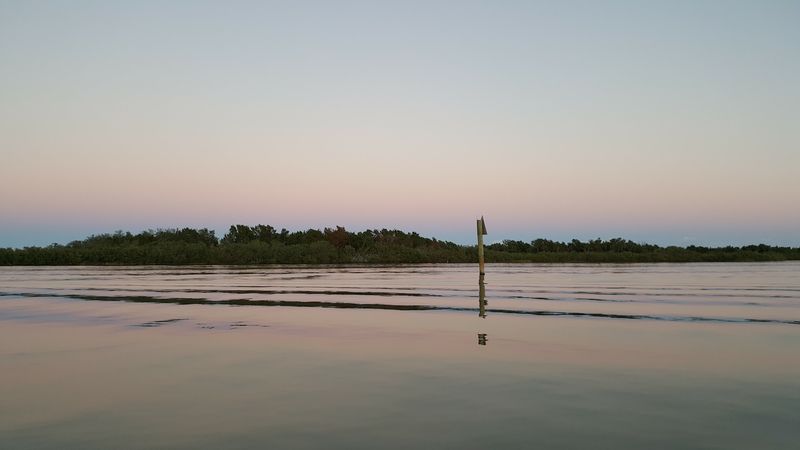
Mosquito Lagoon is not just a dramatic name — it is the lifeblood of everything that grew and faded in this part of Volusia County. For generations, the lagoon provided fish, shellfish, and fresh water to the communities that settled along its shores.
Oak Hill built its early identity around the bounty this waterway offered.
The village near the lagoon was likely home to commercial fishermen and their families during the late 1800s and early 1900s. When fishing industries declined and roads connecting bigger cities improved, families gradually migrated away.
Interestingly, some researchers believe the elf houses may have been built near the lagoon’s edge as some kind of protective or spiritual offering tied to the fishing lifestyle. Fishermen in many cultures created small shrines to ensure safe voyages.
Whether that theory holds water or not, the lagoon remains the silent, shimmering backdrop to the whole mysterious story.
Local Legends Surrounding the Tiny Structures
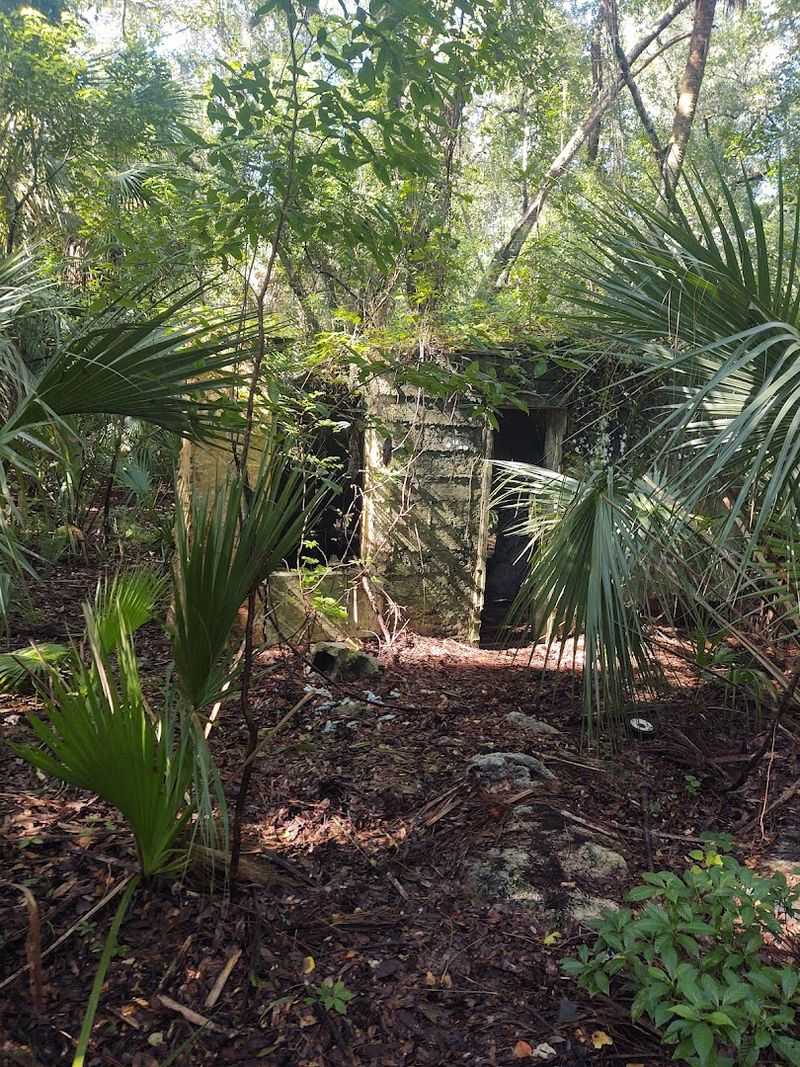
Every good mystery comes with a handful of colorful legends, and Oak Hill’s elf houses are no exception. One popular local tale claims the structures were built by a reclusive artist who lived alone in the woods during the Great Depression.
According to the story, he spent years crafting the tiny homes as a tribute to a lost family.
Another legend suggests the miniature buildings are connected to early Seminole traditions, serving as spirit houses meant to honor ancestors. Older Oak Hill residents sometimes whisper about a woman known only as “the keeper” who reportedly maintained the structures well into the 1970s.
None of these stories have been confirmed by official records, which honestly makes them even more fascinating. The legends have taken on a life of their own, drawing curious visitors from across Florida and beyond who want to see — and feel — the mystery for themselves.
Some leave tiny offerings near the houses.
How Explorers First Discovered the Site
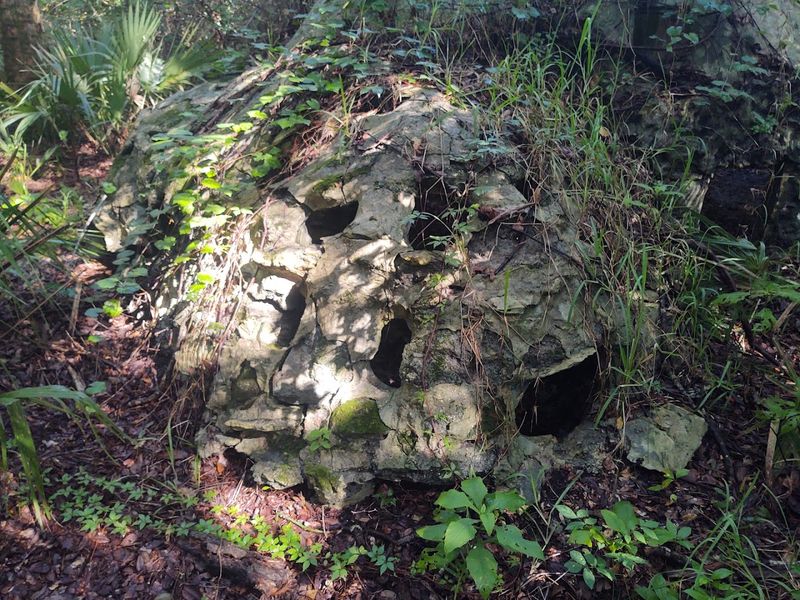
Word of mouth is a powerful thing in small-town Florida. The elf houses of Oak Hill were largely unknown outside local circles until a handful of urban explorers posted photos online in the early 2010s.
Those images spread quickly across social media, turning a quiet local curiosity into a regional sensation.
The explorers described pushing through thick saw palmetto and navigating muddy ground before suddenly coming upon a cluster of the tiny structures. Their photos showed the houses in remarkable detail — carved wooden doors, tiny hinges, and roofs barely large enough to shelter a squirrel.
Since then, the site has attracted photographers, paranormal enthusiasts, and history hunters from all over the Southeast. Most visitors approach the area with a mix of excitement and genuine respect, careful not to disturb the fragile structures.
The discovery transformed Oak Hill from a dot on the map into a destination worth planning a road trip around.
The Architecture of the Miniature Houses
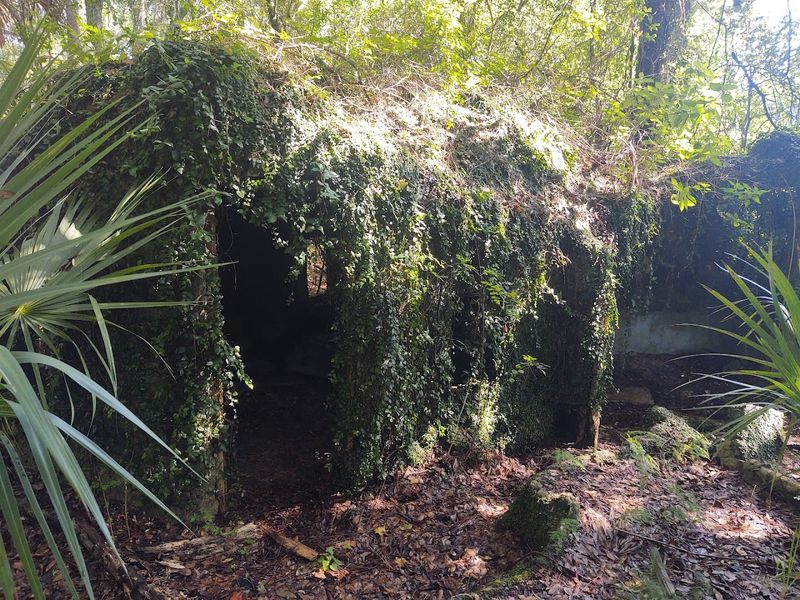
Here is something that genuinely surprises first-time visitors: the elf houses are not slapped together from scrap wood. Many of them show real architectural thought, with proportional rooflines, working door frames, and even decorative detailing along the eaves.
Whoever built these structures understood basic construction principles.
Some houses measure only eight to twelve inches tall, while others stand closer to two feet. The variety in size suggests multiple builders working across different time periods rather than a single creator working all at once.
Cypress wood shows up frequently, which makes sense given its abundance in Florida and its natural resistance to rot and insects. A few structures even appear to have been painted at some point, with faint traces of color still visible beneath layers of grime and moss.
Studying the architecture is one of the most compelling ways to try to understand who made these little buildings and what they meant.
Oak Hill’s History Beyond the Mystery
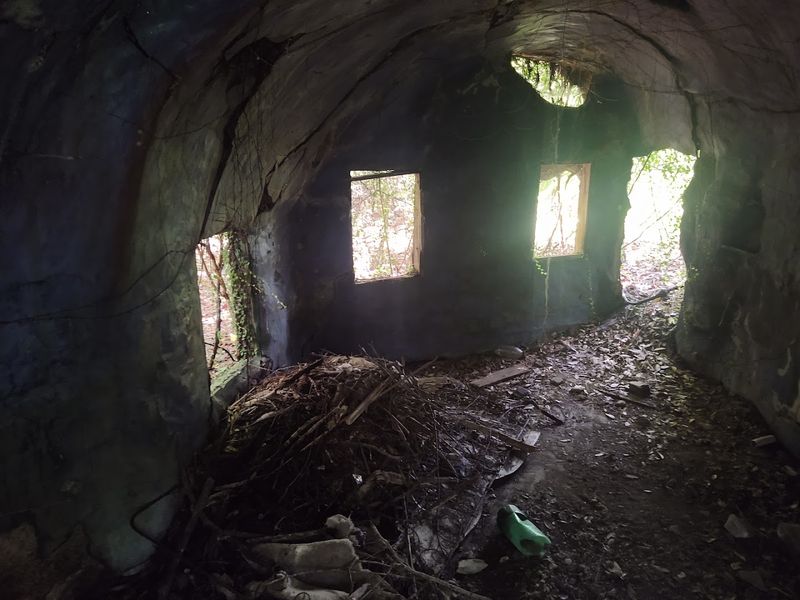
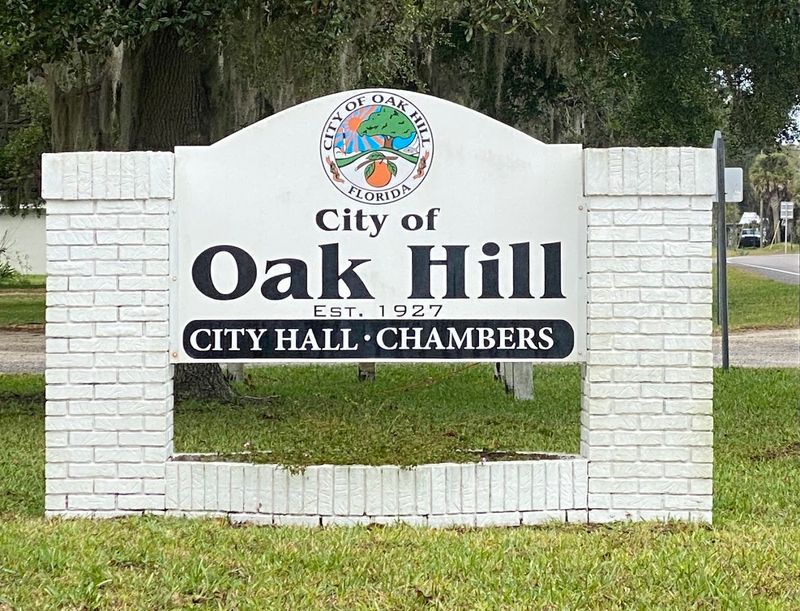
Oak Hill has layers of history that go well beyond its famous miniature houses. The city was officially incorporated and has been part of Volusia County for well over a century.
Its economy was historically tied to commercial fishing, particularly the harvesting of oysters and blue crabs from Mosquito Lagoon and the nearby Indian River Lagoon system.
At its peak, Oak Hill was a modest but self-sufficient community with its own schools, churches, and small businesses. The population has always remained relatively small — the 2020 census counted just 1,986 residents — giving the city a tight-knit, small-town character that persists today.
That sense of community pride is part of why the elf house mystery matters so much to locals. They see the abandoned village not just as a curiosity but as a real piece of their ancestors’ lives.
Preserving that story, even in legend form, feels genuinely important to the people who call Oak Hill home.
Wildlife That Shares the Abandoned Village
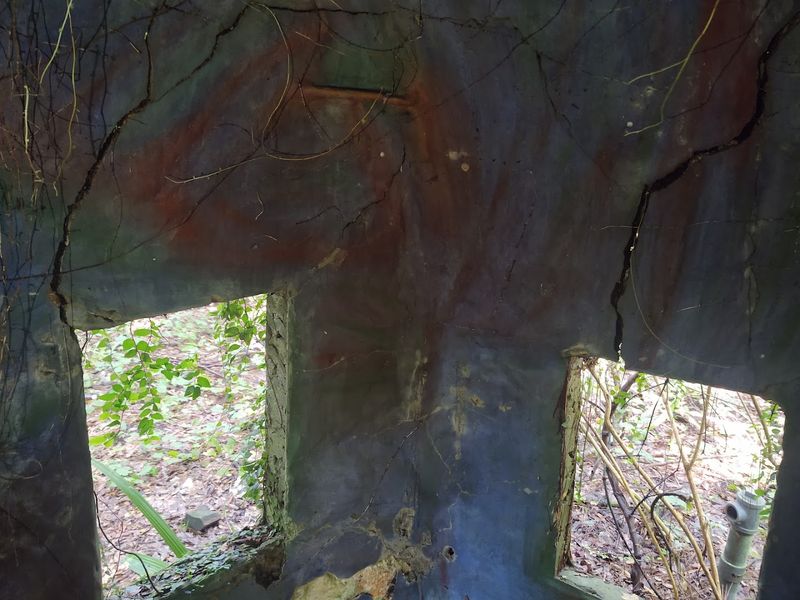
Nature has thoroughly reclaimed the abandoned village, and the wildlife that now calls it home adds another layer of wonder to the whole experience. Gopher tortoises trundle past the elf houses without a second glance, and white-tailed deer have been spotted grazing near the crumbling foundations at dawn.
Birdwatchers visiting the area often spot great blue herons, osprey, and roseate spoonbills within a short walk of the site, thanks to its proximity to Mosquito Lagoon. The thick tree canopy shelters dozens of songbird species, making the village feel alive with sound even when no humans are around.
Armadillos dig around the base of some structures, occasionally unearthing old nails or fragments of pottery that hint at the village’s past. Seeing a wild animal nose up against a tiny wooden door is genuinely one of the most charming and unexpected sights that Oak Hill has to offer curious visitors.
Visiting Oak Hill Responsibly
Curiosity is wonderful, but responsible exploration matters just as much. The abandoned village near Oak Hill sits on land that may be privately owned or protected, so checking access rules before visiting is absolutely essential.
Trespassing can result in fines and, more importantly, damage to a site that cannot be easily repaired.
Visitors are strongly encouraged to follow a “leave no trace” approach. That means packing out any trash, staying on established paths where possible, and absolutely not touching, moving, or taking any part of the elf houses or surrounding structures.
Bringing insect repellent is a must — Mosquito Lagoon earned its name honestly. Sturdy shoes, long pants, and a healthy respect for Florida’s resident snakes are equally important gear choices.
The best time to visit is during cooler months between October and March, when the heat, humidity, and bug pressure drop to much more manageable levels for comfortable outdoor exploration.
Theories From Historians and Researchers
Academics and local historians have not ignored the elf house phenomenon. A few researchers from Florida universities have visited the site to document the structures, though no formal excavation or comprehensive study has been published as of yet.
One historian with ties to Volusia County suggested the houses could be connected to folk magic traditions brought to Florida by early settlers from the Carolinas and Georgia. In some Appalachian and Southern folk traditions, small spirit houses were built near homes or waterways for protective purposes.
Another theory points to a possible connection with early tourism gimmicks from the mid-20th century, when roadside attractions were enormously popular across Florida. A clever entrepreneur might have built the houses as a draw for passing motorists.
Each theory has its merits and its gaps, which is exactly what keeps researchers and curious minds coming back to Oak Hill looking for new clues.
How Oak Hill Feels About Its Unusual Fame
Small towns do not always welcome the spotlight, but Oak Hill has developed a genuinely warm relationship with its unusual claim to fame. Many residents find the elf house mystery charming, and some local business owners have quietly benefited from the trickle of curious visitors it brings through town.
At the same time, there is a protective streak among long-time residents. They worry about the site being damaged by careless tourists or being turned into a commercialized attraction that strips away its authentic, mysterious character.
That tension between sharing and protecting is a very real conversation happening in the community.
The city’s small-town pride runs deep. With only about 2,000 residents, Oak Hill operates more like an extended family than an anonymous municipality.
Most locals are happy to point visitors in the right general direction while gently reminding them to treat the village and its tiny houses with the same respect they would give any historical treasure.
Why the Elf Houses Matter to Florida’s Broader Story
Florida is famous for its beaches, theme parks, and sunshine — but its real depth comes from the strange, forgotten, and quietly remarkable stories hiding in places like Oak Hill. The elf houses represent something that mass tourism rarely captures: a genuine human mystery rooted in place and time.
Whether they were built as art, as offerings, as folk magic, or as something else entirely, the tiny structures remind us that ordinary people leave extraordinary marks on the landscape. Florida’s history is full of communities that rose and faded, leaving behind only fragments for future generations to interpret.
Oak Hill, with its population of fewer than 2,000 and its mossy lagoon edges, holds one of those fragments in a particularly vivid form. The elf houses are not just a curiosity — they are a small but meaningful piece of the larger, wonderfully complicated story of what it has meant to live, build, and belong in Florida.
Enjoyed this story?
Add Fast Food Club as a preferred source to see more of our reporting on Google.