


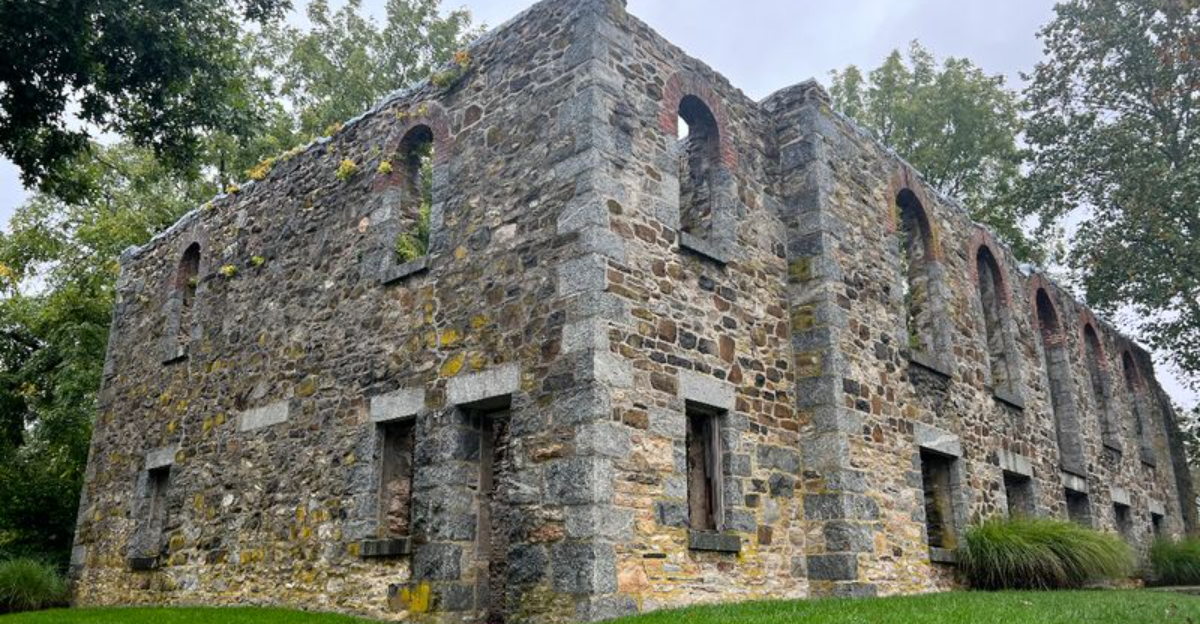
Tucked inside a quiet residential neighborhood in Ellicott City, Maryland, a set of crumbling stone walls tells a story most people never get to hear. The Terra Maria Ruins are the remains of St. Charles College, a historic seminary that burned to the ground in 1911.
Surprisingly, most drivers pass right by on Frederick Road without ever realizing what they are looking at. These forgotten ruins carry centuries of history, dramatic events, and famous connections that make them one of Maryland’s most overlooked treasures.
A Fire That Changed Everything
On March 16, 1911, a fire broke out in the cellar beneath the chapel of St. Charles College, and within hours, the entire main building was reduced to ash and rubble. Over 200 faculty members and students escaped without a single injury, which felt nothing short of miraculous given the speed and intensity of the flames.
Sacred vessels, priceless manuscripts, and thousands of irreplaceable books were swallowed by the fire, lost forever in the blaze. The burned-out shell was eventually torn down, and salvageable materials were hauled to Catonsville to rebuild the college there.
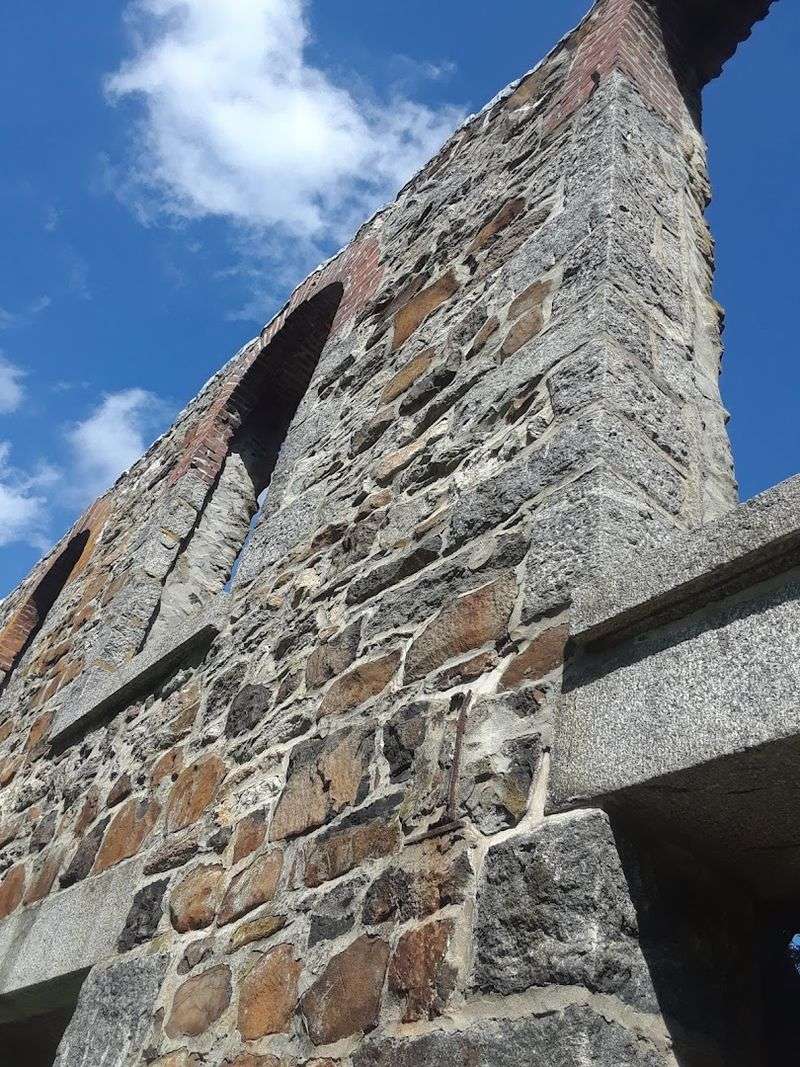
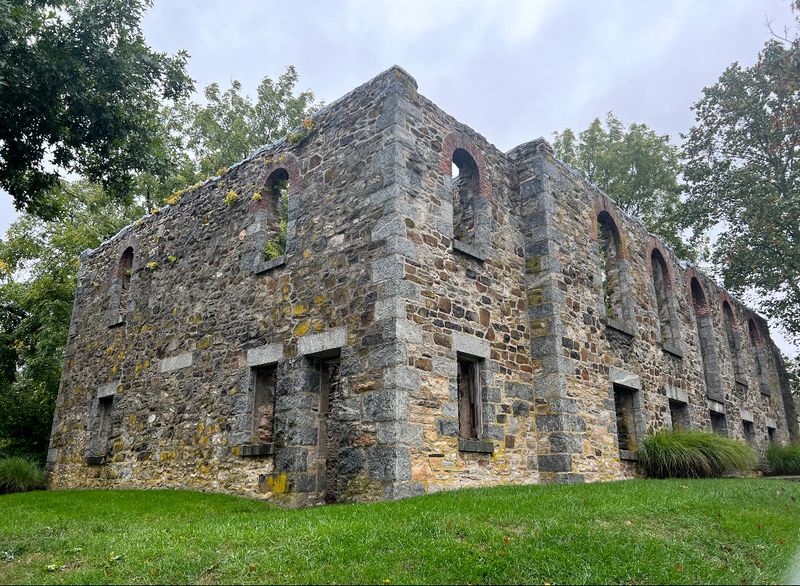
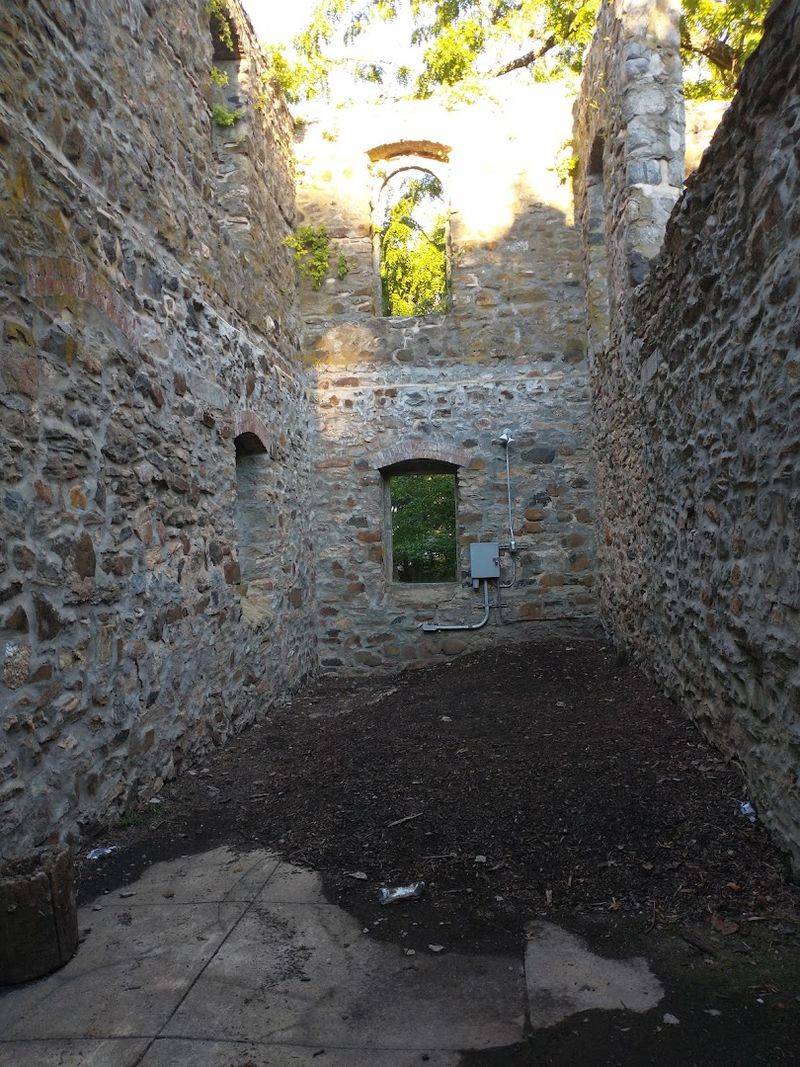
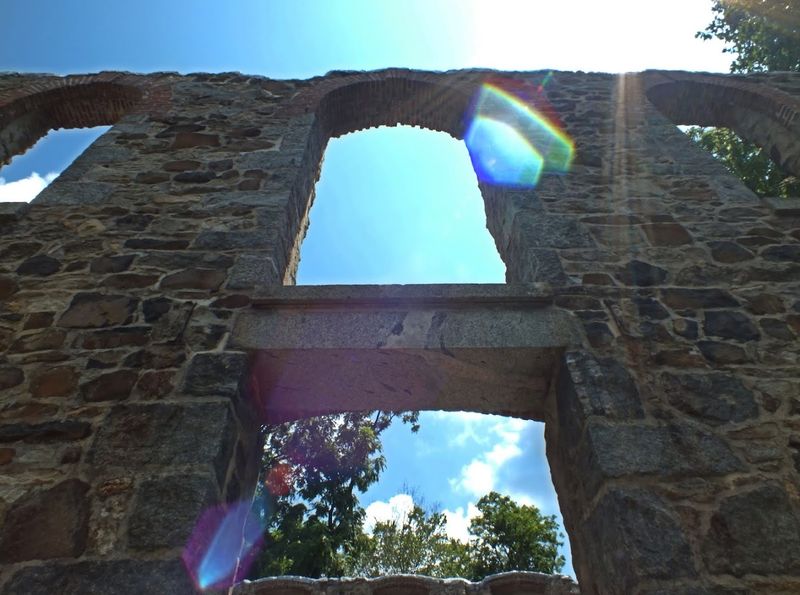
What remained standing were the stone walls of the 1906 Recreation Hall, silent witnesses to one of Maryland’s most dramatic disasters. Today, those walls are the Terra Maria Ruins, still standing strong more than a century later.
Charles Carroll’s Generous Legacy
Few people realize that the land beneath the Terra Maria Ruins was donated by one of America’s most celebrated founding fathers. Charles Carroll of Carrollton, the only Catholic signer of the Declaration of Independence, gave 250 acres of land plus $5,000 to establish St. Charles College.
Carroll laid the cornerstone himself in 1831, though he passed away the following year in 1832 before construction was completed. The college finally opened its doors in 1848, carrying forward the vision of a man who believed deeply in Catholic education in the new nation.
Carroll’s nearby estate, Doughoregan Manor, is still standing today and adds another layer of historical richness to this corner of Howard County. Visiting the ruins feels like stepping directly into the world Carroll helped shape, making it a deeply personal piece of American history.
Hidden Right Inside a Neighborhood
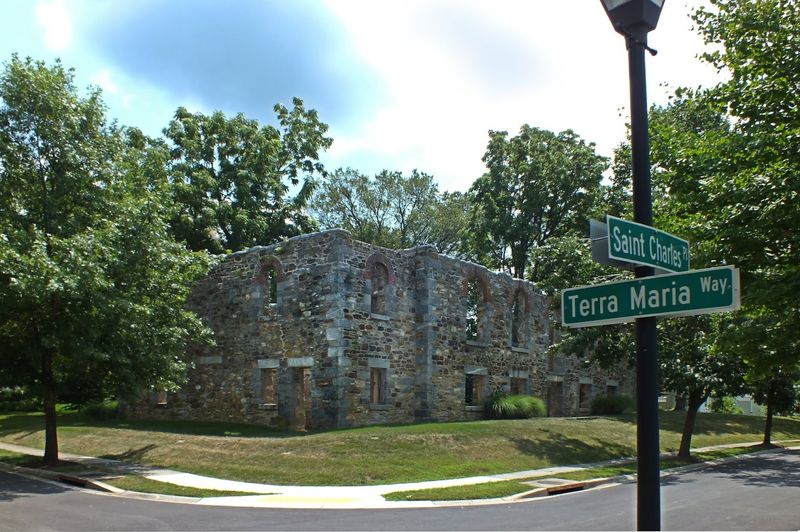
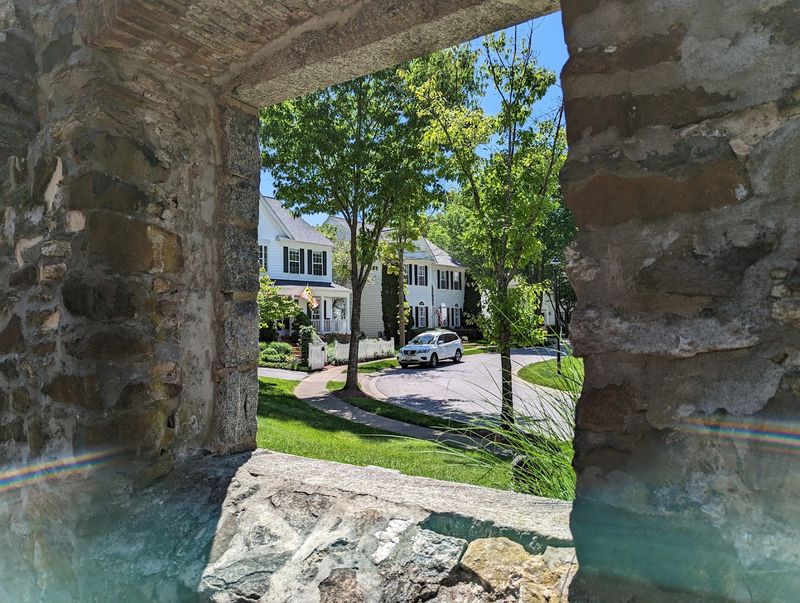
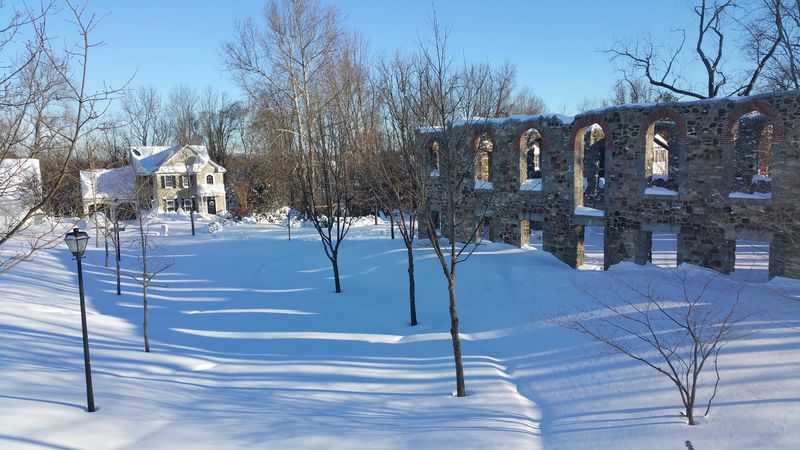
Most historic landmarks sit behind fences in state parks or inside museum grounds. The Terra Maria Ruins break every expectation by sitting right in the middle of a quiet, well-kept suburban neighborhood on St. Charles Place in Ellicott City.
Homeowners literally back up to these centuries-old stone walls, and the ruins serve as the community’s gathering spot for neighborhood events and casual picnics. Locals have embraced them as a crown jewel rather than an eyesore, which says a lot about the community’s pride in their unique surroundings.
Driving down Frederick Road, you might catch a quick glimpse of the walls and wonder what you just saw. Many people do exactly that and keep driving, completely unaware they just passed a piece of Maryland history rated 4.6 stars by those lucky enough to stop and look closer.
The Lincoln Conspiracy Connection
Here is a jaw-dropping fact that most visitors never know: the grounds of St. Charles College were the meeting place of two men tangled in one of the most infamous events in American history. John Surratt Jr. and Louis Weichmann first crossed paths here as seminary students before their lives took a dramatically dark turn.
Surratt became the only accused Lincoln conspirator to escape punishment for his alleged role in the president’s assassination. Weichmann, on the other hand, became a key witness at trial, and his testimony helped send Surratt’s own mother, Mary Surratt, to the gallows as the first woman executed by the U.S. federal government.
Walking past these ruins means walking past the very place where that fateful friendship began. History this intense rarely hides in plain sight inside a Maryland subdivision, which makes this spot genuinely spine-chilling to visit.
What the Ruins Actually Are
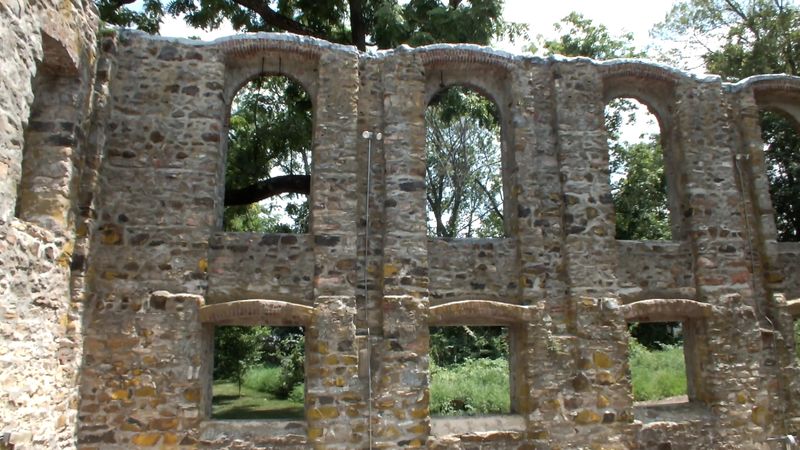
Many people assume the ruins are the remains of the main college building, but the full story is a bit more specific. What stands today are the walls of the Recreation Hall, a structure added to the St. Charles College campus in 1906, just five years before the fire destroyed everything else.
The Maryland Historical Trust officially recognizes these walls under inventory number HO-993, confirming their documented historical significance. That designation matters because it means the ruins are protected and acknowledged as a genuine piece of Maryland’s architectural and cultural past.
A laundry building also once stood nearby, and traces of that structure are part of what visitors can see within the Terra Maria community circle. The grotto that once graced the property was removed to make way for a stormwater retention pond during the neighborhood’s development in 1991.
From Seminary to Suburb: A Wild Transformation
After the 1911 fire, the Carroll family heirs reclaimed the 250 acres since the land was no longer being used as a college. The property changed hands several times over the decades, each owner leaving a different mark on its story.
William Phillip Brendel purchased the land and opened Brendel Manor Park in 1942, which locals also called Gospel Park. The Howard County Fair was even held on the grounds in 1946 and 1950, with prison labor used to build some of the event structures.
By the early 1970s, a Christian Identity community had settled on the property. Eventually, developers Robert J.
Lanceolott and Synergy Development Corp. transformed the historic site into the Terra Maria residential community in 1991, carefully preserving the ruins as the neighborhood’s centerpiece. Few American suburbs can claim a backstory this layered and strange.
Community Pride Keeps History Alive
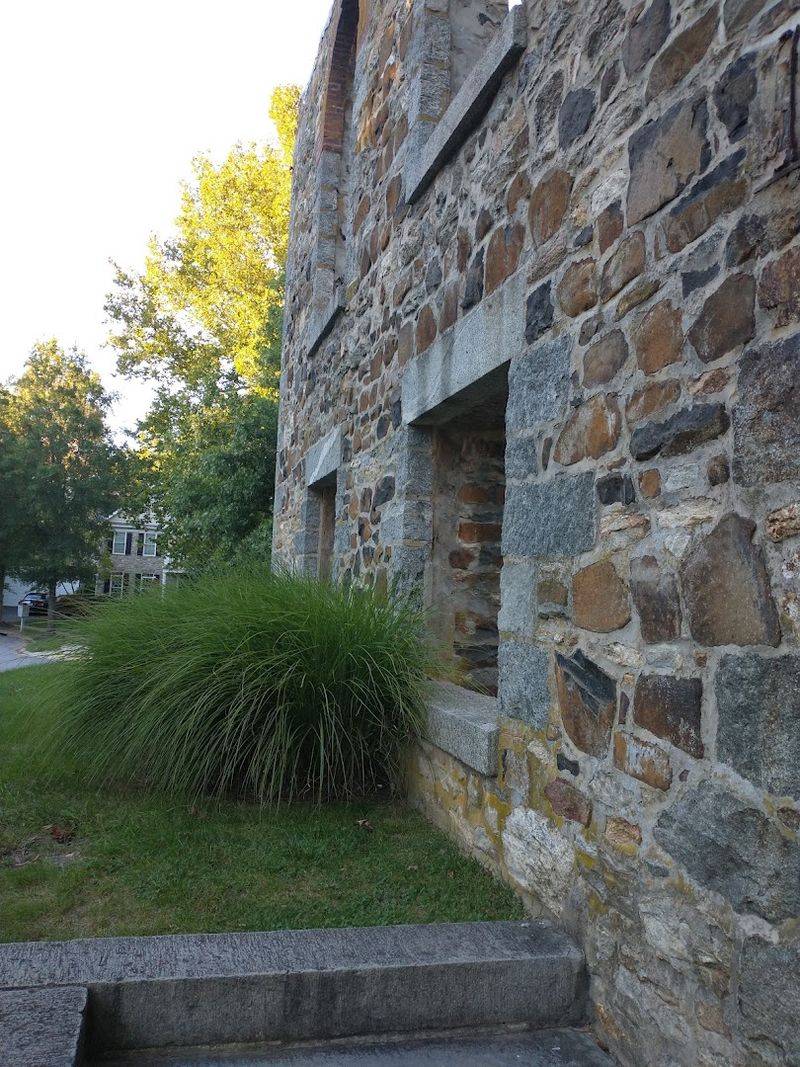
One of the most heartwarming parts of the Terra Maria story is that the neighborhood’s homeowners association maintains the ruins entirely without government funding. Residents mow the grass, keep the area tidy, and organize community events right beside the old stone walls.
Kids play near the ruins while neighbors host picnics and casual get-togethers in the open space surrounding the historic walls. That kind of community ownership over a historical site is genuinely rare and speaks to how much the residents value what they have in their backyard.
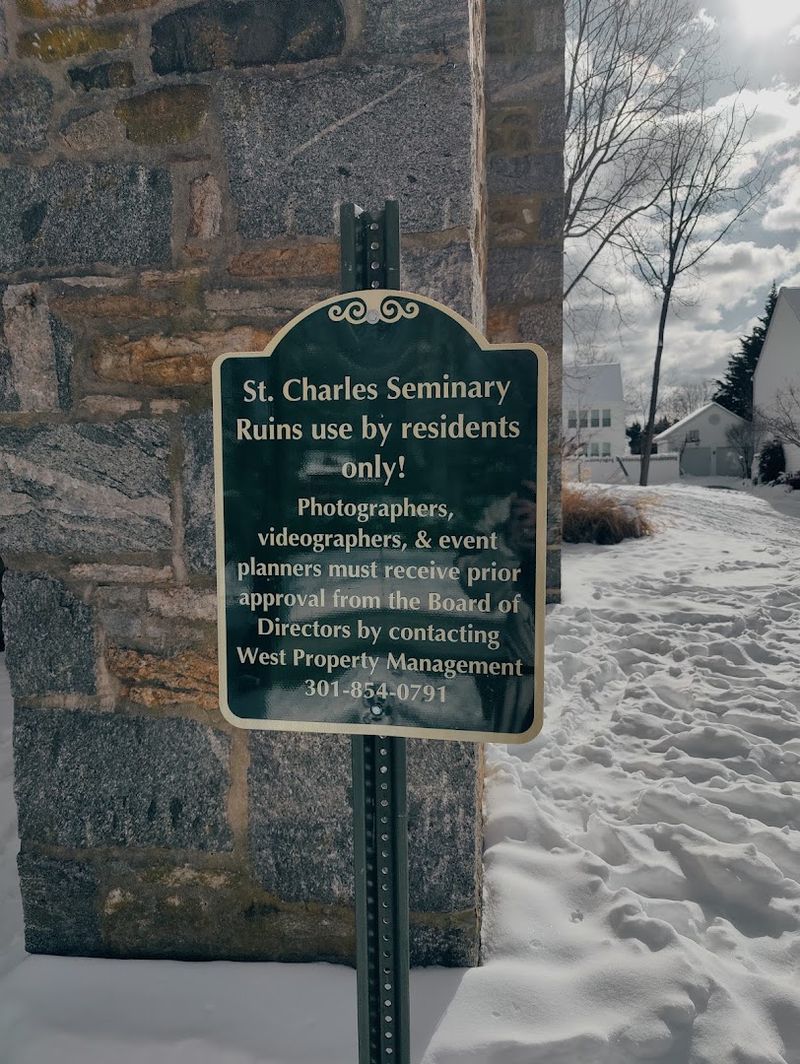
Signs posted on site do indicate the space is primarily for residents and their guests, so outside visitors are encouraged to be respectful and mindful. A quick, polite look from the street or a short visit during appropriate hours is the best way to appreciate this community-maintained treasure without overstepping.
A Geocacher’s Secret Treasure Spot
Beyond its historical significance, the Terra Maria Ruins have earned a fun reputation among the geocaching community. Geocaching is a modern outdoor treasure hunt where participants use GPS coordinates to locate hidden containers called caches, and this site happens to be home to one.
Finding a geocache among centuries-old stone ruins adds an extra layer of excitement to the visit. You are essentially hunting for a hidden prize inside what remains of a 19th-century seminary, which is about as cool a backdrop as any geocacher could ask for.
Families with kids who might not be thrilled about a history lesson often find the geocaching angle to be the perfect hook. It transforms a history stop into an adventure, making the Terra Maria Ruins appealing to a much wider audience than traditional landmark visitors.
Pack your curiosity and your GPS coordinates before heading out.
Open Daily But Know the Rules
According to Google Maps, the Terra Maria Ruins are open every day from 9 AM to 7 PM, which gives visitors a solid window of time to stop by during daylight hours. That said, the experience here is unlike a traditional public park, and knowing that ahead of time makes all the difference.
Signage on the property clearly states that the space is intended for residents and their guests. Respectful visitors who treat the area with care and keep their visit brief are generally welcomed, but it is not a place to host a large group outing or linger for hours.
A quick five-minute stop, as many reviewers have suggested, is honestly all you need to appreciate the ruins. Bring your curiosity, leave your noise behind, and take in the remarkable sight of centuries-old stone walls standing quietly inside a modern Maryland neighborhood.
The National Road Connection
The Terra Maria Ruins sit just off Frederick Road, which is actually a stretch of the historic National Road, one of the earliest major highways built in the United States. That road was once the main artery connecting the eastern seaboard to the western frontier, carrying settlers, traders, and travelers heading into the unknown.
St. Charles College was established along this corridor deliberately, placing Catholic education along one of the most traveled routes in early America. The location made the seminary accessible and influential during a time when this road was the country’s main highway.
Driving along Frederick Road today, you pass through layers of American history with every mile. Spotting the ruins from the road connects you to that long timeline in an instant, from the founding fathers to the Civil War era to the birth of American suburbia, all visible from a single stretch of pavement.
How the College Got Its Start in 1829
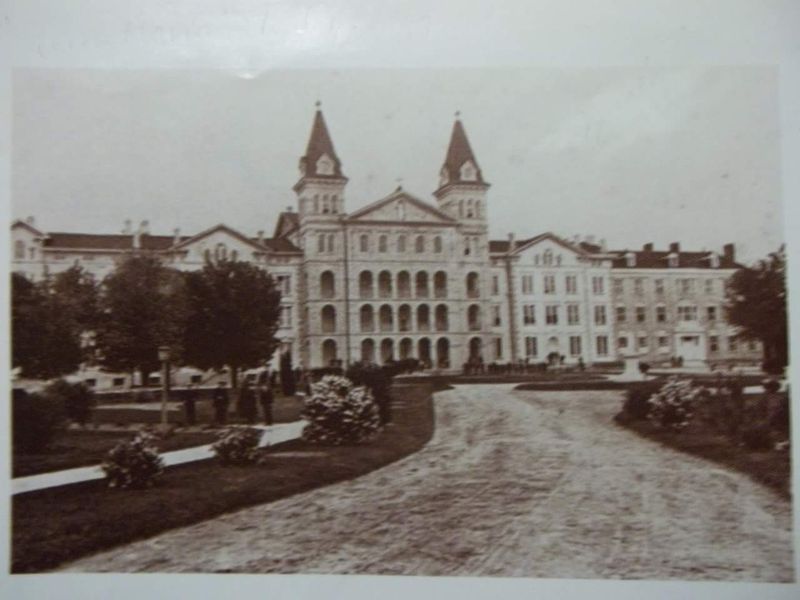
St. Charles College was incorporated in 1829, making it one of the earlier institutions of higher Catholic education established in the United States. The cornerstone was laid by Charles Carroll himself in 1831, giving the college a founding moment connected directly to the American Revolution era.
Carroll died in 1832, just one year after placing that cornerstone, never seeing the college open its doors. Construction continued in his absence, and the institution finally welcomed its first students in 1848, nearly two decades after its founding was set in motion.
For over 60 years, the college educated young men, many of whom went on to become priests, scholars, and community leaders. The 1911 fire ended that chapter abruptly, but the stone walls left standing refused to let the story disappear entirely.
They remain today as a quiet monument to ambition, faith, and education in early Maryland.
Why Most People Walk Right Past Without Noticing
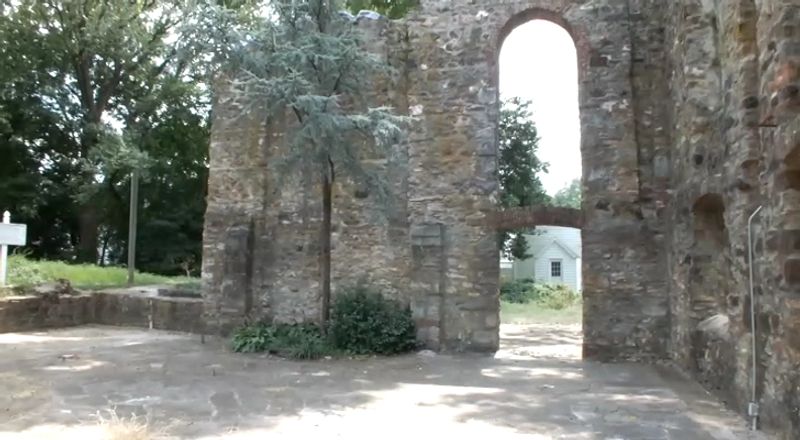
There is no dramatic roadside sign announcing the Terra Maria Ruins. No tour bus stops here, and no gift shop waits around the corner.
The ruins blend so naturally into the residential landscape that most people driving past on Frederick Road genuinely have no idea they are there.
The stone walls peek out from between modern homes, surrounded by green lawns and parked cars, looking almost like a decorative feature rather than a historical landmark. Without prior knowledge, there is very little to signal that you are passing something of serious historical importance.
That invisibility is honestly part of what makes this place so special. Discovering it feels like finding a secret, the kind of place that rewards the curious and the observant.
Maryland is full of history hiding in plain sight, and the Terra Maria Ruins might be the most surprising example of all.
A Landmark Worth Seeking Out
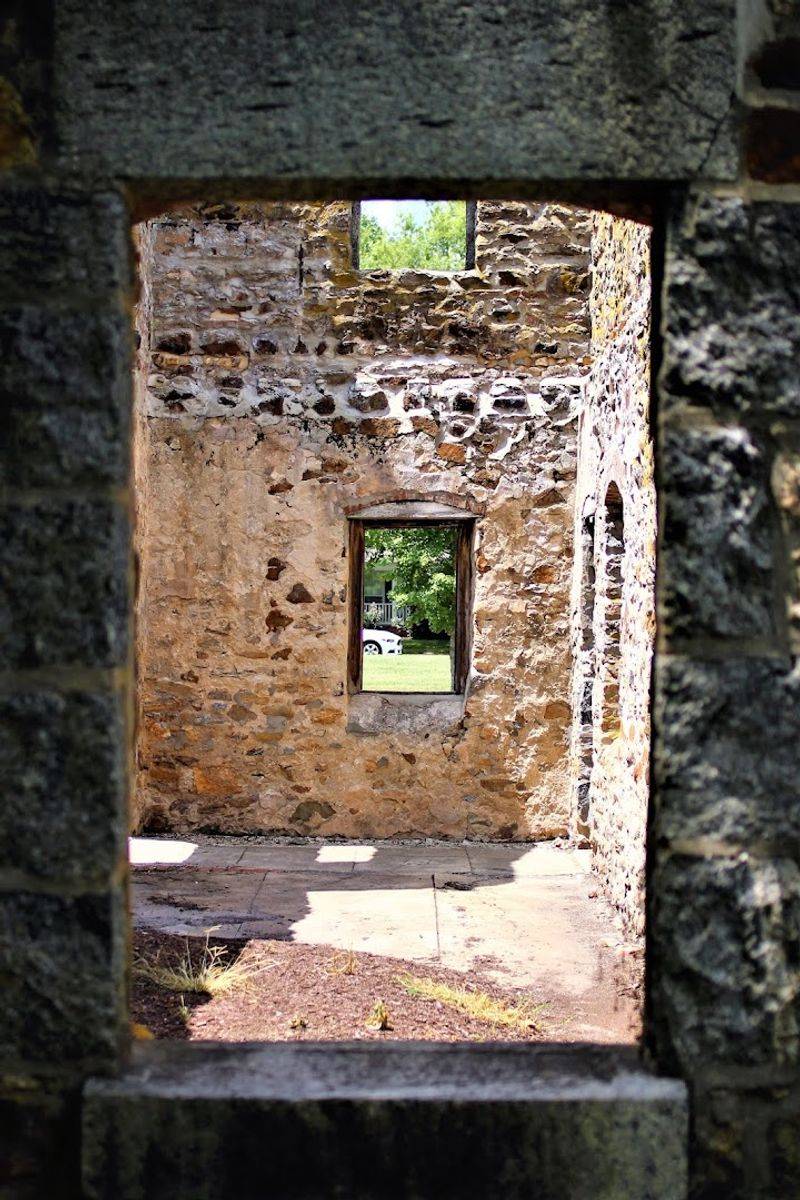
With a 4.6-star rating from over 51 reviews on Google Maps, the Terra Maria Ruins clearly leave an impression on everyone who makes the effort to find them. Reviewers consistently describe the experience as surprising, fascinating, and unlike anything else they expected to find inside a Maryland neighborhood.
Several visitors mention wishing there were more on-site information panels to help tell the full story of the seminary, the fire, and the families connected to this land. Until that day comes, doing a little research before your visit makes the experience far richer and more meaningful.
Located at 3160 St. Charles Place in Ellicott City, the ruins are easy to find with a quick GPS search. Whether you are a history lover, a casual explorer, or just someone who appreciates the unexpected, this forgotten landmark delivers a genuinely memorable Maryland moment.
Enjoyed this story?
Add Fast Food Club as a preferred source to see more of our reporting on Google.