


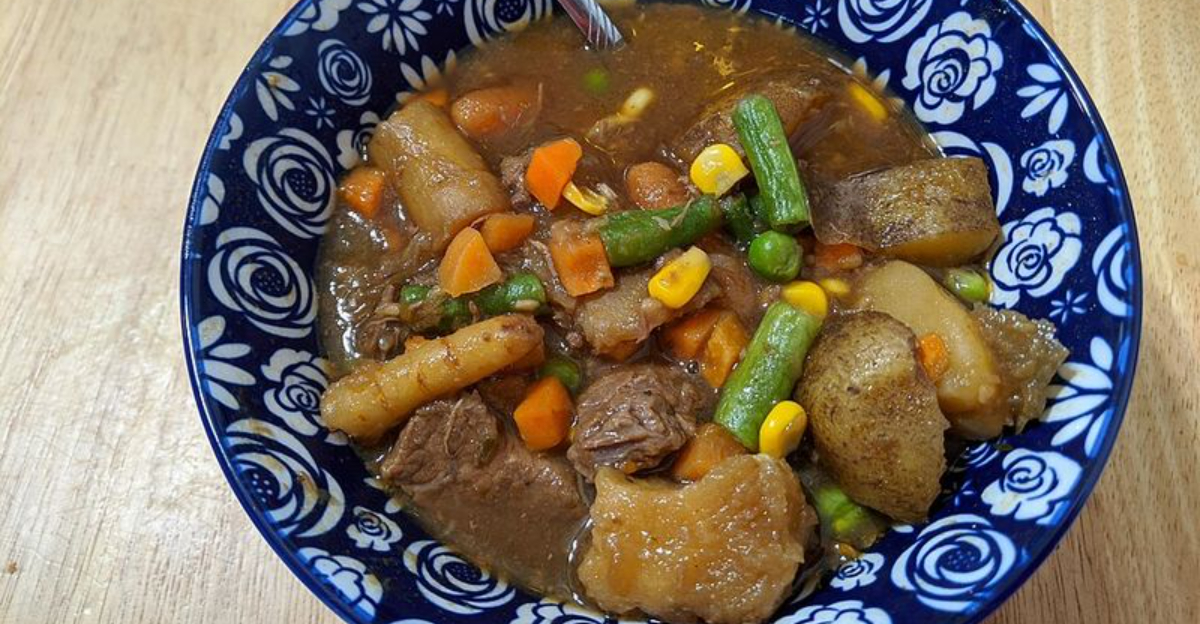
Some foods taste like memories because someone slow cooked them with patience you could almost hear. You remember the smells drifting from the kitchen, the kind that make you pause and smile before the first bite.
When time and care meet simple ingredients, the result hits deeper than any shortcut. Let’s revisit the dishes that were better when someone had the time to do them right, and help you bring that feeling back.
Homemade biscuits
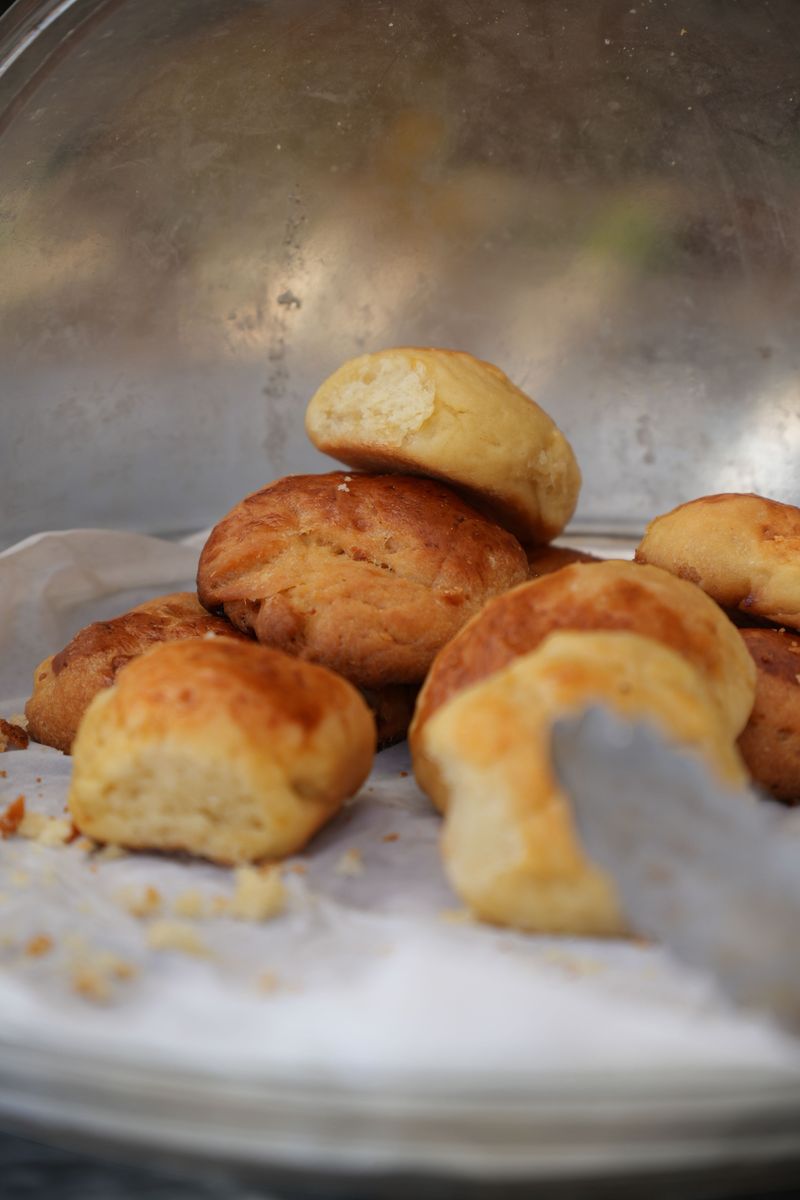
Homemade biscuits used to rise taller because patience was baked in. Cold butter got cut by hand, not blitzed, and the dough saw gentle folds instead of heavy kneading.
You could taste the pause between steps, that quiet space where gluten relaxed and layers formed.
You can bring that back. Keep everything cold, work fast but tender, and resist overmixing.
Let the dough rest, then stamp clean rounds without twisting, so edges lift high. Brush with cream, slide into ripping-hot cast iron, and listen for that sizzle.
When they split with steam, you will know time mattered.
Cinnamon rolls
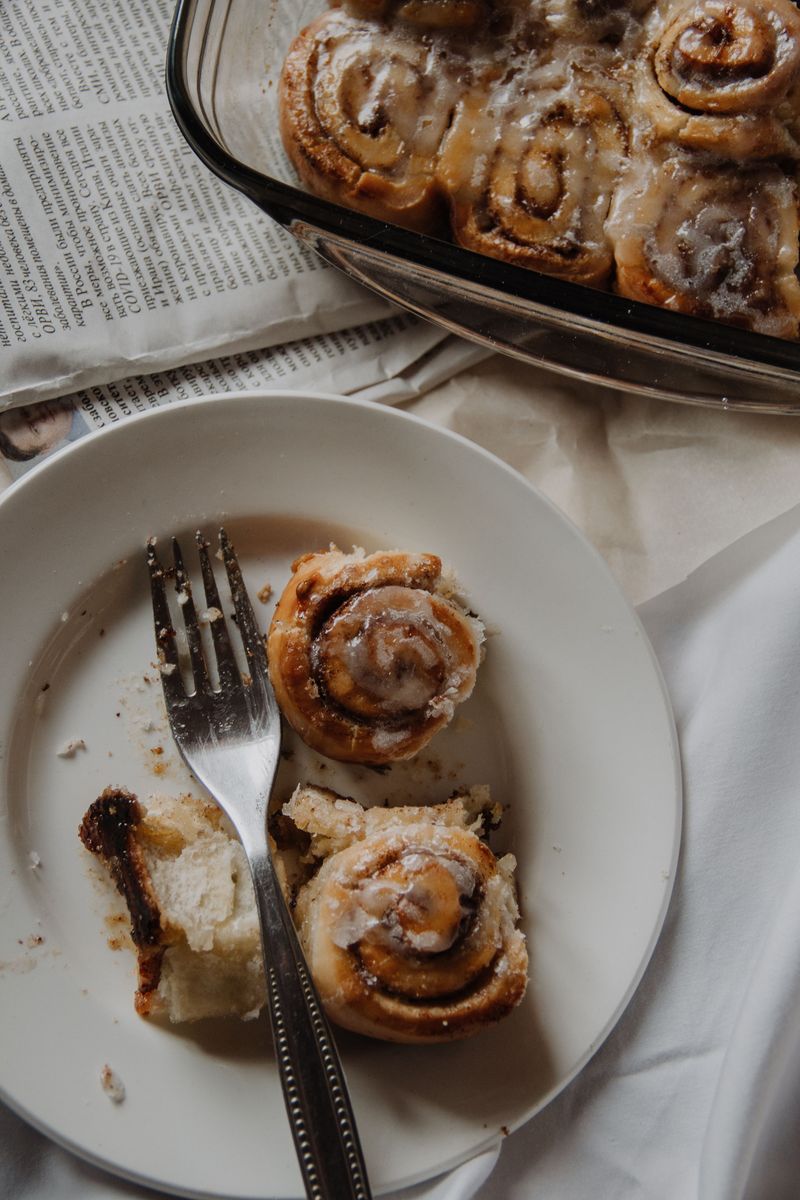
Real cinnamon rolls were all about unhurried proofing. The dough sat, then rose, then rested again, building flavor and that cloud-soft pull you feel when you tear a roll open.
Filling melted into the spirals, not just smeared on top, and every bite tasted like time well spent.
You can recreate that patience. Use warm milk, real butter, and let yeast do its slow magic.
Roll thin, spread a brown sugar cinnamon paste edge to edge, and proof until pillowy. Bake until golden, then ice while warm so it puddles.
Wait five minutes. The swirl is worth it.
Chicken noodle soup
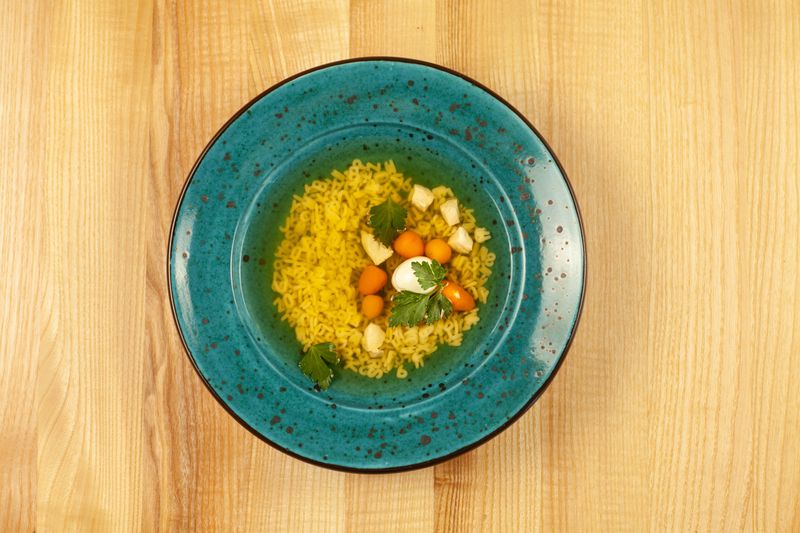
Chicken noodle soup tasted better when stock simmered slowly, not rushed from a carton. Bones, skin, and aromatics released collagen into a shimmering broth that coated noodles and soothed you from the inside out.
The noodles were hand-cut, imperfect, and perfect.
Start with a whole bird, or at least backs and wings. Simmer with onion, carrot, celery, bay, and peppercorns until the house smells hopeful.
Strain, then add fresh vegetables and noodles just before serving so nothing turns mushy. Finish with salt, cracked pepper, and a squeeze of lemon.
You will taste patience in every spoonful.
Pot roast
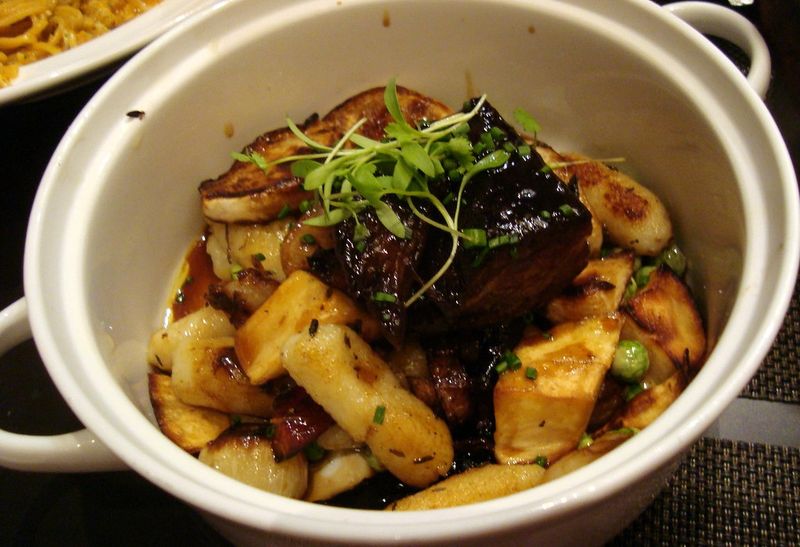
Pot roast shines when seared deeply and braised low and slow. Those browned bits build a sauce as glossy as a promise, and the meat yields to a spoon without falling apart into strings.
Vegetables taste like they were invited, not tossed in as an afterthought.
Salt early, dry the surface, and brown patiently. Nestle onions, carrots, and garlic around the roast, then add stock, a splash of wine, and herbs.
Keep heat gentle, lid on, and time generous. Rest before serving so juices settle.
The gravy will whisper that you did it right.
Meatloaf
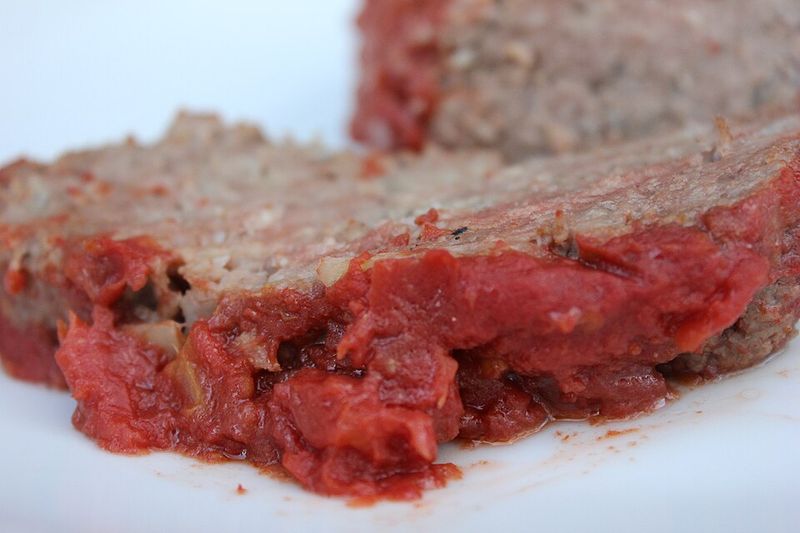
Great meatloaf is tender, not dense, because someone mixed gently and let the panade do its work. Onions were sweated until sweet, not raw and harsh.
The glaze caramelized into a tangy coat you wanted seconds of, maybe thirds if no one was watching.
Use a bread-and-milk panade, add sautéed onions, and mix with a light hand. Shape freeform on a sheet pan for more crust, or use a loaf pan for classic slices.
Brush with ketchup, a touch of brown sugar, and vinegar. Rest before cutting so slices hold.
It is comfort that behaves.
Chicken pot pie
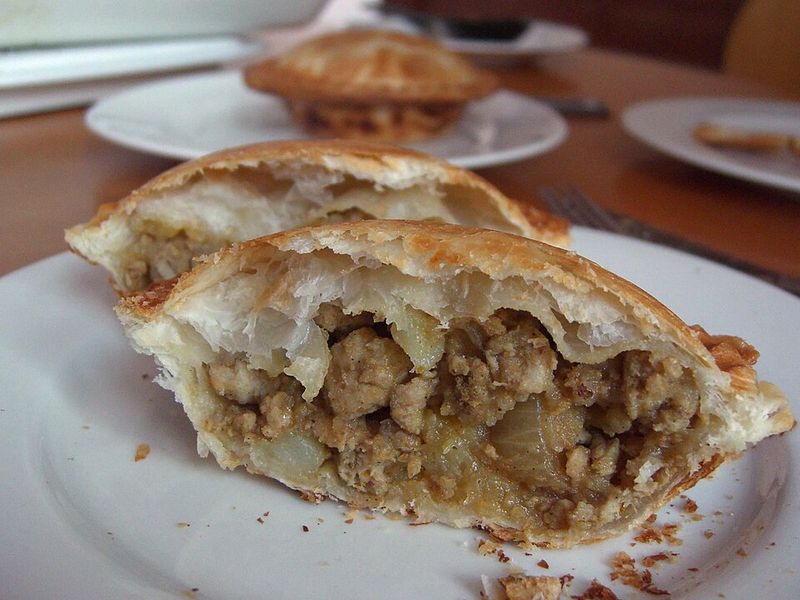
Chicken pot pie used to have a crust so flaky it shattered softly, revealing a velvety filling that never ran. The secret was chilling the dough and simmering the sauce until it clung, not sloshed.
Every forkful balanced buttery pastry with tender chicken and sweet vegetables.
Poach chicken gently, then build a roux-based gravy with stock and cream. Fold in peas, carrots, and herbs, and cool the filling before assembly.
Keep the pastry cold, vent the top, and bake until bronzed. Let it rest for ten minutes.
When the slice stands proudly, you will smile.
Lasagna
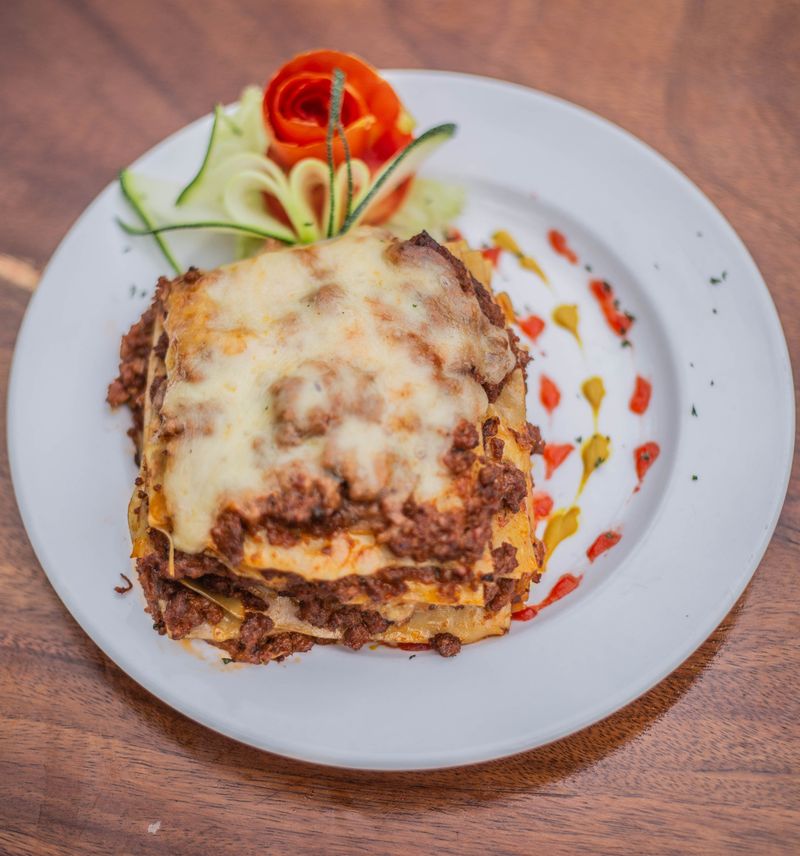
Lasagna was better when the sauce simmered for hours, coaxing sweetness from tomatoes and depth from meat. Noodles were parboiled or soaked, then layered with intention so every bite carried structure, not slump.
Resting time mattered as much as baking time.
Build a ragù with onions, garlic, beef, and pork. Let it burble low, then season with patience.
Layer pasta, sauce, ricotta, and mozzarella, finishing with extra sauce around the edges. Bake until bubbling and spotted brown.
Rest at least twenty minutes before slicing. The squares will hold, and the flavors will finally agree.
Apple pie
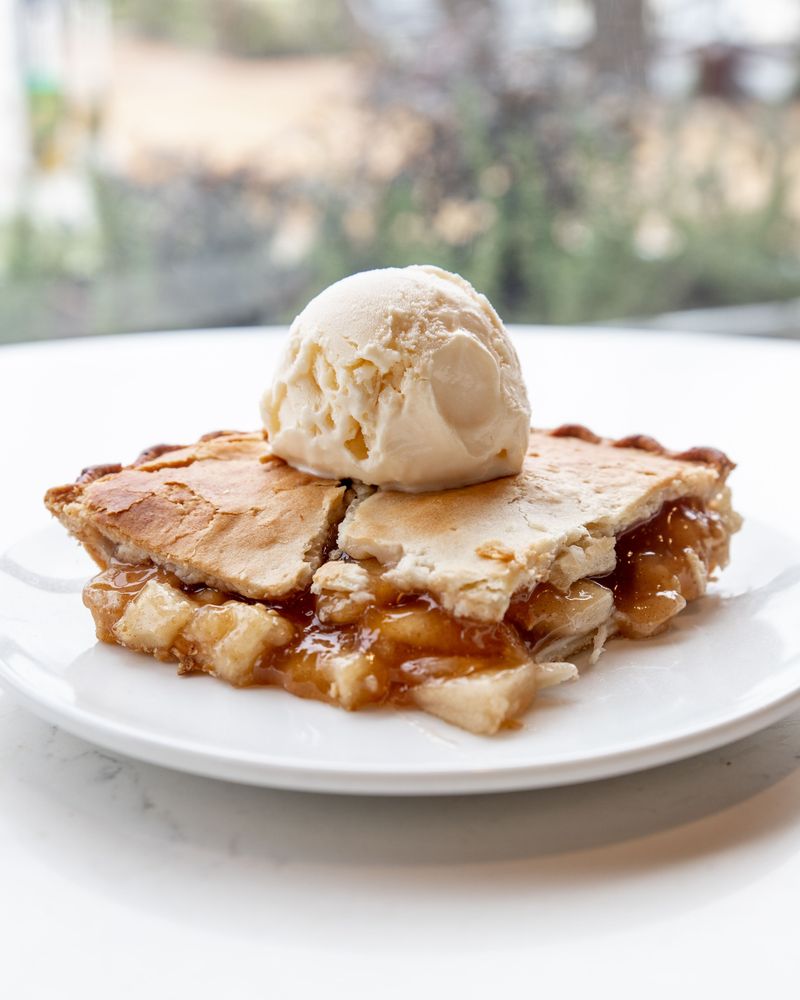
Apple pie tasted like fall when apples were mixed, not just one variety. The crust stayed crisp because the fruit was macerated, juices reduced, and butter worked in by hand.
You cut a slice and it stood tall, filled with tender, not mushy, fruit.
Toss apples with sugar, salt, cinnamon, and lemon, then drain. Reduce those juices to a syrupy glaze.
Chill dough, roll it cold, and avoid overworking. Fill, dot with butter, crimp, and vent.
Bake hot to set the bottom, then lower heat. Rest before cutting.
The first fork will tell you everything.
Peach cobbler
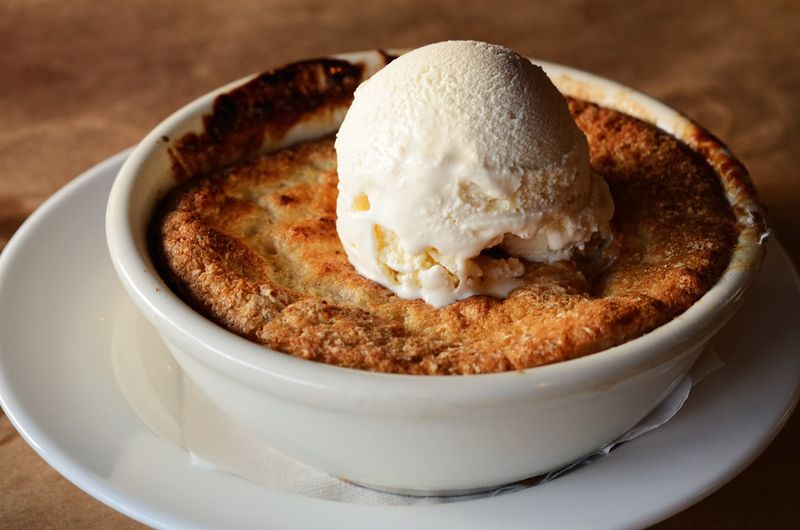
Real peach cobbler tasted like sun because ripe fruit met a barely sweet batter or biscuit top. The juices thickened into a glossy pool that spooned like a dream, never gummy.
Warm spices showed up politely, letting the peaches own the room.
Toss peaches with sugar, lemon, and a touch of cornstarch. Let them macerate while you mix a simple biscuit or pour batter.
Bake hot so the top turns crisp and the edges caramelize. Serve warm with ice cream for contrast.
Every spoonful will remind you why summer is worth waiting for.
Chicken and dumplings
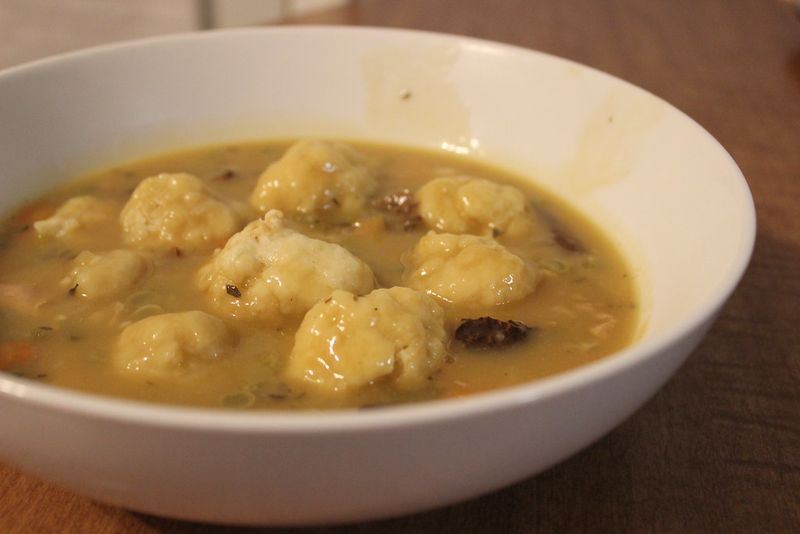
Chicken and dumplings used to be a hug in a bowl. The broth was rich from simmered bones, and the dumplings were tender because the dough stayed just mixed, not abused.
You could taste the patience in every slow bubble.
Poach chicken gently and build a creamy base with stock and a light roux. Drop spoonfuls of dough on the simmer, then cover so steam lifts them without turning gummy.
Do not stir too much. Finish with cracked pepper and herbs.
The dumplings should float like little clouds over comfort itself.
Cornbread
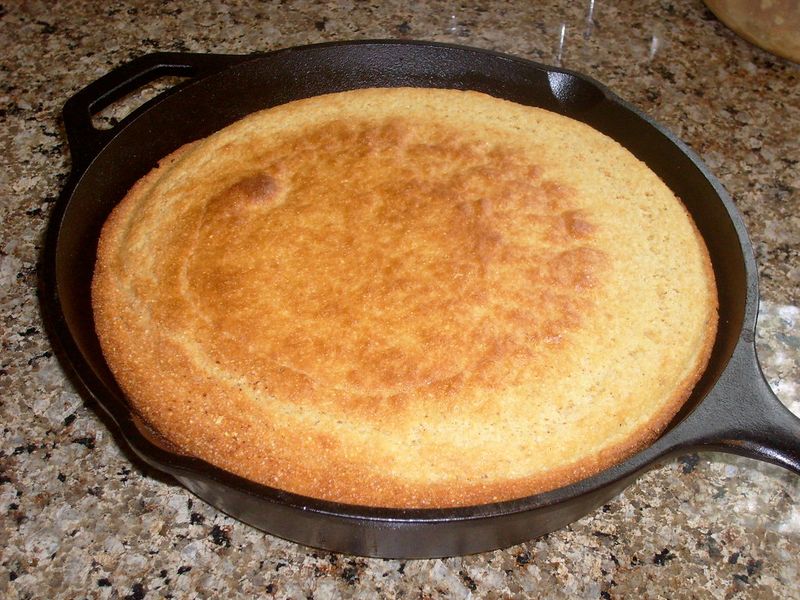
Good cornbread used to crackle because the skillet was screaming hot and the batter simple. Cornmeal took the lead, flour stayed modest, and sugar was optional.
The crust was the point, the crumb was tender, and every wedge wanted butter.
Preheat cast iron with a spoon of fat until it shimmers. Stir batter gently, then pour to hear that satisfying sizzle.
Bake until edges pull away and the top bronzes. Serve hot with butter, honey, or beans.
The simplicity feels like honesty on a plate.
Homemade gravy
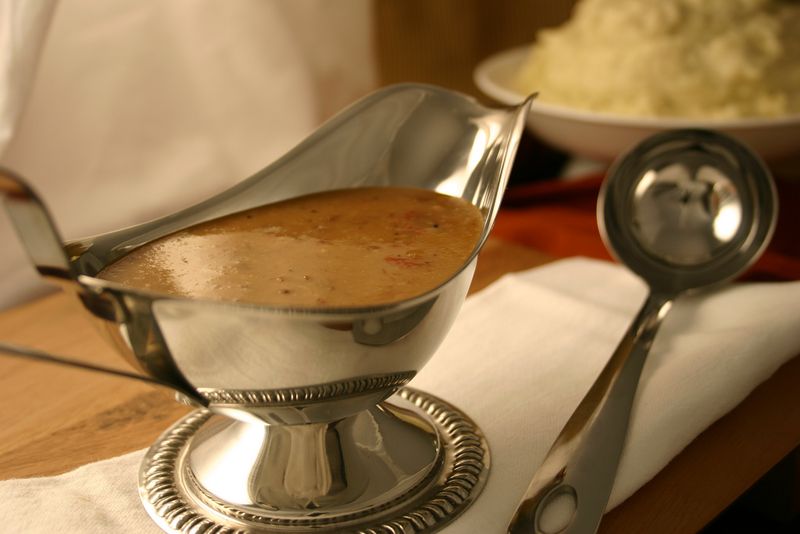
Gravy used to be liquid gold. It started with pan drippings, not a packet, and a roux whisked until nutty.
Stock went in slowly so lumps never had a chance, and seasoning was patient and precise.
Pour off excess fat, keep the good bits, and whisk in flour. Cook it until it smells like toast, then add warm stock in stages.
Simmer until glossy and just thick enough to coat a spoon. Finish with salt, pepper, and maybe a splash of soy for depth.
Your potatoes will thank you.
Baked beans
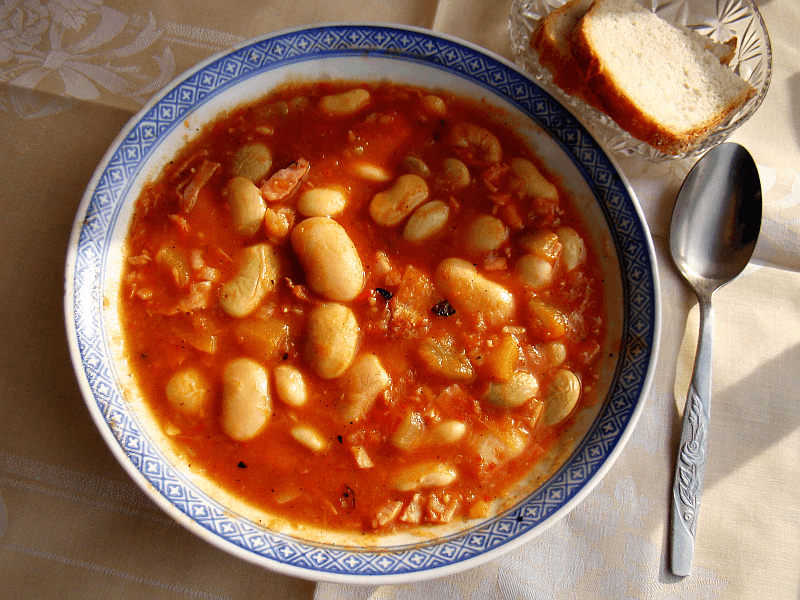
Baked beans were better when they spent hours softening in a low oven. Molasses, mustard, and smoky pork melted into a sauce that clung to each bean.
The sweetness stayed balanced, and the texture was creamy, not broken.
Soak dry beans, then bake them covered with aromatics and pork until tender. Uncover to reduce and caramelize the top.
Stir just enough to marry the sauce. Serve with cornbread or ribs and let the sides steal the show.
Make extra. Tomorrow’s leftovers will be even silkier.
Slow-cooked chili
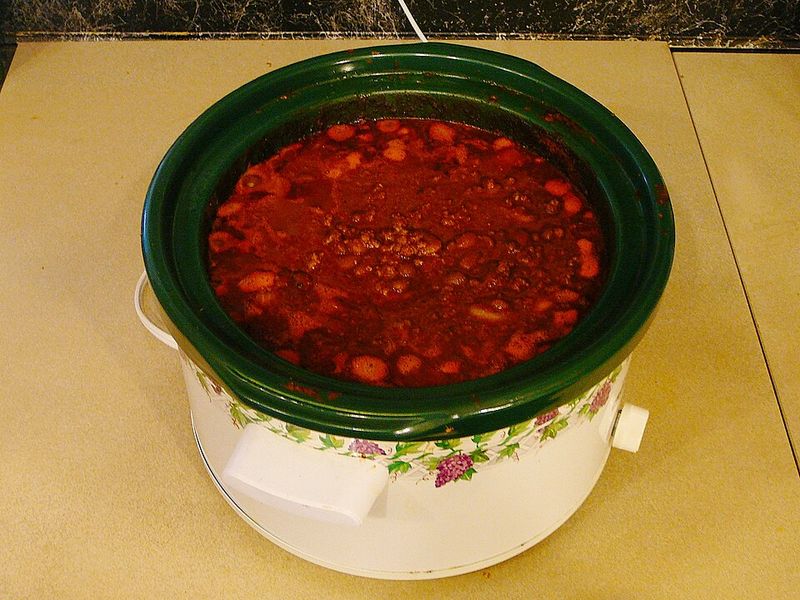
Chili used to hum when spices bloomed and beef simmered until tender. Time let chiles, tomatoes, and aromatics agree on a single story.
The result was thick, complex, and quietly fiery, not just hot.
Toast spices, brown meat, and deglaze before the long cook. Let it burble until collagen transforms and the spoon stands.
Adjust with salt, a pinch of sugar, and vinegar at the end. Rest it, then reheat gently.
Serve with fresh onions, cheese, and tortillas. You will taste every patient minute.
Roast chicken
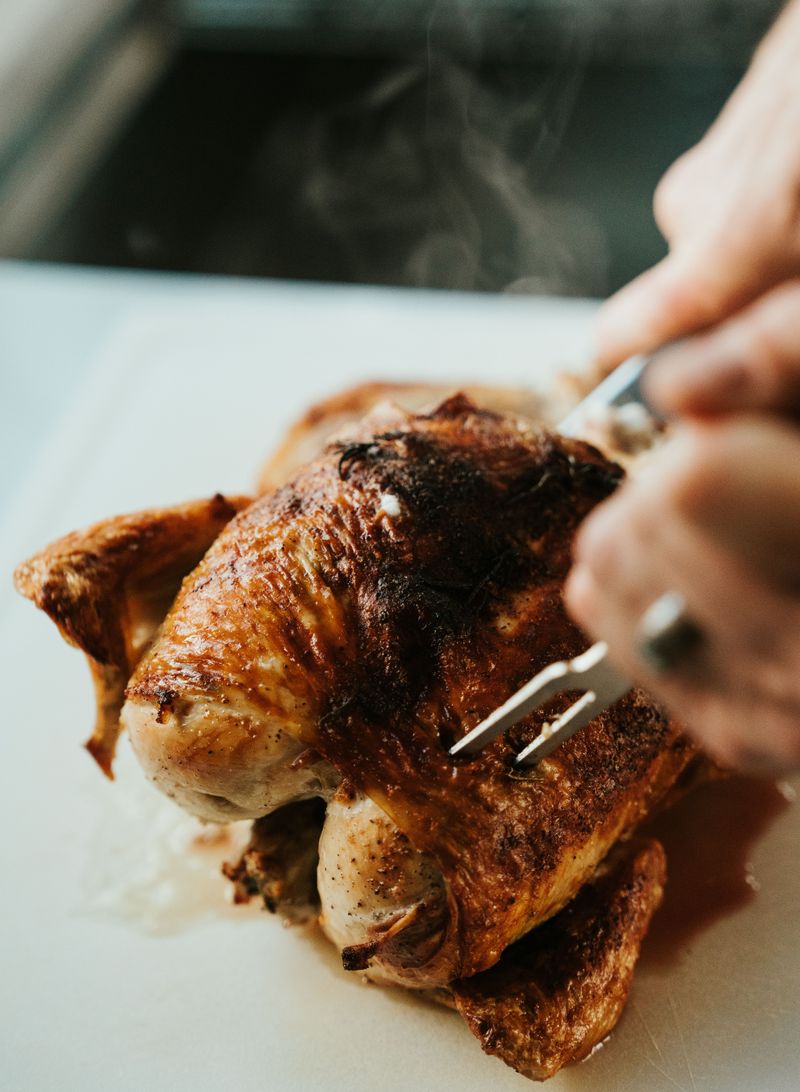
Perfect roast chicken is simple and slow enough to be thoughtful. Salted ahead, dried well, and blasted with heat, the skin turns crisp while the meat stays juicy.
Pan juices become instant sauce, tasting like concentrated comfort.
Season the bird a day early and let air dry in the fridge. Stuff with lemon, garlic, and herbs, then truss lightly.
Start hot, finish moderate, and baste with its own fat. Rest before carving so the juices do not run away.
Spoon those drippings over everything. Dinner becomes a small miracle.
Rice pudding
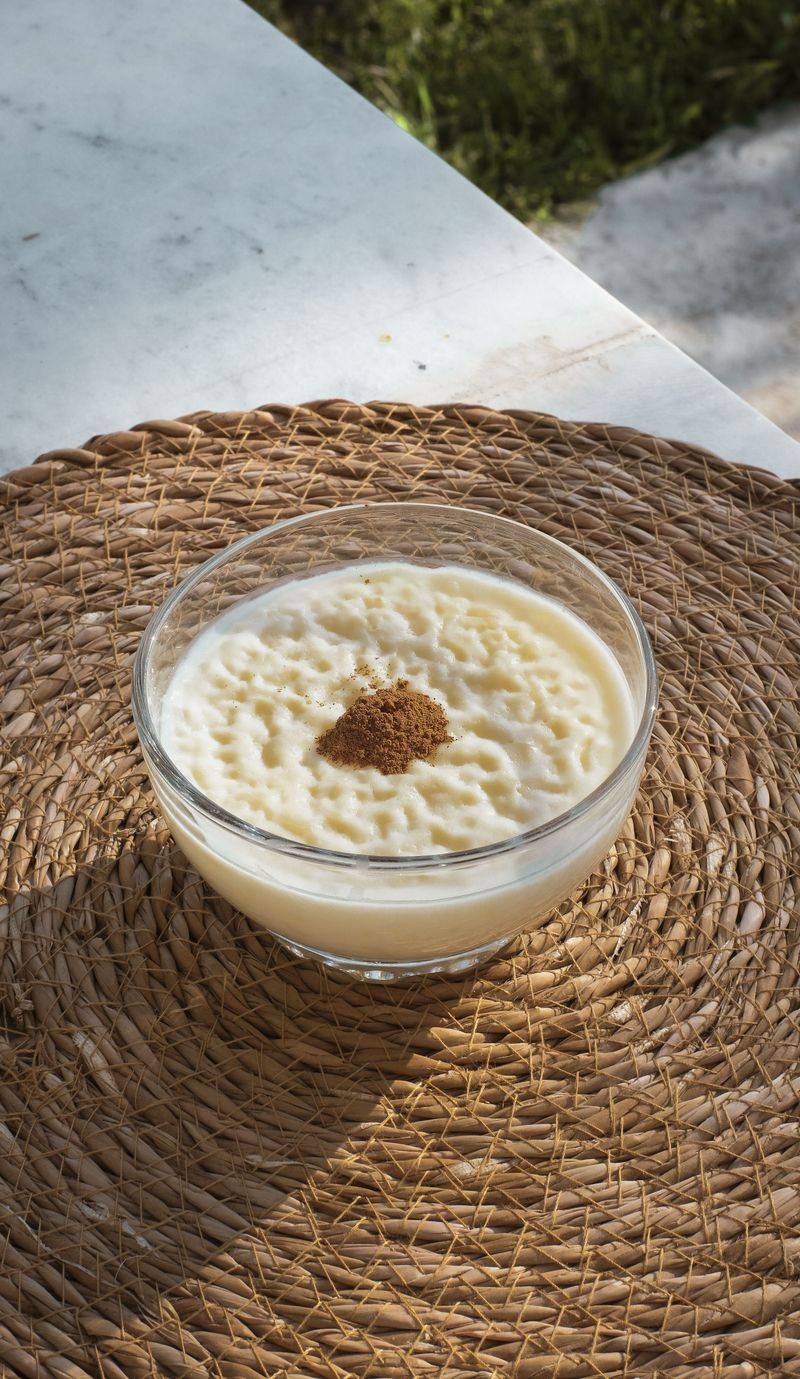
Rice pudding felt special when it simmered slowly, stirring often enough to keep it silky. The grains released starch into milk, making a custardy hug in a bowl.
Vanilla and cinnamon whispered instead of shouted.
Use short-grain rice, whole milk, and patience. Simmer gently, stir frequently, and sweeten late so it never scorches.
Fold in plumped raisins if you like, then finish with butter and vanilla. Serve warm or chilled with nutmeg.
Each spoonful should linger like a lullaby.
Bread pudding
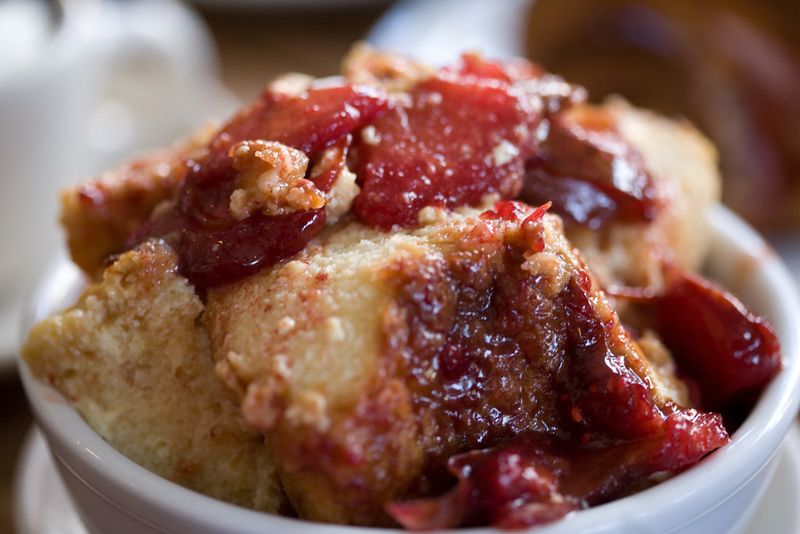
Bread pudding shines when stale bread soaks long in custard. The bake turns custardy inside and burnished on top, with edges caramelized for crunch.
Spices stay gentle so vanilla and butter lead.
Use day-old bread, whisk eggs with milk, sugar, and cream, then pour and rest to saturate. Bake in a water bath if you want extra silk, or high heat for more crust.
Finish with a sauce, maybe bourbon or caramel, and a dusting of sugar. Every bite feels like thrift turned into luxury.
Chocolate layer cake
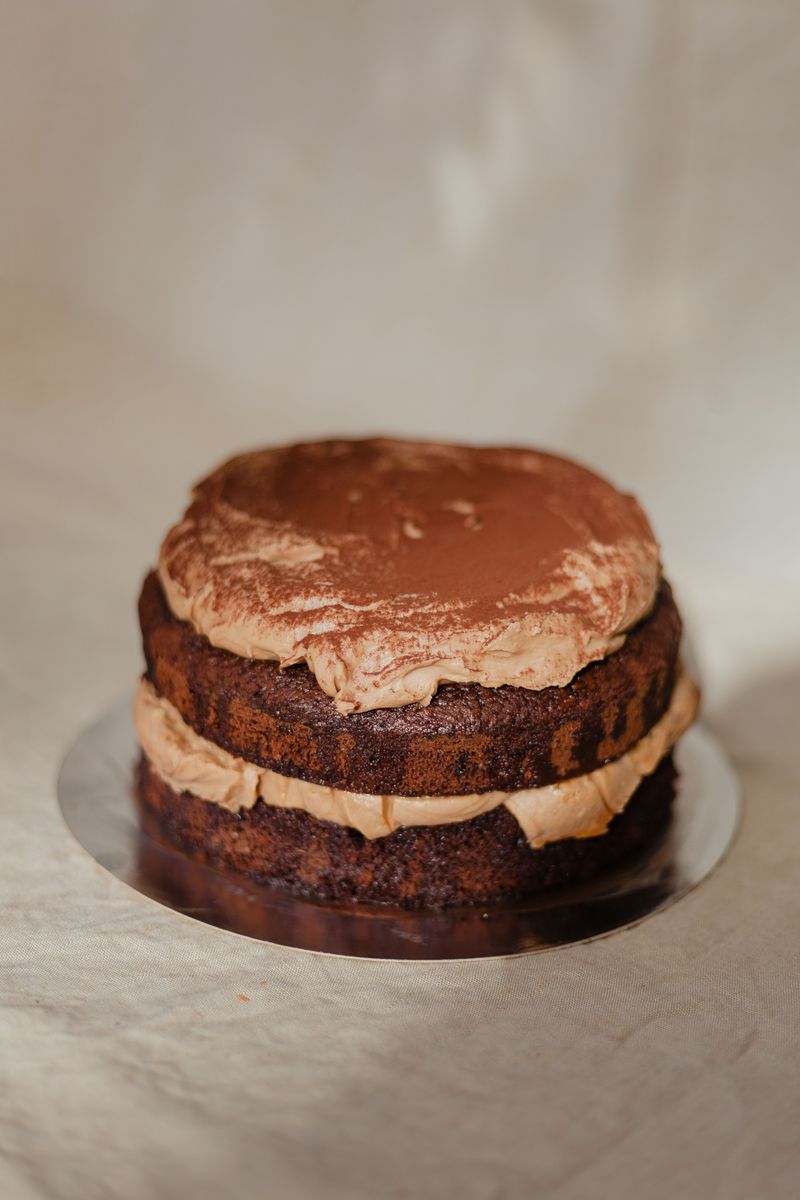
Chocolate layer cake used to taste richer because butter, cocoa, and time worked together. Layers cooled completely before frosting, so crumbs stayed in place and the finish looked like a promise.
The crumb was moist from blooming cocoa and balanced sweetness.
Bloom cocoa with hot coffee or water, mix gently, and bake until just set. Cool, wrap, and chill before stacking.
Make a buttery frosting, then apply a crumb coat and chill again. Finish smooth or with swirls.
Slice with a warm knife. Each bite should feel like celebration, not just dessert.
Homemade dinner rolls
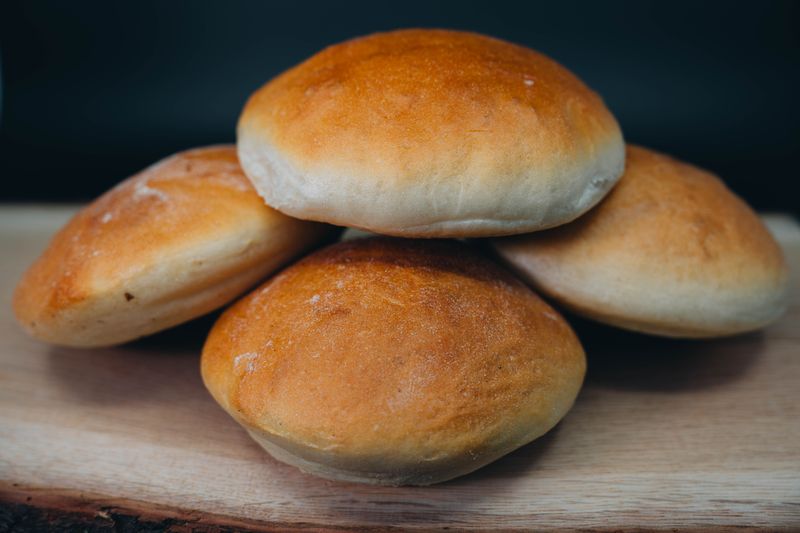
Dinner rolls were better when dough rose unrushed. Yeast had time to build flavor, and butter brushed on top melted into every seam.
You tore one open and steam carried that bakery smell right to you.
Use milk, eggs, and a touch of sugar for tenderness. Knead until smooth, then let it double without hurrying.
Portion evenly, tuck into tight balls, and proof again close together for pull-apart sides. Bake until deeply golden.
Brush with butter and a sprinkle of flaky salt. They taste like home.
Beef stew
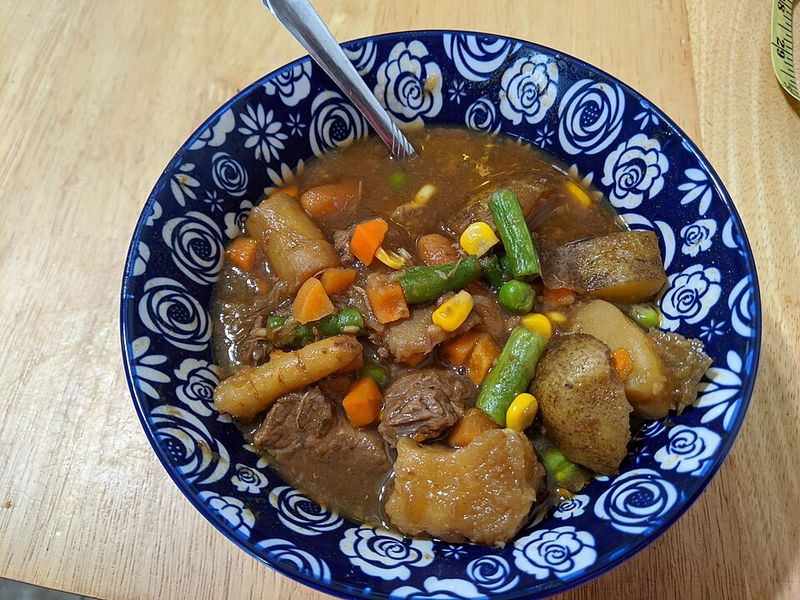
Beef stew sings when meat is browned hard and braised gently. The sauce turns glossy because gelatin melts into it, not because flour tried to fake it.
Vegetables go in stages, so carrots keep bite and potatoes hold shape.
Season cubes, pat dry, and brown in batches. Deglaze with wine or stock, scrape the fond, and let time soften everything.
Add vegetables later, then finish with a splash of vinegar for lift. Rest the pot off heat so flavors can marry.
On the second day, it tastes somehow truer.
Enjoyed this story?
Add Fast Food Club as a preferred source to see more of our reporting on Google.