



Tucked along the northern tip of the Chesapeake Bay where the Susquehanna River meets open water, Havre de Grace, Maryland holds one of the most unexpected titles in American history: the Decoy Capital of the World. This small city earned that name through generations of master carvers who turned simple wooden ducks into breathtaking works of art.
The tradition runs so deep here that it shaped the local economy, culture, and identity in ways that still resonate today. Whether you love history, art, or the great outdoors, the story of how Havre de Grace became the decoy capital is one worth knowing.
Where It All Began: The Susquehanna Flats
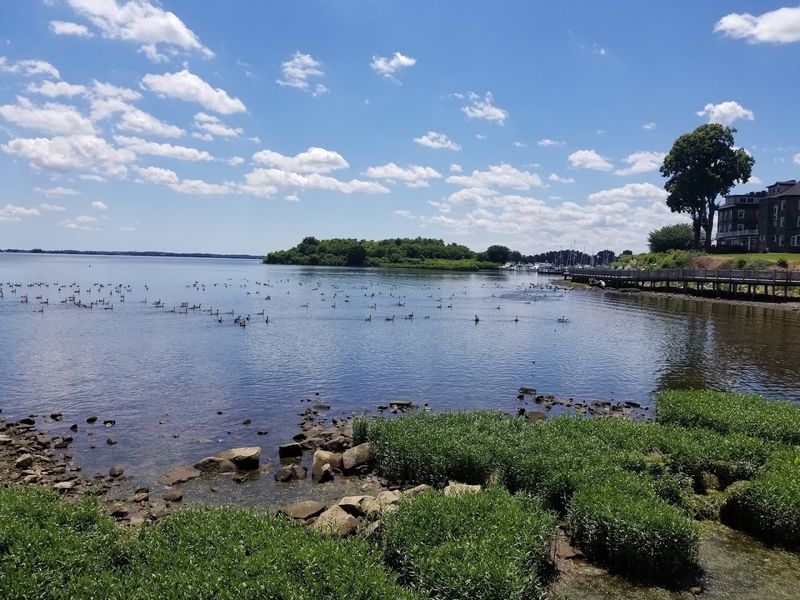
Long before Havre de Grace had a nickname, it had the Susquehanna Flats. These shallow, nutrient-rich waters at the northern end of the Chesapeake Bay attracted enormous flocks of migrating ducks and geese every autumn, drawing hunters from miles around.
The Flats became one of the most famous waterfowl hunting grounds in the entire country during the 1800s. Hunters quickly realized they needed tools to lure birds close enough to shoot, and that need sparked a craft that would define a city.
Wooden decoys carved to look like real ducks were floated on the water to attract live birds. What started as a practical hunting tool slowly evolved into something far more remarkable.
The Susquehanna Flats were not just a hunting ground; they were the birthplace of an American art form that Havre de Grace would carry forward for generations.
The Market Gunners Who Started a Movement

Before duck hunting was a weekend hobby, it was a serious profession. Market gunners were commercial hunters who sold wild ducks and geese to restaurants and markets in Baltimore and Philadelphia, and the Susquehanna Flats were their office.
These hunters needed decoys by the dozens, sometimes hundreds, and they needed them fast. That demand pushed local craftsmen to develop efficient carving techniques without sacrificing quality.
The more realistic the decoy, the better it worked, and better results meant more birds and more money.
Market gunning was eventually outlawed in 1918 by the Migratory Bird Treaty Act, but the carving tradition it ignited never died. The craftsmen who had spent years perfecting their decoys kept right on carving, shifting their focus from function to artistry.
A commercial necessity had quietly grown into a beloved regional craft with deep roots in the soil of Harford County.
Madison Mitchell: The Man Who Carved a Legacy

If one name defines the decoy capital story, it belongs to Madison Mitchell. Born in 1901 and raised in Havre de Grace, Mitchell spent decades carving and painting some of the most recognized decoys in American folk art history.
He was not just talented; he was prolific. Mitchell carved tens of thousands of decoys over his lifetime, developing a production system that let him create high-quality birds efficiently.
His workshop became a local institution, and collectors across the country sought out his work.
Mitchell also helped preserve the knowledge of earlier carvers, keeping techniques alive that might otherwise have been lost. He passed away in 1993, but his influence on Havre de Grace and the wider world of decoy carving is impossible to overstate.
His name still appears on awards, exhibits, and competitions that celebrate the craft he devoted his entire life to mastering.
R. Madison Mitchell’s Decoy Workshop: A Living Museum
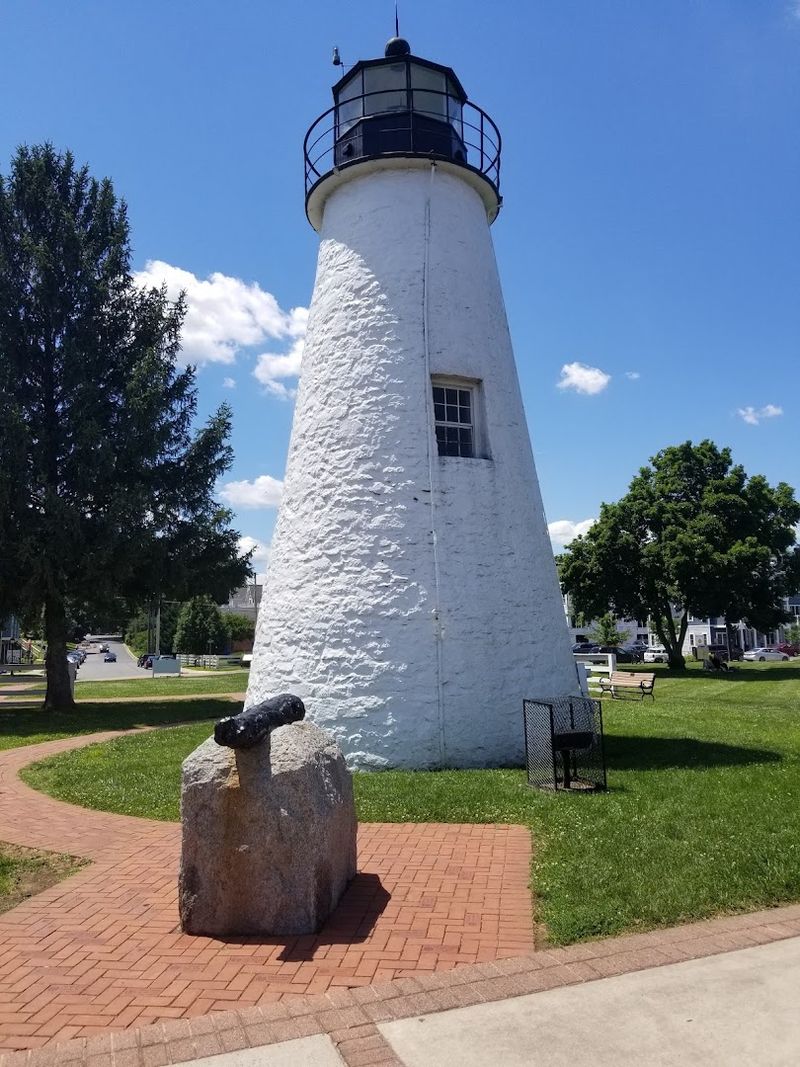
Stepping inside R. Madison Mitchell’s workshop feels like walking back in time.
The small building where Mitchell spent decades perfecting his craft has been preserved and is now open to the public as part of Havre de Grace’s cultural heritage.
Visitors can see the actual tools he used, the workbenches where thousands of decoys took shape, and the painted birds that made him famous. The space is modest by any measure, but what happened inside those walls changed the trajectory of an entire city’s identity.
The workshop serves as a reminder that great art does not always come from grand studios. Sometimes it comes from a quiet room, a sharp knife, and a block of wood.
For anyone visiting Havre de Grace, the Mitchell workshop is an essential stop that brings the whole decoy capital story into sharp, personal focus.
The Havre de Grace Decoy Museum: Where Tradition Lives On
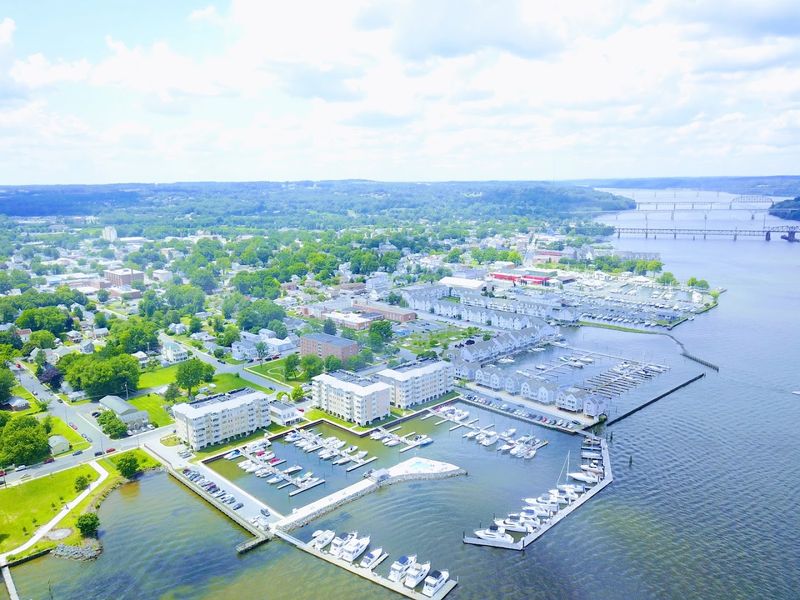
Opened in 1986, the Havre de Grace Decoy Museum is the crown jewel of the city’s decoy heritage. Sitting right on the waterfront, the museum houses one of the largest collections of antique and contemporary decoys anywhere in the world.
Over 1,200 decoys are on permanent display, representing the work of carvers from across the Chesapeake Bay region and beyond. Each bird tells a story about the hunter who commissioned it, the carver who shaped it, and the era that produced it.
The craftsmanship on display ranges from rough working decoys to finely detailed sculptures that belong in any fine art gallery.
The museum also offers hands-on carving demonstrations, educational programs for school groups, and a research library for serious collectors. Whether you are eight years old or eighty, the Decoy Museum makes it easy to appreciate why this small Maryland city earned such a remarkable and lasting title.
The Annual Decoy Festival: A Weekend Like No Other
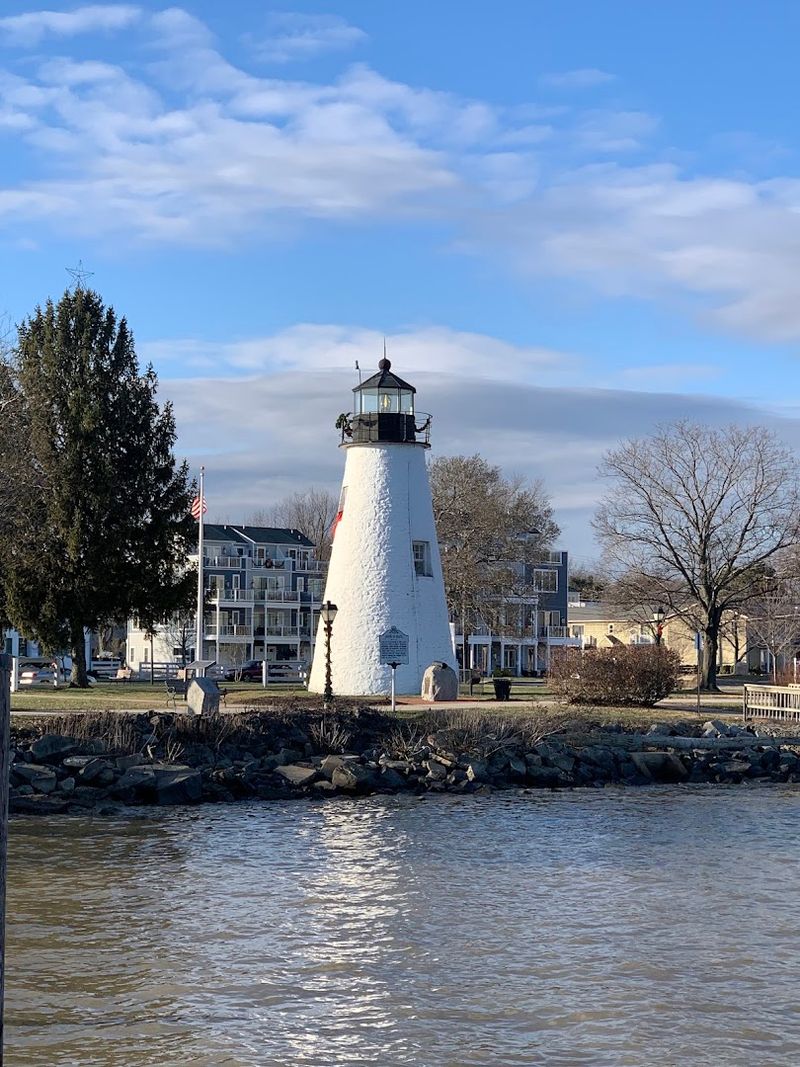
Every spring, Havre de Grace transforms into a living celebration of its most famous tradition. The Havre de Grace Decoy and Wildlife Art Festival draws tens of thousands of visitors from across the country to browse, buy, and admire some of the finest decoy work being produced today.
The festival features hundreds of vendors, live carving competitions, educational seminars, and wildlife art exhibitions that stretch along the city’s beautiful waterfront. Serious collectors come ready to spend, while curious newcomers often leave with a brand-new appreciation for the skill involved in making a wooden duck look genuinely alive.
Kids especially love watching carvers work in real time, shaping raw blocks of wood into recognizable birds right before their eyes. The festival is not just a shopping event; it is a community celebration that keeps the decoy tradition vibrant and relevant for a whole new generation of admirers and future craftspeople.
Charlie Joiner and the Art of the Working Decoy

Not every great decoy carver sought the spotlight, and Charlie Joiner was proof of that. A quiet craftsman from the Havre de Grace area, Joiner produced working decoys that hunters actually put on the water, and his birds were legendary for how well they attracted real ducks.
Joiner understood something that separated the best carvers from the rest: a decoy had to look right from a duck’s perspective, not just a human one. He paid close attention to body shape, head position, and paint patterns that mimicked real waterfowl in natural light on open water.
His decoys were tools first and art second, but that did not make them any less remarkable. Today, original Joiner decoys are prized by collectors who recognize the deep practical knowledge embedded in every curve and brushstroke.
His work reminds us that functional beauty has always had a home along the Chesapeake Bay.
The Role of the Chesapeake Bay in Shaping Decoy Culture

You cannot tell the decoy story without talking about the Chesapeake Bay. As the largest estuary in the United States, the Bay has always been a magnet for migratory birds traveling along the Atlantic Flyway, one of North America’s major bird migration routes.
Each fall, hundreds of thousands of canvasbacks, redheads, mallards, and Canada geese funnel through the northern Bay near Havre de Grace. That annual spectacle made the region one of the most productive hunting grounds on the East Coast for over a century.
The Bay’s ecology directly shaped what kinds of decoys carvers made and how they painted them. Species-specific details mattered enormously because hunters needed birds that matched the ducks actually present on the water that season.
The Chesapeake Bay was not just a backdrop to the decoy capital story; it was the engine that drove the entire tradition forward.
Decoy Carving as an American Folk Art Form
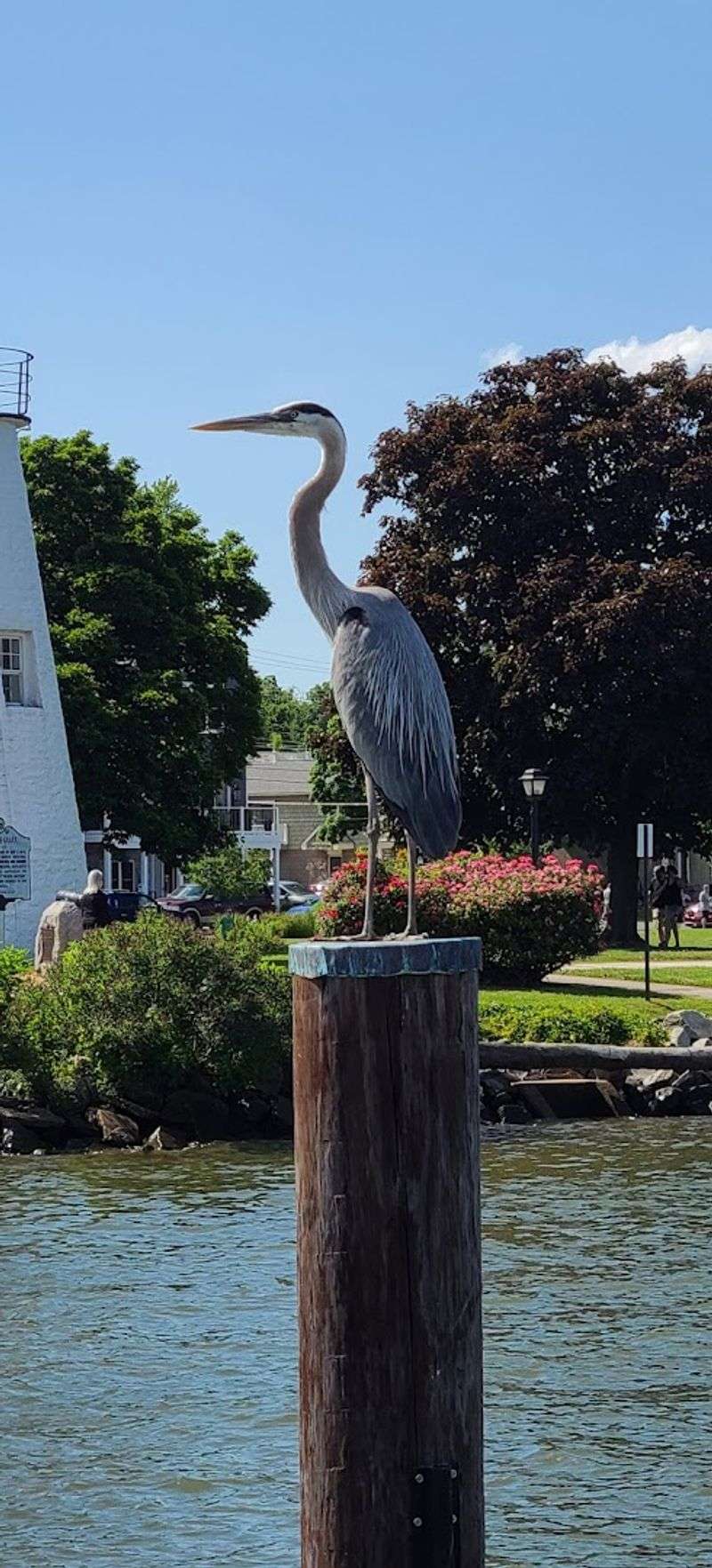
At some point, decoy carving crossed a line from craft into art, and the carvers of Havre de Grace helped make that happen. By the mid-20th century, museums and collectors began recognizing decoys not just as hunting tools but as genuine examples of American folk art.
The Smithsonian Institution, major auction houses, and prestigious galleries all began acquiring and displaying Chesapeake Bay decoys. Prices for antique birds by master carvers climbed into the thousands and eventually the tens of thousands of dollars, reflecting their cultural significance.
What made this recognition so meaningful was that it honored ordinary working people who had never thought of themselves as artists. Hunters, fishermen, and tradespeople had been creating objects of genuine beauty for purely practical reasons.
Havre de Grace and its carvers became symbols of a uniquely American creative tradition rooted in the natural world and everyday life along a great waterway.
Women Carvers Who Shaped the Tradition
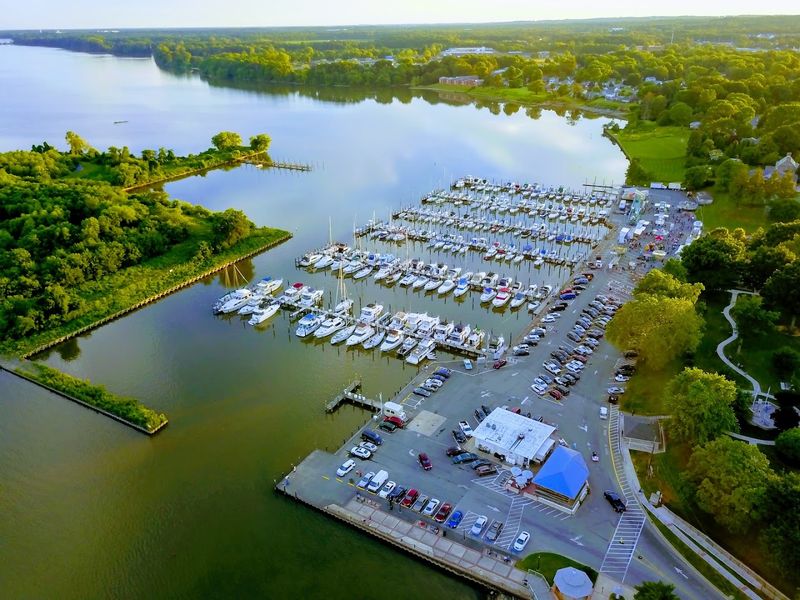
History books about decoy carving have not always told the full story. Women played a meaningful role in the tradition, particularly in painting decoys, a skill that required an entirely different kind of expertise than the carving itself.
Painting a decoy meant understanding feather patterns, color gradations, and how pigments appeared on open water under different light conditions. Some women developed such refined painting skills that their work became just as collectible as the carving they decorated.
A beautifully carved bird with a poor paint job was still a poor decoy.
As the craft evolved into fine art, more women began carving as well, bringing fresh perspectives and new styles to a tradition that had been male-dominated for generations. Today, female carvers compete and exhibit at festivals across the country, and their contributions to the Havre de Grace decoy story are finally receiving the recognition they deserve.
How Decoy Collecting Became a Serious Hobby

Somewhere along the way, people started buying decoys not to hunt with them but simply to own them. Decoy collecting grew into a serious hobby throughout the second half of the 20th century, attracting passionate enthusiasts who studied regional styles, carver signatures, and historical provenance with remarkable dedication.
Havre de Grace became a destination for collectors because of its deep well of local talent and its proximity to the waterways where so many historic decoys had been used. Antique shops, estate sales, and specialized auctions in the area regularly turned up rare birds that sent collectors into a frenzy.
Today, major auction records for antique decoys run into six figures, and serious collectors maintain databases of known carvers and their identifying characteristics. What began as a practical hunting tool has become an investment-grade collectible with its own scholarly literature, dedicated publications, and a global community of devoted enthusiasts centered firmly in Maryland.
The Havre de Grace Walking Tour: Decoy Heritage on Every Corner
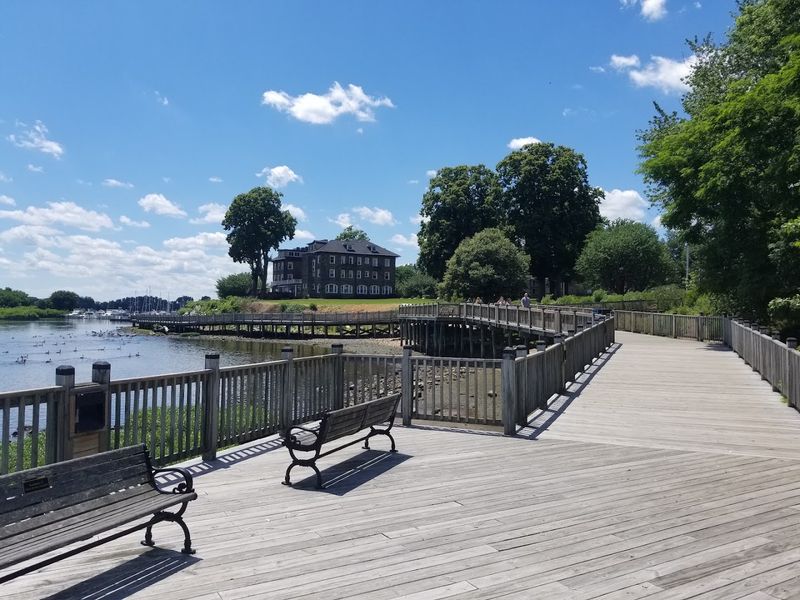
One of the best-kept secrets about Havre de Grace is how much of its decoy history you can experience simply by walking around town. The city has embraced its heritage so thoroughly that references to the craft appear in public art, architecture, and signage throughout the historic downtown.
Decorative decoy sculptures are placed along the waterfront promenade, and historic markers point out locations tied to famous carvers and hunting traditions. The Decoy Museum anchors one end of the experience, but the whole city functions as an open-air exhibit of its own remarkable past.
Guided walking tours are available seasonally and cover everything from the geological history of the Susquehanna Flats to the life stories of individual carvers. For visitors who enjoy history that feels personal and rooted in real places, a walk through Havre de Grace delivers something that no exhibit case alone ever quite could.
Why the Decoy Capital Title Still Matters Today
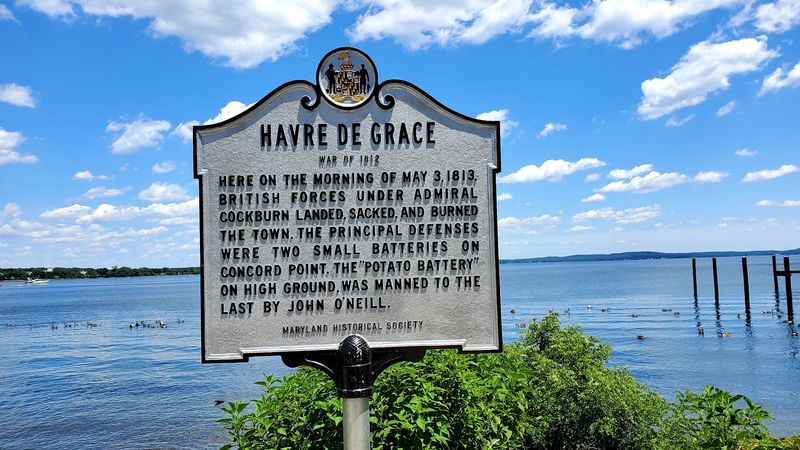
Titles can fade into irrelevance when the traditions behind them disappear, but Havre de Grace keeps proving that its decoy capital crown still fits. New generations of carvers are learning the craft through workshops, mentorships, and competitions that connect them directly to the city’s history.
The annual festival continues to grow, bringing economic vitality to local businesses while keeping the spotlight on an art form that might otherwise have slipped into obscurity. Schools in the area incorporate local decoy history into their curricula, making sure young residents understand what makes their hometown genuinely unique.
Beyond the economics and tourism, the title matters because it represents something deeply human: the ability to find beauty in a practical object and to pass that appreciation down through generations. Havre de Grace did not just earn a nickname; it built an identity around craftsmanship, nature, and community pride that continues to inspire people from all walks of life.
Enjoyed this story?
Add Fast Food Club as a preferred source to see more of our reporting on Google.