


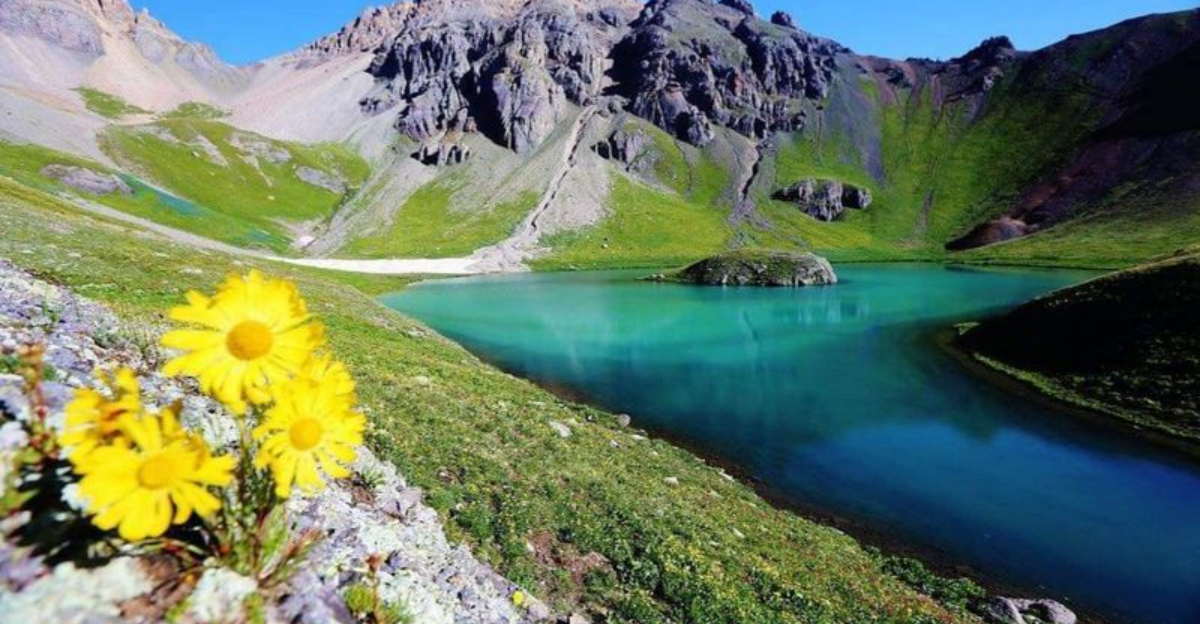
Tucked deep in the heart of the San Juan Mountains in southwestern Colorado, there is an alpine lake so impossibly blue that first-time visitors often stop and stare, wondering if their eyes are playing tricks on them. The vivid, jewel-like color comes from glacial minerals and the crystal-clear high-altitude water reflecting a perfectly blue sky.
Whether you are an avid hiker, a nature photographer, or simply someone who loves breathtaking scenery, this place will leave you speechless. Read on to discover everything that makes this stunning Colorado alpine lake and its surrounding San Juan Mountains so unforgettably magical.
The Unreal Blue Color of the Lake
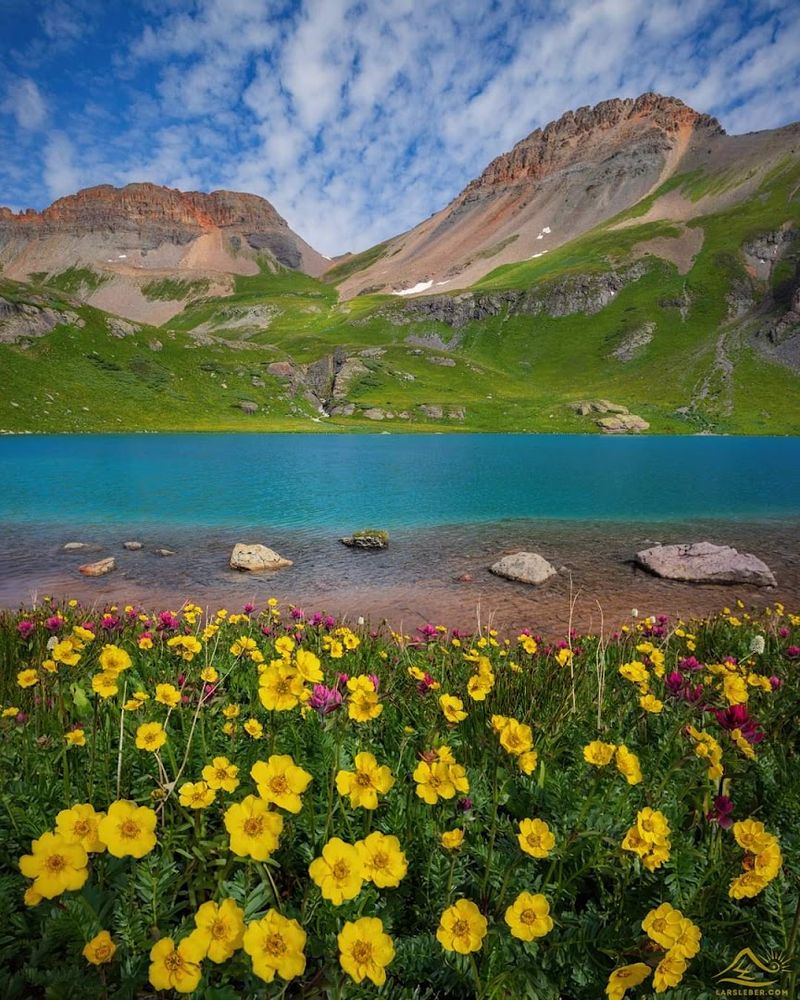
Some colors in nature seem almost too perfect to be real, and the electric blue of this San Juan Mountains alpine lake is exactly that. The water glows with an intensity that makes you want to reach out and touch it just to confirm it is not a painting.
The color comes from a combination of glacial rock flour, mineral content, and the way sunlight scatters through ultra-clear high-altitude water. At elevations above 11,000 feet, the thinner atmosphere allows more direct sunlight to penetrate the surface, amplifying the vivid hue.
Photographers who visit often say no filter is needed — the natural color is already surreal enough. Many visitors find themselves circling the shoreline repeatedly just to see how the shade shifts throughout the day.
Morning light gives the water a deep sapphire tone, while midday sun turns it a bright turquoise that genuinely looks unreal.
Blue Lakes Trail Near Mount Sneffels
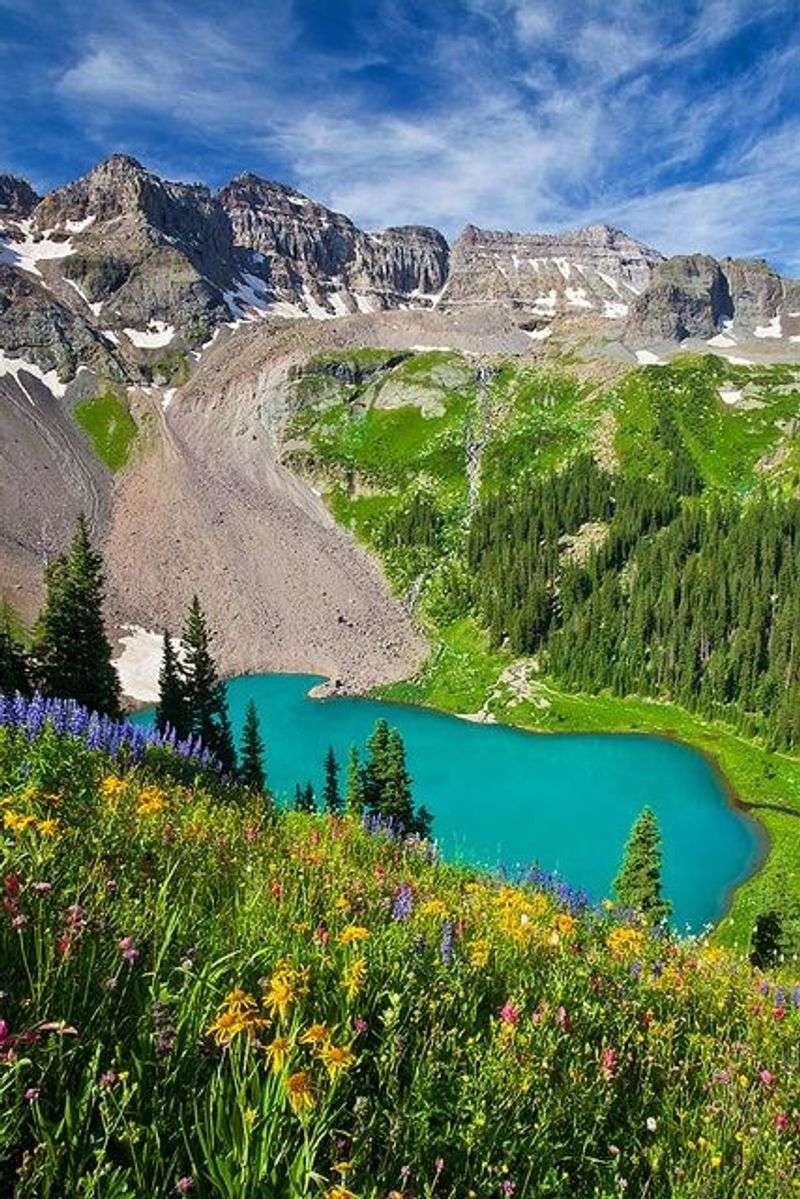
Few trails in Colorado reward hikers as generously as the Blue Lakes Trail near Mount Sneffels. From the very first steps, the path winds through wildflower meadows before climbing steadily toward one of the most photographed lake basins in the entire state.
The lower Blue Lake sits at around 11,000 feet and greets you with that jaw-dropping turquoise color that earned it legendary status among Colorado outdoor enthusiasts. Keep climbing and you will find the upper lakes, each one reflecting the dramatic silhouette of 14,150-foot Mount Sneffels above.
Starting elevation is approximately 9,400 feet, so if you are coming from lower altitudes, give yourself a day to acclimatize before tackling this trail. Round trip, the hike to Lower Blue Lake is about five miles with manageable elevation gain.
Bring layers — afternoon thunderstorms roll in fast during summer months in the San Juans.
The San Juan Mountains: Colorado’s Switzerland
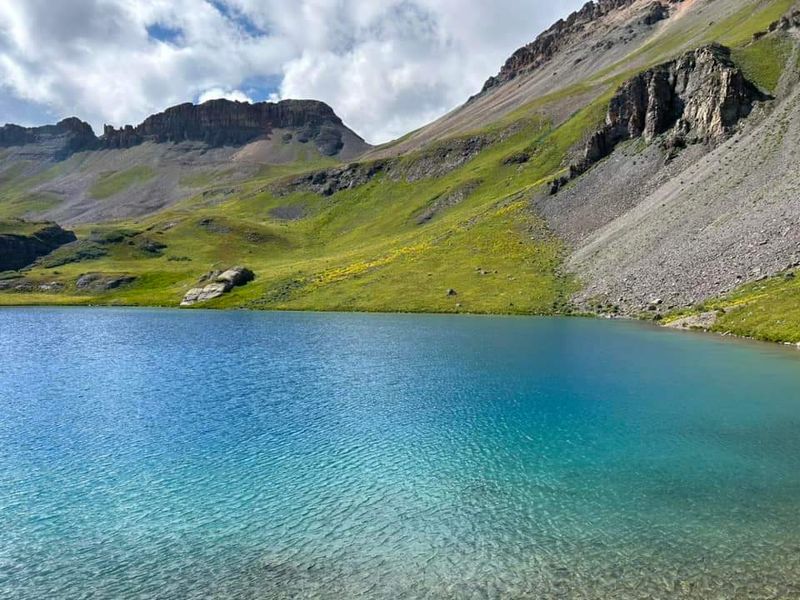
Locals and travel writers have called the San Juan Mountains the “Switzerland of America” for well over a century, and standing among these jagged peaks, it is easy to understand why. The range boasts more than a dozen fourteeners — peaks exceeding 14,000 feet — and an almost endless variety of dramatic landscapes.
Unlike some mountain ranges that feel uniform, the San Juans shift personality constantly. One valley might be blanketed in golden aspen trees while the next opens into a stark volcanic landscape of rust-red rock.
Ghost towns from the silver and gold mining era dot the hillsides, adding a layer of history to every drive.
Visitors consistently rate this range among Colorado’s most beautiful destinations, with a 4.9-star average from travelers who describe it as majestic, breathtaking, and unlike anything else in the American West. Plan to spend several days here — one is never enough.
Wildflower Season in American Basin
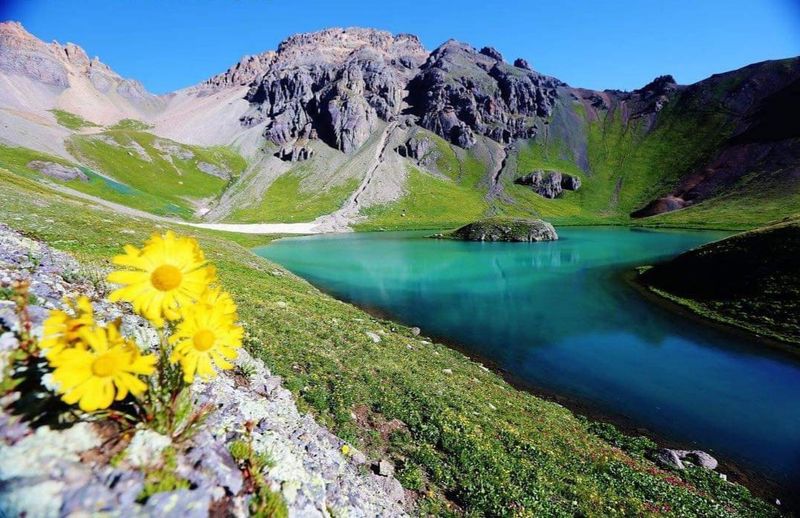
Every July and August, American Basin in the San Juan Mountains transforms into one of the most colorful natural spectacles in North America. The basin, sitting at roughly 12,000 feet, becomes a carpet of purple, red, yellow, and blue wildflowers that seems almost too vivid to be real.
Colorado’s state flower, the Rocky Mountain columbine, blooms here alongside elephant’s head, Parry’s primrose, and marsh marigold. Wildlife enthusiasts will also spot rufous hummingbirds darting between blossoms and furry little pikas scurrying across rocky slopes.
American Basin is about a five-hour drive from Denver, located deep in the southern San Juans. A high-clearance vehicle is recommended for the access road, though conditions vary.
Arriving early in the morning is highly advised — not only to beat afternoon thunderstorms but also to catch the flowers while they are freshest and the light is most beautiful for photography.
Altitude Awareness: Hiking Above 9,000 Feet
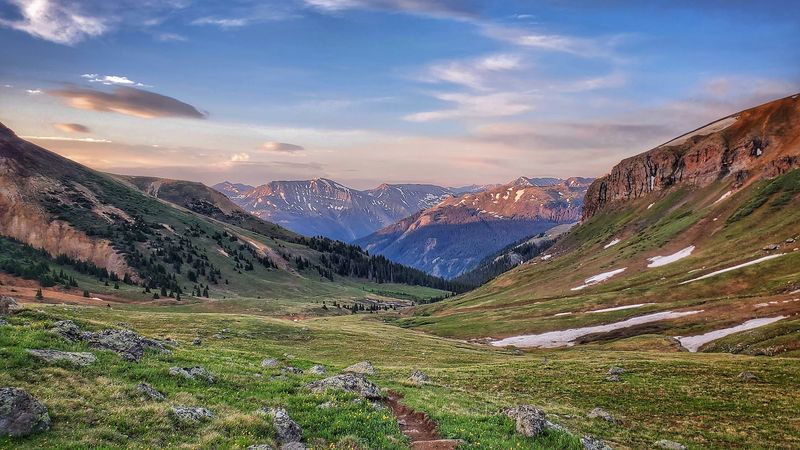
Here is something every first-time visitor to the San Juan Mountains needs to know: the altitude will humble you faster than you expect. Most trailheads in this range start at 9,000 feet or higher, and the air at that elevation contains significantly less oxygen than what most people are used to at sea level.
Common altitude symptoms include headaches, dizziness, shortness of breath, and fatigue. The good news is that a little preparation goes a long way.
Spend at least one night in a mountain town like Ouray or Silverton before attempting a strenuous hike, and drink far more water than you think you need.
Layering your clothing is equally important. Even on a warm August day, temperatures can plunge quickly as you gain elevation or when clouds roll in.
Smart hikers pack a rain jacket, an extra fleece, and sunscreen — the thinner atmosphere means stronger UV rays hit your skin much more intensely up here.
The Million Dollar Highway: A Drive Like No Other
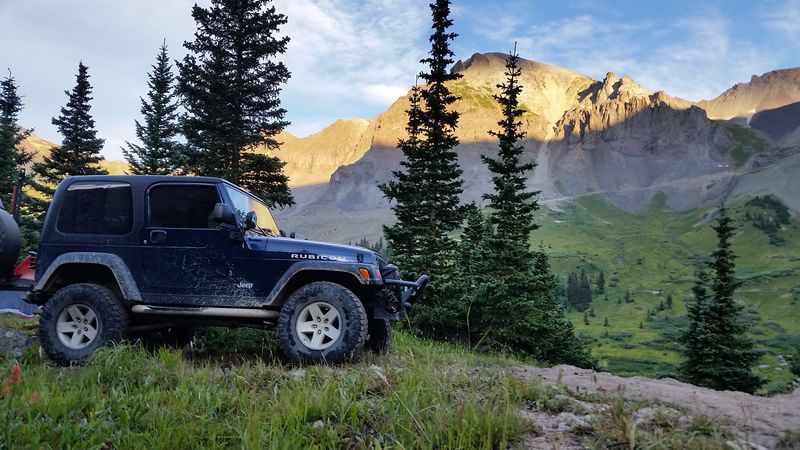
Carved directly into billion-year-old basement rock, the stretch of US-550 known as the Million Dollar Highway between Silverton and Ouray is one of the most thrilling — and nerve-wracking — drives in the United States. The road hugs cliff faces with steep drop-offs and very few guardrails, demanding full attention from drivers.
The payoff, however, is extraordinary. Red Mountain Pass rises above 11,000 feet and offers views of rust-colored mineral peaks stained by centuries of iron oxide deposits.
Pull off at the designated areas to photograph the landscape and explore the short dirt roads near the pass summit.
Travelers who have driven iconic routes like Going-to-the-Sun Road in Glacier National Park or Beartooth Highway in Wyoming consistently rank the Million Dollar Highway among the best scenic drives in America. Take your time, keep your eyes on the road when the cliffs get close, and stop in Ouray afterward for a well-earned meal.
Ouray: The Jewel of the San Juans
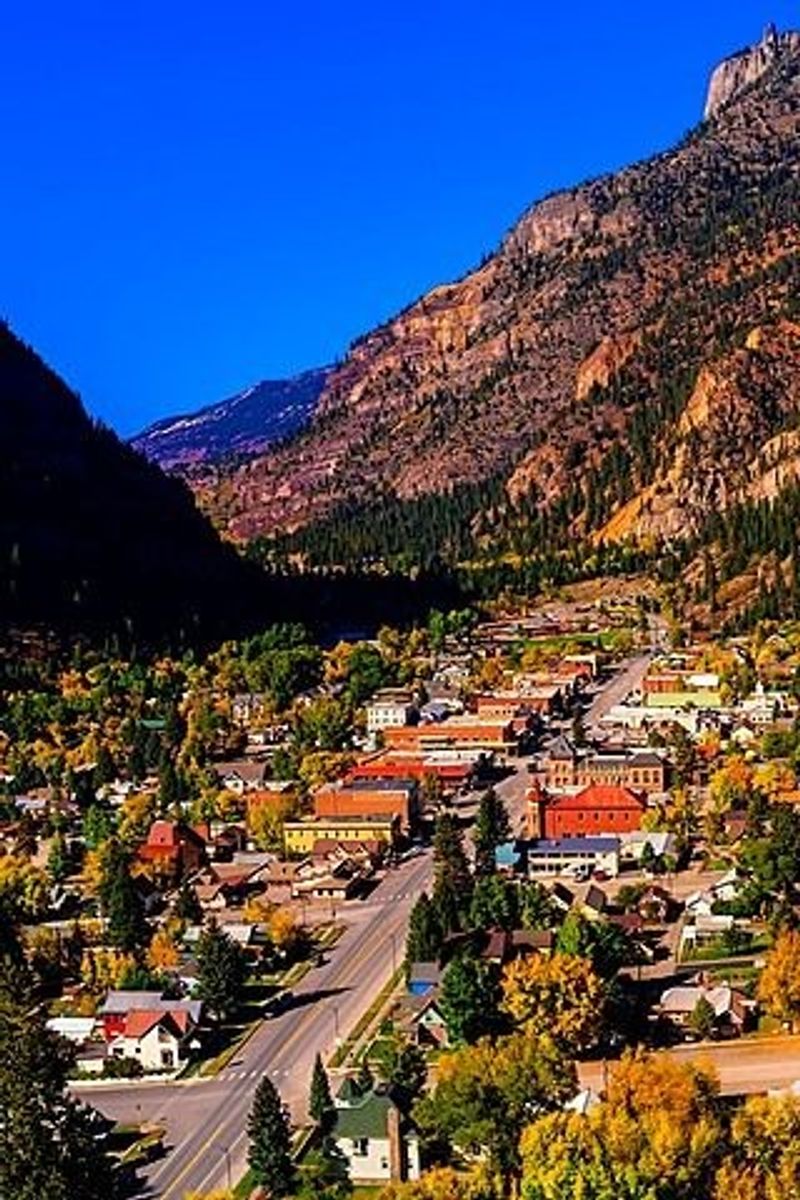
Ouray sits at the bottom of a narrow canyon surrounded on three sides by walls of rock that rise nearly straight up from the valley floor. Locals call it the “Little Switzerland of America,” and the comparison feels completely fair the moment you arrive and tilt your head back to take it all in.
The town itself is wonderfully walkable, packed with Victorian-era buildings, locally owned restaurants, hot spring pools, and art galleries. After a long day on the trail, soaking in Ouray’s geothermal hot springs with mountain peaks towering overhead is an experience that is genuinely hard to beat.
In winter, Ouray becomes famous for its ice climbing festival, drawing athletes from around the world to scale frozen waterfalls inside the Ouray Ice Park — the world’s first public ice climbing park. No matter the season, this small town of fewer than 1,000 residents delivers an outsized mountain experience that keeps visitors coming back year after year.
Silverton and the Ghost Town Legacy
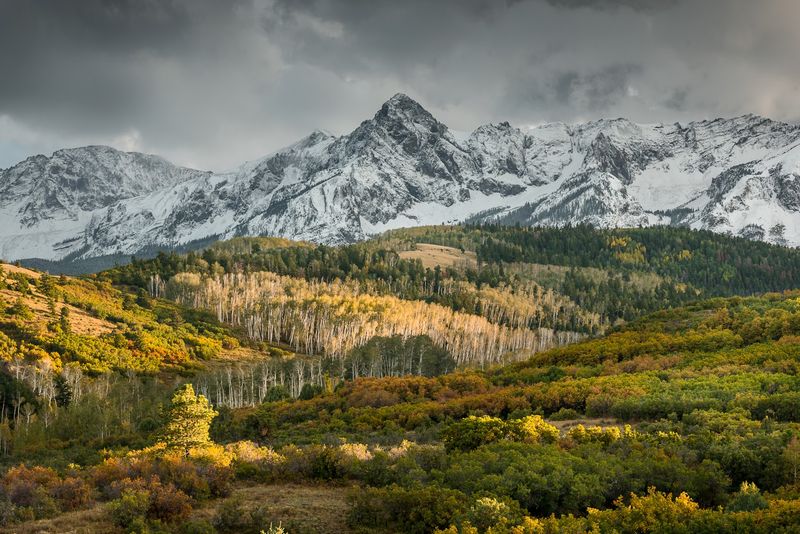
Silverton feels like a town that time forgot in the best possible way. Perched at 9,318 feet in a bowl ringed by some of the San Juans’ most dramatic peaks, this National Historic Landmark District preserves the wild, rough-around-the-edges character of a genuine Colorado silver mining boomtown.
During its peak in the late 1800s, Silverton was home to saloons, brothels, and thousands of miners chasing silver fortunes deep in the surrounding mountains. Today, the old mines are silent, but the colorful storefronts and Victorian facades remain largely intact, creating an atmosphere that feels genuinely historic rather than staged.
The narrow-gauge Durango and Silverton Railroad still runs steam-powered trains through the dramatic Animas River canyon, offering one of the most scenic train rides in the American West. Whether you arrive by train or by road, Silverton is the kind of place that makes you slow down, breathe the thin mountain air, and appreciate just how spectacular this corner of Colorado truly is.
Aspen Trees and Fall Color in the San Juans
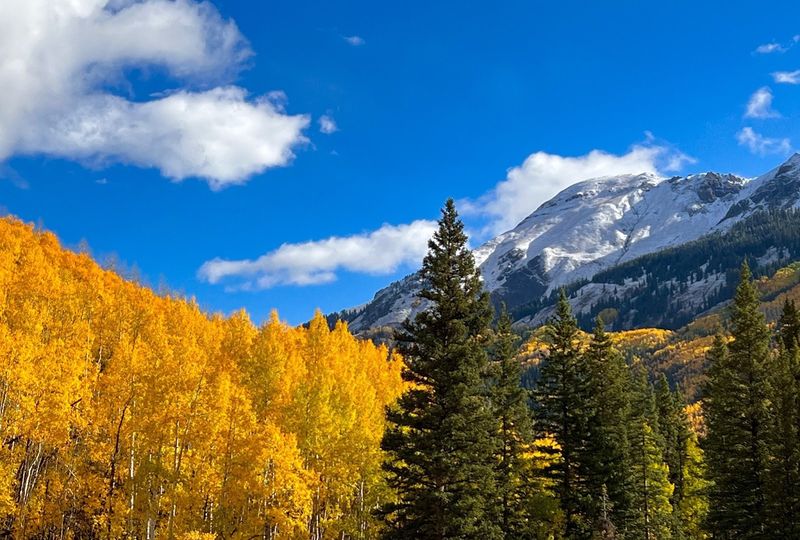
When September arrives in the San Juan Mountains, something magical happens. The aspen trees ignite in shades of gold, amber, and orange that sweep across entire mountainsides, creating a contrast against the dark evergreen forests and gray rocky peaks that photographers travel thousands of miles to capture.
Last Dollar Road near Telluride is one of the finest spots to experience this transformation. The gravel road winds through aspen groves and open meadows with the jagged San Juan peaks as a constant backdrop.
Most of the road is accessible to standard two-wheel-drive vehicles in dry conditions, making it a popular fall color destination for families and casual visitors alike.
Peak color typically arrives between mid-September and early October, though it shifts slightly from year to year depending on temperatures. Arriving on a weekday rather than a weekend will help you avoid crowds and find better parking at popular viewpoints.
The San Juans in fall are, without exaggeration, among the most beautiful sights in all of North America.
Stargazing Under the Milky Way
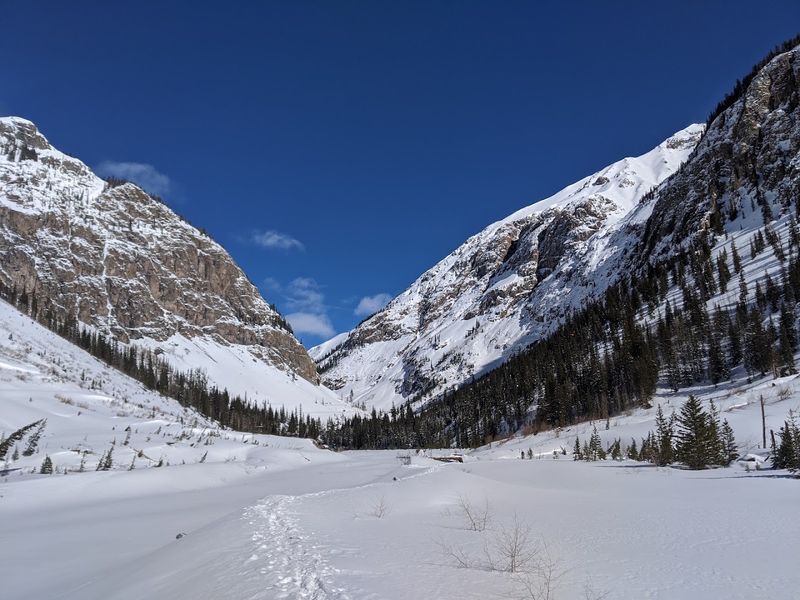
With minimal light pollution and elevations that put you closer to the stars than almost anywhere else in the lower 48 states, the San Juan Mountains offer some of the most spectacular stargazing in the entire country. On a clear night, the Milky Way stretches across the sky in a dense, glowing band that looks almost too detailed to believe.
Visitors who have spent nights camping in the San Juans describe the experience as humbling and life-changing. Away from city glow, constellations appear sharp and brilliant, shooting stars streak through the darkness regularly, and on especially clear nights, the faint glow of distant galaxies becomes visible to the naked eye.
The best stargazing spots are away from towns and at higher elevations where the atmosphere is thinnest. Camping near alpine lakes adds a bonus — the still water acts like a mirror, reflecting the night sky below you as well as above, creating a 360-degree universe effect that is genuinely unforgettable.
Off-Road Adventures on San Juan Backcountry Trails
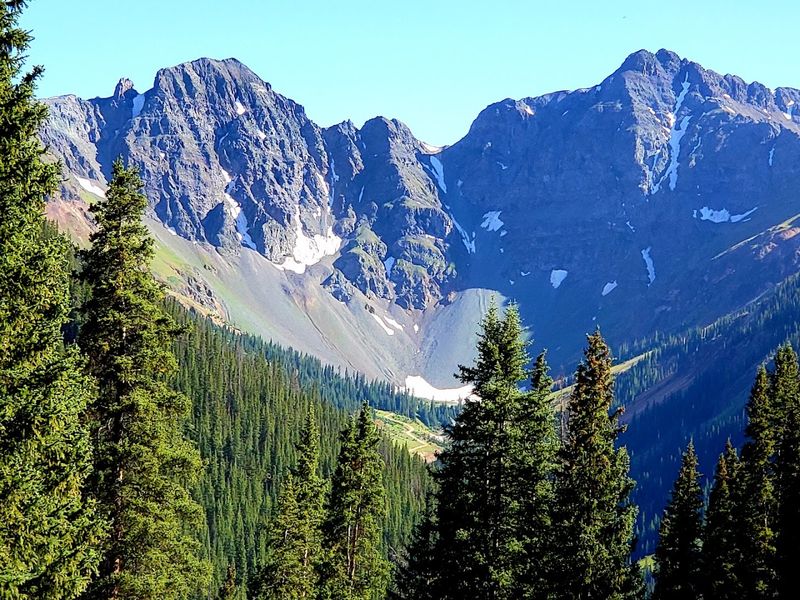
For off-road enthusiasts, the San Juan Mountains are basically paradise. The range is crisscrossed with hundreds of miles of historic mining roads that now serve as some of the most challenging and rewarding 4×4 trails in the country.
Routes like Imogene Pass, Engineer Pass, and Cinnamon Pass attract jeep and overland vehicle communities from across the nation.
These trails climb to staggering elevations — some exceeding 13,000 feet — while threading through alpine meadows, past abandoned mine structures, and along ridgelines with views that stretch for a hundred miles on clear days. The combination of technical terrain and jaw-dropping scenery makes every mile feel earned.
Beginners should join a guided tour or rent a purpose-built vehicle from one of the outfitters in Ouray or Silverton. Many rental companies offer route guidance and safety briefings specifically designed for first-timers.
Always check weather forecasts carefully, as afternoon storms can turn rocky trails into dangerous, slippery hazards with very little warning.
Wildlife Encounters in the High Country
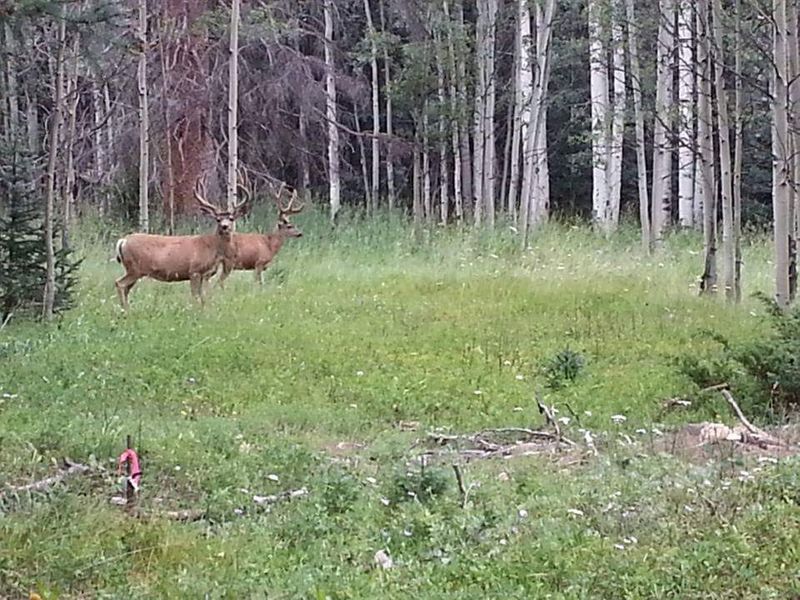
The San Juan Mountains support a remarkable diversity of wildlife that many visitors do not expect to encounter so readily. Rocky Mountain bighorn sheep frequently appear on rocky outcroppings near Red Mountain Pass, seemingly unbothered by passing vehicles or hikers below.
Marmots and pikas are almost guaranteed sightings on any hike above treeline.
Black bears roam the forested lower slopes, and elk herds can be spotted in open meadows during early morning and evening hours, particularly in late summer when they begin moving toward lower elevations for the rut. Birdwatchers find the range especially rewarding, with species ranging from golden eagles soaring above ridgelines to tiny rufous hummingbirds feeding on alpine wildflowers.
Wildlife viewing etiquette matters here. Always maintain a safe distance, never feed animals, and store food properly when camping.
The San Juan Mountains ecosystem is fragile at high altitudes, and respecting the wildlife ensures future generations get to experience these incredible encounters just as vividly as you do today.
Planning Your Visit: Best Times and Practical Tips
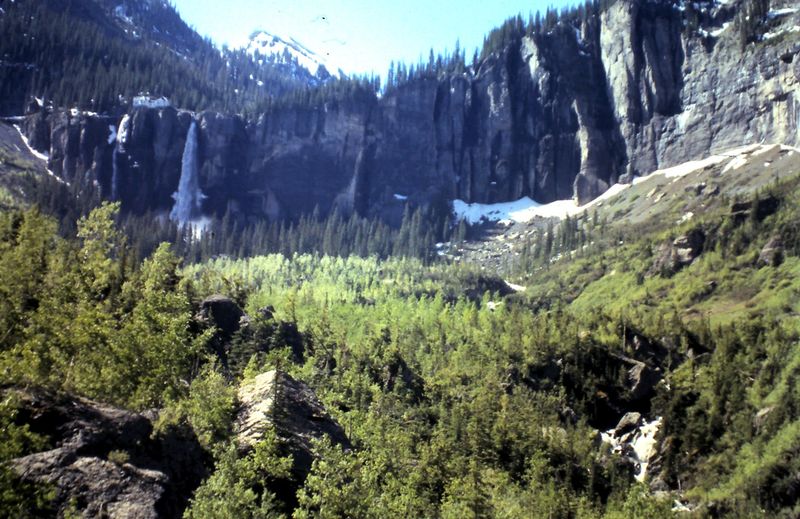
Timing your visit to the San Juan Mountains can make a huge difference in what you experience. Late July through mid-August is peak season for wildflowers and blue lake water clarity, making it ideal for hikers and photographers.
September brings stunning fall foliage with fewer crowds and cooler temperatures that make hiking genuinely comfortable.
Winter opens up a completely different world — ski resorts like Telluride operate nearby, and the snow-covered peaks take on a quiet, majestic quality that summer visitors never see. Spring tends to be muddy and unpredictable, with many high roads still closed due to snowpack well into June.
Accommodation fills up quickly in peak season, so booking several months ahead is strongly advised if you plan to stay in Ouray, Silverton, or Telluride. Camping is a wonderful alternative and allows you to experience the mountains at their most raw and quiet.
Always carry the Ten Essentials, tell someone your plans, and check weather forecasts before every outing.
Enjoyed this story?
Add Fast Food Club as a preferred source to see more of our reporting on Google.