


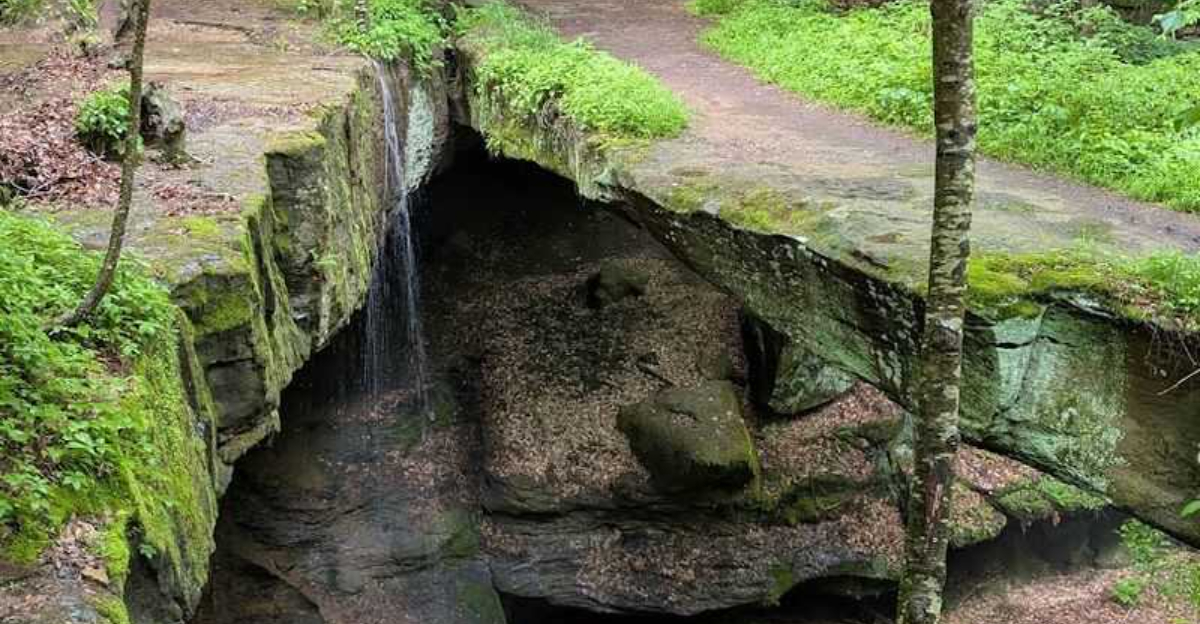
Tucked away in the rolling hills of Hocking County, Ohio hides one of the most jaw-dropping natural wonders you probably never knew existed. Rockbridge State Nature Preserve is home to the largest natural sandstone arch in the entire state, stretching an impressive 100 feet across a rocky gorge.
Most Ohioans drive right past the small sign on Route 33 without ever stopping to explore what lies down that winding dirt road. If you love hiking, wildlife, and stumbling upon places that feel almost too beautiful to be real, this hidden gem deserves a spot on your must-visit list.
Ohio’s Largest Natural Sandstone Arch
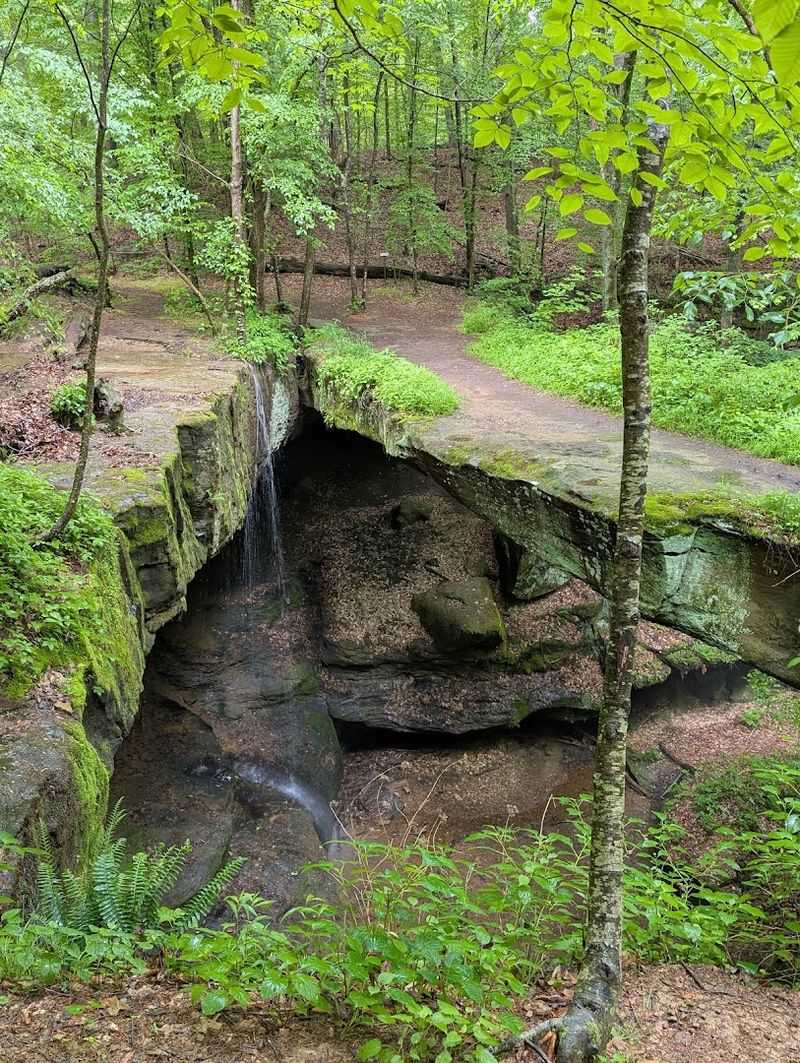
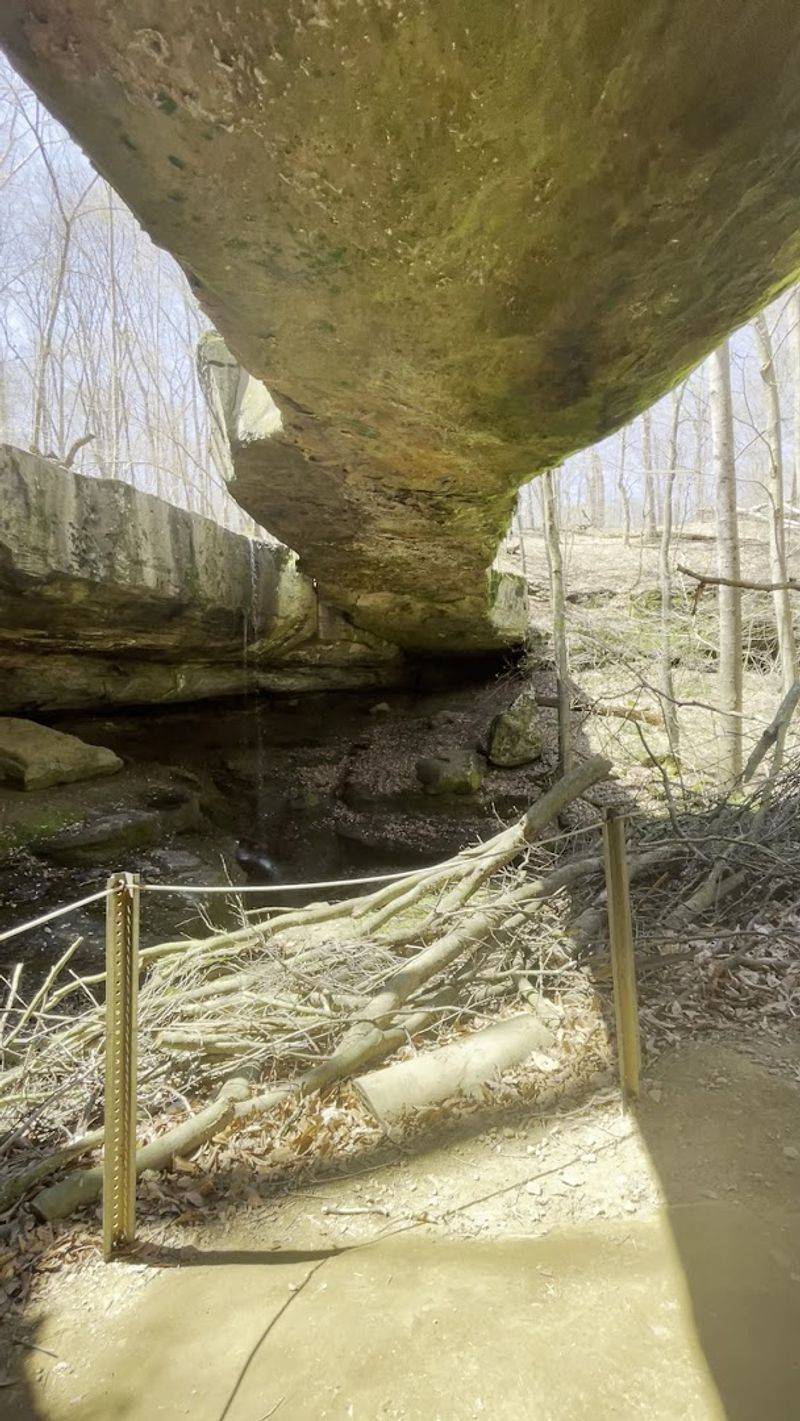
Standing beneath it for the first time, most visitors can barely believe their eyes. The Rockbridge natural arch stretches roughly 100 feet across and towers about 10 to 20 feet above the rocky drainage below, making it the largest natural bridge in Ohio.
Geologists believe it formed over thousands of years as water slowly carved through the soft sandstone layers.
What makes this arch especially exciting is that you can actually walk on top of it. You can also duck underneath and look up at the curved ceiling of ancient rock above you.
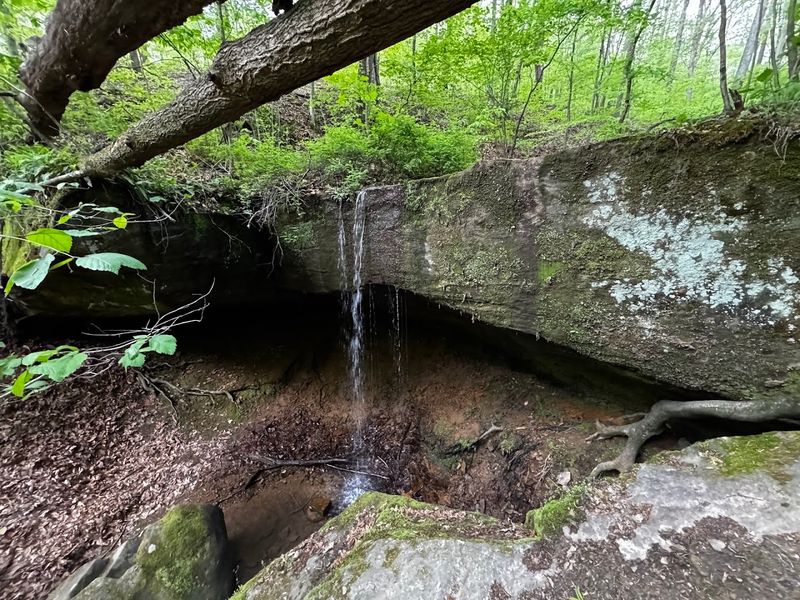
A small waterfall often trickles off the edge, adding a magical soundtrack to the whole experience.
Visitors who have seen famous arches out west are often surprised by how impressive this one feels. Finding something this extraordinary right here in Ohio feels like discovering a secret the rest of the world forgot to share.
The Trail System Worth Every Step
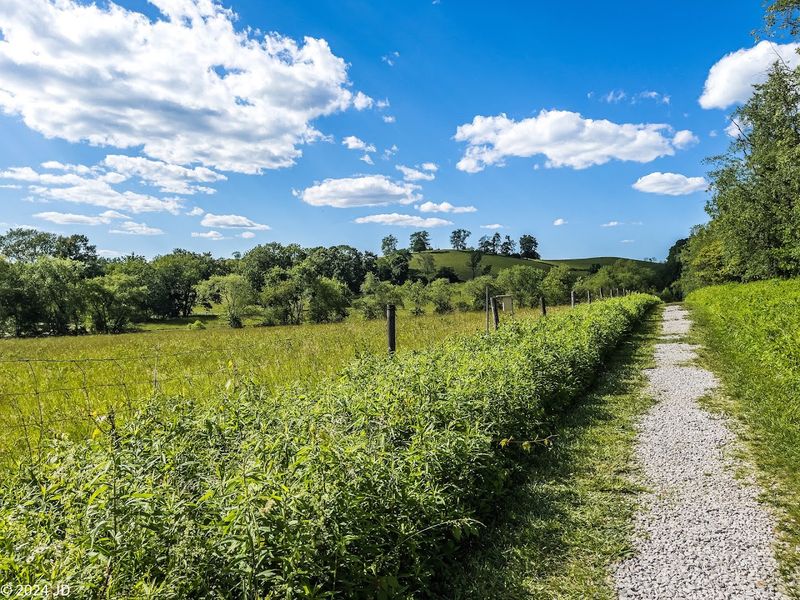
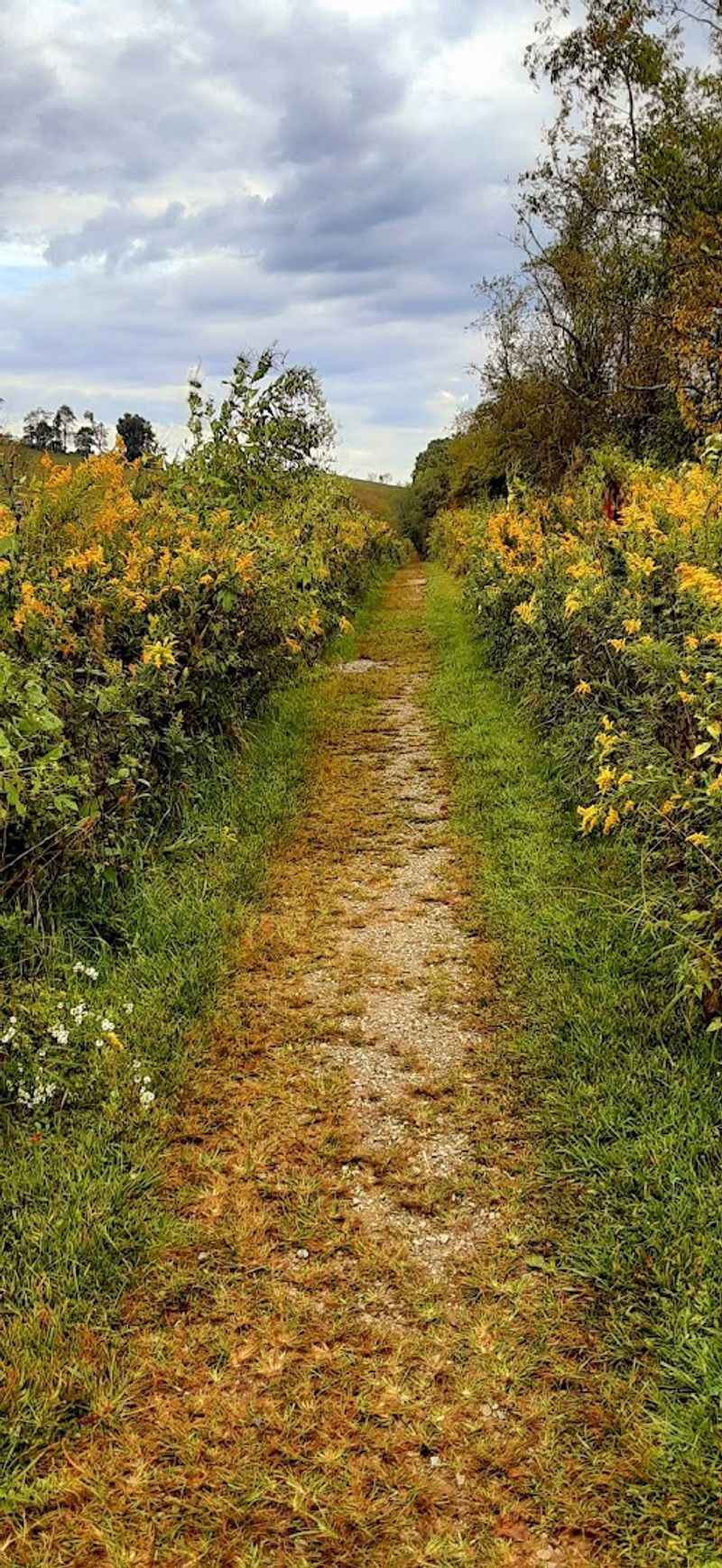
Two loop trails make up the hiking system at Rockbridge State Nature Preserve, and together they offer about 2.9 miles of unforgettable walking. The main loop takes hikers through grassy meadows, past a scenic cow farm, and then down into a forested valley where the rock bridge waits at the bottom.
Most people complete the full route in just over an hour, even with stops for photos.
The second loop adds extra distance and rewards those willing to push further with views of small rock shelters and ridgeline scenery. Trail intersections are clearly marked with maps posted at each junction, so getting lost is nearly impossible.
That said, the trails do feature some steep inclines and stretches covered in exposed tree roots.
Hikers of moderate fitness level will find the challenge manageable and absolutely worth it. Every twist in the path feels like it leads somewhere worth seeing.
Wildlife Encounters Along the Way
One of the quieter joys of visiting Rockbridge is the wildlife you stumble across without even trying. Deer, rabbits, and squirrels are spotted regularly along the trails, often darting through the underbrush just ahead of hikers.
Butterflies float through the meadow sections in warmer months, and birds fill the air with layered songs that echo through the valley.
Early morning visits tend to reward the most patient wildlife watchers. The preserve sits within a larger natural corridor near the Hocking River, which means animals move through freely and frequently.
Bring a pair of binoculars if you have them, because the birdwatching here can be genuinely impressive.
Wildflowers also bloom along the trail edges during spring, adding bursts of color to the green landscape. Honeysuckle fills the air with a sweet fragrance that hikers have described as one of the most pleasant surprises of the whole experience.
What to Expect From the Difficulty Level
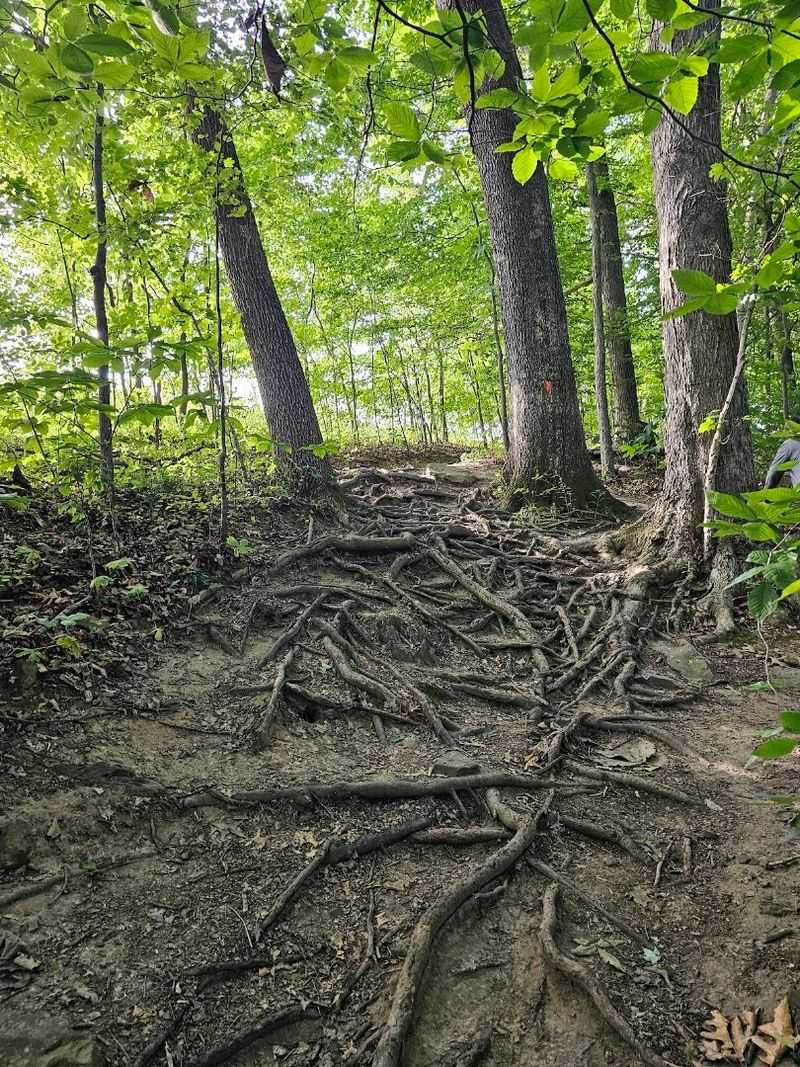
Rockbridge is not a casual stroll through flat ground, but it is far from an extreme challenge either. Most trail descriptions put it at a moderate difficulty level, with the main obstacles being elevation changes, steep hills, and sections of exposed roots that require careful footing.
Expect roughly 660 feet of total elevation change across the full 2.5-mile loop.
Beginners can absolutely handle this hike with proper footwear and a decent pace. However, young children will need adult supervision, especially near the rock bridge where there are significant drop-offs on either side.
The 5-year-old crowd can manage well, but toddlers will likely need to be carried for portions of the trail.
Winter visits add an extra layer of challenge because the inclines become slippery with ice. Hikers heading out in cold months should bring traction spikes for their boots and stick to snow-covered sections rather than icy trail centers.
The Hidden Waterfall Tucked Beside the Arch
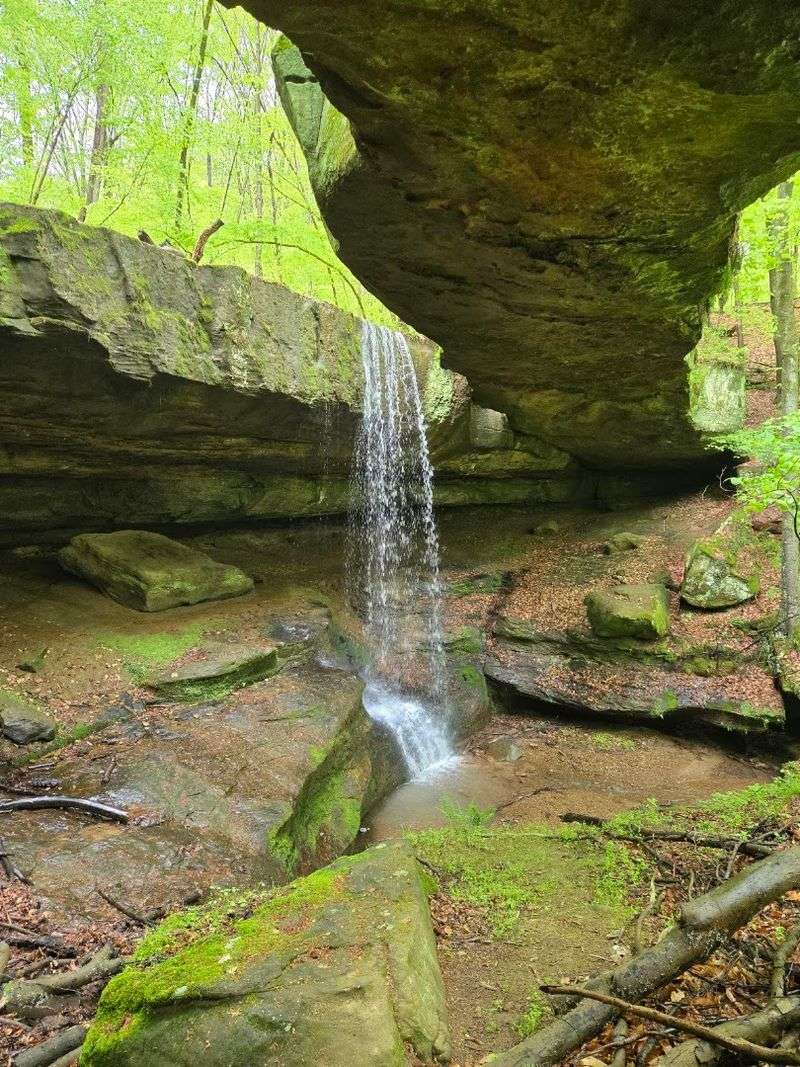
Not everyone realizes the rock bridge comes with its own waterfall. After rainfall, water flows over the edge of the arch and drops into the rocky drainage below, creating a misty, almost otherworldly scene.
Even visitors who have seen plenty of waterfalls elsewhere have commented that the combination of the arch and the falling water feels uniquely stunning.
One reviewer noted a surprising temperature drop near the waterfall, describing it as noticeably cooler than the surrounding trail. That natural air conditioning effect makes the spot feel even more refreshing on warm summer days.
The sound of rushing water bouncing off sandstone walls adds to the atmosphere in a way that photos simply cannot capture.
The waterfall is most dramatic after recent rain, so checking the forecast before your visit can help you plan for the best possible experience. Spring visits tend to offer the most impressive flow.
Parking, Access, and Practical Visitor Info
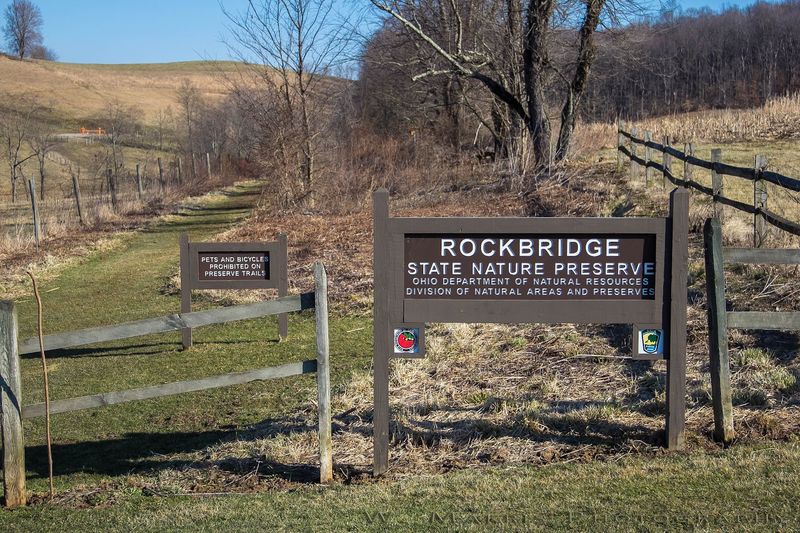
Getting to Rockbridge requires navigating a narrow dirt access road that surprises first-time visitors who expect something more polished. The parking lot at the trailhead holds roughly ten vehicles, which means arriving early on weekends is a smart move to avoid being turned away.
Overflow parking options are limited, so weekday visits offer a noticeably easier experience.
Admission to the preserve is completely free, which makes it one of the best budget-friendly outdoor destinations in Ohio. There are no trash cans on site, so pack out everything you bring in.
Restrooms are technically available but have received mixed reviews, with reports of limited access and a large fly population during warmer months.
Pets are not permitted on the trails, which is worth knowing before you load up the car with your four-legged hiking buddy. The preserve is managed by the Ohio Department of Natural Resources and can be reached by phone at 614-265-6453.
Hiking With Kids at Rockbridge
Families with kids have given Rockbridge consistently glowing reviews, and it is easy to understand why. The trail is short enough that even young children can complete most of it without wearing out completely.
One family reportedly completed the hike with three kids between the ages of two and five, with only the youngest needing to be carried occasionally.
Children absolutely love the rock bridge itself, but parents should keep a close eye near the edges since the drop-off is significant. The meadow sections and forest floor offer plenty of natural curiosity to keep young hikers engaged between the bigger highlights.
Spotting deer, butterflies, and squirrels along the way turns the whole outing into an impromptu nature lesson.
Bringing snacks and water is a must since there are no concessions anywhere near the trailhead. Pack light, dress in layers, and leave plenty of time so the kids can stop and explore without feeling rushed.
Best Times of Year to Visit
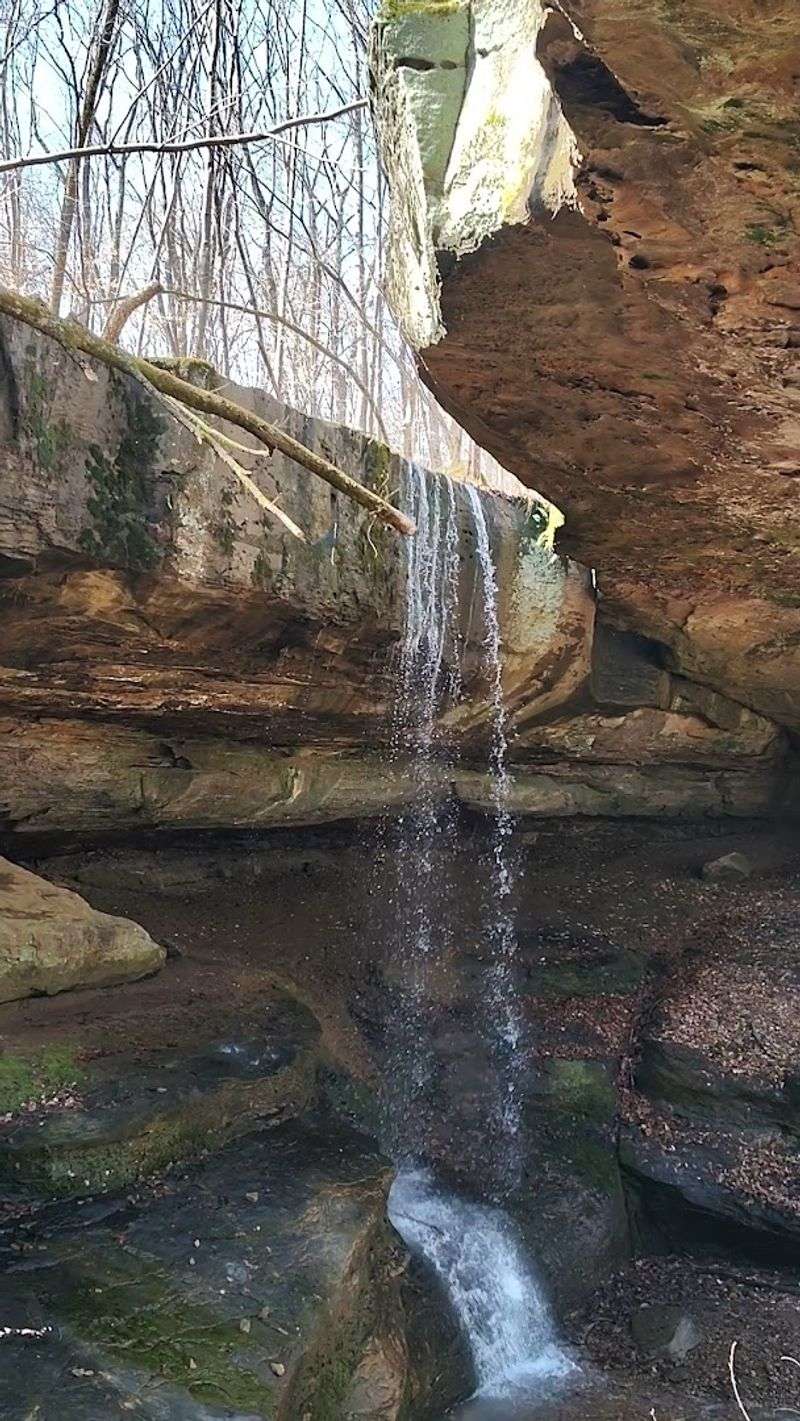
Spring is widely considered the crown jewel season for a Rockbridge visit. Wildflowers line the trail edges, the waterfall runs at full strength from recent rains, and the forest canopy is just starting to fill in with fresh green leaves.
Temperatures are comfortable for hiking and the bugs have not yet reached their summer peak.
Summer visits are perfectly enjoyable but come with more insects and higher humidity. Packing bug spray is highly recommended, and one creative visitor even suggested a vanilla extract and water spray as a natural repellent that seemed to work surprisingly well.
Fall brings colorful foliage to the ridgelines and a quieter crowd.
Winter hiking is possible but requires extra preparation due to icy trail conditions. The rock bridge takes on a dramatic, almost eerie beauty when surrounded by snow, making it worth the added challenge for experienced cold-weather hikers who come properly equipped.
The Scenic Meadow and Cattle Farm Along the Trail
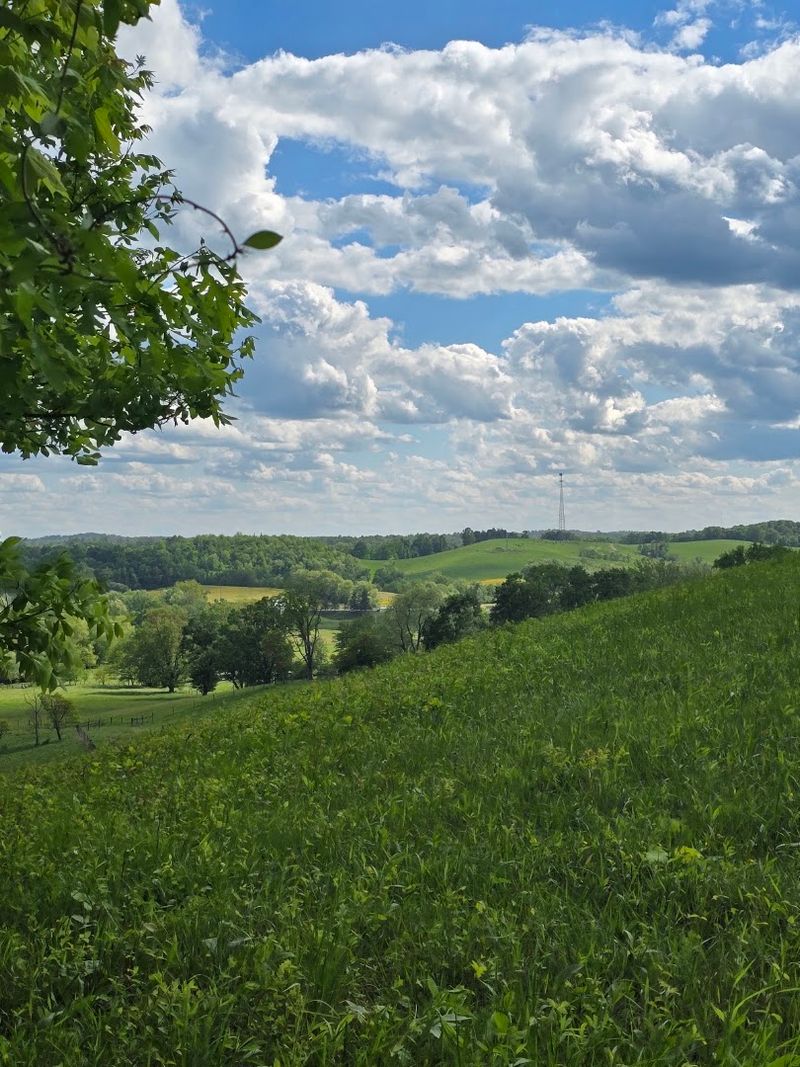
Before the trail drops into the forested valley, it passes through a stretch that feels completely different from what most people expect at a nature preserve. Grassy cattle fields border the path, offering open sky views and a pastoral charm that contrasts beautifully with the dense woodland ahead.
It is one of those unexpected moments that makes the hike feel like a real journey through varied landscapes.
The meadow section is relatively flat and easy to walk, making it a nice warm-up before the steeper terrain begins. Wildflowers pop up along the field edges in warmer months, and the open sky makes this a good spot to scan for birds of prey circling overhead.
Some visitors have spotted hawks and vultures riding thermals above the ridgeline.
That pastoral opening also gives hikers a sense of the broader geography of the area, sitting within the wider Hocking Hills region where farmland and wilderness exist side by side in striking harmony.
Rock Shelters and Ridge Views on the Second Loop
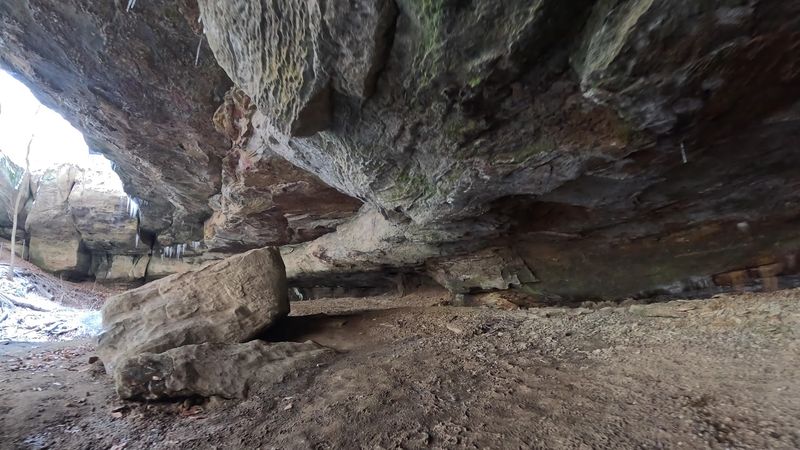
Most visitors stick to the main loop and head home after seeing the arch, but the second trail loop offers its own set of rewards for those willing to go a little further. This route climbs up to the ridgeline and passes by small rock shelters tucked into the sandstone cliffs, remnants of the same geological forces that created the famous arch below.
From the top of the ridges, hikers get sweeping views of the surrounding Hocking Hills landscape that stretch out in every direction. The descent back down reconnects with the main trail near the rock bridge, giving visitors one final look at the arch before heading back to the parking lot.
The full two-loop experience clocks in at roughly 2.9 miles total.
Moderately experienced hikers will find this extended route well worth the extra effort. The variety of terrain and scenery across both loops makes Rockbridge feel much larger and more diverse than its modest trailhead suggests.
The Hocking River and Canoe Access Point
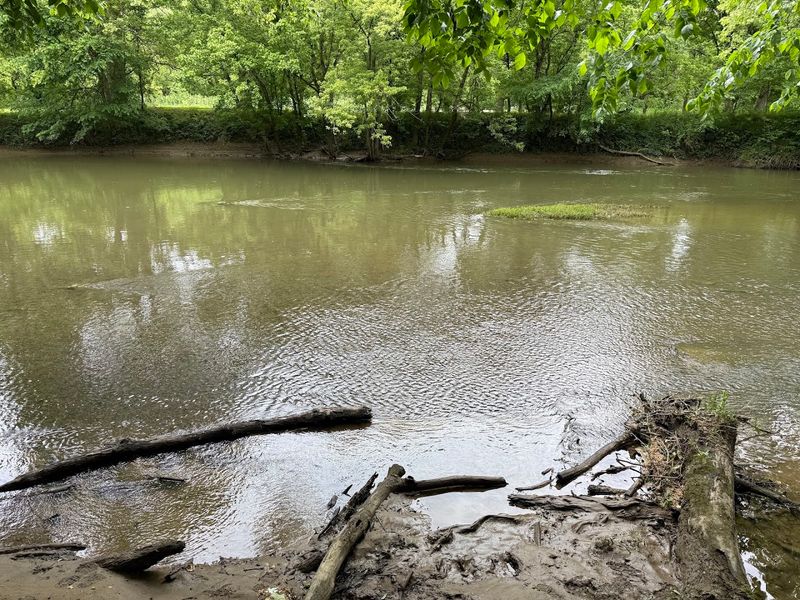
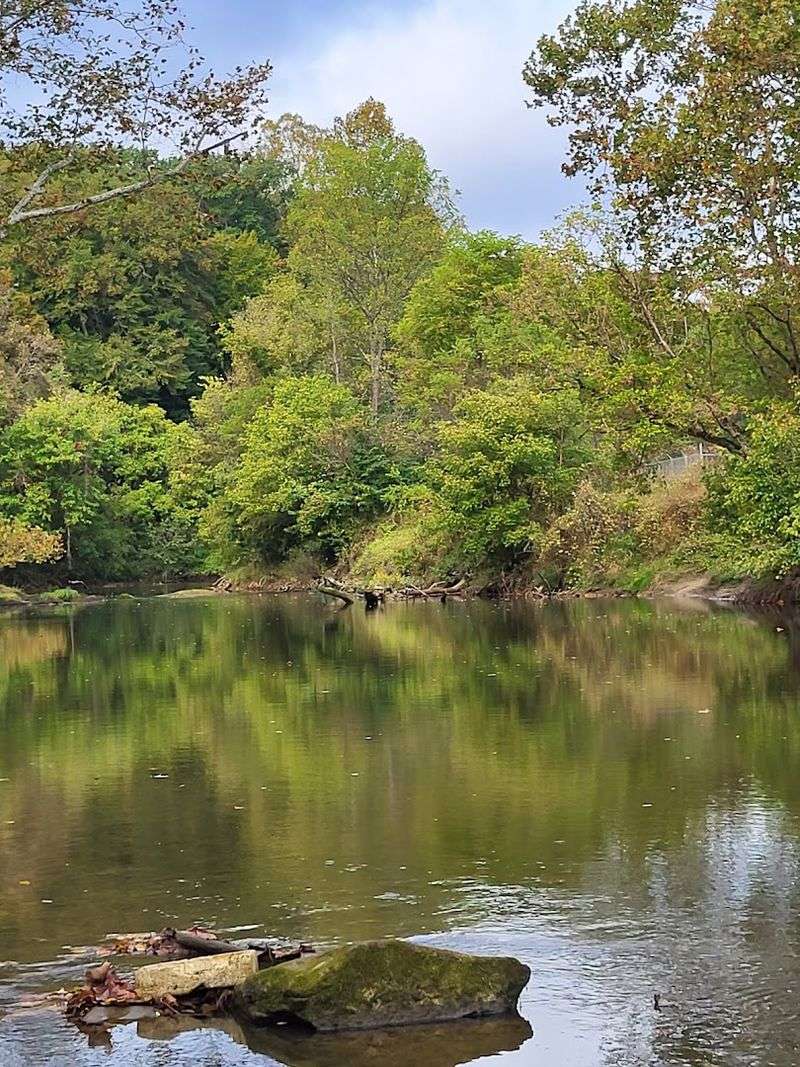
Not many people realize that Rockbridge State Nature Preserve also offers access to the Hocking River. A canoe put-in point sits near the lower section of the trail, making this preserve a potential starting point for paddle adventures along one of Ohio’s most scenic waterways.
Seeing the river glinting through the trees as you hike back toward the parking lot is a genuinely lovely parting image.
The river adds a whole extra dimension to the preserve beyond just the rock bridge and the hiking trails. On the walk back, the trail offers brief open views of the water and the skyline beyond the treeline, which several visitors have described as unexpectedly beautiful.
Even if you are not bringing a canoe, the river viewpoints feel like a quiet bonus reward at the end of the hike.
Water levels vary seasonally, so paddlers should check conditions before launching. The area surrounding the river also supports a rich variety of aquatic birds worth watching for.
Tips for Staying Safe on the Trail
Poison ivy grows along portions of the Rockbridge trail, and it is worth knowing about before you go. Wearing long pants and staying on the marked path significantly reduces your risk of an unpleasant encounter.
Learning to identify the plant’s three-leaf clusters before your visit is a smart move, especially if you are bringing children along.
Exposed roots cover large sections of the trail and can catch an unsuspecting foot off guard, particularly on downhill stretches. Sturdy hiking boots with ankle support are strongly recommended over sneakers or sandals.
Trekking poles can also be a real help on the steeper sections, especially for older hikers or anyone with knee sensitivities.
Bringing enough water is non-negotiable since there are no water sources or concession areas anywhere on the property. A small first aid kit tucked into your pack rounds out a solid safety plan for what is otherwise a very manageable and rewarding outdoor adventure.
Why Rockbridge Deserves More Recognition
Ohio does not always get credit for its natural wonders, but Rockbridge is exactly the kind of place that should be on every nature lover’s radar. The combination of a massive sandstone arch, a seasonal waterfall, river access, rock shelters, and varied woodland scenery packs an extraordinary amount of beauty into a single free destination.
Very few places in the Midwest can match that lineup.
Compared to the well-known trails at Hocking Hills State Park just nearby, Rockbridge offers a quieter, more intimate experience. Crowds are smaller, the atmosphere is more peaceful, and the sense of discovery feels more personal.
Visitors frequently describe leaving with a renewed appreciation for what Ohio’s natural landscape quietly holds.
Whether you are a seasoned hiker or someone just starting to explore the outdoors, Rockbridge State Nature Preserve offers something genuinely worth the drive. Located at 11475 Dalton Rd, Rockbridge, OH 43149, it is easier to reach than most people think.
Enjoyed this story?
Add Fast Food Club as a preferred source to see more of our reporting on Google.