


Retirement doesn’t have to mean stretching every dollar until it snaps. Muncie, Indiana is quietly becoming one of the Midwest’s best-kept secrets for retirees who want comfort, community, and real quality of life without a sky-high price tag.
Tucked about 50 miles northeast of Indianapolis, this friendly city of around 65,000 people offers surprisingly low living costs, rich cultural amenities, and a warm small-town feel. If you’ve been dreaming of a stress-free retirement on a modest budget, Muncie just might be exactly what you’ve been looking for.
Housing Costs That Actually Make Sense
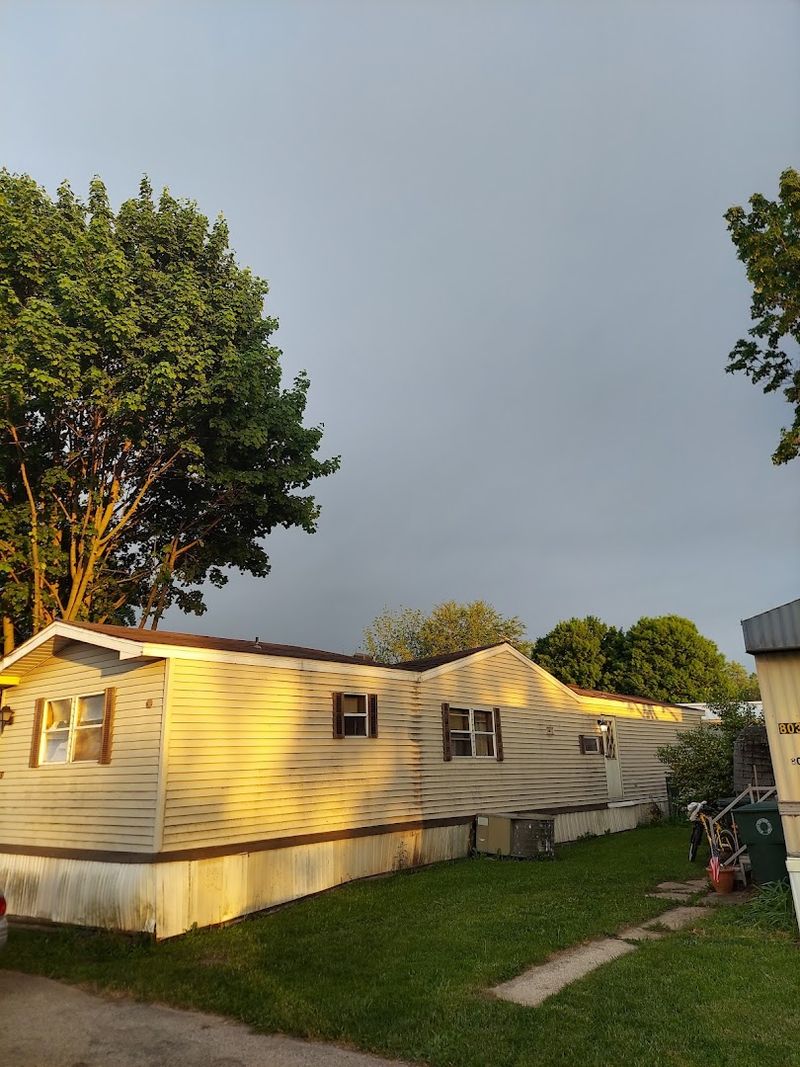
Forget the sticker shock of big-city real estate. In Muncie, Indiana, the median home price hovers around $100,000 to $130,000, meaning retirees can own a comfortable home outright or carry a very manageable mortgage on a fixed income.
Renters are equally well-served. A decent two-bedroom apartment in Muncie typically runs between $600 and $800 per month, leaving plenty of room in a $1,400 budget for everything else you need.
Neighborhoods like Whitely and the Near Westside offer quiet streets and affordable options. Older brick ranch homes are common, giving retirees the single-floor living that makes aging in place much easier.
Low property taxes in Delaware County sweeten the deal even further, making homeownership here genuinely accessible for people living on Social Security or a modest pension.
Grocery Bills That Won’t Break the Bank

Food costs in Muncie run noticeably lower than the national average, which is great news for anyone watching their monthly spending. Local grocery chains like Meijer and Kroger offer competitive prices, weekly sales, and senior discount programs that stretch your dollar further.
The Muncie Farmers Market, open seasonally near downtown, gives retirees access to fresh, locally grown vegetables, fruits, eggs, and baked goods at prices that often beat the supermarket. There’s also a social side to shopping local that many retirees genuinely enjoy.
Budget-conscious shoppers can also find Aldi locations nearby for deeply discounted pantry staples. A realistic monthly grocery budget for one person in Muncie sits comfortably around $200 to $250, leaving solid breathing room within a $1,400 monthly retirement budget.
Eating well here doesn’t require sacrifice.
Healthcare Access Without the Big-City Price Tag
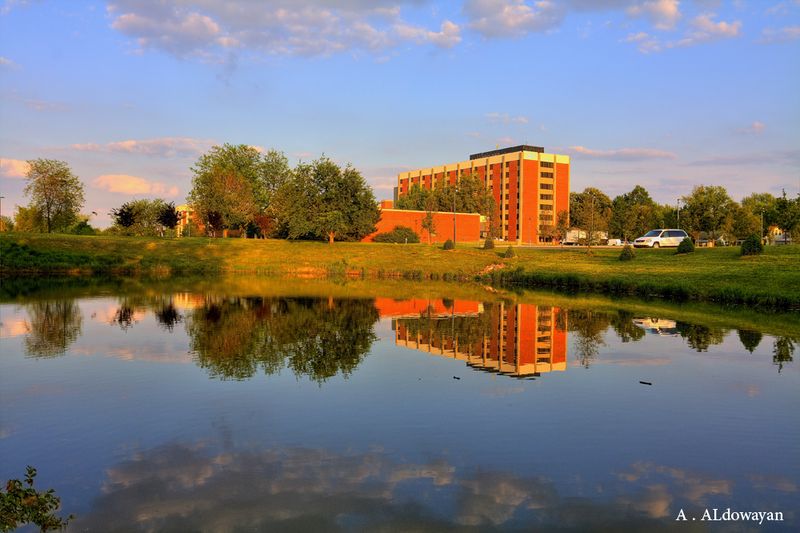
One of the biggest retirement worries is healthcare, and Muncie addresses that concern head-on. IU Health Ball Memorial Hospital is a full-service regional medical center right in the city, offering everything from cardiac care to cancer treatment without requiring a long drive to Indianapolis.
The hospital network includes numerous specialty clinics, primary care offices, and urgent care locations spread across Muncie and Delaware County. Ball Memorial has a long-standing reputation for quality care that locals trust deeply.
For Medicare recipients, many local providers accept standard Medicare plans, reducing out-of-pocket costs significantly. Community health centers also offer sliding-scale fee services for those who need additional support.
Prescription costs can be managed through local pharmacies that participate in GoodRx and similar discount programs. Staying healthy in Muncie is both practical and affordable for retirees on a tight monthly budget.
Ball State University Brings Unexpected Perks
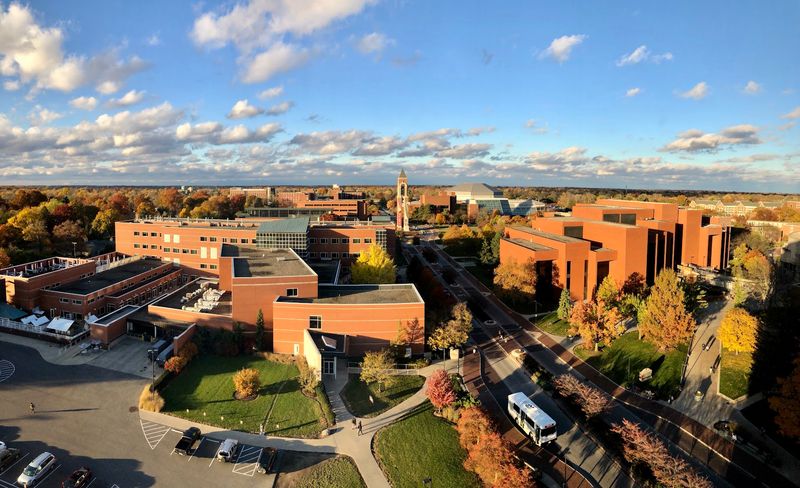
Having a major university in your retirement town is a hidden advantage most people don’t think about. Ball State University, home to over 20,000 students, fills Muncie with energy, arts programming, and educational opportunities that retirees can genuinely tap into.
The university regularly hosts free or low-cost public lectures, theater performances, art exhibitions, and concerts that are open to the wider community. The Emens Auditorium on campus brings nationally recognized performers to Muncie at ticket prices far below what you’d pay in a major metro area.
Ball State also offers continuing education programs and community classes where retirees can learn new skills, explore hobbies, or simply stay mentally sharp. The university’s presence also helps support local restaurants, coffee shops, and small businesses that give Muncie a lively, youthful atmosphere that many retirees find genuinely refreshing and stimulating.
Transportation Costs Stay Refreshingly Low
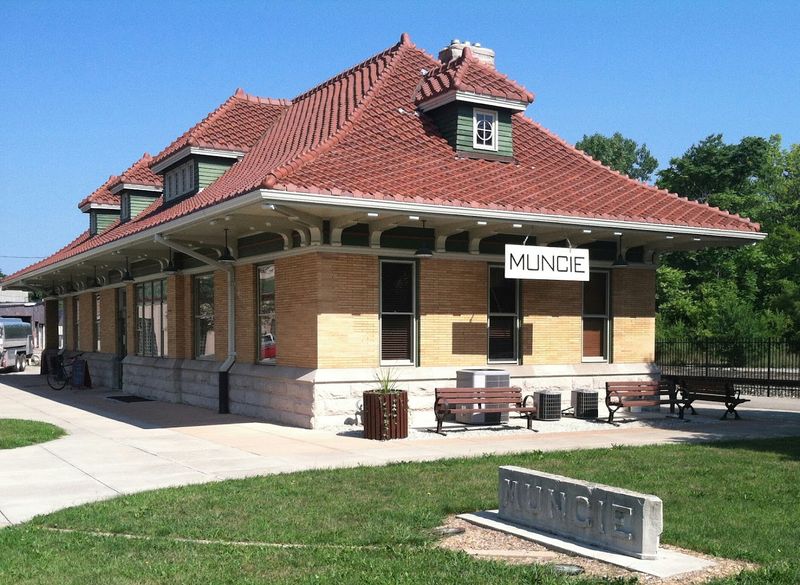
Getting around Muncie doesn’t have to drain your wallet. The city operates Muncie Indiana Transit System, commonly known as MITS, which provides affordable bus service throughout the city.
Senior fares are discounted, making public transit a genuinely useful option for retirees who prefer not to drive.
For those who do drive, Muncie’s compact size works in your favor. Most errands, medical appointments, and social outings are within a 10 to 15-minute drive from anywhere in the city.
Gas costs in Indiana consistently rank among the lowest in the nation.
Car insurance rates in Muncie also tend to be lower than in larger metro areas, thanks to reduced traffic congestion and lower accident rates. Parking is almost always free or very cheap throughout the city.
For retirees, these small transportation savings add up to hundreds of dollars back in your pocket every year.
Dining Out Without Guilt or Overdraft Fees

Eating out in Muncie is a genuine pleasure that won’t wreck your monthly budget. The city has a solid mix of locally owned diners, family restaurants, and casual eateries where a full sit-down meal regularly comes in under $12 per person, tip included.
Downtown Muncie has seen a quiet restaurant revival in recent years, with spots like Vera Mae’s Bistro offering upscale flavors at surprisingly reasonable prices. For everyday dining, classic Midwest comfort food restaurants provide generous portions at old-school prices that feel almost nostalgic.
Pizza joints, Mexican restaurants, and Asian eateries scattered around the city keep meal options varied and interesting without requiring a big splurge. Many restaurants also offer senior discounts on certain days of the week.
Retirees who love dining out can do so several times a month in Muncie without feeling the least bit financially reckless.
Parks and Outdoor Life Are Free and Plentiful
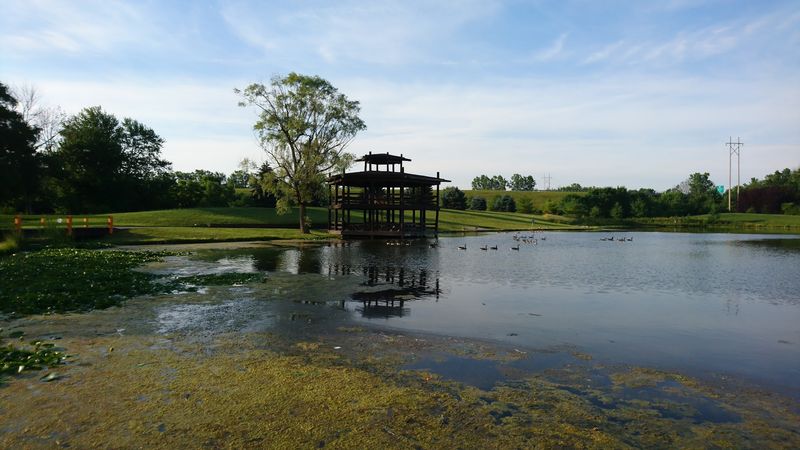
Nature lovers will find plenty to enjoy in and around Muncie without spending a dime. The city maintains a network of public parks, greenways, and recreational trails that are free and open year-round.
Prairie Creek Reservoir, just southeast of the city, is a favorite local gem offering fishing, hiking, bird watching, and picnicking.
The Cardinal Greenway runs right through Muncie as part of one of Indiana’s longest rail-trails, stretching over 60 miles total. Retirees who enjoy walking, cycling, or simply soaking up fresh air will find this trail system a daily highlight of life in the city.
Muncie’s parks department also organizes free seasonal events, outdoor concerts, and community gatherings that make it easy to stay socially active without spending money. Staying physically and mentally healthy here simply means stepping outside, which costs absolutely nothing and feels genuinely good.
Cultural Richness That Rivals Much Bigger Cities
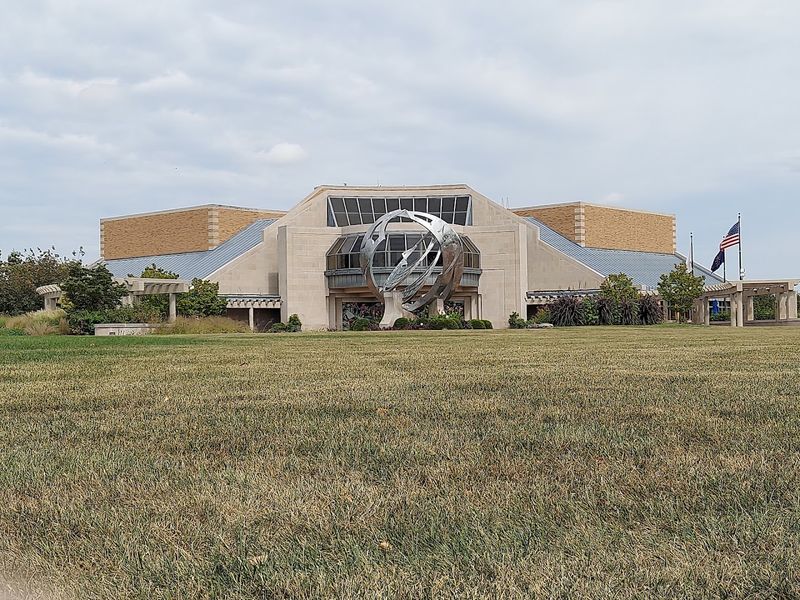
Muncie punches well above its weight when it comes to arts and culture. The Minnetrista Cultural Center is a standout attraction, combining museum exhibits, botanical gardens, and community programming in a beautiful setting along the White River.
Admission is affordable and often free for members.
The Muncie Civic Theatre has been entertaining locals since 1943, staging professional-quality productions at community theater prices. Art lovers can visit the David Owsley Museum of Art on the Ball State campus, which houses an impressive permanent collection completely free of charge.
Throughout the year, Muncie hosts festivals, gallery walks, and cultural events that reflect the city’s surprisingly diverse creative community. For retirees who worry that small-town life means boredom, Muncie quickly proves that assumption wrong.
There’s always something happening here that feeds the mind, stirs the soul, and costs very little to enjoy.
Utilities and Monthly Bills Stay Manageable
Monthly utility costs in Muncie are another area where retirees catch a financial break. Indiana’s electricity rates fall below the national average, and Muncie Utilities provides water and wastewater services at rates that remain reasonable compared to larger cities across the country.
Natural gas heating, common in most Muncie homes, is affordable through local providers and keeps winter heating bills from spiraling out of control even during cold Indiana winters. Energy-efficient older homes and newer apartments alike tend to have manageable monthly utility totals.
A realistic estimate for a retiree’s combined utilities, including electricity, gas, water, and trash service, runs roughly $150 to $200 per month in Muncie. Add internet service at around $50 monthly and a basic phone plan, and you’re still well within a $1,400 total budget.
Financial breathing room like this makes a huge quality-of-life difference every single month.
A Strong Sense of Community and Belonging
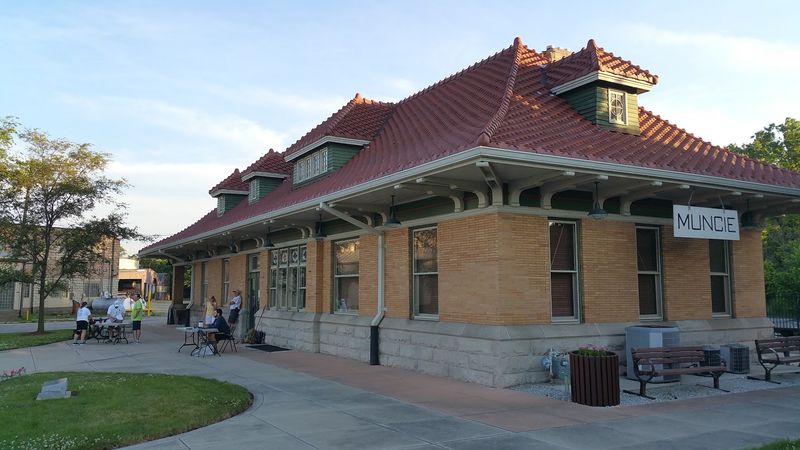
Retirement is richest when you feel genuinely connected to the people around you, and Muncie has that community warmth in abundance. Neighbors still wave from front porches here.
Local churches, civic clubs, and volunteer organizations welcome newcomers with open arms and keep social calendars full.
The Muncie Senior Center on South Walnut Street offers a hub of activity specifically for older adults, including fitness classes, card games, educational workshops, and group outings. It’s the kind of place where friendships form quickly and last for years.
Delaware County also hosts active chapters of groups like AARP, Rotary, and various hobby clubs that make it easy to find your people. For retirees relocating from bigger cities, Muncie’s small-town social fabric can feel like a welcome exhale.
People here actually talk to each other, remember your name, and show up when it counts.
Indiana’s Tax Climate Is Friendly to Retirees
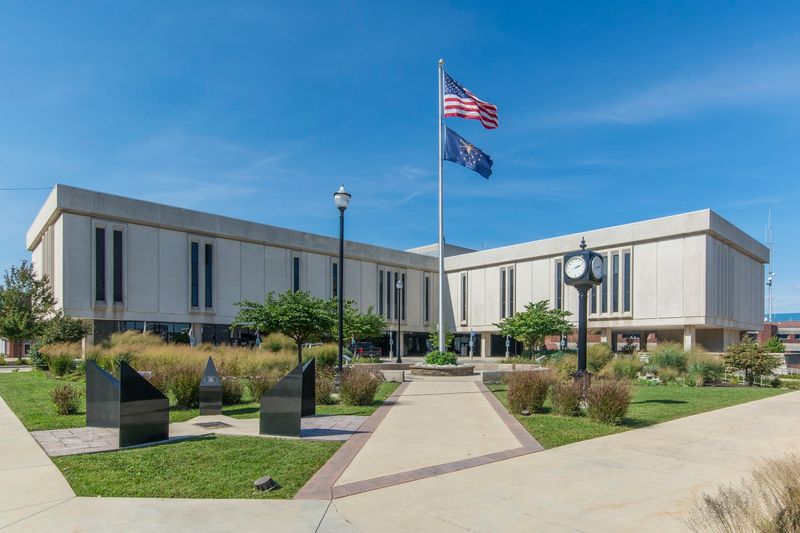
Indiana’s tax structure gives retirees a genuine financial advantage that’s easy to overlook when comparing states. The state has a flat income tax rate of just 3.05%, one of the lowest in the Midwest.
Delaware County adds a modest local income tax on top, but the total burden remains very manageable.
Social Security benefits are fully exempt from Indiana state income tax, which is a major win for retirees who rely heavily on those monthly payments. Military retirement pay is also fully exempt, making Muncie particularly appealing for veteran retirees.
Indiana also offers a homestead property tax deduction and an over-65 property tax deduction that can significantly reduce annual property tax bills for qualifying retirees who own their homes. When you combine low property taxes, low income taxes, and Social Security exemptions, Indiana’s overall tax picture becomes one of the strongest arguments for retiring in Muncie.
Faith Communities Offer Support and Connection

For many retirees, faith is a cornerstone of daily life, and Muncie delivers on that front with a rich variety of churches, temples, and faith communities spread across the city. From long-established Baptist and Methodist congregations to Catholic parishes and newer nondenominational churches, there’s a spiritual home here for nearly everyone.
Beyond weekly services, these communities often serve as social lifelines for retirees. Potluck dinners, Bible study groups, choir rehearsals, mission trips, and volunteer projects create a steady rhythm of meaningful activity that combats isolation and builds genuine friendships.
Many of Muncie’s faith communities also run practical support programs for seniors, including meal delivery, transportation assistance, and friendly visitor services. For retirees who are new to the city, walking through the doors of a welcoming congregation can be one of the fastest ways to feel at home.
Muncie’s faith communities take that responsibility seriously.
Sample Monthly Budget Breakdown for Muncie Retirees
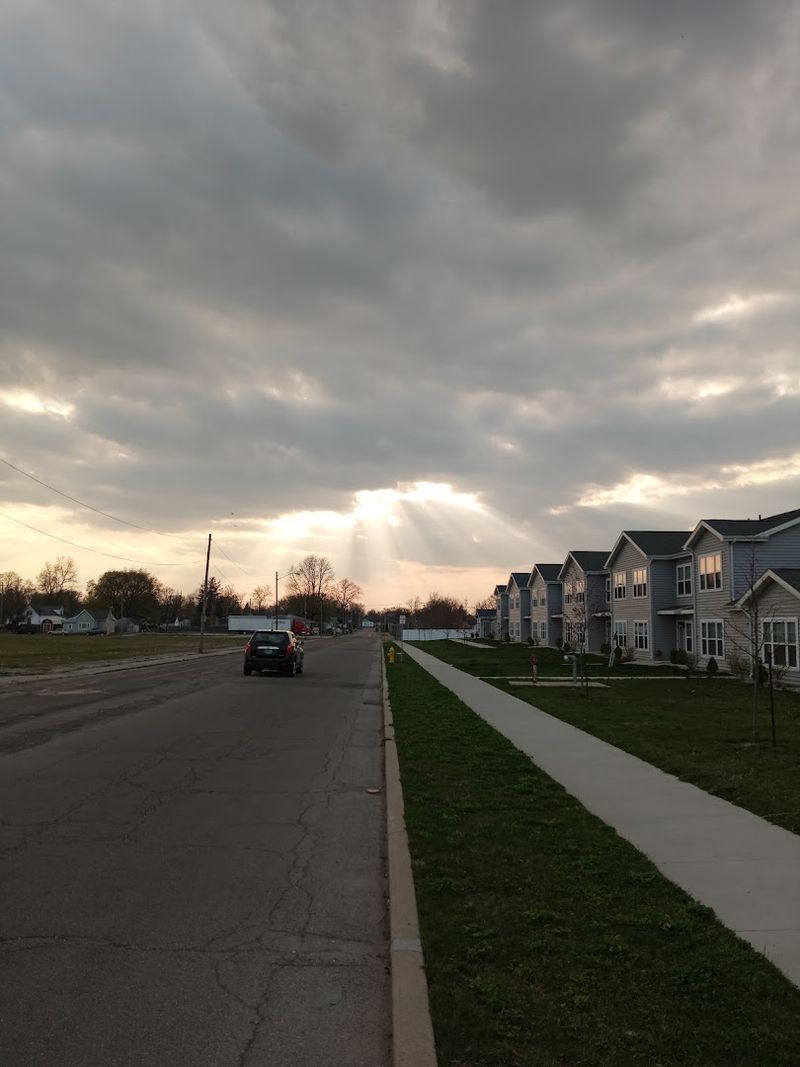
Putting real numbers together shows just how achievable comfortable retirement living in Muncie truly is. Housing, whether a modest mortgage or rent, typically runs $600 to $750 monthly.
Groceries come in around $200 to $250. Utilities add another $150 to $200.
Transportation, including gas or transit fares, averages $100 to $150 monthly for most retirees. Healthcare out-of-pocket costs, after Medicare, might run $100 to $150 depending on coverage and health needs.
That leaves $100 to $200 remaining for dining out, entertainment, hobbies, and personal spending.
The math works. A retiree living on $1,400 per month in Muncie can cover all essentials and still enjoy a genuinely fulfilling lifestyle with room for small pleasures.
No financial gymnastics required. Muncie isn’t just affordable on paper; it’s affordable in real daily life, which is the only kind of affordability that actually matters.
Enjoyed this story?
Add Fast Food Club as a preferred source to see more of our reporting on Google.