


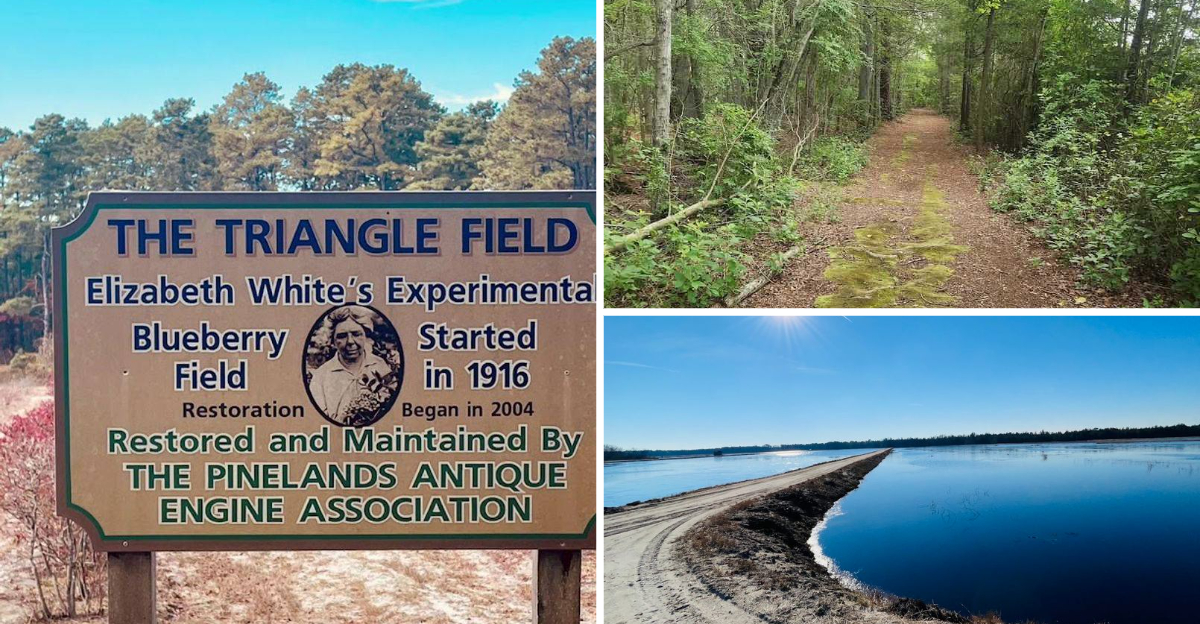
Tucked deep inside the Pine Barrens of New Jersey, Whitesbog Historic Village feels like a place frozen in time. Most visitors come expecting a simple walk through old buildings, but what they find is something far more layered and surprising.
From the birthplace of the commercial blueberry to winter swan sightings and musical trails, this little village holds secrets that most people never even know to look for. If you have ever driven past Browns Mills without stopping, now is the time to change that.
The Surprising Birthplace of the Commercial Blueberry
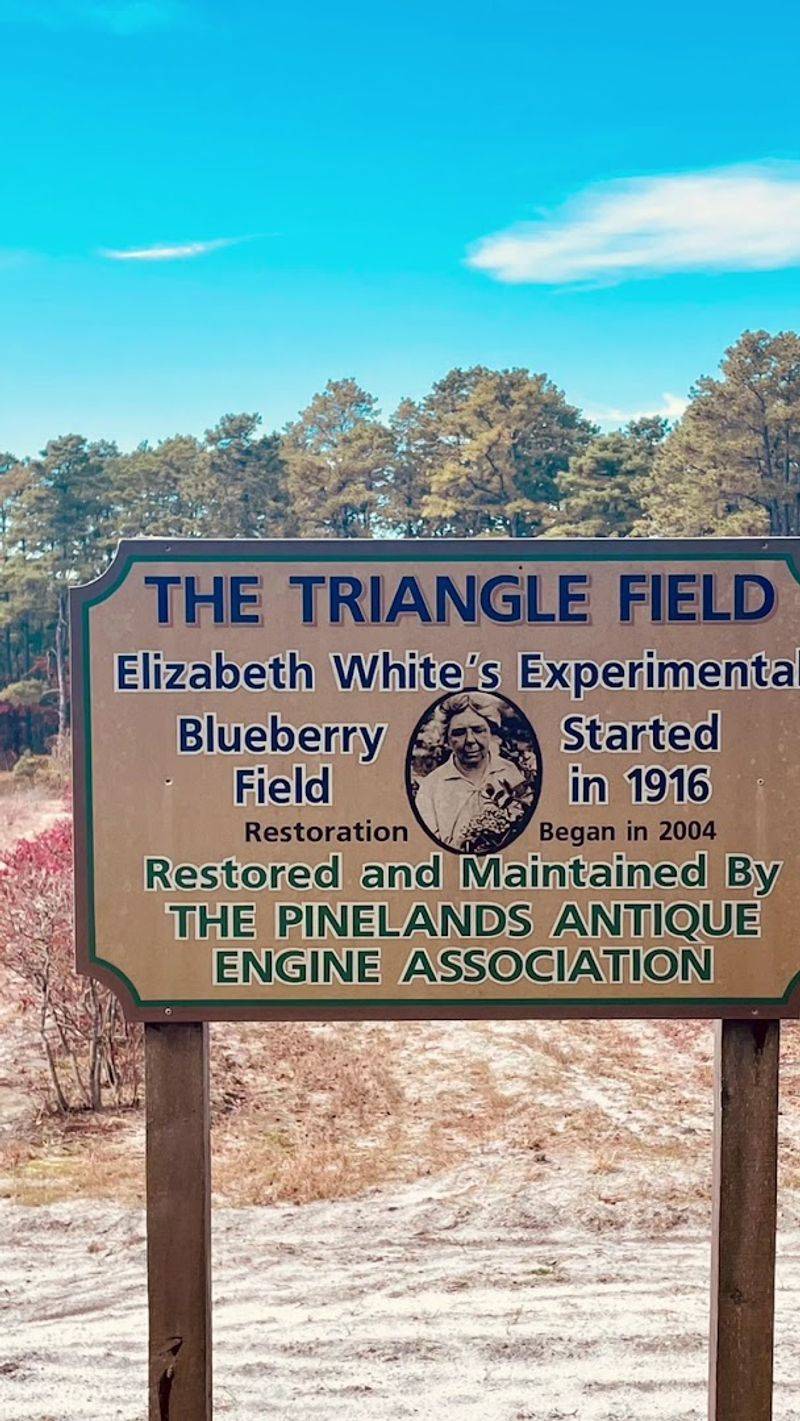
Most people grab a pint of blueberries at the grocery store without ever wondering where the idea of farming them even started. The answer, surprisingly, is right here at Whitesbog.
In the early 1900s, Elizabeth White teamed up with botanist Frederick Coville to cultivate the first commercially grown highbush blueberries in the world.
That discovery changed the way people eat fruit across the entire planet. Before their work, blueberries were only found growing wild in forests.
Elizabeth White paid local pickers to bring her the best wild plants, and from those specimens, the modern blueberry industry was born.
Walking through the blueberry fields today gives you a real sense of how revolutionary that moment was. A small plaque and interpretive signs help tell the full story.
Many visitors say learning this fact completely changes how they see a simple bowl of blueberries at breakfast.
Elizabeth White’s Garden, a Hidden Green Sanctuary
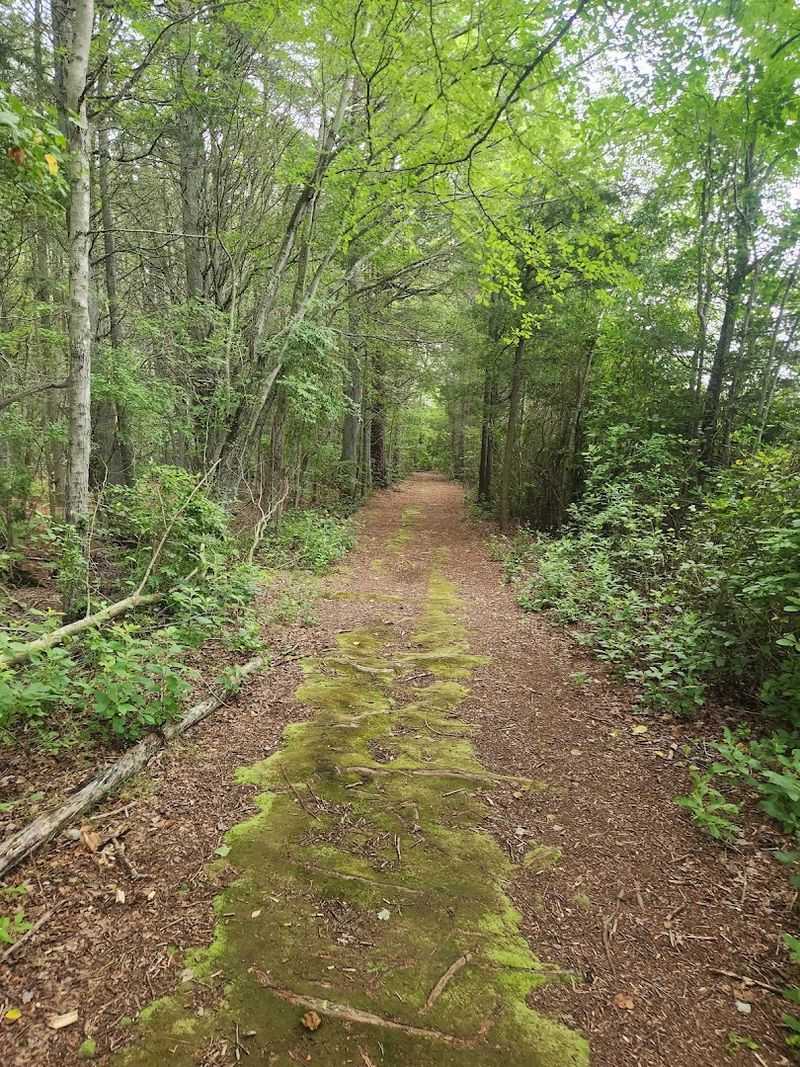
Few people realize there is a dedicated garden tucked away from the main village paths, and it carries a story as rich as the plants growing inside it. Elizabeth’s Garden was created to honor the woman who turned a wild berry into a global crop.
The trail leading to it winds through thick moss, greenery, and towering pines that feel almost magical.
Visiting this spot feels like stepping into a secret world. The air smells different here, cool and earthy, and the sounds of the surrounding Pine Barrens make everything feel calm and unhurried.
Blueberry bushes line parts of the path, and in season, you might even spot a few ripe ones ready for picking.
Local volunteers keep the garden well-maintained and welcoming. If you only have time for one detour during your visit, make it this one.
The garden rewards those who take the slower, quieter route.
Cranberry Bogs That Reflect the Entire Sky
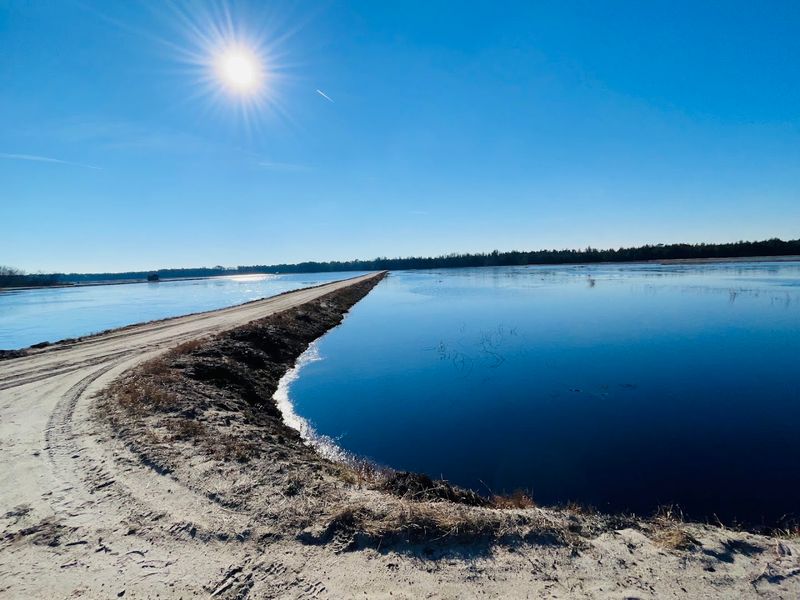
There is a moment when you first see the cranberry bogs at Whitesbog and the whole sky seems to appear right at your feet. During harvest season, the bogs are flooded and the bright red cranberries float on the surface, creating one of the most striking natural images in New Jersey.
Photographs simply do not do it justice.
The bogs are still actively farmed, which means parts of the property are off-limits to visitors for safety reasons. However, you can walk along the edges and take in the full scale of the operation.
Interpretive signs explain the harvesting process in detail, so even a solo visit becomes educational.
Guided cranberry tours are offered during the season and usually run about two hours, a little longer than advertised, so plan your day accordingly. Visitors who time their trip with harvest season consistently call it one of the best experiences in the entire Pine Barrens region.
Tundra Swans That Arrive Like a Winter Secret
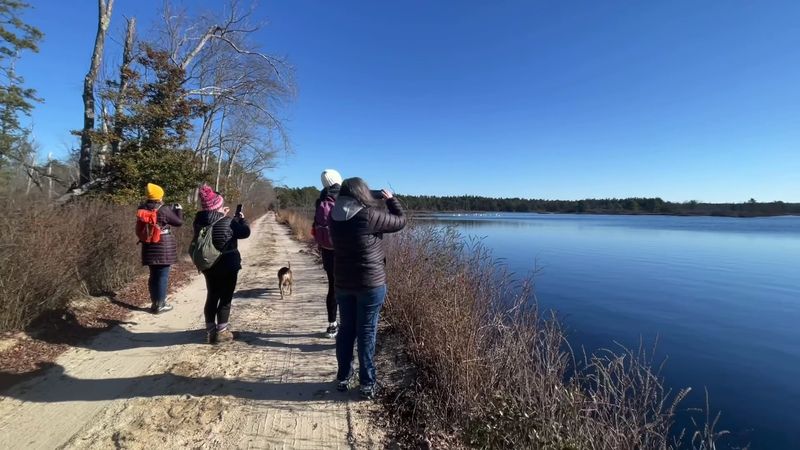
Every winter, something remarkable happens at Whitesbog that most visitors have absolutely no idea about. Tundra swans, large and breathtakingly white, migrate south and stop to rest on the bogs from December through March.
Spotting them feels like stumbling onto a wildlife documentary happening in your own backyard.
The swans tend to float far out on the water, so binoculars are strongly recommended if you want a closer look. Even from a distance, seeing a group of these birds gliding across a still, cold bog is genuinely unforgettable.
The village even offers guided Tundra Swan programs during winter months for those who want expert help finding them.
Because the swans move around the property depending on conditions, sightings are never guaranteed. That unpredictability is actually part of the charm.
When you do spot them, the surprise makes the whole experience feel like a rare gift rather than just another scheduled attraction.
An Interpretive Nature Trail With Music Built Into the Signs
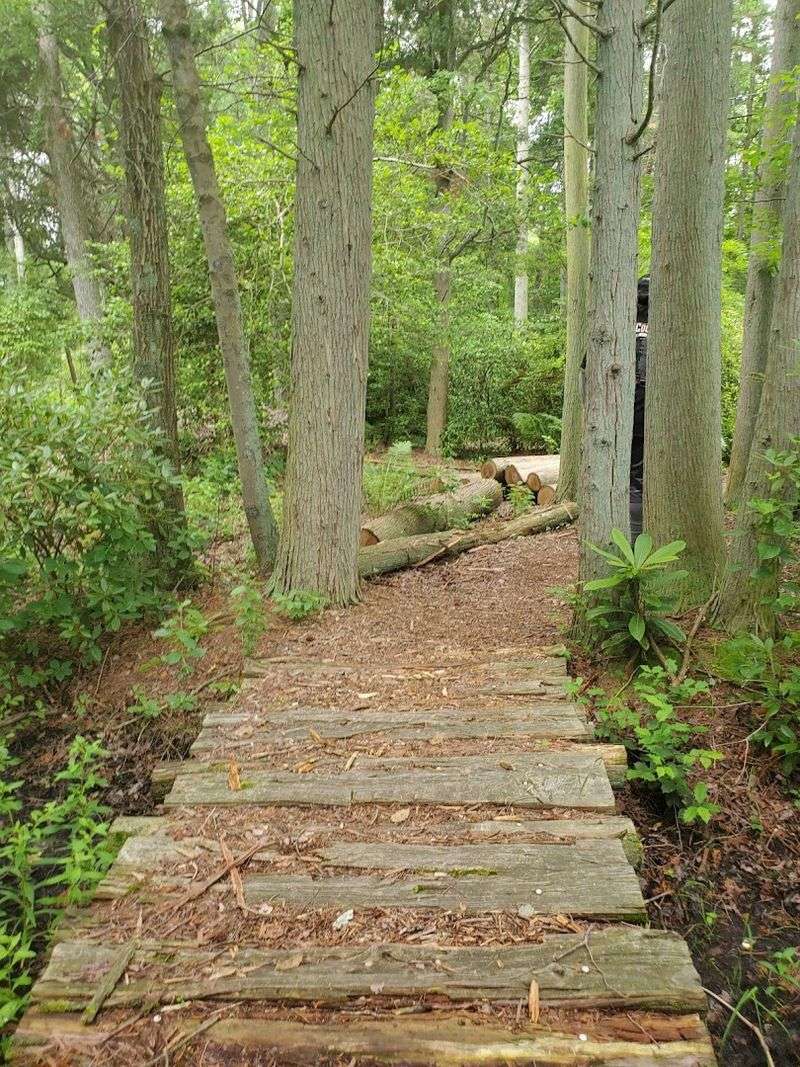
One of the newest and most unexpected additions to Whitesbog is a nature trail where the signs themselves play music. Each marker along the path features a QR code that visitors can scan with their phone to hear original musical compositions inspired by the surrounding landscape.
It is an idea that sounds quirky until you actually try it.
The experience was created by a local artist named Joe, and the melodies were specifically crafted to match the mood of each spot along the trail. Some pieces feel peaceful and slow, while others carry a livelier energy that mirrors the sounds of birds and wind in the pines.
Visitors who have tried it describe the walk as surprisingly emotional.
You do not need to be a music lover to appreciate the trail. Even kids who might normally rush through a nature walk tend to slow down and listen when music is involved.
It turns an ordinary hike into something genuinely memorable.
The Old-Fashioned General Store With Cranberry Treats
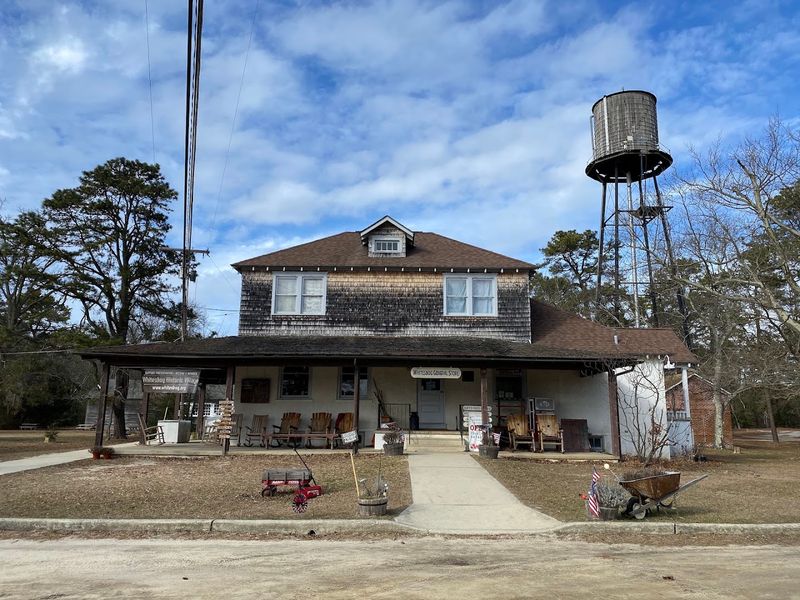
Walking into the Whitesbog General Store feels like stepping back about a hundred years. The building is original to the village, and the shelves are stocked with local goods that you genuinely cannot find anywhere else.
Cranberry salsa and cranberry chutney are two of the most popular items, and visitors who try them almost always leave with a jar.
The store is run by volunteers who are friendly, knowledgeable, and clearly passionate about the history of the village. Ask them a question about the property and you will likely end up in a twenty-minute conversation that covers everything from the bog harvests to Elizabeth White herself.
That kind of personal connection is rare at tourist destinations.
Even if you are not much of a shopper, the general store is worth a stop just to soak in the atmosphere. The worn wooden floors and vintage feel trigger a wave of nostalgia that is hard to explain but easy to enjoy.
A Small Museum Packed With Pine Barrens History
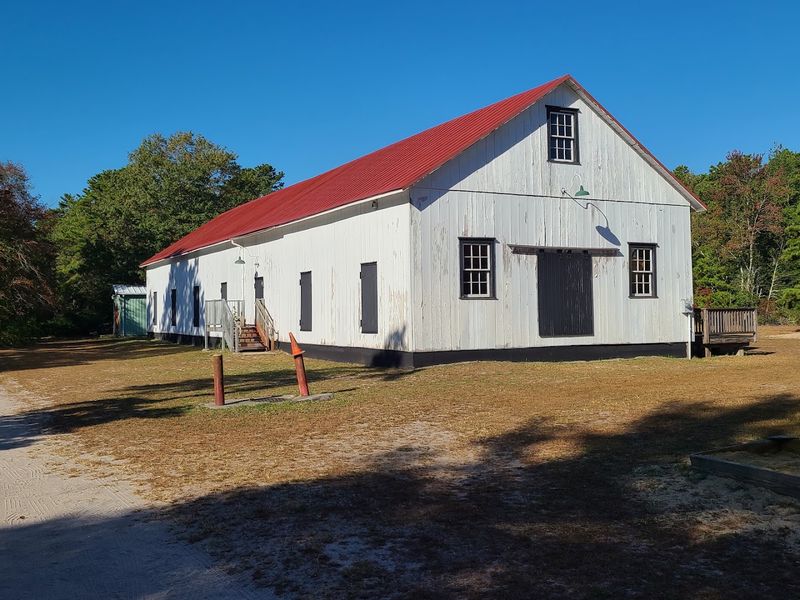
Whitesbog has a compact but surprisingly well-put-together museum that tells the full story of the village and the people who built it. Exhibits cover the history of cranberry farming, Elizabeth White’s blueberry experiments, and the day-to-day life of the workers who lived in the village during its peak years.
The displays use photographs, tools, and artifacts that make history feel tangible rather than textbook-dry.
What makes the museum stand out is how personal it feels. These are not distant historical figures, they are people whose homes and workspaces you can still walk through just steps away.
That connection between the exhibits and the actual landscape outside makes everything more meaningful.
The museum is free to visit, which fits perfectly with the non-commercialized spirit of the whole property. Spend thirty minutes here before exploring the trails and you will notice details about the village you would have otherwise walked right past without understanding.
Wildlife Watching That Rivals Any State Park
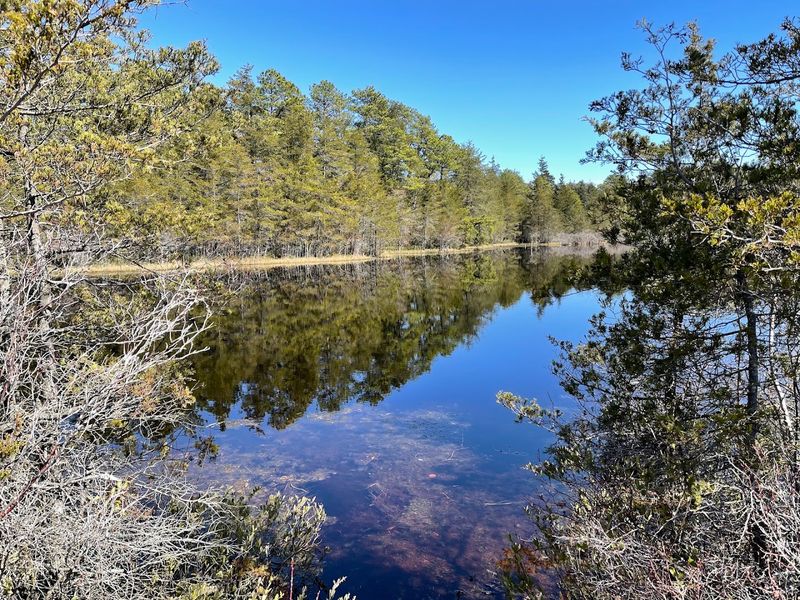
Birdwatchers, deer spotters, and wildlife enthusiasts consistently rank Whitesbog as one of the best places in New Jersey to observe animals in their natural habitat. The combination of open bogs, dense pine forest, and quiet sandy roads creates an environment where wildlife feels completely at ease.
Deer are commonly spotted near the bog edges, especially in the early morning.
Birdwatching here is genuinely rewarding across all seasons. The flooded bogs attract waterfowl, while the pine forests provide habitat for species that are harder to find in developed areas.
Experienced birders often bring a field guide and spend several hours working through the property systematically.
Even casual visitors who are not specifically looking for wildlife tend to encounter something memorable. Whether it is a great blue heron standing still at the water’s edge or a red-tailed hawk circling overhead, the natural world at Whitesbog has a way of making itself known.
Bring binoculars and patience.
Sandy Trails Through Quiet Pine Forest
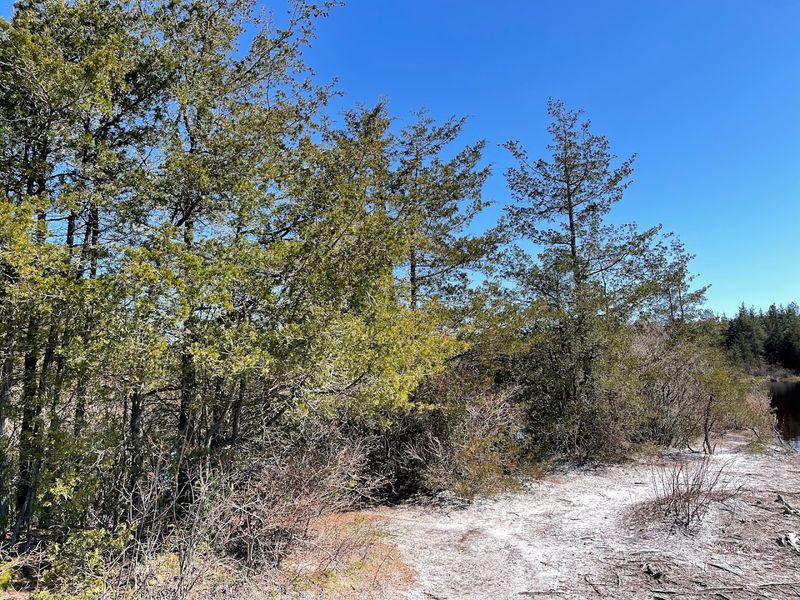
The trails at Whitesbog stretch across a much larger area than most first-time visitors expect, and that surprise is a welcome one. Sandy paths wind through pine and oak forest, crossing small wooden bridges and opening up into wide bog views at unexpected moments.
The terrain is gentle enough for most fitness levels, making it accessible to families, older adults, and younger kids alike.
One of the best things about hiking here is how few people you tend to encounter, even on weekends. The property absorbs visitors quietly, and you can spend hours on the trails without feeling crowded.
That sense of solitude is increasingly rare and genuinely valuable.
Dogs are welcome on leash, which makes Whitesbog a favorite among pet owners who want a real outdoor experience without the rules of a formal state park. The trails are well-maintained and clearly marked, so getting lost is unlikely even for first-time visitors exploring on their own.
Community Events That Feel Nothing Like a Tourist Trap
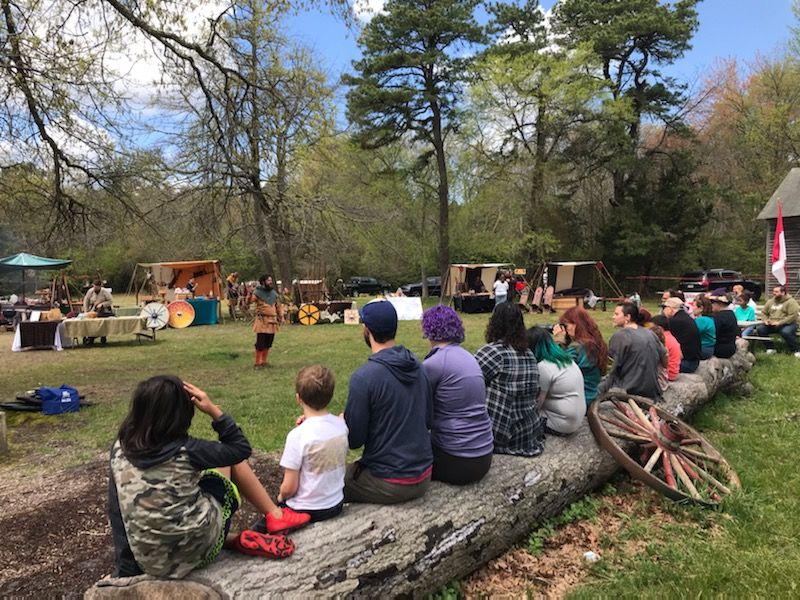
Whitesbog hosts a calendar of events throughout the year that feel genuinely rooted in community rather than commercial gain. The annual Blueberry Festival draws families from across the region and features live music, local vendors, and activities that celebrate the village’s agricultural heritage.
Attendance is enthusiastic but the atmosphere stays relaxed and unpretentious.
Monthly Blueberry Jam sessions bring musicians together for informal playing circles that anyone can attend. Past visitors have described meeting lifelong friends at these events, which speaks to the kind of welcoming culture the volunteers have worked hard to build.
A string band playing folk tunes on a sunny afternoon at Whitesbog is the sort of memory that sticks with you.
Fall festivals celebrate the cranberry harvest season with music, vendors, and guided experiences. The key detail that sets all of these events apart is that they remain free or very low cost, staying true to the village’s commitment to being open and accessible to everyone.
Historic Buildings That Have Stood for Over a Century
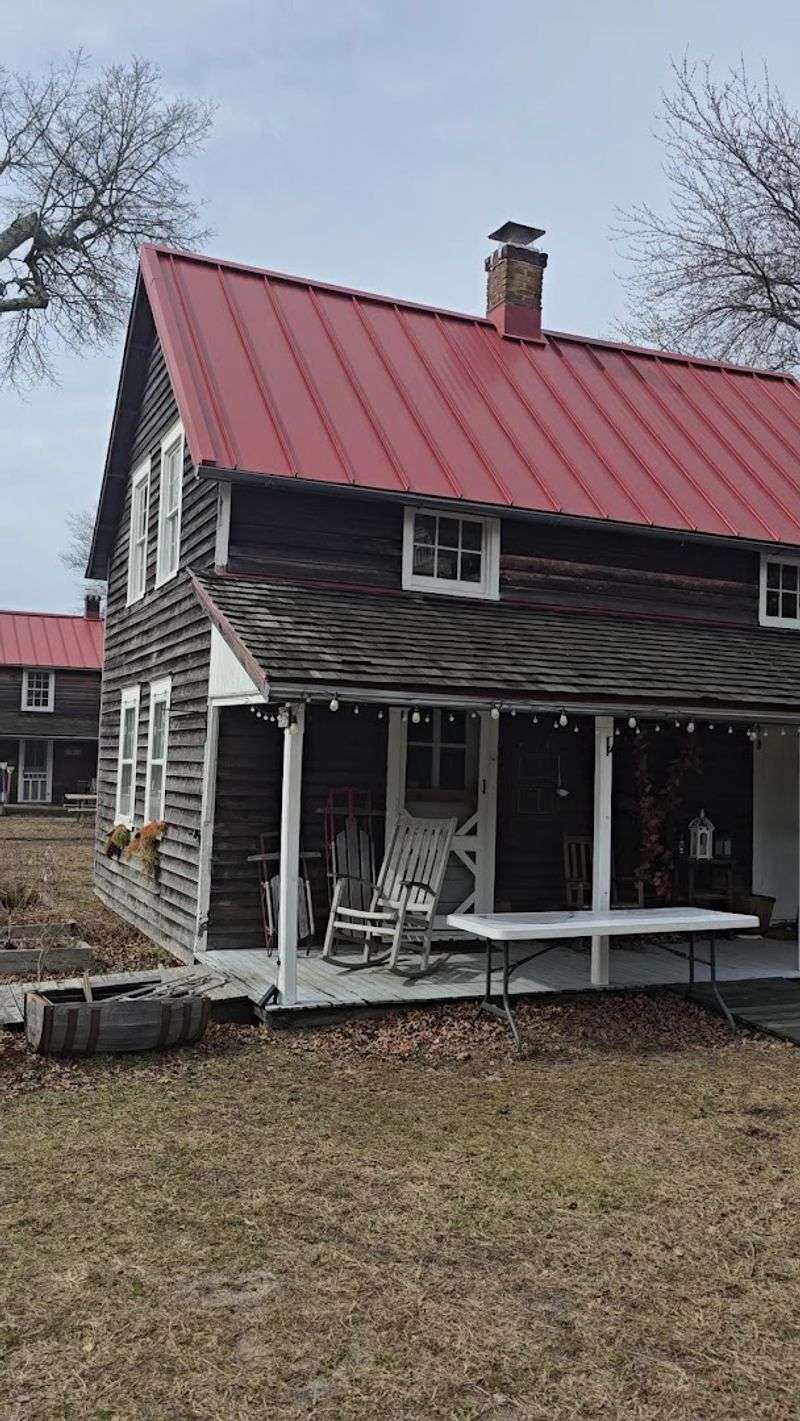
Walking through the village center at Whitesbog feels different from visiting a reconstructed historical site, because everything here is the real thing. The original buildings, including workers’ cottages, storage structures, and community spaces, have been preserved rather than rebuilt.
That authenticity is something you can feel immediately, even if you cannot quite put it into words at first.
The architecture reflects the practical, no-frills character of a working agricultural village from the early twentieth century. There are no grand facades or ornamental details, just honest buildings built to last and get the job done.
That simplicity is what makes them so compelling to look at and photograph.
Volunteers work hard to maintain the structures and keep the grounds clean and welcoming. Field trip groups regularly visit the village, and the staff has a remarkable ability to keep even large groups of energetic kids engaged and curious.
The buildings themselves become a living classroom in the best possible way.
A Peaceful Escape That Costs Absolutely Nothing
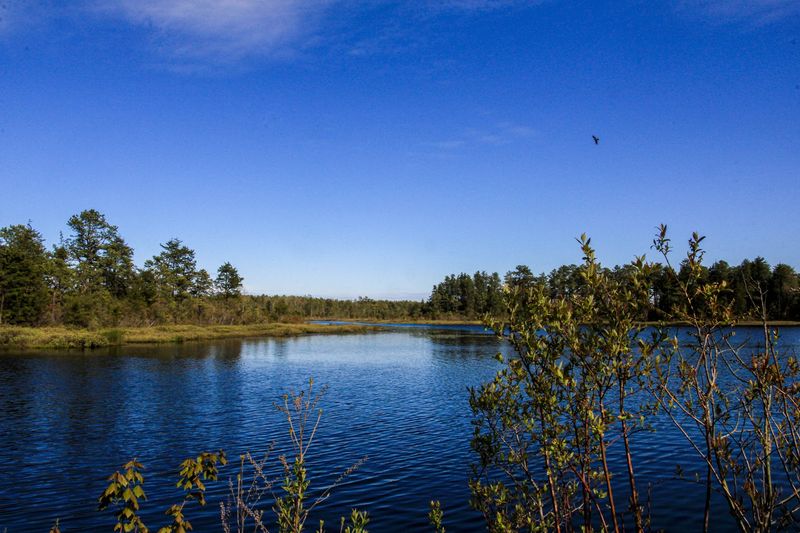
In a world where every experience seems to come with a ticket price, Whitesbog Historic Village stands out by being almost entirely free. The trails, the bog views, the wildlife, the historic village walk, and the museum are all open to visitors without any admission charge.
That generosity reflects the spirit of the volunteers and staff who keep the place running.
Families on a budget consistently rate Whitesbog as one of the best value outings in all of South Jersey. You can easily spend a full day here without spending a dollar, though most visitors end up buying something from the general store simply because the products are genuinely good and supporting the village feels like the right thing to do.
The property is open twenty-four hours a day, which means early morning fog walks and sunset bog visits are entirely possible. That kind of freedom and flexibility is rare, and it makes Whitesbog feel less like a destination and more like a gift waiting to be unwrapped.
Native American History Woven Into the Land
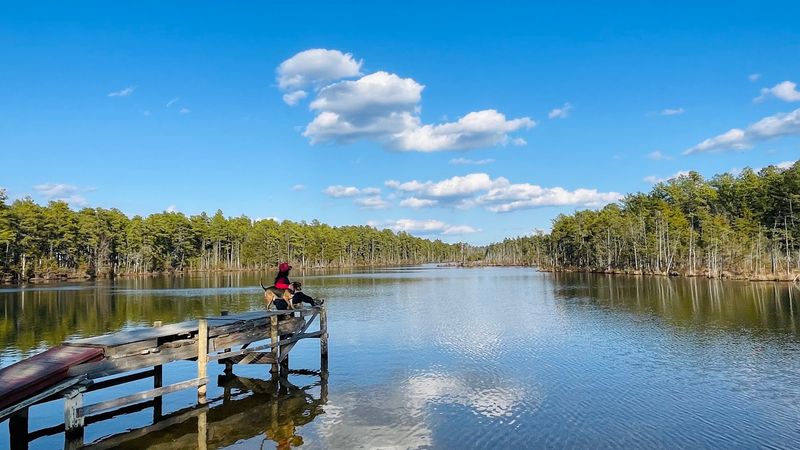
Most visitors focus on the agricultural history of Whitesbog, but the land itself carries a much older story that deserves equal attention. The Pine Barrens region has deep connections to the Lenape people, who lived, hunted, and gathered in these forests long before European settlers arrived.
Some of that history is reflected in the interpretive materials available throughout the village.
Learning about the Lenape connection adds a meaningful layer to the experience of walking these trails. The plants, waterways, and landscape that made the area so valuable to Elizabeth White and her family were first recognized and used by Indigenous communities for generations.
That continuity across time is a humbling thing to sit with.
Whitesbog has been noted by visitors as a place that genuinely tries to honor multiple layers of history rather than presenting just one narrow version. For anyone interested in a fuller picture of New Jersey’s past, this aspect of the village makes it even more worth the trip.
Enjoyed this story?
Add Fast Food Club as a preferred source to see more of our reporting on Google.