


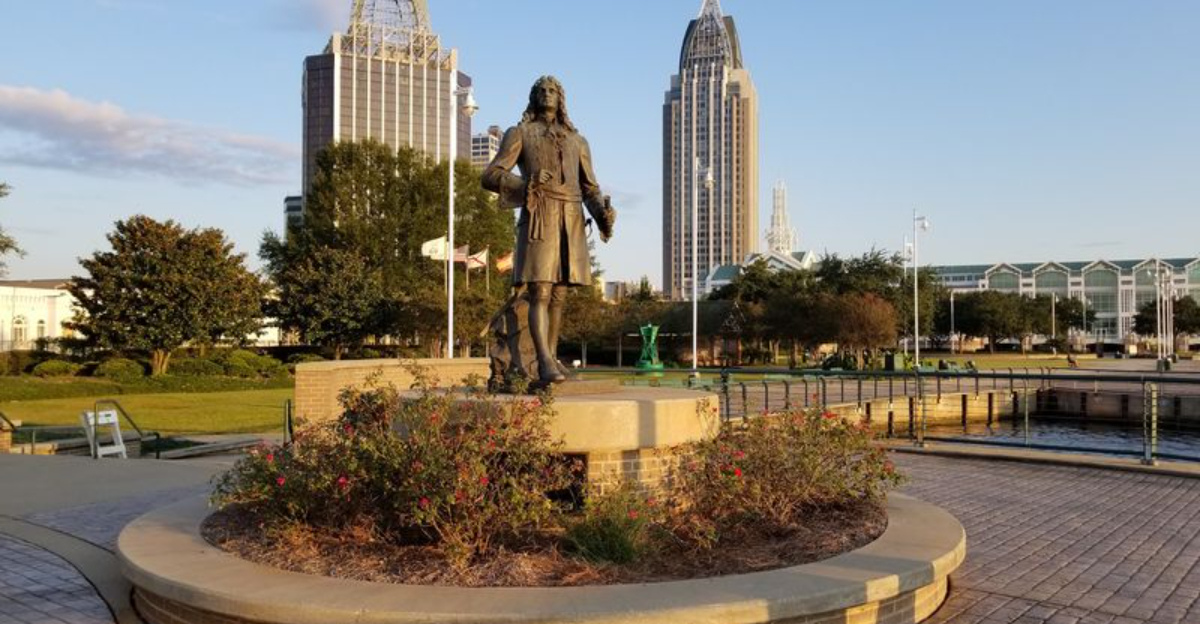
Most people think of New Orleans when they hear “Mardi Gras,” but Mobile, Alabama got the party started more than 300 years ago. Founded in 1702, Mobile launched its first Mardi Gras celebration in 1703, making it the oldest Mardi Gras city in the entire United States.
This Gulf Coast gem has been throwing colorful parades, masquerade balls, and festive gatherings longer than any other American city. If you want to understand the true roots of American Mardi Gras, Mobile is where the story really begins.
The 1703 Origin Story That Started It All
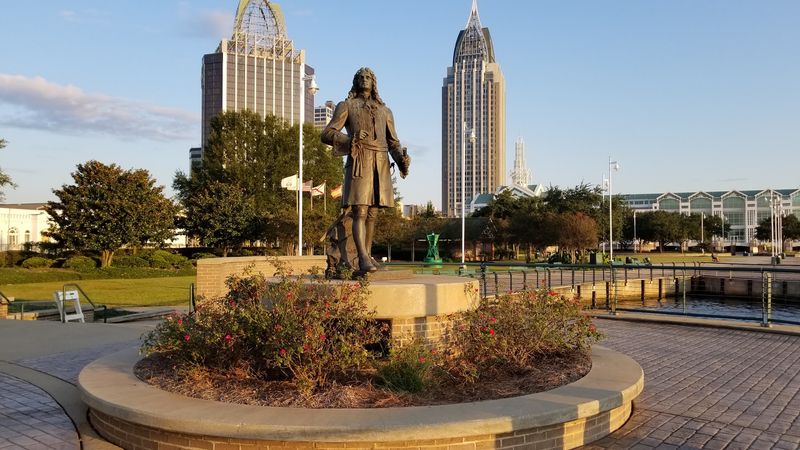
Way back in 1703, a group of French explorers and colonists gathered near the banks of the Mobile River to celebrate a tradition they had brought from Europe. This was the very first Mardi Gras celebration on American soil, organized by French-Canadian explorer Jean Baptiste Le Moyne de Bienville.
Bienville and his men celebrated at a spot they called “27 Mile Bluff,” just north of present-day Mobile. They formed a secret society called the Masque de la Mobile, which helped organize the festivities.
New Orleans was not even founded until 1718, a full 15 years later. So while New Orleans eventually became the more famous Mardi Gras city, Mobile proudly holds the title of the original home of American Mardi Gras.
That early celebration planted a seed that has never stopped growing in this spirited Gulf Coast city.
Jean Baptiste Le Moyne de Bienville: The Man Behind the Celebration

Without one bold French-Canadian explorer, American Mardi Gras might never have existed. Jean Baptiste Le Moyne de Bienville arrived on the Gulf Coast with a deep love for French cultural traditions, and he was determined to keep those traditions alive even in the wilderness of the New World.
Bienville founded the city of Mobile in 1702 and organized that landmark first Mardi Gras celebration just one year later. He later went on to found New Orleans in 1718, which means he is directly responsible for both cities now famous for Mardi Gras.
Mobile residents proudly honor his legacy every year during the festivities. His vision of bringing European joy and celebration to American shores created a cultural tradition that has survived wars, economic hardships, and centuries of change.
Bienville truly gave Mobile a gift that keeps on giving, year after year.
The Mobile Carnival Museum: A Treasure Chest of Mardi Gras History
Tucked right in the heart of downtown Mobile, the Mobile Carnival Museum is one of the coolest places to explore if you want to understand just how deep the Mardi Gras tradition runs in this city. The museum spans three floors of a beautifully restored historic building.
Visitors can see jaw-dropping royal gowns, glittering crowns, and massive parade floats that tell the story of Mobile’s carnival history from the 1700s to today. Every display feels like stepping back into a different era of celebration.
One of the most popular exhibits features the elaborate costumes worn by Mardi Gras kings and queens over the decades. Some of those gowns weigh over 50 pounds because of all the beading and embroidery.
The museum is a must-visit for anyone curious about why Mobile considers itself the true birthplace of American Mardi Gras.
The Order of Myths: America’s Oldest Mystic Society
Founded in 1867, the Order of Myths holds the title of the oldest active mystic society in the United States. Mystic societies are private organizations that organize Mardi Gras balls and parades, and Mobile has dozens of them, each with its own unique traditions and history.
The Order of Myths parade is one of the most beloved events of the entire Mobile Mardi Gras season. Their signature float features the character of Folly chasing Death around a broken column, a symbol that has appeared on their float for over 150 years.
That striking imagery reflects the deeper meaning behind Mardi Gras: enjoying life and celebrating joy even in the face of hardship. Mobile’s mystic societies are what give the city’s carnival season its distinctive, community-rooted character that sets it apart from the more commercial celebrations found elsewhere in the country.
How Mobile’s Mardi Gras Differs From New Orleans
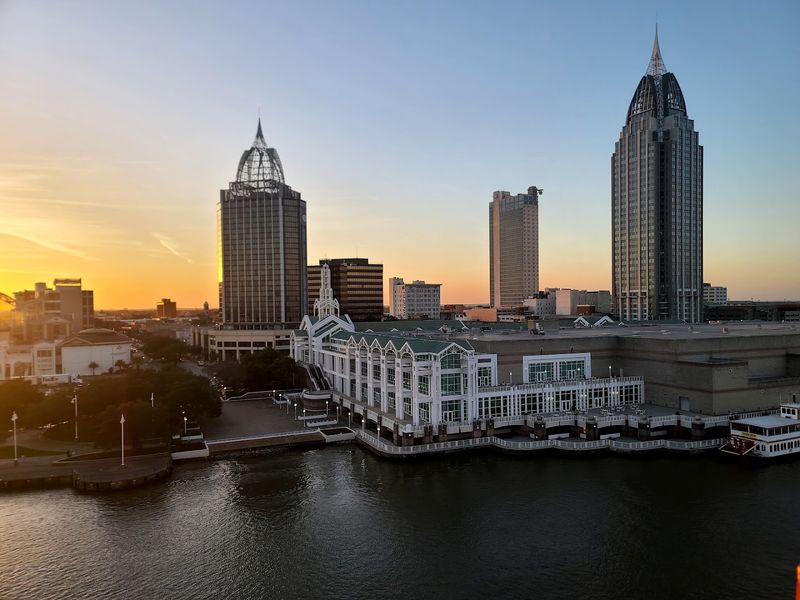
Many visitors are surprised to discover that Mobile’s Mardi Gras has a very different feel from the famous New Orleans version. Mobile’s celebration is known for being more family-friendly, community-centered, and rooted in local tradition rather than mass tourism.
The parades in Mobile are spread across multiple weeks, giving residents and visitors plenty of chances to enjoy the festivities without the overwhelming crowds that New Orleans often attracts. Neighborhoods come alive with block parties, school celebrations, and mystic society events that feel genuinely personal.
Moon Pies are the signature throw in Mobile, while New Orleans is famous for beads and doubloons. That small detail says a lot about each city’s personality.
Mobile’s Mardi Gras feels like a big hometown reunion where everyone is welcome, and the focus stays on fun, community pride, and honoring a tradition that is truly centuries old.
Moon Pies: The Delicious Signature of Mobile’s Mardi Gras

Ask anyone who has attended a Mobile Mardi Gras parade what they are hoping to catch, and the answer is almost always the same: a Moon Pie. This chocolatey marshmallow snack has become the ultimate symbol of Mobile’s Mardi Gras experience, and the tradition of throwing them from floats goes back decades.
Every year, parade riders toss millions of Moon Pies into the crowd, and catching one feels like winning a small prize. Kids and adults alike scramble and cheer when the familiar round treats come flying through the air.
Mobile even hosts the World’s Largest Electric Moon Pie drop on New Year’s Eve, lowering a giant glowing Moon Pie in a celebration inspired by the Times Square ball drop. The Moon Pie has become so tied to Mobile’s identity that it practically serves as an unofficial mascot for the entire city and its beloved carnival season.
The Cathedral Basilica of the Immaculate Conception: A Mardi Gras Season Landmark
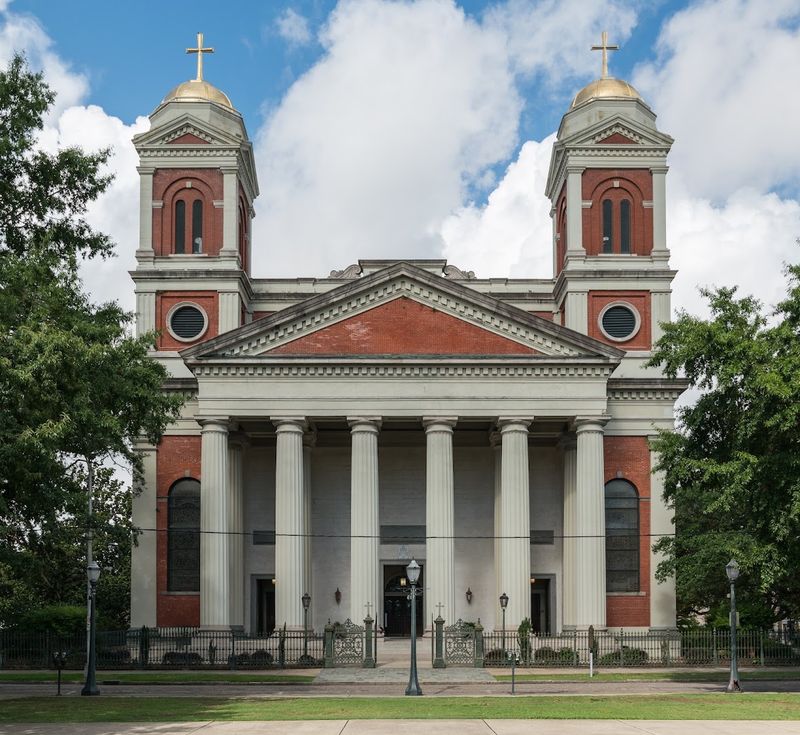
Standing tall in the heart of downtown Mobile, the Cathedral Basilica of the Immaculate Conception has watched over the city’s Mardi Gras celebrations for generations. Built in 1850, this stunning church is one of the most beautiful historic landmarks in all of Alabama.
The cathedral’s most breathtaking feature is its intricate German stained glass windows, which fill the interior with pools of colored light during morning services. Many Mardi Gras season events, including solemn Ash Wednesday masses that mark the end of the carnival period, take place here.
Mardi Gras actually means “Fat Tuesday” in French, and it always falls the day before Ash Wednesday on the Christian calendar. The cathedral serves as a powerful reminder that Mobile’s carnival tradition has deep religious roots alongside its festive spirit.
Visiting this gorgeous building during Mardi Gras season adds a meaningful layer to the whole celebration experience.
Battleship Memorial Park: Where History Meets Celebration

Mobile is a city where history runs deep in every direction, and Battleship Memorial Park is one of the best examples of that. The park is home to the USS Alabama, a massive World War II battleship that served with distinction before being permanently anchored in Mobile Bay as a memorial and museum.
During Mardi Gras season, the park takes on an extra layer of excitement as visitors mix history tours with carnival festivities happening all across the city. The juxtaposition of a warship and colorful parade floats perfectly captures Mobile’s unique personality.
The park also houses a B-52 bomber, submarines, and various military aircraft, making it a full day of exploration for families. Locals and tourists alike love combining a battleship visit with parade-watching during Mardi Gras season, turning a single trip to Mobile into a rich mix of patriotic history and joyful celebration.
The Role of Mystic Societies in Keeping Traditions Alive
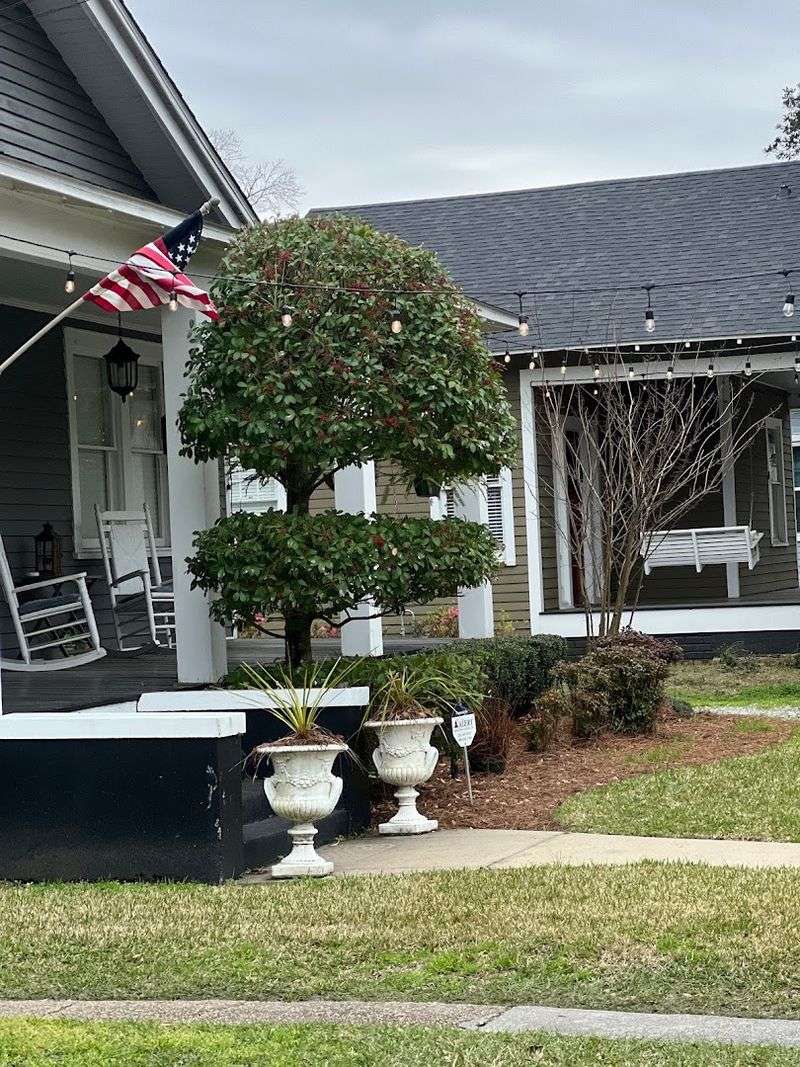
Mystic societies are the beating heart of Mobile’s Mardi Gras tradition, and the city has more than 40 of them active today. These private organizations each hold their own parade and formal ball, creating a season-long calendar packed with events that stretch across several weeks every year.
Membership in a mystic society is often passed down through families, making these groups deeply personal community institutions. Many Mobile residents grow up attending their family society’s ball and eventually riding on the floats themselves, creating memories that last a lifetime.
Some societies have histories going back over 150 years, and their traditions are carefully preserved and celebrated each season. The secrecy surrounding mystic societies adds an air of mystery and excitement to Mobile’s Mardi Gras that keeps the celebration feeling special.
These organizations are a big reason why Mobile’s carnival culture has stayed so authentic and community-driven for so many centuries.
Mardi Gras Colors and Their Surprising Meanings
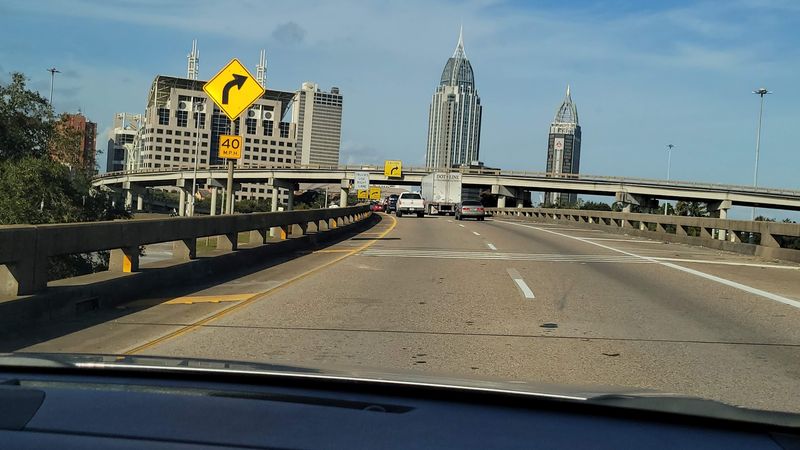
Purple, gold, and green are everywhere during Mardi Gras season in Mobile, but have you ever wondered why those three specific colors were chosen? Each color actually carries a symbolic meaning that dates back to the earliest days of the American Mardi Gras tradition.
Purple represents justice, gold stands for power, and green symbolizes faith. Together, they reflect the values that carnival season was originally meant to celebrate before the big fasting period of Lent began.
Mobile’s streets, storefronts, and homes burst with these three colors every February, transforming the city into a living work of art. Float decorations, costumes, and even food items are designed around the classic color trio.
Understanding the meaning behind the colors adds a whole new appreciation for the visual spectacle of Mardi Gras and connects modern celebrations to their centuries-old roots in European Catholic tradition.
Mobile’s Mardi Gras and Its Connection to French Colonial Heritage
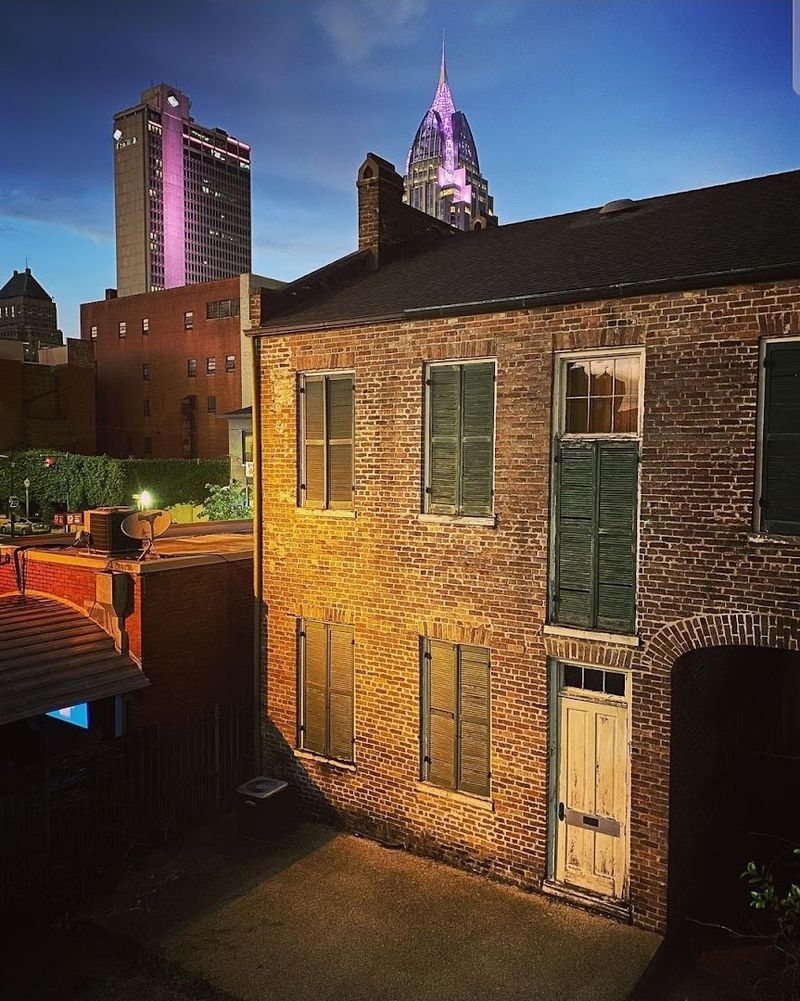
Mobile’s Mardi Gras tradition is inseparable from the city’s French colonial roots. When French explorers arrived on the Gulf Coast in the early 1700s, they brought with them a rich European carnival tradition that had been celebrated in France and other Catholic countries for centuries.
The city of Mobile was the first permanent European settlement in what is now Alabama, and its French founders were eager to maintain their cultural identity far from home. Celebrating Mardi Gras was one of the most powerful ways they did that.
Even after Mobile passed through Spanish, British, and eventually American control, the Mardi Gras tradition survived every political change. That cultural stubbornness is something Mobile residents are incredibly proud of today.
The French colonial influence can still be felt in the city’s architecture, street names, and above all, in the joyful annual carnival season that has never once been abandoned since 1703.
The Mobile Museum of Art and Carnival Season Culture
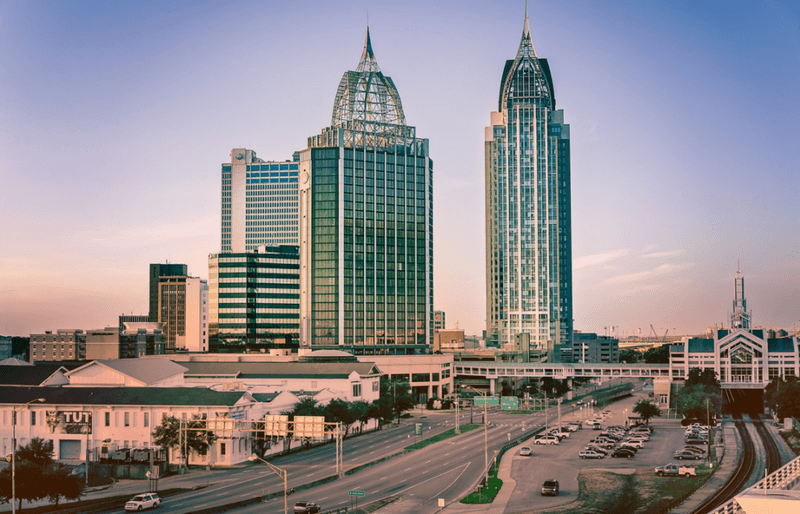
Art and carnival culture go hand in hand in Mobile, and the Mobile Museum of Art is one of the finest places to experience that connection. As the largest art museum in Alabama, it houses an impressive collection of international fine and decorative art spanning thousands of years of human creativity.
During Mardi Gras season, the museum often highlights the artistic craftsmanship behind carnival traditions, from float design to costume creation. The level of artistry that goes into Mobile’s Mardi Gras celebrations rivals anything you would find in a formal gallery setting.
Float builders spend months crafting intricate papier-mache sculptures, and costume designers pour incredible skill into every royal gown and mask. The museum helps visitors see Mobile’s carnival traditions as genuine art forms worthy of serious appreciation.
Combining a museum visit with parade-watching during Mardi Gras season gives travelers a fuller picture of what makes Mobile such a culturally rich city.
Why Mobile Deserves More Recognition as the Birthplace of American Mardi Gras
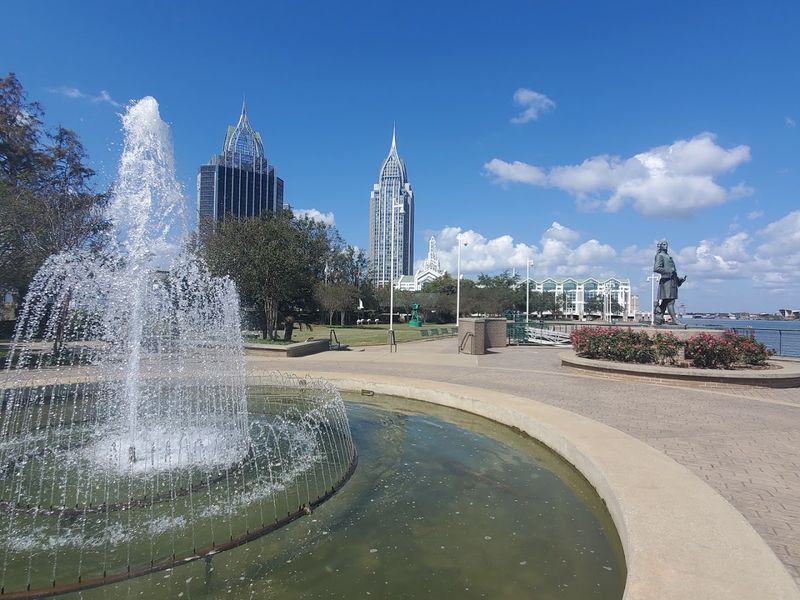
For too long, New Orleans has received all the Mardi Gras glory while Mobile quietly celebrated its own centuries-old tradition. The facts, though, are clear: Mobile held the first American Mardi Gras in 1703, a full 15 years before New Orleans even existed as a city.
Mobile’s carnival season is longer, more community-focused, and arguably more historically authentic than any other American celebration. The city has never stopped celebrating, even during difficult periods like the Civil War and major economic downturns.
Travel writers and historians have started giving Mobile the recognition it deserves, and tourism to the city during Mardi Gras season has grown steadily in recent years. Locals welcome the attention while working hard to preserve what makes their celebration special: genuine community spirit, deep historical roots, and a joyful pride in being the original American Mardi Gras city.
Mobile’s story is one every American should know.
Enjoyed this story?
Add Fast Food Club as a preferred source to see more of our reporting on Google.