


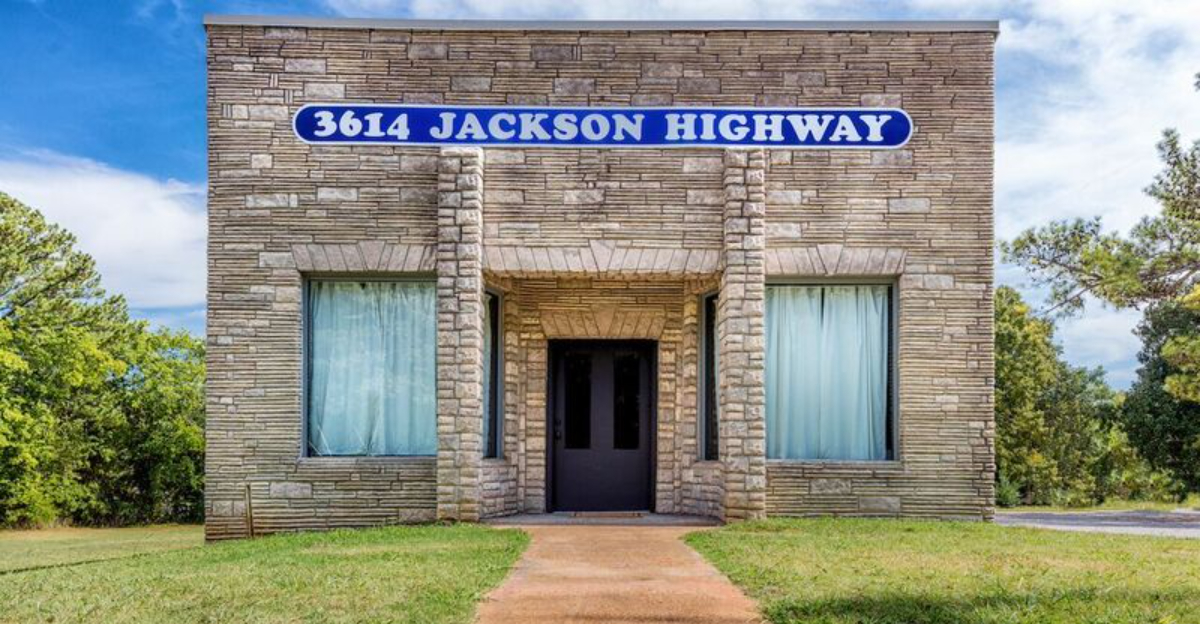
Tucked along a quiet stretch of North Jackson Highway in Sheffield, Alabama, sits a humble building that changed the sound of popular music forever. Muscle Shoals Sound Studios may look ordinary from the outside, but inside those walls, legends like Aretha Franklin, The Rolling Stones, Bob Dylan, and Paul Simon recorded some of the most iconic songs in history.
For a small town in the Deep South, that is a pretty remarkable claim, and the numbers back it up. This is the story of how one tiny Alabama studio out-rocked, out-souled, and out-hit the biggest recording cities in the world.
The Humble Building That Started It All
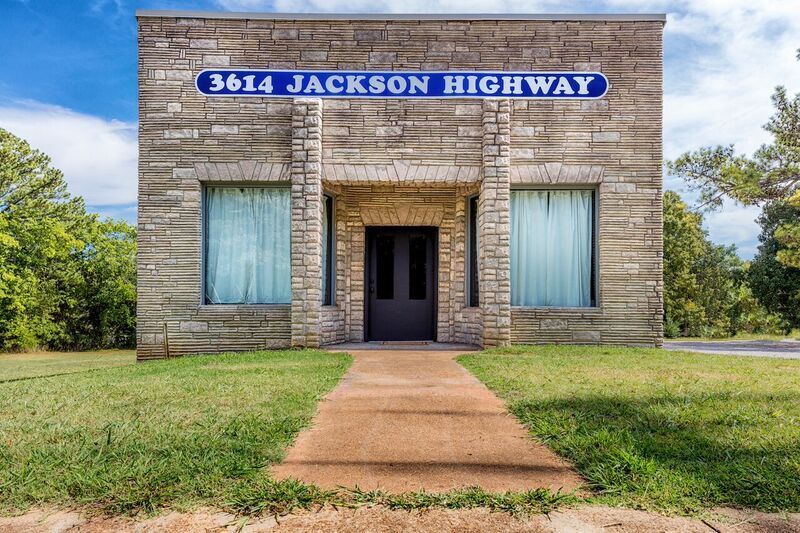
Do not judge a book by its cover, and definitely do not judge this studio by its parking lot. When visitors pull up to 3614 North Jackson Highway in Sheffield, Alabama, they often expect something grander.
What greets them instead is a simple, unassuming building sitting beside a gravel lot.
But step inside, and the atmosphere shifts completely. You can almost feel the weight of history pressing in from every corner.
Visitors consistently report getting goosebumps just standing in the main recording room.
The studio opened in 1969 when four session musicians, known as the Swampers, broke away to start their own independent operation. Within just a few years, that modest space had become one of the most sought-after recording destinations on the planet.
Small on the outside, absolutely massive in legacy, this place rewrote what a recording studio could be.
Aretha Franklin and the Soul That Shook the World
Before Aretha Franklin became the undisputed Queen of Soul, she needed the right room to let her voice loose. She found it in Muscle Shoals, Alabama, where she recorded her breakthrough hit “I Never Loved a Man the Way I Love You” in 1967 at the nearby FAME Studios, setting the stage for the entire Muscle Shoals sound movement.
The Swampers, the house band that later founded Muscle Shoals Sound Studios, played on many of her sessions. Their tight, soulful grooves gave Aretha the musical foundation she needed to deliver performances that still give listeners chills today.
Her connection to this small Alabama town is one of the most celebrated chapters in American music history. Tour guides at the studio love sharing behind-the-scenes stories about how those sessions unfolded, making visitors hear classic Aretha tracks in a completely new way.
The Rolling Stones Recorded Here and Loved Every Minute
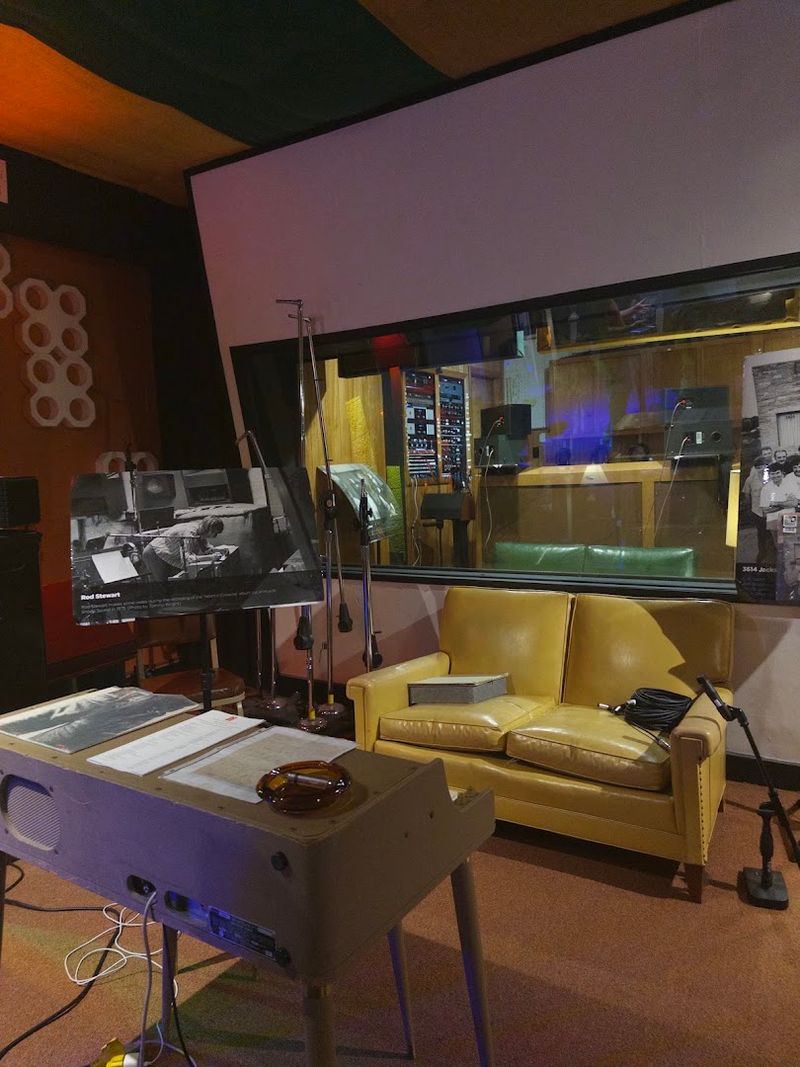
Imagine sitting on the same couch where Mick Jagger and Keith Richards once lounged between takes. That is exactly what visitors to Muscle Shoals Sound Studios get to experience, and it is one of the most talked-about moments on the tour.
The Rolling Stones came to Sheffield, Alabama, in 1969 to record tracks including the legendary “Wild Horses” and “Brown Sugar.” They could have recorded anywhere in the world, yet they chose this small Southern studio. Why?
Because the vibe was simply unmatched.
The Stones reportedly felt comfortable and creatively free in the intimate setting, far from the pressures of big-city studios. Reviewers who have taken the tour say the energy from those sessions still seems to linger in the room.
Standing where rock royalty once stood is a genuinely spine-tingling experience that no music fan should skip.
Meet the Swampers – The Most Famous Unknown Band in History
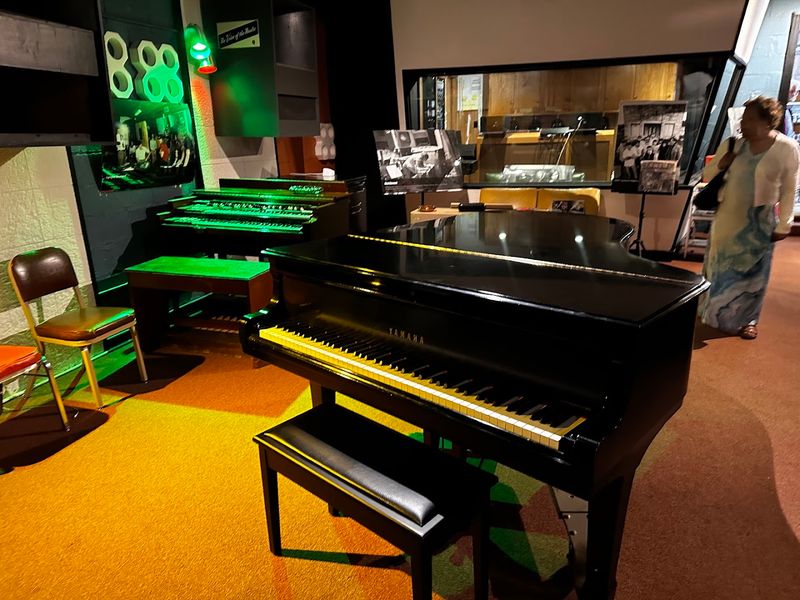
Lynyrd Skynyrd name-dropped them in “Sweet Home Alabama,” and yet most casual music fans had no idea who they were. The Swampers, officially known as the Muscle Shoals Rhythm Section, were the backbone of an extraordinary era in American music.
Barry Beckett, Roger Hawkins, David Hood, and Jimmy Johnson formed this tight-knit group of session players who seemed to have a magical ability to lock into whatever an artist needed. They played on records spanning soul, rock, pop, and country, often recording multiple sessions in a single day.
When they founded Muscle Shoals Sound Studios in 1969, they took their reputation and their chemistry to a new address. Visitors on the guided tour hear incredible stories about how these four unassuming Alabama musicians helped shape the sound of a generation, often without receiving nearly enough credit for it.
Bob Dylan Walked Through That Door Too
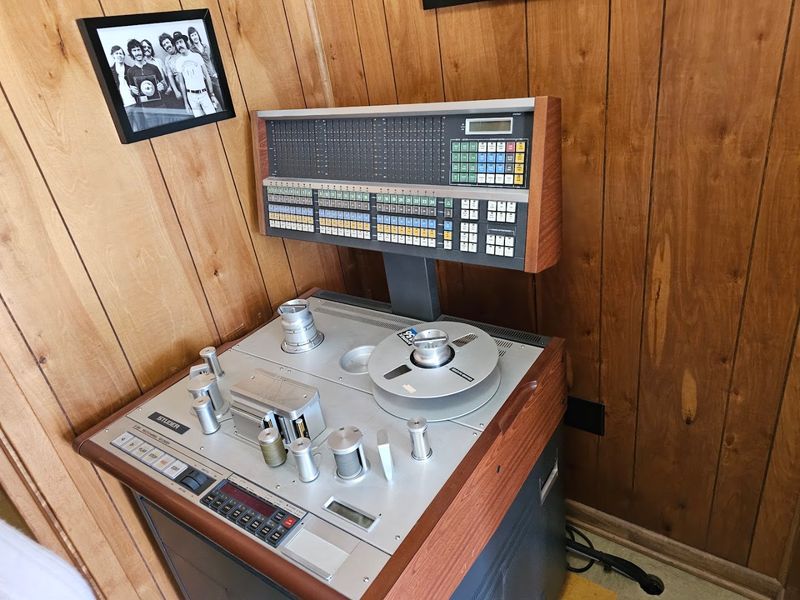
When Bob Dylan needed a fresh creative environment in the mid-1970s, he packed his bags and headed to Sheffield, Alabama. He recorded the album “Slow Train Coming” at Muscle Shoals Sound Studios in 1979, and it earned him his first Grammy Award for Best Male Rock Vocal Performance.
The album marked a significant turning point in Dylan’s career, showcasing a more gospel-influenced sound that surprised fans and critics alike. The studio’s unique atmosphere and the skill of the Swampers gave Dylan the musical canvas he needed to explore a bold new direction.
It is the kind of story that tour guides at the studio love to tell, because it illustrates just how diverse and far-reaching the studio’s influence truly was. From soul queens to folk legends, Muscle Shoals Sound Studios attracted artists who were searching for something real, something they could not find anywhere else.
Paul Simon Came South Looking for Magic
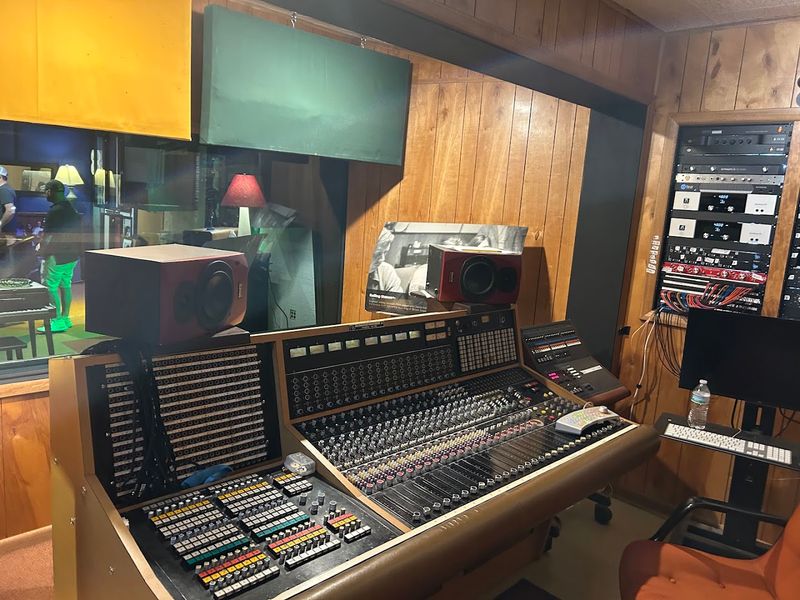
Paul Simon is the kind of artist who chases sound. He traveled to South Africa for “Graceland” and to Brazil for rhythmic inspiration, so it makes perfect sense that he also made the pilgrimage to Muscle Shoals, Alabama.
He recorded there and found exactly the warm, organic sound he was looking for.
Simon joined an impressive roster of artists who realized that something special was happening in this small Southern town. The combination of world-class session musicians and a relaxed, intimate studio environment produced a musical magic that big-city studios struggled to replicate.
Tour guide Chase, frequently praised in visitor reviews, shares stories about Simon and other legendary artists that connect the dots between talent, place, and inspiration. Hearing those stories in the actual room where they happened makes the whole experience feel personal and vivid rather than like a typical museum visit.
Freebird Was Born Here – Yes, Really
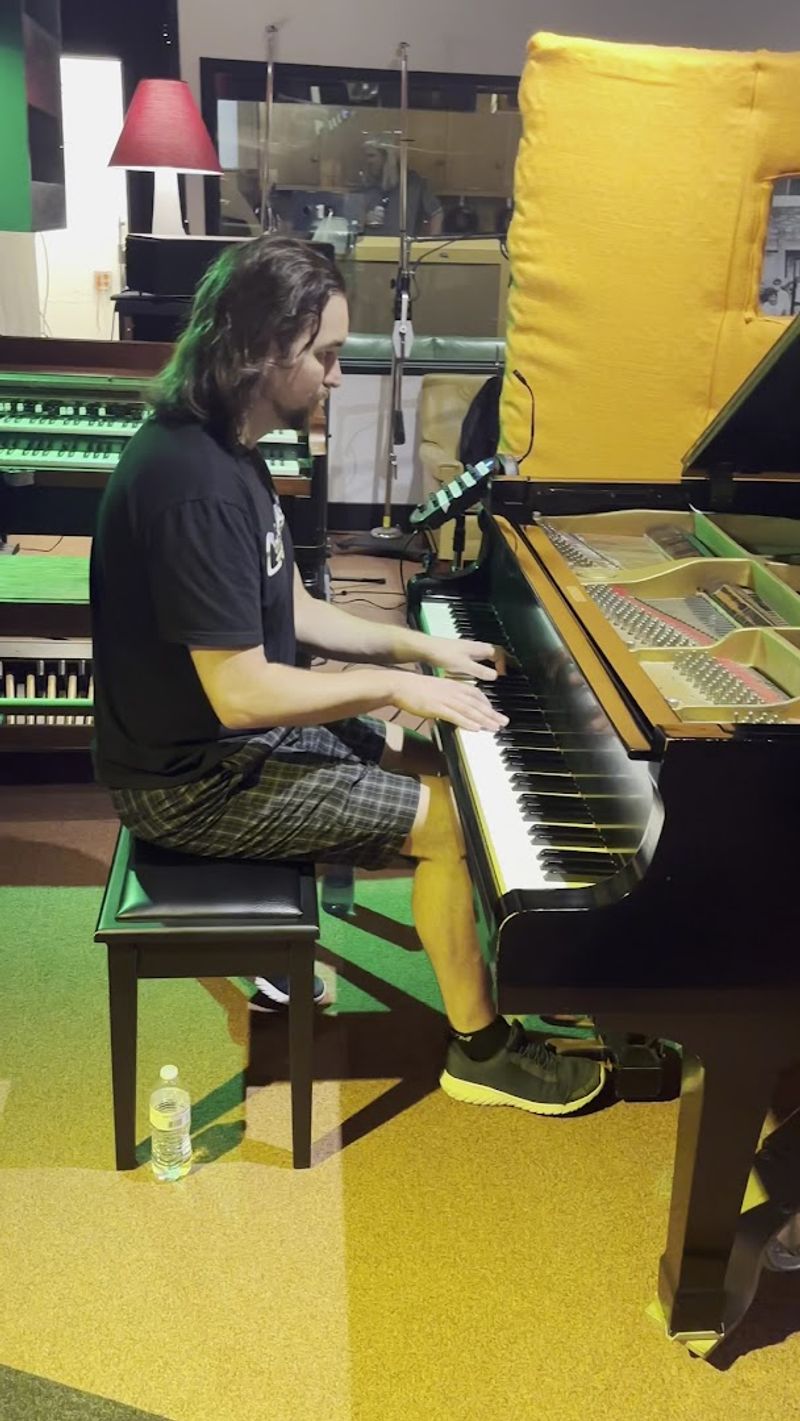
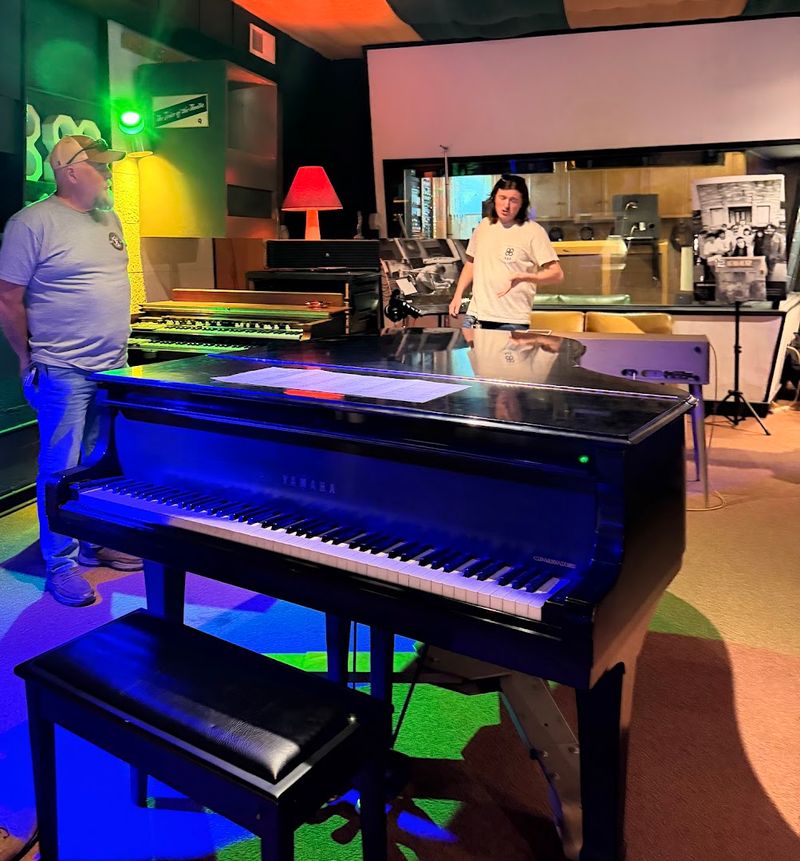
Southern rock fans, prepare to have your mind blown. The studio actually houses the original piano that Billy Powell used to record the iconic opening notes of “Free Bird” by Lynyrd Skynyrd.
Visitors who take the tour get to see it up close, and many say it is one of the most emotional moments of the entire experience.
That delicate, rolling piano intro is one of the most recognizable passages in rock history, and knowing it was born in this small Sheffield studio adds a whole new layer of meaning to the song. It is the kind of tangible connection to music history that photographs simply cannot replicate.
One reviewer mentioned the piano as a highlight that genuinely moved them. Hearing the story behind a song you have loved your whole life, while standing in the very room where it came to life, is an experience that sticks with you long after you leave.
Linda Ronstadt and the Studio’s Incredible Range
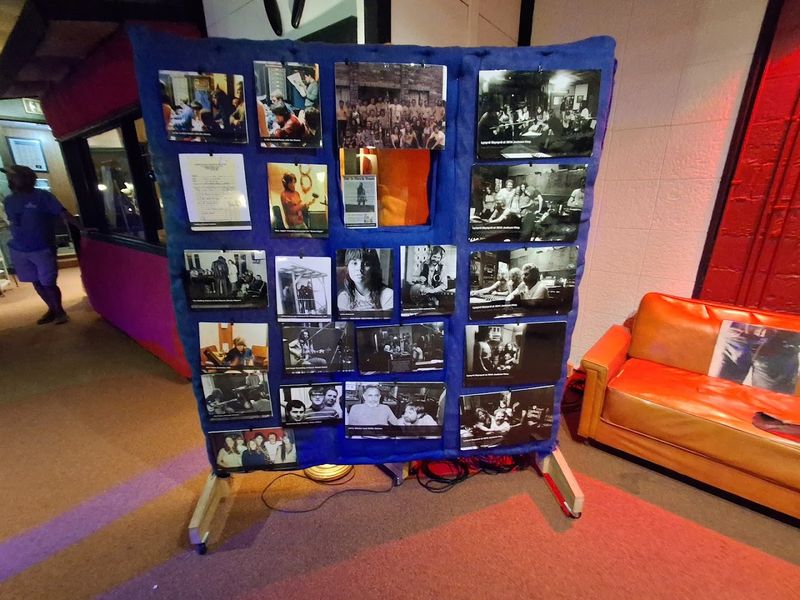
Linda Ronstadt was one of the biggest pop and rock stars of the 1970s, and her decision to record at Muscle Shoals Sound Studios speaks volumes about the studio’s reputation. Artists from wildly different genres kept showing up at the same little building in Sheffield, Alabama, because the results were simply undeniable.
Ronstadt’s recordings helped demonstrate that the Muscle Shoals sound was not limited to soul or Southern rock. It could adapt, stretch, and support virtually any style an artist brought through the door.
That versatility was one of the studio’s greatest and most underappreciated superpowers.
The guided tour highlights this remarkable range by walking visitors through the diverse catalog of artists who recorded there. From country crossover acts to hard rock legends, the list reads like a greatest-hits compilation of American music itself, which makes the studio’s modest exterior even more surprising every single time.
Bob Seger Found His Sound in Sheffield
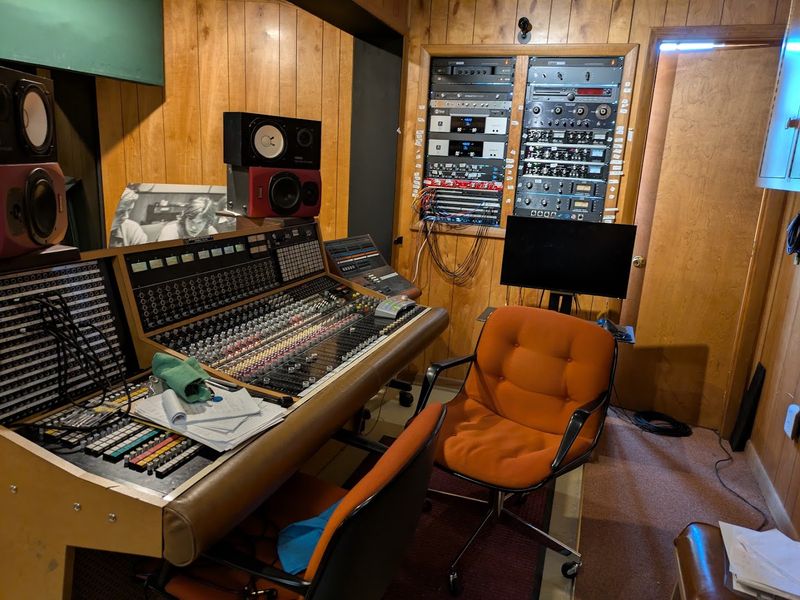
Bob Seger is practically synonymous with heartland rock, but some of his most celebrated work has roots in a small Alabama studio most people could not find on a map. He recorded at Muscle Shoals Sound Studios, and the experience left a clear mark on his music.
Seger’s gritty, working-class sound fit perfectly with the Swampers’ no-nonsense, feel-everything approach to recording. There was no pretension in that room, just musicians focused on capturing something honest and real.
That shared philosophy produced recordings that resonated deeply with everyday listeners.
Visitor reviews frequently mention Seger as one of the surprising names that comes up during the tour. Guests who grew up listening to “Night Moves” or “Turn the Page” often get a fresh appreciation for those songs after hearing the behind-the-scenes stories.
Music history has a way of making familiar things feel completely brand new.
Dr. Dre’s Generous Gift Saved the Building
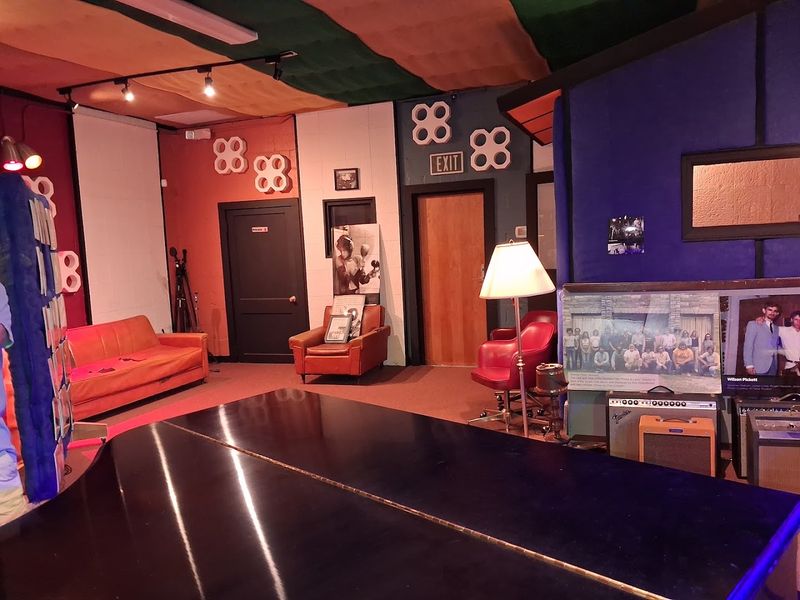
Here is a fact that surprises almost everyone who hears it. Dr. Dre, the legendary hip-hop producer from Compton, California, made a major financial donation that helped restore Muscle Shoals Sound Studios to its original glory.
It is one of the most unexpected connections in music history.
The studio is owned and operated by the Muscle Shoals Music Foundation, a nonprofit organization dedicated to preserving this remarkable piece of American culture. Dr. Dre’s contribution allowed the foundation to restore the building, its vintage equipment, and its original furnishings to the condition visitors experience today.
One reviewer described sitting on the same restored couch where the Rolling Stones once sat, marveling at how authentically the space had been brought back to life. The restoration was not just cosmetic.
It was a genuine act of respect for a place that helped shape the music that influenced generations of artists, including Dr. Dre himself.
The Guided Tour Experience That Visitors Cannot Stop Talking About
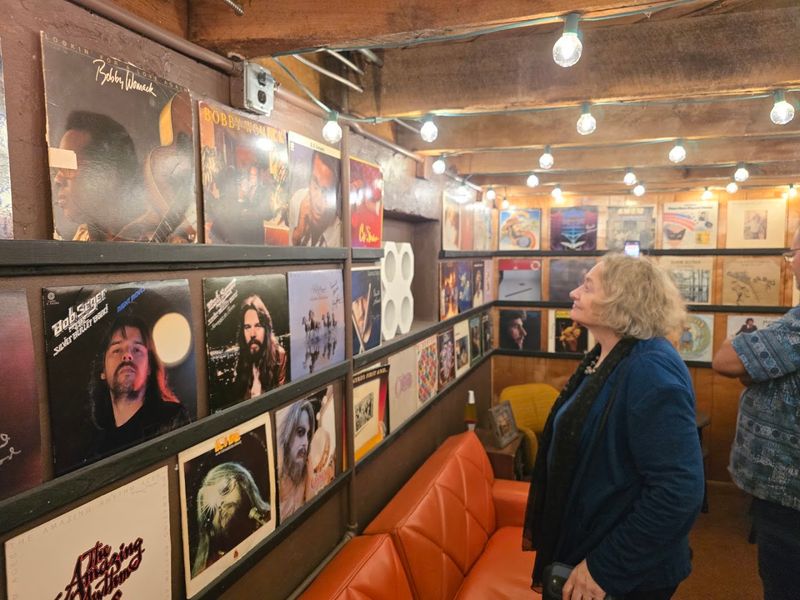
With a 4.9-star rating from nearly a thousand reviews, the guided tours at Muscle Shoals Sound Studios are clearly doing something right. Visitors consistently rave about guides like Toni, Chase, and Terrell, describing them as passionate, deeply knowledgeable, and genuinely entertaining storytellers.
The tour runs Tuesday through Saturday from 10 AM to 4 PM, and tickets are priced at around twenty dollars per person. Groups tend to be small and intimate, which gives the experience a personal quality that larger attractions simply cannot match.
You are not shuffled through a velvet rope. You are welcomed into a living piece of history.
One reviewer said their guide was actually one of the studio’s house musicians, adding an extra layer of authenticity to every story shared. Another visitor said there were songs they would never hear the same way again after taking the tour, which might be the highest compliment a music experience can receive.
Wilson Pickett and the Raw Power of the Muscle Shoals Sound
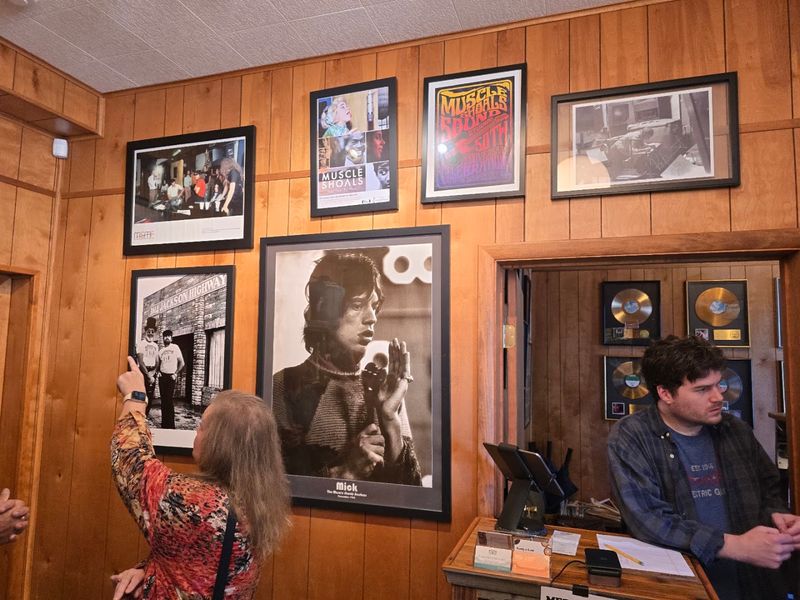
Wilson Pickett came to Muscle Shoals looking for fire, and the musicians there gave him exactly that. His recordings made in the area, backed by the same tight-knit session players connected to Muscle Shoals Sound Studios, produced some of the rawest, most electrifying soul music ever captured on tape.
Pickett’s explosive vocal style met its perfect match in the Swampers’ instinctive, groove-heavy playing. Together they created a sound that felt both polished and dangerously alive at the same time.
That tension between control and raw emotion is exactly what made Muscle Shoals recordings so addictive to listeners worldwide.
Tour guides at the studio bring Pickett’s story to life with the kind of enthusiasm that only comes from genuine love for the music. Hearing about those legendary sessions while standing in the actual recording room creates a connection to music history that no documentary or playlist can fully replicate.
Planning Your Visit to This Living Monument of American Music
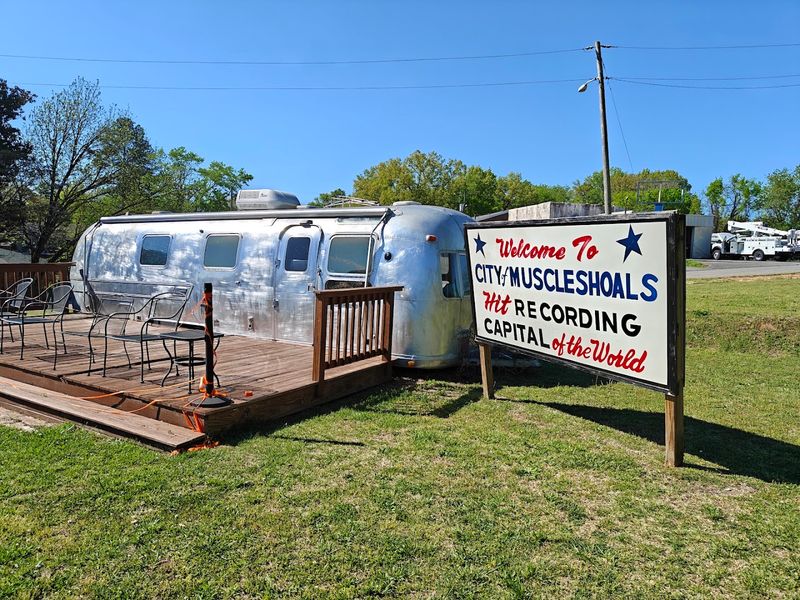
Getting to Muscle Shoals Sound Studios is easier than you might think, and every music lover who makes the trip says it is absolutely worth the effort. The studio is located at 3614 North Jackson Highway in Sheffield, Alabama, and tours run Tuesday through Saturday from 10 AM to 4 PM.
The studio is closed Sunday and Monday.
Calling ahead at 256-978-5151 or checking the website at muscleshoalssoundstudio.org is a smart move before you go. Multiple reviewers recommend watching the Muscle Shoals documentary on YouTube before or after your visit to get the full context of everything you will see and hear on the tour.
Pairing the visit with a stop at nearby FAME Studios makes for an unforgettable full day of music history. Both studios complement each other beautifully, giving visitors a complete picture of why this small Alabama town produced a sound that literally changed popular music around the world.
Enjoyed this story?
Add Fast Food Club as a preferred source to see more of our reporting on Google.