


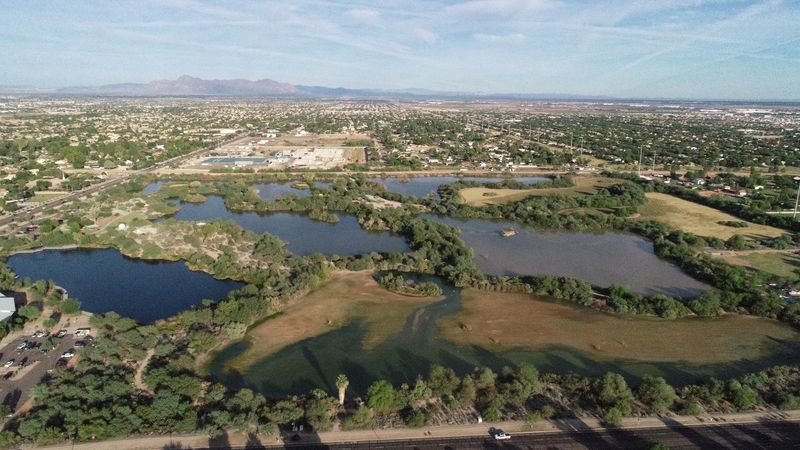
Tucked inside the busy suburbs of Gilbert, Arizona, the Riparian Preserve at Water Ranch is one of the most surprising natural gems in the entire Southwest. Spanning 110 acres with seven shimmering ponds and over 4.5 miles of trails, this free public preserve has become a beloved hotspot for birdwatchers, families, and nature lovers alike.
More than 300 bird species have been spotted here, from everyday desert songbirds to unexpected visitors like pelicans that seem completely out of place in the Arizona heat. Whether you are a seasoned birder or just looking for a peaceful morning walk, this extraordinary oasis has something truly special waiting for you.
Great Blue Heron Sightings Along the Ponds
Standing nearly four feet tall and moving with the patience of a seasoned fisherman, the Great Blue Heron is one of the most jaw-dropping birds you can spot at the Riparian Preserve at Water Ranch. These magnificent waders are regulars along the shorelines of the seven ponds, often holding perfectly still as they wait to strike at a passing fish.
Visitors are frequently amazed to see such a large, stately bird thriving in the middle of a desert suburb. The preserve’s carefully managed water features create ideal shallow-water hunting conditions that herons absolutely love.
Early morning visits give you the best chance of catching one in action before the crowds arrive.
Bring binoculars and move slowly along the water’s edge. Patience is your best tool when watching these birds, and the reward of seeing one take flight is absolutely worth every quiet minute of waiting.
Unexpected Pelican Visits That Surprise Every Guest
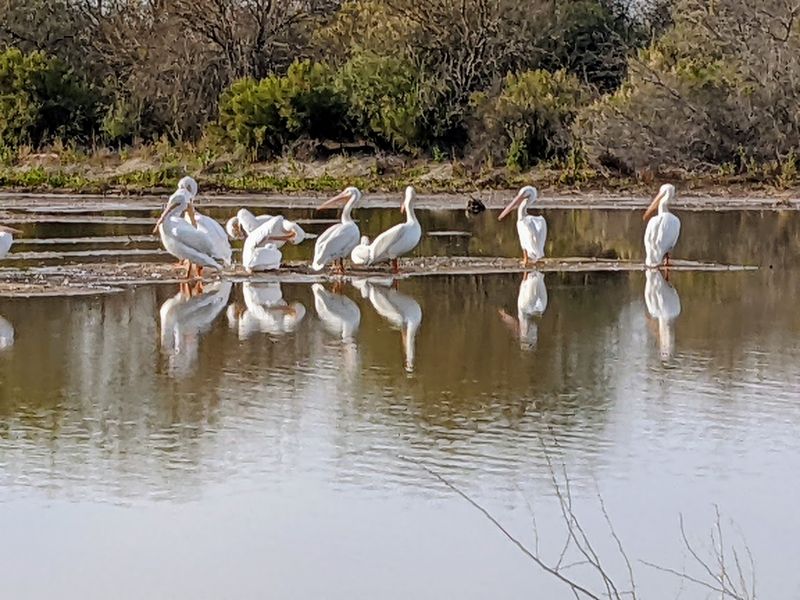
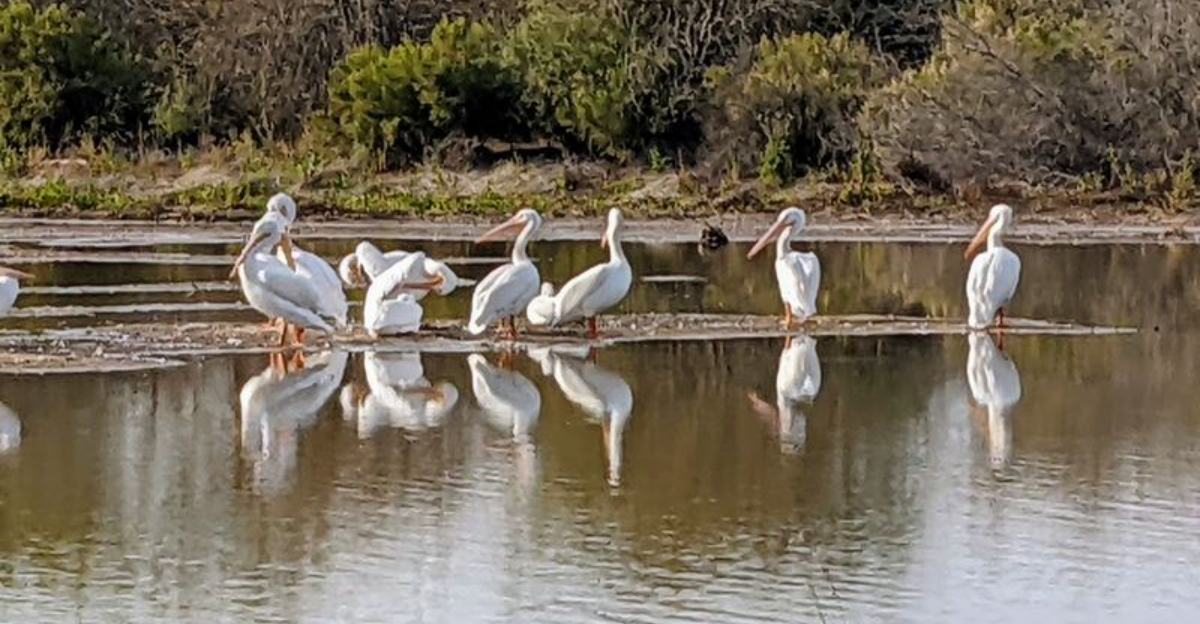
Most people do not expect to see pelicans in the middle of the Arizona desert, but the Riparian Preserve at Water Ranch has a way of rewriting expectations. American White Pelicans occasionally stop here during migration, turning an ordinary afternoon walk into something that feels almost magical.
Visitors who spot them often do a double-take.
These birds are massive, with wingspans reaching nearly ten feet. Watching them glide low across the pond surface in formation is one of those nature moments that genuinely takes your breath away.
Reviewers have specifically called out pelicans as a highlight that surprised them most during their visit.
The preserve’s ponds act as a rest stop on major migratory flyways, which is why such unexpected species keep showing up. Checking local birding apps like Merlin before your visit can help you know what rare visitors might currently be passing through.
Using the Merlin Bird ID App to Spot Species
Technology and nature come together beautifully at the Riparian Preserve, and the free Merlin Bird ID app from Cornell Lab of Ornithology is the perfect companion for any visit. Simply open the app, tap “Sound ID,” and hold your phone up.
Within seconds, it begins identifying every bird singing around you by name, even ones you cannot see hiding in the bushes.
Multiple visitors have mentioned Merlin in their reviews as a game-changer for exploring the preserve. Suddenly, a walk that might have felt ordinary turns into an interactive adventure where you are discovering species you never knew existed.
Kids especially love watching the names pop up in real time.
The preserve hosts such a rich variety of bird calls layered on top of each other that Merlin often identifies five or more species simultaneously. Download it before you arrive, and your experience at the preserve will be completely transformed.
Seven Ponds and the Diverse Habitats They Create
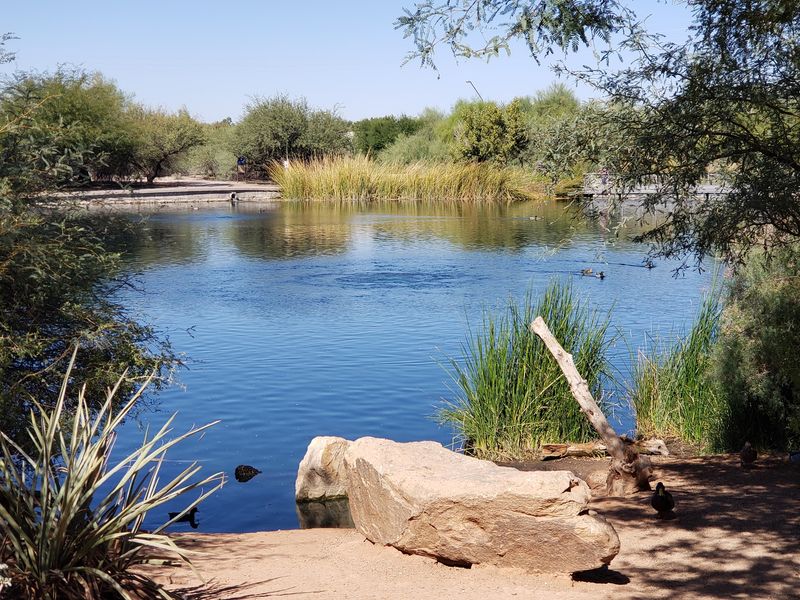
Seven distinct ponds spread across the preserve, and each one has its own personality. Some are deep and open, attracting diving ducks and cormorants.
Others are shallow and marshy, perfect for shorebirds probing the muddy edges with their long bills. One pond even allows visitors to toss bird seed to friendly ducks, making it a favorite spot for families with young children.
The variety of water depths and surrounding vegetation types is what drives the incredible species diversity here. Different birds need different environments, and the preserve essentially packs all of those environments into one walkable 110-acre space.
That thoughtful design is why over 300 species have been recorded within its boundaries.
Walking from pond to pond feels like traveling through several different ecosystems in a single morning. Each new body of water brings a fresh set of surprises, and no two visits ever look exactly the same depending on the season.
Feeding Ducks at the Community Pond
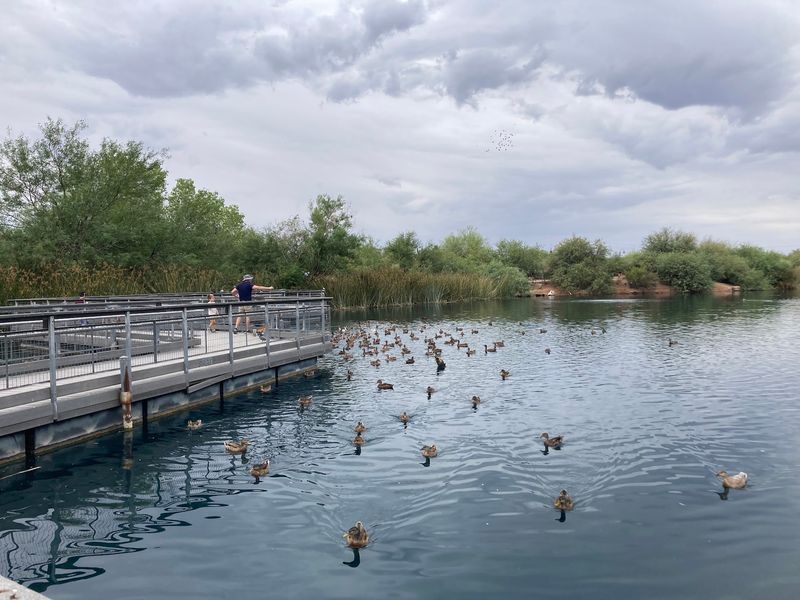
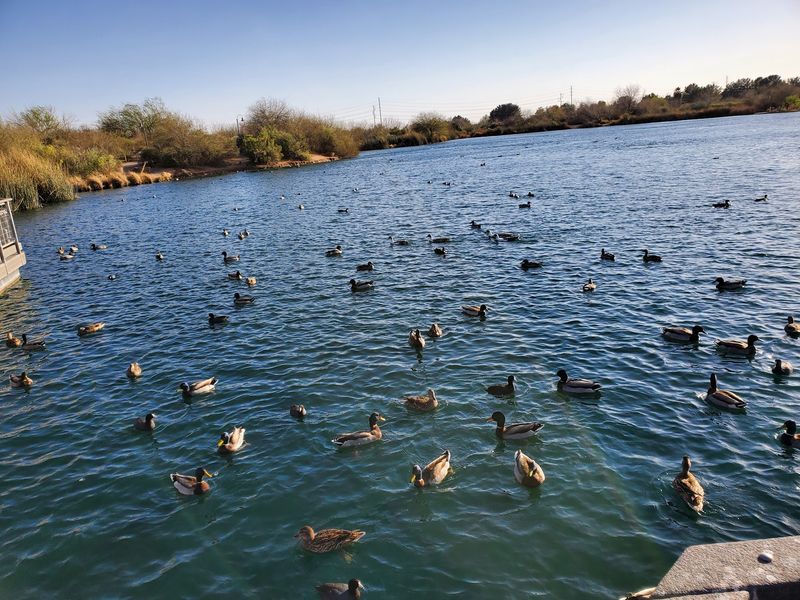
One of the most purely joyful experiences at the Riparian Preserve is visiting the designated feeding pond, where ducks have become remarkably comfortable around people. Visitors are encouraged to bring wild bird seed, dried corn, or whole grain cereal like plain Cheerios.
The moment you reach into a bag, the ducks come paddling over with cheerful enthusiasm.
Reviewers specifically recommend stopping at WinCo or a similar grocery store before your visit to pick up a small bag of bird-friendly food. The interaction between children and the ducks at this spot consistently earns some of the warmest comments in visitor reviews, with many calling it a highlight of the entire trip.
Feeding is only permitted at the designated pond, so look for the posted signs as you walk the trails. This small detail keeps the ecosystem healthy while still giving visitors a genuinely hands-on wildlife experience that kids absolutely love.
Migratory Shorebirds Passing Through Each Season
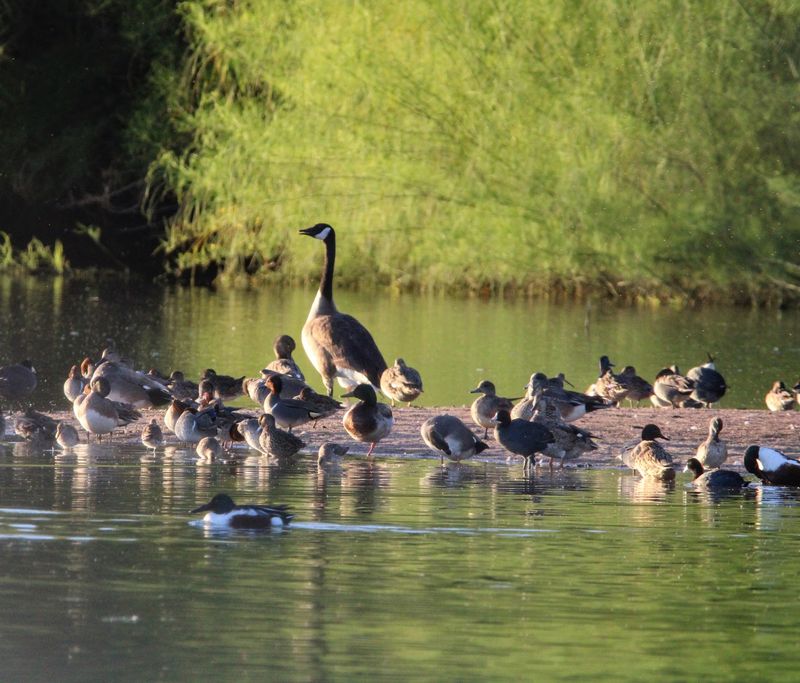
Twice a year, the Riparian Preserve transforms into a busy highway rest stop for migratory shorebirds traveling between their breeding and wintering grounds. Sandpipers, dowitchers, stilts, and avocets are among the species that pause here to feed and rest before continuing their long journeys.
The shallow pond edges create ideal foraging habitat for birds with long, probing bills.
Spring and fall are the most exciting times for shorebird enthusiasts, but the preserve offers rewarding birding in every season. Even in summer, resident species like the Black-necked Stilt raise their chicks along the muddy shorelines, giving patient observers a front-row seat to some genuinely tender family moments in the wild.
Wearing neutral-colored clothing and moving quietly along the water’s edge dramatically increases how close you can get before birds flush. Early morning light also makes these slim, elegant birds look absolutely spectacular through a good pair of binoculars.
Desert Songbirds Nesting in the Riparian Vegetation
Brilliant flashes of red, yellow, and orange dart through the cottonwoods and willows lining the preserve’s trails, and most of them belong to the incredible variety of desert songbirds that nest here year-round. The Vermilion Flycatcher, with its impossibly vivid red chest, is perhaps the most photographed small bird at the preserve and a firm favorite among first-time visitors.
Riparian zones, meaning areas where water meets dry land, support far more bird species than the open desert surrounding them. The lush vegetation along the preserve’s pond edges acts like a magnet, drawing in warblers, finches, sparrows, and flycatchers that would otherwise have nowhere to nest in this suburban landscape.
Walking slowly and listening carefully is the best strategy for finding songbirds. They are often easier to hear than to see, so pausing at a shaded bench and simply listening for a few minutes can reveal an astonishing number of species hidden just feet away.
Raptors Soaring Overhead and Hunting the Grounds
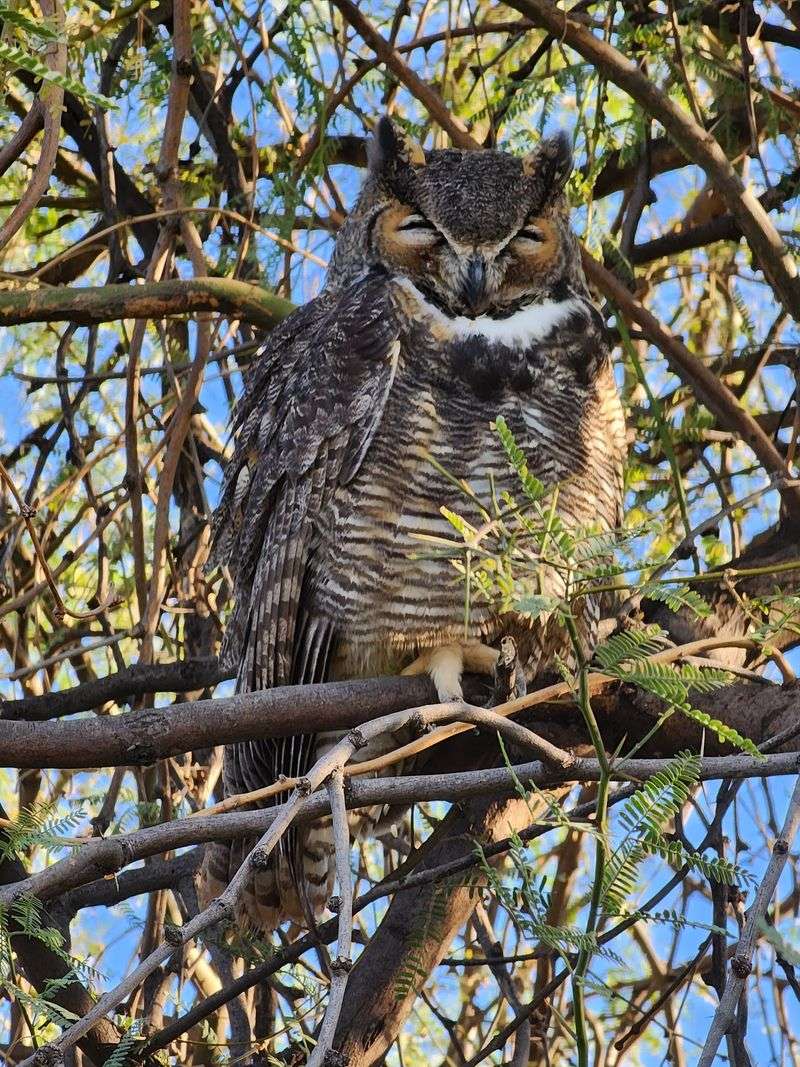
Look up while walking the trails and you are almost certain to spot a raptor riding the thermals above the preserve. Red-tailed Hawks, Cooper’s Hawks, and Ospreys are among the birds of prey regularly seen here, and during winter months, the preserve sometimes hosts Peregrine Falcons and Merlins passing through the region.
Watching a hawk circle silently overhead before tucking its wings and diving toward the water is one of those raw, unscripted nature moments that stays with you long after you leave. The ponds attract fish and small birds, which in turn draw in predators from the surrounding desert and beyond.
Raptors are most active in the cooler morning hours when thermals are just beginning to form. Scanning the tops of tall cottonwood trees along the trail edges is a reliable way to spot a hawk perched and watching for movement below before it launches into the air.
The Gilbert Rotary Centennial Observatory for Stargazers
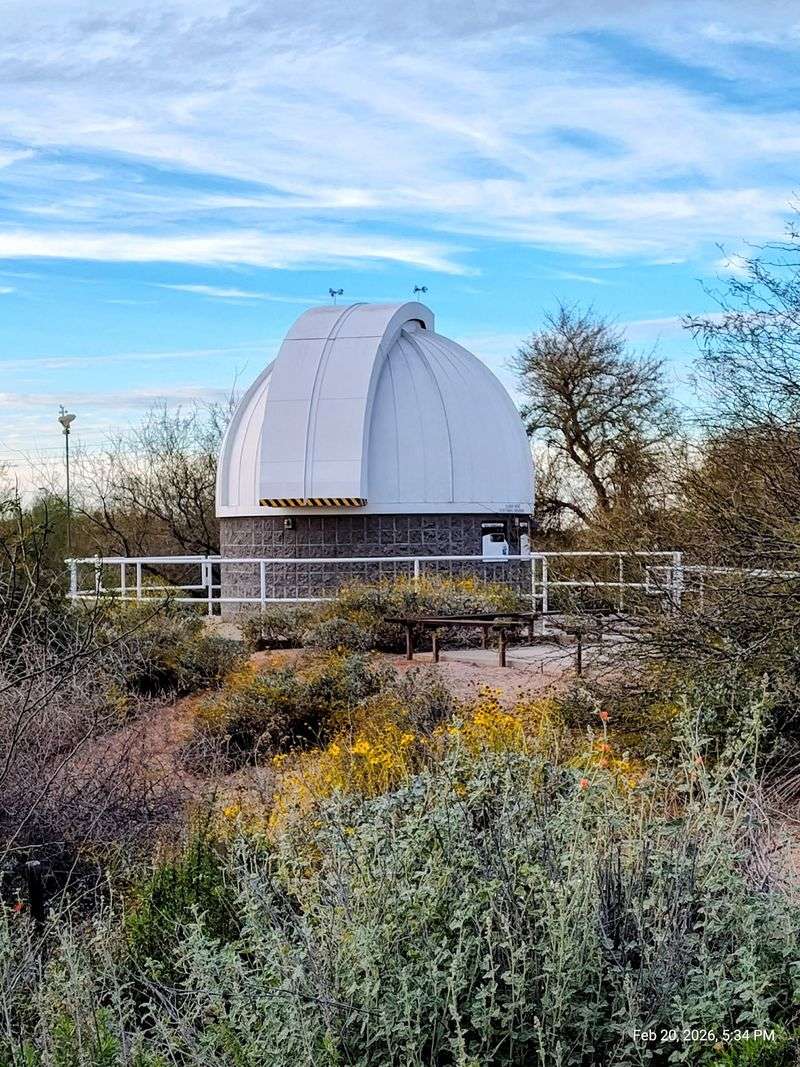
The Riparian Preserve at Water Ranch offers something most nature parks simply cannot: a fully operational public observatory right on the grounds. The Gilbert Rotary Centennial Observatory opens on select evenings and invites visitors to peer through powerful telescopes at planets, star clusters, and other deep-sky objects above the Arizona desert sky.
Several reviewers mentioned heading to the observatory area specifically for sunset viewing, noting that the open western exposure makes it one of the most scenic spots in the entire preserve. Watching the sky shift from gold to deep purple while silhouettes of herons glide across the ponds below is an experience that feels almost cinematic.
Check the Gilbert Parks and Recreation website for scheduled public viewing nights before your visit. The observatory is a free community resource that reflects the same thoughtful vision behind the preserve itself, offering both natural and scientific wonder in a single location.
Over 4.5 Miles of Trails for Every Fitness Level
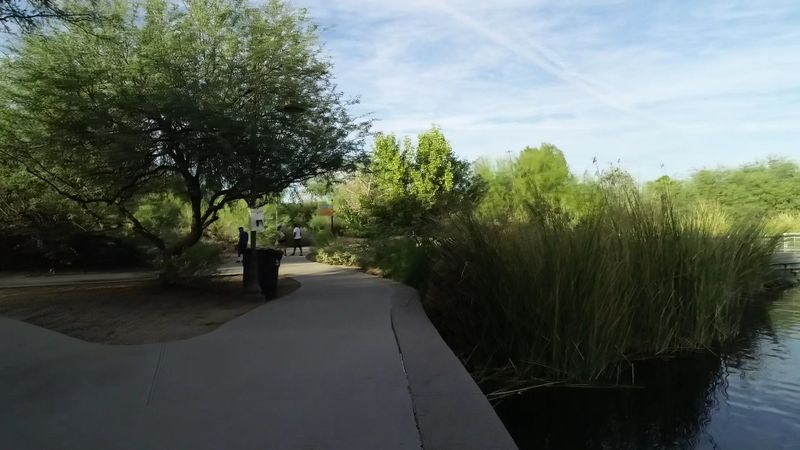
More than 4.5 miles of trails weave through the Riparian Preserve, ranging from smooth paved paths to natural dirt tracks that wind through denser vegetation. Whether you prefer a short 20-minute stroll or a longer two-plus-mile loop, the trail system lets you customize your walk to match your energy and available time.
The paths are clearly marked with orange signs and small maps posted at key intersections, making it nearly impossible to get lost. Strollers, wheelchairs, and bikes are all welcome on the paved sections, and dogs on leashes are allowed throughout the preserve.
Families with young children will appreciate the rails on the bridges that cross the water, keeping curious little ones safely in place while they watch fish and ducks below.
Shade from mature cottonwood, willow, and mesquite trees covers much of the trail system, offering welcome relief from the Arizona sun, especially during the warmer months of the year.
The Dino Dig Site Kids Absolutely Love
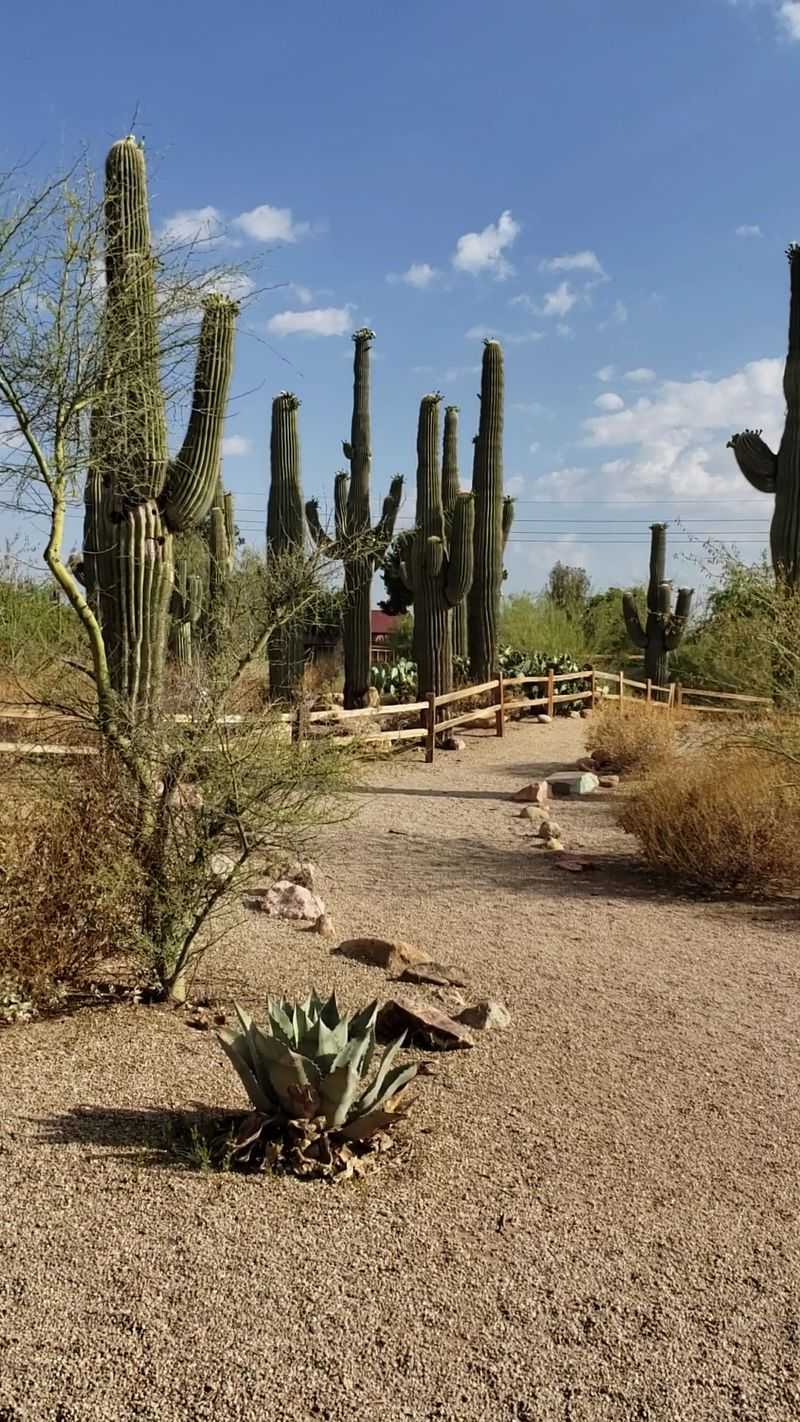
Buried within the preserve is a feature that turns a birdwatching outing into a full-blown adventure for younger visitors: a dinosaur bone dig site where kids can channel their inner paleontologist. Replica fossils are embedded in a sandy excavation area, and children can use brushes and tools to uncover them just like real scientists working in the field.
This clever addition transforms the preserve into a destination that appeals equally to toddlers and teenagers. Parents appreciate having a dedicated activity that keeps energetic kids engaged, especially after a long walk around the ponds.
The dig site is located near the playground area, making it easy to combine both stops into one family-friendly loop.
Reviews consistently mention the Dino Dig as a standout feature that surprised first-time visitors. It reflects the preserve’s broader mission of connecting people of all ages to the natural world through hands-on, memorable experiences that go far beyond a simple walk in the park.
Mental Health Benefits of Walking the Preserve
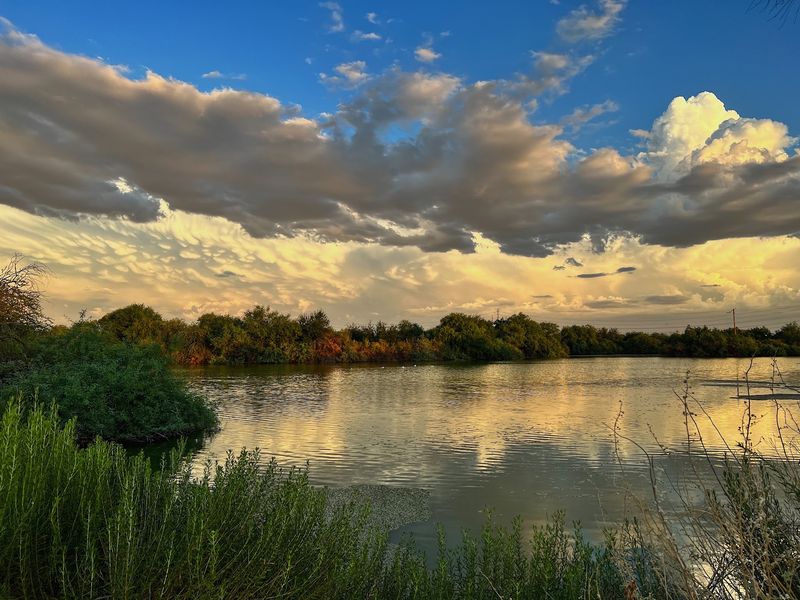
Something quietly remarkable happens to people who spend time walking the trails at the Riparian Preserve. Visitor reviews use words like “sanctuary,” “reset button,” and “healing” with a frequency that goes well beyond typical park praise.
The preserve even posts mental health reminder signs along its trails, acknowledging the emotional value of spending time in nature.
Research consistently shows that time near water, trees, and birdsong lowers cortisol levels and reduces feelings of anxiety. The Riparian Preserve delivers all three in abundance.
Even on busy days when the parking lots fill up, the trail network is spacious enough that you can always find a quiet bench beside a pond where the world feels entirely still.
One long-time visitor described walking these paths for 25 years as a way to rebuild themselves when life gets overwhelming. That kind of deep, personal connection to a place is rare, and the preserve earns it naturally through its extraordinary environment.
Free Admission and What to Bring for Your Visit
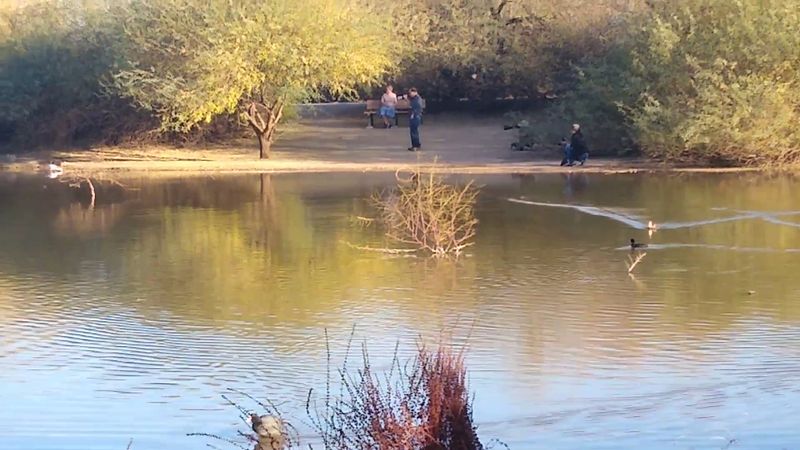
One of the most celebrated facts about the Riparian Preserve at Water Ranch is that entry is completely free, every single day of the week. The gates open at 5:30 AM and stay open until 10:00 PM, giving early risers and evening strollers equal access to this remarkable space.
There are multiple parking areas, though they fill up quickly on weekends and during cooler months.
Coming prepared makes a huge difference in how much you enjoy the visit. Reviewers universally recommend bringing water, sunscreen, sunglasses, and a wide-brimmed hat, especially if you are visiting between late spring and early fall when temperatures climb quickly.
Binoculars and a camera dramatically improve the birding experience.
If you plan to fish, bring a valid Arizona fishing license. For families stopping at the feeding pond, a small bag of wild bird seed or plain whole-grain cereal from a nearby store adds a genuinely fun and interactive element to the outing.
Enjoyed this story?
Add Fast Food Club as a preferred source to see more of our reporting on Google.