


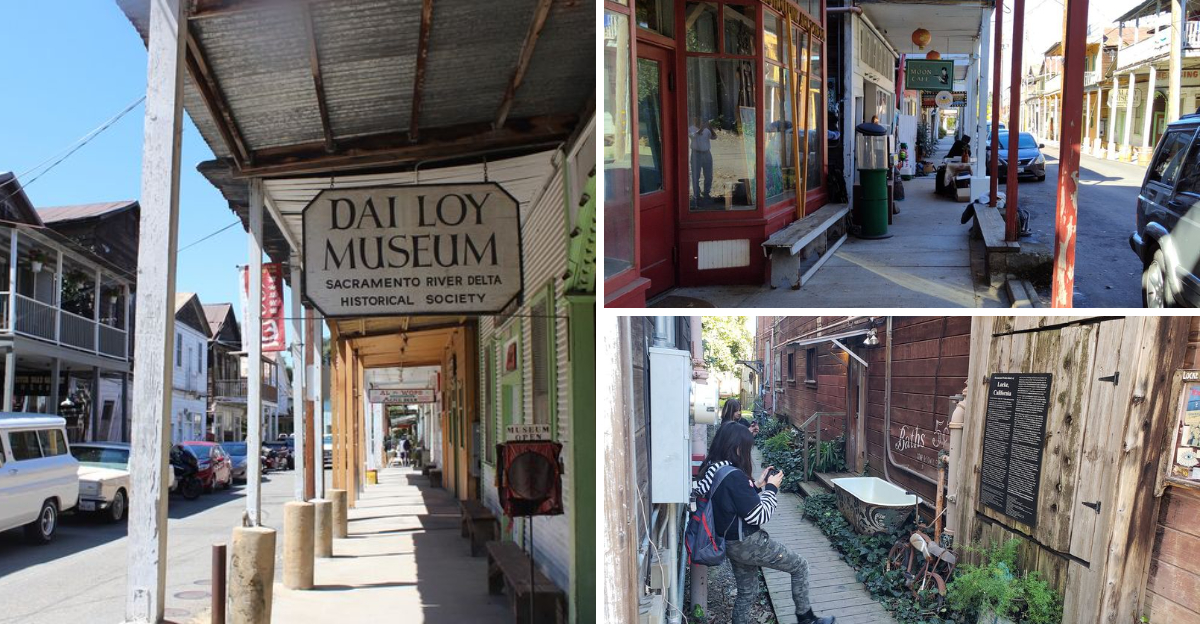
Tucked along the winding levees of the Sacramento-San Joaquin River Delta, the tiny town of Locke, California stands as the last surviving rural Chinese town in America. Built in 1915 by Chinese laborers and merchants, this 14-acre historic gem tells a story of courage, community, and culture that most people never get to hear.
Walking through Locke feels like stepping back in time, with its weathered wooden buildings, narrow dirt paths, and deep-rooted heritage still very much alive. Whether you are a history lover, a curious traveler, or simply someone who appreciates hidden treasures, Locke is one place that will absolutely take your breath away.
How Locke Came To Be: The 1915 Origin Story
Back in 1915, a fire destroyed much of the nearby Chinatown in Walnut Grove, leaving hundreds of Chinese residents without a home base. Rather than rebuilding on land they did not own, a group of determined Chinese immigrants struck a deal with landowner George Locke to lease a stretch of levee land about one mile north of Walnut Grove.
What followed was nothing short of remarkable. Within just a few years, a fully functioning Chinese town rose from the ground, complete with shops, homes, restaurants, and even a school.
The town was named after George Locke himself, though the community that built it was entirely Chinese.
Locke became one of the few places in California where Chinese immigrants could truly call the shots on their own community, even during a time when laws made it nearly impossible for them to own land outright.
Walking Main Street: A Living Time Capsule
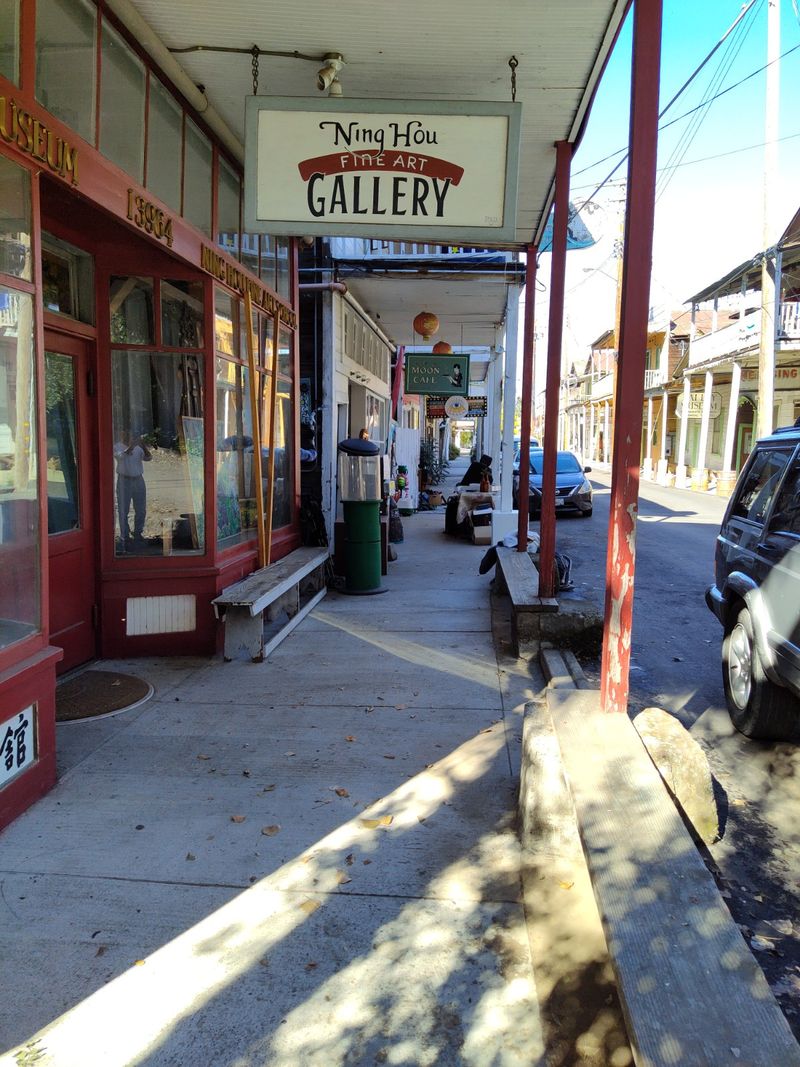
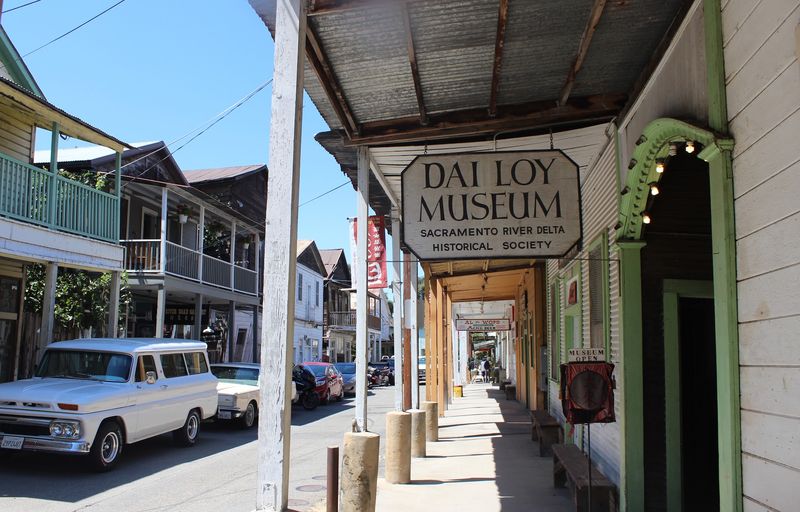
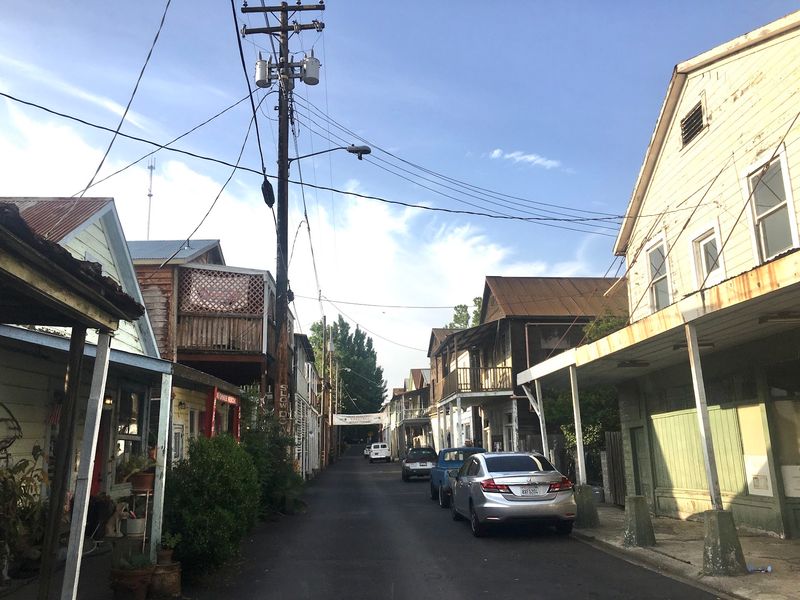
Main Street in Locke is only about one block long, but every inch of it feels packed with history. The wooden buildings lean slightly with age, their paint peeling just enough to remind you that these structures have been standing for over a hundred years.
Storefronts that once sold Chinese herbs, groceries, and dry goods still line the street, though most are now museums or galleries. The second-floor balconies that overhang the narrow road were once where residents would sit and watch life unfold below them.
Visiting Main Street feels personal, almost like reading someone’s old diary. You get the sense that real people lived full, complicated lives here.
The street has been carefully preserved and was added to the National Register of Historic Places, making it one of the most authentically maintained historic districts in all of California.
Chinese Exclusion Act and Why Locke Even Mattered
To truly understand Locke, you have to know about the Chinese Exclusion Act of 1882. This federal law banned Chinese laborers from immigrating to the United States and made it nearly impossible for those already here to become citizens or own property.
It was one of the most discriminatory laws ever passed in American history.
Because of these restrictions, Chinese communities in California were forced to get creative. They could not own land, but they could lease it.
That legal loophole is exactly what made Locke possible, and it shaped every decision the founders made when building the town.
Locke became a rare safe haven, a place where Chinese residents could live, work, and build community on their own terms. Understanding this context makes every weathered building and dusty alley in town feel even more meaningful and worth protecting for future generations.
The Sacramento-San Joaquin Delta: The Setting That Shaped Everything
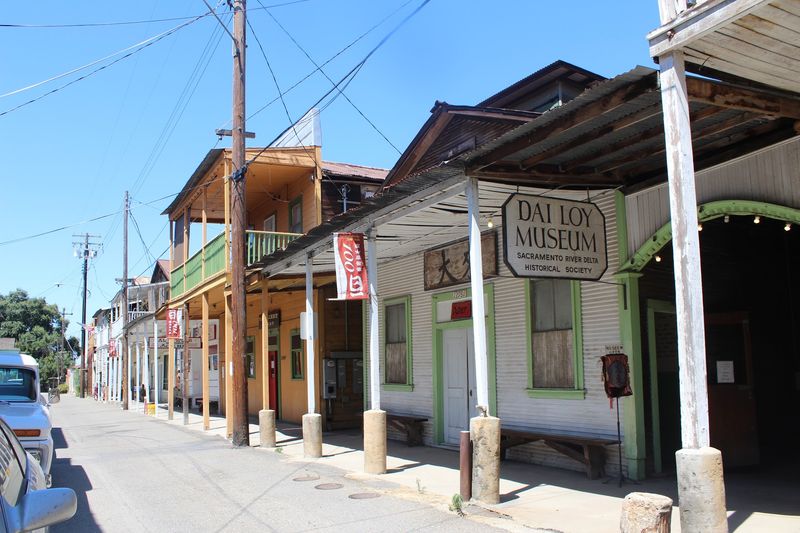
Locke did not appear in just any corner of California. It was built right in the heart of the Sacramento-San Joaquin River Delta, one of the most fertile and complex waterway systems in the entire western United States.
The delta was a place where Chinese laborers had already spent decades building the very levees that made farming possible.
Those same workers who drained swamps and moved mountains of earth eventually settled along the levees they built. The geography of the delta, with its flat farmland, twisting sloughs, and rich soil, made it a natural home for a hardworking immigrant community that had already proven it could tame the land.
Even today, the delta setting gives Locke a quiet, almost dreamlike atmosphere. Surrounded by pear orchards and waterways, the town feels like it exists slightly outside of regular time, which is a big part of its enduring charm.
Al the Wop’s Restaurant: The Most Legendary Dive Bar in the Delta
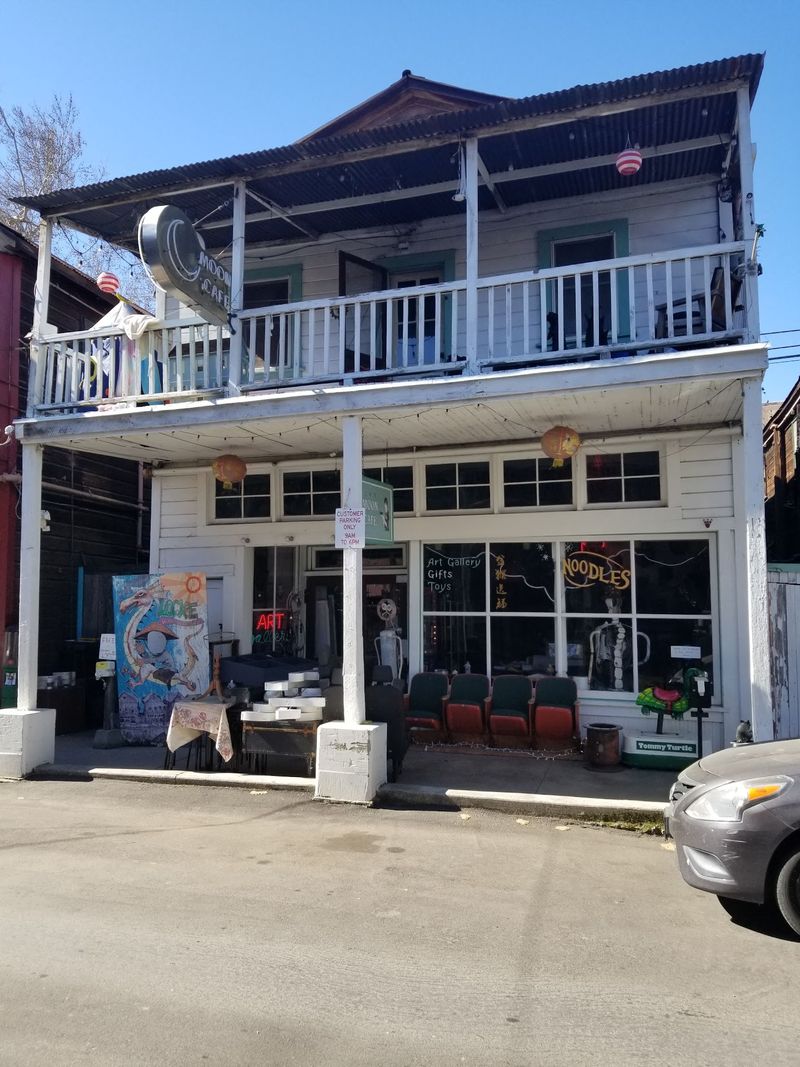
One of the most talked-about spots in Locke is a place called Al the Wop’s, a funky old bar and restaurant that has been serving locals and travelers since 1934. Started by an Italian immigrant named Adolfo Marchetti, the place became famous for its no-frills atmosphere and its tradition of customers pinning dollar bills to the ceiling.
Al the Wop’s serves steak dinners with peanut butter on bread as a side, which sounds strange but has become a beloved local tradition. The walls are covered in old photos, license plates, and memorabilia that tell decades of delta stories.
The fact that an Italian-run bar became a cultural landmark inside a Chinese historic town says a lot about how Locke evolved over time. It became a community where different cultures mixed, and that blend of stories is part of what makes the town so genuinely fascinating to explore.
The Dai Loy Gambling House Museum: Where Secrets Were Kept
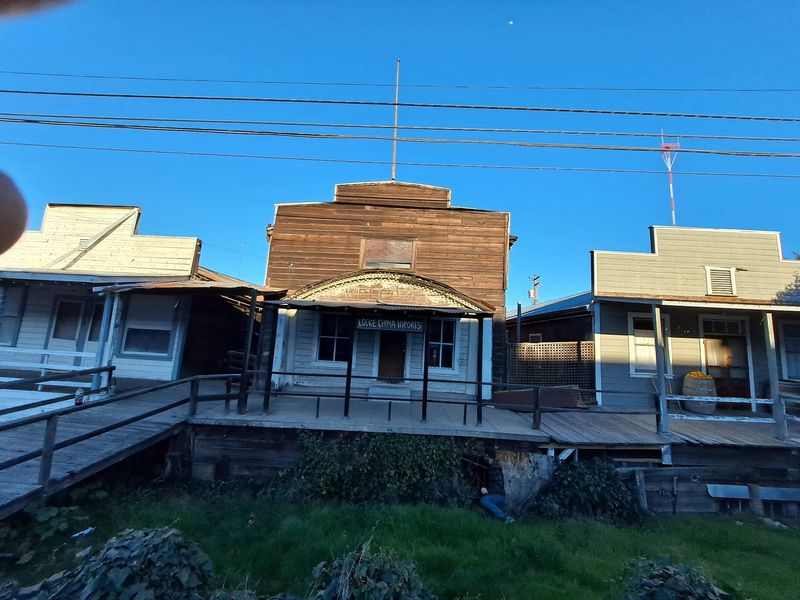
Hidden in plain sight on Main Street, the Dai Loy Gambling House once operated as a full-service gambling den during a time when such places thrived in Locke. The name means “big welcome” in Cantonese, and the house certainly welcomed plenty of card players and gamblers throughout the early and mid-1900s.
Today it operates as a small but fascinating museum where visitors can see the original gambling tables, decor, and artifacts that bring the space back to life. It is one of the most vivid windows into what daily social life looked like for residents and visitors of Locke during its peak years.
Gambling was technically illegal, but in a town with its own unwritten rules, enforcement was often relaxed. The Dai Loy is a reminder that Locke was not just a quiet village but a lively, layered community with its own underground economy and social scene that kept things interesting.
Chinese Agricultural Workers and the Delta Farms
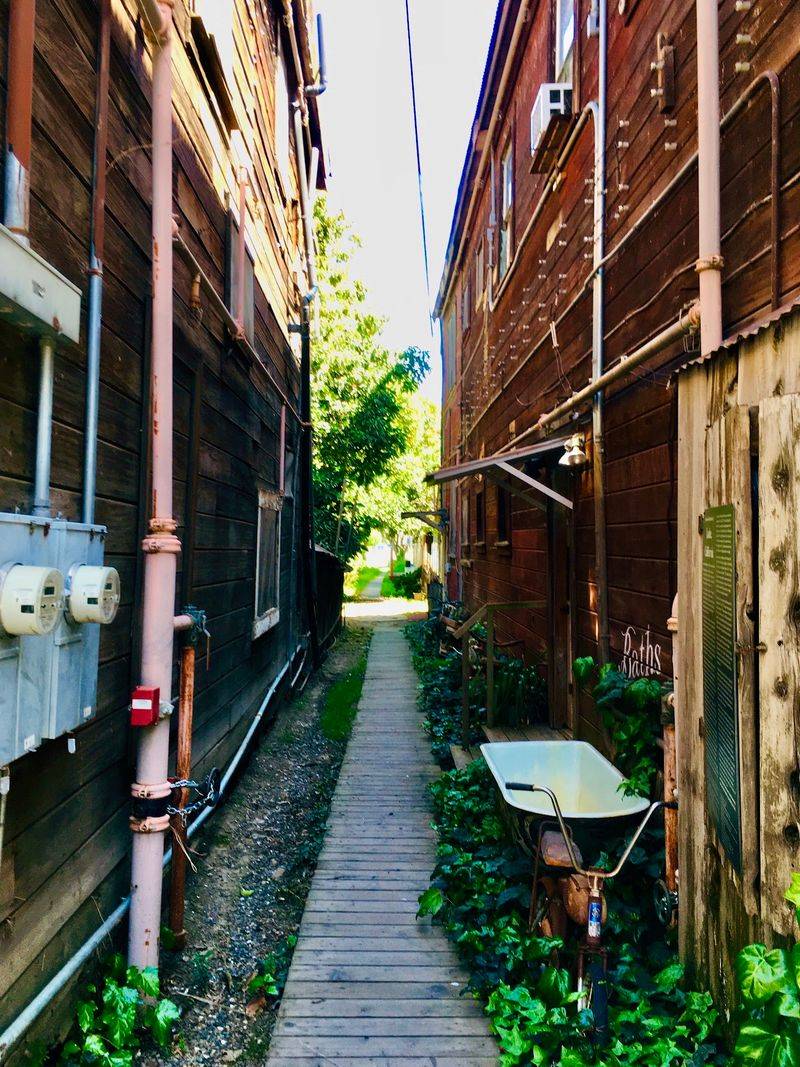
Long before Locke existed as a town, Chinese workers were the backbone of delta agriculture. They harvested asparagus, pears, potatoes, and other crops that fed communities across California.
Their labor was essential, yet they were rarely given the recognition or rights they deserved.
Many of the men who built and lived in Locke worked seasonally on surrounding farms, returning to town between harvests. The town served as their anchor, a familiar place where they could speak their language, eat familiar food, and simply rest among people who understood their experiences.
The connection between Locke and delta farming is still visible today. Drive a few minutes outside of town and you will pass pear orchards and farmland that Chinese workers cultivated generations ago.
That agricultural legacy is woven deeply into the identity of Locke and the broader history of California’s Central Valley region.
The Locke School: Education in a Town With No Rights
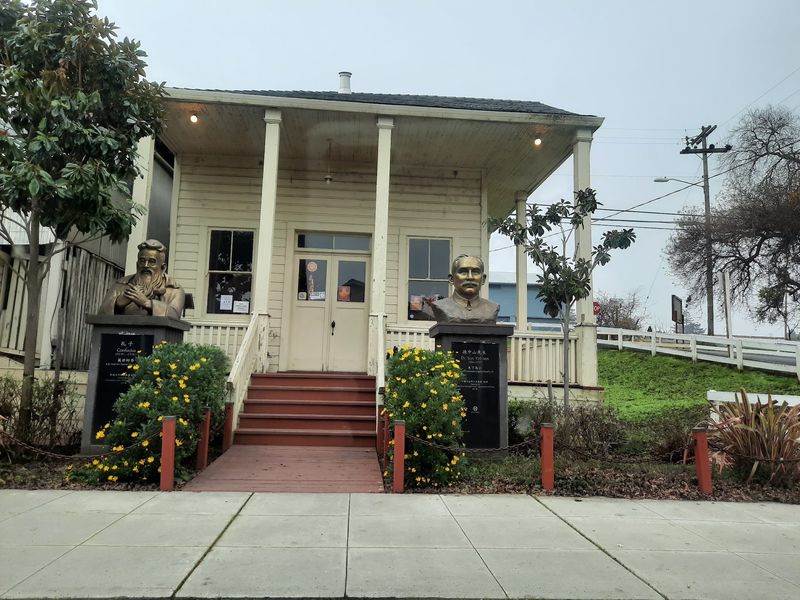
Despite facing enormous legal and social discrimination, the Chinese community in Locke made sure their children had access to education. A small school was established in the town to teach both English and Chinese to the children growing up there, reflecting the community’s deep belief in learning even under difficult conditions.
Chinese children in California at the time were often excluded from public schools attended by white students. The school in Locke was a direct response to that exclusion, a way of saying that education would not be denied just because the system refused to provide it fairly.
The school building still stands today and is part of the historic district. It serves as a powerful symbol of resilience and determination.
When you stand in front of it, you are reminded that even the smallest communities can fight back against injustice by simply continuing to build, teach, and thrive.
Preservation Efforts: Saving Locke for Future Generations
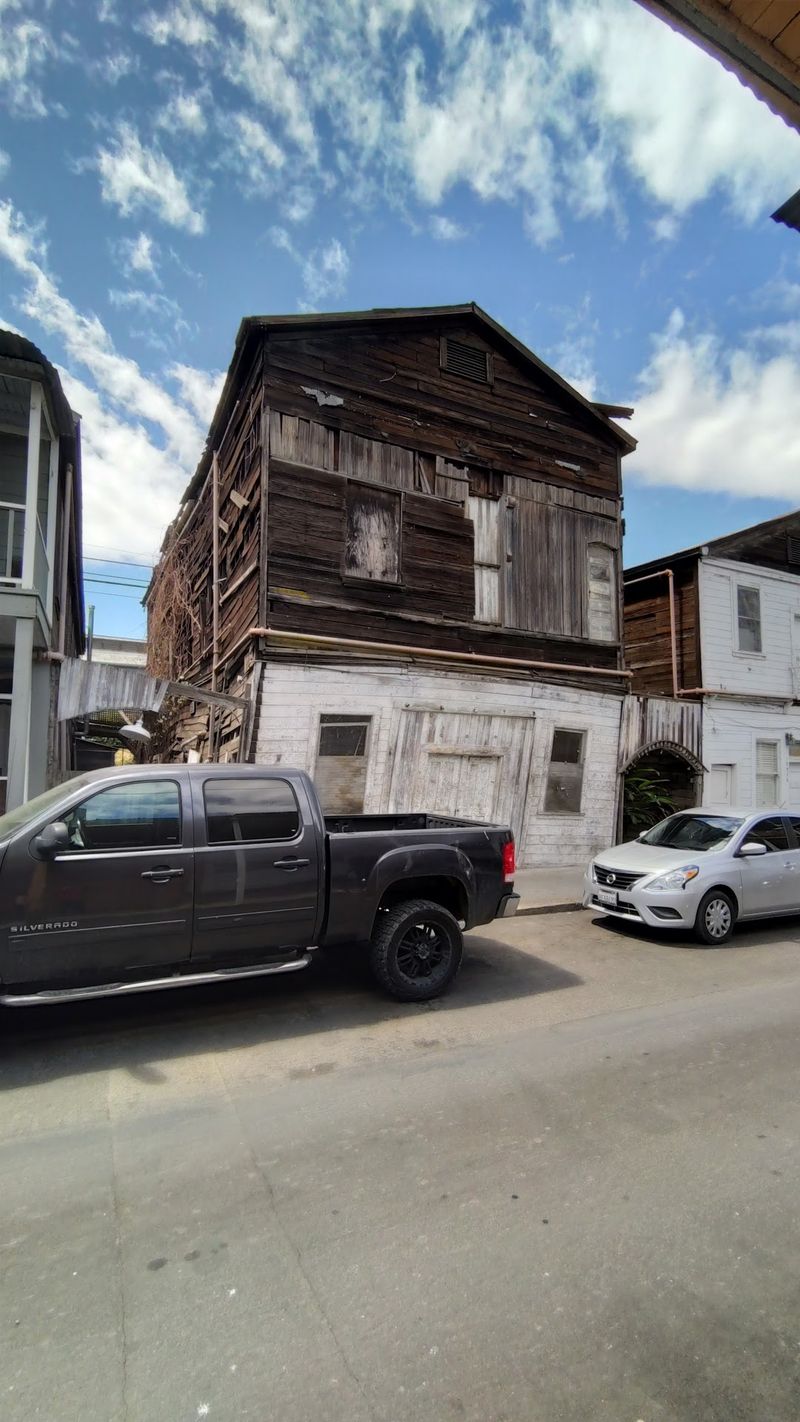
By the late 20th century, Locke was in serious danger of disappearing. Buildings were deteriorating, the population had shrunk dramatically, and there was real concern that the town might simply crumble away.
A combination of community advocates, historians, and government agencies stepped in to prevent that from happening.
In 1970, Locke was added to the National Register of Historic Places, which helped trigger preservation funding and legal protections. The State of California eventually purchased many of the properties to ensure they would be maintained and protected for the long term.
Preservation work in Locke is ongoing and not without debate. Some argue that too much restoration can erase the authentic, rough-around-the-edges character that makes the town special.
Striking that balance between saving history and letting it breathe naturally is a challenge that caretakers of Locke continue to navigate carefully and thoughtfully every year.
The Locke Foundation and Community Advocates
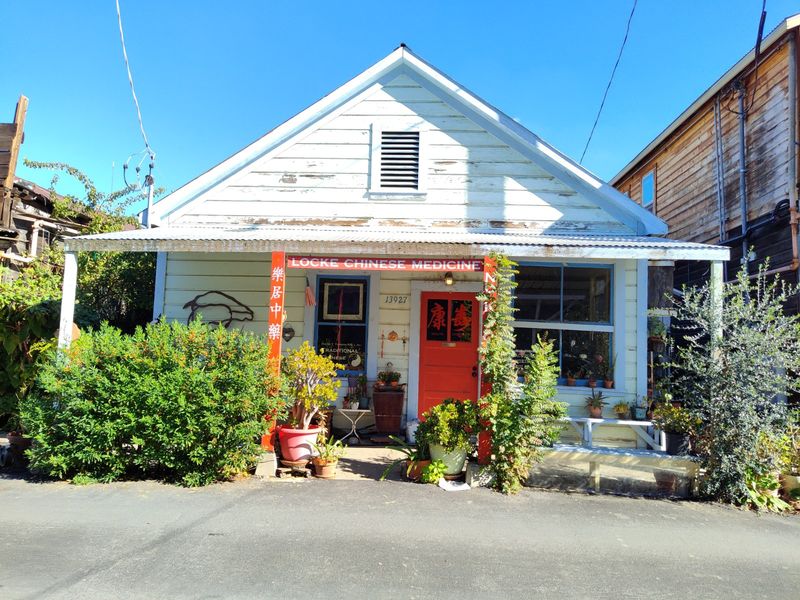
Behind every preserved building and maintained museum in Locke is a network of passionate people who refuse to let this history fade away. The Locke Foundation and other local advocacy groups have worked for years to keep the town visible, funded, and respected as a cultural landmark.
These advocates organize events, educational tours, and fundraising campaigns that bring visitors from across California and beyond. Their work is not just about keeping old buildings standing.
It is about making sure the stories of the people who built and lived in Locke are told accurately and with dignity.
Community members with deep personal ties to the town, including descendants of original residents, play a vital role in preservation efforts. Their firsthand knowledge and emotional investment bring an authenticity to the work that no outside organization could replicate.
Locke survives partly because people love it enough to fight for it every single day.
Art and Culture Alive in Locke Today
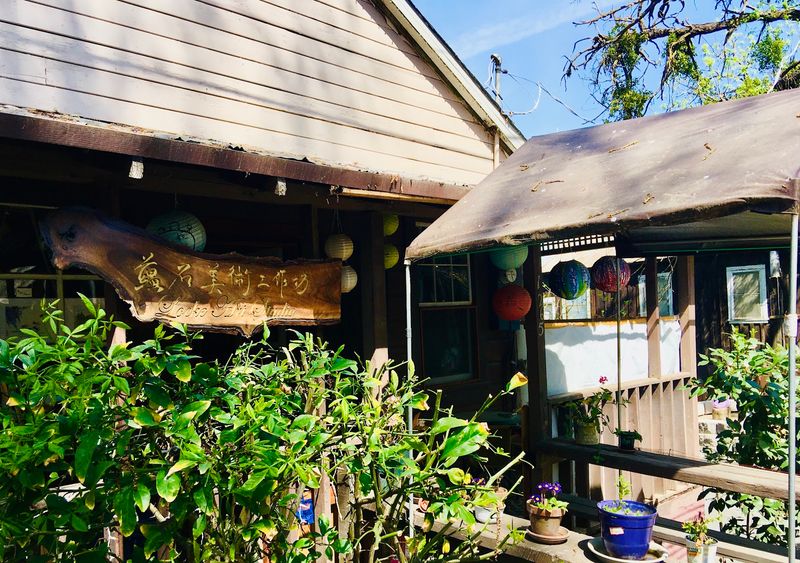
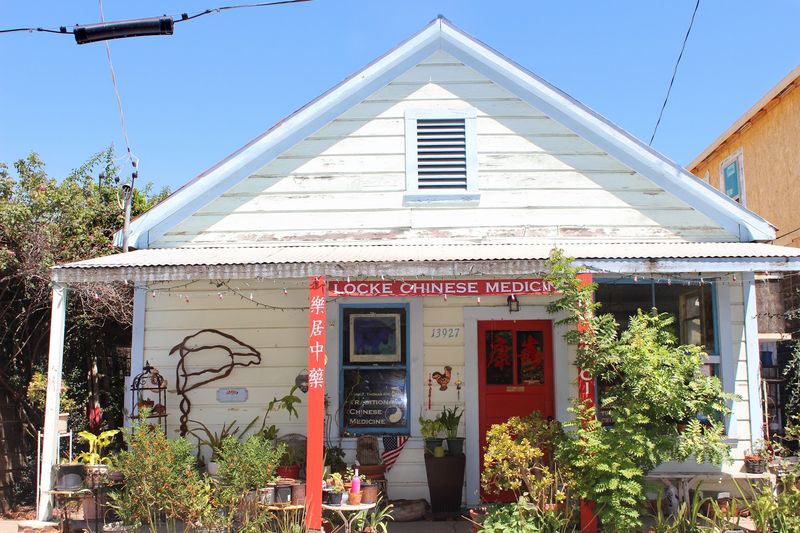
Locke may be small, but its creative spirit is anything but tiny. Over the years, artists and cultural organizations have moved into the historic storefronts, turning former shops and homes into galleries, studios, and performance spaces.
The result is a town that feels both old and quietly alive at the same time.
Art exhibitions in Locke often focus on Chinese American history, delta culture, and the stories of immigrant communities across California. Visitors who stop in expecting only a history lesson often leave having discovered a vibrant arts scene they never expected to find in such a remote location.
Annual events like cultural festivals and art walks draw crowds to Locke and give local artists a chance to share their work with wider audiences. The blending of historical preservation and living culture is one of the things that makes Locke feel relevant and worth visiting no matter what season you go.
Visiting Locke Today: What Travelers Need To Know
Planning a trip to Locke is easier than you might think, and the experience is well worth the drive. The town is located along Highway 160 in the Sacramento Delta, about 30 miles south of Sacramento.
Most visitors arrive by car, though the area is also popular with cyclists exploring the delta loop routes.
There is no admission fee to walk through Locke, which makes it an affordable and accessible outing for families, students, and history enthusiasts alike. The Dai Loy Museum has a small entry fee, and a few shops and eateries are open on weekends.
Weekday visits tend to be quieter if you prefer a more peaceful experience.
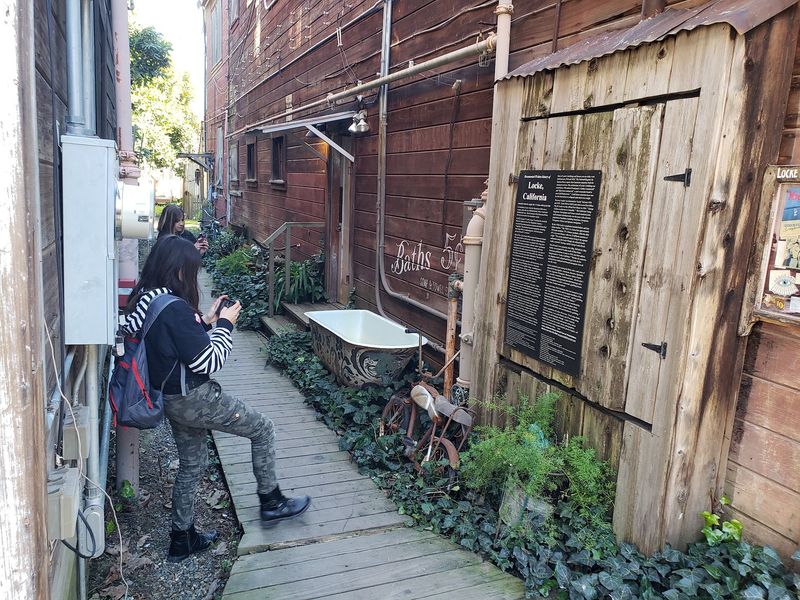
Wear comfortable shoes since the streets are unpaved and uneven. Bring a camera because every corner offers a photo worth taking.
Most importantly, take your time, read the signs, and let the town tell you its story at its own pace.
Why Locke Deserves a Spot on Every California Bucket List
California is full of famous destinations, but very few places offer the kind of quiet, profound experience that Locke provides. This is not a polished tourist attraction with gift shops and guided tours every hour.
Locke is raw, real, and deeply human in a way that very few historic sites manage to be.
The story of Locke is ultimately a story about people who were told they did not belong and built something beautiful anyway. That message resonates far beyond California or Chinese American history.
It speaks to anyone who has ever been pushed aside and refused to stay down.
Adding Locke to your California road trip is one of the most rewarding decisions you can make as a traveler. You will leave knowing something important that most people do not, and you will carry a piece of that hidden, extraordinary history with you long after you drive away.
Enjoyed this story?
Add Fast Food Club as a preferred source to see more of our reporting on Google.