



Tucked along the Ohio border in eastern Indiana, Richmond is quietly becoming one of the smartest places to live if you care about keeping healthcare costs manageable. Residents here enjoy medical expenses that run roughly 18% lower than the national average, which adds up to real savings over time.
From community clinics to employer wellness programs, locals have figured out a variety of smart strategies to stretch their healthcare dollars further. If you are curious how they do it, here is a look at the key ways Richmond, Indiana residents are winning the battle against high medical bills.
Reid Health – The Anchor of Affordable Local Care
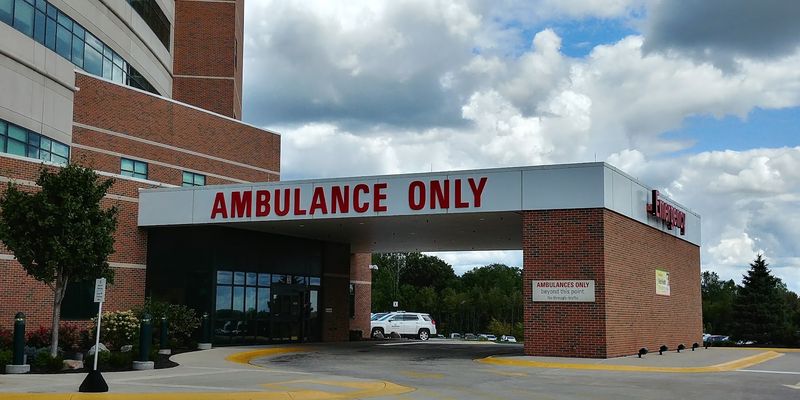
Walk into Reid Health on any given weekday and you will find a facility that punches well above its weight for a city of 35,000 people. As the primary regional hospital serving Wayne County, Reid Health offers a wide range of services at costs that tend to be friendlier to local wallets than big-city alternatives.
Many Richmond residents skip the drive to Indianapolis or Cincinnati precisely because Reid delivers comparable quality close to home.
The hospital has invested heavily in outpatient services, which are typically far cheaper than inpatient stays. Outpatient labs, imaging, and minor procedures keep bills lower while still providing solid medical attention.
Reid also participates in several insurance networks, making in-network care easy to access.
For uninsured or underinsured patients, Reid Health offers financial assistance programs that can dramatically reduce out-of-pocket costs, giving everyone a realistic path to affordable treatment.
Community Mental Health Center Keeps Behavioral Care Accessible

Mental healthcare costs can drain a budget faster than almost any other medical expense, but Richmond residents have a strong local resource in the Community Mental Health Center of Wayne County. Offering sliding-scale fees based on income, the center makes therapy, psychiatric services, and substance abuse treatment genuinely reachable for working families and individuals.
Sliding-scale pricing is one of the most practical tools available for cutting healthcare costs, because you only pay what you can reasonably afford. The center serves thousands of Wayne County residents each year, helping people address mental health challenges before they escalate into costlier crises requiring emergency intervention.
Early and consistent mental health treatment is proven to reduce overall healthcare spending over time. Richmond locals who tap into this resource are not just protecting their emotional wellbeing – they are making a financially savvy choice that keeps long-term medical expenses in check.
Federally Qualified Health Centers Stretch Every Dollar

Federally Qualified Health Centers, often called FQHCs, are some of the best-kept secrets in affordable healthcare. Richmond and the surrounding Wayne County area benefit from FQHC-designated clinics that receive federal funding specifically to provide low-cost primary care to underserved populations.
Patients pay on a sliding fee scale tied directly to their household income.
Services at these clinics typically cover preventive care, dental, vision, and behavioral health, making them a one-stop option that reduces the need to visit multiple specialists. Bundling services under one roof saves both time and money, which busy Richmond families genuinely appreciate.
Because FQHCs focus heavily on prevention and chronic disease management, patients who use them regularly tend to avoid expensive emergency room visits. Staying ahead of health problems rather than reacting to them is a core reason why Richmond residents see healthcare costs running noticeably below the national average.
Earlham College and Indiana University East Drive Down Prescription Costs

Richmond is home to two college campuses – Earlham College and Indiana University East – and their presence creates a surprising ripple effect on local healthcare affordability. College health centers often partner with pharmaceutical discount programs, and the competitive healthcare environment that colleges bring tends to push local providers to keep their own prices reasonable.
Students, faculty, and staff connected to these institutions often have access to campus health services at reduced rates. That means a significant portion of Richmond residents benefit from below-market healthcare options tied directly to academic institutions.
Beyond campus walls, the educated workforce these schools cultivate tends to be more proactive about preventive care, which community health experts consistently link to lower overall medical spending. Richmond’s university presence is a quiet but meaningful contributor to the culture of cost-conscious, forward-thinking healthcare habits that help keep expenses roughly 18% below national norms.
Lower Cost of Living Means Cheaper Office Visits Too

Here is something many people overlook: healthcare pricing does not exist in a vacuum. Physicians, clinics, and hospitals in lower cost-of-living cities like Richmond charge less partly because their own operating expenses are lower.
Office rent, staff salaries, and utility costs in Wayne County are a fraction of what providers pay in major metro areas, and those savings get passed along to patients.
The median home price in Richmond sits well below Indiana state averages, which signals just how affordable the overall cost structure is. When a doctor’s overhead is lower, a routine office visit or annual physical naturally carries a smaller price tag.
Richmond residents benefit from this structural advantage every single time they schedule an appointment. It is one of the least glamorous but most reliable reasons why healthcare expenses in this eastern Indiana city consistently run about 18% lower than what Americans pay on average.
Employer Wellness Programs at Local Manufacturers

Manufacturing has deep roots in Richmond, with companies like Belden and other industrial employers maintaining a strong local presence. Many of these manufacturers offer robust employee wellness programs as part of their benefits packages, and those programs are a direct pipeline to reduced personal healthcare spending for workers and their families.
Wellness programs typically cover free annual physicals, biometric screenings, gym membership subsidies, and smoking cessation support. Catching health issues early through employer-sponsored screenings prevents the kind of advanced-stage diagnoses that lead to catastrophic medical bills.
Workers who engage consistently with these programs often earn lower insurance premiums as a reward, creating a double benefit: better health and a lighter financial load. For Richmond’s manufacturing workforce, employer wellness initiatives are not just a perk – they are a genuinely practical strategy that contributes meaningfully to the city’s reputation for below-average healthcare costs.
Prescription Discount Programs Used Widely Across Town

Ask any savvy Richmond resident how they handle prescription costs and there is a good chance they will mention GoodRx, NeedyMeds, or a similar discount program. These tools are free to use and can slash the price of common medications by 80% or more compared to standard pharmacy pricing.
Locals have caught on, and widespread adoption of these programs is a tangible reason why overall healthcare spending stays low.
Richmond pharmacies, including independent drugstores and national chains, generally accept these discount cards without hassle. The competitive pharmacy landscape in Wayne County also means prices tend to be reasonable to begin with, and layering a discount program on top creates impressive savings.
Generic medication substitution is another habit Richmond residents have embraced. Generics deliver the same active ingredients as brand-name drugs at a tiny fraction of the cost, and local physicians are generally supportive of recommending them whenever a safe equivalent exists.
Preventive Care Culture Cuts Long-Term Bills Dramatically
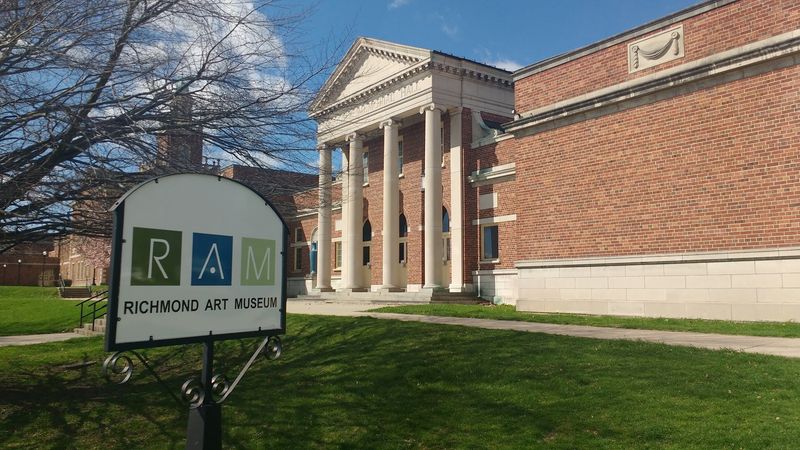
Prevention is the most powerful cost-cutting tool in healthcare, and Richmond has quietly built a culture around it. Community health fairs, free vaccination clinics, and regular screenings hosted by Reid Health and local nonprofits make it easy for residents to stay on top of their health without spending much at all.
When people catch high blood pressure, diabetes, or high cholesterol early, they avoid the dramatically higher costs of managing those conditions after they have caused organ damage or required hospitalization. Richmond’s accessible preventive care options mean more residents are catching problems at stage one rather than stage four.
The Wayne County Health Department plays a meaningful role here, coordinating immunization programs, maternal health services, and chronic disease education. These publicly funded services cost residents little to nothing and deliver outsized value by steering people away from expensive reactive care and toward affordable proactive health management.
Telehealth Adoption Saves Richmond Residents Time and Money

Telehealth exploded in popularity nationwide after 2020, but Richmond residents have kept the habit going because it simply makes financial sense. Virtual appointments with doctors, therapists, and specialists typically cost less than in-person visits, and they eliminate the hidden expenses of driving, parking, and taking time off work.
For a mid-sized city like Richmond where most residents own cars, those travel-related costs are real. A telehealth visit that saves a 30-minute round trip and a $25 copay adds up meaningfully over a year of routine care.
Local employers have also expanded telehealth benefits in their insurance plans, making virtual visits even more accessible.
Mental health telehealth has been particularly impactful, allowing Richmond residents to access therapists and psychiatrists outside of Wayne County without leaving home. Greater provider access through virtual platforms means more competitive pricing and better care options for a community that might otherwise face geographic limitations.
Health Insurance Marketplace Plans Well-Suited for Local Income Levels

Richmond’s median household income and cost-of-living profile make it an ideal fit for subsidized Health Insurance Marketplace plans available through the Affordable Care Act. Many residents qualify for premium tax credits that significantly reduce their monthly insurance costs, sometimes bringing premiums down to just a few dollars per month for individuals and families.
Indiana navigators and certified enrollment assisters help Wayne County residents find and sign up for plans that match their specific needs and budgets. Having local help with plan selection prevents the common mistake of choosing a low-premium plan with high deductibles that ends up costing more in the long run.
The combination of federal subsidies and Richmond’s lower-than-average income requirements creates a sweet spot where a large portion of the population qualifies for meaningful financial assistance. Maximizing those subsidies is one of the most straightforward ways locals actively cut their annual healthcare spending.
Local Free Clinics Fill the Gaps for Uninsured Neighbors

Not everyone in Richmond has insurance, and the city’s network of free and charitable clinics ensures that uninsured residents still have somewhere to turn without facing ruinous bills. Faith-based organizations and community nonprofits operate free clinic days where volunteer physicians, nurses, and pharmacists donate their time to serve those who would otherwise go without care.
Free clinics are a practical safety valve that prevents small health problems from becoming big, expensive emergencies. A person who can get a wound treated or a chronic condition monitored at no cost is far less likely to end up in the emergency room with a bill that runs into thousands of dollars.
These volunteer-driven services also reduce the financial burden on Reid Health’s emergency department, which helps the hospital manage costs more efficiently. Lower ER utilization for non-emergency cases is one of the structural reasons Richmond healthcare costs stay well below national benchmarks.
Healthy Outdoor Lifestyle Supported by Richmond Parks

Staying healthy is the ultimate healthcare cost-cutting strategy, and Richmond makes it easier than most cities its size. The Cardinal Greenway, one of Indiana’s longest rail trails at over 60 miles, passes right through Richmond and gives residents a free, scenic route for walking, running, and cycling.
Regular physical activity is one of the most evidence-backed ways to reduce long-term medical expenses.
Glen Miller Park, one of the oldest parks in Indiana, offers additional green space for recreation along with tennis courts, a pool, and picnic areas. Access to quality outdoor recreation at no cost removes a common barrier to staying active.
Richmond’s parks department also runs affordable fitness programs and nature events that keep residents engaged with healthy habits year-round. Communities with strong outdoor recreation cultures consistently show lower rates of obesity, heart disease, and diabetes – all conditions that drive up healthcare spending significantly when left unmanaged.
Strong Social Support Networks Reduce Costly Health Crises

Social isolation is a recognized driver of poor health outcomes and higher medical costs, but Richmond has a tight-knit community culture that works against that trend. Neighbors look out for each other, churches run assistance programs, and community organizations connect residents with resources before problems spiral into expensive health crises.
When someone has support around them – whether it is a neighbor who drives them to a doctor appointment or a church group that checks in on an elderly member – health outcomes genuinely improve. Social connection reduces stress, encourages healthy habits, and creates accountability for managing chronic conditions properly.
Richmond’s relatively small size, roughly 35,720 residents according to the 2020 census, fosters the kind of personal community ties that larger cities struggle to replicate. That human network is not just heartwarming – it is a measurable contributor to the lower healthcare costs that make Richmond, Indiana stand out across the region.
Enjoyed this story?
Add Fast Food Club as a preferred source to see more of our reporting on Google.