


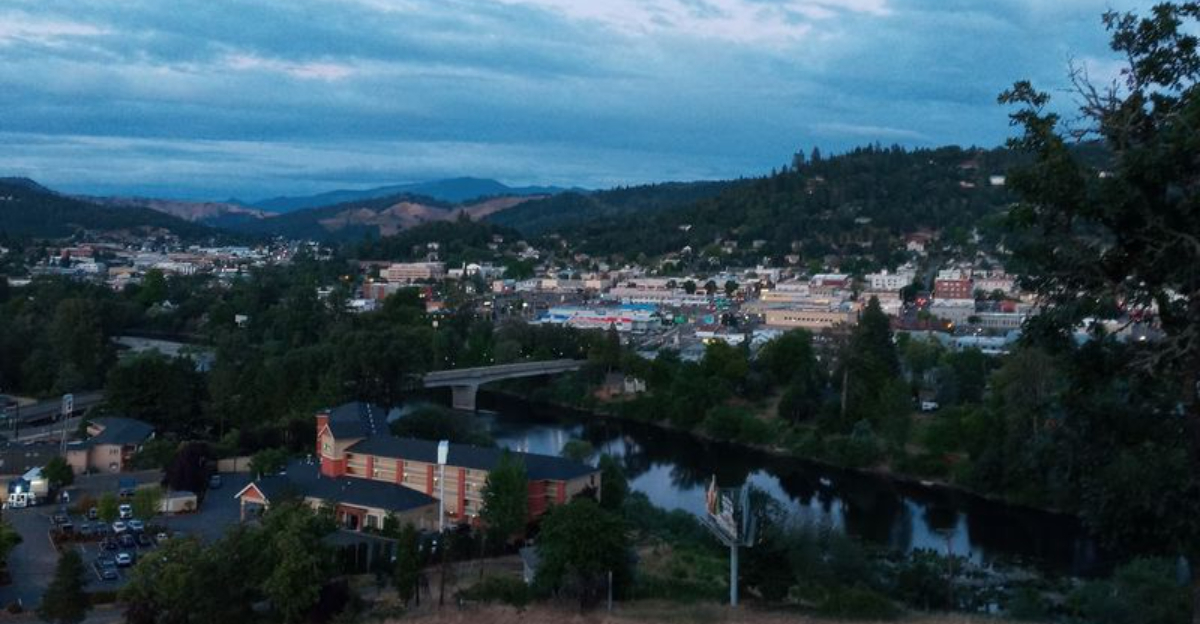
Tucked into a green river valley in southern Oregon, there is a mid-sized city that keeps landing on the wish lists of people ready to trade traffic jams and sky-high housing costs for something calmer. It has a walkable downtown, easygoing neighbors, and a pace that lets you actually enjoy your morning coffee.
Older adults keep arriving here, drawn by lower prices, mild weather, and open country that stretches in every direction. What makes this valley town such a magnet for folks winding down the working years and looking for room to breathe?
Stick around, because the answer involves a wandering river, a century and a half of local history, and a lifestyle that many big cities simply cannot match. Here is the story of the place, along with what newcomers should know before packing the moving truck.
Where This River Valley City Sits
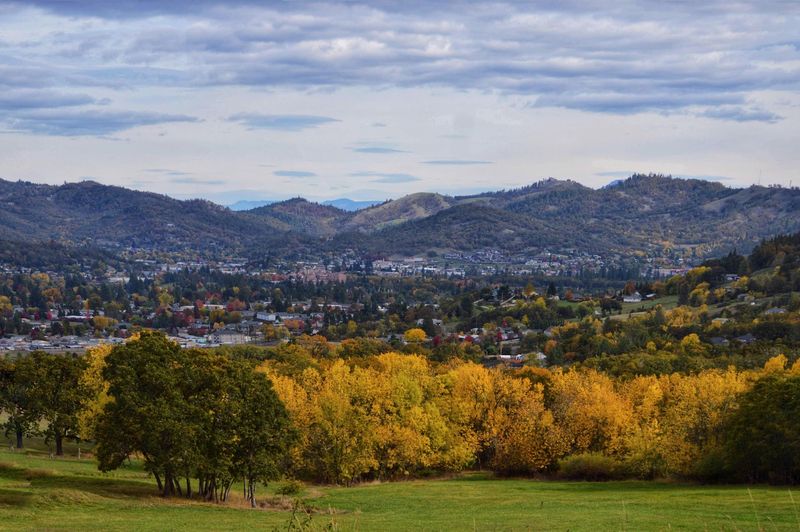
Meet Roseburg, the county seat of Douglas County, resting comfortably in the Umpqua River Valley of southern Oregon. The city keeps its municipal home base and official information at ci.roseburg.or.us, and the whole community spreads across a stretch of valley floor ringed by rolling hills.
Interstate 5 threads right through the area, which puts the city within an easy drive of both the coast and the Cascade Range. That location gives residents the best of a few worlds without asking them to live in the middle of a crowded metro.
With a 2020 census count of 23,683 people, the city is large enough to offer real amenities yet small enough to feel manageable. It anchors the Roseburg Micropolitan Statistical Area, meaning it serves as the practical hub for a wider rural region.
The Umpqua River shapes daily life here in quiet ways, guiding where neighborhoods sit and where parks stretch along the water. Older newcomers often say the setting feels grounded, unhurried, and refreshingly free of the noise that defines bigger cities.
That sense of place is exactly what pulls so many people off the freeway and into a longer stay.
A Town Born In 1851
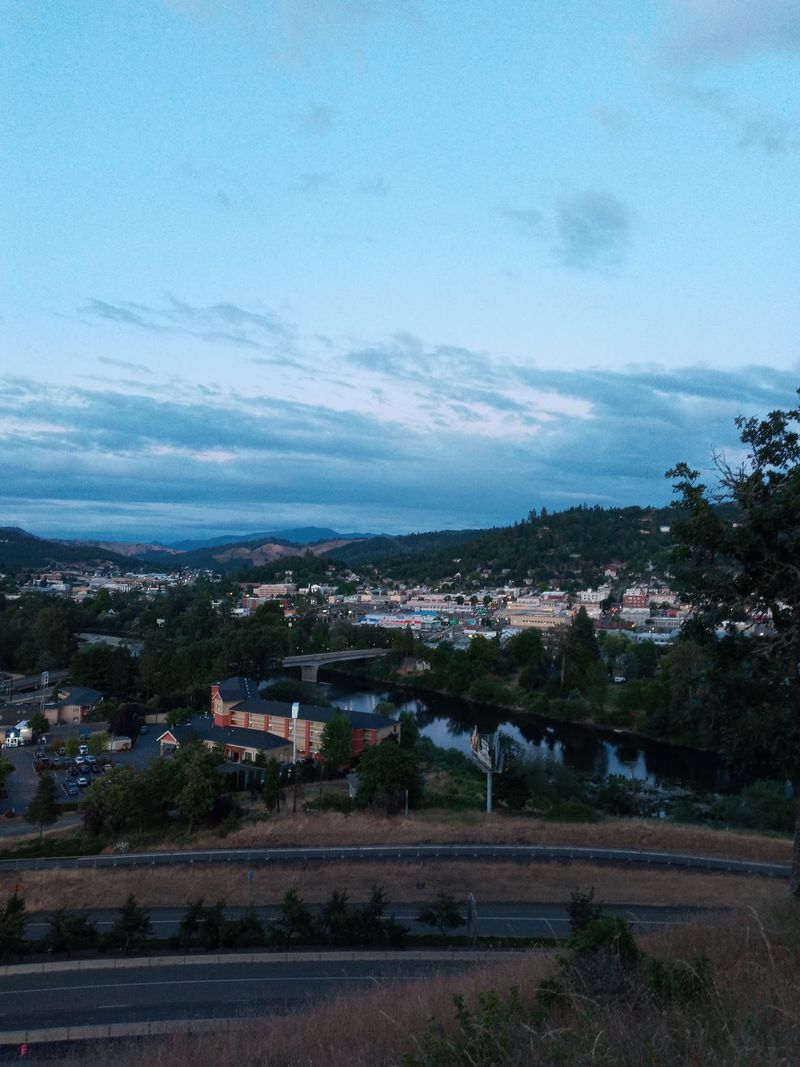
History runs deep in this corner of Oregon, and the roots stretch back to 1851, when the settlement first took shape. That founding date makes the community one of the older established towns in the southern part of the state.
Over the decades, the city grew from a frontier crossroads into the county seat, gathering government offices, commerce, and the institutions that hold a region together. Being named the seat of Douglas County cemented its role as the place where the surrounding countryside came to do business.
Longevity like that leaves marks you can still see, from older buildings downtown to street names that carry the past forward. Newcomers who love a sense of continuity find that appealing, since the place has a story rather than a blank slate.
Retirees in particular tend to appreciate a town with real heritage, where the civic life did not spring up overnight. There is comfort in settling somewhere that has weathered generations and kept its footing.
More than 170 years after those first days, the valley city continues to serve the same essential purpose: a gathering point for people building steady, rooted lives.
The Umpqua River At Its Heart
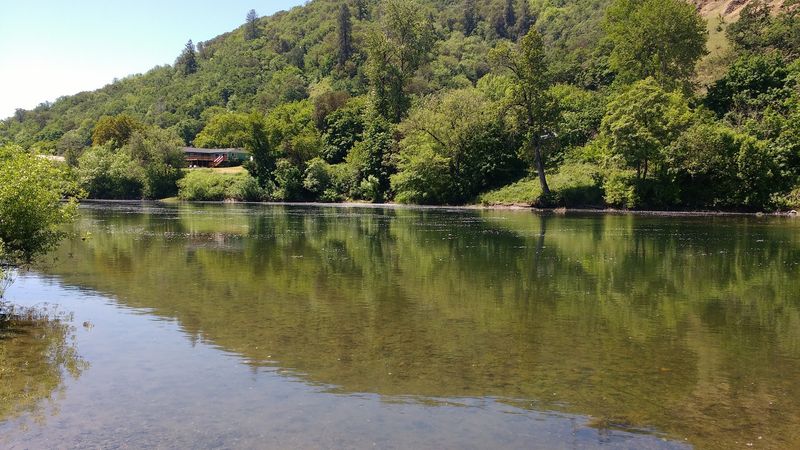
Water gives this valley its name and its character, and the Umpqua River winds right through the region that surrounds the city. The river valley setting is not just scenery on a map; it defines the geography that residents live within every day.
Southern Oregon’s Umpqua country is known statewide for its waterways, and the city sits squarely in the middle of that landscape. Having a major river nearby means parks, riverside paths, and open space are woven into the fabric of local life.
Retirees who want to slow down often gravitate toward places where nature is close at hand, and this valley delivers that in generous measure. The surrounding hills and the river corridor create a backdrop that stays interesting through the seasons.
Living beside a valley river also tends to encourage the kind of gentle outdoor routine that suits an unhurried lifestyle. Morning walks, afternoons near the water, and quiet stretches of green become part of the everyday rhythm.
The Umpqua is the thread that ties the whole community to the land around it, and that connection is a big part of the appeal.
Why The Cost Of Living Draws Newcomers
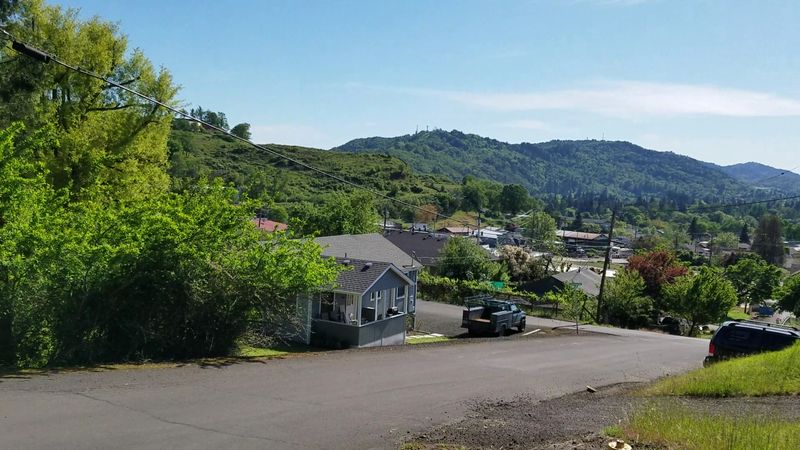
Affordability sits at the very center of why older adults keep choosing this Douglas County city over pricier alternatives. As a mid-sized community away from Oregon’s largest metros, it offers a lifestyle that stretches a fixed income further.
Big coastal cities have grown expensive in ways that push many people to look inland, and a valley town of roughly 23,000 residents becomes an attractive answer. Smaller communities like this one typically carry lower overhead than the crowded urban centers up north.
Retirees planning around savings and steady monthly checks tend to prize predictability, and a modest micropolitan hub tends to provide it. The town has enough services to cover daily needs without the premium price tag attached to a major metropolitan address.
Beyond the numbers, there is a practical comfort in a place where errands, appointments, and downtown outings sit within a short drive. That convenience saves both time and money over the long run.
People who move here often frame the decision as trading expense and hustle for breathing room and stability. In a season of life focused on comfort rather than climbing, that trade-off makes a great deal of sense.
The Slower Pace That Defines Daily Life
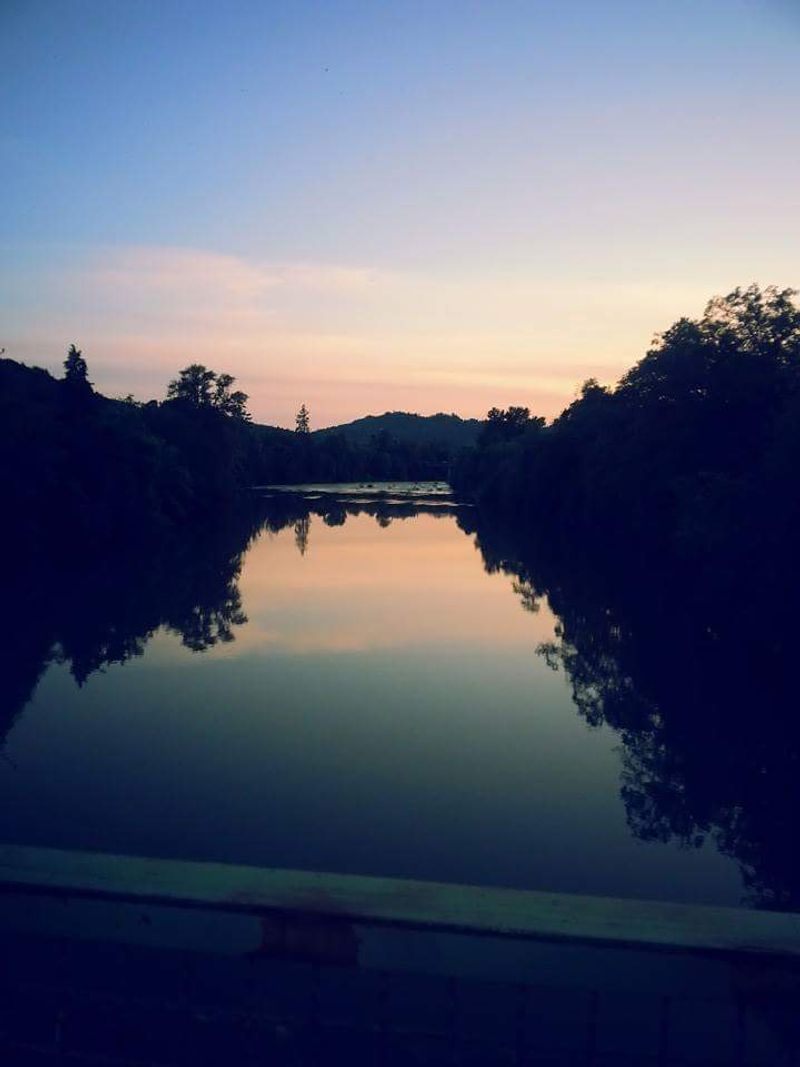
Something shifts when you leave a fast city behind, and this valley community is built for that slower gear. Life here moves at a rhythm shaped by a smaller population and a wide rural setting, not by rush-hour deadlines.
The whole idea of a peaceful, unhurried lifestyle is exactly what keeps drawing retirees to Douglas County’s seat. With fewer than 24,000 residents, the city keeps things human-scaled and neighborly rather than sprawling and impersonal.
Folks who settle in often talk about how easy it is to relax once the pressure of a big metro falls away. Mornings stretch out, conversations linger, and the calendar feels less like a race.
A micropolitan hub sits in a sweet spot between full-blown city and tiny village, offering enough activity to stay engaged without overwhelming anyone. That balance suits people who want quiet without total isolation.
The unhurried tempo is not an accident of geography; it grows naturally from the town’s size and its place in the countryside. For anyone weary of constant motion, the valley offers a genuine change of pace.
It is the kind of calm that makes ordinary days feel restful.
A Hub For The Surrounding Countryside
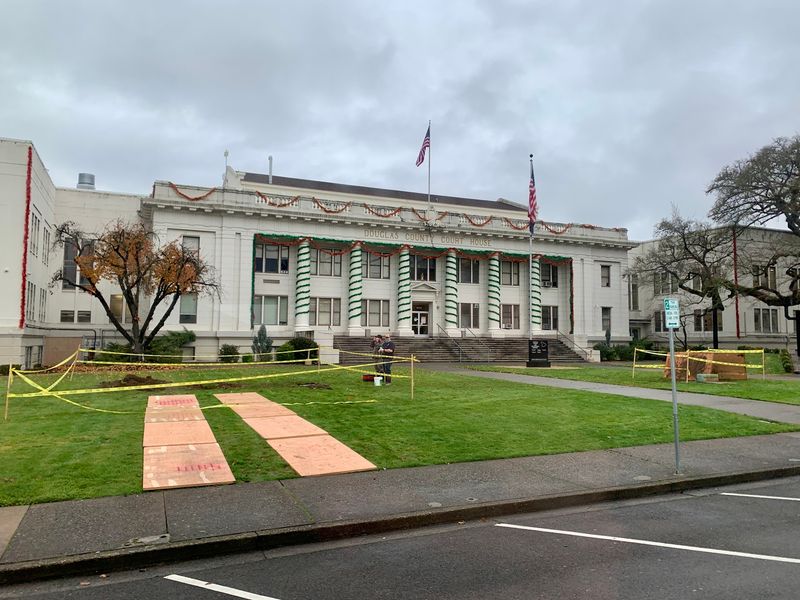
Being the principal city of its own statistical area gives this town a role bigger than its population might suggest. It functions as the practical center for the rural stretches of Douglas County that surround it.
Serving as the county seat means the courthouse, government offices, and regional services all cluster here, drawing people in from the wider valley. That concentration turns a modest city into the go-to destination for the whole area’s essentials.
For retirees, that hub status carries real value, since it means shopping, appointments, and civic business stay close rather than requiring long trips elsewhere. A community that anchors its own micropolitan area tends to keep the important things within reach.
The city earns its keep as the meeting point where country and town connect, and that gives it a steady, useful energy. Residents get the amenities of a regional center without the congestion of a sprawling metro.
Standing at the crossroads of Interstate 5 and the surrounding countryside, the town remains easy to reach and easy to use. That accessibility is one more reason it keeps attracting people who want convenience and calm in the same package.
Getting There And Finding Your Way
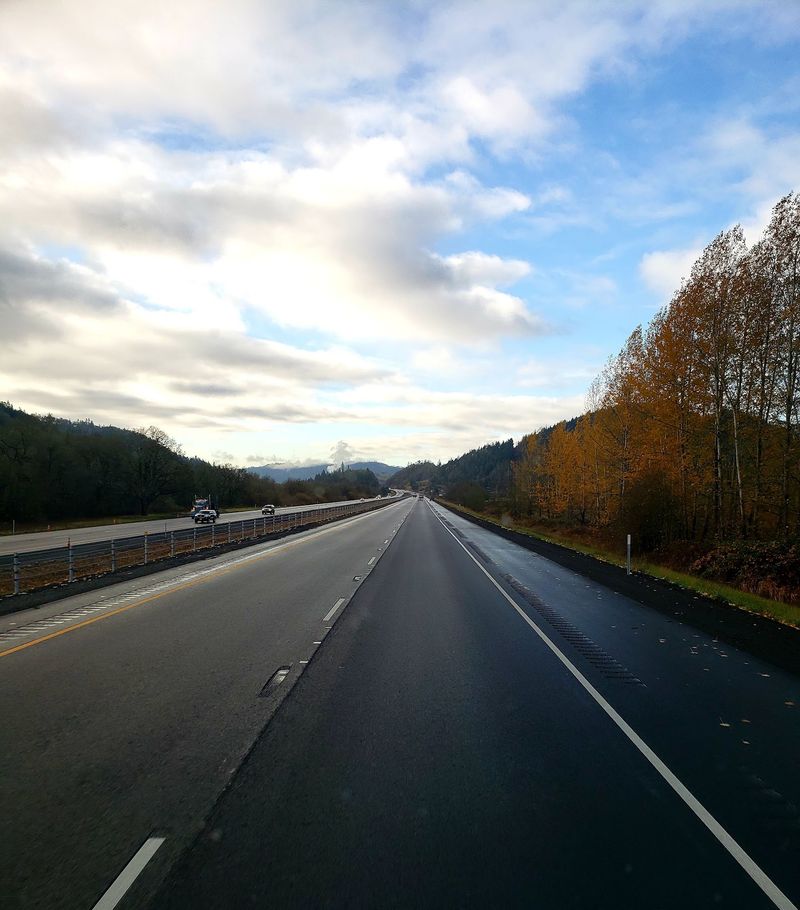
Reaching this valley city is refreshingly straightforward, thanks to Interstate 5 running right through southern Oregon. That major route links the community to both the larger cities up north and the towns to the south.
Sitting in the Umpqua River Valley, the city serves as a natural stopping point along the corridor, so travelers pass through with ease. The freeway access makes visits simple, whether you are scouting the area or coming to stay.
The coast lies to the west and the Cascade Range rises to the east, which places the town within reach of very different landscapes on a single day trip. That central position is a quiet advantage for anyone who likes options.
For those looking into a move, the official city website at ci.roseburg.or.us is the place to start for local information and services. It offers a practical first step before you ever arrive.
Because the city acts as the regional hub, once you get here the essentials tend to be close together and easy to navigate. Newcomers usually find that settling in and getting oriented happens faster than expected in a community this size.
Is This Valley Town Right For You
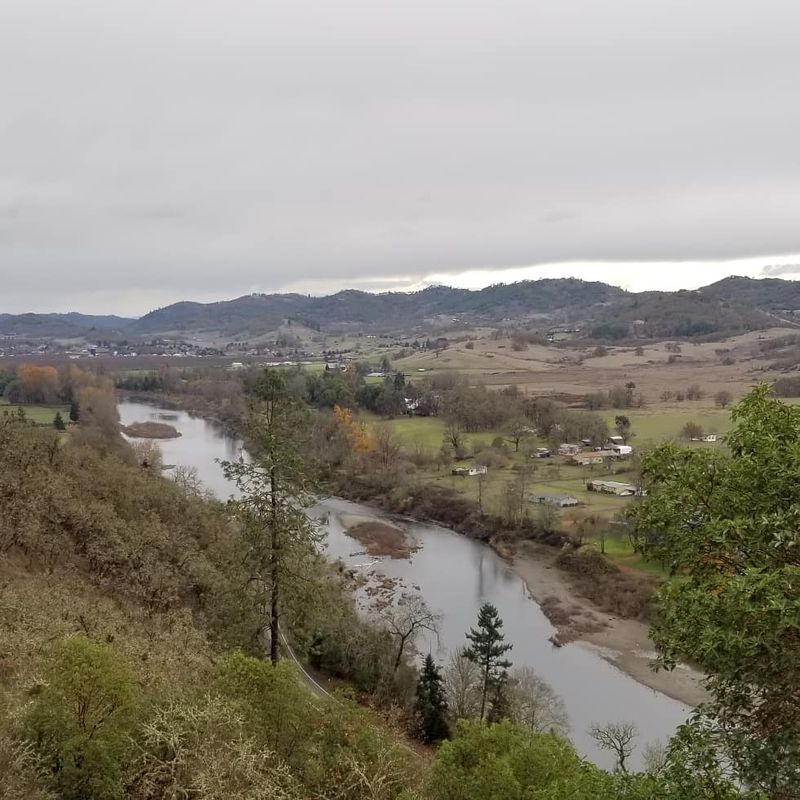
All the pieces come together into a picture that explains the steady stream of newcomers to this Umpqua Valley community. Affordability, a slower pace, and a genuine sense of place make a compelling case for anyone rethinking where to spend their retirement.
The city offers the amenities of a regional center while holding onto the calm of a smaller town, and that balance is hard to find. With around 23,000 residents and roots reaching back to 1851, it feels both established and manageable.
Older adults who crave room to breathe, lower costs, and a river valley setting keep discovering that the town checks a lot of boxes at once. It is not flashy, and that is precisely the point for people who value peace over spectacle.
No single place suits everyone, of course, and the quiet that draws so many might feel too gentle for those craving big-city buzz. Still, for folks ready to trade noise and expense for stability and open country, the fit is strong.
Southern Oregon’s valley hub has quietly earned its reputation, and the people arriving here suggest that reputation is well deserved. For a slower, steadier chapter, it is worth a serious look.
Enjoyed this story?
Add Fast Food Club as a preferred source to see more of our reporting on Google.