


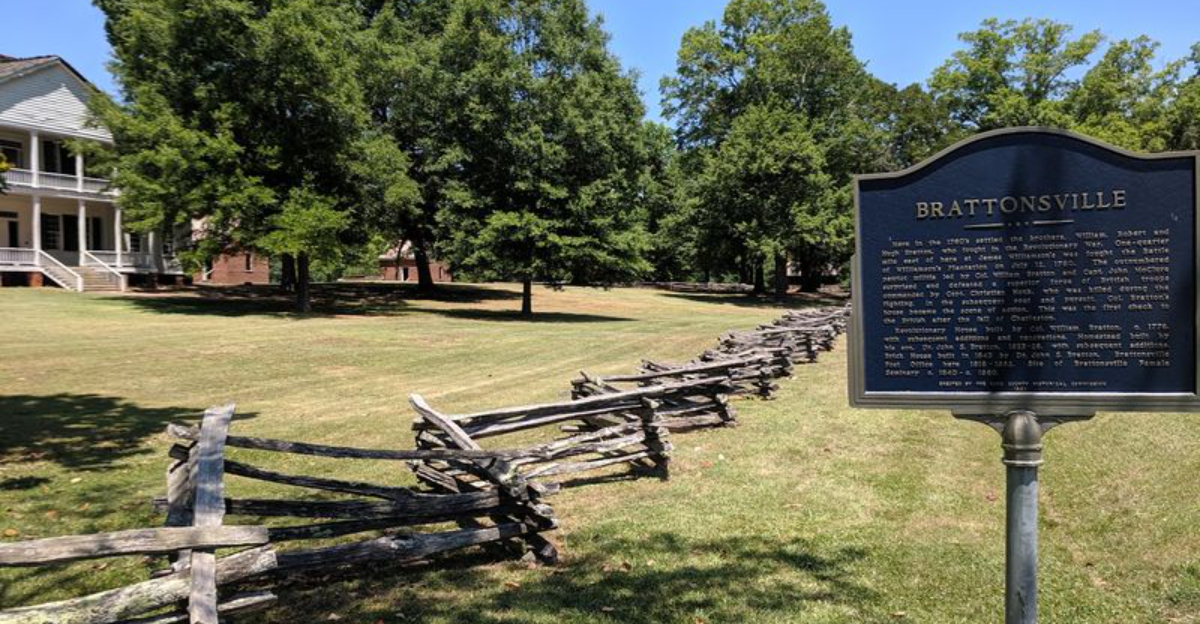
Tucked away in the South Carolina backcountry near McConnells, Historic Brattonsville is a living history village where you can walk through centuries of American life. Spread across 800 acres with more than 30 old buildings, farm animals, and stories from the Revolutionary War, it gives you a real sense of what the past looked like.
Whether you love history, animals, or just a peaceful day outdoors, this place has something to surprise you. Come along as we explore what makes this hidden gem so special.
A Backcountry Gem in McConnells
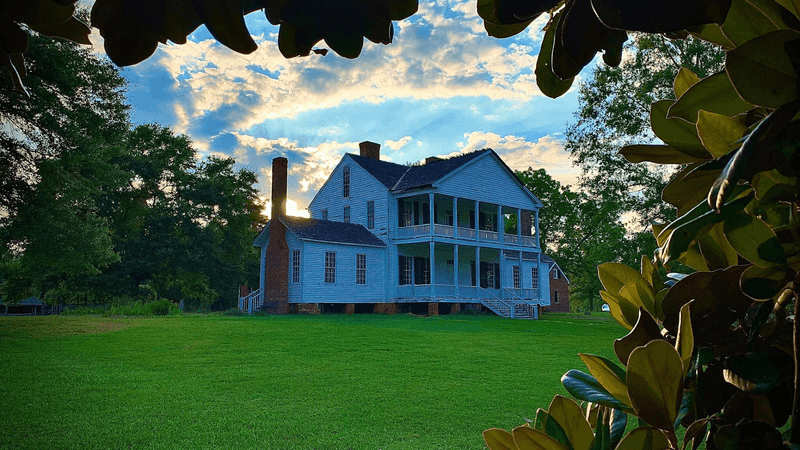
Down a quiet road at 1444 Brattonsville Rd in McConnells, South Carolina, sits a place that feels worlds away from modern life. Historic Brattonsville is a historical place museum that has earned a strong 4.7-star rating from more than 550 visitors, and that number tells you plenty about how people feel once they arrive.
Calling it off the beaten path is fair, but that is exactly part of its charm. Regulars often describe it as a true gem nestled in the South Carolina backcountry, the kind of spot you might drive past without knowing the layers of history waiting inside.
What you find here is not a single building or a small display. It is a sprawling living history village that invites you to slow down, wander, and picture life as it once was in the Carolina Piedmont.
More Than 30 Structures Across 800 Acres
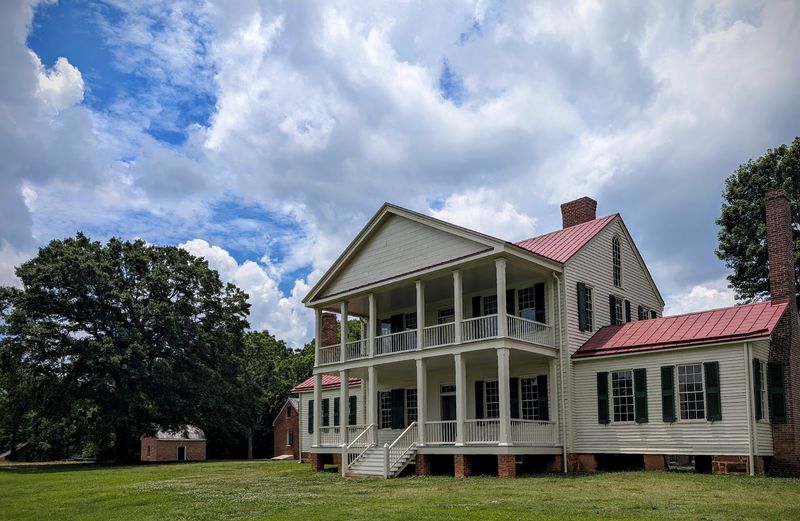
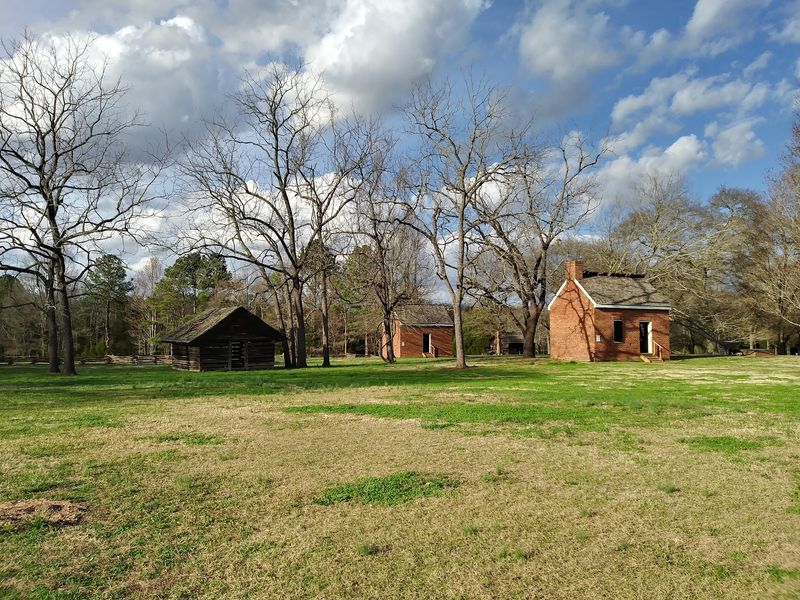
Space is something Brattonsville has in abundance. The site stretches across roughly 800 acres and holds more than 30 historic structures, which means you could spend hours here and still find corners you have not explored.
Visitors frequently mention how much walking is involved, and several suggest planning at least half a day, or even more, to truly see everything. One guest who had been coming since childhood noted that even after many trips, there were still areas they had never seen before.
The scale is a big part of the appeal, but it also asks a little something of you. Comfortable shoes and a willingness to stroll go a long way, since the buildings are spread out across fields and along shaded paths rather than crowded into one tidy square.
The Story of Huck’s Defeat
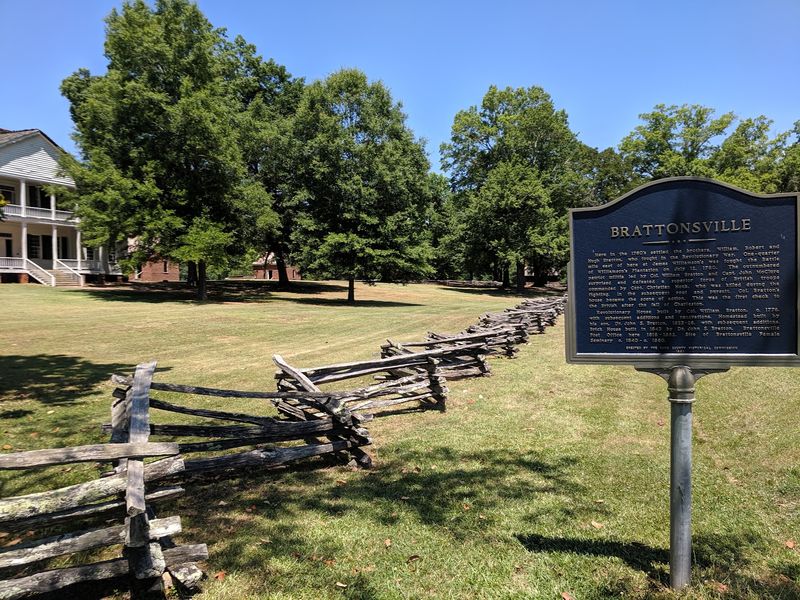
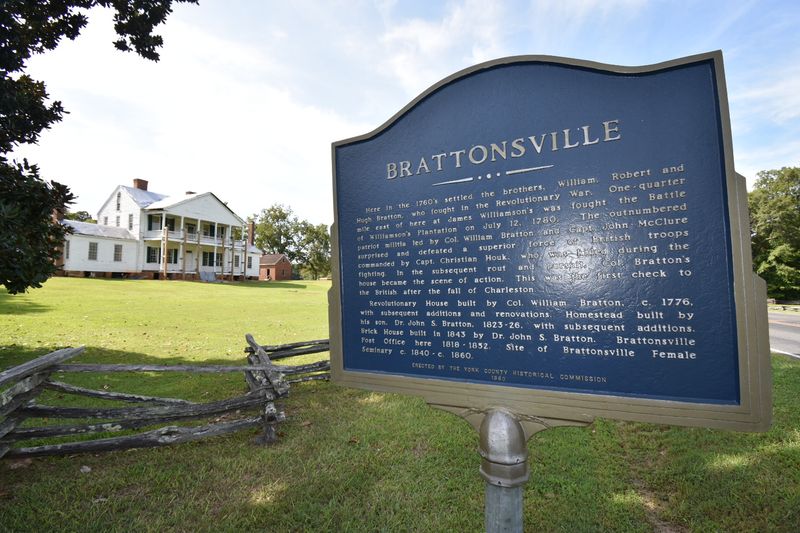
Long before this was a peaceful farm site, it was the setting for a Revolutionary War skirmish known as the Battle of Huck’s Defeat, fought on July 12, 1780. For many visitors, this is the piece of history that sticks with them the most.
The visitor center shows a film about the battle that guests describe as genuinely interesting, even for people who had never heard of the skirmish before arriving. It sets the stage for understanding the Carolina Piedmont’s role in the Southern Campaign and the fight for independence.
One visitor shared that a Huck’s Defeat tour completely changed their experience, walking a small group to the spot where Huck stayed the night before the battle. A ghost structure now outlines the house that once stood there, while flat wooden soldier silhouettes painted red and blue mark where Loyalist and Patriot troops were positioned.
It is history you can literally stand inside of.
Buildings Preserved Down to the Detail
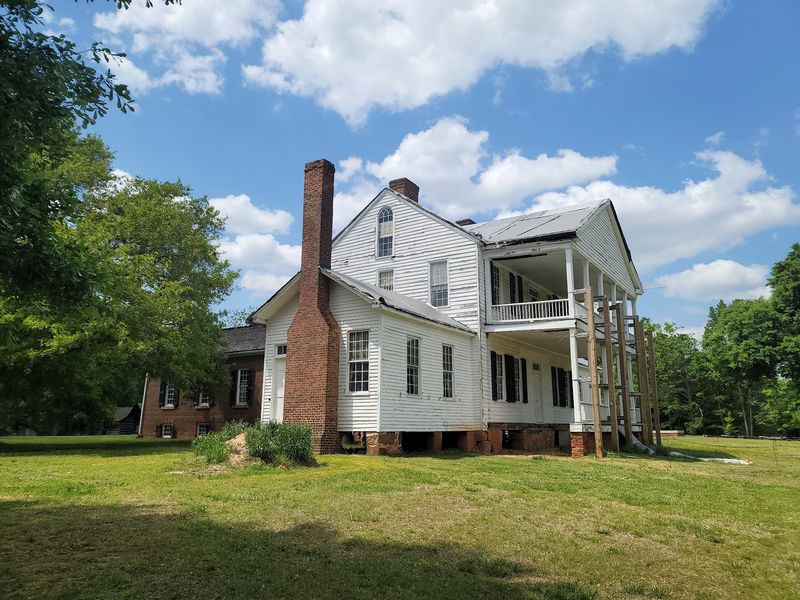
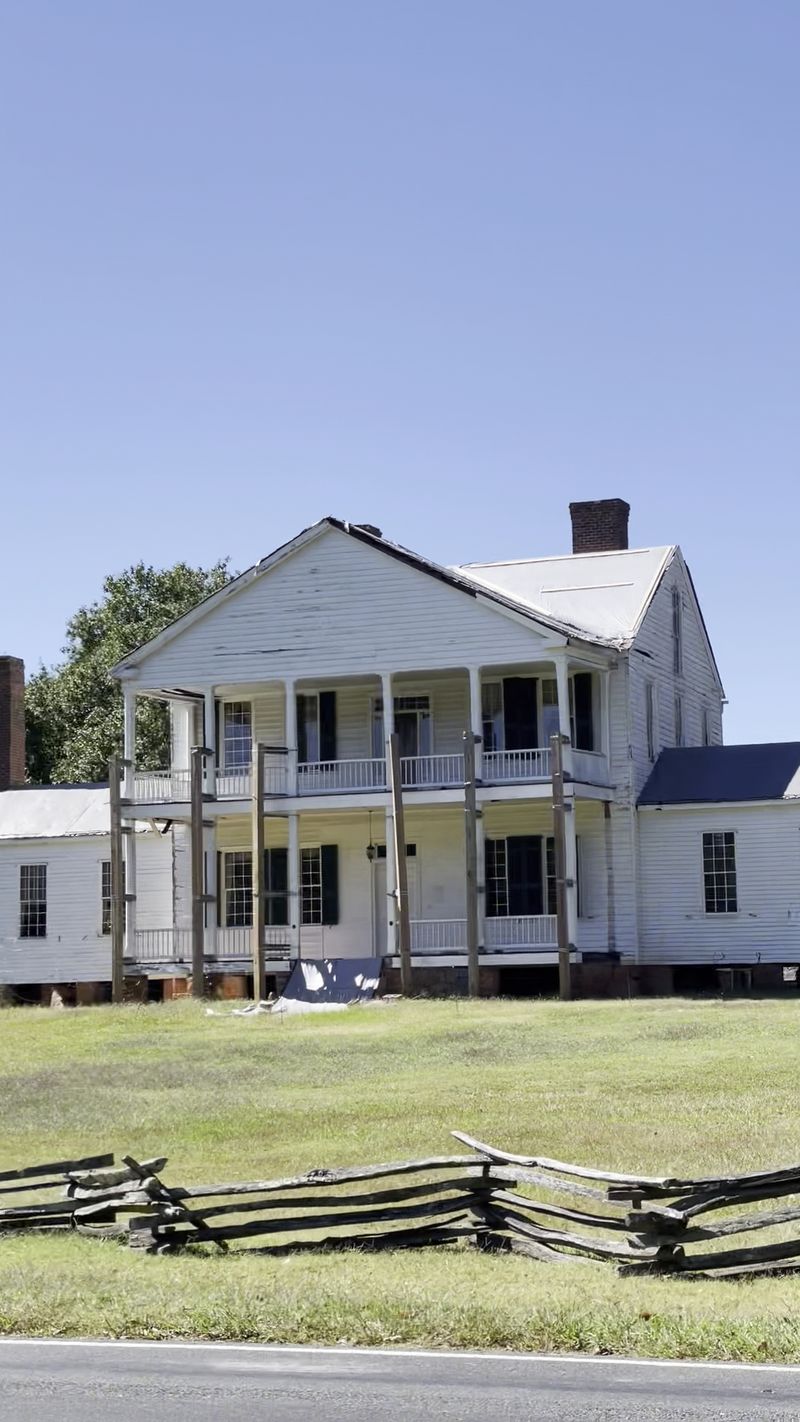
Architecture fans tend to light up here. One guest who has toured tons of historic houses came away genuinely impressed with the condition of the homes, calling the buildings architecturally unique and beautifully kept.
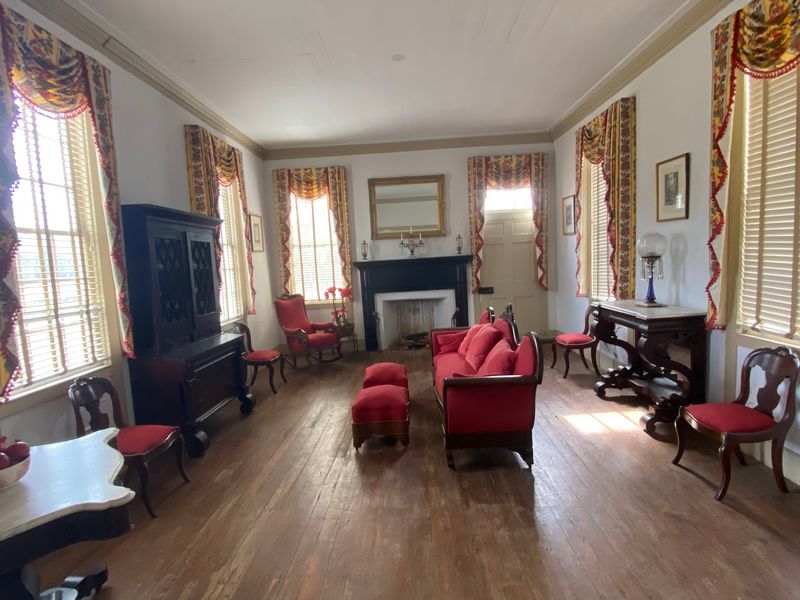
The Homestead earns special praise, with its well-cared-for rooms offering a rare look into the antebellum world. Because much of the property is set up as a self-guided tour, you get the freedom to move at your own pace and explore the buildings in whatever order feels right.
Some of the larger homes have been under restoration during recent visits, and returning guests say they look forward to seeing the finished work. There is a quiet satisfaction in watching a place like this being carefully brought back to life piece by piece.
Heritage Breed Farm Animals
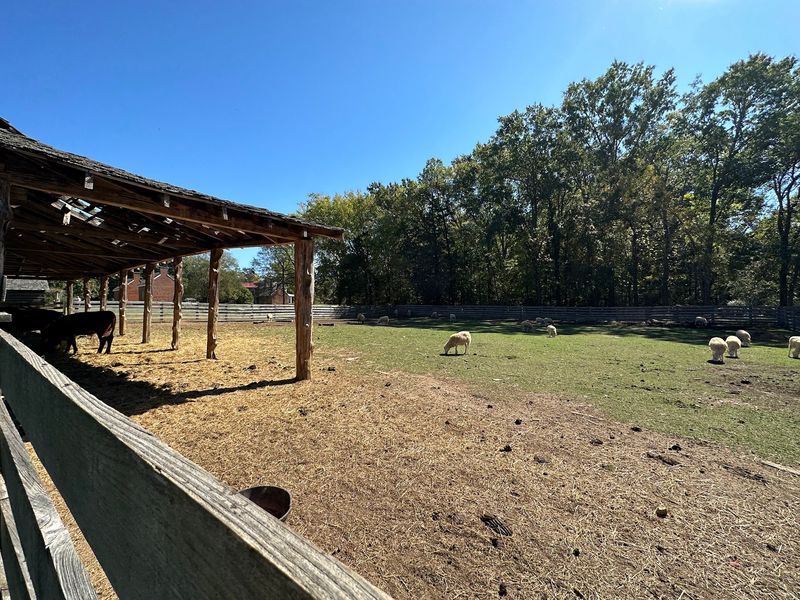
Turn a corner near the back of the property and you might be greeted by pigs, sheep, and a horse. These are heritage breeds, chosen to reflect the kinds of animals the townsfolk of Brattonsville would have kept in the 1800s.
The animals are a favorite surprise for families, and one parent mentioned their six-year-old was delighted to find them. Another visitor confessed the pigs were especially cute, adding that the pig sty was about as pleasant as a pig sty can reasonably be.
Beyond being adorable, the livestock help tell the larger story of daily farm life. Volunteers sometimes share details about the animals alongside the vegetables growing in the garden, connecting the dots between what people raised and how they lived.
Costumed Interpreters Who Bring the Past Alive
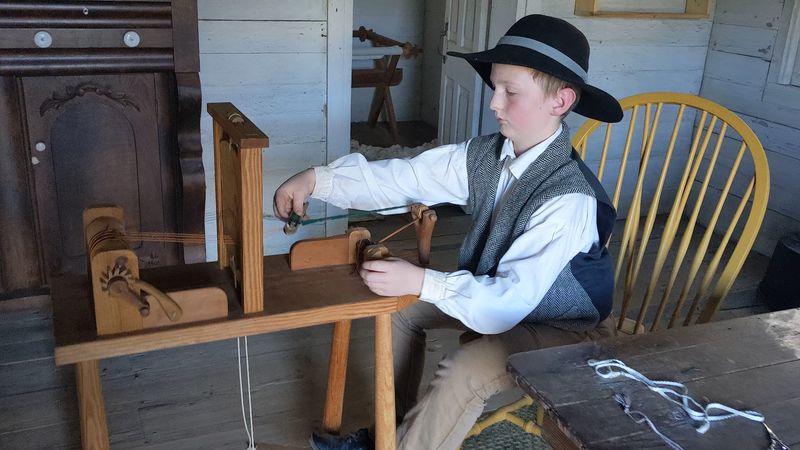
Ask a longtime visitor what made their trip memorable and the answer often circles back to the people. The costumed interpreters here get described as some of the most educated guides folks have encountered, passionate about the history and happy to answer any question thrown their way.
Guests who took school groups say the staff went out of their way to make sure students had an amazing experience. Others recall interpreters at the McConnell home and garden giving a living account of everyday life, explaining what they were planting, making, and cooking.
The interpreters are also honest about the site’s rhythms. On regular days, you may cross paths with only a handful of costumed staff, while special events fill the grounds with far more activity.
Chatting with whoever is on hand is consistently the highlight for those who take the time.
Hands-On Living History Demonstrations
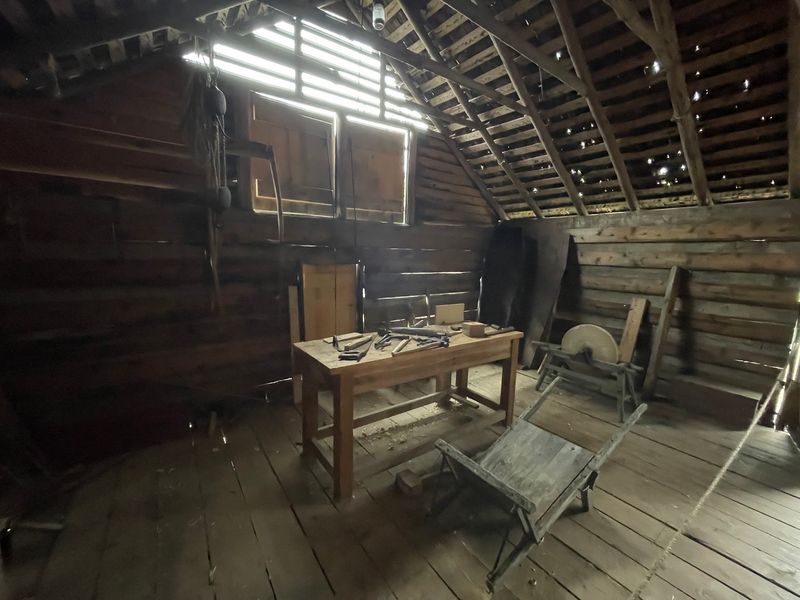
Watching history happen live is a different feeling than reading about it. Visitors have enjoyed demonstrations ranging from a scheduled musket firing to historical cooking, candle making, and even writing with a real quill and ink.
During the Living History Independence Day program, actors showed what life was like on the plantation in the 1850s, with activity spread across the general store, cotton gin, barns, kitchen house, and carpentry areas. An on-site blacksmith adds to the sense of a working community rather than a static display.
Timing matters here, since the demonstrations shift with the seasons and special days. Guests who plan their visit around a scheduled program or event tend to walk away with the richest experience.
The Reconstructed General Store and Exhibits
Step inside the reconstructed general store and you will find shelves stocked with period items that hint at how folks once shopped and traded. It is a small window into commerce in a time long before checkout lines.
Returning visitors point to the restored store as a must-see, and several recommend pairing it with the exhibit on James Williams and Reconstruction. That exhibit acknowledges the more difficult chapters of the South’s history, offering an eye-opening look for guests of any age.
The store shines brightest when someone is on hand to explain what you are seeing. When interpreters are present, the objects come alive with context, turning a room of old goods into a genuine story worth lingering over.
A Peaceful Retreat from Modern Life
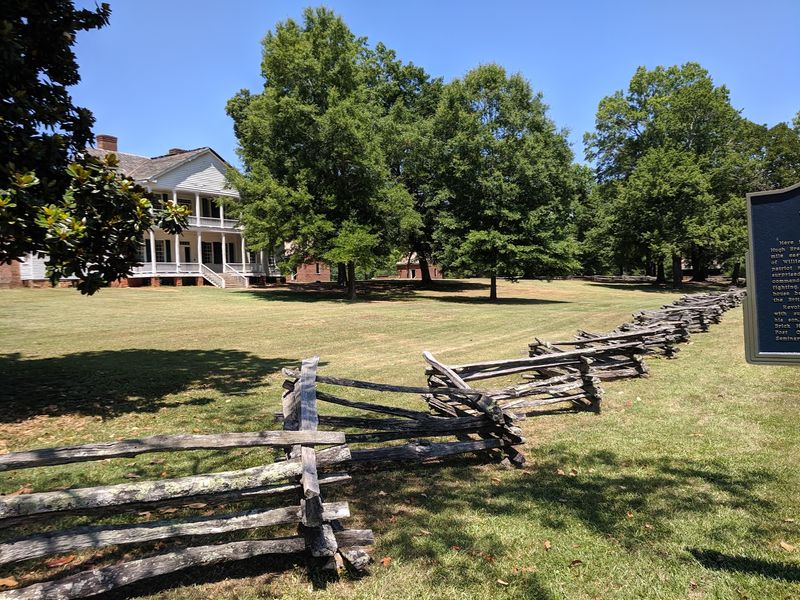
Something about wandering these grounds seems to reset people. One guest described the visit as a nice retreat, a chance to learn about life before technology and simply breathe in a slower pace.
The advice that comes up again and again is not to rush. Strolling with a good guide map, soaking up the ambiance of a time gone by, and letting an afternoon unfold at its own speed is exactly how many visitors say they got the most out of it.
Picnic tables are scattered about, making it easy to pause for a snack between buildings. It is the sort of outing where the quiet itself becomes part of the reward.
Perfect for Families and Curious Kids
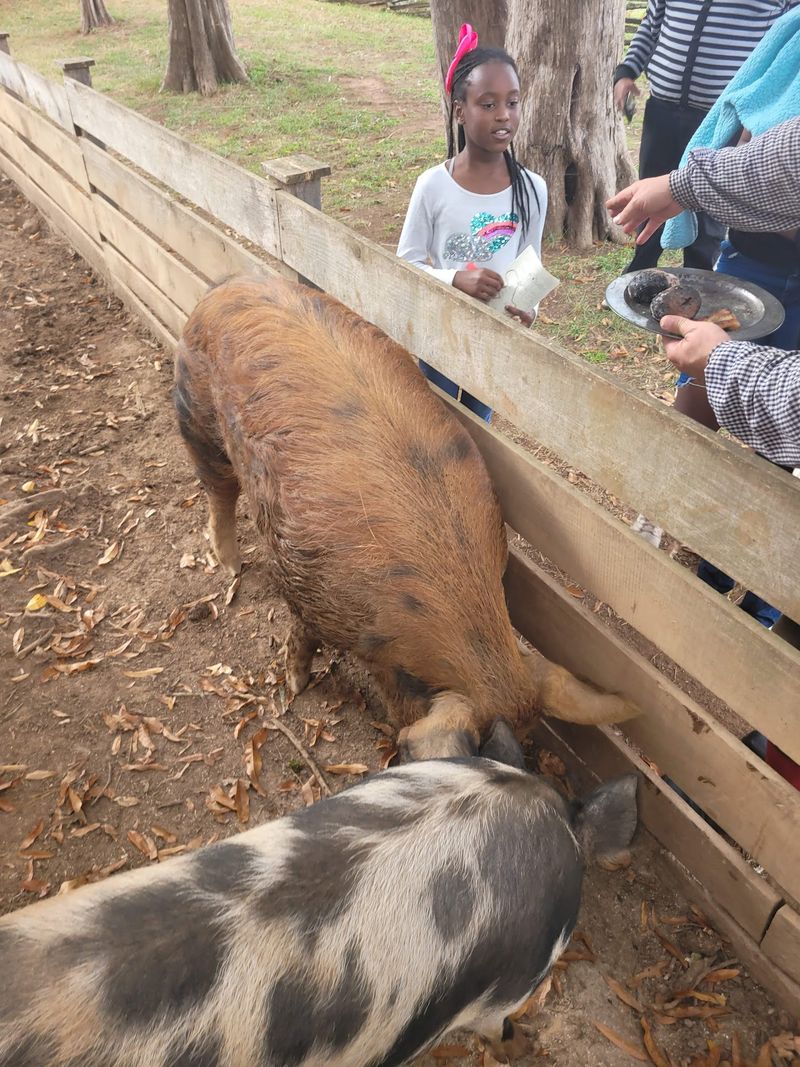
Bringing the little ones? Families rate this outing highly, with one visitor noting it was fun for adults as well as kids as young as one year old.
The mix of animals, open space, and hands-on demonstrations keeps young explorers engaged.
School groups have had especially good luck here. A teacher who brought high school students raved that the staff answered every question and made sure the kids had a great time, while other groups have visited in cooler months and enjoyed the farm animals along the way.
The freedom to roam suits energetic kids, though a little preparation helps. Dressing for the weather and packing water makes the walking portions far more comfortable for the whole crew.
Seasonal Events and Candlelight Christmas Tours
If you want to see Brattonsville at its liveliest, plan around one of its special events. The site hosts battle reenactments, and guests describe the thrill of watching costumed troops, horses, and a staged fight play out right on the field.
The Christmas candlelight tour draws especially warm reviews. One first-time visitor compared it to an interactive play, moving building to building to catch each part of the story, complete with candle making and corn husk doll making by the glow of candlelight.
Reenactment weekends often bring extra perks like a gift shop and food trucks set up on site. Since programs rotate through the year, several regulars recommend visiting more than once to catch the seasonal changes.
Hours, Admission, and Getting There
Planning ahead pays off, since the museum keeps set hours. It opens Tuesday through Saturday from 10 AM to 5 PM, welcomes guests Sunday from 1 to 5 PM, and stays closed on Mondays.
Admission has been reported by recent visitors at around 10 to 12 dollars per person, and several note the price supports a good cause in preserving the site. Parking is described as easy with plenty of space available, and there is a gift shop on the property that happens to have welcome air conditioning on hot days.
Getting there is simple enough, sitting roughly a twenty-minute drive from Rock Hill. For questions about programs or scheduled tours, you can call ahead at +1 803-684-2327 or check the website at chmuseums.org/brattonsville.
Is Brattonsville Worth the Trip?
Weighing it all up, Historic Brattonsville rewards visitors who arrive with the right expectations and a little planning. Its 4.7-star average reflects a site that history lovers, families, and curious travelers consistently find worthwhile.
The honest takeaway from guests is that timing shapes the experience. Regular weekdays can feel quiet, with only a few interpreters around, while special events, reenactments, and scheduled tours transform the grounds into a bustling window on the past.
Beautiful buildings, friendly heritage animals, knowledgeable guides, and the gripping story of Huck’s Defeat all wait down that quiet backcountry road. Give yourself a half day, aim for a program or a cooler part of the day, and you may just leave feeling like you truly stepped back in time.
Enjoyed this story?
Add Fast Food Club as a preferred source to see more of our reporting on Google.