


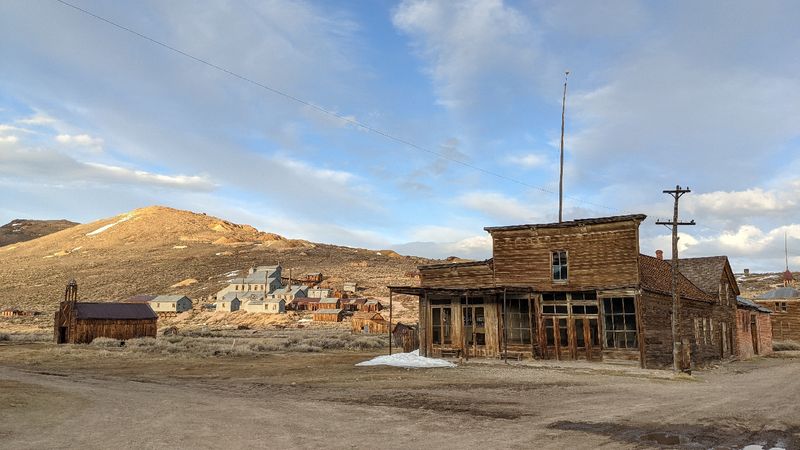
High in the eastern Sierra, at nearly 8,400 feet, there sits a town where the people packed up and walked away, leaving furniture, tools, and dusty shelves right where they stood. Gold once made it one of the biggest towns in California, and today more than a hundred weathered buildings still stand quietly against the open sky.
Reaching it means bumping along a long dirt road with no cell signal, which only adds to the sense that you are heading somewhere far removed from ordinary life. What waits at the end is not a tidy museum but a raw, roaming-through-history kind of place.
Keep reading to learn where this remarkable town is, what you can see inside it, and how to plan a trip that goes smoothly from the drive in to the walk home.
Where This Frozen Town Sits
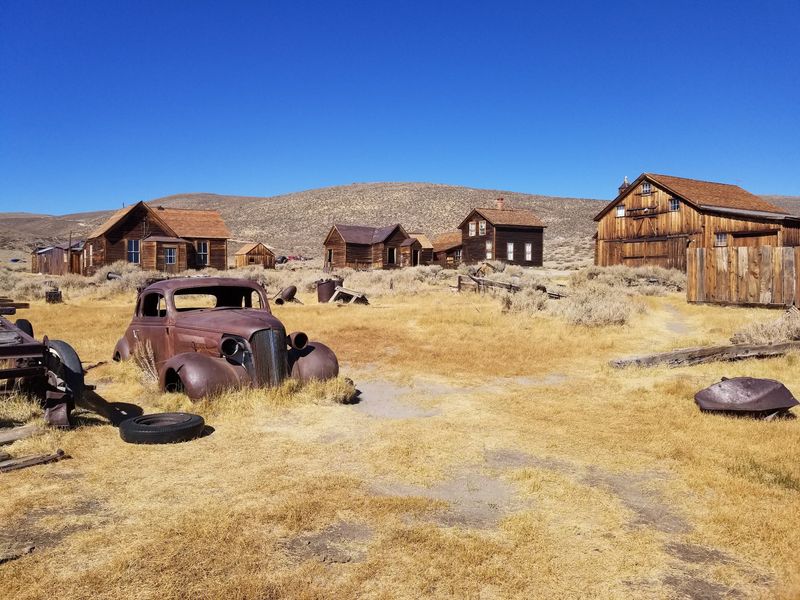
Tucked off CA-270 in Bridgeport, California, Bodie State Historic Park is a former gold-mining community turned ghost town, resting in the high country of the eastern Sierra.
The setting is remote by design. At roughly 8,375 feet above sea level, the town spreads across an open, treeless basin with wide views in every direction.
Getting here is part of the story. The final stretch runs about three miles on unpaved dirt road, and drivers are advised to take it slow, since the surface can be dusty, washboarded, and slippery depending on the season.
Cell service drops out well before you arrive, so this is a genuine dead zone. That means planning ahead and letting people know where you are headed.
Once you reach the parking area, the town opens up on foot. There are no roped-off sidewalks guiding you along, so you wander freely among the buildings scattered across the field.
Bodie earns its 4.7-star standing for good reason, and much of that comes from how untouched it feels. The park keeps everything in a state of arrested decay, which is exactly why it draws people who love history and old, abandoned places.
A Gold Rush Boomtown That Emptied Out
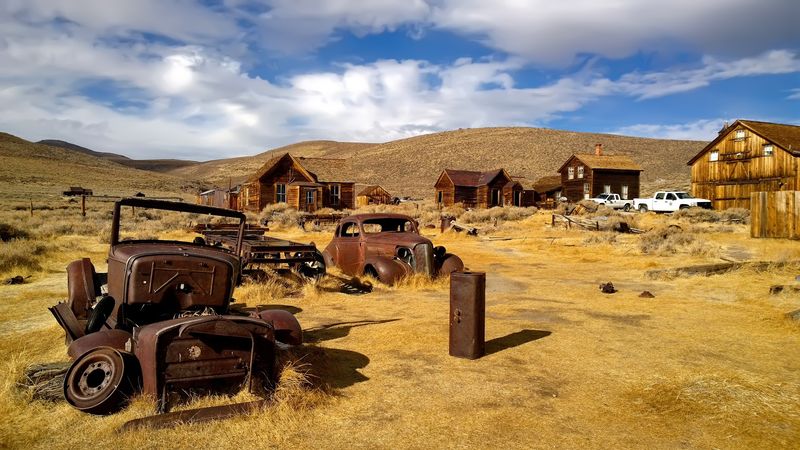
Long before the quiet set in, Bodie roared. During its peak in the Gold Rush era, it grew into the sixth largest town in California, a fact tour guides still share with wide-eyed groups.
The numbers tell a striking story. For every five homes still standing today, there were once eighty to ninety more, giving a sense of just how packed the streets used to be.
The school alone enrolled as many as 625 students at one time. That detail hints at families, classrooms, and daily routines that once filled a place now silent.
Fire reshaped Bodie more than once. Over 75 percent of the original town burned down, yet a remarkable amount of history survived, and what remains still stands despite decades of weather and age.
The town’s decline came without ceremony. When the mines gave out, people simply left, and much of what they owned stayed behind.
That abrupt departure is what makes Bodie so haunting. It feels close enough to modern times to relate to, yet far enough away to clearly belong to another era, and that tension is a big part of its pull.
The Art of Arrested Decay
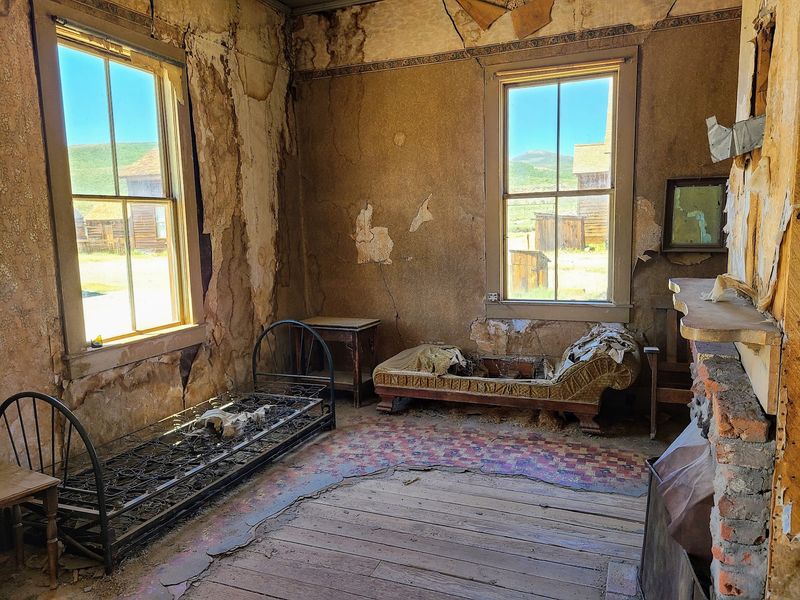
Nothing here has been polished up for show. The park follows a philosophy called arrested decay, meaning buildings are stabilized and protected but not restored to look new.
The result is honest and a little eerie. You find layers of dust settled on shelves, peeling wallpaper curling from the walls, ragged curtains hanging in windows, and ceilings that have started to sag.
Even the foundations show their age. Missing pieces of rock, weathered gray wood, and gaps in the structures all remain visible, and yet these buildings keep standing.
Maintenance staff deserve real credit for this balance. Keeping a town frozen without making it feel staged takes constant, careful work, and their dedication shows in every corner.
Because so much was left in place, peering through a clear window can reveal furniture, goods, and everyday items sitting exactly where they were abandoned. It genuinely looks like the town simply got up and left.
Fans of history and photography often say this authenticity is the whole point. Nothing about Bodie feels like a set, and that raw quality is what keeps people coming back for more.
Stepping Inside the Stamp Mill
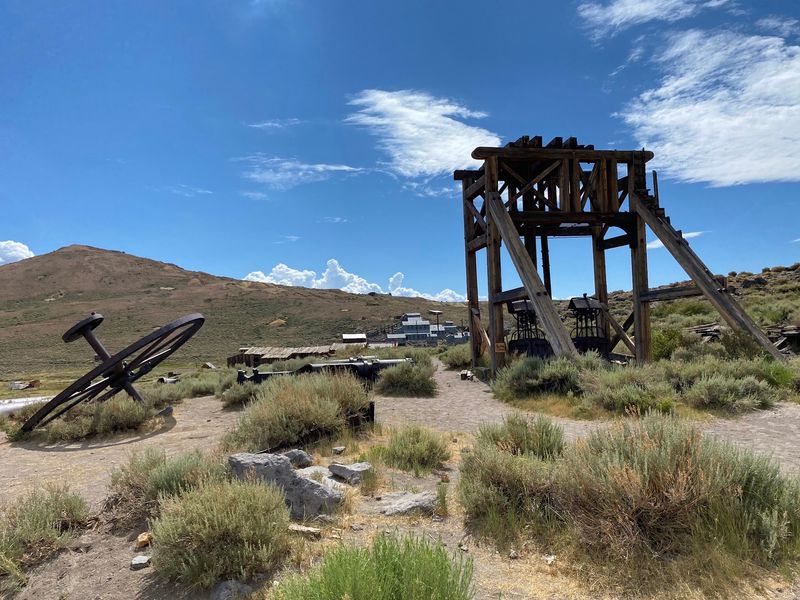
Most of Bodie can only be admired from the outside, but there is one big exception worth planning around. The stamp mill tour lets you actually walk through machinery that once processed gold ore.
Access comes with a guide. The mill is one of only two buildings you are permitted to enter, and only while accompanied by park staff on the guided tour.
The walk-through covers a lot of ground. Groups move from the electrical room to the stamping area and on to the shaker tables, learning how each part played its role in pulling gold from rock.
Guides bring the machinery to life with facts and answers. On busy days the tours sell out, packed with curious guests firing off question after question.
Timing matters if you want a spot. Tickets are sold at the museum, and staff stop selling them roughly ten minutes before a tour begins, so arriving too close to departure can mean missing out.
People who catch the tour tend to rank it as a highlight. Seeing the inner workings of the mill adds a whole layer of understanding you cannot get from peeking through windows.
Roaming a Town Without Sidewalks
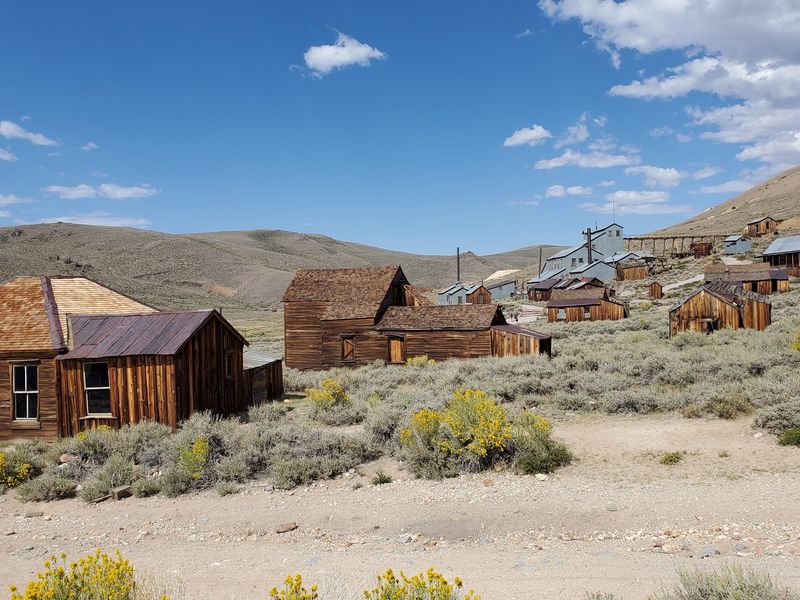
Freedom to wander is one of Bodie’s best surprises. There are no roped-off areas or paved walkways herding you along, so you simply roam through a town sitting in the middle of an open field.
Windows become your gallery. Looking into any clear pane reveals goods, furniture, and small everyday objects left behind, and each building hints at who once lived or worked there.
Signs guide the experience. Reading them carefully is worth the effort, and there is a practical reason too, since some buildings are actually residences for park rangers and staff, marked with signs and curtained windows.
The self-guided approach rewards patience. Give yourself at least a few hours to walk it all, and comfortable shoes or hiking boots will make the outing far more pleasant.
Because the town is kept raw, a little caution goes a long way. Broken glass, machine parts, and other hazards sit out in the open, so families with young children should keep a close watch.
That untouched quality is exactly what makes exploring feel special. You are not touring a display, you are walking through the bones of a real town.
The Museum and Its Old-Time Displays
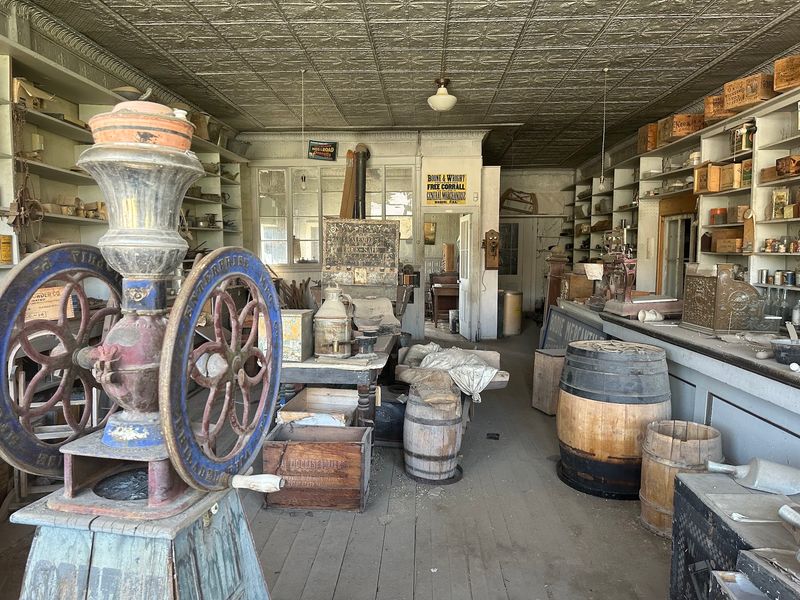
Ticket sales, maps, and a bit of shopping all center on the museum, which doubles as the town’s information hub. It is the spot to buy stamp mill tour tickets and grab a self-guided tour booklet.
The displays inside are compact but informative. Glass cases hold artifacts and items from the town’s active years, giving background before you head out among the buildings.
A small gift shop shares the space. Alongside souvenirs, you can pick up tour books and pamphlets, including information about the cemetery.
The three-dollar guidebook earns steady praise. For that modest price it tells you a little about nearly every building, turning a quiet walk into a rich self-guided tour.
There is also a short film shown in a theater on site. Opinions on it vary, with some finding it dated, so treat it as an optional extra rather than a main attraction.
One thing to keep in mind is that staffing can be thin. The museum has occasionally closed briefly during the day when shorthanded, so consider visiting it early if there is a specific building or exhibit you most want to see.
A Mood That Genuinely Gives You Chills
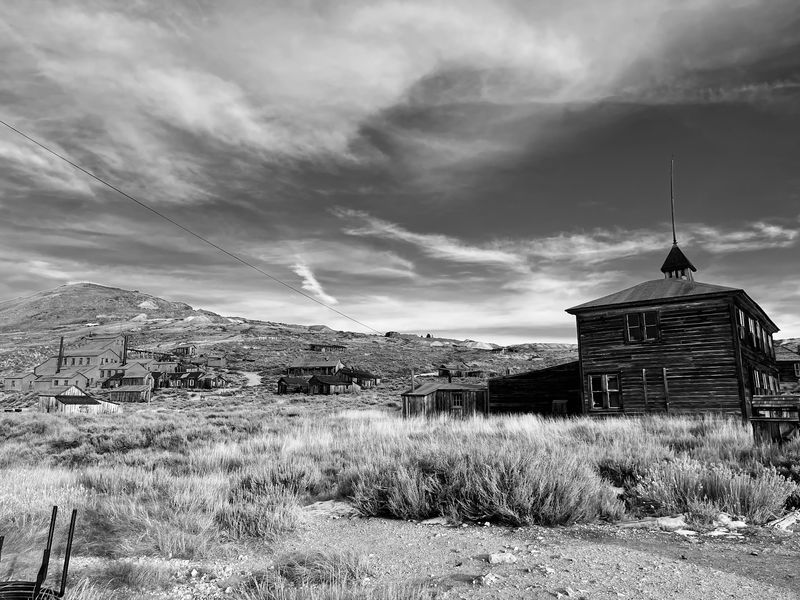
Quiet streets and empty doorways create an atmosphere unlike almost anywhere else. People often describe the feeling as time completely stopping, as if the clocks froze the day everyone left.
The word haunting comes up again and again. The arrested decay leaves the place hauntingly beautiful, especially with the open scenery stretching out around the buildings.
Light plays a big part in the mood. Late afternoon in particular softens the whole scene, which is why photographers linger to catch the town in that glow.
Bodie’s remoteness feeds the atmosphere too. With no cell signal, no crowds pressing in, and no modern clutter, the surroundings make it easy to feel genuinely transported.
Who suits this kind of trip? History buffs, photography lovers, and anyone fascinated by abandoned places tend to fall hard for it, often calling it one of the most fascinating stops they have ever made.
Repeat visits are common. Some folks return again and again, spotting new details each time, which says a lot about how deeply the place gets under your skin.
Surviving the Drive and the Altitude
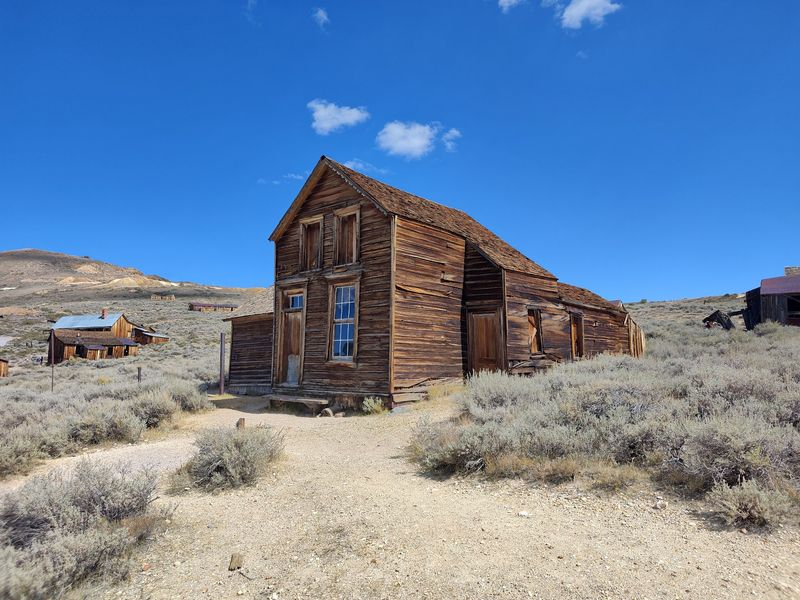
Reaching Bodie is genuinely a journey, and being ready for it makes all the difference. The last stretch runs about three to three and a half miles on unpaved dirt that can be dusty, washboarded, and slippery.
Most vehicles can handle it. A regular sedan will usually make it in the warmer months as long as you drive slowly, and turning on your recirculated air helps keep the cabin from filling with dust.
Altitude is the bigger surprise for many. At roughly 8,375 feet, the thin air and strong sun can catch people off guard, and staying hydrated is important.
Shade is basically nonexistent. The town sits fully exposed, so sun protection matters, and wind can whip up dust on breezy days.
Preparation pays off since there is no food sold in the park. Bring your own water bottle and a lunch or snacks, and do not count on buying anything on site.
Because the area is a cellular dead zone, calling ahead before you leave is smart. A ranger can share road and park conditions, which is especially helpful given how far out the town sits.
Hours, Fees, and Year-Round Access
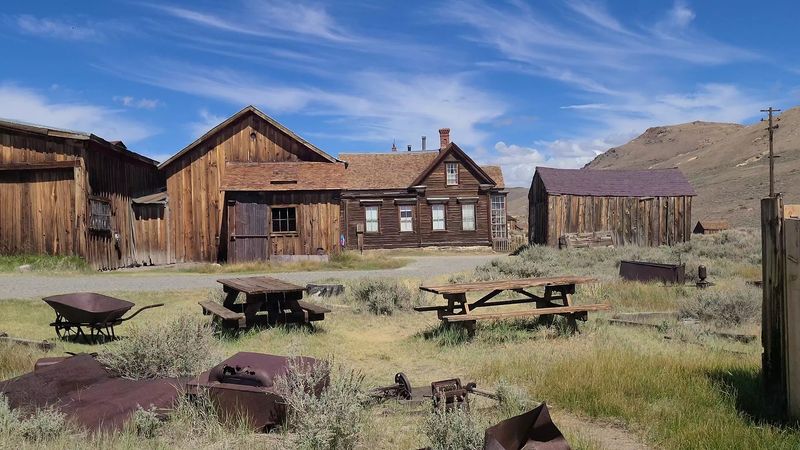
Planning the logistics is refreshingly simple. The park is open daily from 9 AM to 6 PM, seven days a week, so weekends and weekdays alike are on the table.
Entry costs eight dollars per adult. Both cards and cash are accepted, and those fees go toward repairing and maintaining the buildings, so your admission directly supports the town.
One note for pass holders is worth flagging. A standard state park pass is not accepted here because Bodie is a historic park, so plan to pay the entrance fee.
The stamp mill tour needs a little extra planning. Tickets are sold separately at the museum, and calling ahead is wise since tours depend on staff being available, often more reliably from around May onward.
Bodie stays open year-round, but winter changes the game. In the colder months the road closes to cars, and reaching the town then means snowshoeing, skiing, or snowmobiling in.
Warmer months keep things easy. From roughly late spring through fall you can drive right up, park near the town, and set out on foot without any special gear.
Why This Ghost Town Earns Its Reputation
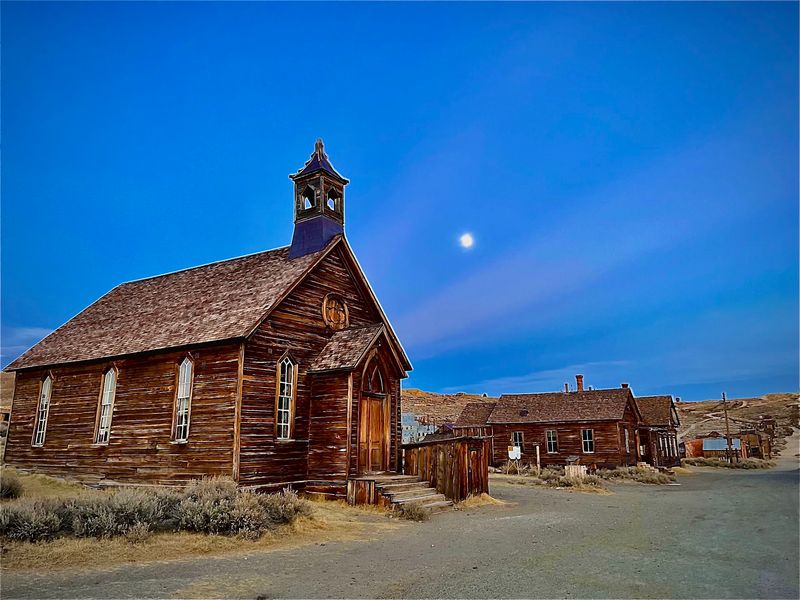
Few places pull off what Bodie manages, and its steady stream of admiration reflects that. Many people call it a once in a lifetime destination, insisting there is no other spot quite like it in the country.
The appeal is easy to sum up. A remarkably intact ghost town, kept raw and honest, sitting in gorgeous high country reachable by a memorable drive from regional hubs like Reno and Sacramento.
It rewards the effort it demands. Yes, the road is long and dusty, the altitude is real, and there is no food for sale, but people consistently say the trip is well worth every mile.
Bring the right mindset and the right gear. Comfortable shoes, water, sun protection, a packed lunch, and a little patience turn a challenging outing into a smooth and memorable one.
Grab the guidebook and take your time. Reading the signs, peering through windows, and catching the stamp mill tour if you can will deepen the whole experience.
For anyone drawn to history, photography, or the quiet mystery of abandoned places, Bodie delivers in full. It is the kind of trip that stays with you long after the dust settles.
Enjoyed this story?
Add Fast Food Club as a preferred source to see more of our reporting on Google.