


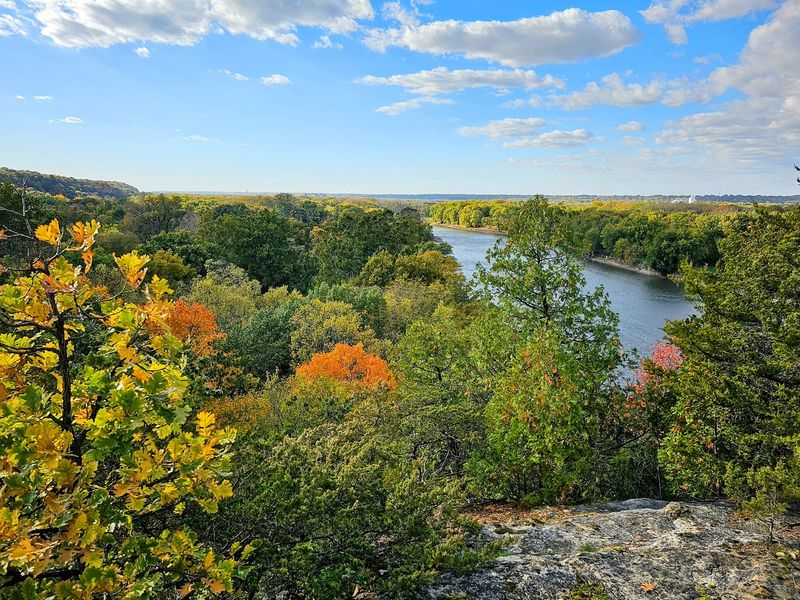
Just a couple of hours from the noise of Chicago, there is a stretch of Illinois where sandstone canyons cut deep into the land and seasonal waterfalls spill over rocky ledges after a good rain. The trails wind along the Illinois River, climb hundreds of stairs, and open onto overlooks that feel far bigger than the flat prairie state most people expect.
This spot draws hikers, families, dog owners, and anyone hoping to trade traffic for birdsong and moving water. Best of all, getting in costs nothing, so the only real price is a little planning and a willingness to climb.
Keep reading to learn where to find these canyons, what makes each corner worth the trip, and how to time a visit so the falls are actually running.
Where the Canyons Begin
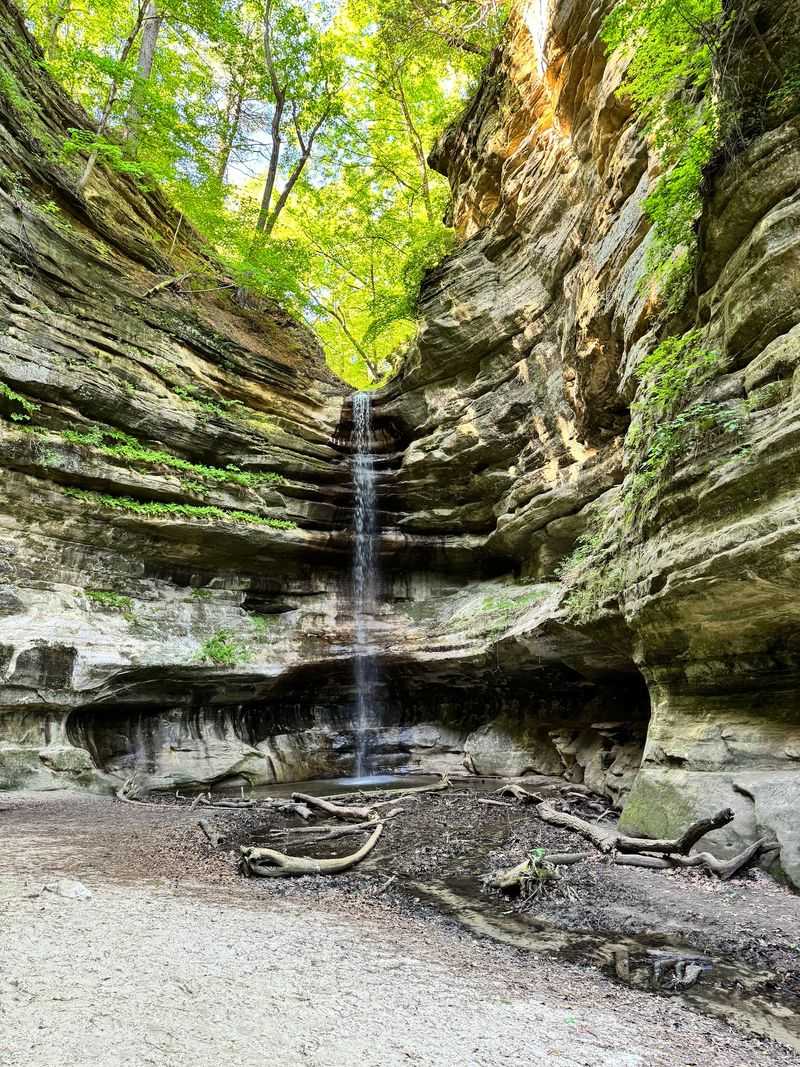
Tucked into the small town of Oglesby, IL 61348, this vast nature area sits along a bend in the Illinois River, roughly two hours southwest of Chicago. The park earns its status as a historic landmark thanks to a landscape shaped over thousands of years into canyons, bluffs, and rock formations.
What greets people first is the sheer variety packed into one place. There are wooded trails, river overlooks, waterfalls that appear after rain, and towering sandstone walls that make the whole area feel far larger than a single park.
Regulars often mention how easy it is to lose track of time here, spending hours wandering and still feeling like there is more around the next turn. That sense of discovery is part of the appeal, and it keeps people returning through every season.
Admission is free, and so is parking, which makes it an easy day trip for families and solo hikers alike. The main hub is anchored by a lodge and a visitor center, giving newcomers a clear starting point before they head out toward the canyons.
A Landmark Shaped by River and Time
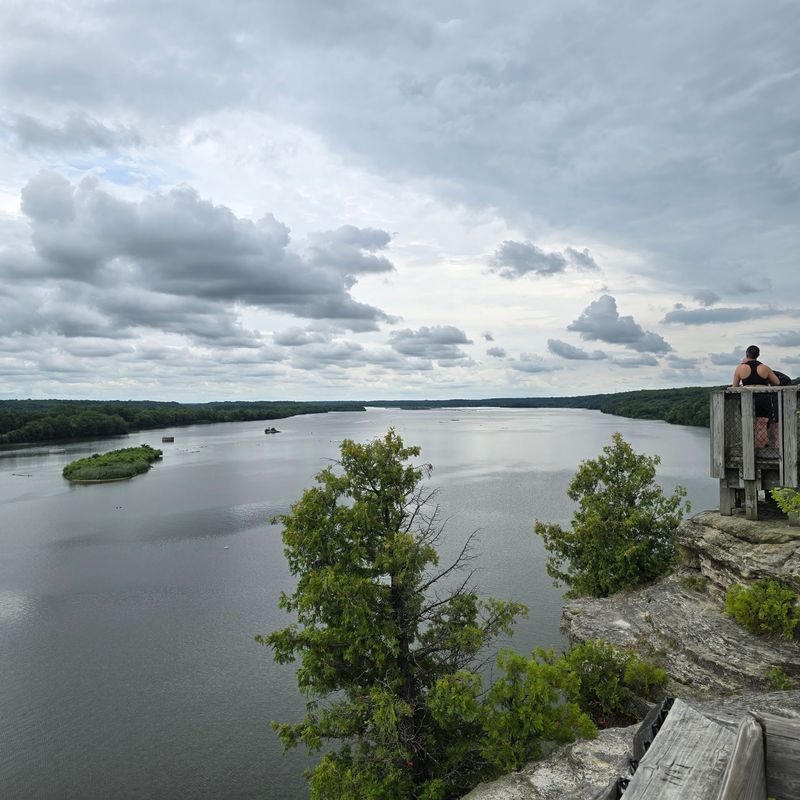
Geology takes center stage the moment the trails begin to climb. The park is described as geologically impressive and historically significant, sitting right along the curve of the Illinois River where the water has helped carve the land over centuries.
Sandstone rock formations rise up in formidable shapes, and several of them can be climbed for even wider views across the river valley. The bluffs and unique canyons give the terrain a character that stands apart from the surrounding countryside.
History runs deep here too. The visitor center leans into that story, using wax figures to bring the region’s past to life in a way that feels more like a small museum than a simple information desk.
Those who take their time find that the park rewards patience. Absorbing the history, geology, and ecology can easily fill the better part of a day, and the layered scenery makes each stop feel connected to the one before it.
It all adds up to a place that feels both grand and grounded, a rare combination for the flat middle of Illinois.
Waterfalls That Wait for the Rain
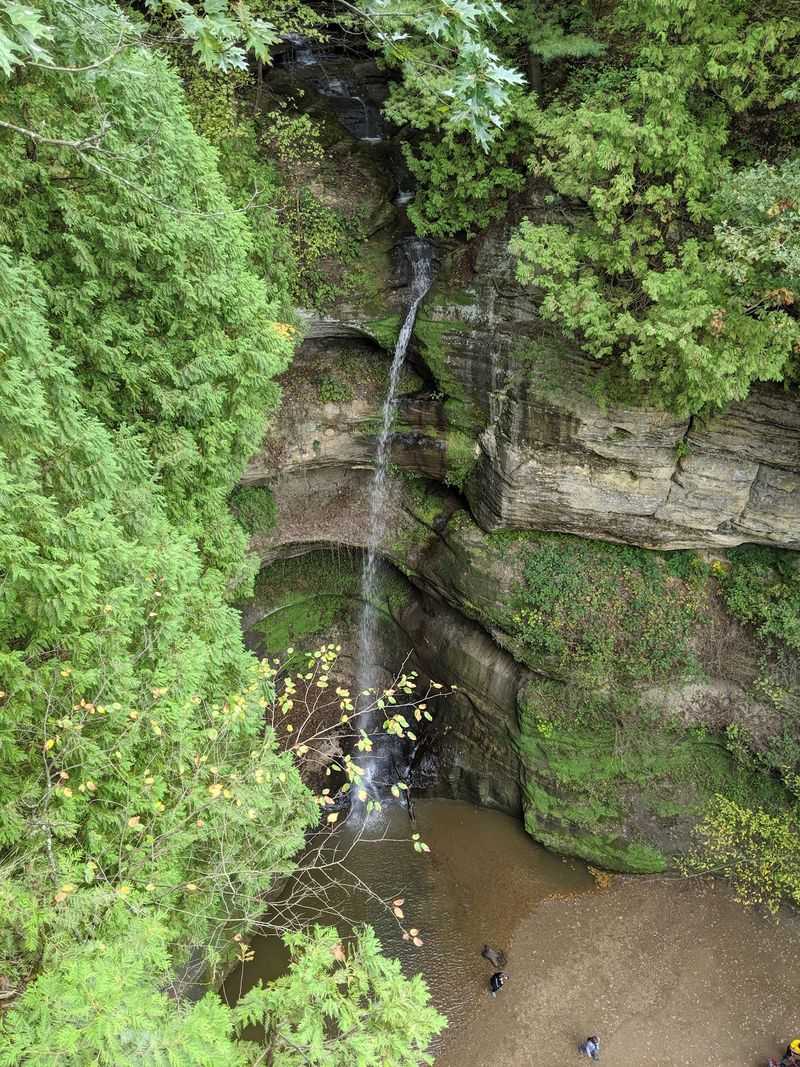
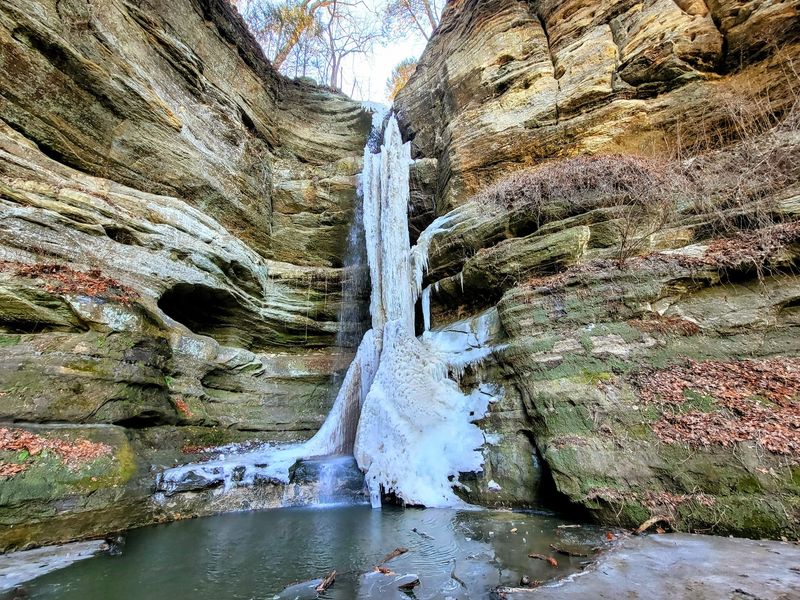
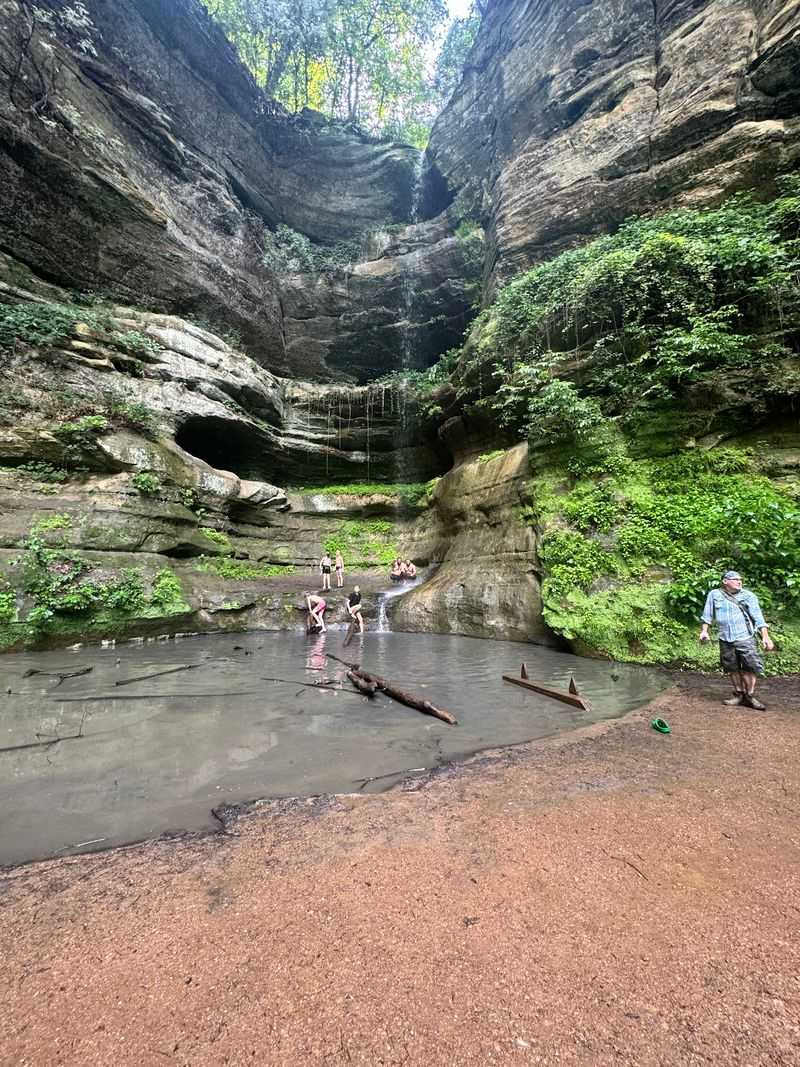
Chasing the falls is one of the biggest reasons people make the drive, and timing matters more than most first-timers realize. The seasonal waterfalls become a true highlight after rain or during spring, when melting snow and steady showers send water cascading over the canyon walls.
Skip that window, though, and the story changes. After weeks of dry weather, many of the falls slow to a trickle or dry up entirely, which is why arriving within a day or two of rain is such a common tip.
Wildcat Canyon and St. Louis Canyon rank among the favorites for waterfall seekers, each rewarding the climb with cascades tucked into shaded rock amphitheaters. Some trails leading to additional falls occasionally get blocked off, so it helps to check ahead before setting a route.
The payoff is worth the effort. Standing in a quiet canyon with water spilling down the sandstone is the kind of moment that keeps hikers planning return trips just to catch the falls at their fullest.
Spring and early fall tend to line up best for both scenery and flowing water.
Choose Your Own Adventure on the Trails
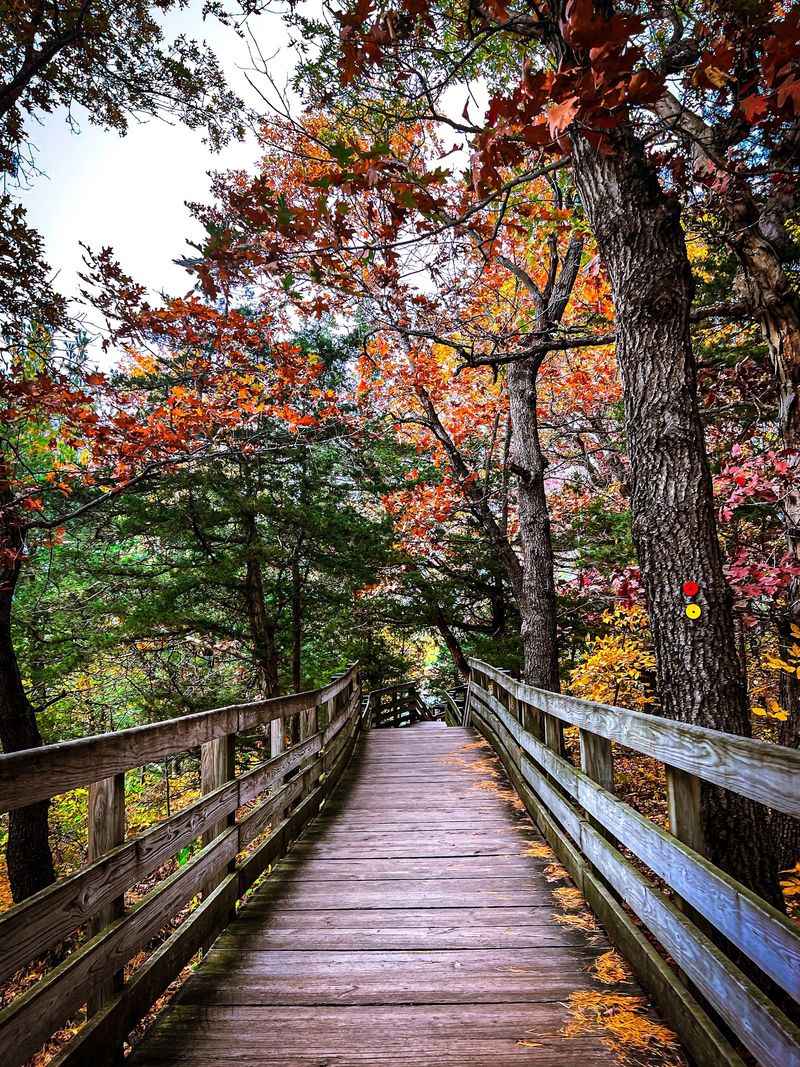
Flexibility is the quiet strength of the trail system here. Plenty of looping paths branch out at different difficulties, so hikers can genuinely pick how far they want to go and turn back whenever it suits them.
Well-kept and easy to walk, many of the trails stay passable even after morning rain, holding up better than a typical dirt path would. That mix of maintenance and variety makes the park welcoming to both casual strollers and people chasing a longer trek.
The layout splits into two moods. One side feels well laid out and polished, while the other offers a more rustic hiking experience for those who want rougher ground under their shoes.
Signage can be hit or miss in a few spots, and getting turned around happens now and then, so grabbing a map or asking at the visitor center is smart. The staff are known for pointing people toward routes that match their time and the day’s conditions.
With so many combinations, no two outings have to feel the same.
Bring On the Stairs
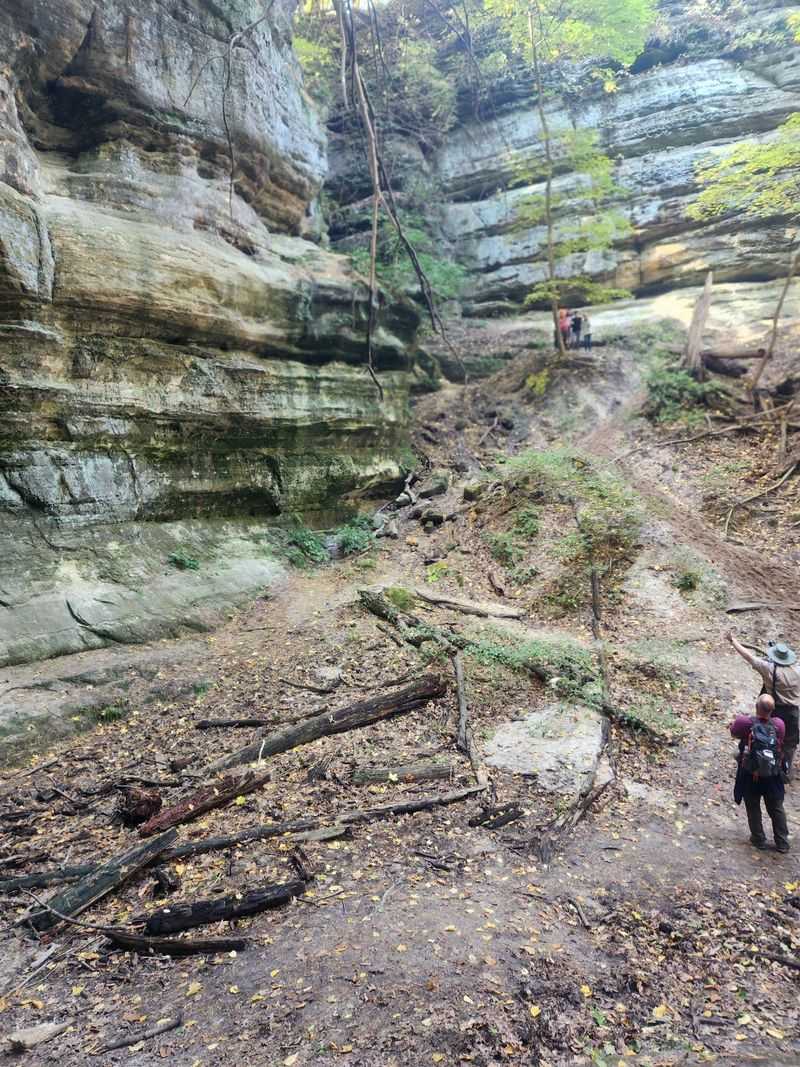
Anyone who has hiked here has a story about the steps. Hundreds of stairs run up and down throughout the park, and they show up on trail after trail, turning a gentle walk into a genuine workout.
The climb to Starved Rock itself is paved and short, but it stacks plenty of steps into that quick loop. Head deeper toward the canyons and the stairs keep coming, mostly on unpaved ground that rises and falls with the terrain.
Frequent hikers joke that the trails are easy while the stairs are anything but, and that lighthearted grumble captures the experience well. For many, the burning legs are half the fun and a fair trade for the overlooks waiting at the top.
Not every set of steps stays pristine, though. Some sections have shown wear and rougher patches, so watching footing is wise, and appropriate shoes make a real difference.
People with limited mobility may want to stick to the more accessible, paved portions and skip the steeper climbs that lead to spots like the beehive lookout.
Following the River Trail
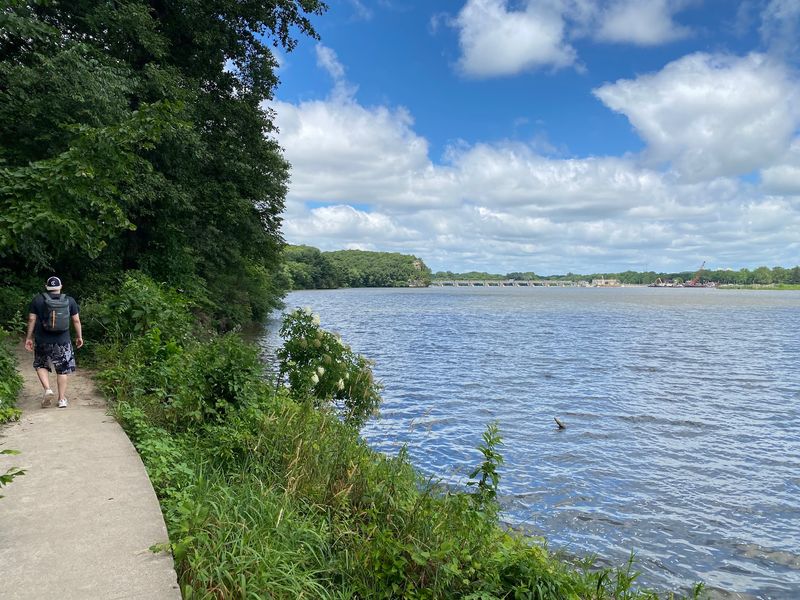
For a mellower outing, the River Trail delivers scenery without demanding as much from your legs. Running right alongside the Illinois River, it offers a relaxing, scenic walk with beautiful views and plenty of lookout points along the way.
The path brings hikers close to the water, letting them experience the river up close rather than just glimpsing it through the trees. It is an easy favorite for anyone who wants a calmer pace or a change from the canyon climbs.
Wildlife adds another layer of interest. Bald eagles are a seasonal draw, sometimes gliding below eye level when viewed from higher ground, and the trail is a good vantage point for spotting them and other animals.
Because the walking stays gentle here, it suits mixed groups, kids included, who might not be ready for hundreds of stairs. The reward is steady river views and a peaceful rhythm to the day.
Set aside enough time to linger at the overlooks, since the quiet stretches by the water are often the parts people remember most.
The Visitor Center Worth Stopping For

Not every park makes its information hub a destination, but this one does. Rated by many as one of the best visitor centers in a state park, it functions almost like a small museum, complete with wax figures that bring the region’s history to life.
Practical needs are covered here too. Inside there are proper restrooms, a cafe for a quick snack, a gift shop with souvenirs, and a well-stocked bookstore filled with educational reads that help support the park’s programs.
The staff earn steady praise for going out of their way to help. They share intel on the best routes for the day’s conditions, answer questions patiently, and even hand out junior ranger badges that turn a visit into something memorable for young explorers.
Maps are easy to access as well, with QR codes offering downloadable versions for anyone who prefers navigating by phone. Checking in here before heading out is a smart move, since staff can flag any trail closures.
Arrive as it opens and you can browse in calm before the crowds roll in.
The Lodge and a Place to Unwind
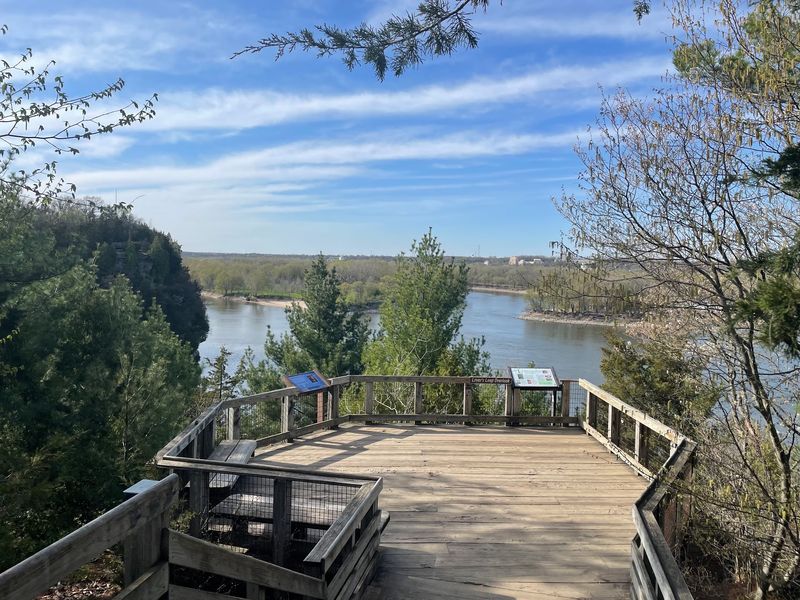
After a day of climbing, a comfortable landing spot makes all the difference. The historic landmark area includes a lodge and cabins, giving visitors the option to stretch a day trip into an overnight stay.
Many hikers name the lodge their favorite place to relax once the trails are done, a natural gathering point to rest tired legs and recap the day’s adventure. Its setting keeps guests close to the canyons without a long drive back to the city.
The lodge also doubles as a handy parking strategy. Some regulars prefer to park near it rather than the visitor center, then hike toward St. Louis Canyon from that side to sidestep the busiest lots.
Cabins offer a quieter, more immersive way to experience the park, letting overnight guests catch the early morning hours before day visitors arrive. That head start can mean emptier trails and calmer canyons.
Whether used as a base camp or simply a spot to slow down, the lodge rounds out the experience with a welcome sense of ease.
Beating the Crowds and Bringing the Dog
Popularity comes with a catch, and timing is the workaround. On nice weekend days in spring, summer, and fall, the park gets packed, and parking lots have closed after hitting capacity, so arriving early is the golden rule.
Weekdays tell a different story. A late-afternoon arrival midweek can mean nearly empty trails, with a canyon almost to yourself and just a handful of other hikers heading the same direction.
Trails can get tight in a few spots, though rarely for long, and there is usually room to step aside and let others pass. For the quietest experience overall, winter thins the crowds the most while still offering its own scenery.
Four-legged companions are welcome, which delights dog owners who make this a regular outing. The pet-friendly trails draw hikers of all ages alongside plenty of happy dogs.
One shared request floats through the park often: skip the loud personal speakers and let the sound of nature and the waterfalls take the lead. Morning visits reward that spirit best, before the busier hours settle in.
Why This Escape Keeps Calling People Back
Few places in Illinois inspire the loyalty this park does. With a 4.7-star average across more than seventeen thousand ratings, it has earned a reputation as one of the finest state parks in the country and a favorite that hikers return to again and again.
The draw is a rare blend of raw nature and calm escape, canyons and cascades paired with easy access and no admission fee. People come for the exercise, the photography, the wildlife, or simply the chance to step away from everyday stress for a while.
A few practical notes make any trip smoother. The park closes on certain holidays, so checking the website ahead of time saves a wasted drive, and confirming trail conditions helps you plan around closures.
Come after rain for the fullest waterfalls, wear sturdy shoes for the stairs, and start early to claim a parking spot and quieter trails. Fall colors are stunning, spring runs wet and green, and winter offers solitude.
Beautiful, peaceful, and surprisingly unforgettable, this Oglesby treasure lives up to every bit of its hype.
Enjoyed this story?
Add Fast Food Club as a preferred source to see more of our reporting on Google.