


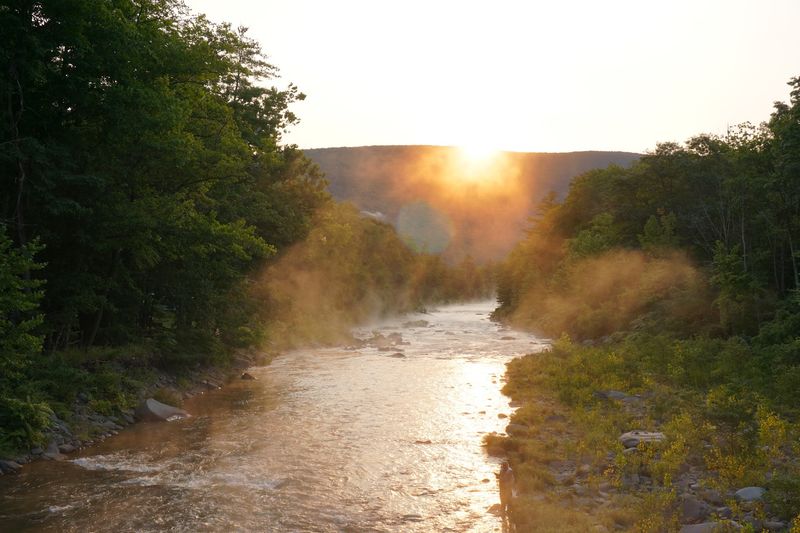
Late summer in the Catskills brings slower water, warmer afternoons, and a stretch of river that feels made for a relaxed day on a tube or kayak. Somewhere in upstate New York, a long, winding waterway threads through mountain towns, forested banks, and quiet fishing holes that anglers have loved for generations.
It runs for roughly 65 miles, splits into upper and lower sections, and gives paddlers plenty of easygoing spots to float without stress. There is a bit of a catch, though, because getting to the right access point takes a little planning, and a wrong turn can leave you staring at a closed gate instead of open water.
Stick around, and you will learn where this river hides, what makes it worth the trip, and how to reach the good parts before your late-summer float slips away.
Where This Catskills Waterway Actually Begins
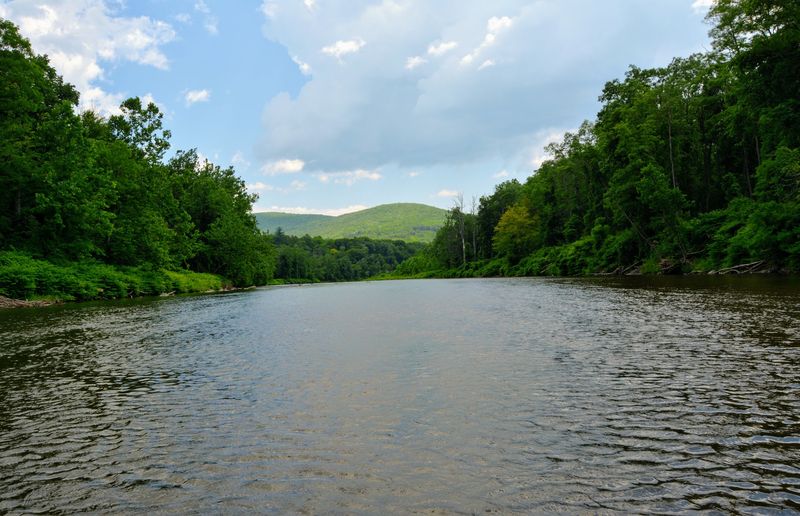
Esopus Creek runs through the Catskill region of New York, winding for about 65 miles before it empties into the Hudson River. There is no single street address for a river this long, so the simplest way to describe it is a Catskills waterway split into two distinct halves.
The upper and lower portions are divided by the Ashokan Reservoir, and that detail matters more than most first-timers expect. Each half offers its own kind of paddling, and knowing which section you want saves a lot of confusion.
A quick heads-up from folks who have tried the drive: online map pins can be unreliable here. Some have followed directions straight to a construction area near the point where the creek meets the Hudson, only to find no water access at all.
The smarter move is to look up specific access points through the New York Department of Environmental Conservation before you leave home. That single step turns a frustrating detour into a smooth arrival, and it sets the tone for an easy day on the water.
A River With Deep Catskills Roots
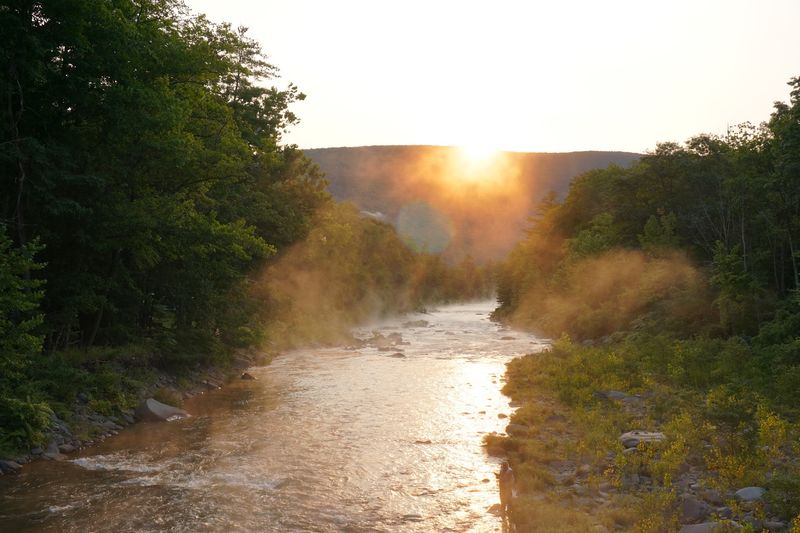
Long before tubes and kayaks showed up, this creek was a defining feature of the Catskills landscape. Its path helped shape the towns and valleys around it, and the building of the Ashokan Reservoir later split the waterway into the upper and lower sections paddlers talk about today.
That reservoir does more than divide the map. It influences the flow, the character of each stretch, and even which activities work best where.
The upper portion tends to draw people chasing quieter, more natural scenery, while the lower portion carries the creek toward its meeting with the Hudson. Both carry a sense of history that goes far beyond a casual afternoon float.
Regulars who spend weekends in the Catskills often speak about the creek with real affection, describing it as a place that never seems to disappoint. That kind of loyalty usually points to something worth experiencing for yourself, especially when late-summer conditions turn gentle.
The Upper and Lower Split You Need To Understand
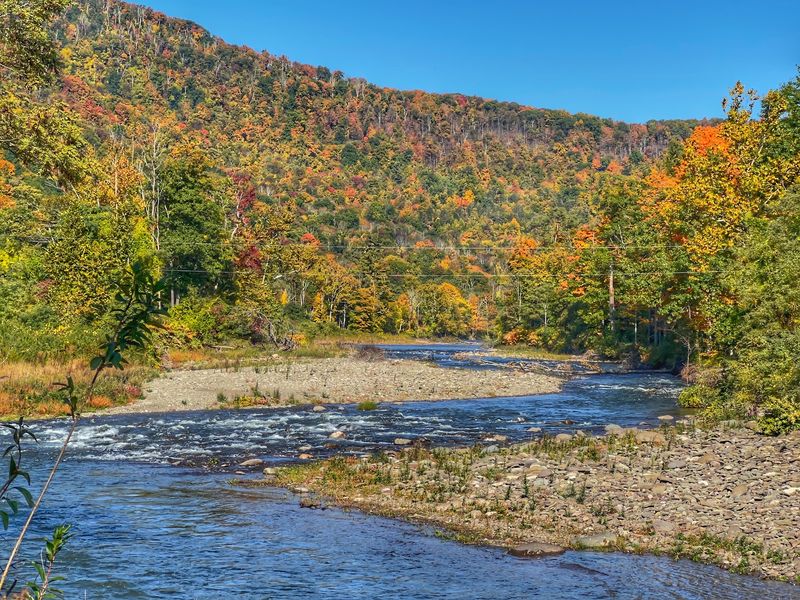
Two creeks in one, more or less. Ashokan Reservoir sits in the middle and separates the flow into an upper section and a lower section, and each behaves differently enough that they almost feel like separate destinations.
The upper stretch is the one many paddlers picture when they think of scenic Catskills water, with forested banks and a more remote feel. It rewards visitors who take the time to find the right entry point.
Down below the reservoir, the creek continues on its long journey toward the Hudson River. This is the area where map directions can go sideways, sometimes pointing people toward a construction zone rather than open water.
Choosing your section ahead of time is the single best decision you can make. Once you know whether you want the upper or lower run, everything else about planning the trip falls neatly into place.
Scenery That Keeps People Coming Back
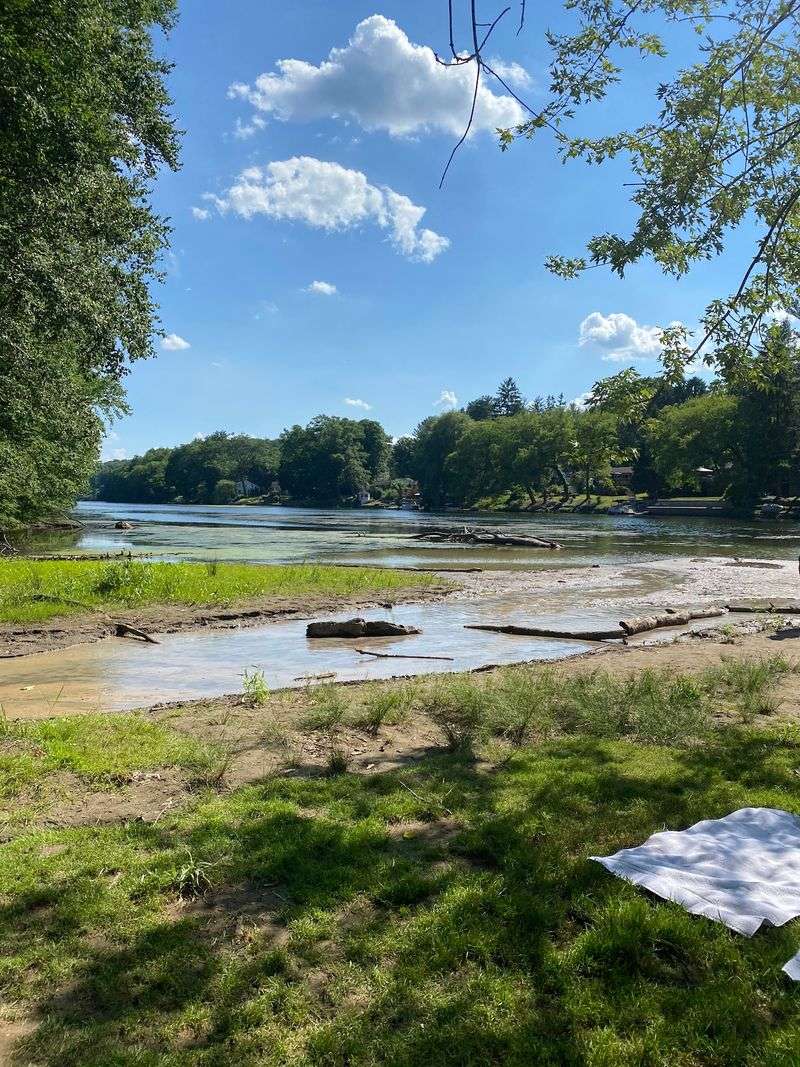
Peaceful is the word that comes up again and again when people describe the good stretches of this creek. The banks stay green and wooded, the water moves at a friendly pace in late summer, and the mountain surroundings give the whole scene a calm, unhurried mood.
Those who have found the right spots tend to rave about how gorgeous it all feels. Words like beautiful and must-go show up often, and that enthusiasm holds up across years of visits.
Late summer is a sweet window for taking it all in. Water levels usually ease off from spring highs, which makes a slow float far more relaxing than a challenge.
The scenery is the payoff for doing your homework on access points. Reach the right stretch, and the reward is a quiet ribbon of water framed by Catskills forest that lives up to its reputation.
Floating and Paddling the Easygoing Way
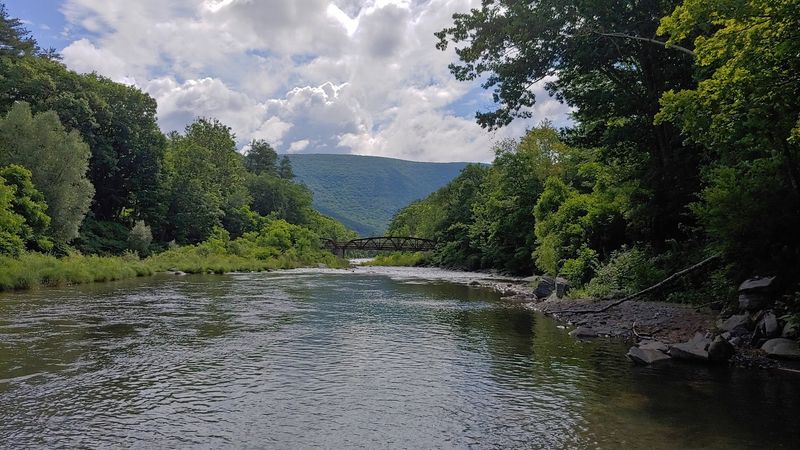
Late summer turns this creek into a low-key playground for anyone who likes moving slowly across the water. Gentler flow during the warmer months makes tubing and paddling feel relaxed rather than demanding, which is exactly what a lazy float should be.
Kayaks and canoes fit right in on the calmer stretches, and the pace lets you drift while soaking up the mountain scenery. There is no pressure to rush, and that easy rhythm is part of the appeal.
Because the creek is so long, choosing a manageable section keeps the day fun instead of exhausting. A shorter, scenic run beats trying to conquer too much water at once.
Anyone planning a first float should scout the entry and exit points in advance. A little prep up front means more time enjoying the drift and less time hunting for a place to launch.
A Longtime Favorite With Anglers
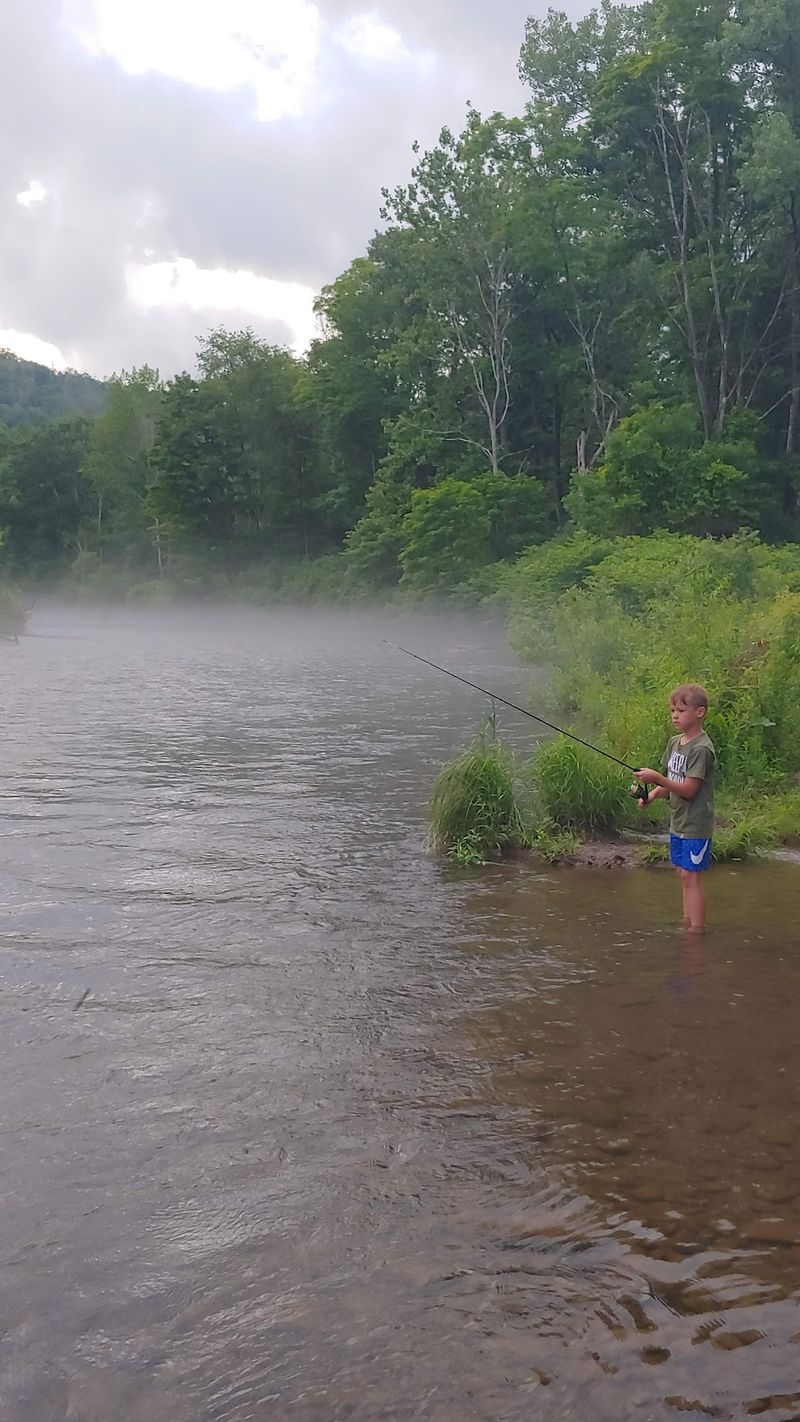
Fishing has drawn people to this creek for a very long time, and its reputation among anglers is a big part of its charm. The waterway is well known in the Catskills as a spot where casting a line feels like a natural way to spend the day.
Some hopeful visitors have arrived expecting the postcard version, complete with fishing holes and falling water, so managing expectations matters. The genuine fishing spots live along specific stretches, not at every random pin a map might offer.
Checking the New York Department of Environmental Conservation resources helps here too. Their guidance points anglers to real access points instead of dead ends.
For those who pair a rod with a paddle, the creek offers a two-in-one kind of outing. Float a while, pause at a promising bend, and let the slow late-summer water do its quiet thing.
Who This Float Suits Best
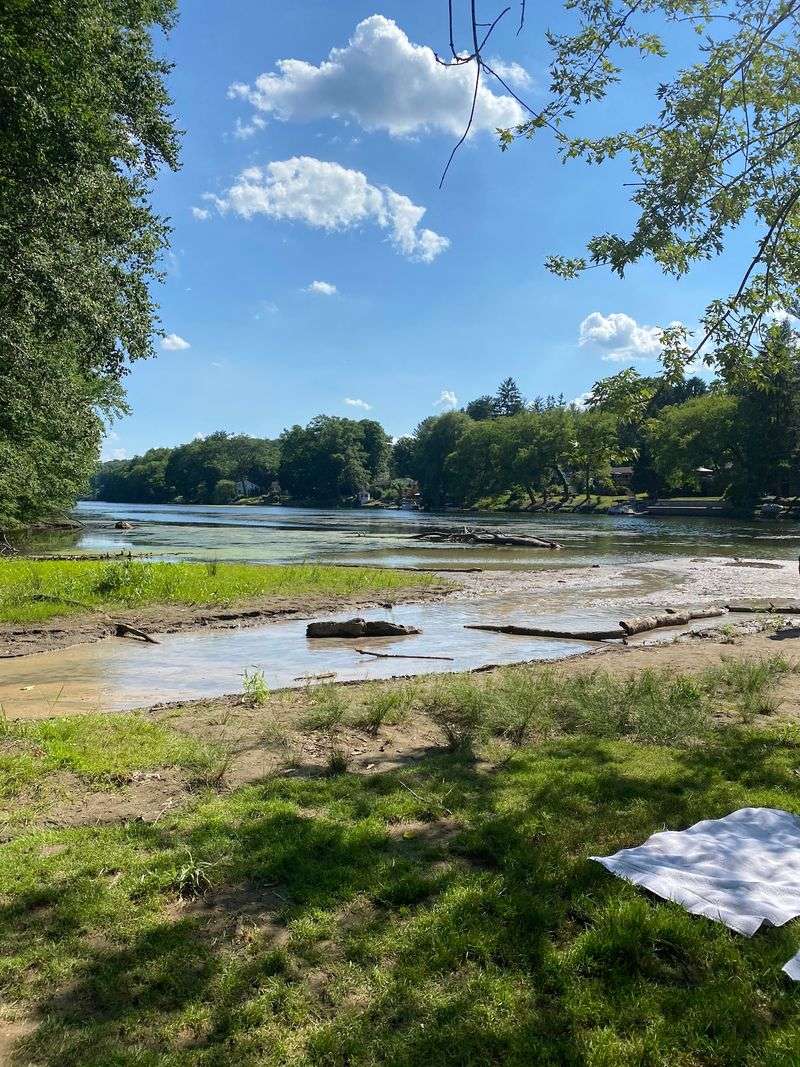
Nature lovers who prefer calm over adrenaline will feel right at home on the quiet stretches. The mood on the good sections leans peaceful and unhurried, which suits paddlers looking to unwind rather than chase thrills.
Weekend visitors to the Catskills often build a whole trip around this creek, and their steady enthusiasm says a lot about who enjoys it most. People who like planning a scenic outdoor day tend to walk away happiest.
It also rewards the prepared. Because access can be tricky, the folks who research entry points first have a far better time than those who wing it and end up at a closed gate.
Families, casual paddlers, and anglers all fit the profile, as long as they pick the right section. Match your expectations to the stretch you choose, and the creek delivers the relaxed day it promises.
Getting There Without the Wrong Turns
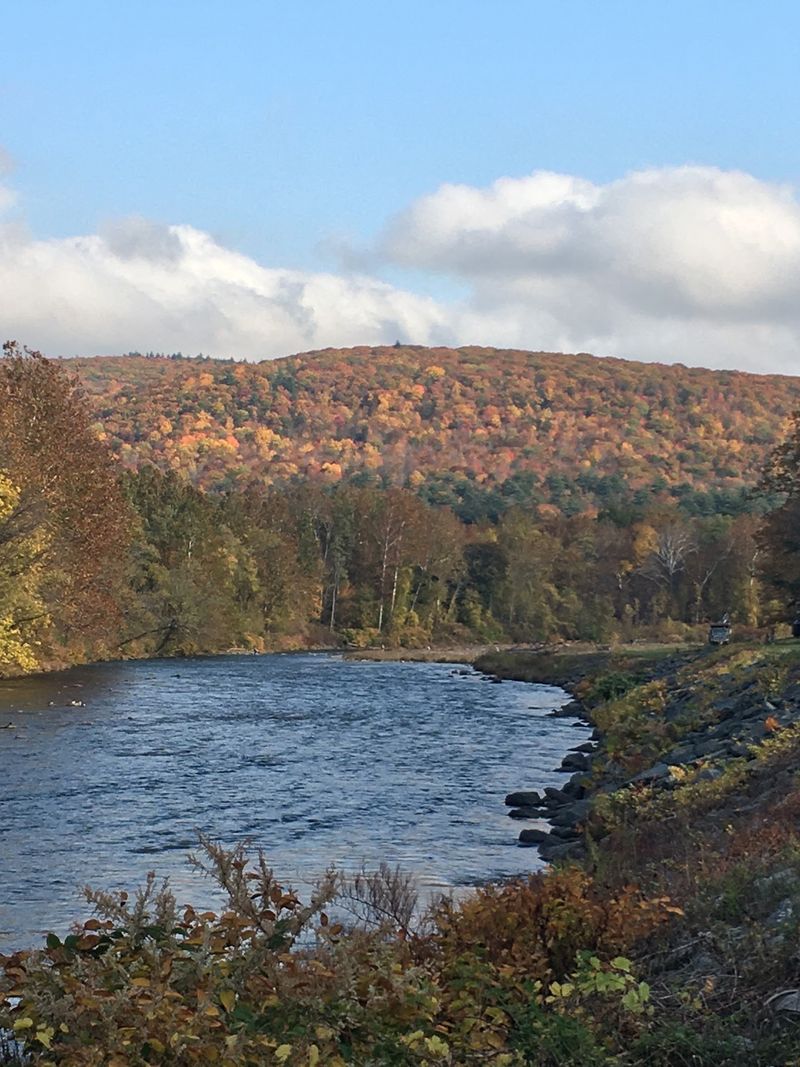
Access is honestly the trickiest part of visiting, and it is worth taking seriously. Several travelers have followed map directions only to end up at a construction area near where the creek meets the Hudson, with no water in sight.
A few have driven through that area, hit soft dirt roads, and had to turn around, so the standard map pin is not the friend you want here. Treat online directions as a rough starting point rather than gospel.
The reliable fix is planning your route around a specific, verified access point ahead of time. The New York Department of Environmental Conservation website is the go-to source for finding real spots in both the upper and lower portions.
Since the creek runs about 65 miles, pinning down your exact launch before you leave is essential. Nail that detail, and the frustrating detours simply disappear.
Why It Earns Its Place on the Summer List
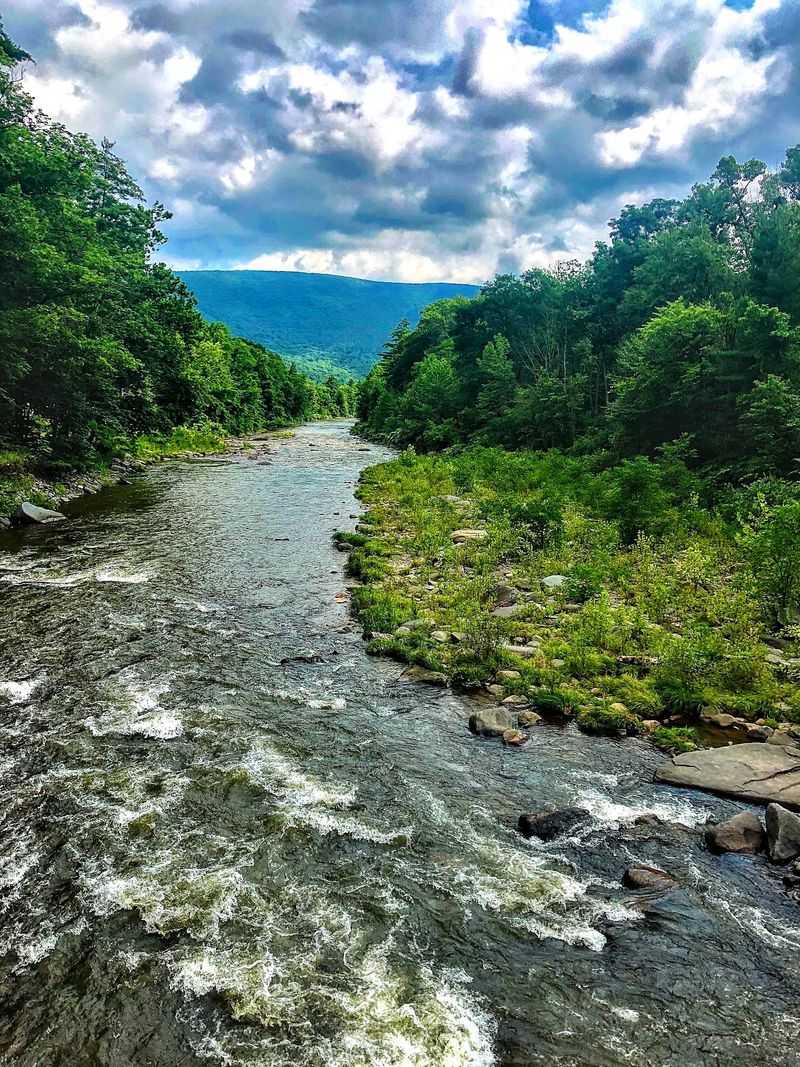
Reputation and reality both point to the same conclusion: the good stretches of this creek are genuinely worth the effort. Plenty of people who reach the right spots describe the experience in glowing terms, calling it peaceful, gorgeous, and a place that never lets them down.
The mixed feedback almost entirely traces back to access confusion rather than the water itself. When someone lands at a construction zone instead of a scenic bend, the disappointment is about directions, not the creek.
Do the small bit of homework, choose your section, and confirm a real launch point, and a late-summer float here becomes an easy highlight of a Catskills trip. The calmer warm-season flow only sweetens the deal.
Esopus Creek rewards the prepared with quiet water, forested scenery, and a slow, satisfying day. Plan smart, paddle easy, and let one of New York’s most scenic rivers carry you through the tail end of summer.
Enjoyed this story?
Add Fast Food Club as a preferred source to see more of our reporting on Google.