


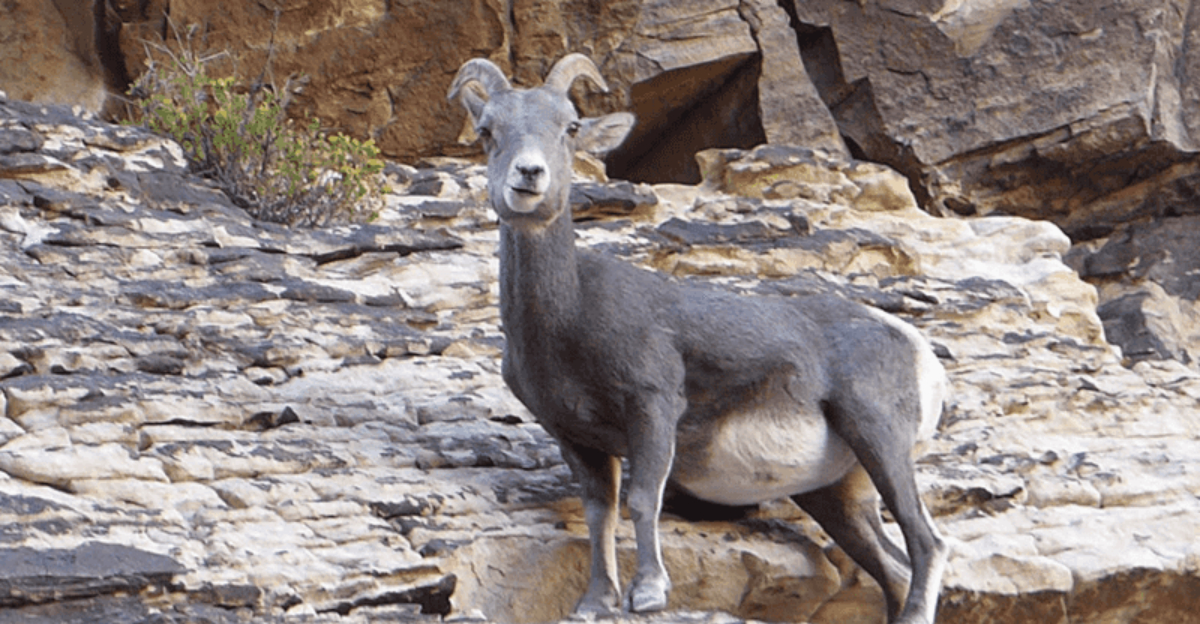
Tucked into the desert just west of Las Vegas, there is a trail where towering red walls suddenly give way to a cool, shaded pocket that seems to belong in a completely different world. The name alone hints at the surprise waiting at the end, and the payoff rewards anyone willing to scramble over a few boulders.
Hikers keep coming back for the seasonal waterfalls, the dramatic rock formations, and the strange sense of stepping into another climate zone. It is short enough for a morning outing yet packed with enough scenery to fill a camera roll.
This is the kind of place that turns a casual walk into a small adventure, and it sits closer to the city than most people expect. Keep reading to learn where it is, what to expect on the trail, and how to plan a visit that goes smoothly.
Where The Canyon Hides Near Las Vegas
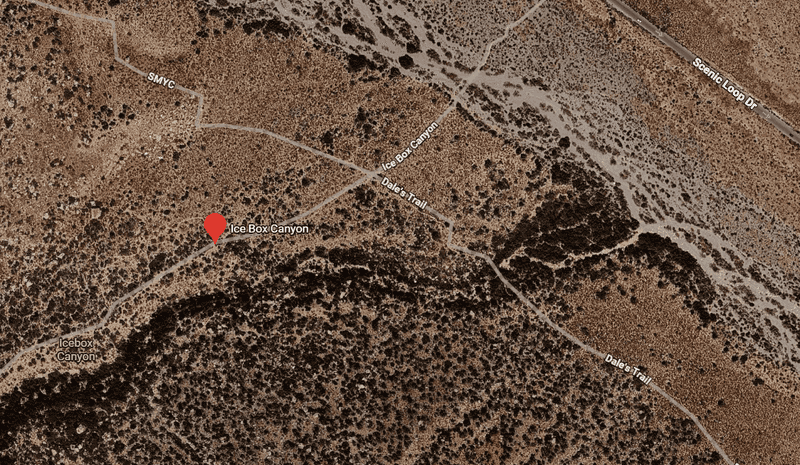
Set within the Red Rock Canyon National Conservation Area at Nevada 89161, this trail sits only a short drive west of the Las Vegas Strip. The contrast is almost comical, with bright casinos on one side and quiet desert cliffs on the other.
The formation carries the name Ice Box Canyon because its deep, narrow walls trap cooler air and shade throughout much of the day. That natural air conditioning makes it noticeably more comfortable than the open desert around it.
You reach the trailhead along the popular scenic loop that winds through Red Rock, giving you red and tan sandstone views before you even lace up your boots. The parking area is clearly marked, so finding the start is rarely a puzzle.
Because it belongs to a protected conservation area, the landscape stays largely untouched and wild. That protection is part of what keeps the scenery feeling so storybook-like year after year.
The Story Behind The Name
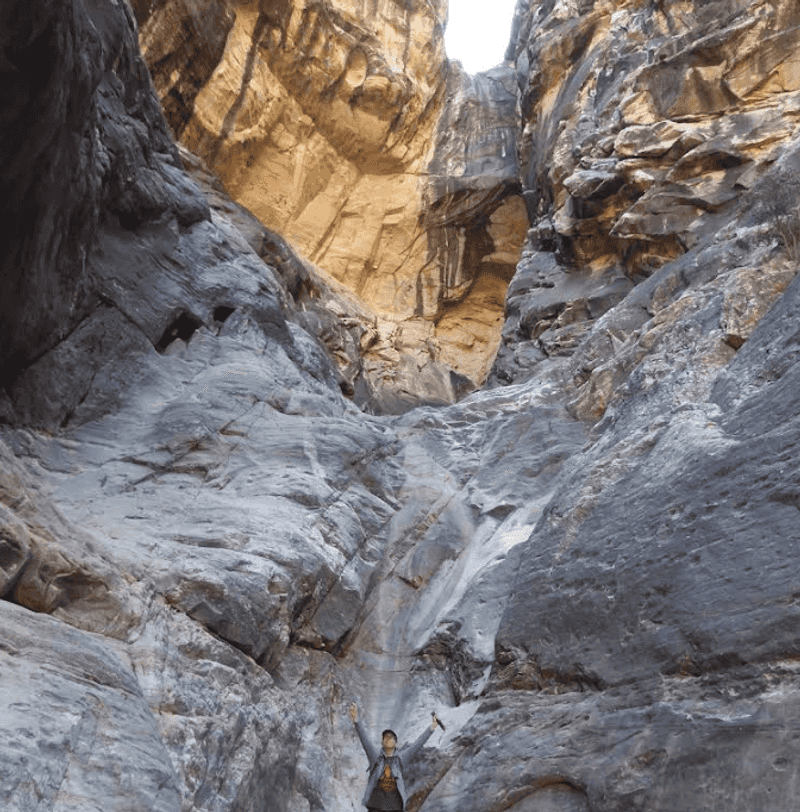
Ever wondered how a spot in the Nevada desert earned such a chilly-sounding title? The answer lies in the shape of the canyon itself, where high walls funnel cooler air into the shaded corridor below.
The steep rock faces block much of the direct sun, so temperatures inside can feel far more pleasant than the exposed trails nearby. That microclimate gives the canyon its reputation as a refuge on warmer days.
Long before it became a favorite outing, this pocket of Red Rock was simply another dramatic slot carved by water and time. Runoff from higher elevations has slowly shaped the smooth stone and the pools that gather at the base.
The name has stuck because it fits so well, describing both the feel and the geology in two short words. It also gives first-time hikers a hint of what makes the destination special before they ever arrive.
A Trail That Rewards Curious Feet
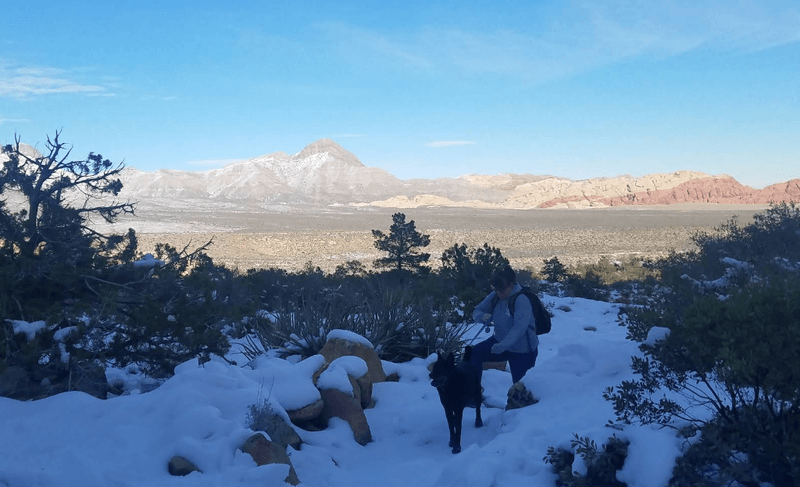
Roughly two and a half miles round trip, the route strikes a friendly balance between casual stroll and genuine hike. Most people finish it in a couple of hours, depending on how often they stop to look around.
The first stretch crosses open desert on a well-worn path before dipping down into a wash. From there the terrain shifts, and the canyon walls begin closing in on both sides.
Toward the end, the trail asks for a little effort as you scramble over boulders and navigate uneven rock. Nothing here demands technical climbing skills, though sturdy shoes make the final push much easier.
Families with older kids and beginner hikers often manage the route comfortably, taking breaks along the way. The mix of easy walking and light adventure is exactly what keeps the experience feeling fresh from start to finish.
Seasonal Waterfalls That Steal The Show
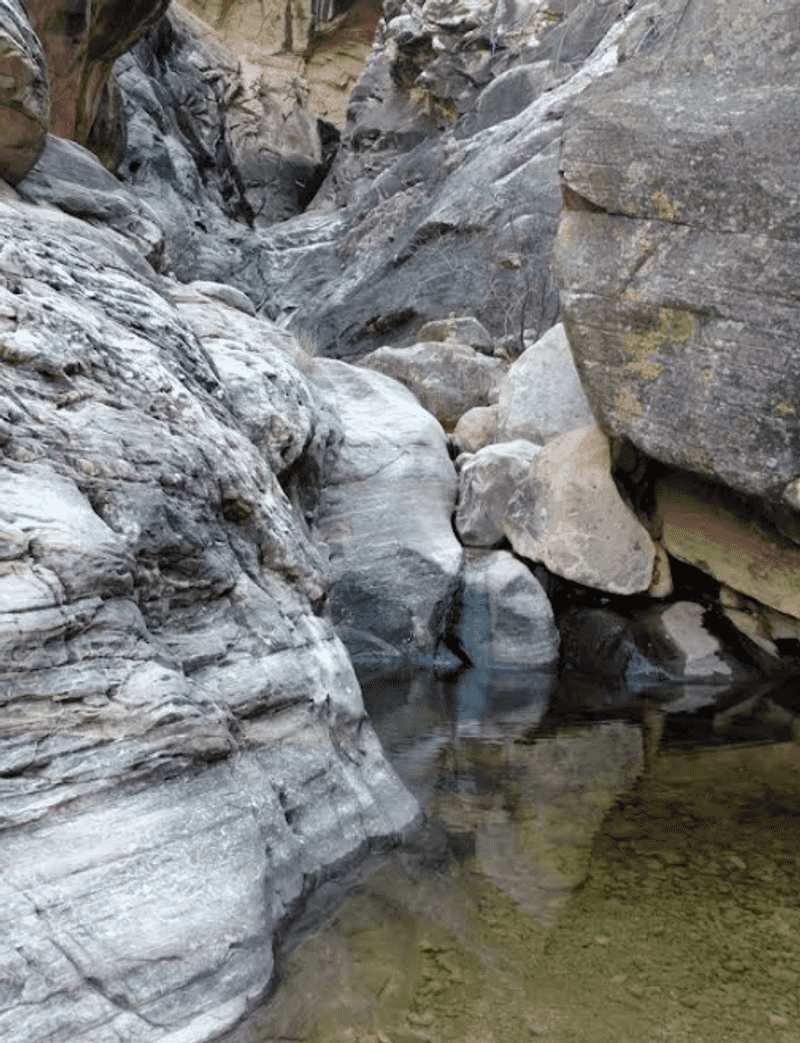
After a good rain or during the cooler months, thin ribbons of water spill down the canyon walls and collect in shallow pools. Catching this display is a bit like winning a small lottery, since the flow depends heavily on recent weather.
The waterfalls appear most reliably in winter and early spring, when runoff feeds the canyon. During dry stretches of summer, the same rock faces may sit completely bare.
Regulars mention that timing a visit around wetter weeks gives the best odds of seeing the cascades in action. Even a modest trickle transforms the back of the canyon into a memorable scene.
The unpredictability is part of the charm, turning each trip into its own little surprise. No two visits ever look quite the same, which gives repeat hikers a reason to keep returning.
Towering Walls And Painted Stone
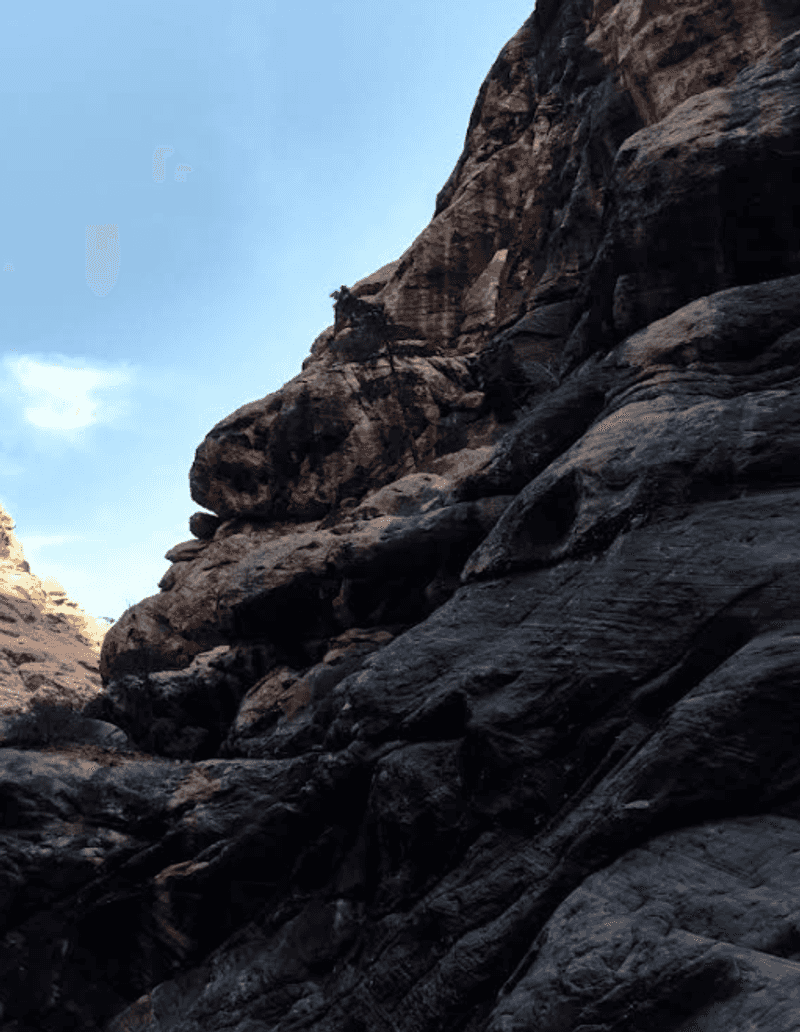
Color is one of the trail’s biggest draws, with layers of red, orange, cream, and gray stacked across the cliff faces. The famous banded sandstone of Red Rock shows off beautifully here.
As the walls rise higher, the corridor grows narrower and the sense of scale becomes striking. Standing at the base makes the surrounding rock feel enormous.
Geology fans appreciate the visible layers, each one a record of shifting environments across millions of years. The formations tell a slow story written in stone.
Photographers tend to linger here, chasing the way light shifts across the walls throughout the day. Morning and late afternoon bring some of the most dramatic contrasts, making the timing of a visit worth a second thought.
The Cool Microclimate Inside
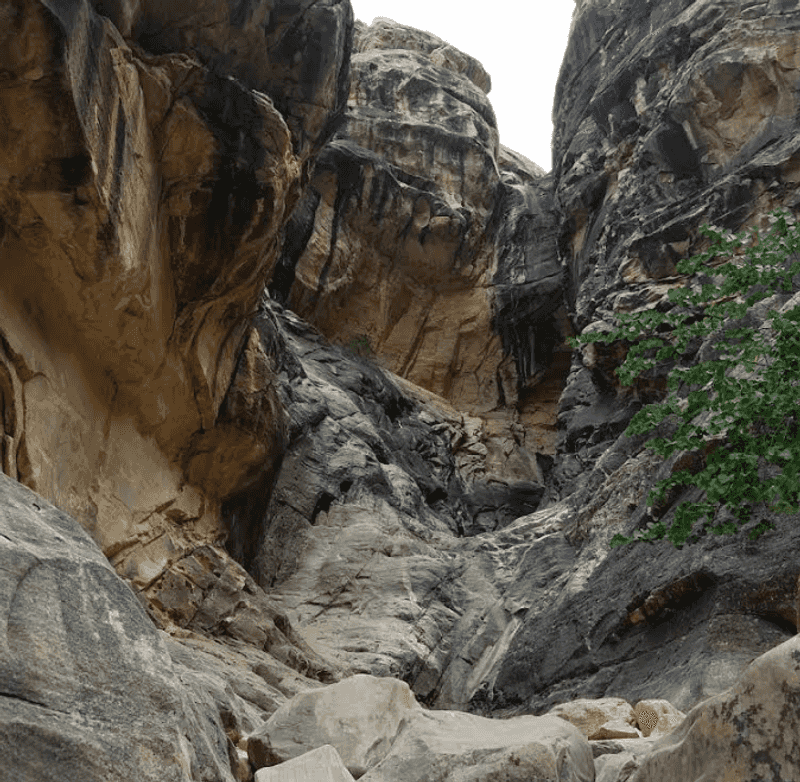
Temperature is the quiet superstar of this canyon, offering relief that the open desert simply cannot match. Deep shade and trapped air keep the interior noticeably cooler for much of the day.
The difference becomes obvious as you move from the sunlit approach into the shadowed heart of the canyon. Many hikers pause here just to enjoy the change.
That cooler pocket also supports pockets of greenery, with plants clinging to the damp corners near the pools. The vegetation adds a soft touch against all that hard stone.
Even on warm days, the microclimate makes the final section feel welcoming rather than punishing. It is one of the main reasons the canyon has earned such a loyal following among desert hikers.
Boulder Scrambling For The Adventurous
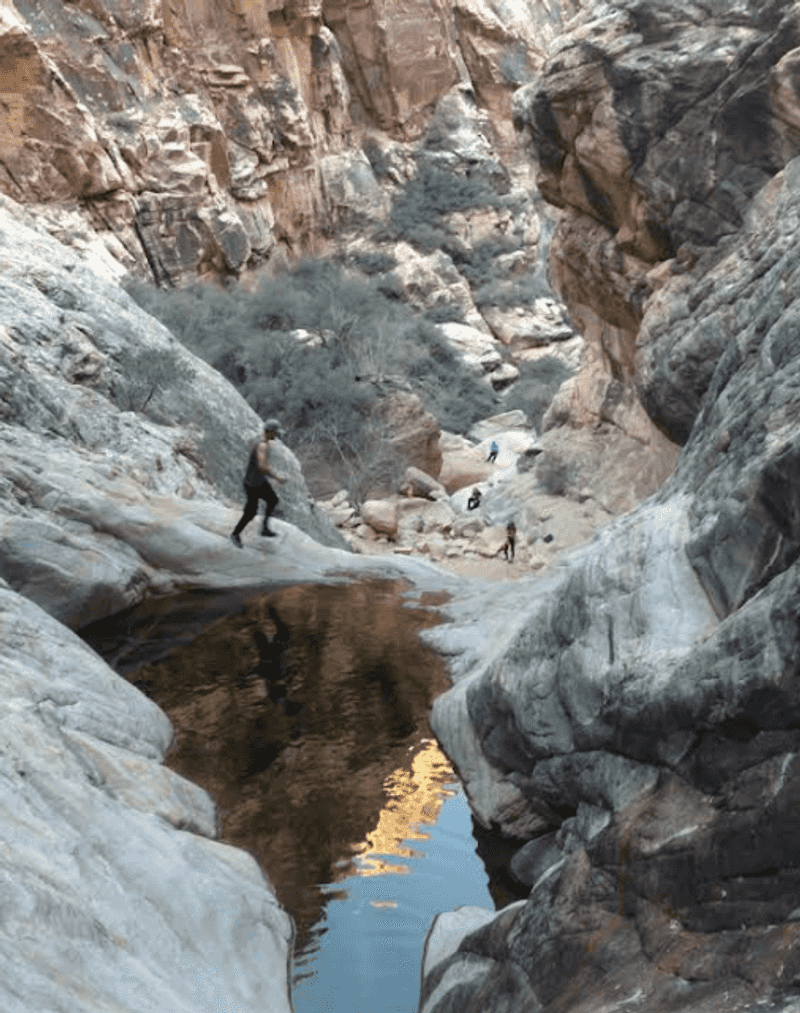
Near the end of the trail, the smooth path gives way to a jumble of large boulders that require some hands-on movement. Getting past them adds a playful challenge to an otherwise gentle outing.
The scramble is manageable for most reasonably fit hikers, though it calls for careful footing and a bit of patience. Rushing it is never a good idea.
Younger children may need help over the bigger rocks, and taking it slow keeps everyone comfortable. Good shoes with grip make a real difference on the polished stone.
Reaching the far pools after the scramble feels like a small victory earned rather than handed over. That sense of accomplishment gives the hike a satisfying finish that a flat trail rarely provides.
Who The Canyon Suits Best
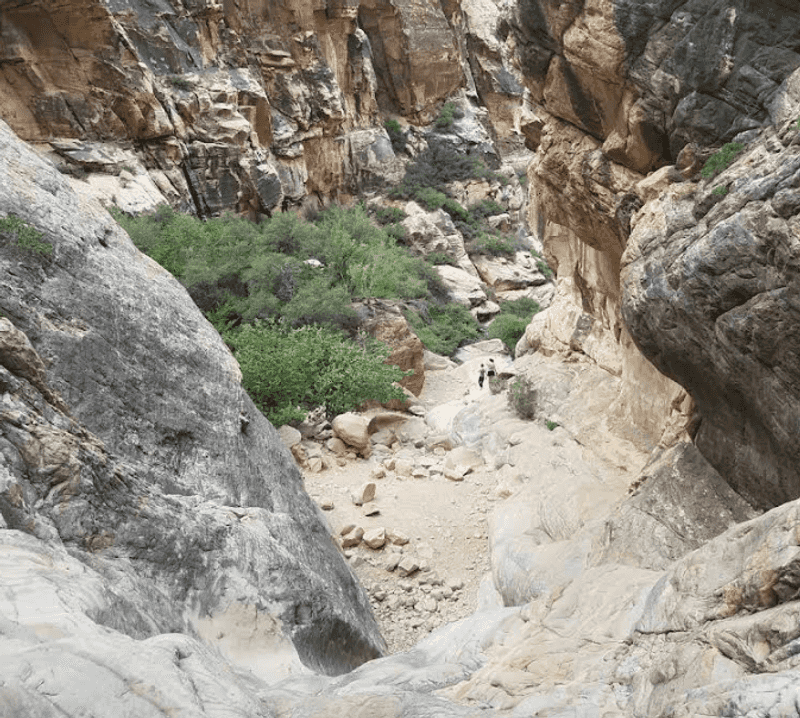
Beginner hikers looking to level up from paved paths will find the perfect testing ground here. The route offers just enough challenge to feel rewarding without becoming exhausting.
Families with active kids often enjoy the mix of open walking and light rock climbing near the end. It keeps younger explorers engaged the whole way.
Photographers and nature fans have plenty to admire, from the layered cliffs to the shifting light. There is always something worth framing.
Those seeking a quick escape from the busy energy of the city appreciate how close the trail sits while feeling worlds away. It fits neatly into a half-day plan, leaving plenty of time for the rest of the scenic loop.
Getting There And Finding Parking
Access runs through the Red Rock Canyon scenic loop, which many visitors reach by driving west out of Las Vegas. The drive itself sets a scenic tone before the hiking even begins.
The trailhead has its own designated parking area right off the loop road, making the start easy to locate. Arriving earlier in the day usually means less competition for a spot.
During busy weekends the conservation area can fill up, so an early start is a smart move. Weekday mornings tend to be quieter and more relaxed.
Because the loop is one-way, planning your route through it helps avoid backtracking. A little preparation keeps the logistics simple and leaves more energy for the trail.
Smart Tips Before You Lace Up
Water tops the packing list every single time, since the desert environment can pull moisture from you quickly. Bringing more than you think you need is always the safer bet.
Sturdy footwear with solid traction pays off, especially on the boulders near the end. Slick soles turn the scramble into an unnecessary hassle.
Sun protection matters on the open approach, even when the canyon interior offers shade. A hat and sunscreen go a long way.
Checking the weather beforehand helps in two ways, boosting your odds of catching the waterfalls while keeping you aware of flash flood risk in the wash. A quick forecast glance is a habit worth building for any canyon outing.
Why This Trail Stays With You
Few outings this close to a major city manage to feel so genuinely wild and quiet. That contrast is a big part of what keeps hikers talking about the place long after they leave.
The blend of towering walls, seasonal water, cool shade, and a light scramble packs a surprising amount of variety into a short distance. It never overstays its welcome.
Whether the waterfalls are flowing or the canyon sits dry, the scenery holds its own each time. The landscape rewards attention in every season.
Ice Box Canyon earns its storybook reputation honestly, offering an easy adventure with a memorable payoff. Set aside a morning, pack plenty of water, and let this corner of Nevada write its own chapter into your travels.
Enjoyed this story?
Add Fast Food Club as a preferred source to see more of our reporting on Google.