


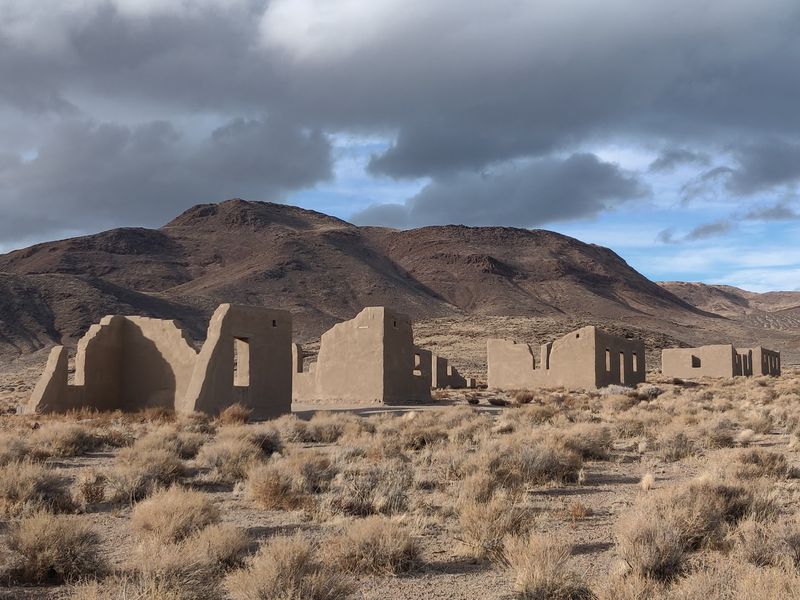
Some places sit quietly off a Nevada highway, keeping their stories tucked away until someone finally slows down to look. That is exactly the kind of spot waiting near Silver Springs, where crumbling adobe walls have stood their ground since the early 1860s and a slow river bends past shady trees.
It covers thousands of acres, mixes real frontier history with easy walking paths, and asks almost nothing of your afternoon except a little curiosity. There are ruins to circle, informative signs that fill in the blanks, a small museum, camping under tall trees, and a river trail that leads toward an old stagecoach stop.
Best of all, admission costs about the price of a soda, and the place stays open around the clock. Curious where all this hides in plain sight?
Keep reading.
Finding the Fort Off US-95 ALT
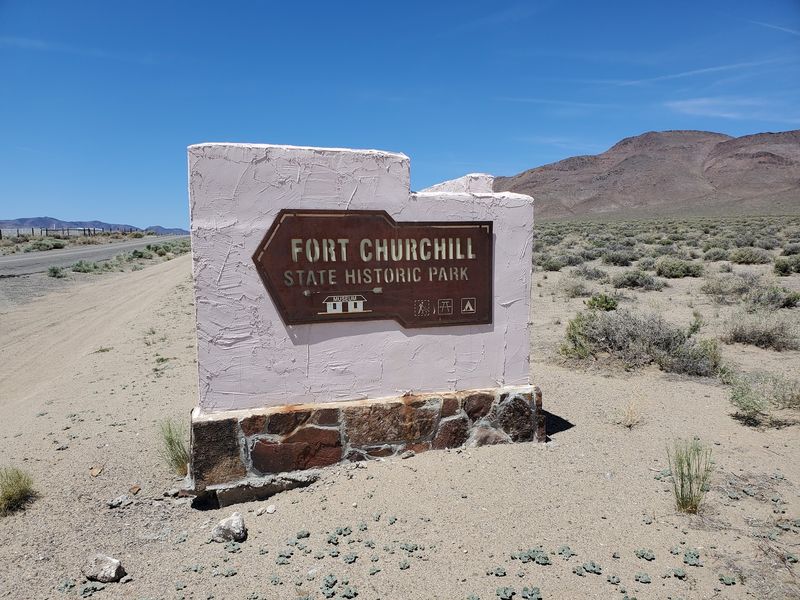
Roughly an hour from Reno, this frontier landmark sits along US-95 ALT at 10000 US-95 ALT, Silver Springs, Nevada 89429, tucked south of town where the Carson River winds through open country.
Fort Churchill State Historic Park runs as a Nevada state park, and its ruins date all the way back to an Army post built in 1861. The setting spreads across roughly 5,300 acres, which surprises plenty of people who expect little more than a few walls behind a fence.
The roads leading in are smooth and well kept, so getting here does not require any off-road bravery. Two stores in nearby Silver Springs can cover most basic supplies, which makes a short detour easy to plan.
Access stays open year round, and the highway location means you can fold a stop into a longer road trip without much fuss. Many people admit they drove past for years before finally pulling in, only to discover the place offers far more than a quick glance at old adobe.
A little planning turns that drive-by into a genuine afternoon out.
A Frontier Post Born in 1861
Long before campers rolled in with trailers, soldiers stationed here answered a very different call. Established in 1861, the post grew into the largest military installation in Nevada during the conflicts with the Paiute in the 1860s.
The fort served the U.S. Army as a cavalry base, guarding routes and settlers across a rugged stretch of the territory.
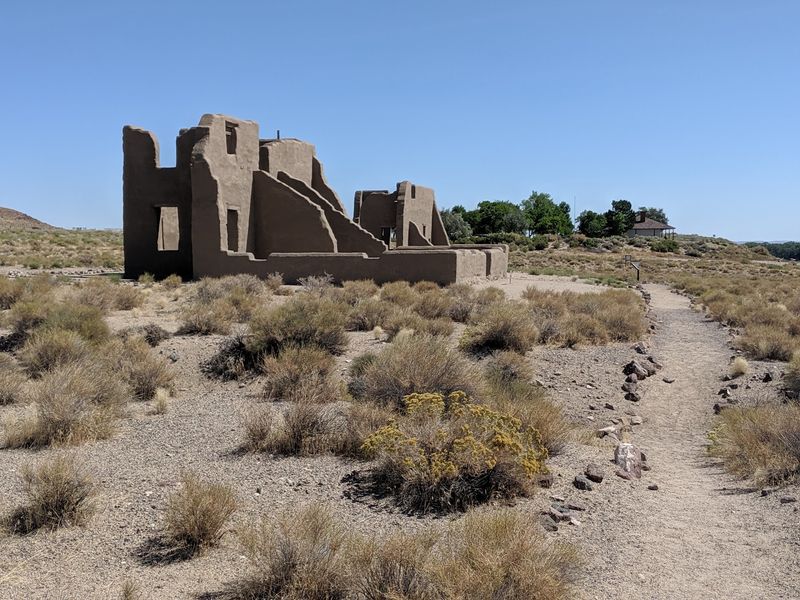
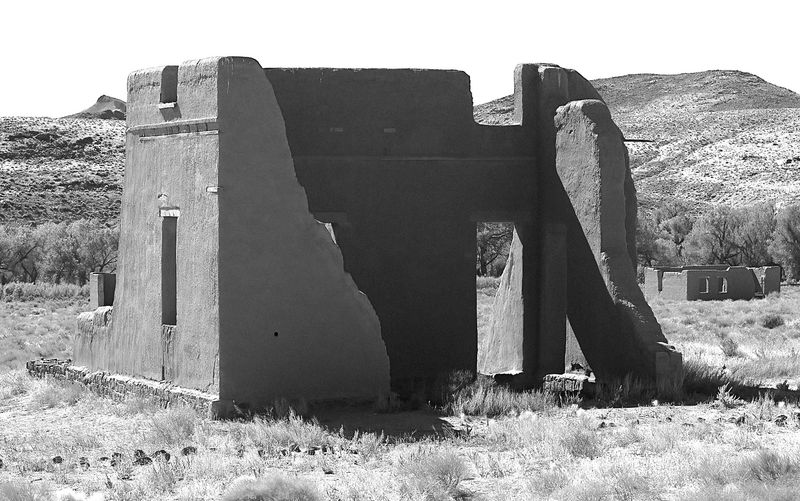
Its adobe buildings once formed a busy square of quarters, offices, and support structures.
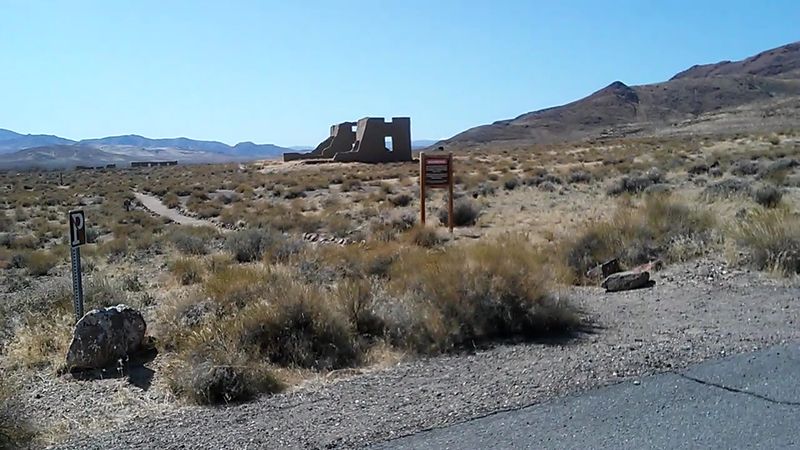
Time has been hard on those walls, and not much of the original adobe survives intact. What remains has been carefully protected and stabilized, so the outlines still tell the story of how large the complex really was.
Standing near the ruins gives a real sense of scale, especially with the descriptive signs filling in the gaps. The history here connects to a bigger chapter of the American West, from military strategy to the daily grind of frontier duty.
History buffs tend to leave with a fuller picture of Nevada’s early years than they arrived with.
Walking the Loop Around the Ruins
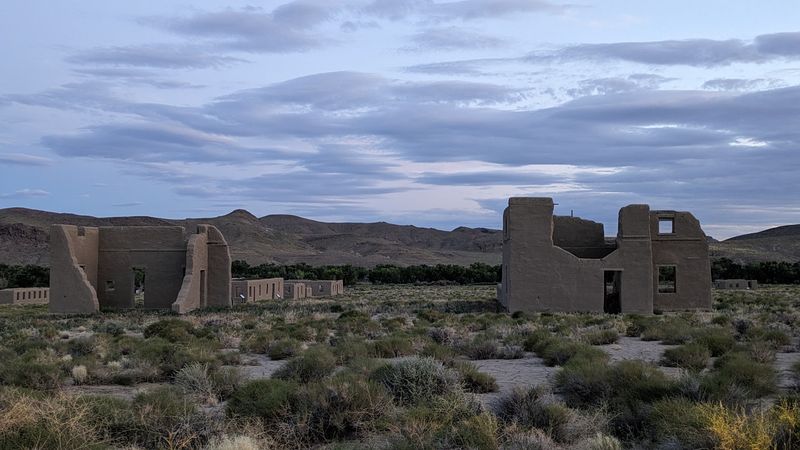
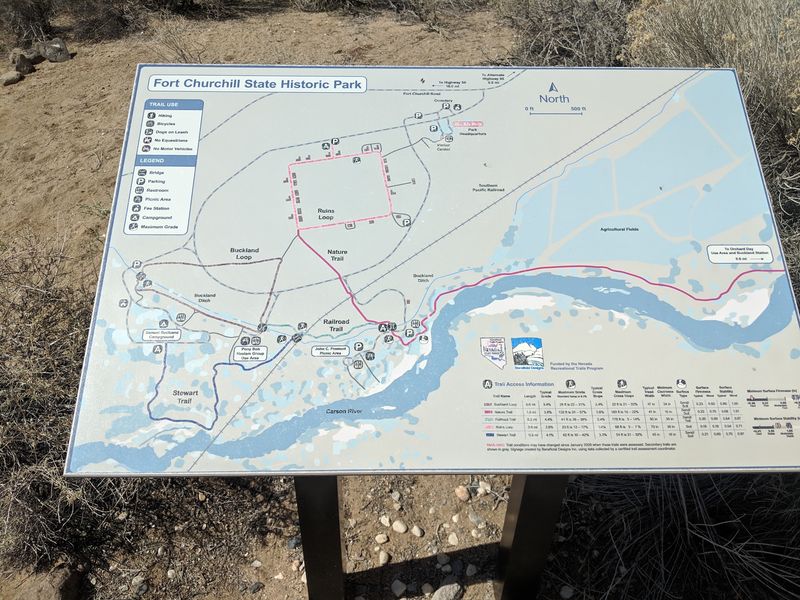
Lace up something comfortable, because the best way to meet the fort is on foot. A walking loop circles the ruins, and it runs about a mile if you begin at the little museum.
The path is easy and well groomed, with a minimal grade that suits most people looking for a relaxed stroll. Manicured trails guide you from one crumbling structure to the next without any guesswork.
Along the way, seating has been added so you can pause and take in the surroundings. The route lets you slow down and read as you go, which turns a simple walk into a self-paced history tour.
Because the loop is short and mostly flat, families with kids handle it comfortably. The trail is dog friendly too, as long as pets stay leashed and any surprises get cleaned up.
Photographers appreciate the mix of adobe outlines against open sky, and the layout makes it easy to circle back for a second look. It is the kind of walk that rewards a slow pace far more than a rushed one.
Signs That Tell the Whole Story
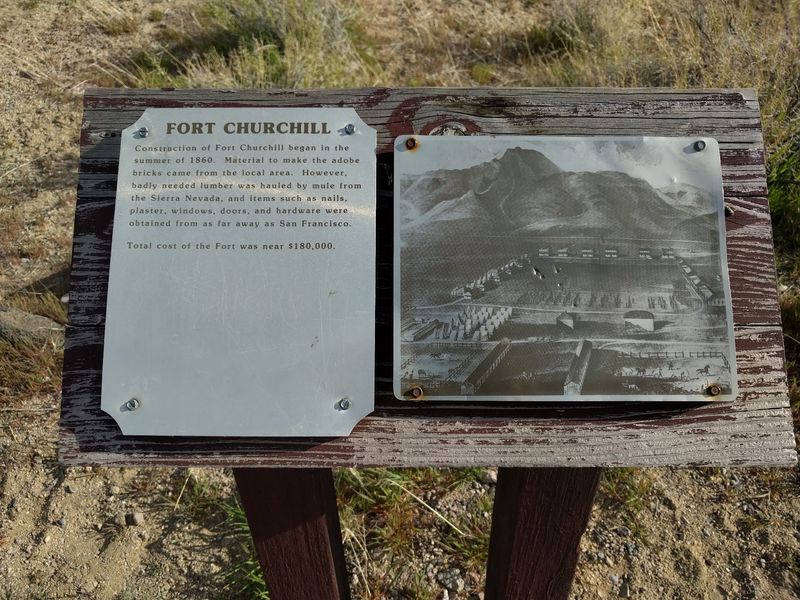
Ever wandered a historic site and wished someone would just explain what you were looking at? That problem does not exist here.
Descriptive plaques sit at the base of each building, and they do a lot of quiet heavy lifting. They help you visualize the size and scope of the fort, turning bare foundations into recognizable rooms and structures.
The signs are thoughtfully placed throughout the grounds, so information arrives right where you need it. Reading them gives a real sense of what daily life might have been like for the soldiers posted here.
Instead of guessing, you get context on purpose, layout, and history as you move along the path. That makes the walk feel guided even when no ranger is standing beside you.
People consistently point to these markers as one of the strongest parts of the visit. They strike a nice balance, offering enough detail to satisfy curious minds without overwhelming anyone.
Bring your reading glasses and give yourself time to actually take them in.
Inside the Newly Reopened Museum
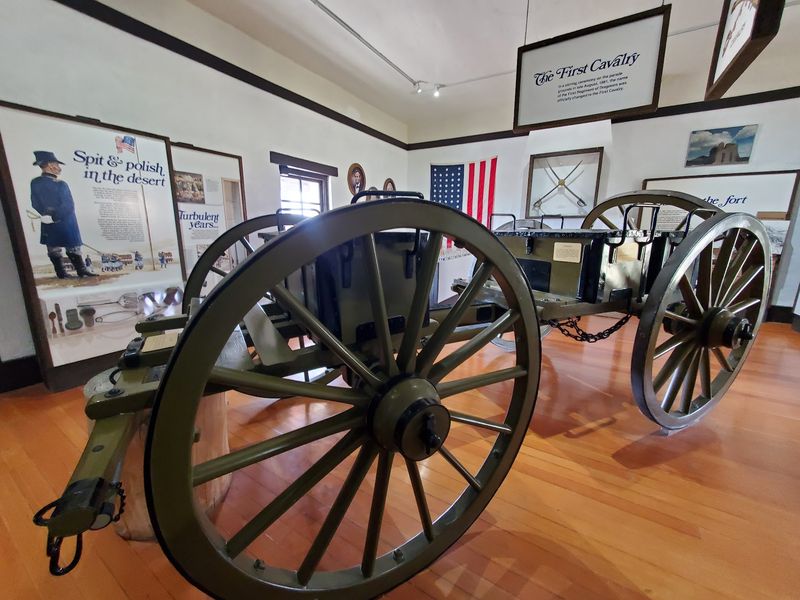
Fresh paint and a fresh start greet anyone stepping into the visitor center these days. After a multi-year renovation, the small museum reopened, with a ceremony held in October 2025.
The exhibits offer a self-guided tour, so you can move through the history at whatever pace suits you. Inside, the displays cover the fort’s past and the broader story of the region.
For a good while during the project, the space sat closed and empty, which some people ran into on earlier trips. Now that it is back open, it rounds out the experience nicely alongside the outdoor ruins.
The staff who run the site get steady praise for being knowledgeable, professional, and welcoming. They tend to answer questions with genuine care, which makes the indoor stop more than a quick glance at glass cases.
Pairing the museum with the ruins loop gives the visit a satisfying rhythm, moving between context indoors and the real thing outside. It is a smart place to start before heading out to the walls.
The Carson River Trail to Buckland Station
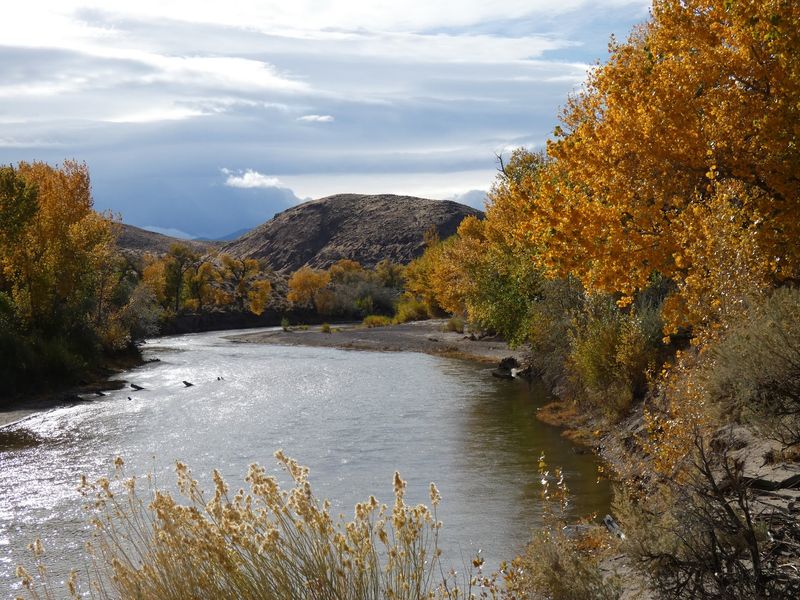
Beyond the fort walls, a longer path follows the water and leads somewhere worth reaching. The trail system connects the campgrounds and the ruins with Buckland Station, an old stop along the route.
The surface is well finished with a minimal grade, and the sage gets trimmed back to keep things open. As you walk, the route meanders along the Carson River, offering a steady change of scenery from the dry surroundings.
The river runs slow and shallow in places, which shifts with the seasons. Spring and summer usually bring fuller flow, while late summer can leave the water low.
One short spur reaches the river itself, though a section has been known to flood, so conditions vary. When it is dry, the walk pairs nicely with the history closer to the fort.
Combining the two trails makes for a fuller outing, blending frontier ruins with a riverside route. Hikers who enjoy a little distance find this the highlight that keeps them moving past the main loop.
Camping Under the Cottonwoods
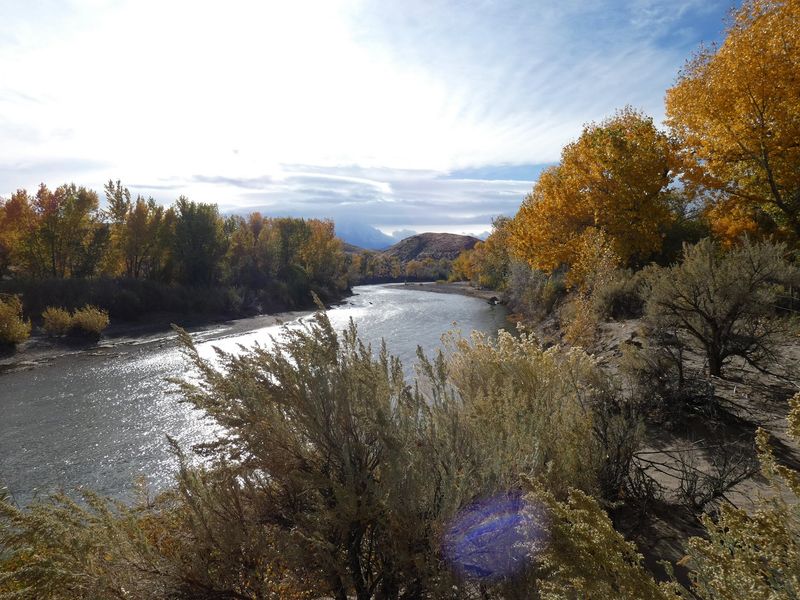
Anyone hoping to stretch an afternoon into an overnight has a solid option right on site. The campground sits near the Carson River, shaded by tall Populus, or cottonwood, trees that make the setting welcoming.
Many of the sites run large, and several are pull-through, which helps with bigger rigs. A group area is available too, so gatherings can settle in together.
Amenities cover the essentials: shade, running water, tables, fire pits, and level sites. Pit toilets and a dump station round out the setup, along with fresh water stations placed throughout the camp area.
Some people find the private feel of the sites a strong draw, while others note that spacing can vary and RVs are common. Tent campers occasionally mention wanting more seclusion, so expectations matter here.
The campground earns steady approval for being well kept and accessible. For anyone wanting to catch both an evening and a morning at the fort, staying the night turns a short visit into a proper getaway.
Picnic Spots and Everyday Comforts
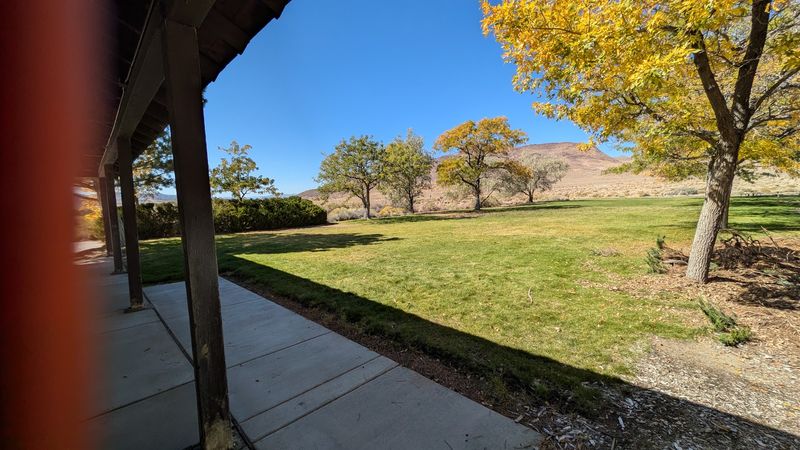
Not every visit needs a tent and a checklist, and the day-use setup makes that clear. A shaded picnic area comes with tables and grills, giving families an easy place to settle for a meal between walks.
Bottle filling stations sit nearby, a small touch that people genuinely appreciate on a warm day. The restrooms get regular mention for being clean, which adds real convenience to a day out.
The day-use area around the corner tends to stay quiet and underused, so groups often have plenty of room to spread out. That makes it a low-stress choice for a relaxed afternoon.
Between the picnic tables, the walking loop, and the museum, the park handles a full day without anyone feeling cramped. Facilities across the grounds stay well maintained, with staff often out clearing brush and tidying up.
It all adds up to a place that welcomes casual visitors just as warmly as overnight campers. Pack a lunch, claim a shaded table, and let the afternoon unwind at its own pace.
Canoeing and Time by the Water
Water adds a gentle twist to a place best known for its dry desert setting. The Carson River threads through the park, and canoeing counts among the recreation options here.
The current tends to move slowly and stays fairly shallow, though depth changes with the season. In spring and summer, fuller flow makes time on the water more appealing, while late summer can leave it thin.
A sandy beach area along the river gives kids and dogs a shallow spot to play when conditions cooperate. That makes the riverside a friendly stop for families looking to cool their heels.
Because the river is easy to reach from the campground and trails, mixing a paddle with a walk works out neatly. The pairing gives the park a range that goes beyond history alone.
Anyone planning to get on the water should check current conditions first, since flow varies so much through the year. When timing lines up, the river turns a historic outing into a laid-back day of gentle recreation.
Quiet Nights and Big Nevada Stars
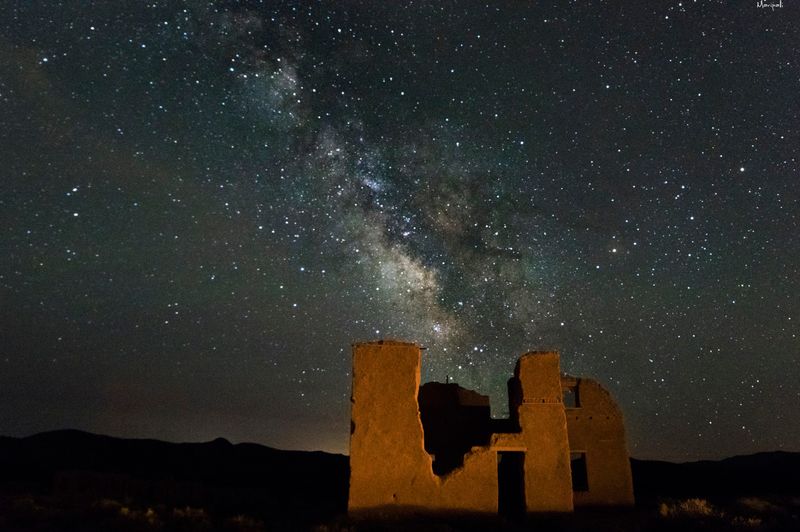
When the sun drops, the park reveals a side that daytime visitors miss entirely. Nights here turn very dark and very quiet, which sets up excellent star gazing across the open sky.
The remote setting, far from bright city glow, lets the stars stand out with little competition. Campers who stick around after dark often rank the night sky among the best parts of the stay.
Daytime brings its own calm, described again and again as peaceful and serene. The wide, open feel invites slowing down, wandering, and simply reflecting near the old walls.
Some people note that the campground can get lively at times, with trailers and generators running, so the quiet is not always guaranteed. Choosing a spot with that in mind helps.
Even so, the overall mood leans toward stillness and space rather than crowds and noise. For anyone who wants a genuinely restful outdoor night with a ceiling full of stars, this fort delivers a version of Nevada that feels almost untouched.
The Cemetery and a Stroll Through the Past
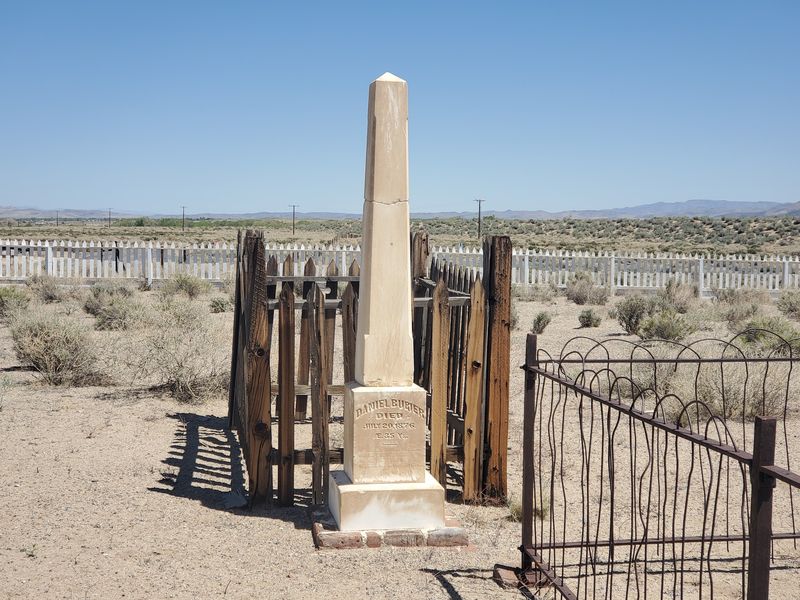
A short walk away from the main ruins holds one of the park’s more reflective corners. The old cemetery draws people who like to wander the perimeter and read the names, sometimes hoping to spot a familiar family connection.
Circling the grounds adds a thoughtful layer to the visit, connecting the fort’s history to the individuals who lived and served there. It rounds out the story that the ruins and signs begin to tell.
The pace here is unhurried, matching the calm mood that settles over the whole park. There is no rush, just space to take in another piece of the frontier chapter.
Because it sits within easy reach, folding the cemetery into a walk around the ruins takes little extra effort. Many people treat it as a natural extension of the main loop.
It is a small stop, yet it leaves a strong impression, grounding the grand history in real human lives. Give it a few quiet minutes, and the whole visit gains a bit more depth.
Candlelight Walks and Ghost Horses
Every so often the fort trades its daytime calm for something a touch more theatrical. Candlelight walks through the ruins have delighted people who catch them, blending history with a memorable evening event.
The walks come across as both entertaining and informative, a nice change of pace from a straightforward daytime stroll. Moving through the old walls after dark gives the site a whole new character.
Then there are the famous ghost horses. Standing near the fort, some people suddenly hear hooves pounding across the hills, an eerie sound that stops them in their tracks.
The mystery has a simple answer: it is a recording, part of the experience the park offers. Even knowing that, people describe being stunned and eager to listen again.
These extra touches turn an ordinary outing into a story worth retelling. Events and features like these are worth asking about when you arrive, since they add a spark that plain ruins alone might not.
It is history with a wink and a little atmosphere.
Hours, Fees, and Getting There
Planning a stop here could hardly be simpler, and that is part of the appeal. The park stays open 24 hours a day, 7 days a week, so timing rarely gets in the way.
Day use runs about 5 dollars, with some noting a 10 dollar parking fee, and the entrance station takes cards. Camping costs around 15 dollars a night, which keeps an overnight stay easy on the wallet.
Firewood is sold on site at a fair price, listed at 20 dollars a day for non-Nevada residents. That saves a stop for anyone planning an evening around the fire pit.
Access is a breeze thanks to great roads right off the highway, and the park sits roughly an hour from Reno. Year-round access means it works as a spontaneous detour or a planned trip.
For details and any event schedules, the Nevada State Parks website for Fort Churchill is the place to check. A quick look before you go helps you make the most of the visit and pack the right things.
Why This Fort Earns Its Afternoon
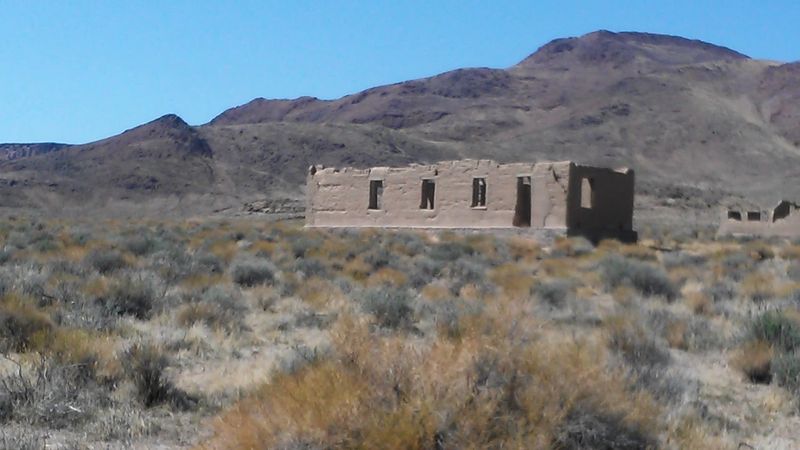
Some destinations promise a lot and deliver a little, but this one tends to run the other way. Between the stabilized ruins, the riverside trail, the reopened museum, and the shaded camp, the park packs real variety into an easy visit.
The strong reputation it carries, backed by a 4.6-star average from hundreds of accounts, reflects how consistently people come away pleased. Families, history fans, campers, and casual wanderers all find something that fits.
Ongoing restoration work signals that the site keeps improving, with care poured into protecting the history and upgrading the grounds. People often mention leaving with plans to return.
The blend of peaceful surroundings, thoughtful signs, and friendly staff makes the whole outing feel worthwhile rather than rushed. It rewards the kind of unhurried afternoon it is built for.
If a quiet stretch of Nevada history with room to roam sounds appealing, Fort Churchill State Historic Park makes an easy recommendation. Slow down, pull off the highway, and let the old walls fill an afternoon with more than you expected.
Enjoyed this story?
Add Fast Food Club as a preferred source to see more of our reporting on Google.