


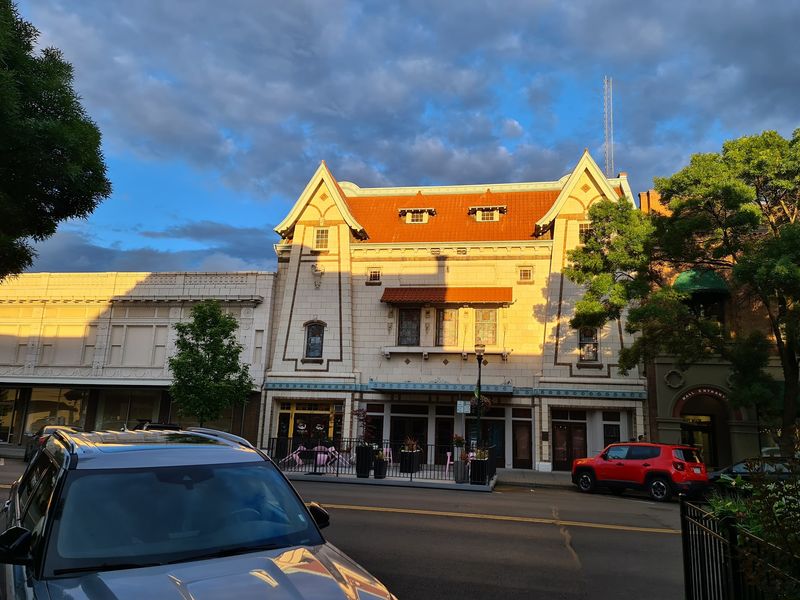
Southeastern Washington holds a quiet surprise for anyone rethinking where their retirement dollars might stretch a little further. There is a small city tucked into rolling farmland where rooftops sit under wide skies and life moves at a comfortable pace.
Word has spread among people planning their next chapter, and curiosity keeps growing about how a place this pleasant can also feel this manageable. What makes it worth a serious look is a blend of steady community life, a walkable downtown, and a setting that feels grounded rather than rushed.
Keep reading to learn where it sits, what shapes daily life there, and the practical details that help newcomers decide if it fits their plans and their budget.
Where This Washington Town Actually Sits
Tucked into the southeastern corner of Washington state, this county seat carries a name so nice people say it twice. The official mailing area falls under Washington 99362, and the city serves as the heart of Walla Walla County.
Local government keeps its details public through the city site at www.ci.walla-walla.wa.us, which helps newcomers get their bearings before they ever arrive. The setting places it well away from the crowded corridors of the state’s west side.
As of the 2020 census, the population stood at 34,060, making it one of the larger cities in this part of Washington. Estimates put the figure closer to 33,339 by 2023, a small shift that speaks to a community holding steady rather than swelling.
That size matters for retirees weighing their options. Big enough to offer services and a real downtown, yet small enough to feel knowable, the town lands in a middle ground many people find comforting.
Position on the map keeps it connected to farmland and open country in every direction. The result is a place that feels rooted in its region, with a clear identity as the county’s central hub rather than a suburb of somewhere else.
A County Seat With Deep Roots
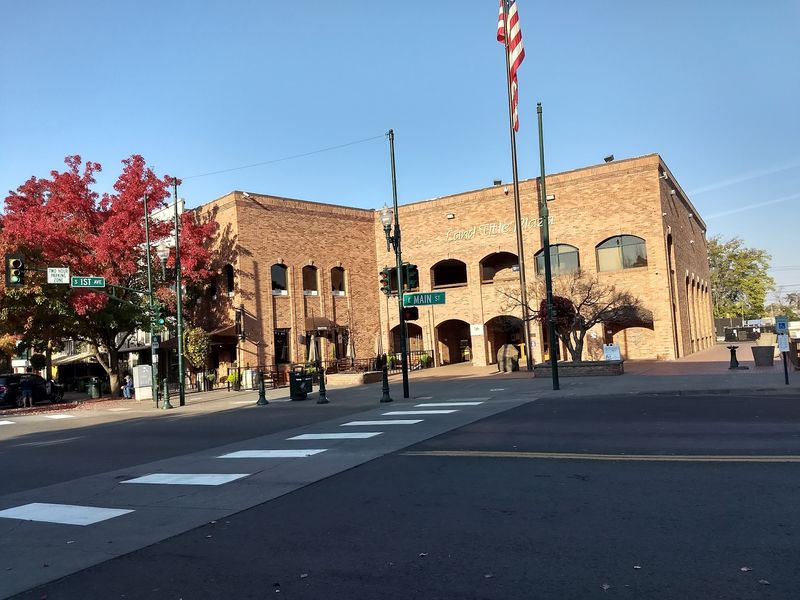
Long before retirees started circling it on their shortlists, this city earned its standing as the county seat of Walla Walla County. That role gave it a civic backbone, with government offices and community institutions clustered close together.
Serving as the administrative center of the county means the town has always drawn people who need services, records, and public resources. Over the decades, that steady function helped it grow into one of the more prominent cities in Southeastern Washington.
The name itself has become part of local charm, repeated in a way that sticks in the memory. It anchors the identity of a place that has spent generations acting as the practical hub for the surrounding area.
For anyone researching a move, the county seat status signals stability. Places that hold this designation tend to keep their essential services running and their downtowns active, since they serve a wider region than just their own residents.
That long-standing role gives newcomers a sense of continuity. The town is not a passing project or a recent invention, but a community with an established place in its corner of the state.
The Draw For Budget-Minded Retirees
Money talks loudest when a fixed income is doing the talking, and that is exactly why this Washington city keeps landing on retirement radars. People who once assumed the Pacific Northwest sat out of reach are giving it a fresh second look.
Affordability sits at the center of the appeal. A community of this modest size, away from the priciest metro areas of the state, tends to offer a gentler cost of everyday living than the crowded corridors closer to the coast.
The town’s steady population, hovering around 33,000 in recent estimates, points to a place that is neither booming into unaffordability nor fading away. That balance often keeps a community stable and predictable, which matters when planning years ahead.
Retirees frequently prize exactly this kind of setting. Enough infrastructure to handle daily needs, a real sense of place, and a pace that does not demand a big-city budget to enjoy.
Word of mouth has done much of the work. As people share what they find, the reputation grows among those hunting for a comfortable landing spot that respects a careful spending plan.
Small-City Scale That Feels Just Right
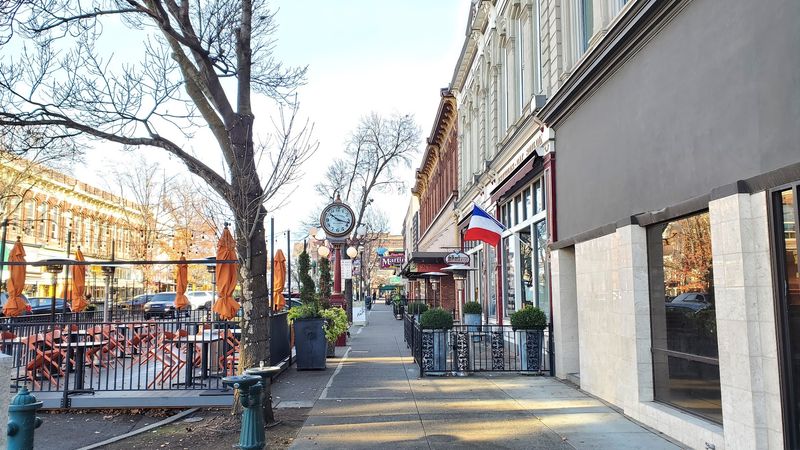
Numbers on a census sheet rarely tell the whole story, yet the figure here says plenty. With 34,060 residents counted in 2020 and roughly 33,339 estimated by 2023, the community sits comfortably in small-city territory.
That scale carries real advantages for retirees. A town of this size usually keeps errands short, familiar faces close, and daily routines simple, without the sprawl and traffic that wear on people in larger metros.
Being one of the largest cities in Southeastern Washington also means it does not feel isolated or bare. There is enough here to support a full life, from civic services to the everyday amenities a settled community expects.
The slight dip in population between the census and the later estimate suggests a place that is holding rather than overheating. For newcomers, that stability can translate into a housing market and community mood that stay reasonable.
People searching for a manageable home base often find this balance appealing. Not too big to feel anonymous, not too small to feel limiting, the town threads a needle that suits a slower, steadier chapter of life.
Downtown As The Community Anchor
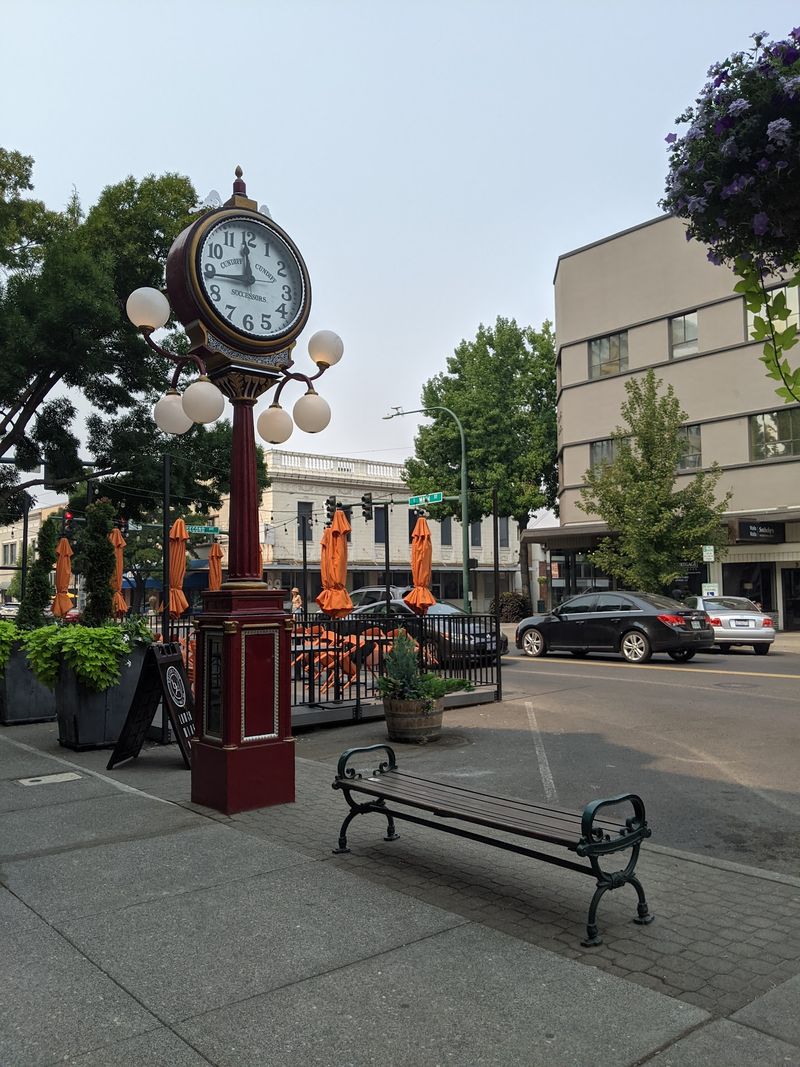
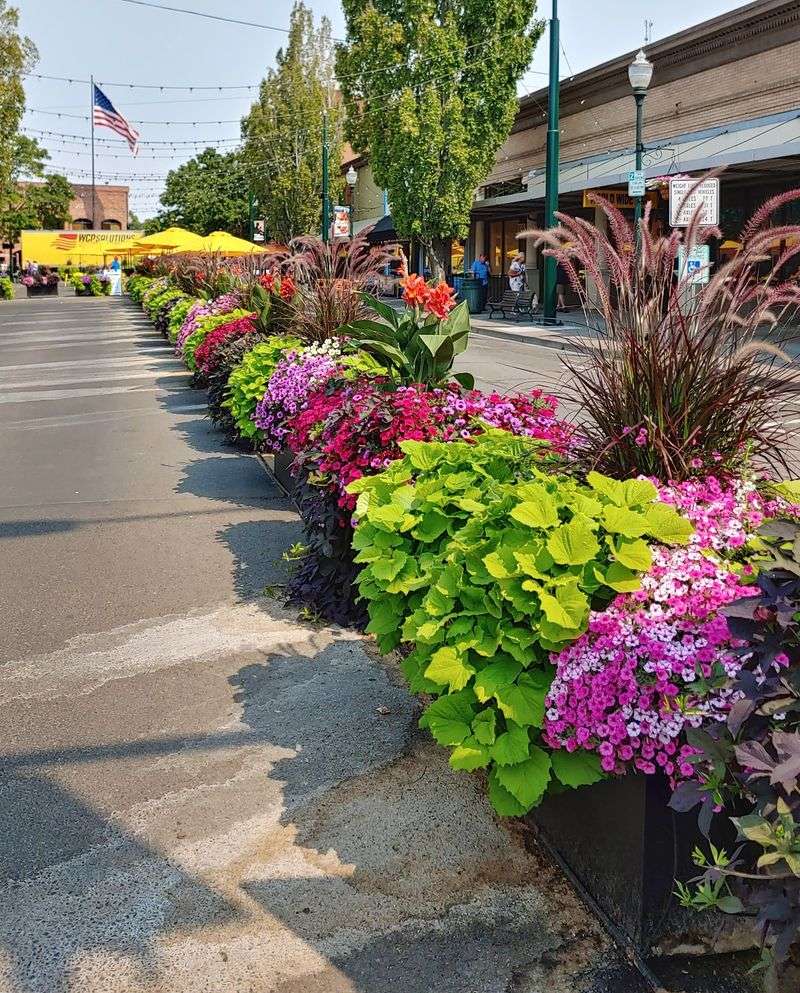
Every town worth settling into needs a center that pulls people together, and this county seat leans on its downtown to do just that. As the hub of Walla Walla County, the core area carries the civic and social weight of the whole region.
County seats tend to keep their downtowns lively because they serve more than their own residents. Offices, public buildings, and community services cluster here, giving the district a steady flow of daily activity.
For retirees, a walkable and active center can shape the whole experience of a place. Being able to handle errands, meet neighbors, and take part in local life without long drives makes settling in far easier.
The town’s role as the administrative heart of the county reinforces that centrality. It is the spot people head to when they need something official handled or simply want to be where things happen.
A strong downtown also signals a community that invests in itself. That kind of local pride often shows up in how a place cares for its shared spaces, which newcomers tend to notice quickly.
Set Among Rolling Farm Country
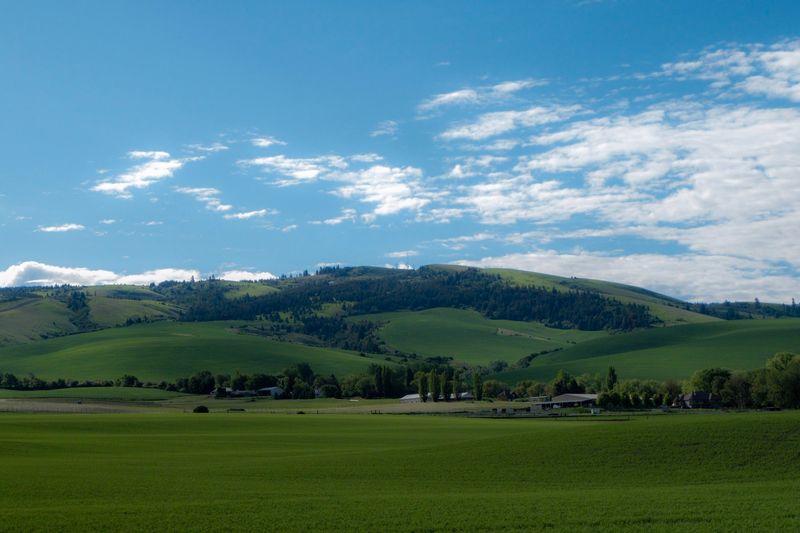
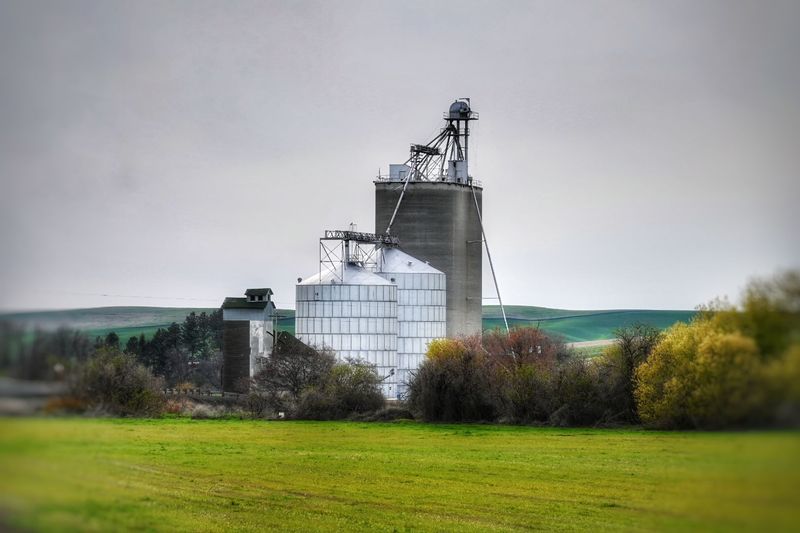
Beyond the city limits, the land opens into the wide agricultural country that defines this stretch of Washington. Sitting in the southeastern part of the state, the town is wrapped in the kind of open, working landscape that shapes daily life here.
Farmland gives the area a grounded character. Communities set among fields and gentle hills often carry a slower, more deliberate rhythm than places hemmed in by concrete and highways.
That rural setting appeals strongly to people looking to trade congestion for breathing room. The surrounding country keeps the horizon broad and the pace unhurried, which suits a retirement built around calm rather than commotion.
Being a farm-region hub also ties the town closely to the seasons and the land. The county seat acts as the practical center for the wider agricultural area, linking city and countryside in a natural way.
For newcomers, that connection to the surrounding land offers a sense of place that feels authentic. The city is not floating in isolation but firmly planted in the region it has always served.
A Community That Holds Its Numbers
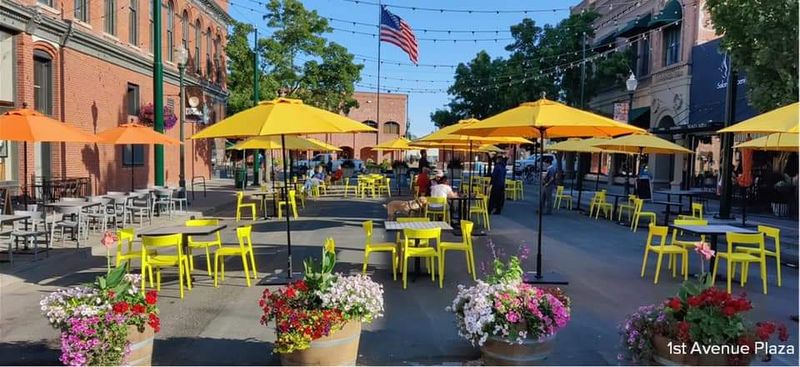
Population trends often reveal the health of a place, and here the trajectory tells a reassuring story. The count of 34,060 in 2020 eased to an estimated 33,339 by 2023, a modest and gentle shift rather than a dramatic swing.
Stability like that can be a quiet asset for retirees. A town that neither balloons nor empties tends to keep its housing, services, and community mood on an even keel over time.
Rapid growth can strain a place and push prices upward, while sharp decline can hollow out services. Sitting in between, this community avoids both extremes and keeps its footing steady.
Holding its position as one of the larger cities in Southeastern Washington adds to that sense of durability. It has the population base to sustain the amenities people rely on day to day.
For those planning years in one location, predictability carries real value. Knowing a place is likely to look much the same in the future as it does today brings a measure of peace to any long-term decision.
Civic Resources Within Easy Reach
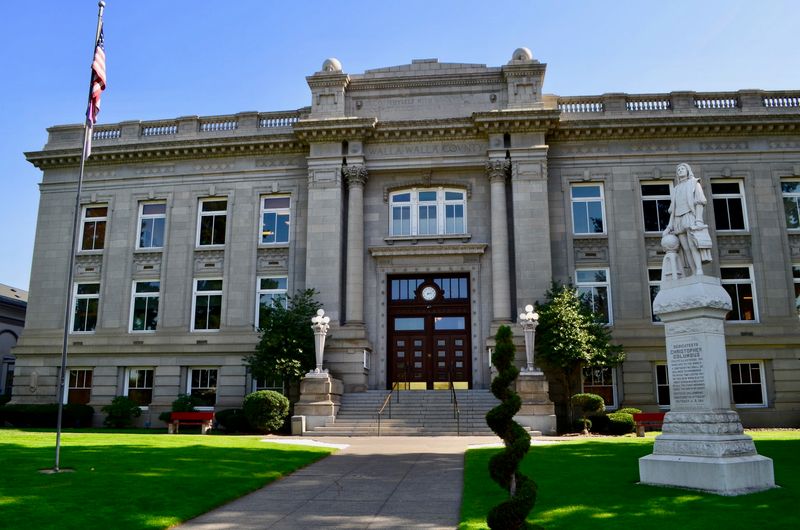
Practical daily life gets a boost when a town runs its own tidy public presence, and this city keeps its information accessible online at www.ci.walla-walla.wa.us. That civic front door lets residents and newcomers find what they need without guesswork.
As the seat of Walla Walla County, the town naturally concentrates government functions within its bounds. Records, services, and public offices sit close together, which simplifies the errands that come with settling somewhere new.
Retirees often appreciate that kind of convenience. Handling official matters without long trips or tangled logistics makes the transition into a new community far smoother.
The city website acts as a starting point for understanding local operations. Anyone weighing a move can begin their research there, gathering a clearer picture of how the place functions day to day.
Concentrated civic resources also reflect the town’s role as a regional center. It carries responsibilities for the wider county, which keeps its services robust and its administrative presence steady for everyone who depends on it.
The Pace That Suits A Slower Chapter
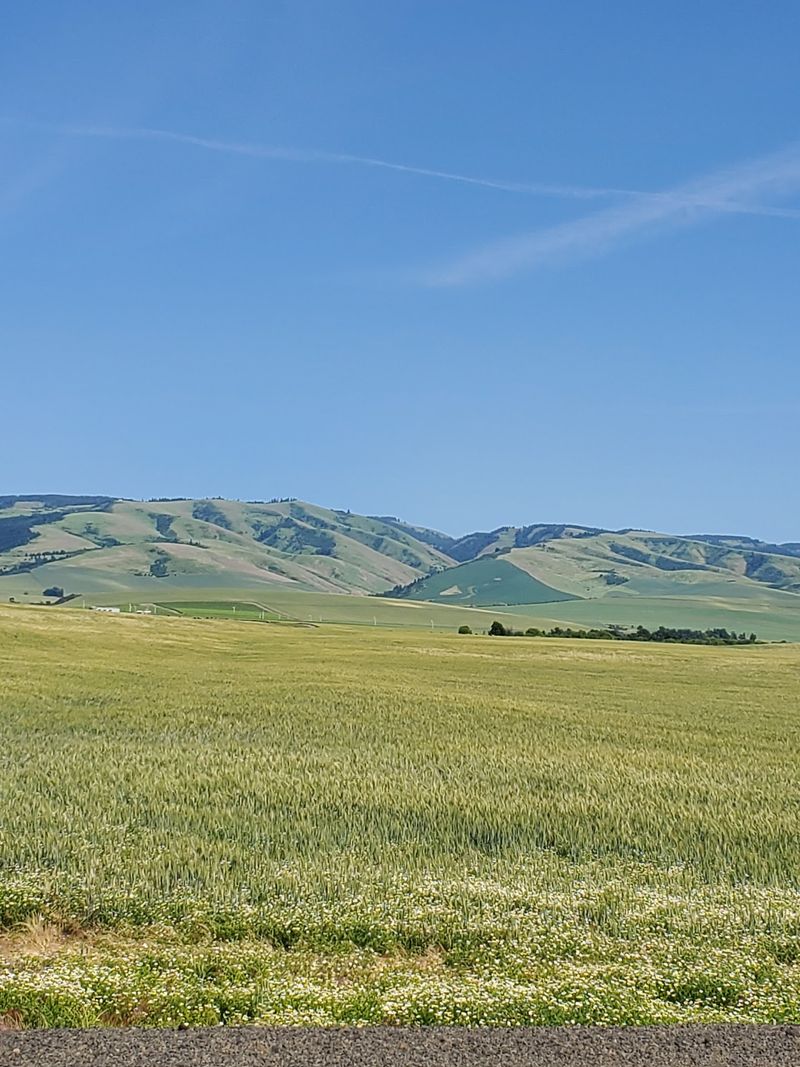
Retirement is often about swapping hurry for ease, and the tempo of this Washington town lines up neatly with that goal. Set in a farming region and sized as a modest city, it moves at a rhythm that rewards patience over rush.
The unhurried feel comes partly from scale. With around 33,000 residents spread across a town rather than packed into a dense metro, daily life tends to unfold without constant pressure.
People stepping back from full-time work frequently seek exactly this atmosphere. A place where mornings can start gently and errands do not sprawl into all-day expeditions fits a calmer chapter well.
The surrounding agricultural country reinforces that mood. Communities tied to the land often carry a steadier sense of time, shaped more by seasons than by schedules.
Newcomers who value quiet over commotion tend to feel at home here. The town offers enough activity to stay engaged while sparing residents the frenzy that drives so many people to seek a change in the first place.
Who Fits Best In This Setting
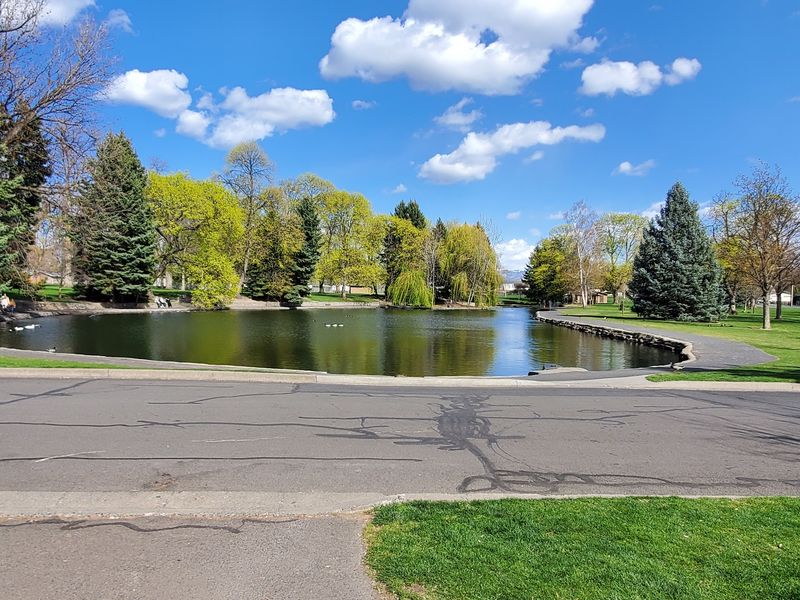
Not every place suits every person, yet this southeastern Washington city fits a clear kind of newcomer especially well. Budget-conscious retirees top that list, drawn by the promise of a comfortable life without a big-city price tag.
People who prefer community over crowds also tend to thrive here. A town of roughly 33,000, serving as the county seat, offers the familiarity and connection that larger cities often lack.
Those who enjoy a landscape of open country and rolling farmland will find the setting a natural match. The region’s rural character shapes a lifestyle grounded in space and steadiness.
Anyone hoping to simplify daily routines can benefit from the town’s manageable scale. Shorter errands, closer services, and a central downtown make ordinary life less complicated.
The community suits people who want stability more than spectacle. With its steady population and established civic role, the town rewards those looking to settle in for the long haul rather than chase constant excitement.
Getting There And Finding Your Way
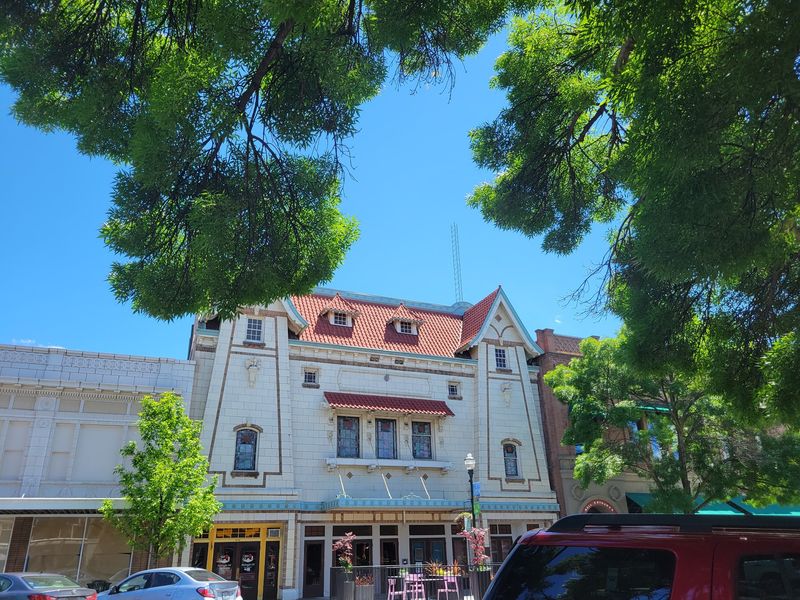
Reaching this corner of Washington takes a bit of intention, since the city sits in the southeastern part of the state rather than along its busy western coast. That distance from the major metros is part of what keeps it grounded and affordable.
The town falls under the Washington 99362 area, a useful marker for anyone mapping out a visit or a move. As the county seat, it functions as the natural destination for the surrounding region.
Once in town, the modest scale makes orientation straightforward. A community of this size keeps its key districts and services reasonably close, so newcomers rarely spend long figuring out where things are.
The central downtown serves as a helpful landmark for getting your bearings. As the civic and social core, it anchors the layout and points visitors toward the heart of local life.
Planning ahead pays off given the town’s regional position. A little preparation using the city’s own website smooths the arrival, whether the goal is a scouting trip or the start of a longer stay.
Planning A Scouting Visit
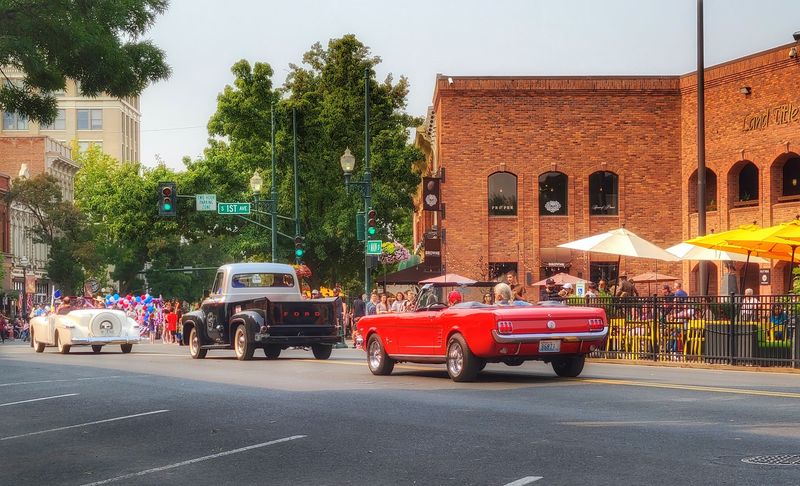
Smart movers rarely commit sight unseen, and a scouting trip to this Washington city can settle plenty of questions. Spending time in the town reveals whether its pace and character truly match the picture in a person’s head.
A visit centered on the downtown makes sense, since the core district carries so much of the community’s daily energy. Walking those streets offers a real feel for how errands and social life come together.
Checking the city website beforehand helps travelers arrive prepared. The official page at www.ci.walla-walla.wa.us lays out local information that shapes a more useful and focused trip.
Taking time to explore the surrounding farm country rounds out the impression. The open landscape beyond the city limits is a big part of what defines life in this part of Southeastern Washington.
Seeing the town firsthand often turns curiosity into confidence, or gently reveals it is not the right fit. Either way, a scouting visit gives budget-minded retirees the clear-eyed information they need before making a lasting choice.
Why It Keeps Earning A Second Look
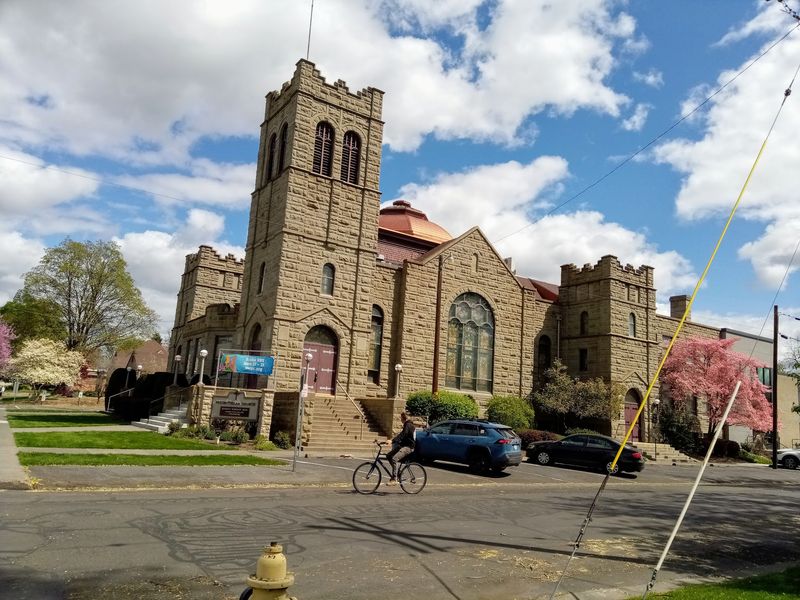
Everything comes back to a simple equation for people planning a careful retirement. A steady community of about 33,000, set as the county seat in Southeastern Washington, offers real substance without the sky-high costs of bigger places.
The town’s blend of qualities explains its growing reputation. A manageable scale, an active downtown, a stable population, and a setting rooted in open farm country add up to a place that feels both livable and grounded.
Budget-minded newcomers keep circling back because the fundamentals hold up. Stability, accessibility, and a calm pace matter enormously when planning years ahead on a fixed income.
None of this makes the town flashy, and that is rather the point. Its appeal rests on being dependable and comfortable, exactly the traits many people prize once the working years wind down.
For anyone weighing where to spend the next chapter, this quiet Washington city makes a strong and sensible case. A closer look, ideally in person, is the natural next step toward deciding if it belongs at the top of the list.
Enjoyed this story?
Add Fast Food Club as a preferred source to see more of our reporting on Google.