


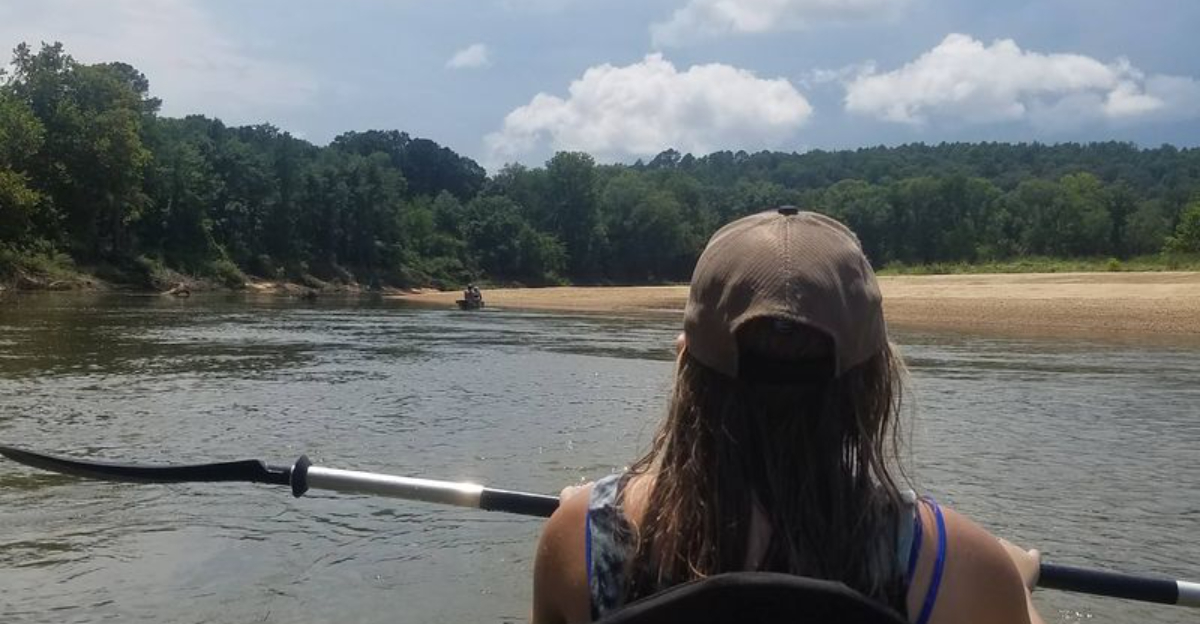
Somewhere in central Alabama, a river keeps flowing the way rivers used to, wild and unbothered by concrete. It winds past sandbars, rocky shoals, and stretches where bald eagles glide overhead and rare blossoms open every spring.
People have paddled, fished, waded, and camped along its banks for generations, yet it rarely gets crowded, which feels like a lucky secret waiting to be shared. What makes this waterway one of the most special places in the whole Southeast, and why do folks who grew up nearby keep coming back season after season?
The answer involves clear water, unusual wildlife, easygoing float trips, and a slice of history that few people ever hear about. Grab a paddle and an open afternoon, because this stretch of Alabama is about to become your favorite reason to get outside.
The Free-Flowing Waterway At The Heart Of Alabama
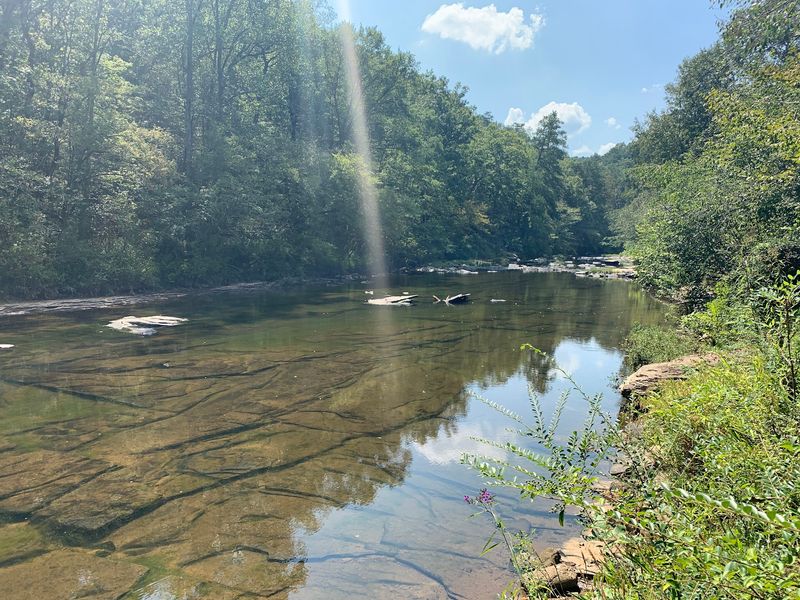
Central Alabama holds a waterway that has earned a reputation as one of the region’s most cherished outdoor spots. The Cahaba River, located in Alabama, carries a 4.6-star reputation across hundreds of reviews, and that kind of loyalty does not happen by accident.
Folks describe it as the longest free-flowing natural river in the Southeast, a title that means the water moves on its own terms without being blocked or heavily controlled. That single detail sets it apart from so many other places where dams and development have changed the flow.
The river threads through the countryside near Birmingham and reaches down toward Dallas County, passing wildlife areas, county parks, and quiet stretches along the way. Regulars mention floating it from Trussgrave-area put-ins all the way toward Old Cahaba, a journey that shows off the river’s range.
What draws people back is a mix of accessibility and untamed character. It sits close enough to a major city to reach easily, yet it feels miles removed from traffic and noise.
That balance, easy to find but still wild at the edges, is exactly why so many Alabamians treat this river as a treasured backyard escape.
A River That Runs Freely Through History
Long before paddlers discovered its appeal, this river shaped the land and the towns that grew alongside it. The name Old Cahaba points to one of Alabama’s earliest settlements, and floating past that area connects modern visitors with a much older chapter of the state’s story.
Water skiing near Old Cahaba, spotting weathered slabs where crossings once stood, and drifting under old trestles all give the trip a sense of layered time. The remnants along the banks hint at a past when the river served as a lifeline for travel and trade.
People who have paddled here for decades talk about slabs described as old, new, and gone, a reminder that the river keeps reshaping the crossings humans build across it. Nature holds the upper hand, and the evidence sits right there in the current.
That living history is part of why the place feels meaningful rather than ordinary. Every bend carries a trace of the generations who relied on these waters, and drifting through it turns a simple float into a quiet lesson about Alabama itself.
The Famous Cahaba Lilies In Full Bloom
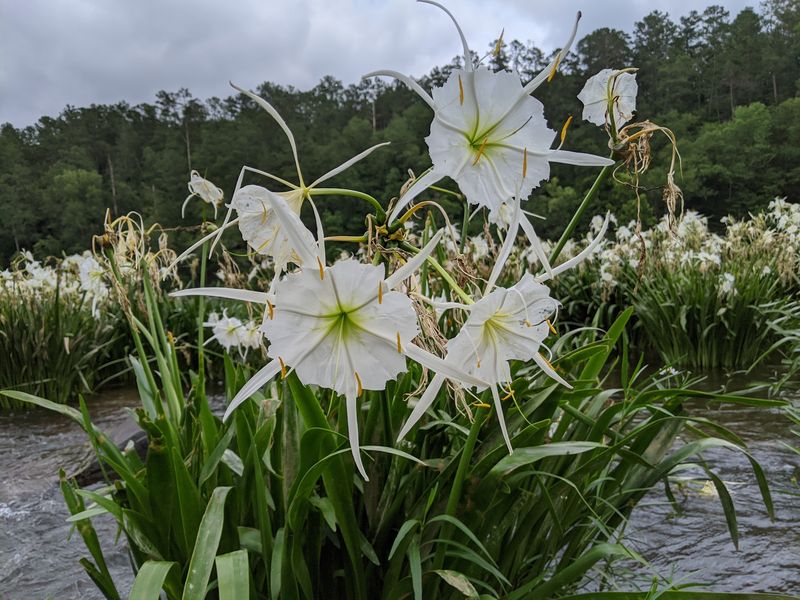
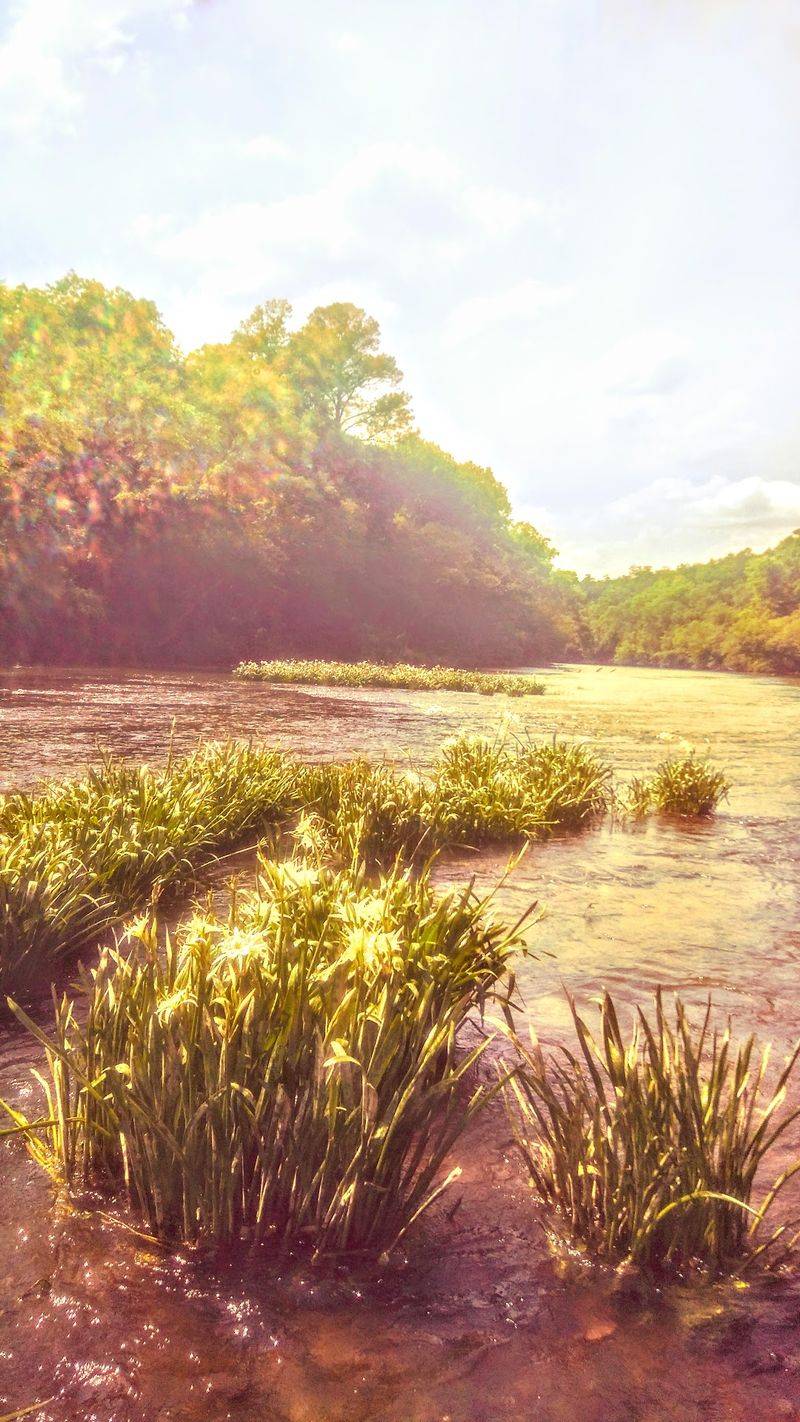
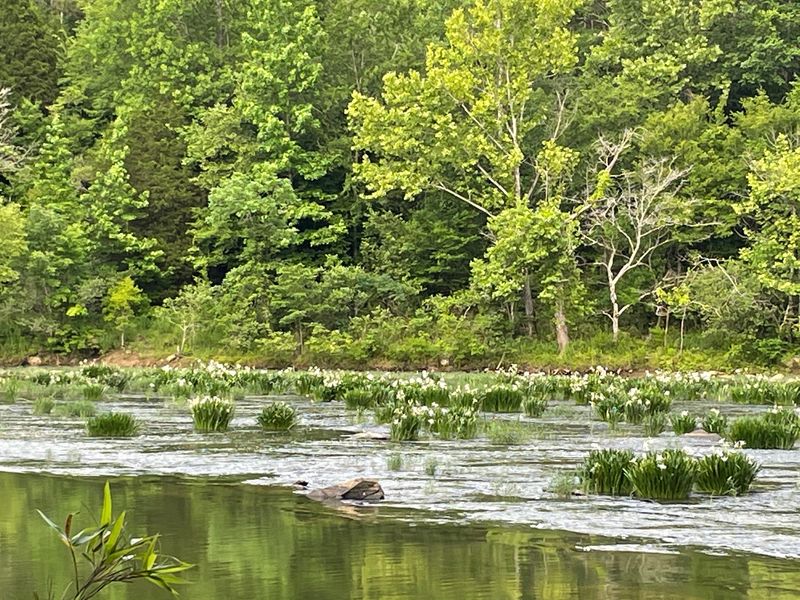
Every spring, the river puts on a show that people plan entire trips around. Clusters of rare white blossoms rise straight out of the rocky shoals, a spectacle known simply as the Cahaba lilies.
The blooms reach their peak in a fairly narrow window, and regulars point to Father’s Day as the last good chance to catch them at their finest. Miss that stretch, and you wait a whole year for another look.
Seeing them is easiest at the Cahaba National Wildlife Refuge, where the flowers gather in impressive numbers on the moving water. The sight has become something of a seasonal tradition for families across the state.
What makes these lilies so special is how tied they are to this particular river. They thrive in the free-flowing shoals, so the same wild character that defines the Cahaba is exactly what lets the blossoms exist.
Catching them in peak bloom feels like arriving at the right place during a fleeting moment nature schedules on its own calendar.
For anyone plotting a first visit, timing the trip around the lilies turns an ordinary float into a genuine highlight of the year.
Wildlife Encounters Around Every Bend
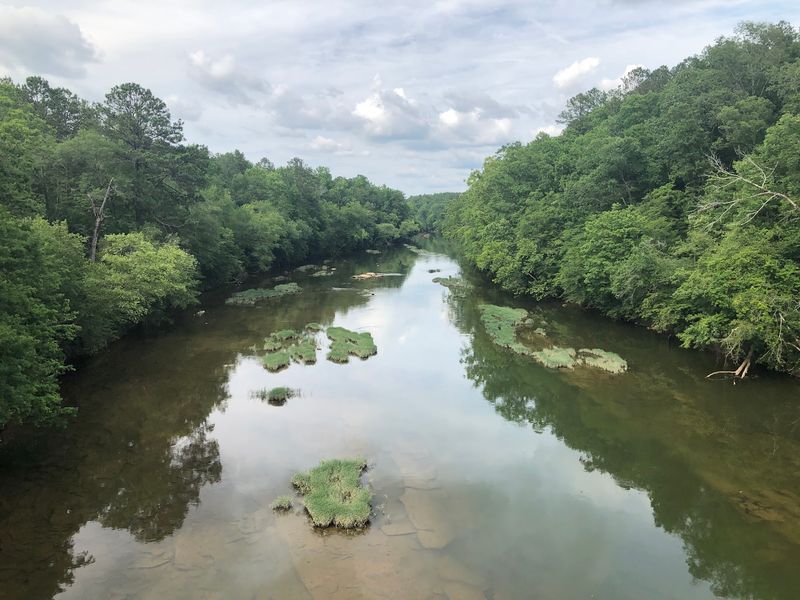
Few Alabama waterways can match the sheer variety of creatures that call this river home. Paddlers routinely report bald eagles overhead, herons wading the shallows, and alligators sunning themselves along quieter stretches in warm weather.
One long trip from Old Slab toward River Bend produced sightings of deer, bobcats, oversized catfish, an eagle, and a string of herons and gar, all in a single outing. That kind of roll call reads more like a nature documentary than an afternoon float.
The river also shelters an unusually diverse selection of fish, with some species that live nowhere else on earth. That rarity has made the waterway a point of pride for conservation-minded folks throughout the state.
Astoundingly large fish are part of the appeal, and there is a certain thrill in seeing something big glide beneath the surface while it watches you right back. Warm-weather paddlers keep an eye out for gators, which adds a healthy dose of respect to the adventure.
All of this makes the trip feel alive from start to finish. The biodiversity is not just a talking point; it is a real reason people keep returning with binoculars and cameras ready.
Floating, Paddling, And Tubing The Gentle Stretches
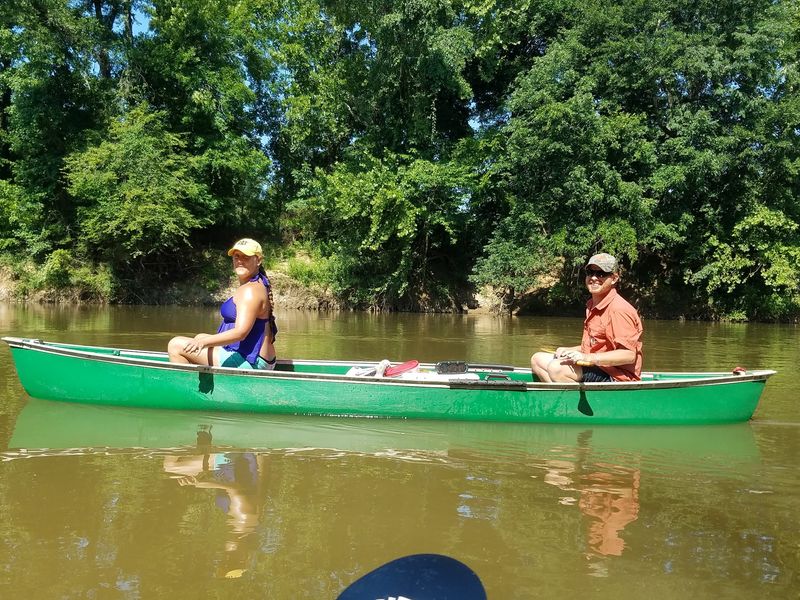
The main event for most visitors is getting out on the water itself. Canoes, kayaks, and tubes all find a welcome home here, and the river offers stretches that suit both easygoing drifters and paddlers who want a little more spirit.
A popular route runs from Living River, also called New or Gone Slab, down to River Bend, which regulars describe as an easy six or seven hour trip in spring. Packing a lunch turns it into a relaxed all-day affair.
For those chasing a bit of excitement, the stretch near the wildlife refuge gets lively after a good rain, with rocky sections that reward a couple of vehicles, some friends, and a shuttle setup. It runs just over a mile, short enough to repeat several times before lunch.
Overnight trips through Bibb, Perry, and Dallas counties are described as easy and restful, with sandbars offering natural resting spots along the way. Families lean toward the calmer stretches, while adventurers seek out the shoals.
However you choose to travel it, the river hands you options rather than forcing a single pace. That flexibility is a big part of why paddlers of every skill level feel at home.
Sandbars Made For Slow Overnight Trips
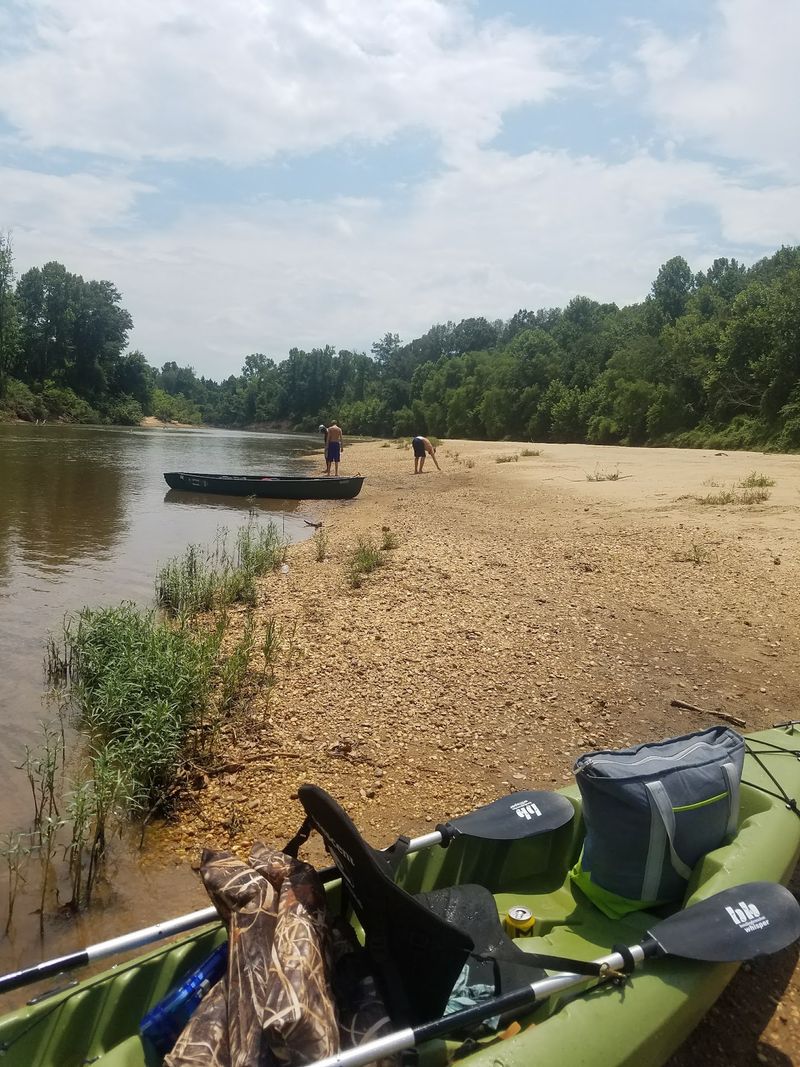
Not everyone comes here to race the current. A good number of paddlers plan languid overnight journeys, and the river’s sandbars make those trips especially inviting.
Down through Bibb, Perry, and Dallas counties, these natural sand shelves offer flat, easy places to set up for the night. People describe restful, easy sleep on them, which is a rare luxury on a backcountry float.
Warm weather brings the added company of bald eagles overhead and the occasional gator in the distance, so even a lazy campout comes with a front-row seat to the wild. The nights feel peaceful rather than isolated.
The appeal here is simplicity. Load a canoe, drift a few hours, claim a sandbar, and let the pace of the river set the schedule instead of a clock.
For folks who want more than a quick paddle, stretching the adventure across a couple of days transforms the experience entirely. The river stops being a destination you visit and becomes a place you settle into, if only for a night or two under the open Alabama sky.
Bartons Beach And The Cahaba National Wildlife Refuge
Certain spots along the river stand out even among all the scenery, and Bartons Beach ranks near the top of that list. Regulars call it amazing, and it pairs naturally with the nearby Perry Lakes area for a full day outdoors.
The Cahaba National Wildlife Refuge anchors much of the river’s best-loved territory. Both upper and lower trails run through it, giving hikers a chance to explore the land alongside the water.
Land management here has drawn genuine praise, with a wildlife biologist credited for doing excellent work keeping the refuge healthy. That care shows in the thriving plant and animal life throughout the area.
The refuge is also the prime location for viewing the lilies during their spring peak, so it pulls double duty as both a hiking destination and a flower-watching hotspot. Families gravitate here for the combination of trails and river access.
Between the beach, the lakes, and the refuge trails, this cluster of spots offers enough variety to fill several visits. It is the kind of place where you can hike in the morning, paddle in the afternoon, and never feel like you covered the same ground twice.
County Parks And Easy Access Points
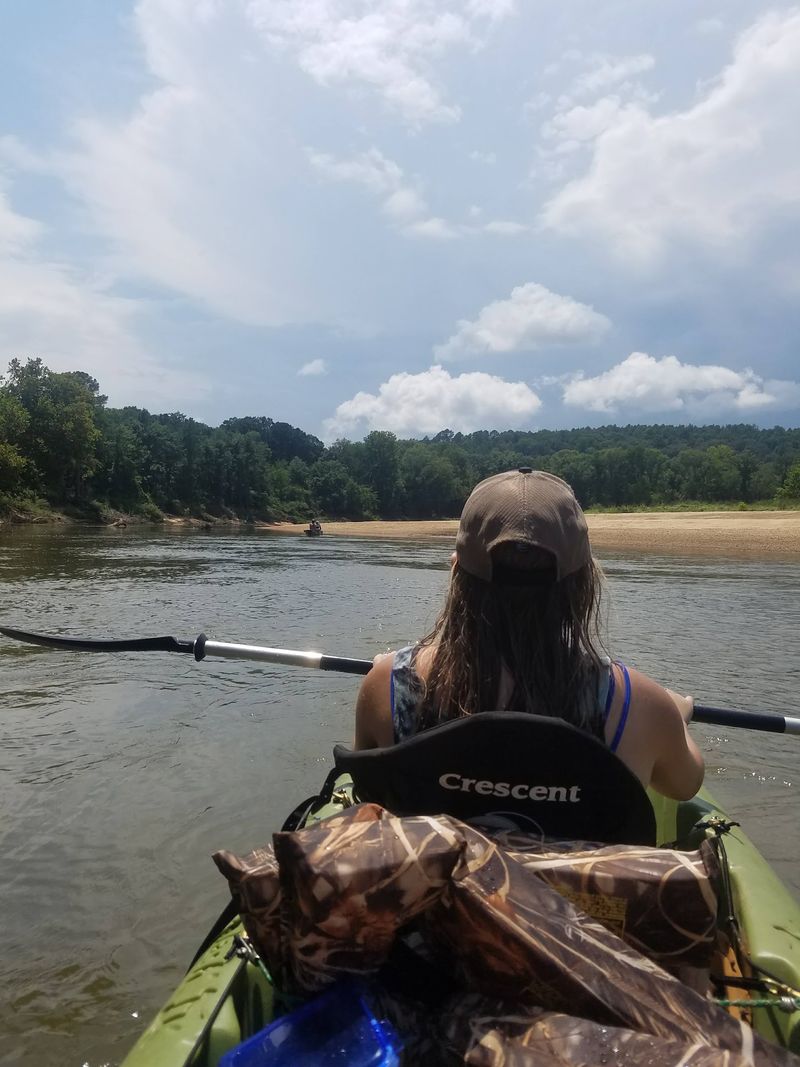
Getting on the water does not require insider maps, though a little scouting helps. Shelby County parks off routes 10 and 13 give paddlers convenient launch points, and they show up often when regulars recommend where to start.
The Living River access, sometimes called New or Gone Slab, works well as a put-in for the popular run down to River Bend. Setting up a shuttle between the two ends makes the whole day flow smoothly.
Some sections earn a gentle warning. The stretch between Highway 280 and Riverchase gets described as less appealing, thanks to a series of small private dams that break up the fun.
Local knowledge goes a long way here, and part of the charm is that the best spots reward a bit of exploring. The payoff for that effort is a river that rarely feels overrun.
Once you learn a few reliable access points, the whole system opens up. Suddenly you can mix and match put-ins and take-outs to build a trip that fits your time, your crew, and the water level on any given weekend.
Checking The Water Level Before You Go
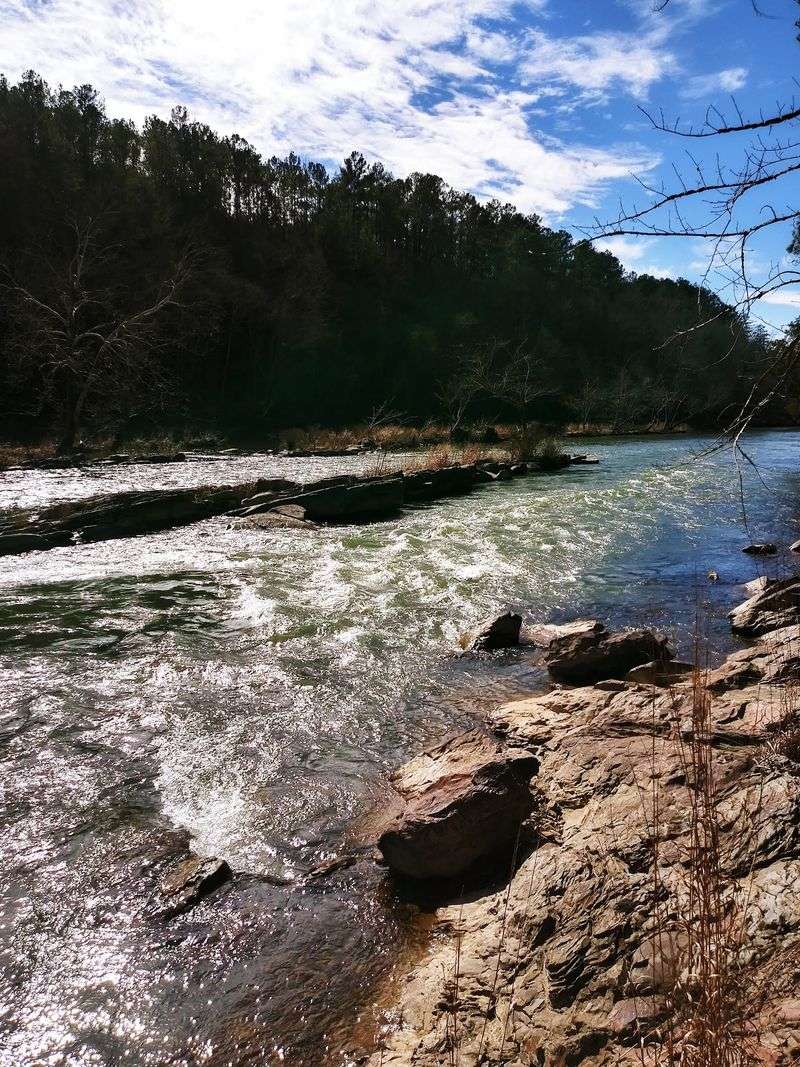
Any seasoned paddler will tell you the single most important step happens before you ever touch the water. Checking the river level makes the difference between a smooth float and a frustrating slog.
The USGS gauge is the go-to source, and experienced floaters aim for more than three or four feet at Helena before launching the popular Living River to River Bend run. That reading signals enough water to move comfortably.
Too low, and you spend the day bumping and dragging over rocks that should be safely submerged. Too high, and the river turns genuinely dangerous, so the sweet spot in the middle matters.
Longtime paddlers put it plainly: the river is playful, but it does not play. Respect for the current keeps every trip on the right side of enjoyable.
Building this quick check into your routine is simply good sense. A two-minute look at the gauge saves a whole day of hassle and keeps the focus on the scenery rather than the struggle.
On a free-flowing river, the water calls the shots, and paying attention to it is how you stay in step with its rhythm.
A Family-Friendly Spot For All Ages
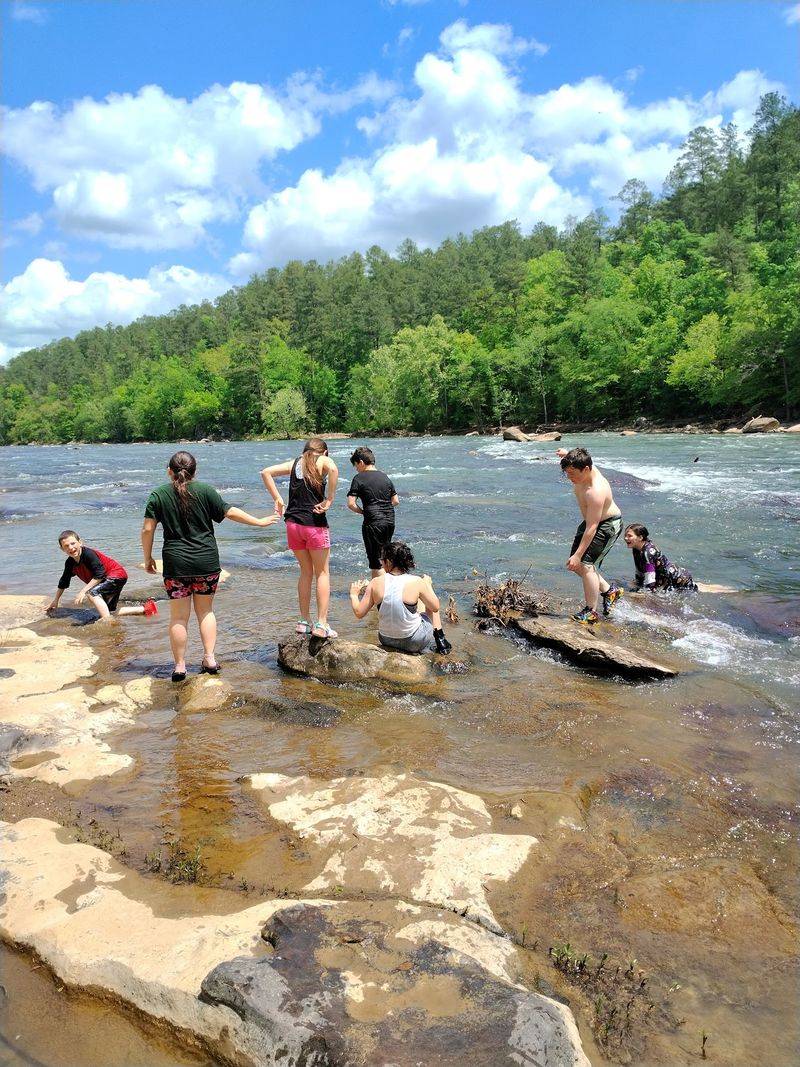
Kids take to this river with the kind of enthusiasm that keeps whole families coming back year after year. Parents bring children as young as seven and as old as their teens, and the little ones tend to love every minute of it.
Wading, swimming, and splashing around in the warm months rank high on the list of family activities, especially at the calmer stretches near the parks. There is plenty of room for kids and dogs to cool off together.
Supervision stays important, since this is still a wild river with real currents. Families who visit regularly stress keeping a close eye on younger swimmers, a smart habit anywhere moving water is involved.
Beyond swimming, a simple picnic paired with a lily-viewing walk makes for an easy, budget-friendly outing that suits multiple generations at once. Grandparents can stroll the trails while the kids play at the water’s edge.
The combination of low cost, open space, and gentle fun explains why so many households treat the Cahaba as their default weekend plan. It welcomes toddlers and teenagers alike without asking anyone to fake enthusiasm they do not feel.
A Peaceful Escape Close To The City
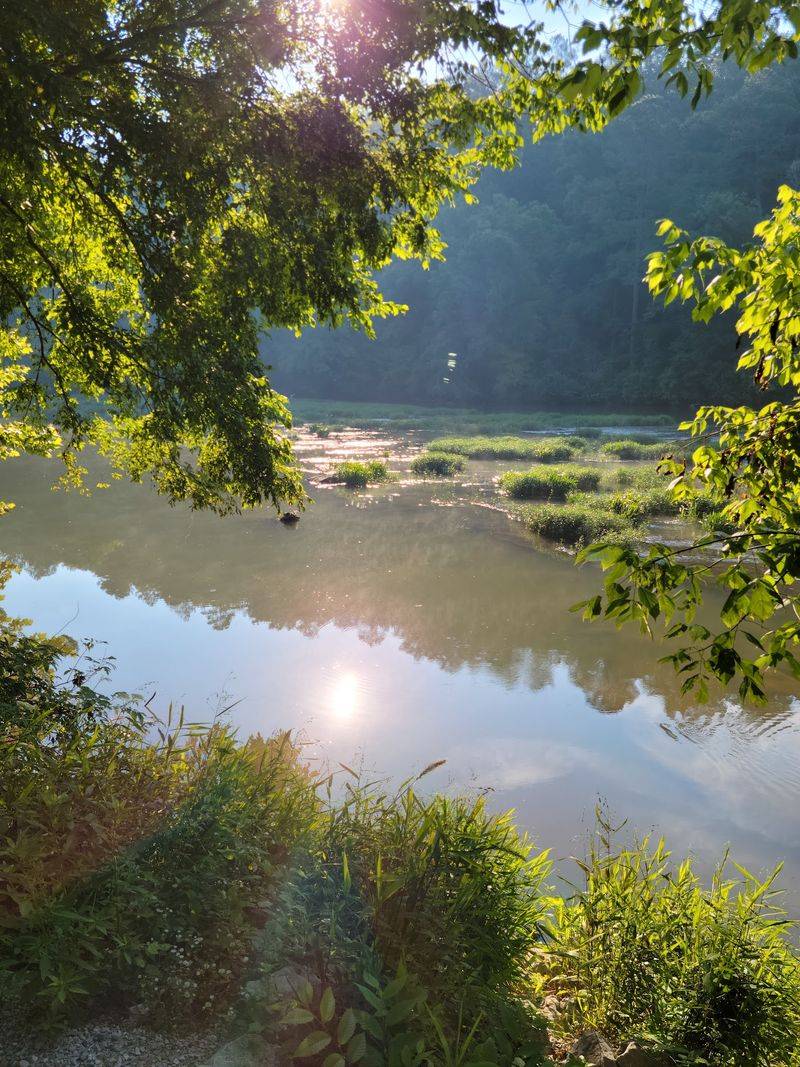
Stress tends to loosen its grip somewhere around the first quiet bend in the river. People return again and again to unwind, with some visiting a couple of times a week just to step away from daily pressures.
The mood along the water gets described as peaceful, relaxing, and a genuine way to reconnect with nature. It offers the kind of calm that a crowded park near a big city simply cannot match.
Part of the surprise is how uncrowded it stays. Paddlers openly wonder why more people are not out enjoying it, especially given how close it sits to the Birmingham area.
That lack of crowds becomes a feature rather than a flaw. There is room to breathe, space to spread out, and long stretches where the only company is the wildlife.
For anyone worn down by traffic and screens, a few hours here works like a reset button. The river asks nothing but your presence, and it hands back a sense of quiet that lingers well after you have loaded the canoe back onto the car and headed home.
A Scenic Backdrop For Weddings And Photography
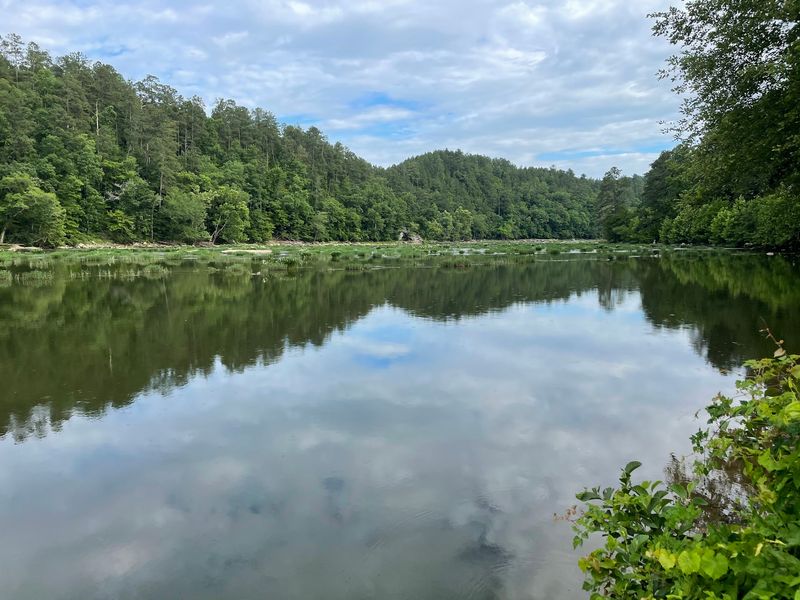
Beyond paddling and swimming, the river doubles as a favorite setting for capturing special moments. Its natural scenery has hosted outdoor ceremonies, and the setting comes with no cost to use, which appeals to couples planning on a budget.
Officiants have held multiple weddings here in a single year, drawn by the pretty outdoor backdrop that needs no decoration. The river and its greenery do all the heavy lifting.
Photographers love it too, whether they are documenting a ceremony, chasing the spring lilies, or framing wildlife along the banks. The variety of scenery gives every shoot plenty to work with.
Exploring the area with a camera has become a pastime in its own right, with the blossoms, the water, and the abundant creatures all offering worthy subjects. There is always something new to point a lens at.
For couples and creatives alike, the appeal comes down to authentic natural beauty without a price tag. Few places let you host a meaningful gathering or fill a memory card so completely while surrounded by an untamed Alabama river, and that combination keeps the photo-minded coming back.
Caring For A River Worth Protecting
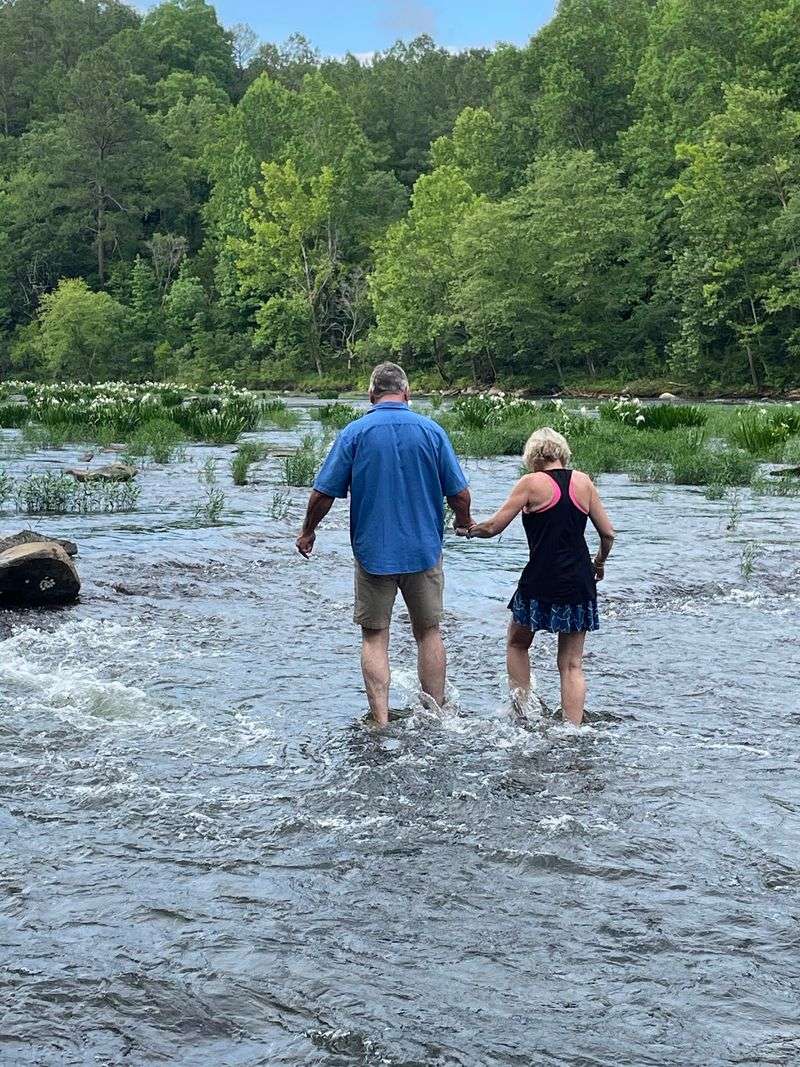
Love for this waterway comes with a sense of responsibility, and the people who know it best rarely let that slip. A common refrain among longtime paddlers is simple: pack out everything you bring in, and pick up any trash you find along the way.
The reasoning is heartfelt. Keeping the river clean today is what allows future generations, grandchildren included, to enjoy the same water their families did.
Folks who have spent thirty years or more here treat conservation as part of the experience rather than an afterthought. Their message to newcomers boils down to enjoying the place while leaving no trace behind.
Respect for the river’s power matters just as much as respect for its beauty. It is playful, yet it demands caution, and honoring both keeps every trip safe and rewarding.
With its rare fish, blooming lilies, and long free-flowing character, the Cahaba River stands as one of Alabama’s most rewarding easygoing summer adventures. Check the water level, pack a lunch, keep it clean, and let this remarkable Alabama river show you why so many people quietly consider it the best kept secret in the Southeast.
Enjoyed this story?
Add Fast Food Club as a preferred source to see more of our reporting on Google.