


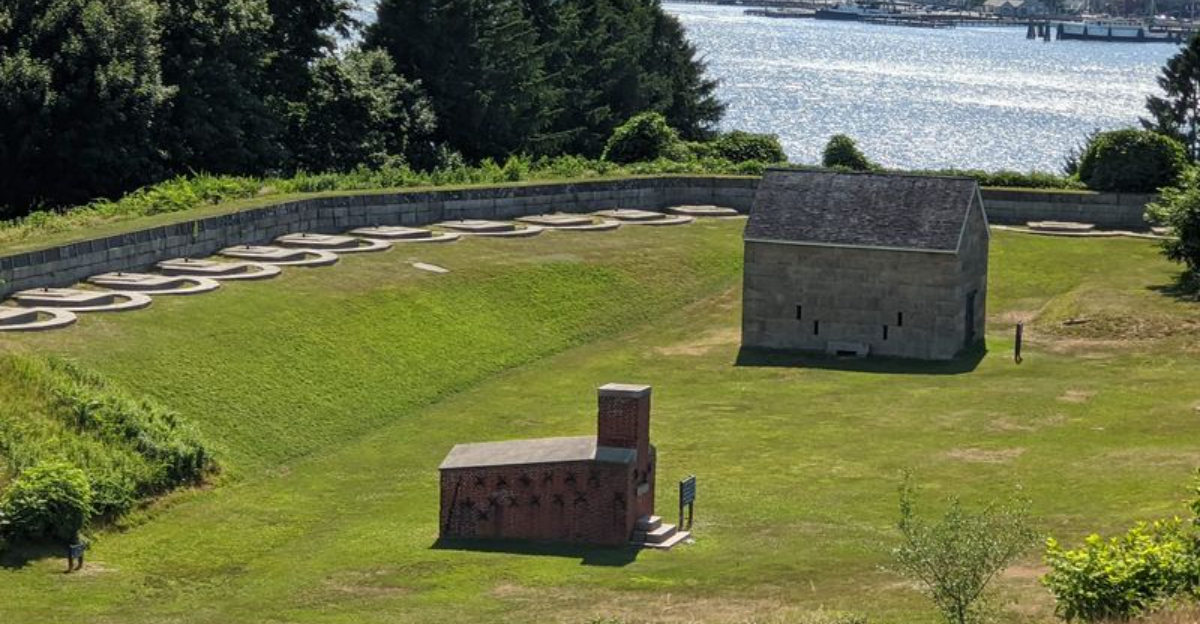
Some places let history sit behind glass, but a certain spot in southeastern Connecticut invites you to walk right across the ground where Revolutionary War soldiers once stood. The grassy earthworks are still shaped the way they were centuries ago, and a stone tower climbs high enough to reward the effort with a wide look over the water below.
There are trenches to explore, a narrow tunnel that soldiers once used, and open fields perfect for spreading out a picnic blanket. Best of all, you can wander much of it without spending a single dollar.
If you enjoy fresh air, a bit of a workout, and a real story tied to every step, this park delivers all three. Keep reading to learn exactly where it is and what makes it worth a visit.
A Revolutionary Landmark on the Groton Shore
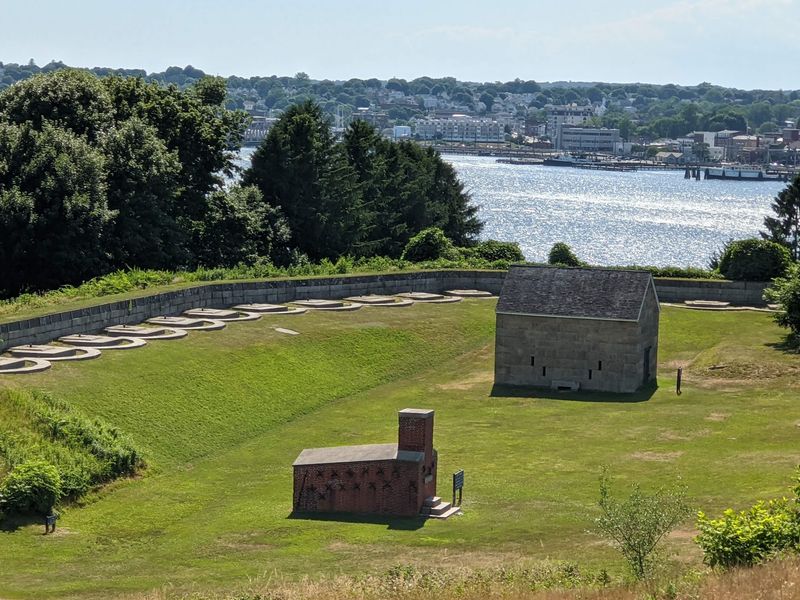
Tucked into a quiet, residential corner of Groton, Connecticut, Fort Griswold Battlefield State Park sits at the junction of Park Ave and Monument St, with the postal address landing at Park Ave & Monument St, Groton, CT 06340. The setting is more neighborhood than wilderness, which surprises many first-time guests who expect a remote outpost.
The park protects one of the few surviving forts from the Revolutionary War era, and the grounds carry the story of a fierce battle fought here in 1781. Its earthen walls still trace the same outline soldiers defended more than two centuries ago.
Ranked among Connecticut’s historic state parks, this spot pulls in a steady stream of guests who come for both the past and the panorama. It holds a strong 4.7-star reputation across hundreds of ratings, which says plenty about how well the place lands with the people who make the trip.
Best of all, general access to the grounds comes free of charge, a rare treat for a site with this much to offer. History and open sky share the same address here, and that combination keeps people coming back.
The Battle That Shaped These Grounds
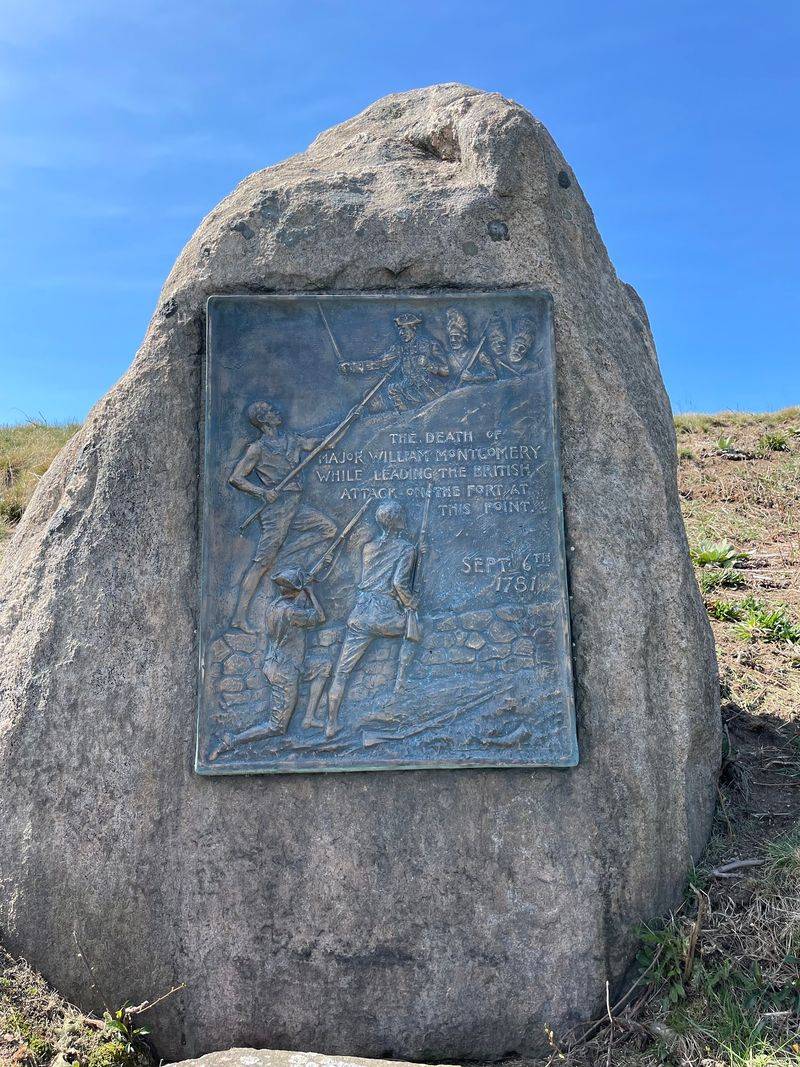
Back in September 1781, this hilltop became the stage for one of the harder chapters of the Revolutionary War in New England. A vastly outnumbered group of Colonists tried to hold the fort against British forces, and the fight did not end in their favor.
Leading the attack was Benedict Arnold, the general whose name became tied forever to betrayal. He directed the assaults on both this fort and Fort Trumbull across the river, a detail that gives the whole area an added layer of drama.
The defenders here were badly outnumbered and eventually overwhelmed, and the day is remembered as a costly stand for freedom. Etched brass markers around the site preserve the names of local defenders, keeping their memory close for anyone who reads them.
What makes the story hit home is how visible it remains. Interpreted markers stand at the original locations of the fort, letting guests match events to actual ground.
Families often mention how the experience helps younger kids grasp the real weight of independence in a way a textbook rarely manages.
Climbing the Groton Monument
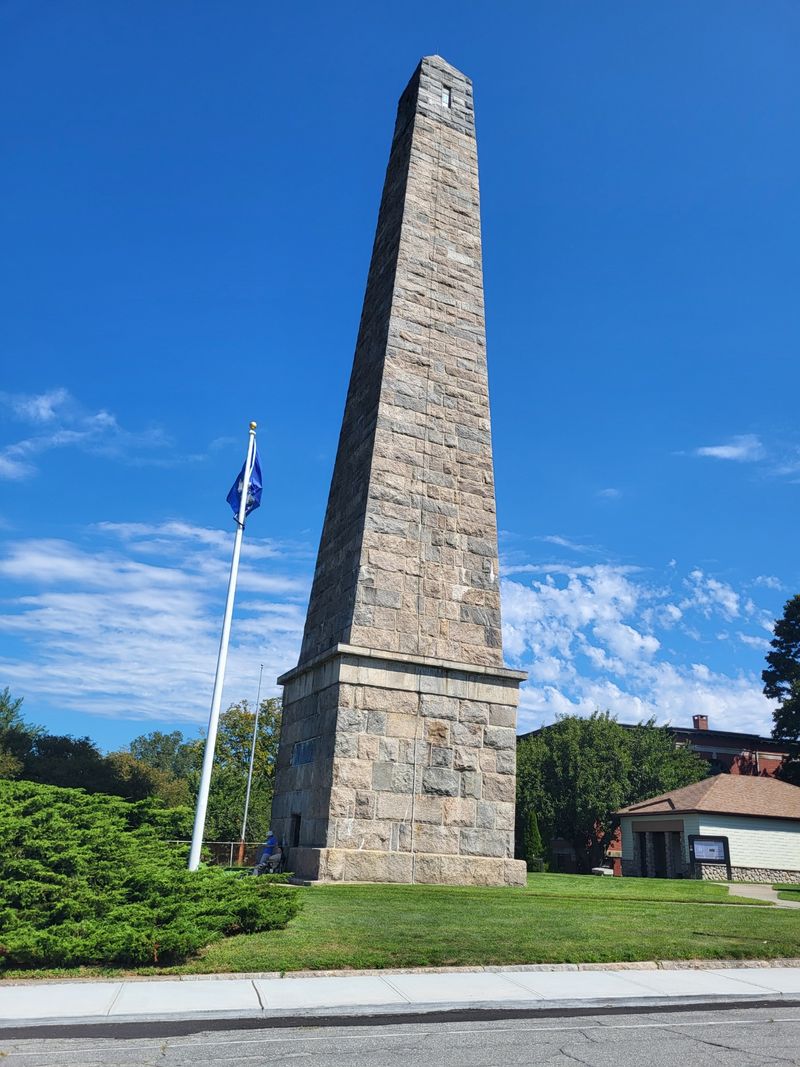
Rising like a stone pencil against the sky, the Groton Monument has stood since 1830 and remains the most eye-catching feature on the property. It marks the battle and honors the local defenders, and it doubles as the park’s best vantage point.
Inside waits a narrow spiral staircase with roughly 165 to 166 steps, a count often described as matching the defenders lost that day. The climb is tight, and folks who deal with claustrophobia may want to sit this one out, but those who make the trek talk about it long after.
Legs tend to feel wobbly by the top, and more than a few people joke that their calves earned the view. The reward is a wide look that some say stretches across three states on a clear day.
Photographers love this perch, and it has become a favorite spot for snapping the river and surrounding towns. The staircase asks for effort, but the payoff at the summit tends to erase any complaints about the burn on the way up.
Sweeping Views of the Thames River

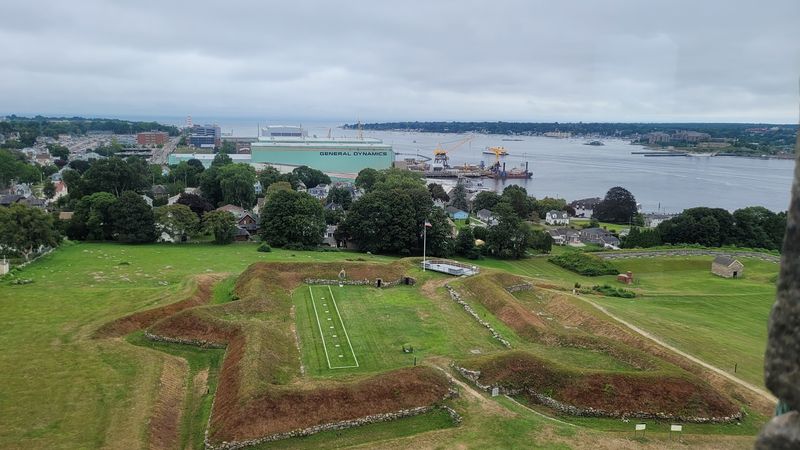
Water defines the horizon here, and the payoff for reaching high ground is a broad look across the Thames River toward New London. The vista pulls in guests who care nothing for old battles and simply want a scenic afternoon.
From the elevated spots, the river spreads out below with the Sound beyond it, and birds are a common sight along the shoreline. Walk downhill toward the water and you land near a big park and open banks where ducks paddle around.
Many people arrive expecting a quick history stop and end up lingering just to take in the scenery. The combination of open sky and moving water gives the whole place a calm, unhurried feel that keeps folks parked on a bench longer than planned.
Daylight hours earn the strongest recommendation for the view, though the after-dark river scene has its own quiet appeal. Either way, this stretch of Connecticut coastline turns a short visit into a genuinely relaxing outing.
Trenches, Tunnels, and Original Earthworks
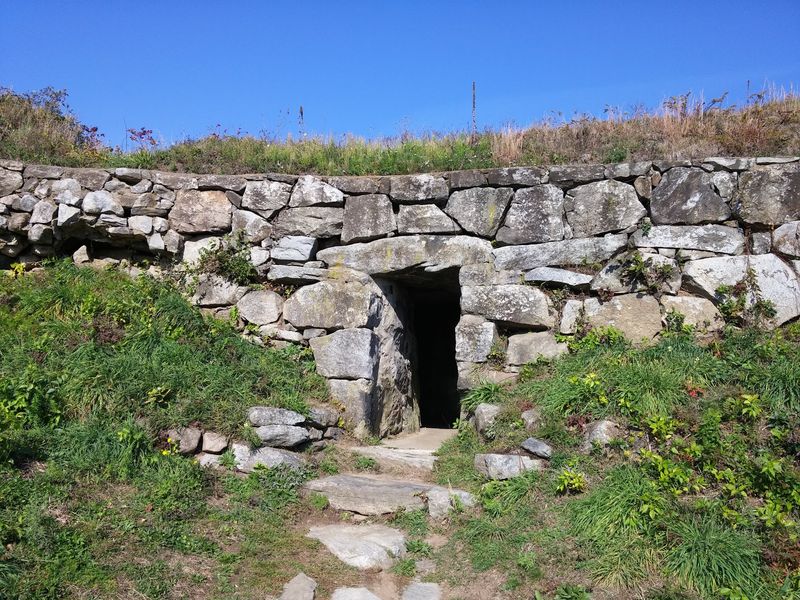
Across the street from the monument sits the part of the park that turns curious guests into full-on explorers. The original earthworks remain in place, shaped by hand generations ago and kept in a minimally maintained state that feels authentic rather than rebuilt.
A secret tunnel runs into the site, once used by the American militia during their attempt to retreat. Guests can step inside, wind through the passage, and come out among the trenches, which makes the ground feel far more alive than a plaque ever could.
The old cannon positions are still walkable, so you can stand where the guns once pointed toward the water. Following the fortifications closer to the shore reveals the trenchworks that many people rate as the coolest part of the whole visit.
Because so little has been reconstructed, this section offers a rare, hands-on kind of history. Anyone who enjoys poking around real relics rather than replicas will find plenty of reasons to slow down and wander every corner.
The On-Site Museum and Self-Guided Audio Tour
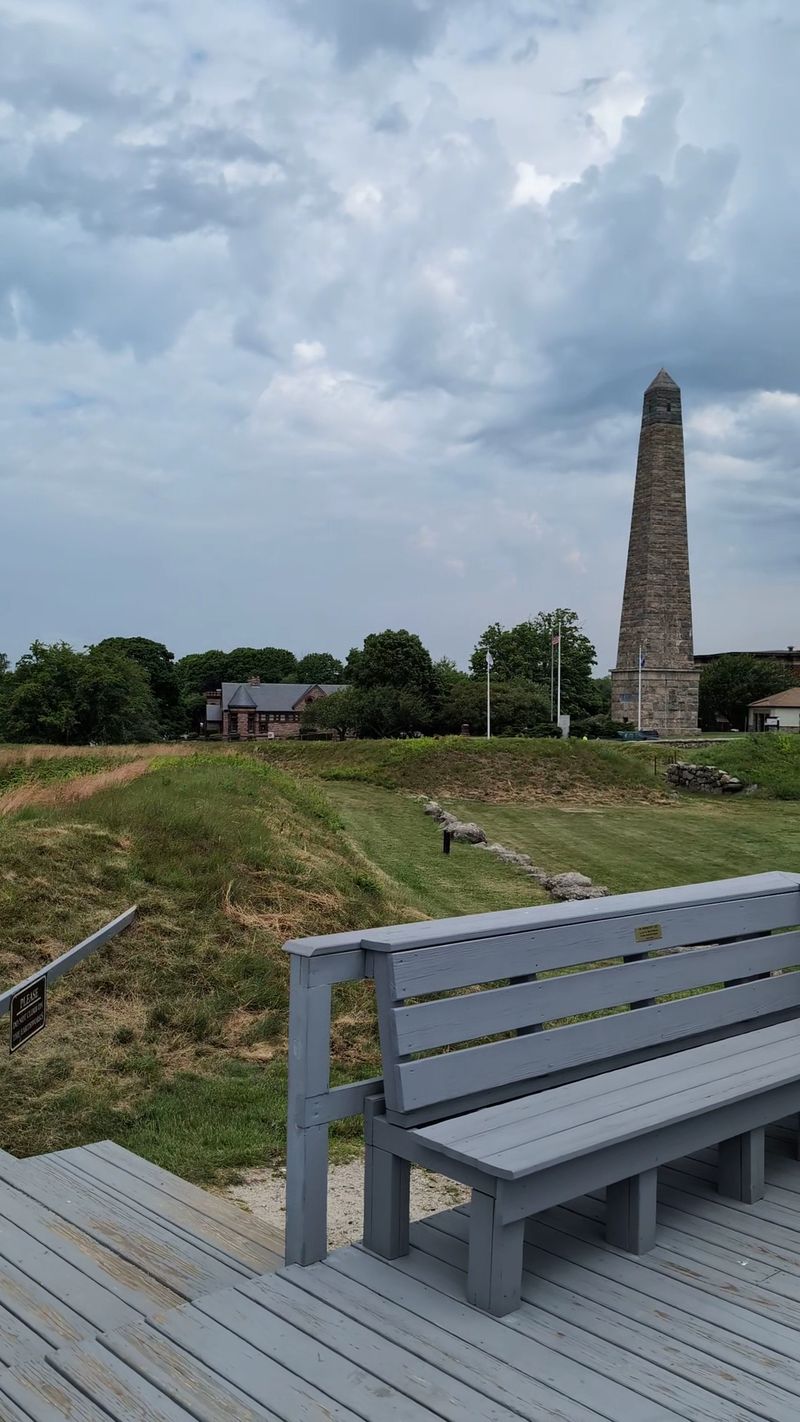
Right beside the monument stands a small museum that packs a surprising amount into a modest space. Inside are artifacts from the warriors who fought here, along with an accurate model that lays out how the battle unfolded.
Nobody pretends the museum rivals larger institutions, and honest guests call it small, but many agree it does the job of setting the scene. A map available at the Monument house helps you get your bearings before setting off across the grounds.
The self-guided phone audio tour has become a highlight for a lot of people. Signs posted throughout the site list a number to call and posts to dial in, and the recorded information reads out details as you stand at each spot.
Easy to use and genuinely informative, the audio setup lets you move at your own pace. Restrooms are available on the property too, a practical touch that makes a longer wander far more comfortable for families.
Who This Park Is Made For
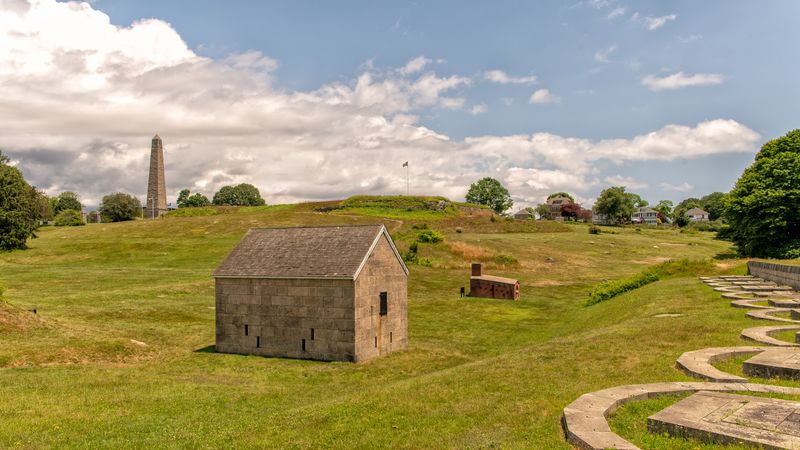
History buffs land here first, and for good reason, since the site rewards anyone who loves the American Revolution with real ground to explore. Yet the appeal reaches well beyond the textbook crowd.
Nature lovers find just as much to enjoy, thanks to the walkable grounds, the open fields, and the riverfront setting. The former battlefield now rolls out as a gentle green space fit for a picnic, with room for kids to play.
Families with children come away impressed, often noting how the tunnel and tower turn a lesson into an adventure. Grandparents bring grandkids to share stories, and the self-guided format suits groups moving at different speeds.
Quiet-seekers appreciate the peaceful, unhurried mood that settles over the place, especially on calmer days. A full self-guided visit can wrap up in under two hours, though plenty of people who expected a quick stop end up staying far longer than they planned.
It fits solo wanderers, couples, and multi-generation outings with equal ease.
Planning Your Visit and Getting There
Timing matters at this park, so a little planning goes a long way. The grounds and the museum keep seasonal hours, generally running Wednesday through Sunday from 9 AM to 5 PM, with Monday and Tuesday closed.
The museum and monument tend to open from Memorial Day through Labor Day, so cooler-month guests may find the tower and museum shut even when the open grounds stay accessible. Late-fall and off-season visitors still get the views and the fields, just without the indoor stops.
Admission to the grounds is free, which makes this an easy addition to any trip through the area. The park sits in a suburban neighborhood, and there is no dedicated parking lot, so street parking along the access way and nearby roads is the norm.
Reaching the site is simple with an address of Park Ave & Monument St in Groton, Connecticut. For current schedules or questions, the park can be reached at +1 860-449-6877 or online at fortgriswold.org.
Enjoyed this story?
Add Fast Food Club as a preferred source to see more of our reporting on Google.