


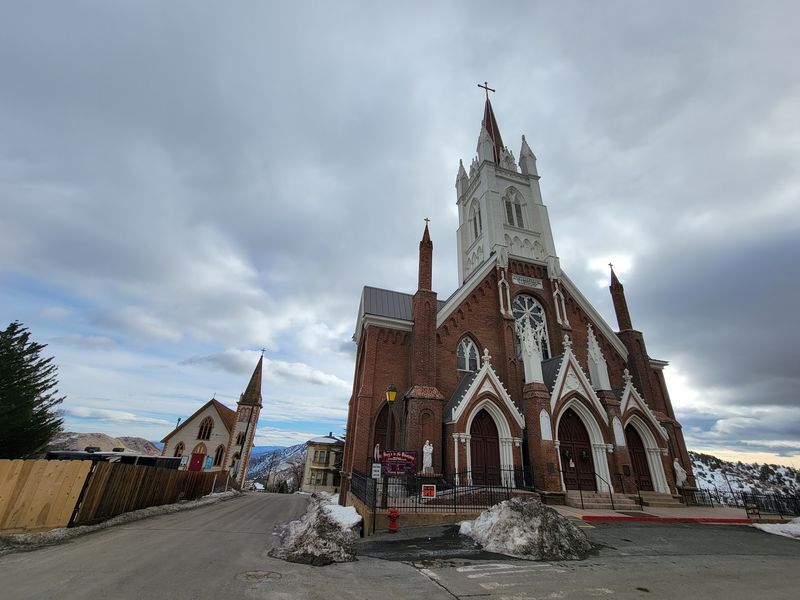
High in the hills southeast of Reno sits a town that never quite let go of the 1800s. Wooden boardwalks still line the main street, Victorian storefronts still stand proud, and the old mining tunnels still run deep beneath your feet.
This is a place where a silver rush built fortunes almost overnight, and where much of that boomtown character has been carefully kept alive for people to explore today. A short drive turns into a full day of poking through museums, touring a real mine, and wandering past buildings that look almost exactly as they did more than a century ago.
Curious what makes this spot such a rewarding escape from modern life? Keep reading, because every corner here has a story worth hearing, and the whole town practically hands them to you.
A Boomtown Perched Above Reno
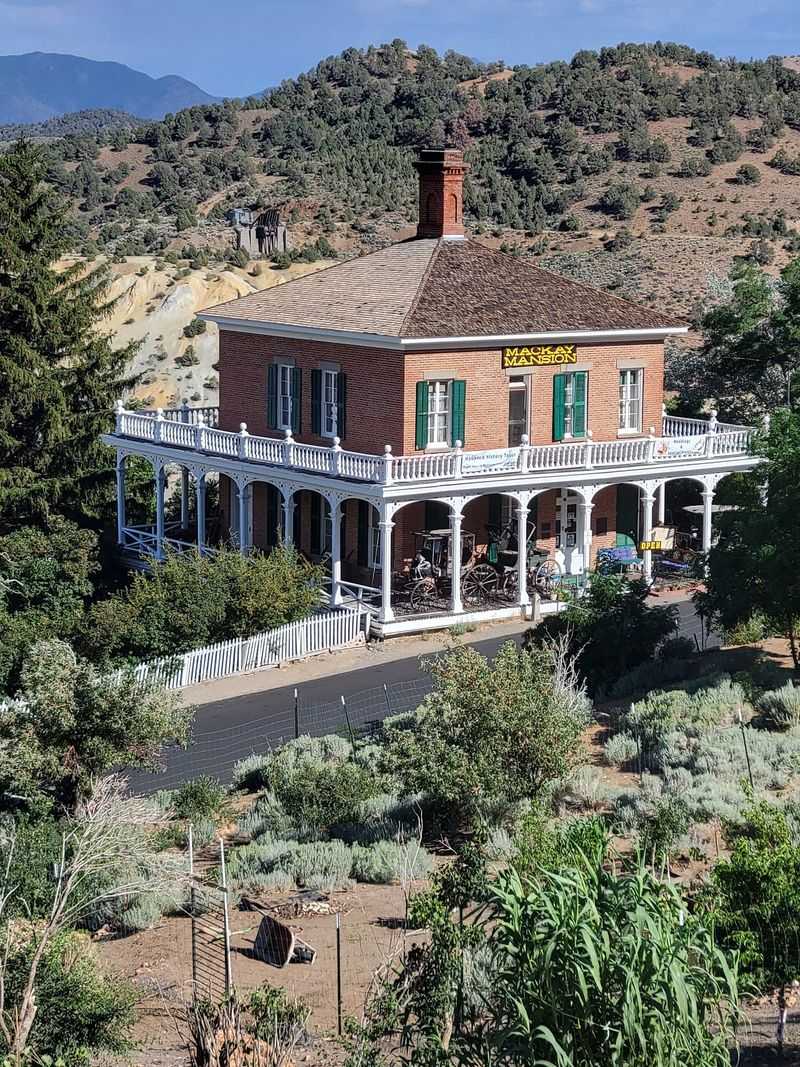
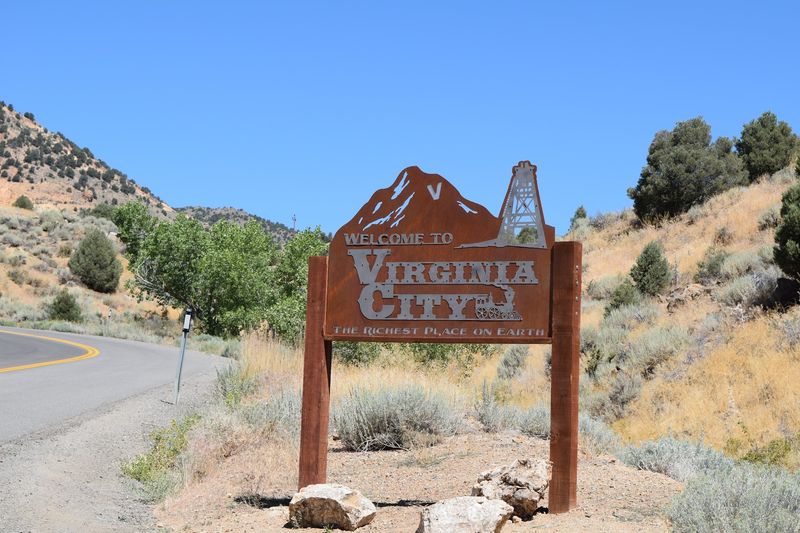
Roughly a half hour southeast of Reno, tucked into the Virginia Range at a lofty elevation, you will find Virginia City, Nevada 89440. The drive up the winding roads sets the tone before you even arrive, climbing away from the valley floor and into hills that once hid one of the richest silver strikes in the country.
The town owes its existence to the Comstock Lode, a massive vein of silver ore discovered in 1859. Almost overnight, a rough camp swelled into a bustling community packed with hopeful miners, merchants, and builders.
What sets it apart from many old mining settlements is how much of the original fabric survived. Rather than crumbling into dust, the Victorian buildings, storefronts, and civic landmarks stayed standing, earning the entire area recognition as a National Historic Landmark District.
Today the town functions as both a living community and an open-air history lesson. You can stroll the main thoroughfare, duck into museums, and peer into buildings that still wear their 19th-century faces.
Few places let you cover so much history in such a compact, walkable footprint, which is exactly why it works so well as a single-day outing.
The Silver Rush That Built It All
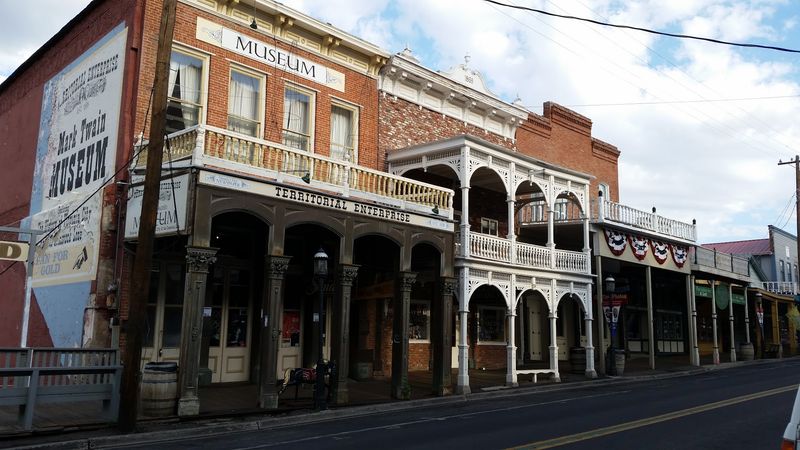
Every wooden facade and brick corner here traces back to one incredible discovery. When the Comstock Lode gave up its silver in 1859, prospectors and fortune seekers poured into the region, and a mining boom reshaped the entire hillside within a matter of years.
Money flowed freely during those flush decades. The wealth pulled from the ground funded grand civic buildings, ornate homes, and a downtown that punched far above the weight of a remote mountain camp.
The mining heritage is not just a footnote you read on a plaque. It is baked into the streets, the architecture, and the attractions that survive to this day, from old shafts to the tools and maps left behind by the people who worked them.
Understanding this backstory changes the way the whole town reads. What might look like a charming collection of old buildings becomes something richer once you know that silver ore, rock drills, and relentless ambition are the reason any of it exists at all.
The boom eventually faded, but the bones of that prosperous era remained, waiting for curious travelers to come explore them.
Victorian Streets Frozen In Time
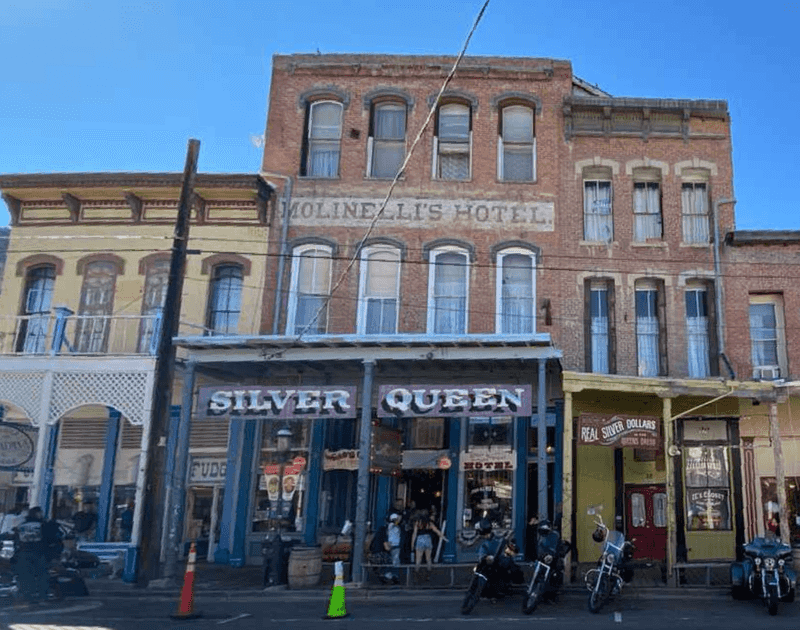
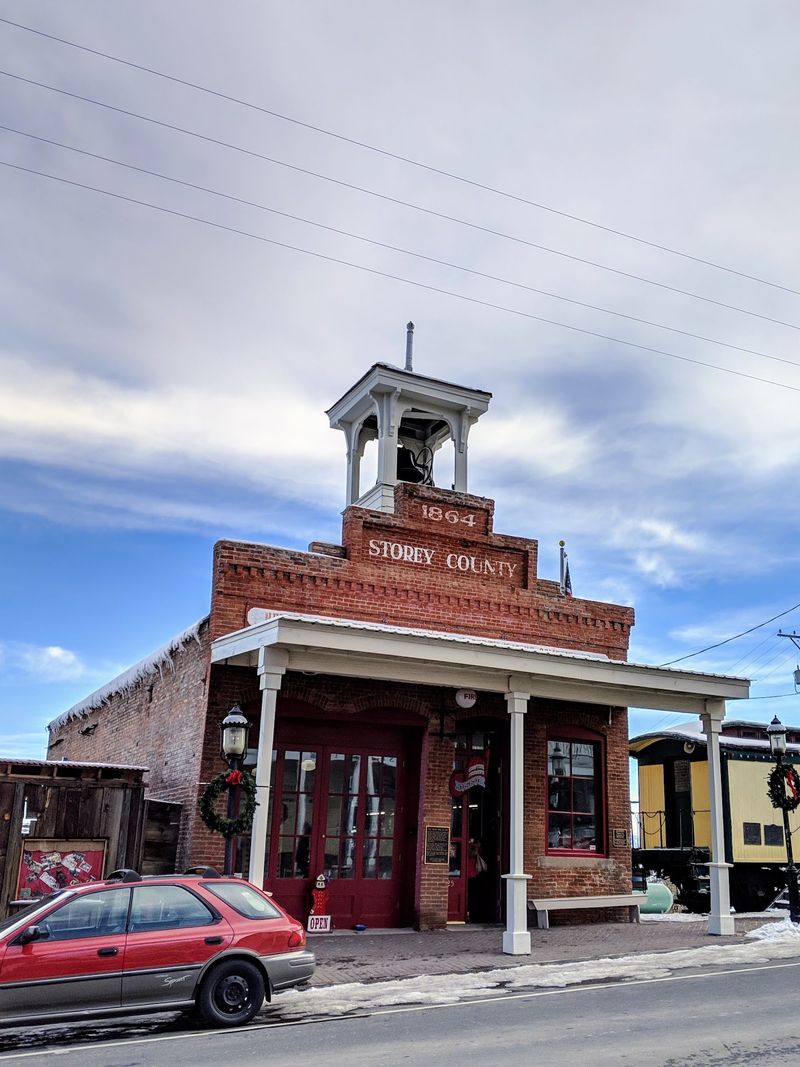
Walk the main stretch and you will notice how faithfully the past has been preserved. Ornate Victorian buildings line the route, their decorative trim, tall windows, and period storefronts giving the whole town a genuinely old-fashioned character.
Wooden boardwalks connect one shopfront to the next, a detail that instantly transports you back to the boom years. The architecture here was built to impress during a time of sudden wealth, and much of that showmanship still comes through in the details.
Because so many original structures remain intact, the setting feels remarkably complete rather than patched together. You get a sense of what an actual thriving mining community looked like, not just a single restored building surrounded by modern development.
The compact layout makes the whole scene easy to take in on foot. You can amble from one end to the other, pausing at buildings that have stood for well over a century, and slowly piece together how the town once operated.
It is the kind of place where slowing down pays off, since the charm lives in the small architectural flourishes that reward a second look.
The Reportedly Haunted Washoe Club
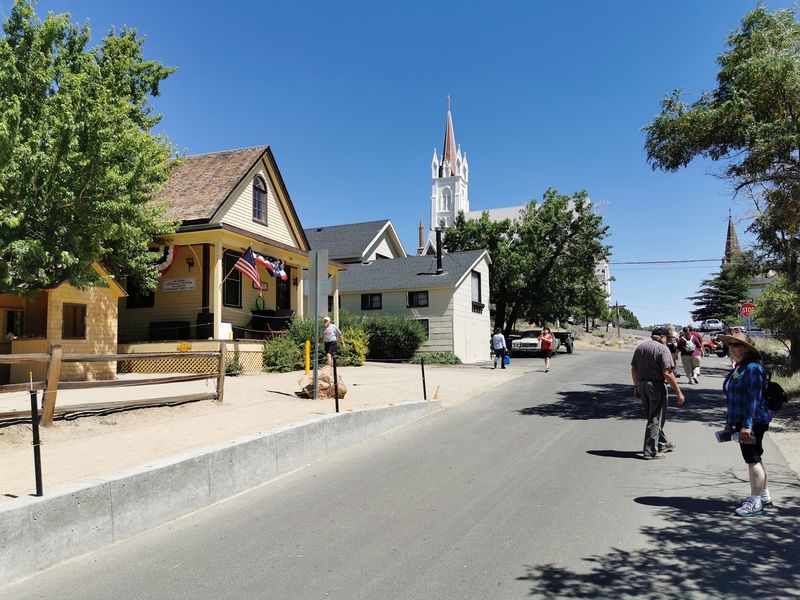
Ghost hunters and history buffs alike make a beeline for the Washoe Club. This landmark carries a reputation as one of the reportedly haunted spots in town, and that spooky legend has become part of its enduring appeal.
The building dates back to the town’s prosperous heyday, when it served as a gathering place for the community. Its long history and atmospheric interior have fueled countless stories over the years, giving it a mystique that draws the curious.
For travelers who enjoy a touch of the mysterious, a stop here adds a different flavor to the day. It is one thing to admire old architecture, and quite another to stand inside a place wrapped in tales of the unexplained.
Even setting the ghostly reputation aside, the Washoe Club stands as a tangible link to the social life of a bygone era. It represents the kind of establishment that helped a rough mining camp feel like a real town.
Whether you buy into the hauntings or simply appreciate the history, the club remains one of the more talked-about landmarks along the street, and it rarely disappoints those seeking a memorable stop.
Grand Performances At Piper’s Opera House
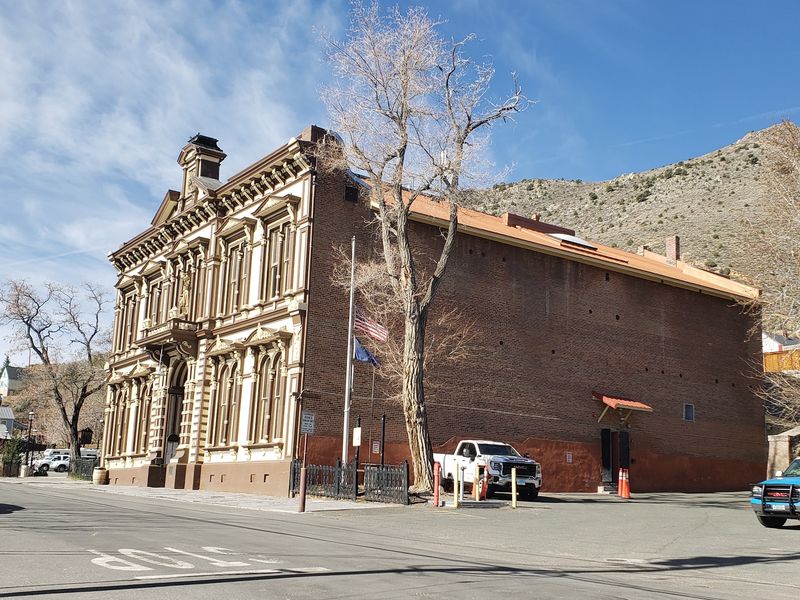
Culture had a home even in this remote mining town, and Piper’s Opera House is the proof. Stately and dignified, this landmark reflects the ambitions of a community flush with silver money and eager for entertainment fit for the era.
The opera house speaks to a side of the boom years that is easy to overlook. Beyond the grit of mining, residents wanted grand performances and social occasions, and a venue like this delivered exactly that kind of refined experience.
Its handsome presence along the streetscape makes it a standout among the town’s collection of historic buildings. The structure carries a sense of formality that contrasts nicely with the rougher edges of a mining settlement.
Stopping by offers a window into how the well-to-do of the period spent their leisure time. It is a reminder that this was not merely a place of hard labor, but a full community with cultural aspirations to match its sudden fortune.
For anyone piecing together the story of the town, the opera house adds an elegant chapter that rounds out the picture of frontier life during its most prosperous days.
Mining Artifacts At The Way It Was Museum
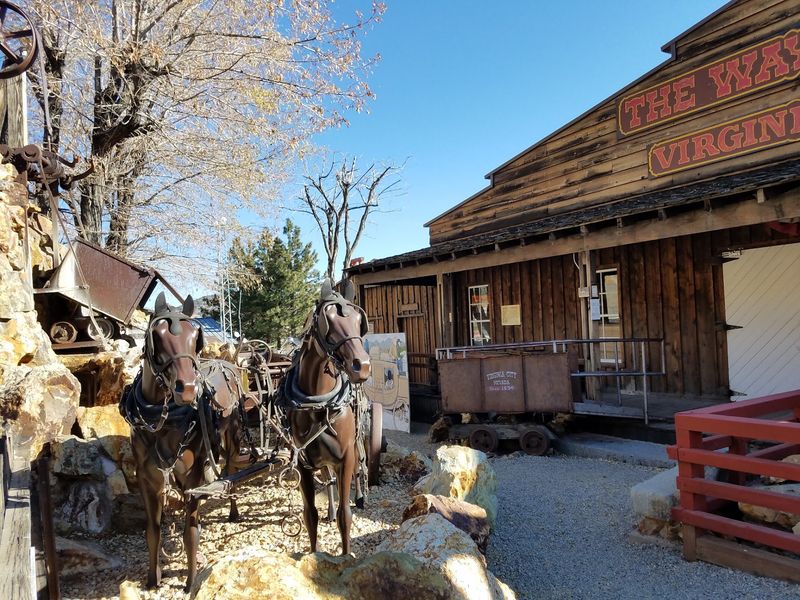
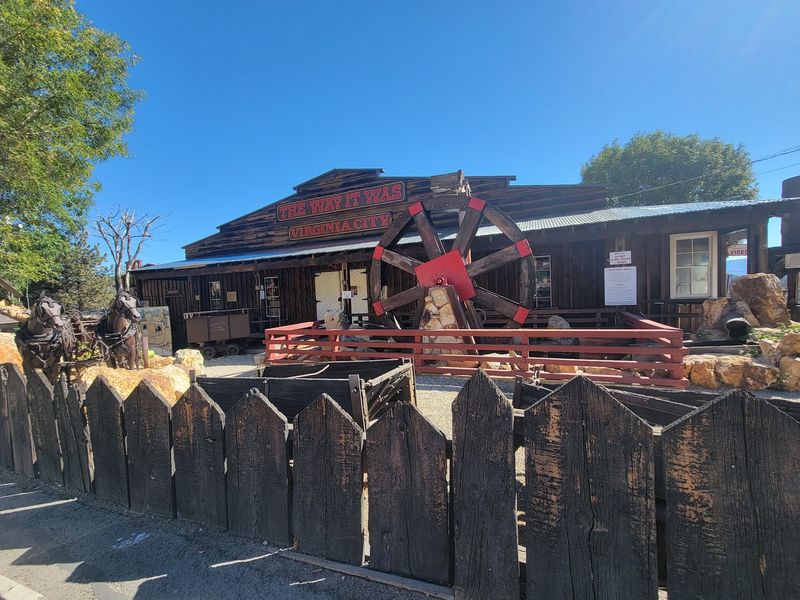
To really grasp how this town functioned, a visit to The Way It Was Museum earns its place on the itinerary. The collections here center on mining artifacts and maps, offering a hands-on look at the industry that gave the town its name and its wealth.
Maps trace the sprawling network of tunnels and claims that honeycombed the hills. Alongside them, artifacts from the working days help fill in the daily reality of life in a silver boomtown.
The museum does a fine job of turning abstract history into something concrete. Rather than simply reading that the area was a mining hub, you can examine the actual objects and documents that made it run.
It is an especially useful early stop, since the context it provides deepens everything else you encounter around town. Once you have seen the tools and studied the maps, the old buildings and mine entrances take on far more meaning.
History enthusiasts and casual travelers alike tend to walk away with a clearer appreciation for just how enormous and organized the mining operation truly was during its peak.
An 1876 Classroom At Fourth Ward School
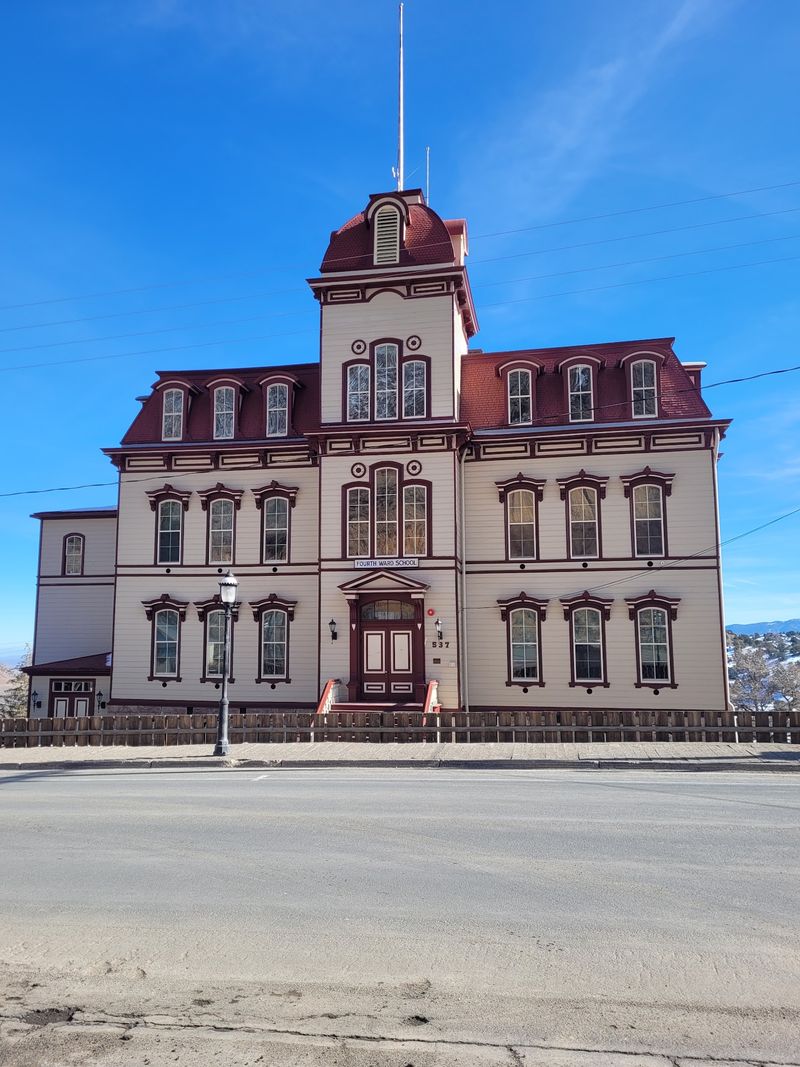
History comes to life in an unexpected way at the Fourth Ward School Museum. Inside, an 1876 classroom has been preserved, giving visitors a genuine look at how education worked during the town’s booming years.
Beyond that single restored room, the museum features history displays that broaden the story of the community. It covers the everyday side of life, the kind of details that mining exhibits alone tend to leave out.
The 1876 classroom is a real highlight for families and anyone drawn to social history. Seeing where children once learned their lessons adds a human dimension to a town so often defined by silver and industry.
The building itself is a notable piece of the town’s architectural legacy, standing as a substantial structure from the period. Between the preserved classroom and the surrounding exhibits, it offers a thoughtful counterpoint to the mining-focused attractions elsewhere.
Anyone hoping to understand what daily life felt like for ordinary residents will find this stop especially rewarding, and it fits naturally into a day spent exploring the town’s many layers of history.
Going Underground At Chollar Mine
For a taste of the real thing, few experiences top a look at the Chollar Mine. Silver ore and rock drills number among the exhibits here, putting you face to face with the equipment and materials that defined the town’s fortunes.
The rock drills on display tell their own story of the demanding work involved in pulling riches from solid rock. Paired with samples of silver ore, they make the mining process feel immediate and real rather than distant history.
Getting a firsthand look at a mine setting rounds out the day in a way that no amount of reading can match. It connects the dots between the grand buildings above ground and the labor that funded them below.
This attraction tends to resonate with visitors who want something more tangible than a museum case. Standing near the actual tools of the trade drives home the scale and difficulty of the operation that built Virginia City.
It is a fitting stop for anyone eager to understand not just what the town became, but how the wealth was physically wrestled from the earth in the first place.
Who The Town Suits Best
Certain travelers will feel right at home wandering these preserved streets. History lovers get an unusually complete boomtown to explore, while families find a compact, walkable destination packed with museums and hands-on stops.
The variety of attractions is part of what makes the town so flexible. Someone chasing ghost legends at the Washoe Club can share the same day trip with a companion who would rather study mining maps or admire Victorian architecture.
Because everything sits close together, you can tailor the pace to your group. Cover a lot in a few hours, or slow down and dig deep into each landmark, depending on what interests you most.
The town also suits anyone looking for an easy escape from Reno without a long journey. A short drive delivers a completely different atmosphere, trading the modern city for a setting steeped in the 1800s.
Curious day trippers, road trip stoppers, and anyone with a soft spot for the Old West all tend to find something worthwhile here, which is a big part of why the town has stayed such a popular outing.
Planning Your Day Trip
Reaching the town is refreshingly simple, which is a big reason it works so well as a day trip. Located southeast of Reno in Nevada, it sits within an easy drive of the city, making it a natural choice for a half-day or full-day outing.
Once you arrive, the compact and walkable layout does most of the work. You can park and explore the main attractions on foot, moving from museums to landmarks without much hassle.
A sensible plan is to start with a museum for context, then branch out to the buildings and mine that bring the history to life. The Way It Was Museum, Fourth Ward School Museum, Piper’s Opera House, the Washoe Club, and Chollar Mine can all fit comfortably into a single visit.
Give yourself enough time to slow down and soak in the details, since rushing would waste the town’s greatest strength, its lived-in sense of history. With a short drive from Reno and a cluster of worthwhile stops waiting at the top, it stands out as one of the more satisfying and low-stress excursions in the region.
Enjoyed this story?
Add Fast Food Club as a preferred source to see more of our reporting on Google.