



Tucked into the folds of Southwest Virginia, there is a town where the cost of daily living stays low without asking anyone to give up comfort. It sits along a busy interstate, yet the pace feels unhurried, framed by the rolling shoulders of the southern Appalachian Mountains.
Retirees keep discovering that a modest budget stretches further here than it does in flashier corners of the country. The county seat status brings services and a steady civic heartbeat, while the mountain backdrop adds scenery that never shows up on a bill.
What makes this place work for people on fixed incomes is a mix of geography, affordability, and small-town roots that reach back to the Revolutionary War. Keep reading to learn where it is, how it earned its name, and why it keeps landing on the radar of people looking to live well for less.
Where This Mountain Town Sits On The Map
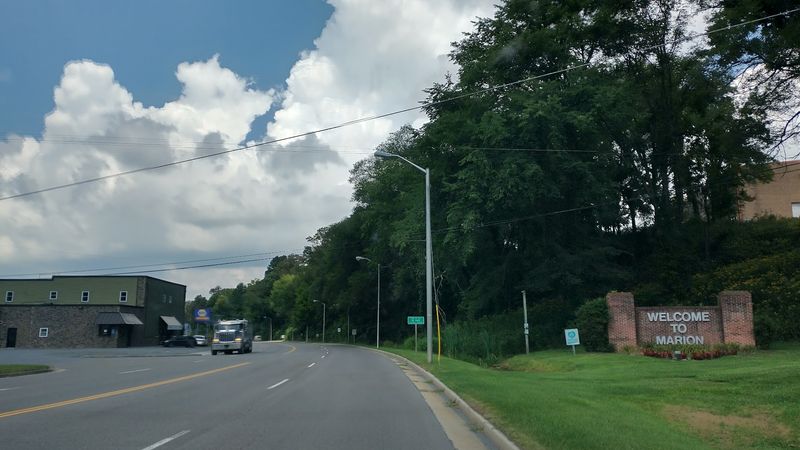
Marion is the town that keeps coming up in conversations about affordable retirement, and it rests within the ZIP code Virginia 24354. It serves as the county seat of Smyth County, which gives it a role bigger than its size might suggest.
The town is positioned upon Interstate 81, so getting in and out never turns into a chore. That highway access matters for people who want easy trips to larger cities without living in one.
Geographically, Marion falls within the Blue Ridge portion of the southern Appalachian Mountains in Southwest Virginia. The elevation and the surrounding ridges shape the climate and the views in equal measure.
Being the seat of Smyth County means the courthouse, county offices, and a range of everyday services cluster here. For retirees, that concentration of practical resources is a quiet convenience that pays off week after week.
You can learn more through the town’s official site at marionva.org, which acts as a front door for residents and newcomers alike. The combination of interstate access, county-seat services, and a mountain setting explains why the town lands on so many shortlists.
The Revolutionary War Namesake Behind The Sign

Names carry stories, and this one traces straight back to the founding era of the country. The town was named for Francis Marion, an American Revolutionary War officer whose reputation followed him into history books.
Honoring a military figure from that period was a common practice as towns took shape across the young nation. Carrying his name gives Marion a connection to a chapter of American history that predates most of the buildings here.
For a town in the southern Appalachians, that link to the Revolution adds a layer of identity beyond its mountain scenery. It roots the place in something older than the interstate that now runs alongside it.
Retirees who enjoy local history often appreciate living somewhere with a namesake worth looking up. The story behind the sign becomes a small point of pride and an easy conversation starter with visitors.
History like this rarely announces itself loudly, yet it shapes how a community sees itself. The name is a daily reminder that even a quiet county seat can hold a thread of the nation’s earliest years.
Why The Budget Goes Further Here
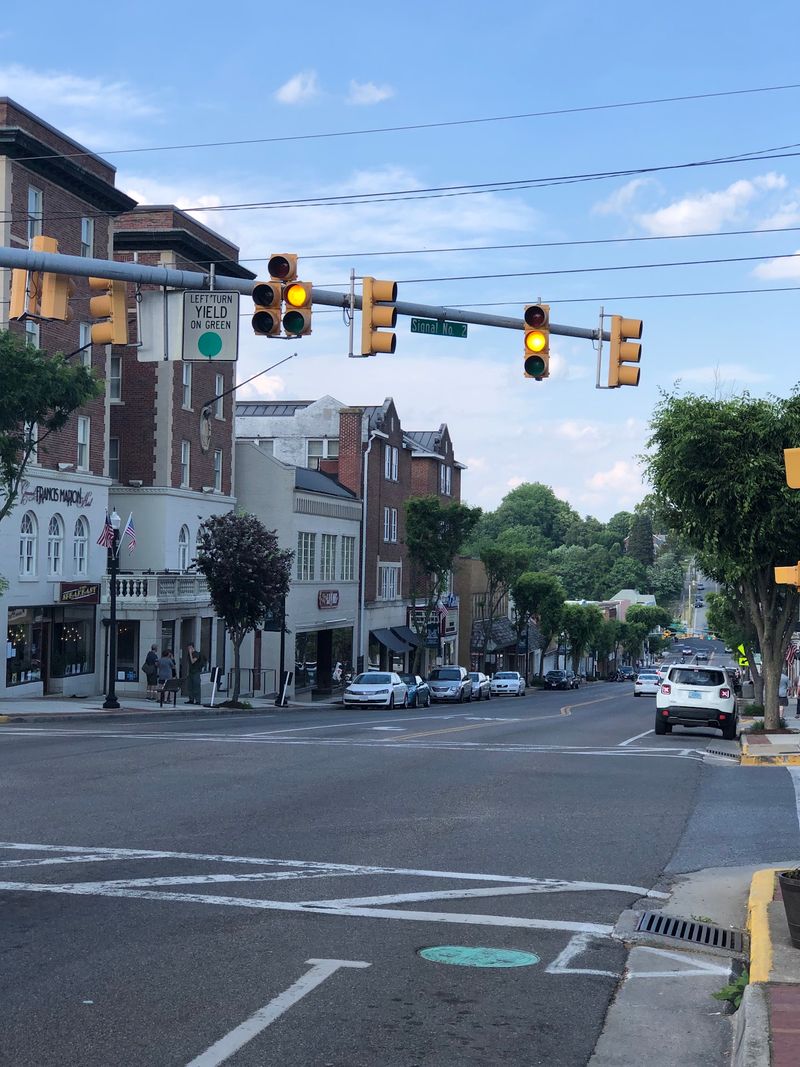
Affordability is the headline that draws people in, and it holds up on closer inspection. Living in a smaller Southwest Virginia town generally means lower everyday costs than you would find in a big metro area or a coastal resort community.
Retirees on fixed incomes feel that difference most in the essentials. A dollar stretched across housing, groceries, and local services simply covers more ground in a town this size.
The county-seat setting helps too, since core services are close by rather than a long drive away. Fewer miles and fewer premium price tags add up over a year of ordinary living.
Part of the appeal is that comfort does not require a splurge here. The scenery, the mountain air, and the slower rhythm come at no extra charge, which is a rare pairing.
People who move here often mention how surprising the value feels once they settle in. For anyone building a retirement plan around careful spending, that kind of everyday breathing room is exactly the point.
Mountain Scenery Without The Mountain Price
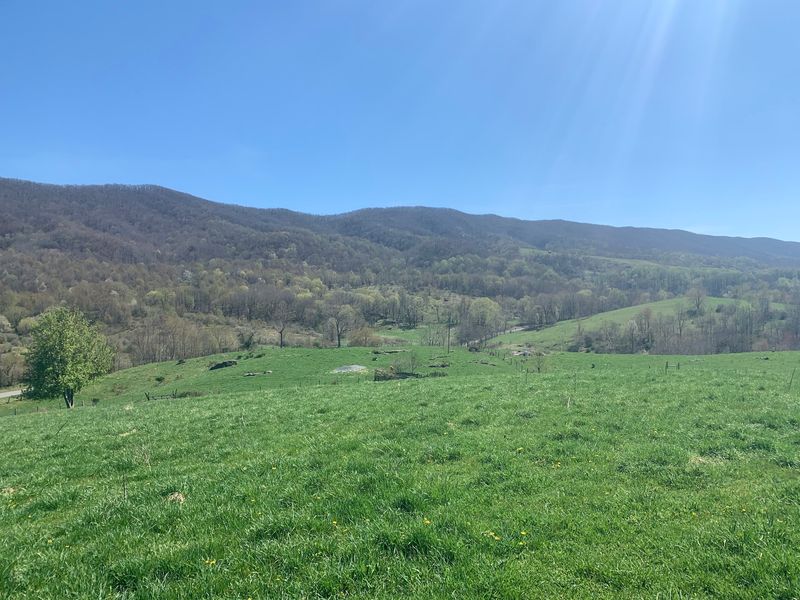
Views tend to cost extra in most places, but the Blue Ridge backdrop here comes standard. The town sits within the southern Appalachian Mountains, so ridgelines and forested slopes frame the everyday routine.
Living inside that landscape means the outdoors is never far. The natural setting shapes the seasons, the light, and the general feel of the place across the year.
For retirees who value time outside, the mountain surroundings offer a steady source of enjoyment that asks nothing in return. Scenery this constant becomes part of the reason people stay.
The Blue Ridge portion of the Appalachians is known across the region for its rolling, layered terrain. Having that terrain as a permanent neighbor gives the town a sense of place that flat towns cannot copy.
What makes it work for a small budget is simple: the best part of the setting is free to look at. A comfortable retirement here leans on the mountains as much as on the numbers.
Easy Access Thanks To Interstate 81
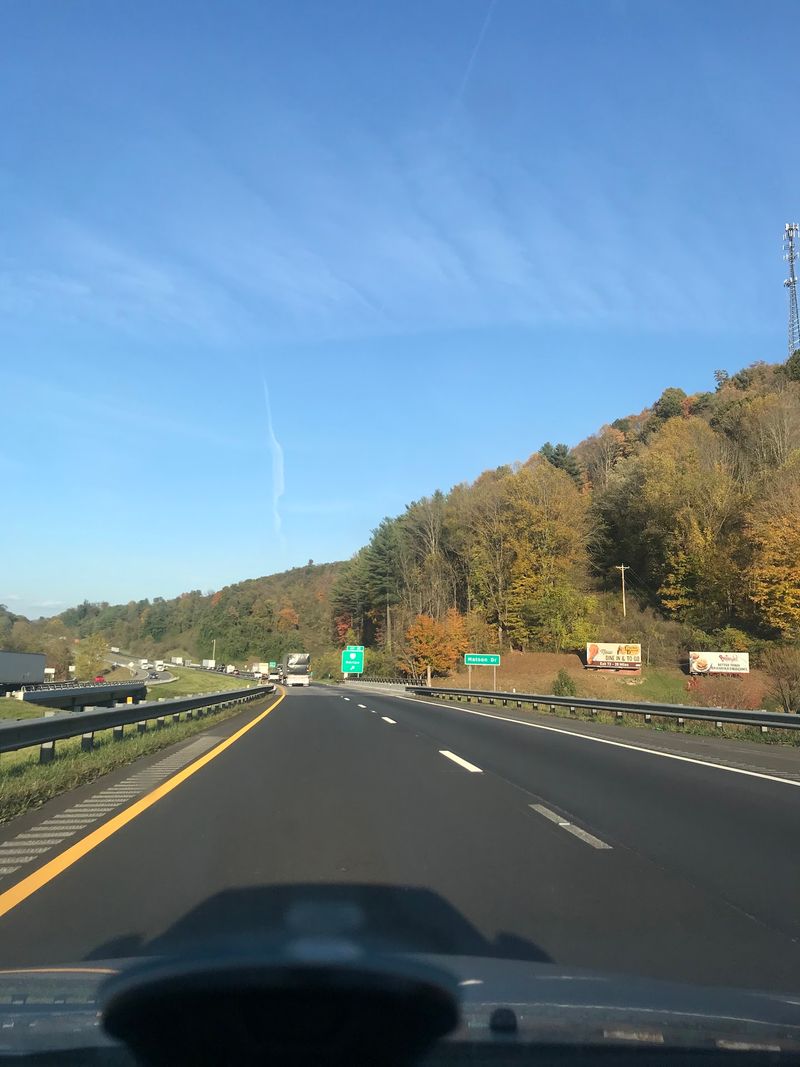
Getting around is half the battle for anyone choosing a retirement town, and this one solves it neatly. Marion sits directly on Interstate 81, one of the main north-south routes through the Appalachian region.
That placement turns longer trips into manageable outings. Whether the goal is a bigger city, an airport, or a visit with family, the highway shortens the distance.
Retirees often want the quiet of a small town without feeling stranded, and interstate access threads that needle. The road is close enough for convenience yet the town itself keeps its calm.
Freight, family visits, and day trips all benefit from the same stretch of highway. It is the kind of infrastructure that quietly raises quality of life without anyone thinking about it much.
Convenience like this is easy to overlook until you live somewhere that lacks it. For a mountain town, being right on I-81 is a genuine advantage worth counting.
The Perks Of Living In A County Seat

County seats tend to punch above their weight, and Marion is a clear example. As the seat of Smyth County, it holds the courthouse and a cluster of county offices that serve the surrounding area.
For residents, that means many essential errands can be handled close to home. Government services, records, and civic functions all gather in one central spot.
Retirees especially benefit from having practical resources within easy reach. Fewer long drives for routine matters translates into less hassle and lower travel costs.
The county-seat role also lends the town a steady civic identity. There is a reliable rhythm to a place that anchors an entire county’s business.
Beyond the paperwork, being a hub tends to keep a town connected and active. That built-in importance helps a small community stay relevant and well served over the long haul.
The Slow, Settled Rhythm Of Small-Town Life
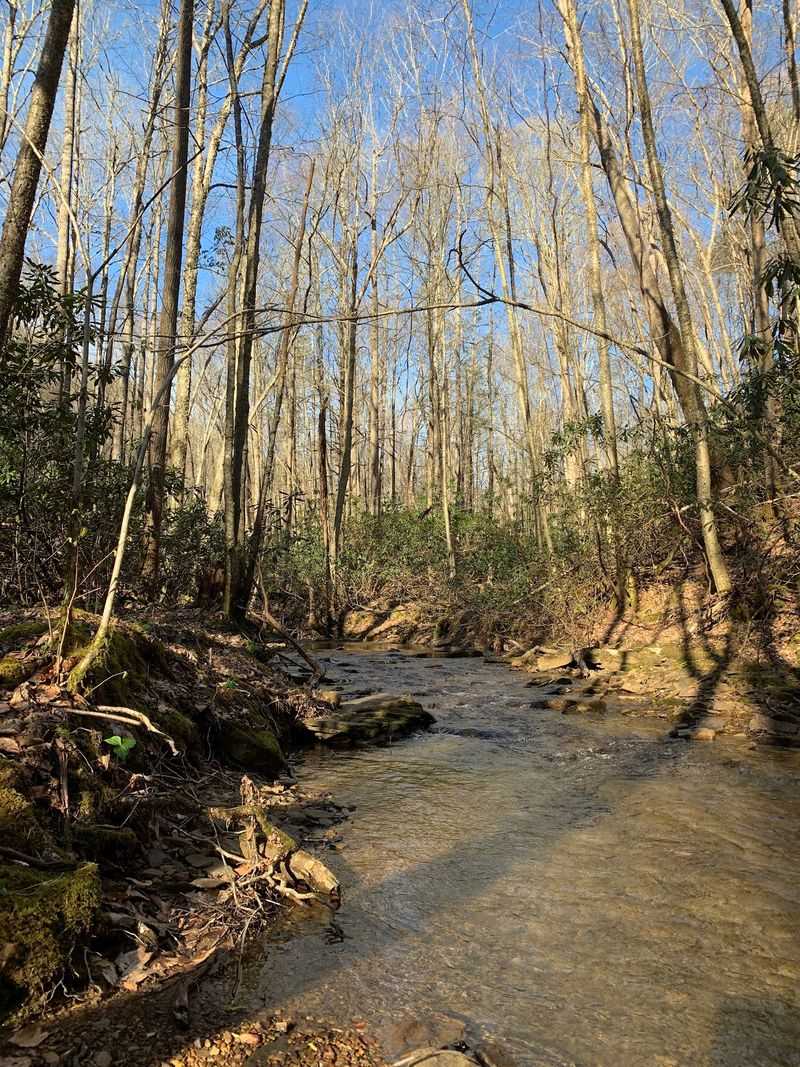
Pace is often the deciding factor in where people choose to retire, and the atmosphere here leans calm. A small county-seat town in the mountains carries a rhythm that feels settled rather than rushed.
Days move at a comfortable clip, shaped more by the seasons than by traffic. That unhurried tempo appeals to anyone stepping away from a demanding work life.
The mountain setting reinforces the mood, keeping the surroundings quiet and grounded. There is room here to breathe without the noise of a larger city pressing in.
Community feels close in a town this size, where familiar faces become part of the routine. That sense of belonging is one of the intangible rewards of small-town living.
For retirees seeking peace over pressure, the everyday tempo is a strong selling point. It is the sort of place where slowing down feels like the natural order rather than a sacrifice.
Who Fits Right In Here
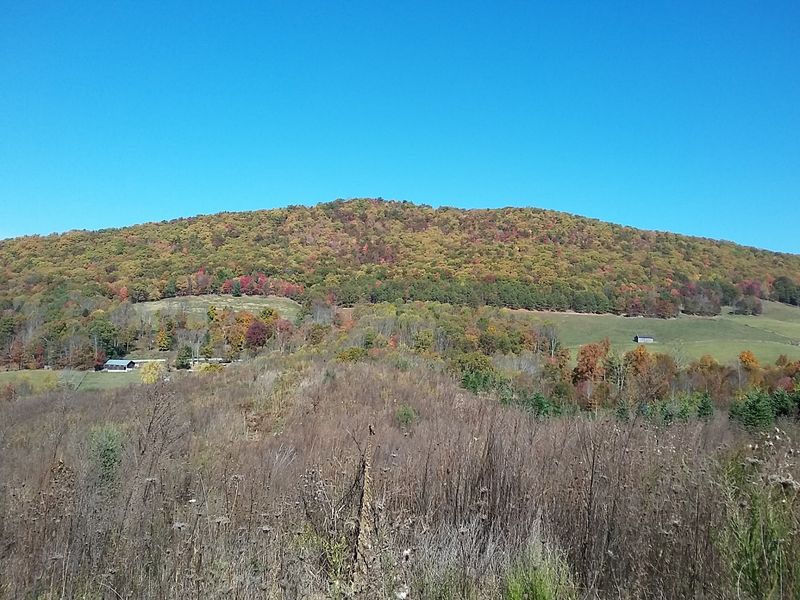
Not every town suits every retiree, so it helps to picture who thrives in this one. People who value affordability, quiet, and mountain surroundings tend to feel at home in Marion quickly.
The profile fits anyone stretching a fixed income while still wanting daily comfort. Lower costs paired with a scenic setting make that balance realistic here.
Those who enjoy being near the outdoors find plenty to appreciate in the Blue Ridge location. The southern Appalachians provide a natural playground right outside the door.
Practical-minded folks also gain from the county-seat services and interstate access. Convenience without big-city expense is a combination that suits careful planners.
Someone chasing nightlife or a fast urban scene might look elsewhere, and that is fair. But for retirees who want a peaceful, budget-friendly base in the mountains, this town checks the important boxes.
A Quiet Winner For The Budget-Minded
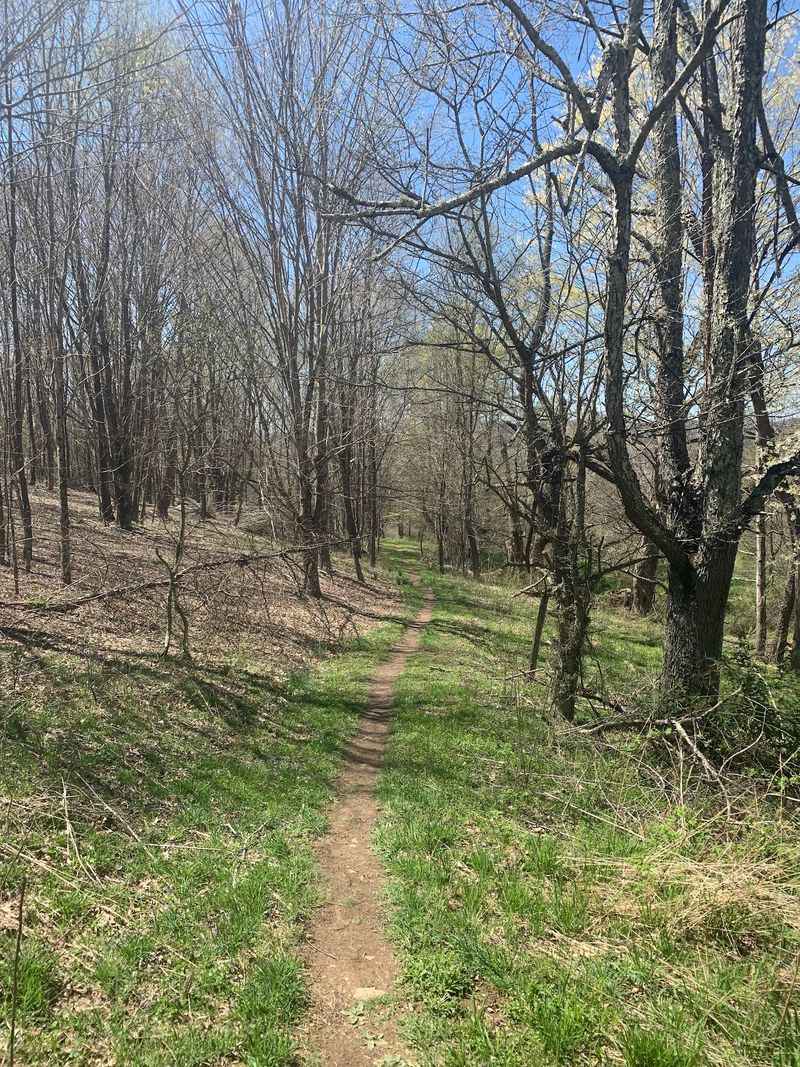
Adding it all up, this Southwest Virginia town makes a strong case for anyone weighing comfort against cost. Marion pairs a low cost of daily living with a mountain setting that never sends a bill.
Its place on Interstate 81 keeps the wider world within reach, while its role as the Smyth County seat keeps services close. Those two features together solve a lot of everyday retirement puzzles.
The Blue Ridge backdrop and the settled small-town pace round out the appeal. Scenery and calm come built in, which is not something money can always buy elsewhere.
The town’s name nods to Revolutionary War officer Francis Marion, a reminder that history runs deep here too. That heritage adds character to a place already rich in practical advantages.
For retirees hunting for a spot where a modest budget still buys a comfortable life, this mountain town deserves a serious look. More details wait at marionva.org for anyone ready to explore further.
Enjoyed this story?
Add Fast Food Club as a preferred source to see more of our reporting on Google.