


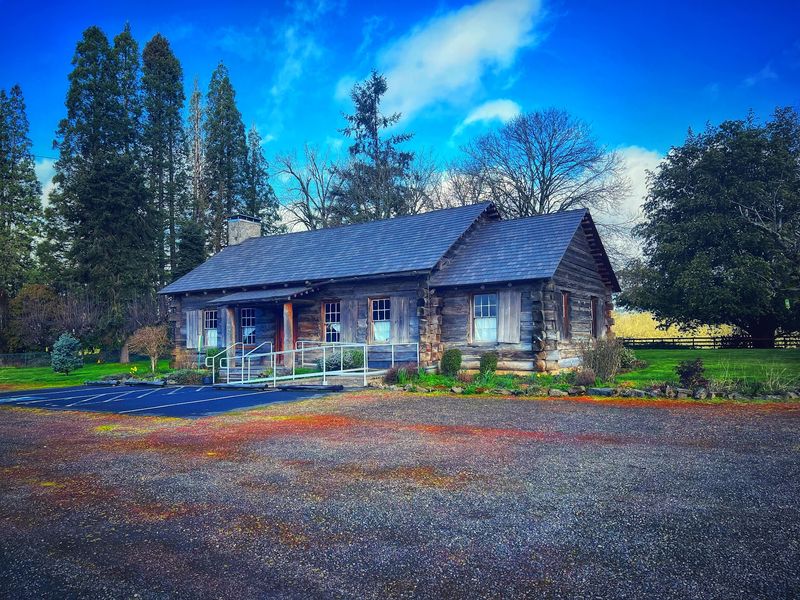
Tucked into the quiet farmland of Oregon’s Willamette Valley sits a cluster of old buildings where the state’s earliest chapters still stand upright and cared for. Kids wash laundry on a scrub board, dip their own candles, and scribble on slates inside a one-room schoolhouse, all guided by volunteers who make the past feel surprisingly alive.
Weddings unfold on the lawn, October brings a spooky evening tour, and history lovers linger over photographs and everyday objects that once belonged to Oregon pioneers. The place has earned a near-perfect reputation, and it pairs beautifully with a stop at nearby Champoeg.
Keep reading to learn where it is, what makes each corner worth your time, and how to plan a visit that fits your weekend.
Where To Find This Slice Of Old Oregon
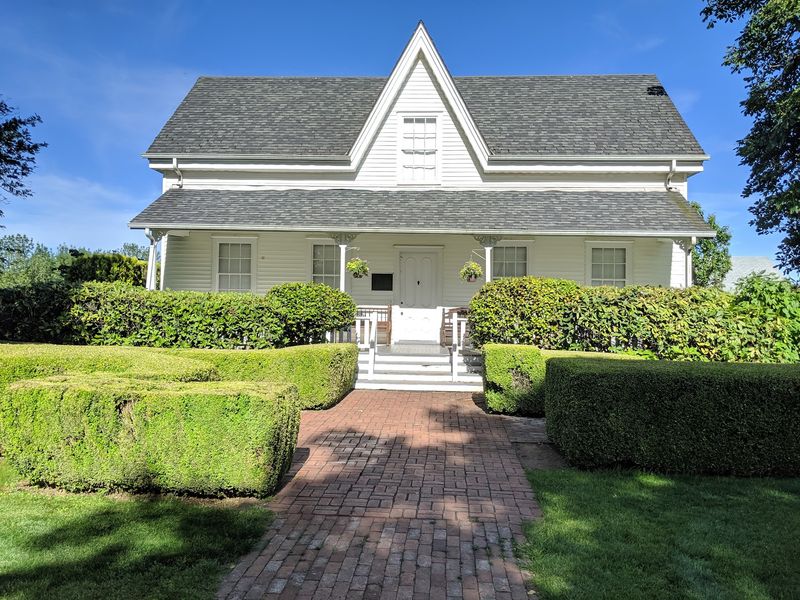
Set at 8089 Champoeg Rd NE in St Paul, Oregon, Newell Pioneer Village occupies a peaceful stretch of the Willamette Valley that feels far removed from busy highways. The address puts it within easy reach of the Champoeg area, making the two an easy pairing for a single outing.
The village is a history museum built around genuinely old buildings, not modern replicas dressed up to look aged. That authenticity is a big part of why people keep recommending it.
Rolling farmland surrounds the property, and the setting itself does a lot of the storytelling before you even step inside a single structure. Green gardens and flowers fill the grounds during the warmer months.
Because it sits in a rural pocket of Marion County, a little planning helps. There is no sprawling commercial strip nearby, which keeps the atmosphere calm and focused on the history at hand.
Anyone mapping out a valley history day will find this a natural anchor point. It rewards travelers who like their landmarks quiet, personal, and rooted in a specific place rather than polished for crowds.
The Story Behind The Preserved Buildings
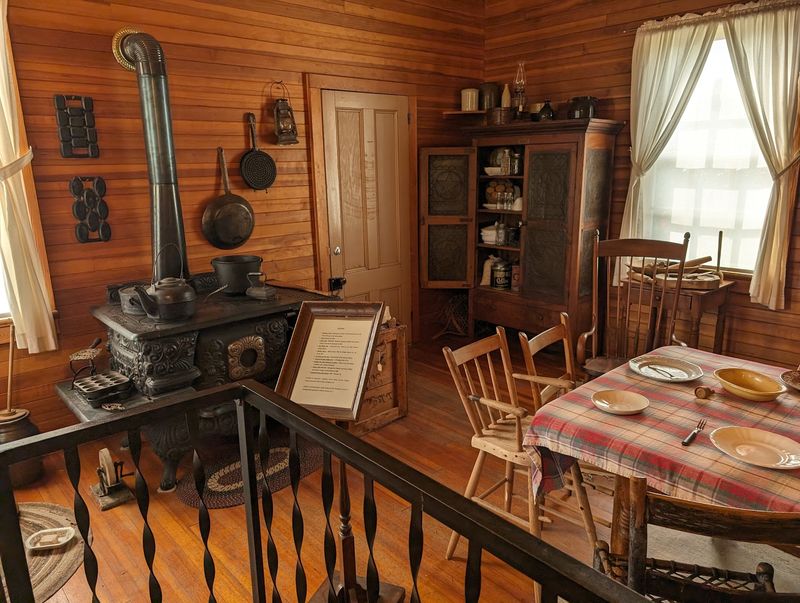
Oregon history runs deep across this property, and the collection of structures reflects the everyday lives of the people who settled the valley generations ago. The buildings are old in the honest sense, weathered by time yet kept in careful condition by the people who tend them.
What makes the story land is the way it is told. Volunteers connect small details to bigger meaning, explaining, for instance, why historic homes often have such low doorknobs.
The answer is charmingly practical. Children handled chores and needed to open doors on their own, so the hardware sat within their reach rather than an adult’s.
Little revelations like that turn a simple walk into a genuine lesson. The site is described as thoughtfully curated, with pieces true to the property rather than random antiques gathered for effect.
History fans consistently praise how much there is to absorb, noting you need real time to read and take it all in. Rushing through would sell the place short.
For anyone who enjoys learning how ordinary families lived, worked, and raised their kids on the Oregon frontier, the narrative here feels both specific and satisfying.
A Peaceful Setting Wrapped In Gardens
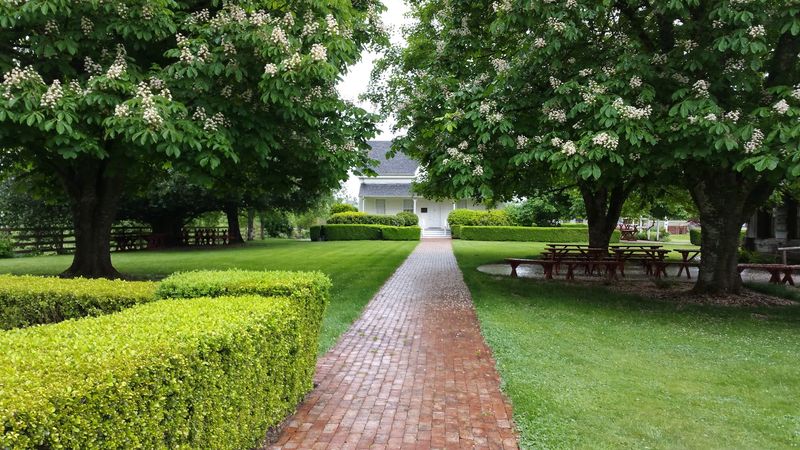
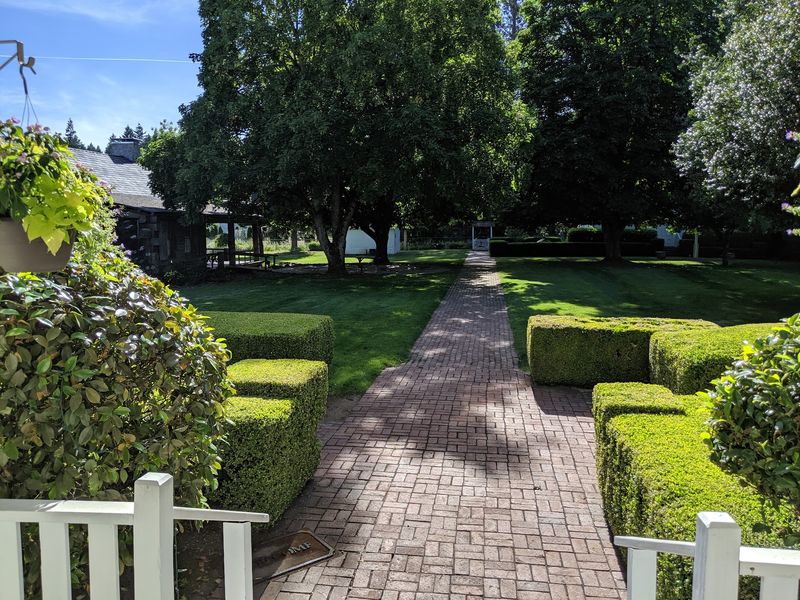
Green gardens and flowers spill across the grounds, and the setting alone earns a good chunk of the praise this place receives. The property is repeatedly called stunning and peaceful, with the landscape doing plenty of quiet work.
Views of the surrounding valley frame the historic structures, so history and scenery share the stage. That combination is a big reason the location works so well for photographs.
Nicely kept historical pieces sit among the plantings, staying true to the property rather than feeling staged. The overall effect is a tidy, cared-for space that invites slow wandering.
People often mention what a nice area it is, and the calm rural backdrop reinforces that impression. There is no rush and no noise competing for attention.
Warmer months naturally show the gardens at their fullest, when the flowers and greenery frame the buildings most generously. It is a place that rewards a relaxed pace.
Travelers who appreciate a landmark that looks after its grounds as carefully as its collections will feel right at home. The scenery and the history reinforce each other instead of competing.
Hands-On History For Field Trips
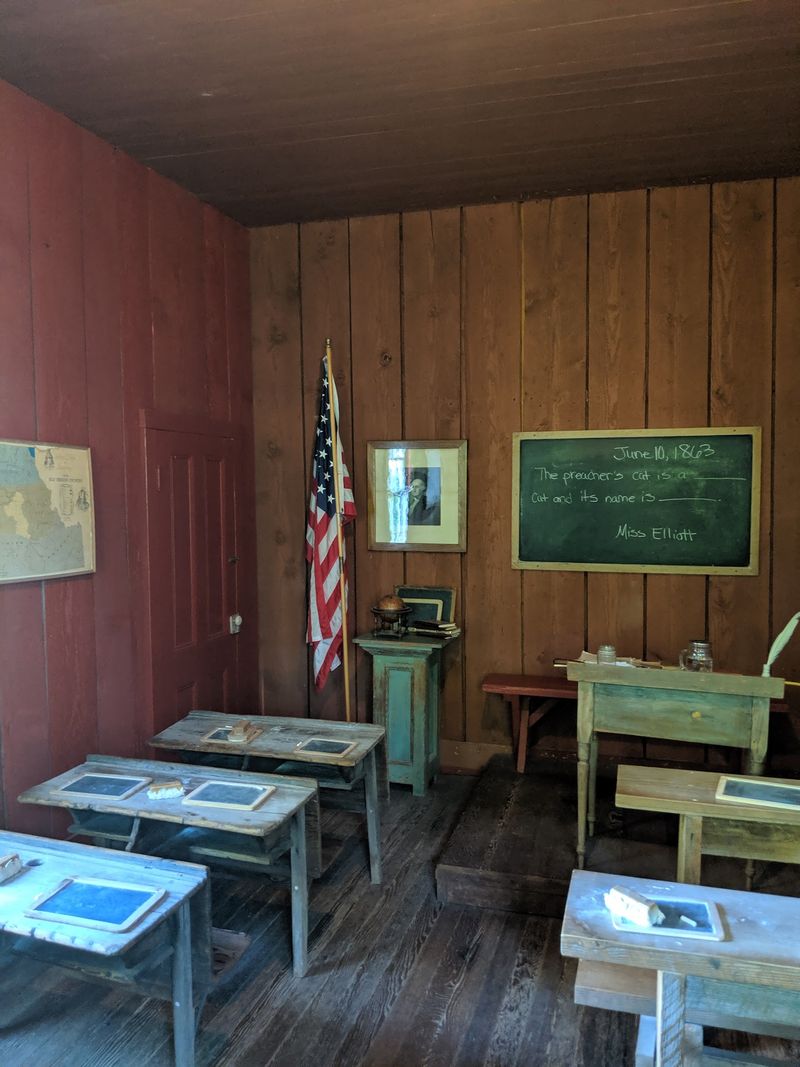
School groups adore this village, and field trips come up more than any other topic among the people who visit. Classes rave about how much fun the learning turns out to be, which is no small feat.
Kids get to do things, not just look. Making candles, washing laundry on a scrub board, and sitting inside a one-room schoolhouse complete with slates all give young students a real feel for daily pioneer chores.
The people running the programs earn steady applause for holding attention across a wide age range. One group marveled that the staff kept children from toddlers up to teenagers fully engaged.
That range is genuinely difficult, and pulling it off says a lot about how the activities are designed. Home-school groups mention the same warmth and effort.
Volunteers go out of their way to make the day enjoyable, and classes leave already planning a return. The educational value clearly sticks with the young participants.
Teachers and group leaders searching for an Oregon history outing that mixes real artifacts with hands-on tasks will find this a strong, reliable choice for students.
The One-Room Schoolhouse Experience
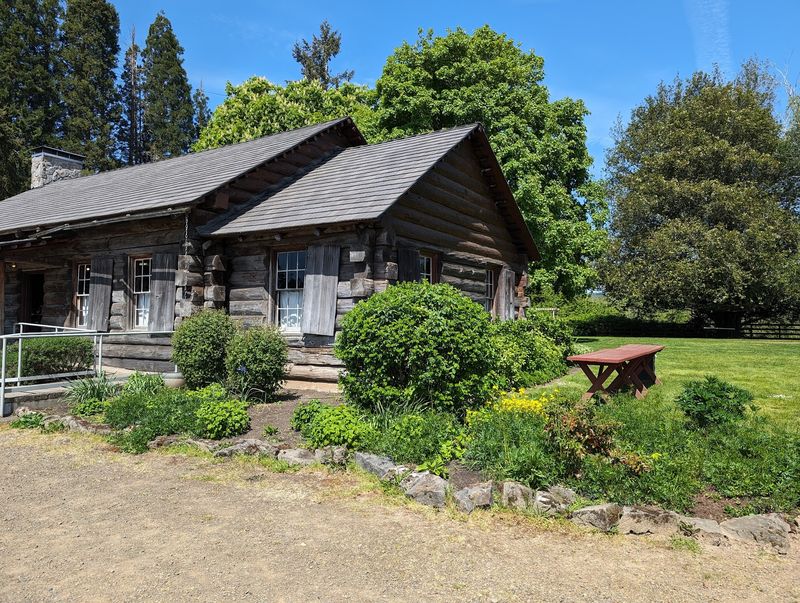
Slates, wooden desks, and the simple layout of a single classroom bring frontier education to life inside the village’s one-room schoolhouse. Students who visit get to experience what learning looked like long before modern classrooms.
Classes describe sitting in the schoolhouse as a highlight of their trip, complete with the old slates children once used to practice their lessons. It is a tangible link to how earlier generations of Oregon kids spent their days.
The setup helps young visitors picture a time when one teacher handled every grade in a single room. That contrast with today’s schools tends to spark plenty of curiosity.
Pairing the schoolhouse with the other chore-based activities gives students a rounded picture of pioneer childhood. Learning and daily work were closely tied together back then.
Because the space is authentic, it carries a weight that a modern imitation could not match. The details feel earned rather than invented.
For families and educators who want history that a child can actually sit inside and understand, the schoolhouse stands out as one of the village’s most memorable stops.
Docents Who Bring The Past To Life
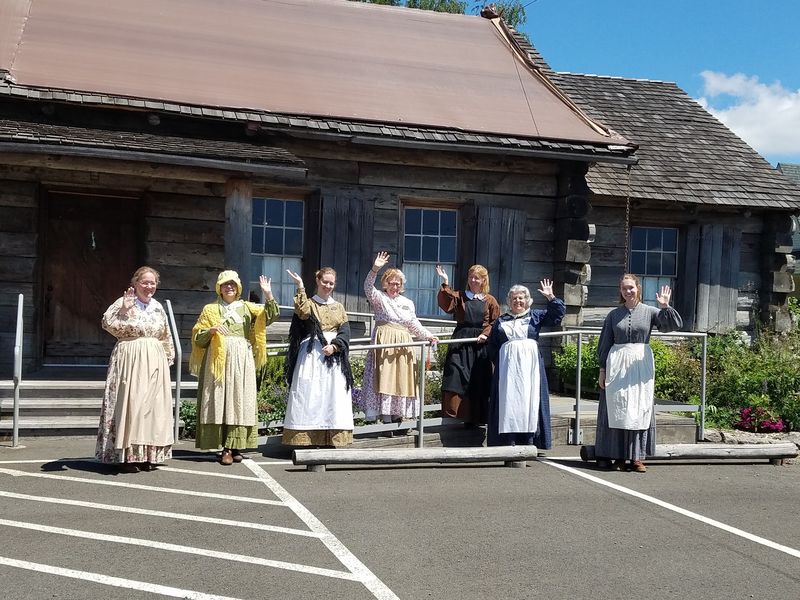
Knowledgeable, welcoming, and endlessly patient, the docents and volunteers here shape the entire visit. The women who run and staff the museum draw praise again and again for how they share the history.
They are described as both creative and warm, willing to answer a steady stream of questions without missing a beat. Curious visitors report leaving having learned far more than they expected.
Their storytelling turns facts into memorable moments, connecting small objects to the larger lives behind them. That skill is what elevates the whole experience from a quiet walk to something people rave about.
Many guests note the friendly, welcoming energy that makes the place feel personal. It is clearly a labor of love for the volunteers involved.
The staff also earn credit for keeping large, mixed-age groups engaged, which speaks to genuine talent and preparation. Enthusiasm like that is contagious.
Anyone who values a guided history experience led by people who truly care about their subject will appreciate the human touch that defines a trip to this village. The volunteers are the heart of the place.
A Storybook Backdrop For Weddings
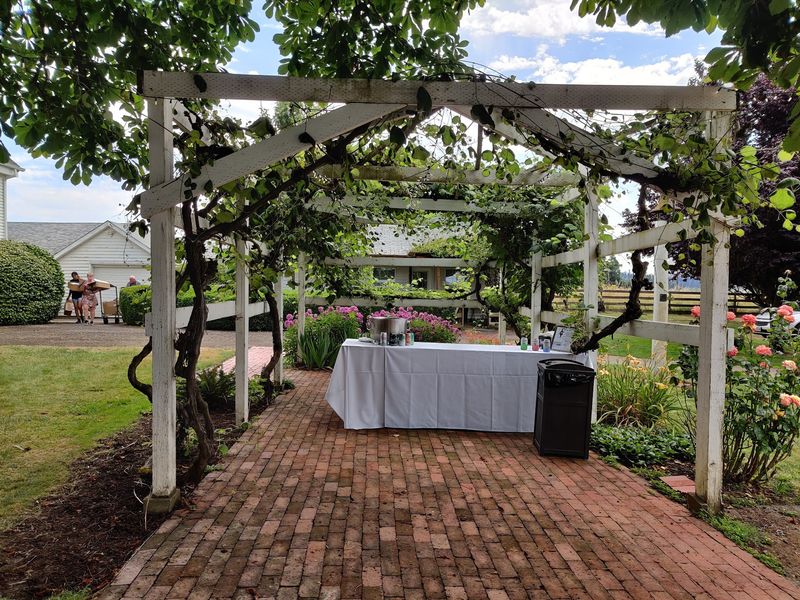
Couples have said their vows right here on the grounds, and the village doubles as a genuinely popular wedding venue. The property’s landscape and historic charm make it a favorite for outdoor celebrations.
The setting delivers standout photo opportunities, with the old buildings and valley views serving as a natural backdrop. People who have married here describe everything as lovely and highly recommend it.
Beyond the scenery, the women who run the site earn praise for how they help host events. Their knowledge and creativity extend to celebrations, not just tours.
Worth knowing in advance, the historic buildings are genuinely old and the restroom facilities are compact. Couples planning larger gatherings should factor that into their arrangements.
Even with those practical notes, the grounds win people over for the memories they help create. A garden-filled property with real history behind it is hard to match.
For engaged couples drawn to a venue with character and a peaceful rural feel, this village offers a setting that guests remember long after the day ends. It has clearly delighted more than one wedding party.
Seasonal Events That Turn Up The Charm
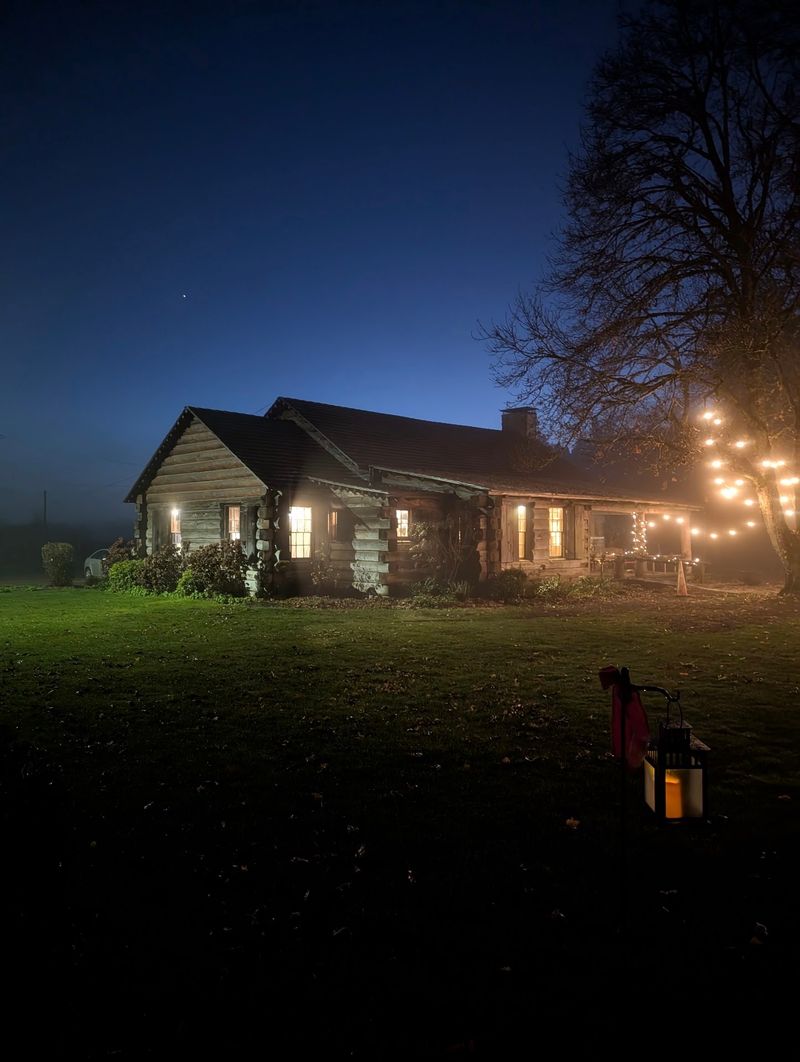
October brings one of the village’s most talked-about traditions, a spooky evening tour that blends the historic setting with a touch of the paranormal. Fans of both history and ghostly lore call it a perfect match.
The nighttime experience fills the buildings with activity, and those who attend recommend it without hesitation. It gives the familiar grounds a completely different mood after dark.
Another seasonal favorite is the candlelight walk, which pairs the flicker of soft light with the village’s period atmosphere. Guests describe it as a genuinely fun way to see the place.
These events show that the village is more than a daytime stop. The calendar shifts with the seasons, giving repeat guests fresh reasons to return.
The October tour in particular earns strong enthusiasm from those who enjoy a little mystery with their history. It has become a highlight for many who plan around it.
Anyone who likes their historic sites with a seasonal twist should keep an eye on the village’s schedule. The special evenings add personality that a standard tour cannot replicate.
Artifacts And Photographs Worth Lingering Over
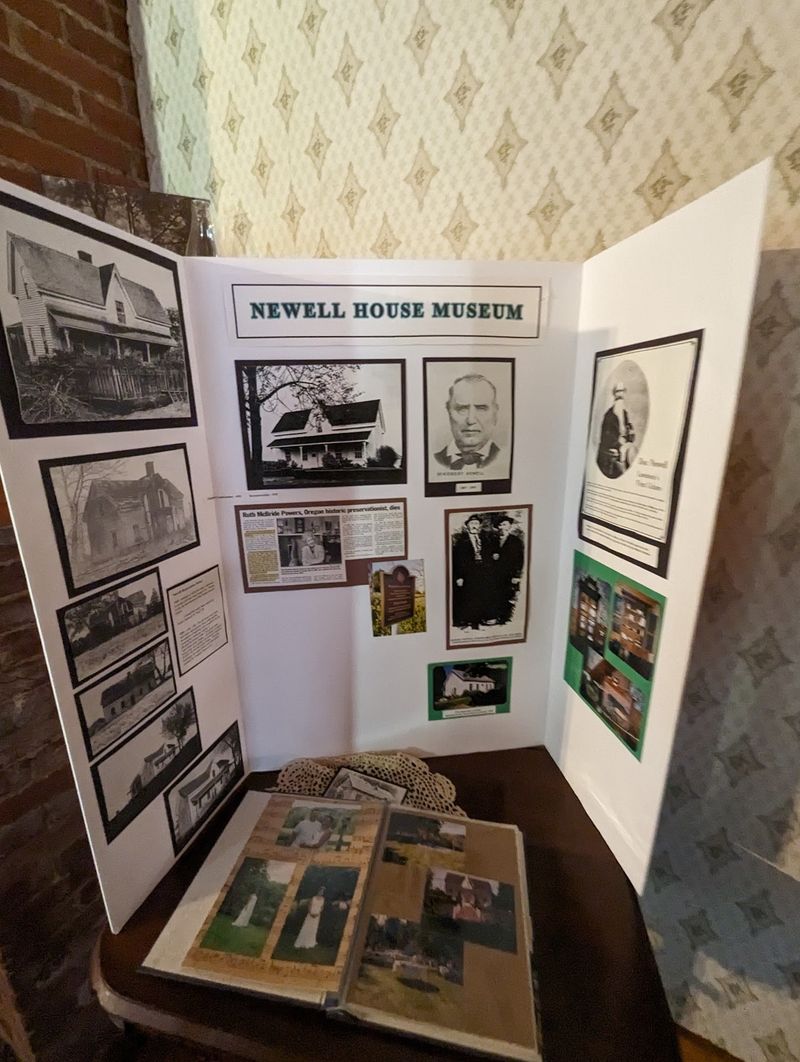
Museum pieces, old photographs, and everyday historical items fill the buildings, and they reward guests who slow down to take them in. There is enough here that a quick pass simply will not do it justice.
Guests repeatedly mention needing time to really read the history and absorb the stories attached to each object. The depth of the collection is a recurring point of praise.
The items are kept nicely and stay true to the property, giving the displays a coherent, authentic feel. Nothing feels thrown together for show.
Photographs help connect faces and places to the artifacts, filling in the human side of Oregon’s early years. Together they build a fuller picture than objects alone could manage.
People who love history find the pictures, pieces, and told stories deeply satisfying. The combination keeps curious minds occupied far longer than they might expect.
Travelers who enjoy reading every label and lingering over old belongings will get the most out of this village. It is built for the patient and the genuinely curious rather than the hurried.
Who Will Enjoy A Visit Most
Families with children top the list of people who thrive here, thanks to the hands-on chores and engaging volunteers. Parents and educators consistently point to how well the activities suit young learners.
History enthusiasts form another natural fit, drawn by the rich Oregon story and the time it takes to explore properly. The depth of detail suits those who like to dig in.
The peaceful, garden-filled setting also appeals to travelers who prefer calm, uncrowded landmarks over bustling attractions. It is a place to slow down and enjoy quietly.
Couples scouting a characterful venue and photographers chasing scenic backdrops round out the crowd. The property gives both plenty to work with.
Even fans of seasonal and paranormal events find something to love, particularly during the October evening tour. The variety widens the appeal considerably.
Anyone who values friendly, knowledgeable hosts and genuine old buildings over glossy reconstructions will feel this place was made for them. It suits the curious, the patient, and the history-minded above all, and it welcomes newcomers just as warmly as returning guests.
Planning Your Trip And Getting There
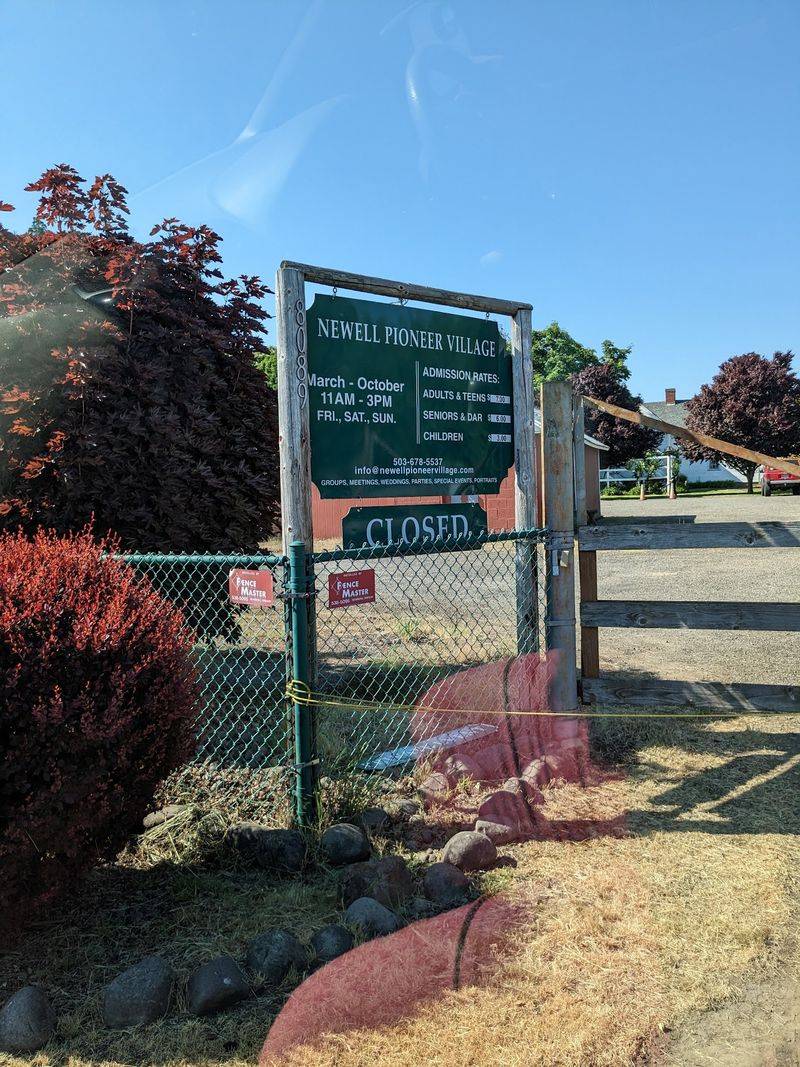
Timing matters here, since the village keeps limited hours and is open only three days a week. Doors open at 11 AM on Fridays, Saturdays, and Sundays.
Fridays and Saturdays run from 11 AM to 3 PM, while Sunday also runs 11 AM to 3 PM. The site is closed Monday through Thursday, so weekend planning is essential.
The address is 8089 Champoeg Rd NE, St Paul, Oregon 97137, set in a rural corner of the Willamette Valley. The location pairs naturally with a visit to nearby Champoeg for a fuller day.
Reaching it takes a short drive through valley farmland, so mapping your route ahead of time is wise. There is no dense commercial area nearby to rely on for last-minute needs.
For questions about tours, events, or group visits, the museum can be reached at +1 503-678-5537, and details also appear on newellpioneervillage.com. Groups and school trips in particular benefit from arranging ahead.
A little advance coordination goes a long way, especially given the compact schedule. Plan for a weekend and give yourself enough time to explore without rushing.
Why This Village Stays With You
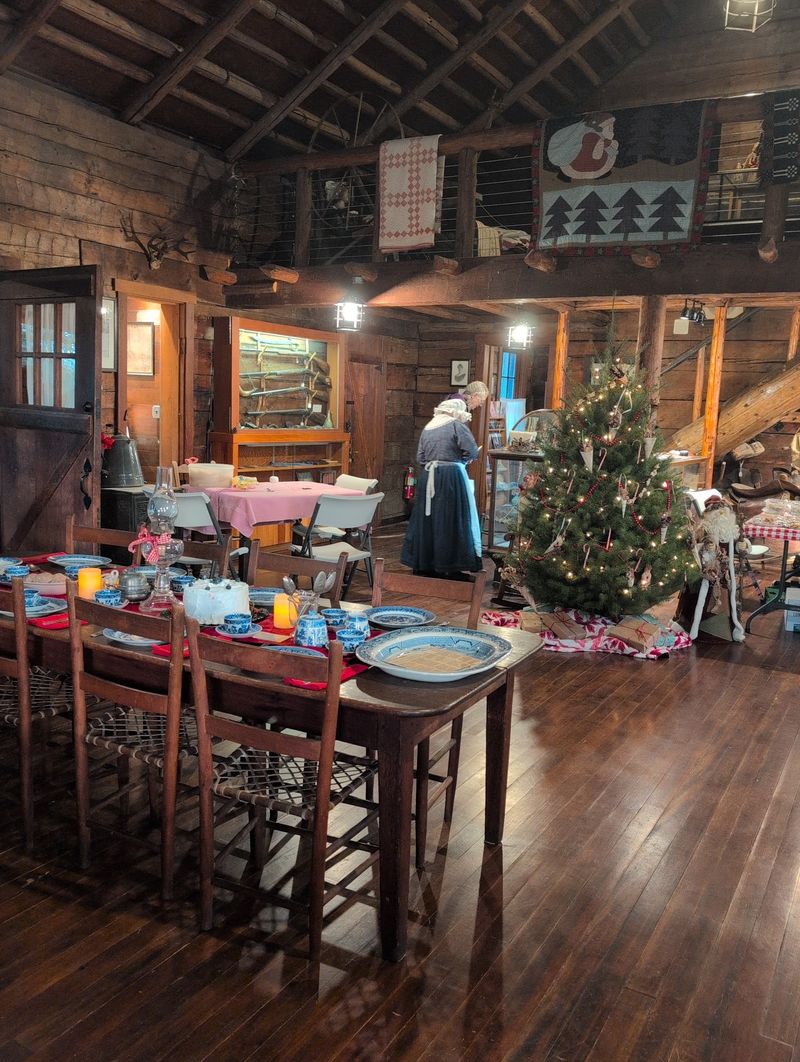
Few small history sites earn the near-universal affection this one does, and the reasons stack up quickly. A rating of 4.9 stars across dozens of accounts speaks to a place that consistently delivers.
The magic comes from the mix. Authentic old buildings, thoughtfully kept collections, and volunteers who genuinely love sharing the story combine into something people describe as special and not to be missed.
Kids leave having actually done pioneer chores, couples leave with photographs they treasure, and history fans leave having learned things they never expected. That range of satisfied guests is telling.
The peaceful grounds and garden setting give the whole visit a relaxed rhythm that stays with people afterward. It is the kind of stop that invites a return trip.
Its pairing with Champoeg makes it easy to fold into a broader valley day. Together they turn a simple drive into a proper journey through Oregon’s past.
For a weekend outing built on real history, warm guidance, and quiet charm, Newell Pioneer Village in St Paul makes a lasting impression that few similar spots can match.
Enjoyed this story?
Add Fast Food Club as a preferred source to see more of our reporting on Google.