


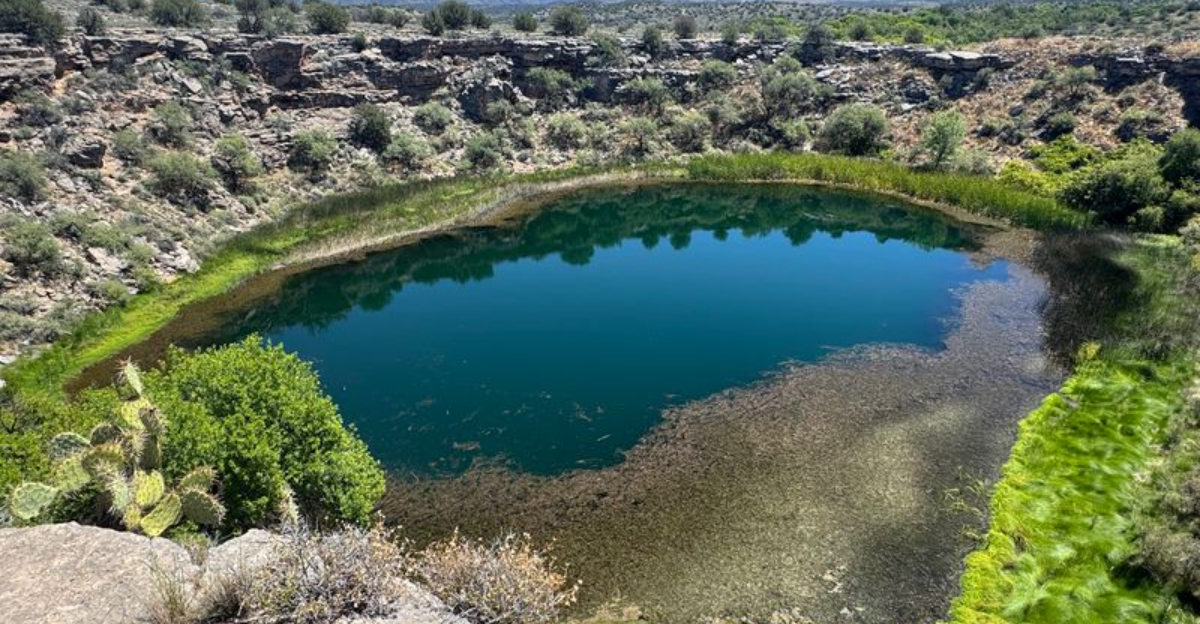
Tucked into the dry hills of central Arizona sits a perfectly round pool of water that has been quietly doing the same thing for thousands of years. Every single day, more than a million gallons of water rise up from deep underground and fill a giant natural basin, even when the surrounding land goes bone dry.
Most travelers zoom right past it on their way to bigger attractions, never realizing they are missing one of the oldest and strangest natural features in the country. What makes it even more surprising is that five tiny creatures live in this water and exist nowhere else on the planet.
Add in ancient homes carved into the rock, hand-dug canals older than a thousand years, and a name that turns out to be a complete mix-up, and you have a spot worth slowing down for. Keep reading to meet a place that time almost forgot.
A Hidden Pool Off The Verde Valley Highway
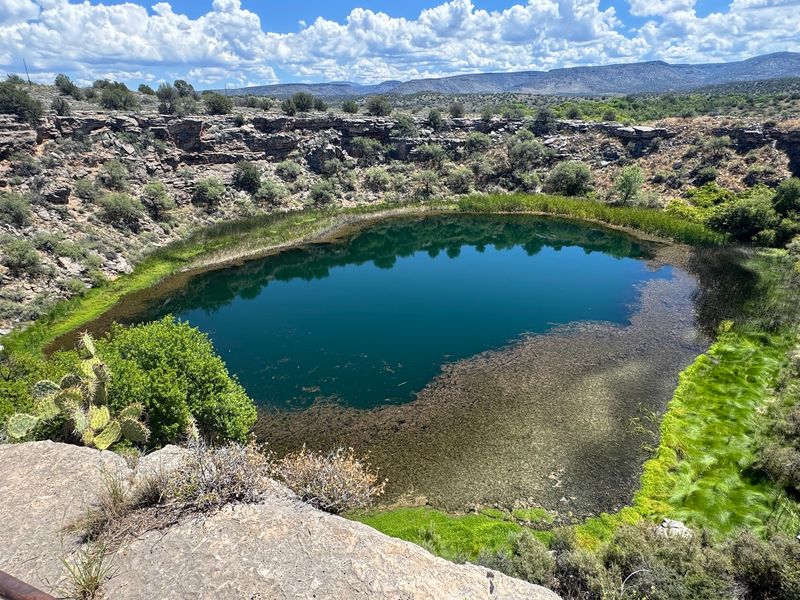
Off a quiet road in the Verde Valley of central Arizona, near the 86335 zip code, a limestone basin holds a secret that many drivers never bother to check.
Montezuma Well sits only about 20 minutes from Sedona and a short drive from the town of Camp Verde, close to the Flagstaff highway corridor. Its neighbor, the far more famous Montezuma Castle, pulls in most of the crowds while this spot stays calm and open.
The site is a detached unit of a larger national monument, and getting inside costs nothing at all. No permit is needed, parking is plentiful, and restrooms are available near the lot.
People who finally stop here often admit they drove past it for years before pulling in. That regret is common, because the payoff is a large, spring-fed pool set against miles of dry terrain.
The location makes it an easy add-on for a Verde Valley or Sedona trip. A stop here rewards curious travelers with geology, history, and quiet all in one compact loop.
The Name That Fooled Everyone
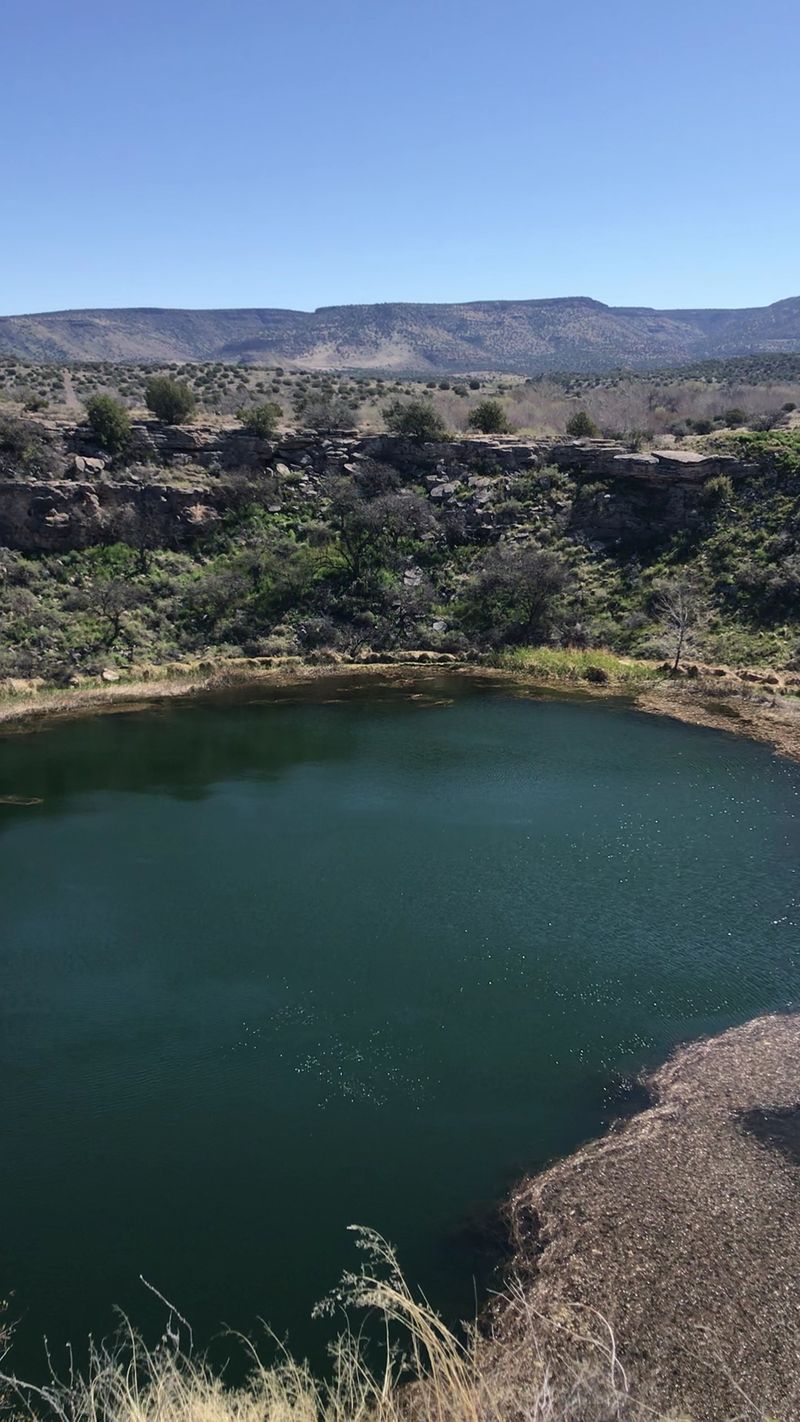
Here is the twist that surprises almost every guest: the well has nothing to do with Emperor Montezuma, and it was never a man-made well at all.
Early settlers pinned the famous ruler’s name onto the site, and the mistake stuck. The same naming mix-up happened at nearby Montezuma Castle and even influenced local place names.
The timeline does not line up either. Montezuma II was born in the 1400s, long after the Sinagua people built and used these sites between roughly 1100 and 1400 A.D.
So the label is charming but wrong on two counts. It is not a hand-dug well, and the emperor never set foot anywhere near it.
Learning this bit of history early makes the rest of the visit click into place. Once the true story is clear, the round pool stops looking like a curiosity and starts looking like a genuine natural marvel with a very old past.
How A Collapsed Cave Created A Desert Marvel
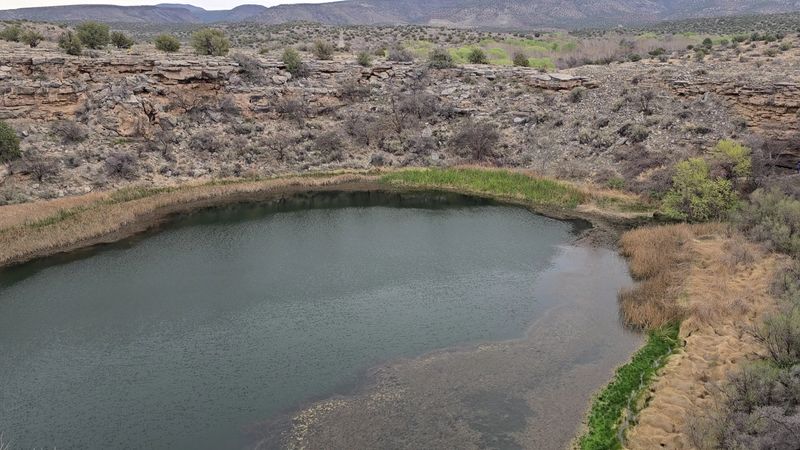
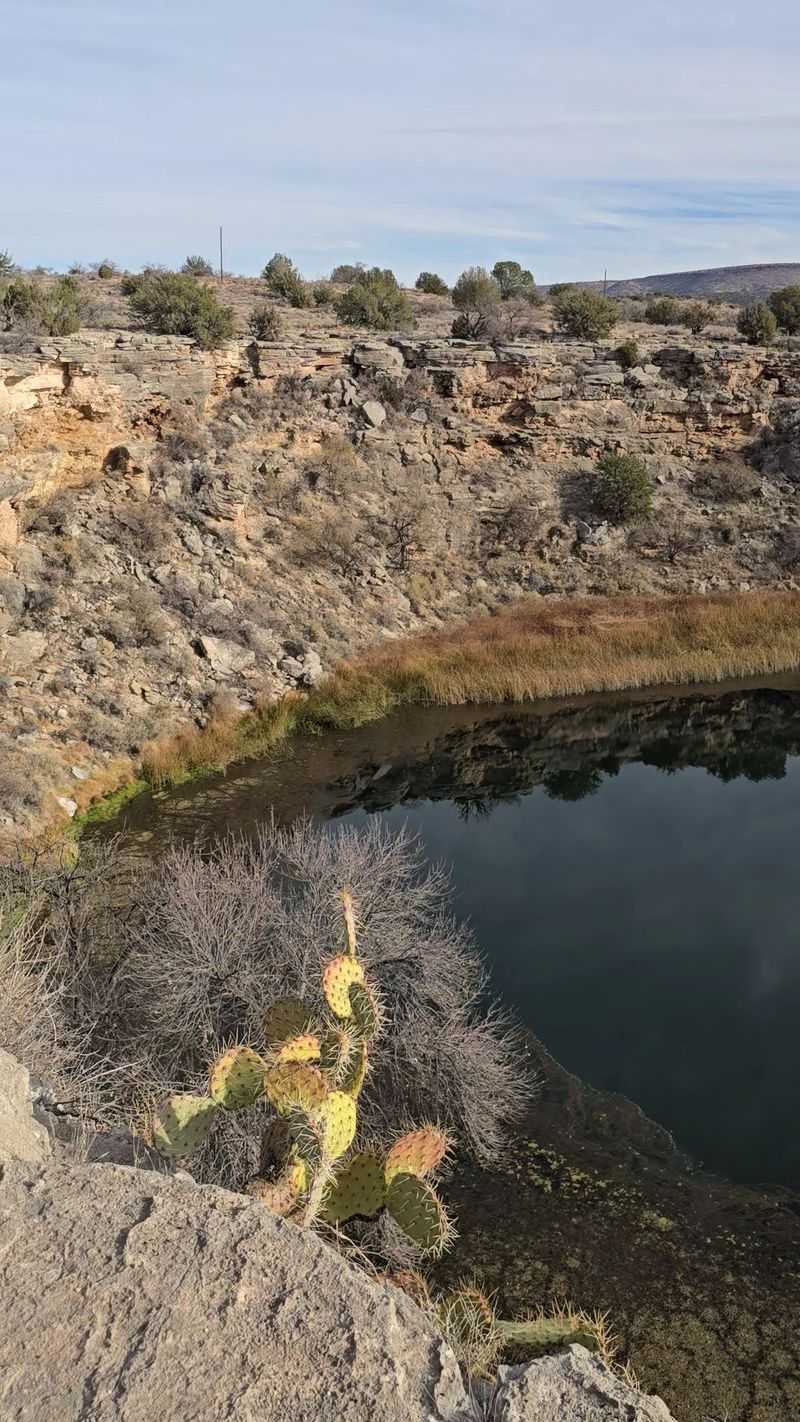
Geology did the heavy lifting here long before any people arrived. The basin formed when an underground cave collapsed and then filled with spring water, leaving behind a natural limestone sinkhole.
What keeps it going is a constant underground supply. More than a million gallons of water push up into the basin every single day, and it has been doing so for hundreds and hundreds of years.
That steady flow is why the pool never dries out. Even during long dry stretches, mysterious forces beneath the surface keep the water level holding firm.
The overall figure is staggering when you stand at the rim. The well holds around 15 million gallons of water, all of it fed from below rather than from rain running in.
Understanding the mechanics makes the sight even more striking. A pool this large and this reliable, parked in the middle of dry country, is the kind of natural engineering that has drawn attention for centuries.
Five Creatures Found Nowhere Else On Earth
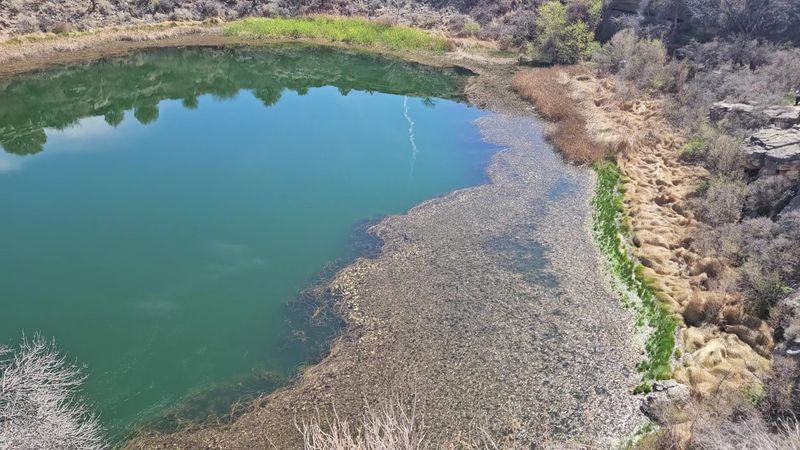
The water may look inviting, but it is far from an ordinary pond. High levels of carbon dioxide and arsenic make it a very unusual place to live.
Because of that chemistry, no fish survive here. Instead, the well is home to a set of tiny, hardy species that have adapted to conditions almost nowhere else can match.
Five rare creatures live in this water and are found nowhere else on the planet. Their presence turns the pool into a living laboratory of adaptation.
The water also hosts thousands of leeches, which is one more reason guests keep their toes on dry land. Swimming is not the point of a stop here.
What you get instead is a rare look at an isolated ecosystem. A pocket of life this specialized, sealed off inside a desert sinkhole, is the sort of thing that makes the science feel almost otherworldly.
Ancient Homes Carved Into The Cliffs
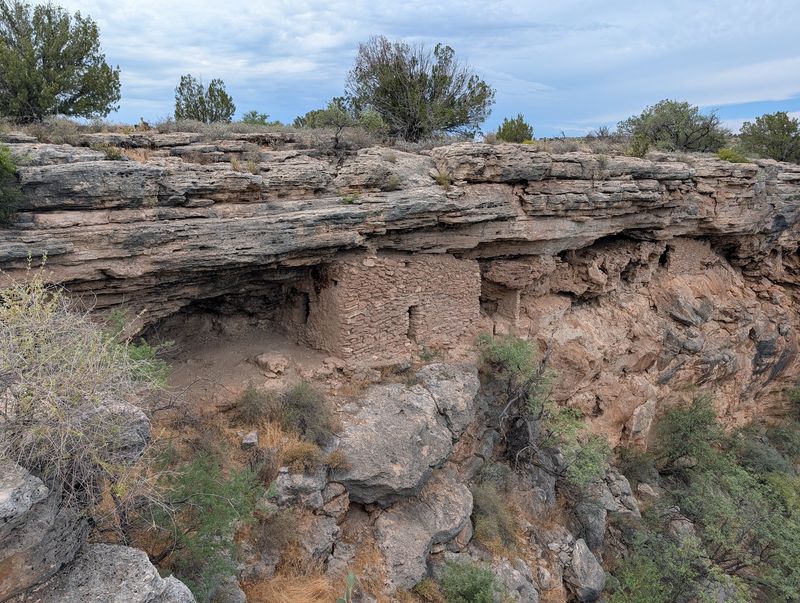
Look closely at the rock walls and you will spot small dwellings tucked right into the stone. These cliff homes belonged to the Sinagua people who lived here centuries ago.
The structures are beautifully preserved and date back to around 1050 A.D., part of a broader stretch of use between the 1100s and 1400s. Alongside them sit caves and the remains of a pueblo.
Some of the caves hold ancient writing on the inside, marks left by people who called this basin home. When a ranger is available, they may guide guests down to view these features and explain how they came to be.
Standing near these homes stirs up a real sense of the past. It is genuinely hard to believe families lived out here without any modern conveniences.
For anyone drawn to history, the dwellings are a highlight. Ancient remnants of past civilizations sitting right here in the United States turn a short walk into an unexpected classroom.
The Ancient Irrigation Canals Still Etched In Stone
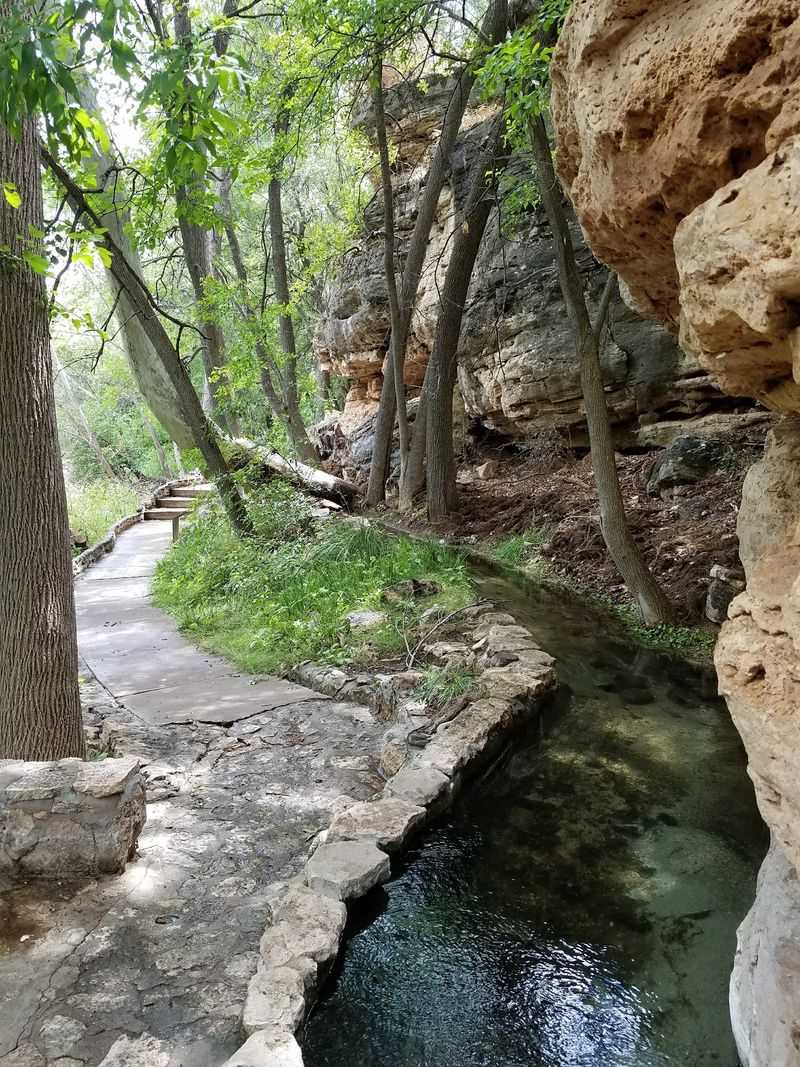
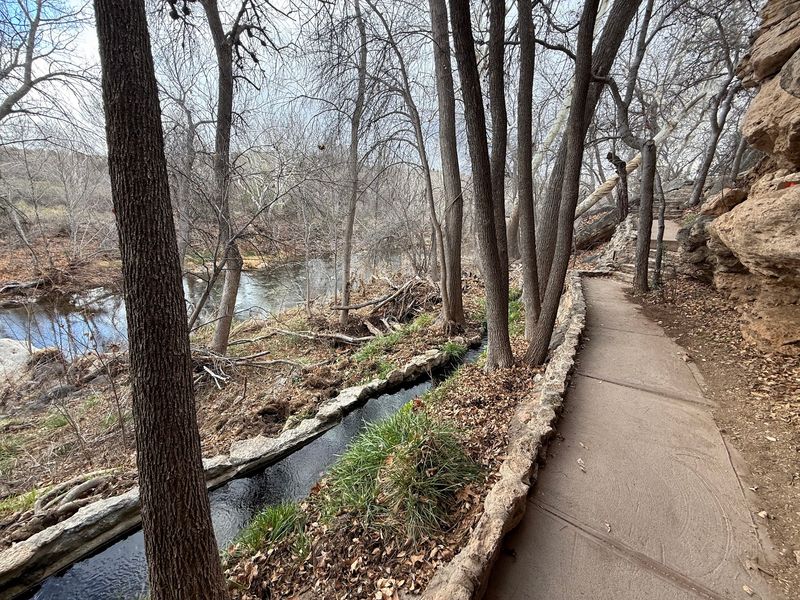
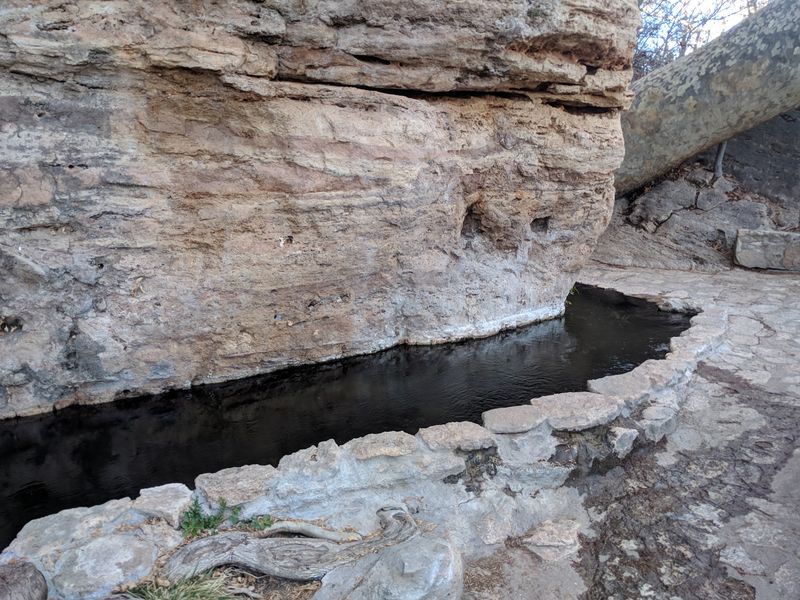
Water this reliable was too valuable to waste, and the Sinagua figured that out over a thousand years ago. They carved irrigation canals to carry water from the well out to their crops.
Follow the lower trail and you reach the outlet, the spot where the water flows underground before feeding the old system. This feature supported ancient farming throughout the surrounding area.
Near the river sits an old aqueduct, another piece of the clever network the Sinagua left behind. A second set of stairs leads down toward this canal area.
Seeing these hand-built channels puts the whole site in perspective. People engineered a working water supply here long before anything resembling modern tools existed.
Parts of the creek and lower trail may be closed off at times, sometimes just past the stairs, to protect the area and its wildlife. Even a partial look at the canals rewards the short walk down.
A Short But Rewarding Loop Trail
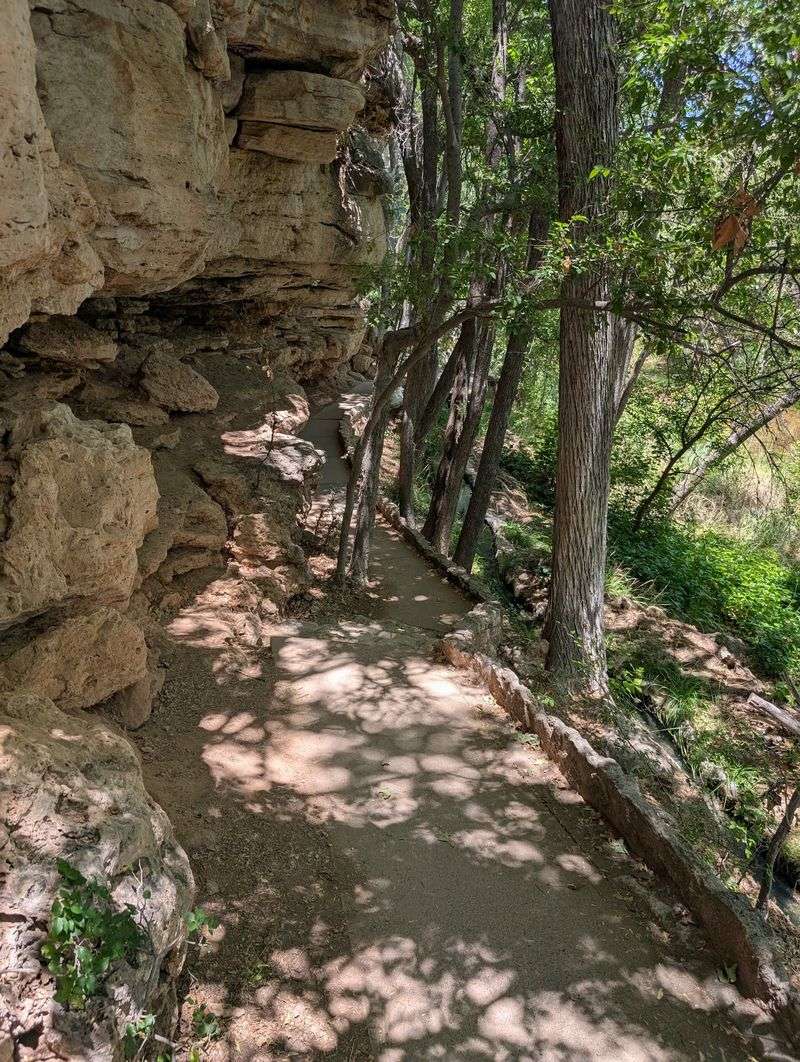
Anyone worried about a tough climb can relax, because the main path is short and manageable. The paved loop runs about a third of a mile with plenty of signage along the way.
The route heads up a short hill to the overlook, then down toward the viewpoint of the pool. A couple in their late 40s and late 60s reported no trouble at all with the walk.
The steps that lead down to the creek are steep, though, and there are no hand rails. A few benches sit along the way for anyone who wants a short rest.
Plant identification signs dot the trail, adding little lessons as you go. Most guests find they can see everything in under an hour.
Using a trail app can help you stay on track for the down-and-back sections. The mix of easy walking and steep stairs keeps the loop interesting without turning it into a serious hike.
Rangers, Coatimundis, And A Kids’ Badge
Friendly rangers turn out to be one of the biggest draws at this quiet site. They are knowledgeable, welcoming, and happy to explain how the well formed and what lives around it.
Families get an extra treat. Rangers give kids a badge and name them an official park ranger, then hand out a certificate on the way out if the child can share one fact they learned.
Wildlife makes surprise appearances too. Some guests have run into a herd of coatimundis, the raccoon relatives that roam this part of Arizona.
The place is also welcoming to four-legged travelers, with dogs allowed on leash. Just keep in mind the pavement can get very hot in summer, which is tough on paws.
The easy trail, the badge program, and the chance encounters with animals make it a strong pick for all ages. A stop here entertains curious kids and history-minded grown-ups in equal measure.
Free Entry, Restrooms, And Smart Timing Tips
Good news for budget travelers: the site is completely free, with no permit required. That alone makes it an easy yes when planning a Verde Valley route.
The lot offers plenty of parking, and restrooms are available near the trailhead. The paved loop is not wheelchair or stroller accessible, mainly because of the steep, rail-free stairs down to the creek.
Shade is in short supply on the short hike, so carrying water and a head cover is wise. Temperatures can climb high and turn humid, especially in the warmer months.
Weather can also shift quickly during monsoon season, so keeping an eye on the sky pays off. Early or cooler visits spare both people and dogs from the hottest pavement.
On the way out, save a minute for the excavated pit house near the exit road. A little planning around timing and heat makes this free stop feel effortless.
A Sacred, Quiet Stop Worth The Detour
Beyond the science and history, the place carries deep meaning for local communities. Indigenous tribes such as the Hopi and Yavapai consider the site sacred, and that reverence comes through as you walk the calm loop.
The quiet is a big part of the appeal. With far fewer people than the famous castle nearby, the well feels peaceful and unhurried, a spot where you can take a few minutes to slow down.
Guests consistently rate the experience highly, and the mix of geology, ancient homes, and rare wildlife keeps the visit memorable. It is unique, well maintained, and cared for with obvious pride.
Pair it with a trip to Montezuma Castle and you get two very different looks at the same ancient culture. The well earns its place as the less crowded, no-cost half of that pairing.
Skip it and you miss one of America’s oldest natural wonders hiding in plain sight. Stop, wander the loop, and let one of Arizona’s quietest marvels finally get the attention it deserves.
Enjoyed this story?
Add Fast Food Club as a preferred source to see more of our reporting on Google.