


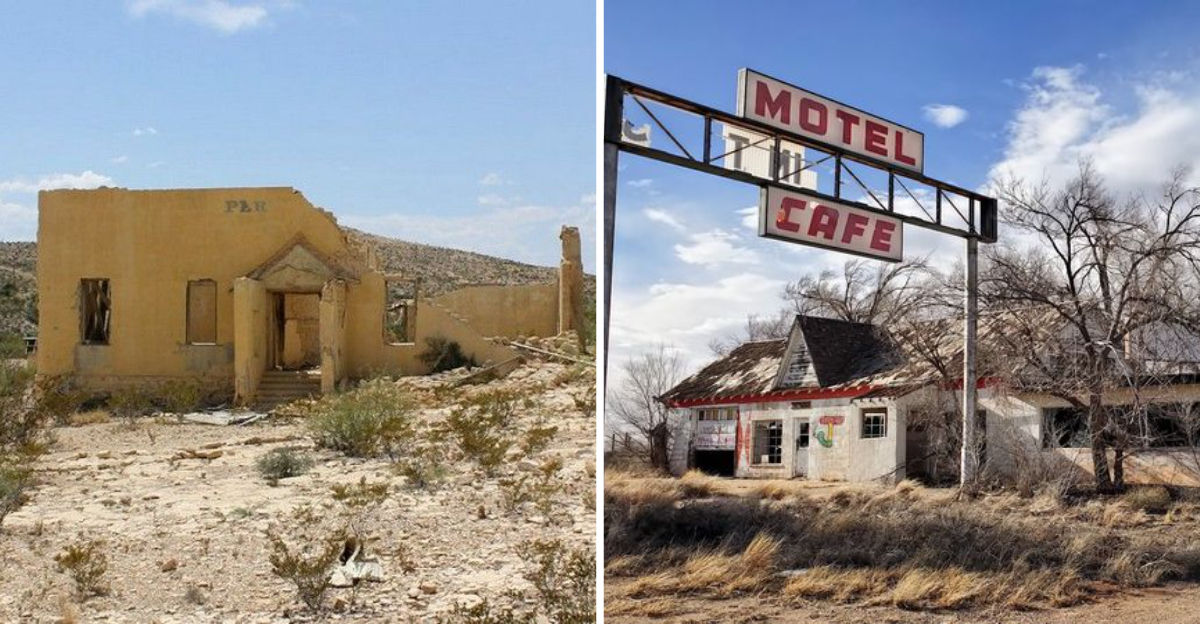
Texas is huge, and hidden across its wide open spaces are towns that time simply left behind. Some once boomed with mining, oil, or railroad money, then emptied out when the work dried up.
What remains are quiet streets, empty buildings, and a strange kind of stillness that makes them fascinating to explore. If you love road trips with a side of history and mystery, these seven Texas ghost towns are worth putting on your map.
1. Terlingua, Big Bend Region
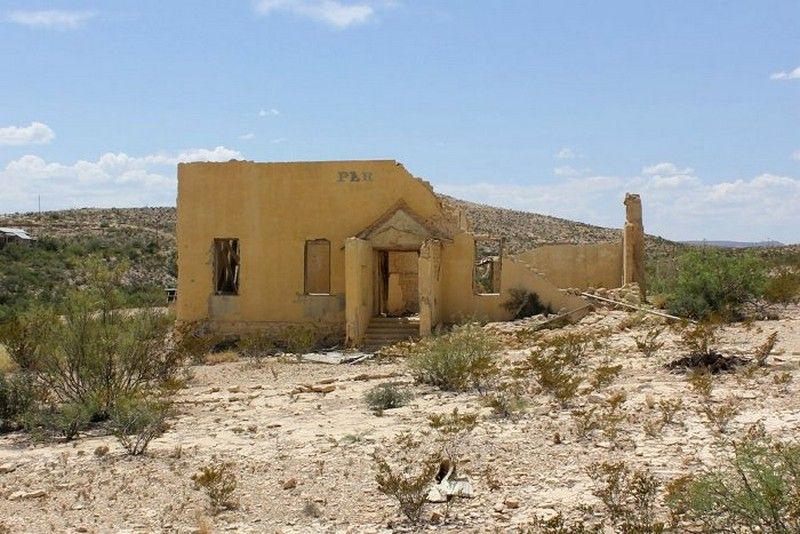
Sitting near the entrance to Big Bend National Park, Terlingua grew up around cinnabar mining in the early 1900s. Workers pulled mercury from the ground here until the mines closed and the population scattered.
What sets Terlingua apart is that it never fully went silent. Old stone ruins and a preserved cemetery share space with a small community that has settled back into the area.
Visitors wander the crumbling walls of the ghost town, then stop by the historic Terlingua Trading Company nearby. The location makes it an easy add-on for anyone heading into Big Bend.
The wide desert setting and rugged Chihuahuan landscape give the whole place an otherworldly feel, especially with mountains stretching in every direction.
2. Indianola, Calhoun County
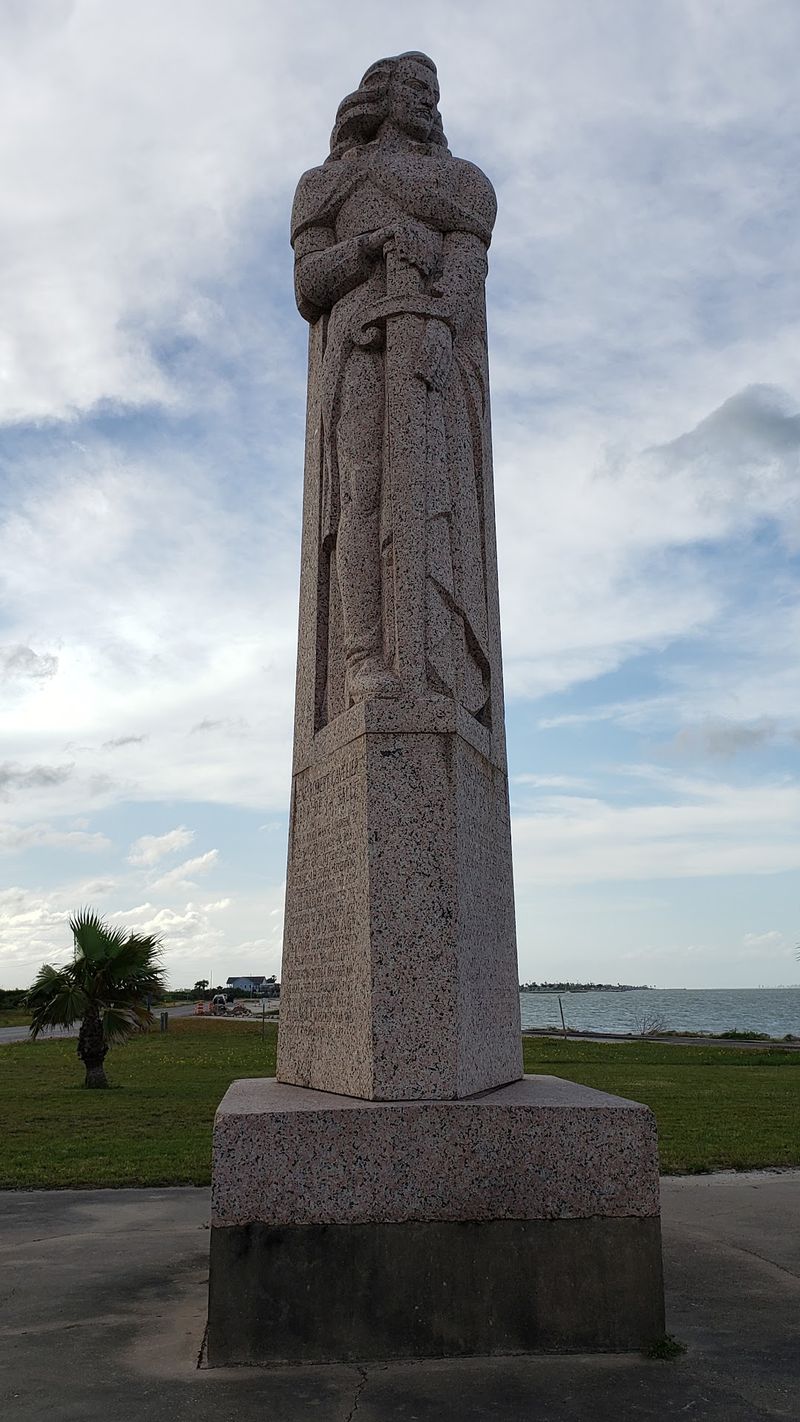
Once a busy port on the Gulf Coast, Indianola rivaled Galveston as a major Texas seaport in the mid-1800s. Ships arrived carrying immigrants and supplies, and the town buzzed with trade.
Powerful hurricanes in 1875 and 1886 battered the town so badly that residents eventually gave up and moved inland.
Today there is almost nothing left standing, which is part of what makes it so striking. A granite marker and a statue of French explorer La Salle stand near the shoreline where a thriving city once stood.
Walking the quiet beach, it is hard to imagine the crowds and cargo that once passed through here. The emptiness itself tells the story.
3. Glenrio, Deaf Smith County
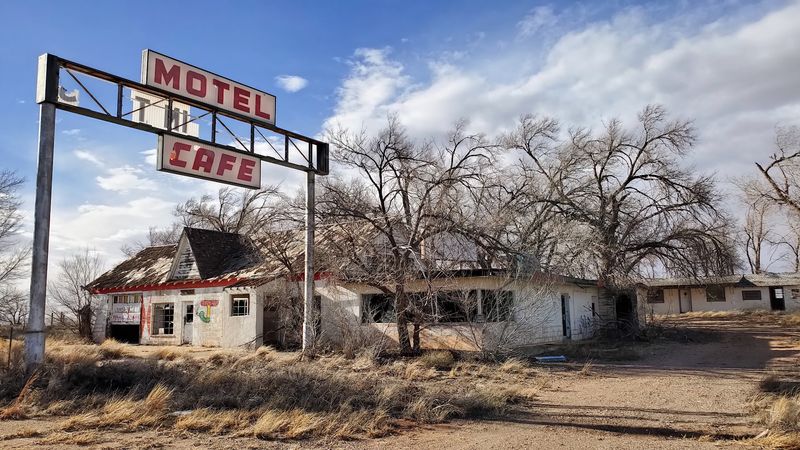
Straddling the Texas and New Mexico state line, Glenrio was once a lively stop along historic Route 66. Travelers pulled off for gas, food, and a place to rest as they crossed the country.
When Interstate 40 was built and bypassed the town, the traffic disappeared and so did the reason to stay.
Faded motel signs, an old service station, and empty roadside buildings still line the route. The Glenrio Historic District is even listed on the National Register of Historic Places.
Road trip fans love this stop because it captures the slow fade of classic Route 66 America. The silence along that old highway is what sticks with you.
4. Thurber, Erath County
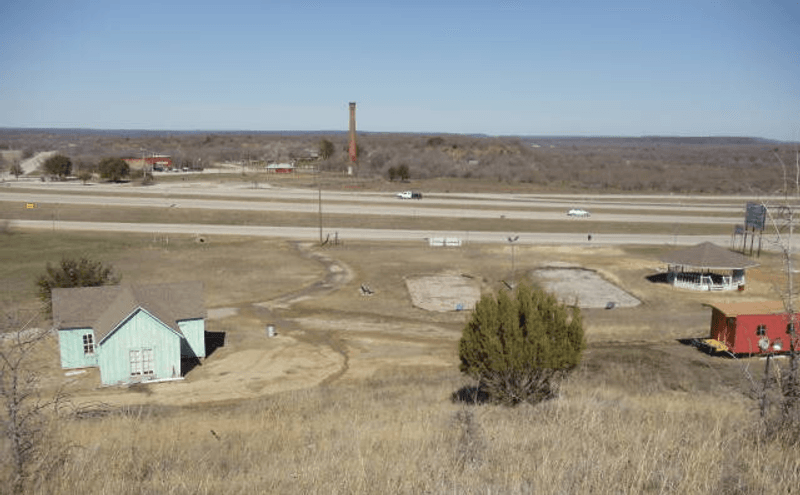
Coal and clay built Thurber into one of the largest company towns in Texas around the turn of the 20th century. At its peak, thousands of workers and their families lived here, and nearly everything was owned by the mining company.
When demand for coal dropped and oil took over as fuel, the town emptied out quickly.
A towering smokestack still rises above the landscape as the most recognizable landmark. Nearby, the W.K.
Gordon Center for Industrial History of Texas tells the full story of the people who lived and worked here.
I like this stop for anyone driving along Interstate 20 who wants a quick history break with real substance. The contrast between the busy past and quiet present is remarkable.
5. Lobo, Culberson County
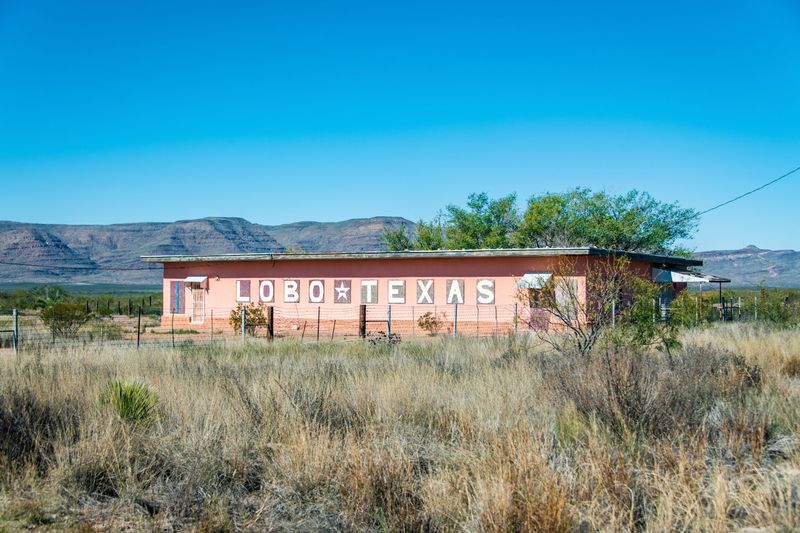
Farming and a natural water supply once kept the tiny town of Lobo alive in far West Texas. When the wells could no longer support crops, families packed up and left in the 1990s.
The entire town was later purchased by a small group who use it as an occasional gathering spot, which gives Lobo an unusual second chapter.
Empty buildings and quiet streets sit along a stretch of desert highway that sees very little traffic. The remote setting adds to the eerie stillness.
Because it sits along Highway 90, it makes an interesting pause for travelers heading between Van Horn and Marfa. There is not much here, and that is exactly the point.
6. Bartlett, Bell and Williamson Counties
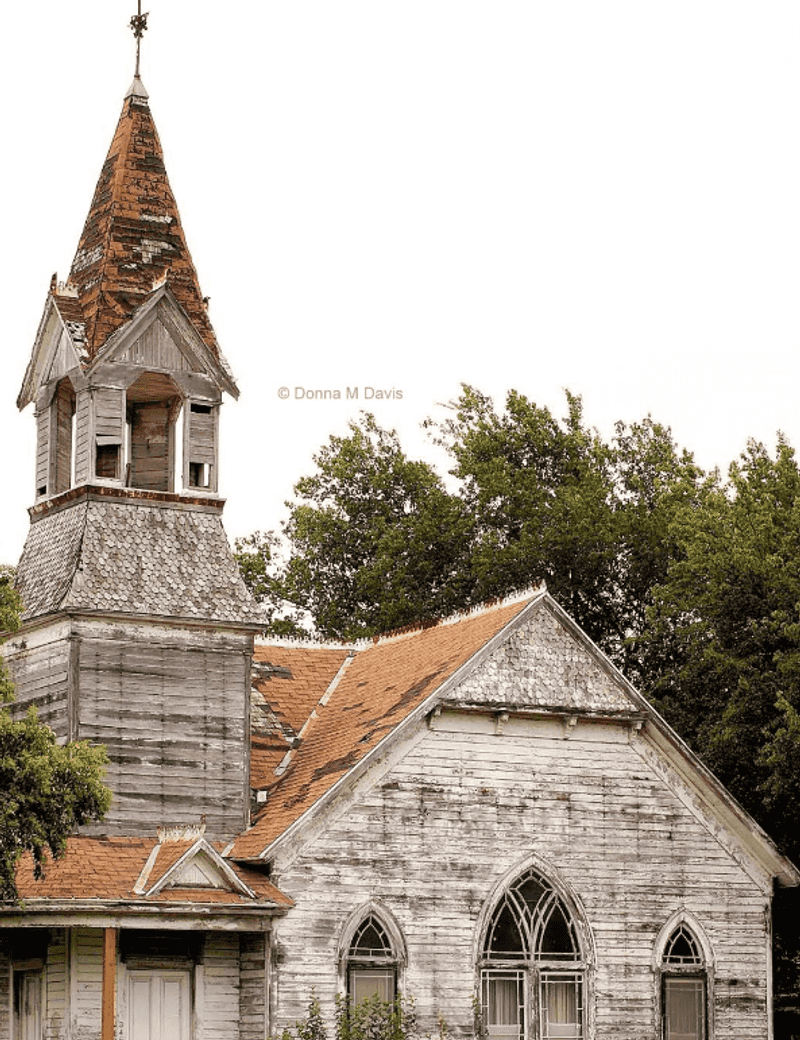
Not every ghost town is a pile of rubble, and Bartlett proves it. This small town still has residents, but its beautifully preserved historic downtown often sits nearly empty.
The rows of early 1900s brick storefronts have made Bartlett a favorite backdrop for movies and television productions over the years.
Walking the main street feels like stepping into a frozen moment, with old buildings standing quiet under the Central Texas sky. The town leans into its history rather than hiding it.
For photographers and film fans, this is a fascinating stop between Austin and Temple. The mix of life and emptiness gives it a haunting charm all its own.
7. Study Butte and the Chisos Mining Ruins, Brewster County
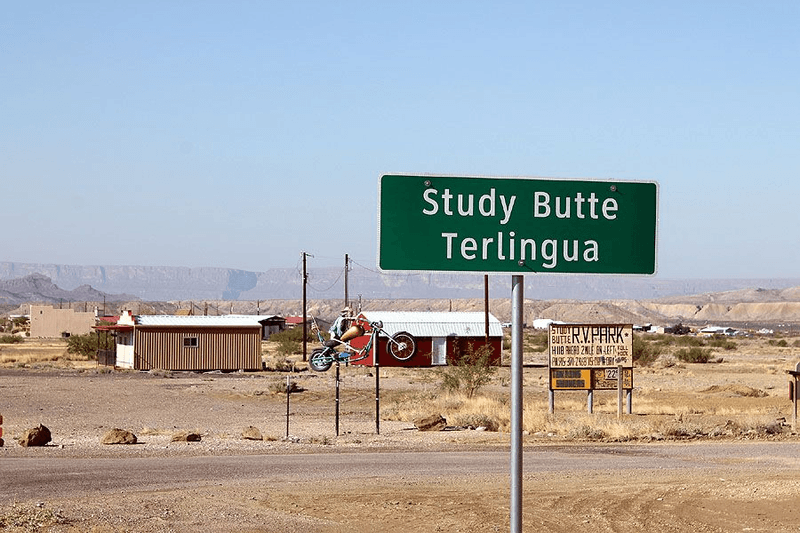
Mercury mining shaped this rugged corner of West Texas, and the leftover structures near Study Butte still dot the desert. The Chisos Mining Company once ran operations here, pulling valuable ore from the rocky ground.
Once the mining ended, the area quieted, though a small community remains nearby.
Scattered ruins, old foundations, and weathered mining remnants sit against a backdrop of dramatic desert hills. The location near Big Bend and Terlingua makes it easy to combine into one long exploring day.
I would save this one for travelers who really want to dig into the mining history of the region. The vast, empty terrain around it makes the abandoned structures feel even more dramatic.
Enjoyed this story?
Add Fast Food Club as a preferred source to see more of our reporting on Google.