


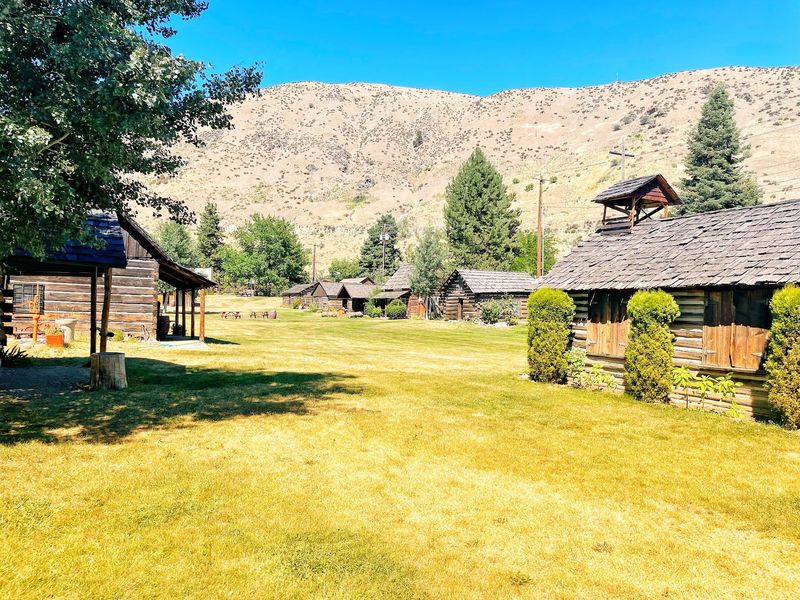
A short detour on the way to Leavenworth or Lake Chelan can turn into an unexpected afternoon of frontier history that quietly steals hours you never planned to give. Tucked into a small central Washington town, one spot pairs indoor exhibits with an outdoor collection of original log cabins and shops that early settlers actually built and used.
Kids chase a scavenger hunt with real prizes, grownups wander through rooms packed with genuine antiques, and everyone leaves a little surprised by how much fits inside such a modest building. What began for many as a quick rest break has a habit of becoming the highlight of the whole trip.
Stick around, because the story behind this place, its buildings, and the smart little touches that make it worth a stop are all worth knowing before you go.
Where To Find This Frontier Treasure
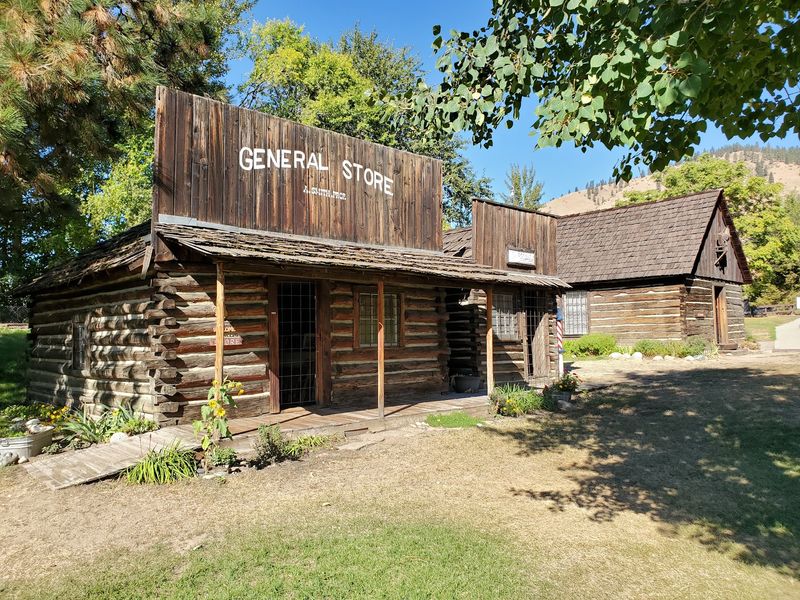
Central Washington hides plenty of roadside stops, but few pack the punch of the Cashmere Museum and Pioneer Village, parked at 600 Cotlets Way in Cashmere, Washington. The town sits in the Wenatchee Valley, an easy pull-off for anyone rolling toward Leavenworth or heading up to Lake Chelan.
The setup splits into two worlds that work together. Inside, a two-level building holds exhibits on Native American life and regional history.
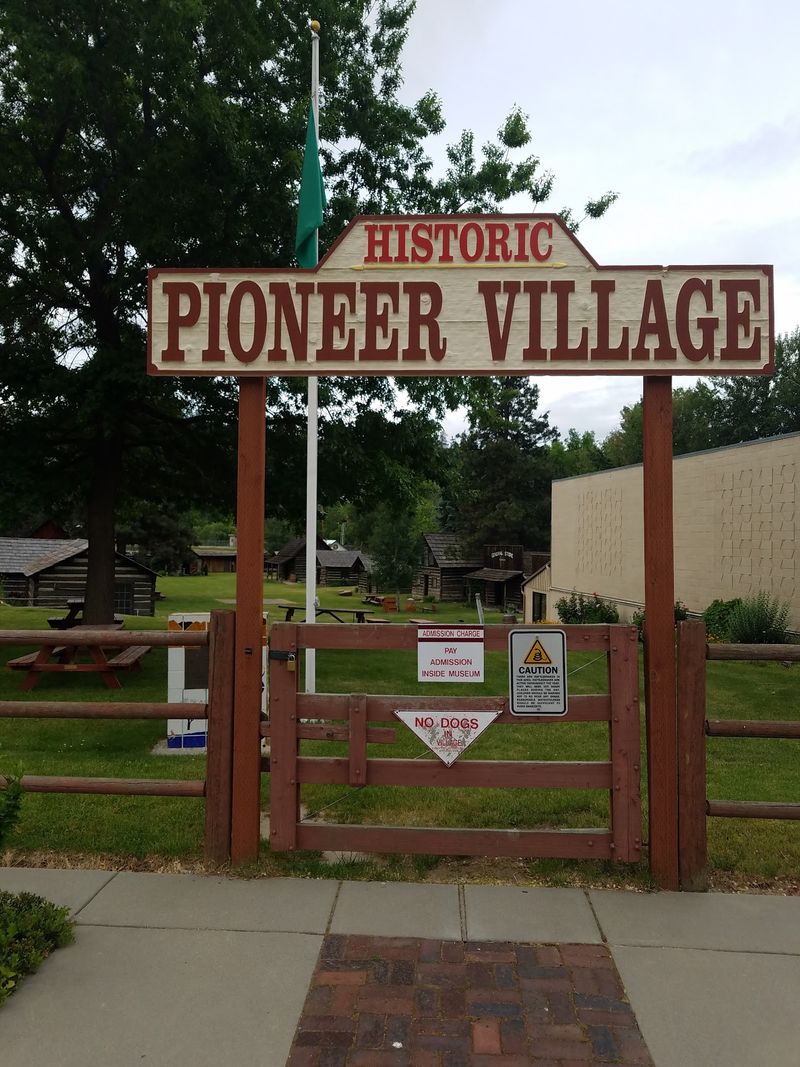
Outside, an open-air pioneer village spreads across the grounds with restored log structures you can actually walk through.
That indoor-outdoor split turns out to be a smart bit of design. When the weather warms up, guests drift outside to roam the cabins, then head back in when they want a break from the sun.
A picnic area on the property earns a lot of love from travelers passing through, since it gives road-trippers a spot to pause and eat without hunting down a restaurant. Add it all up and this becomes far more than a bathroom pitstop, which is exactly how many people first stumble upon it before losing an hour or two to the exhibits.
How A Small Town Built A Big Collection
Little towns rarely expect to punch above their weight, yet this museum does exactly that. Guests walk in bracing for a simple local display and instead find a professional, abundant collection that covers thousands of years of area history.
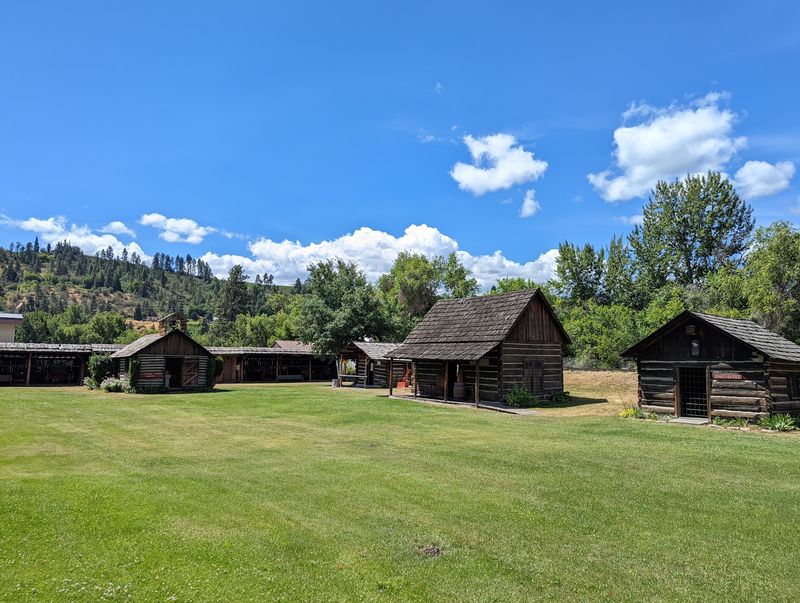
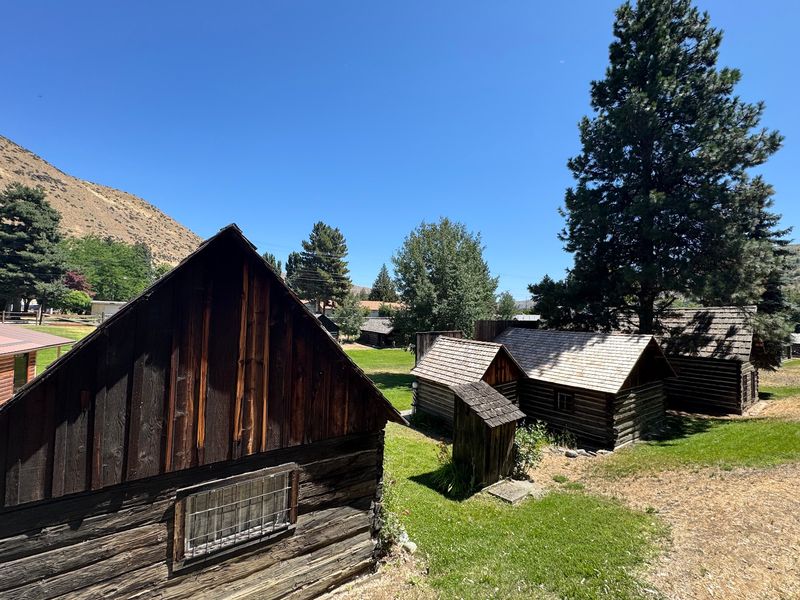
The heart of the outdoor experience came together through effort and patience. More than a dozen authentic log buildings were moved here from within roughly a 40-mile radius, gathered into one place so early settler life could be seen up close.
Those structures are not replicas. They are original pieces of the region, hauled in and arranged into a walkable village that shows how people once lived and worked in this corner of Washington.
Inside, the story stretches back even further, honoring the Native American tribes who inhabited the land for over 10,000 years. The result feels far grander than the town’s size would suggest, and that gap between expectation and reality is a big part of the charm.
People routinely walk away calling it one of the best small-town museums they have ever set foot in, which says plenty about the work poured into it.
Walking Through The Original Cabins And Shops
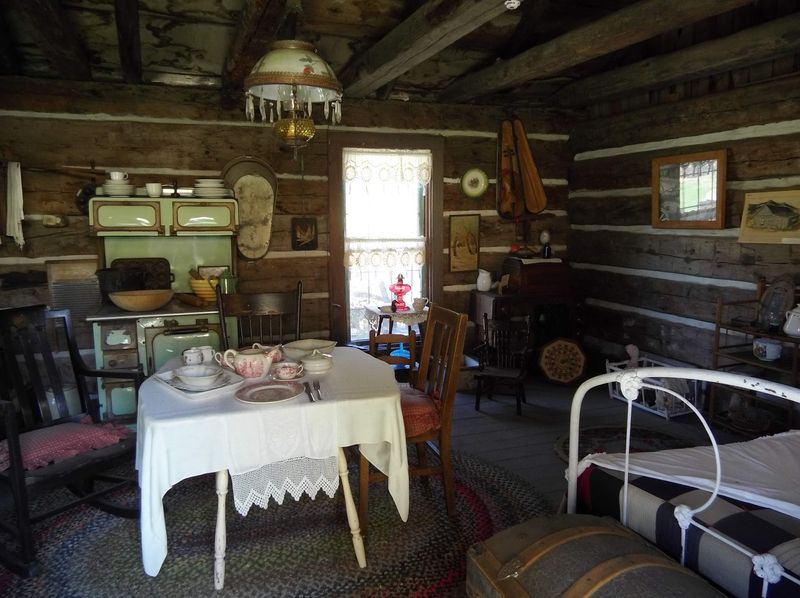
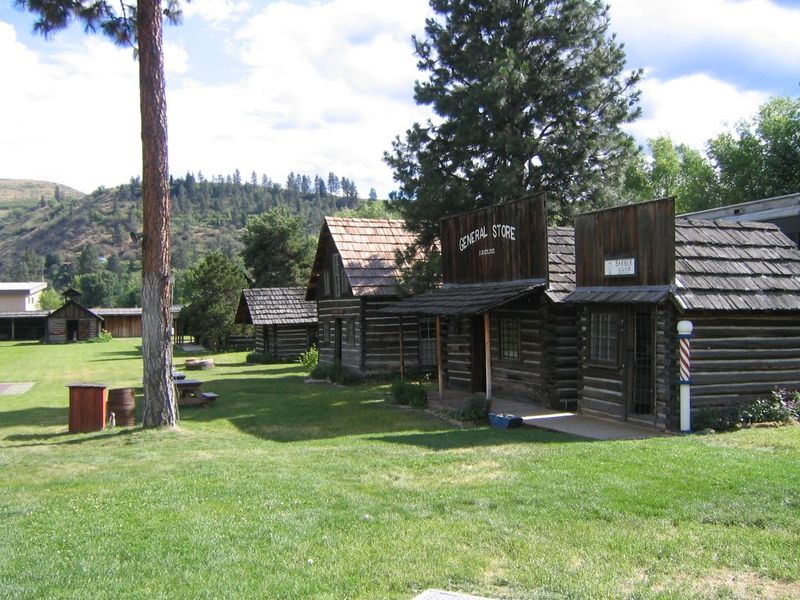
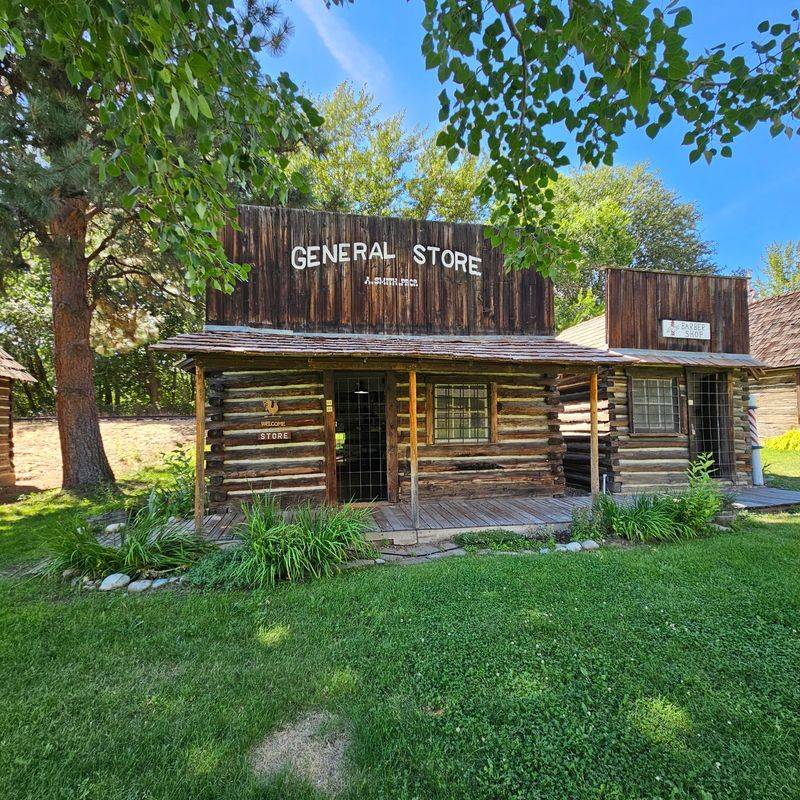
Out back is where kids and adults both slow down and start pointing. The pioneer village stands as the standout attraction, made up of original log structures rather than modern stand-ins, each one telling a piece of frontier life.
More than eight log cabins fill the grounds, alongside old shops that show the trades and daily routines settlers depended on. Some travelers count roughly two dozen authentic buildings scattered across the property.
Part of the fun is that many of these cabins are not sealed off behind glass. Guests can step inside certain buildings and even touch the items on display, which makes the past feel a lot closer than a typical roped-off exhibit ever could.
Families with young ones tend to linger longest here, wandering from doorway to doorway and comparing how each little structure was used. Plenty of people say the village alone justifies the trip, exhibits inside notwithstanding.
Whether the sun is out or the rain is coming down, the outdoor stretch keeps drawing people through, one weathered doorway at a time.
Two Floors Packed With Artifacts
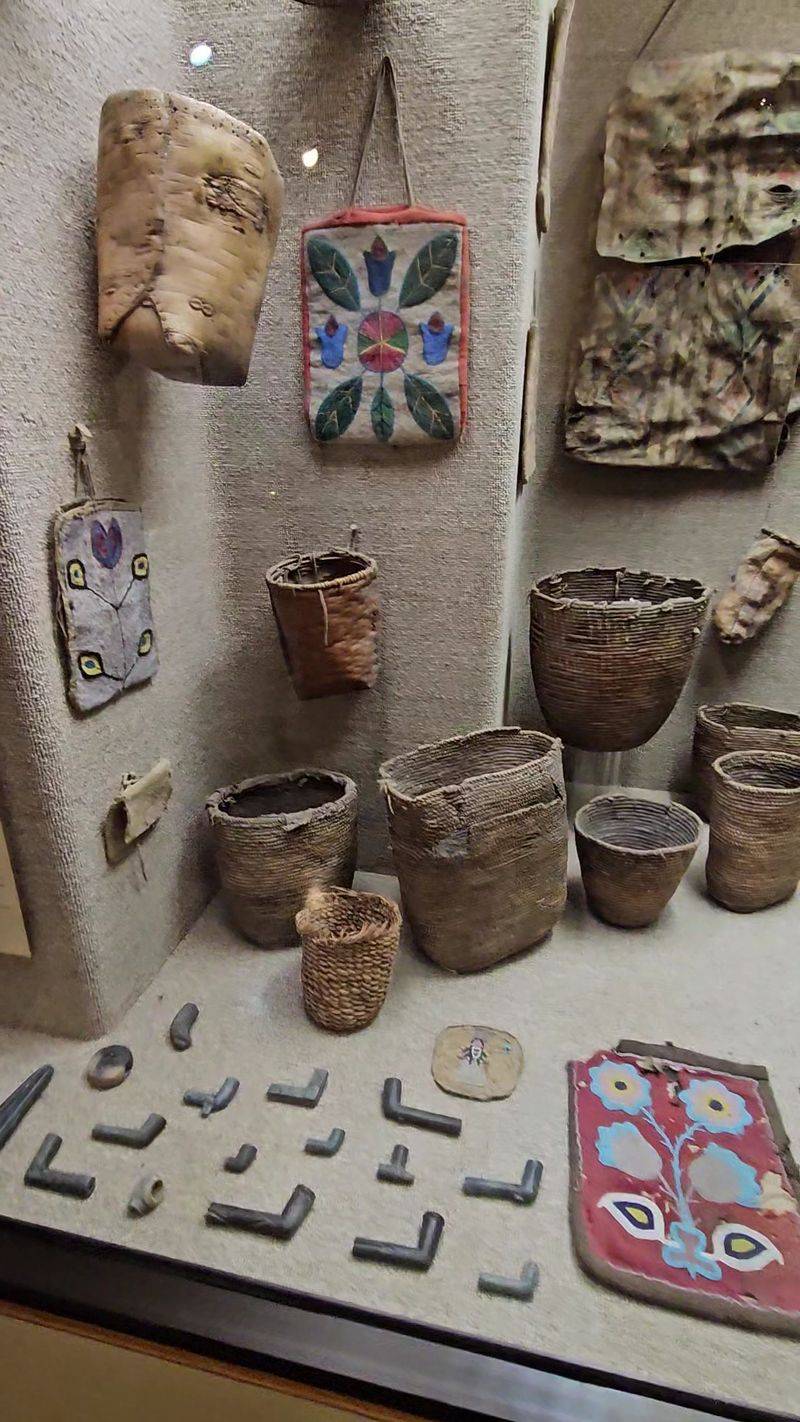
Step indoors and the collection quietly opens up across two levels, each with its own personality. The interior is deceptive in the best way, trading the plain local-museum vibe most people expect for something professional and genuinely abundant.
Upstairs leans into Native American artifacts, laid out with care and detailed stories that give the objects real context. Downstairs shifts gears entirely, drawing in younger guests with gems, minerals, and dioramas.
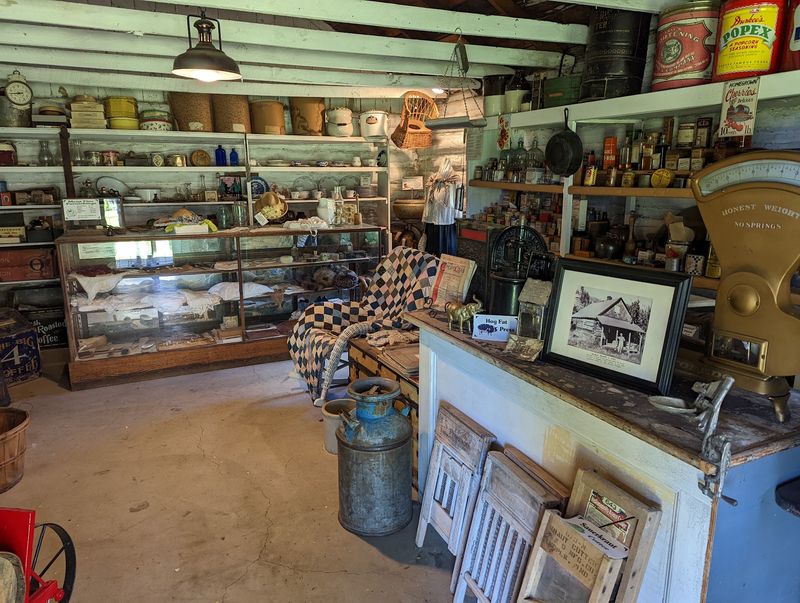
Artifacts sit at the center of the whole experience, and there are plenty of them. Old antiques from generations past line the displays, giving a clear picture of how the region grew over time.
Families often split their favorites by floor, with parents gravitating toward the historical exhibits and kids racing for the sparkling rocks and animal scenes below. That variety keeps different ages entertained without anyone feeling dragged along.
The organization earns steady praise, with clean displays and thoughtful layout that make wandering easy. It is the kind of place where an hour turns into several before anyone notices the clock.
Native American History Front And Center
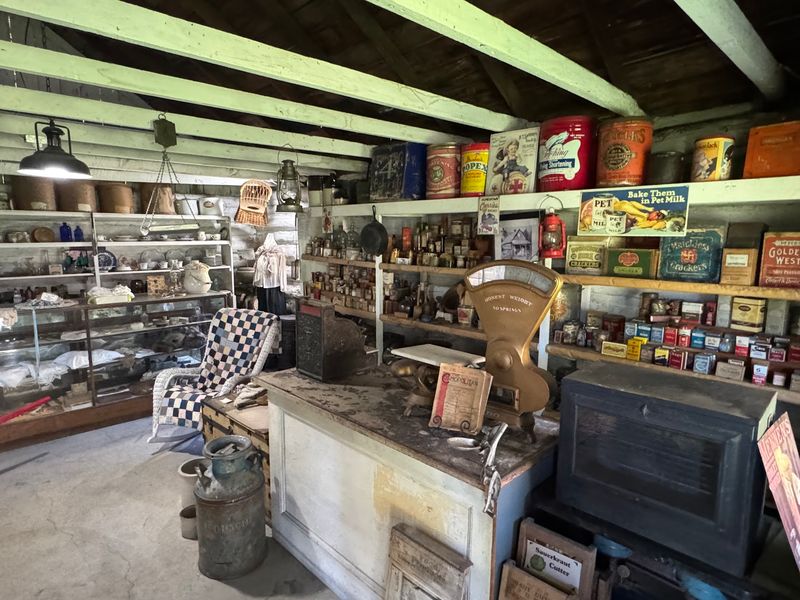
Long before settlers arrived, this land belonged to Native American tribes, and the museum treats that history with real weight. Displays honor peoples who inhabited the region for over 10,000 years, giving them a central spot rather than a footnote.
The exhibits reach beyond a single tribe, covering plains Indians along with some Northwest groups, plus archaeological artifacts that stretch the timeline back even further. Several travelers rank it among the finest Native American collections they have encountered.
One display on native plant usage for common ailments stands out as a highlight, showing how deeply people understood the land they lived on. Details like that turn a walk-through into an actual education.
Beautiful presentation ties it together, with displays described as exclusive and well thought out. The care shows in how the stories are told, not just in the objects behind the glass.
For anyone curious about the deeper roots of central Washington, this part of the museum delivers more substance than the town’s size might hint at, and it leaves a strong impression long after the visit ends.
Dioramas And Wildlife Displays That Surprise
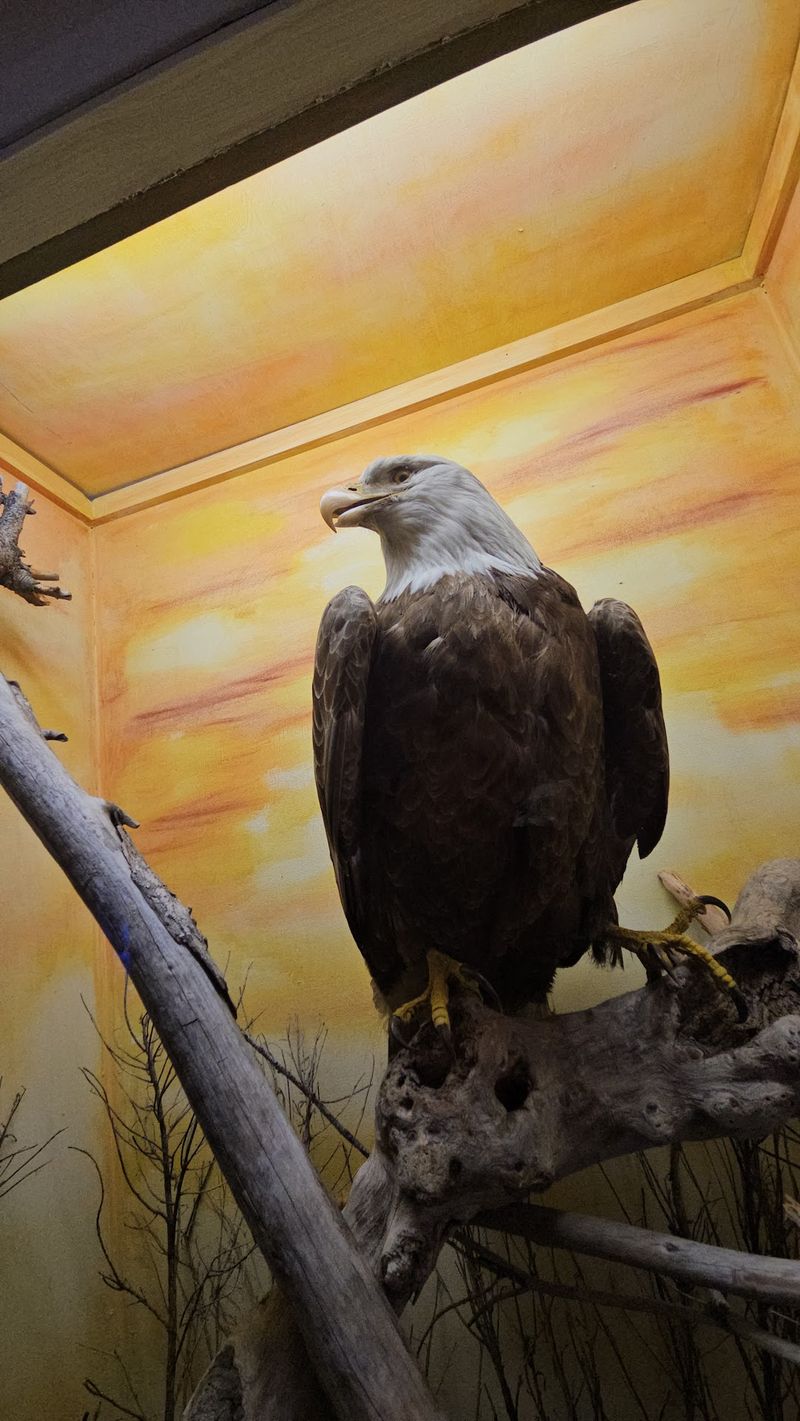
Not everything here is about people. Tucked among the exhibits are wildlife displays and dioramas featuring animals and birds, and they tend to become the crowd favorite for younger guests.
The lower floor holds these scenes, mixing local animal exhibits with dioramas that stop kids in their tracks. Some of the displays even reach back to pre-historic creatures, adding a jolt of the unexpected.
Taxidermy pieces bring the region’s wildlife into clear view, showing the birds and animals that share this valley. Paired with gems and minerals nearby, the floor turns into a mini natural-history adventure.
Parents often notice their children gravitating straight to this section, drawn by the lifelike animal scenes and the sparkle of the rock collection. It gives the museum a nice balance, splitting attention between human history upstairs and the natural world below.
These displays prove the place is more than cabins and old tools. The variety is a big reason a quick stop so often stretches into a long, satisfying visit that covers far more ground than anyone expected walking in.
The Scavenger Hunt That Wins Over Kids
Handing a child a mission is a clever way to keep them moving, and the museum knows it. A scavenger hunt runs through the exhibits, giving young guests a reason to look closely at everything around them.
The best part for kids is the payoff. The hunt comes with free prizes at the end, which turns a museum walk into a small treasure quest that holds attention floor to floor.
Families with children around age nine or twelve report it keeps the young ones genuinely engaged, not just politely tagging along. It nudges them to read displays and hunt for details they might otherwise breeze past.
For even smaller visitors, there is another playful touch worth knowing about. The museum loans out complimentary costumes to kids, perfect for photos out by the cabins in the pioneer village.
Between the hunt and the dress-up options, the place clearly puts thought into younger guests. That effort pays off, since families consistently name it as one of the most kid-friendly history stops in the area.
QR Codes That Turn You Into A Tour Guide
Modern touches sit comfortably beside the antiques here, and the QR code system is the standout example. Codes posted around the grounds launch audio explanations for each building, letting guests guide their own tour at their own pace.
Even better, the audio comes in both English and Spanish, opening the experience to a wider crowd. Scan a code, listen up, and each cabin or exhibit fills in its backstory without a guide hovering nearby.
The self-guided format gives visitors real freedom. You can rush through and catch the highlights in about an hour, or take your time and let the recordings stretch the visit across a few relaxed hours.
For folks who prefer a traditional approach, a small headset-guided tour option runs about two dollars, adding another layer of narration. Either way, the choice stays in the guest’s hands.
Blending old buildings with easy tech makes the whole place approachable, whether someone is a history buff or just passing through. It is a thoughtful system that quietly does a lot of heavy lifting.
A Welcome As Warm As The History
Great exhibits mean more when the people behind them are friendly, and this spot delivers on that front. The staff earn steady praise for being warm, welcoming, and genuinely knowledgeable about what guests are looking at.
Helpful hosts make the self-guided setup feel less like being left alone and more like having someone in your corner if a question pops up. That balance keeps the visit relaxed without feeling hands-off.
The size of the place helps too. Guests describe it as just right, not too big and not too small, which means nobody leaves overwhelmed or shortchanged.
Quiet afternoons are common, and some travelers have found themselves nearly alone on a slow Sunday, free to roam without crowds. That calm adds to the appeal for anyone who likes to take their time.
Friendly faces, a manageable footprint, and a peaceful pace combine into an experience that feels personal. It is the sort of welcome that turns first-time droppers-in into folks who recommend the place to everyone they know.
Picnic Under The Oak Tree
Road trips need pit stops, and this one comes with a bonus that travelers rave about. A picnic area on the grounds gives guests a spot to eat, which is a real gift for anyone driving through without a lunch plan.
The setting has a standout feature worth pointing out. An oak tree on the property offers a shady spot to sit, and folks are encouraged to set aside several hours to tour the facilities and have lunch beneath it.
Combining a full afternoon of exploring with a place to rest and eat makes the museum an easy all-in-one stop. Families especially appreciate not having to pack up and drive off to find food.
Travelers passing between destinations call the picnic area a definite added bonus, the kind of small touch that turns a good visit into a smooth one. It fits the overall vibe of a place built with guests in mind.
Pack a lunch, wander the cabins, and settle under the tree for a break. It is a simple pleasure that rounds out the day nicely.
The Gift Shop Full Of Local Talent
Before heading out, most people wind through the gift shop, and it is more than an afterthought. The selection spans items for all ages, so there is something for the kids and the grownups alike.
What sets it apart is the local focus. The shop highlights local authors and artists, giving guests a chance to take home something tied directly to the region rather than generic souvenirs.
Supporting nearby creators adds a nice layer of meaning to a purchase. Browsing the shelves becomes a little tour of area talent in its own right.
The variety keeps it interesting, with pieces ranging from books to keepsakes that fit different budgets and tastes. It caps the visit on a thoughtful note rather than a purely commercial one.
Cute, well-stocked, and rooted in the community, the shop mirrors the care found throughout the rest of the museum. It is an easy place to linger a few extra minutes and grab a small reminder of an afternoon well spent among the cabins and artifacts.
Hours, Prices, And Getting There
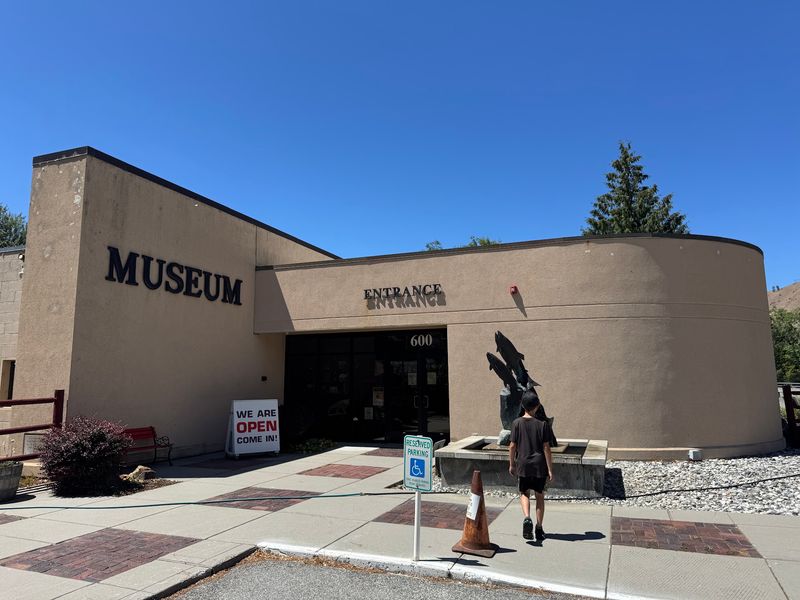
Planning a stop takes a quick glance at the schedule. The museum opens Wednesday through Sunday from 10 AM to 4 PM, and it stays closed on Mondays and Tuesdays, so aim for the back half of the week or the weekend.
The cost stays refreshingly light on the budget. Admission runs low enough that a family of four spent around fifty dollars for the whole group and still called it an incredible deal for how much was packed inside.
Money-saving options exist too. A headset-guided tour adds about two dollars, and an AAA discount can bring adult entry down to roughly six and a half dollars, keeping the whole outing easy on the wallet.
Finding it is simple, since it sits at 600 Cotlets Way in Cashmere, Washington, right along common routes toward Leavenworth and Lake Chelan. That location makes it a natural break in a longer drive.
Give yourself real time, though. You can breeze through the highlights in an hour, but the collection rewards those who set aside a few hours to see it all.
Why This Stop Is Worth Your Time
Some places overpromise and fizzle, but this one keeps surprising the folks who wander in. With a 4.7-star average across more than 270 write-ups, the Cashmere Museum and Pioneer Village clearly leaves people happy long after they pull back onto the highway.
The mix is what makes it stick. Indoor floors of artifacts and Native American history, an outdoor village of original cabins and shops, a scavenger hunt for the kids, and audio tours in two languages all live in one modest package.
Time and again, a planned quick stop stretches into a full afternoon nobody regrets. What starts as a rest break becomes a walk through thousands of years of regional history that outshines expectations.
Families, history lovers, and road-trippers all find something to grab onto here, from the sparkling minerals downstairs to the weathered doorways out back. The low cost only sweetens the deal.
Rolling through central Washington toward Leavenworth or Chelan, this frontier village makes a genuinely worthwhile detour. Set aside a few hours, bring the kids, and let the cabins tell their story.
Enjoyed this story?
Add Fast Food Club as a preferred source to see more of our reporting on Google.