


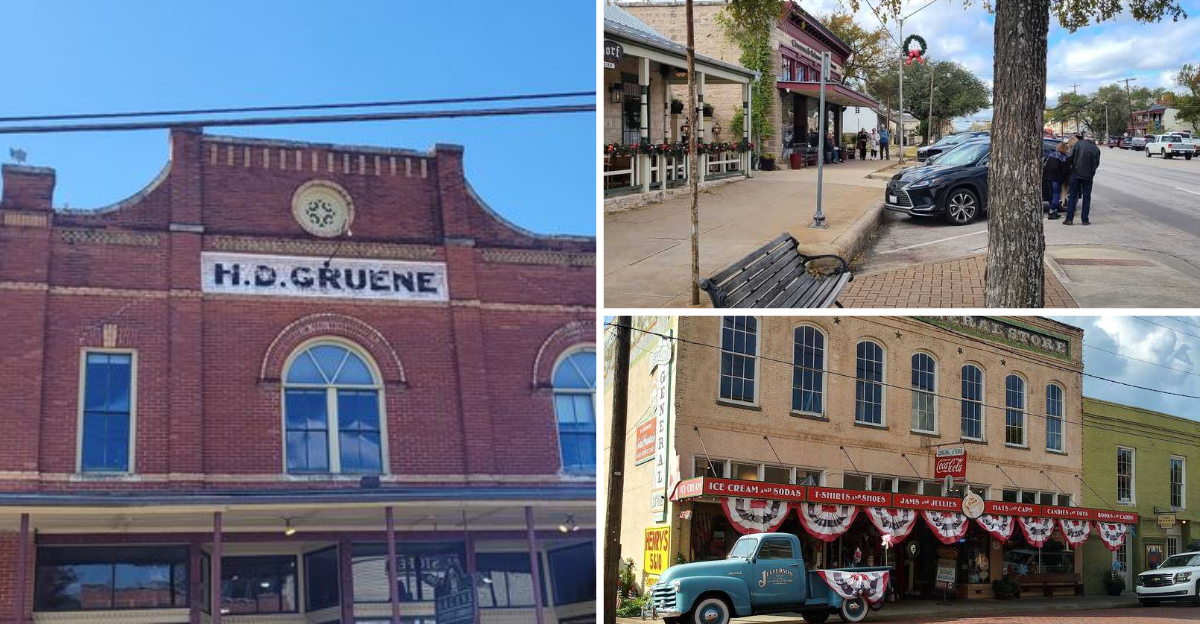
Texas is famous for big cities and long highways, but some of its best stops are the small towns you could easily miss. These are places with old courthouses, main streets full of brick storefronts, and a slower pace that feels like a different era.
They make great weekend drives because you can wander, eat well, and see real history without rushing. Here are seven tiny Texas towns that feel frozen in time and are made for taking it slow.
1. Fredericksburg, Texas
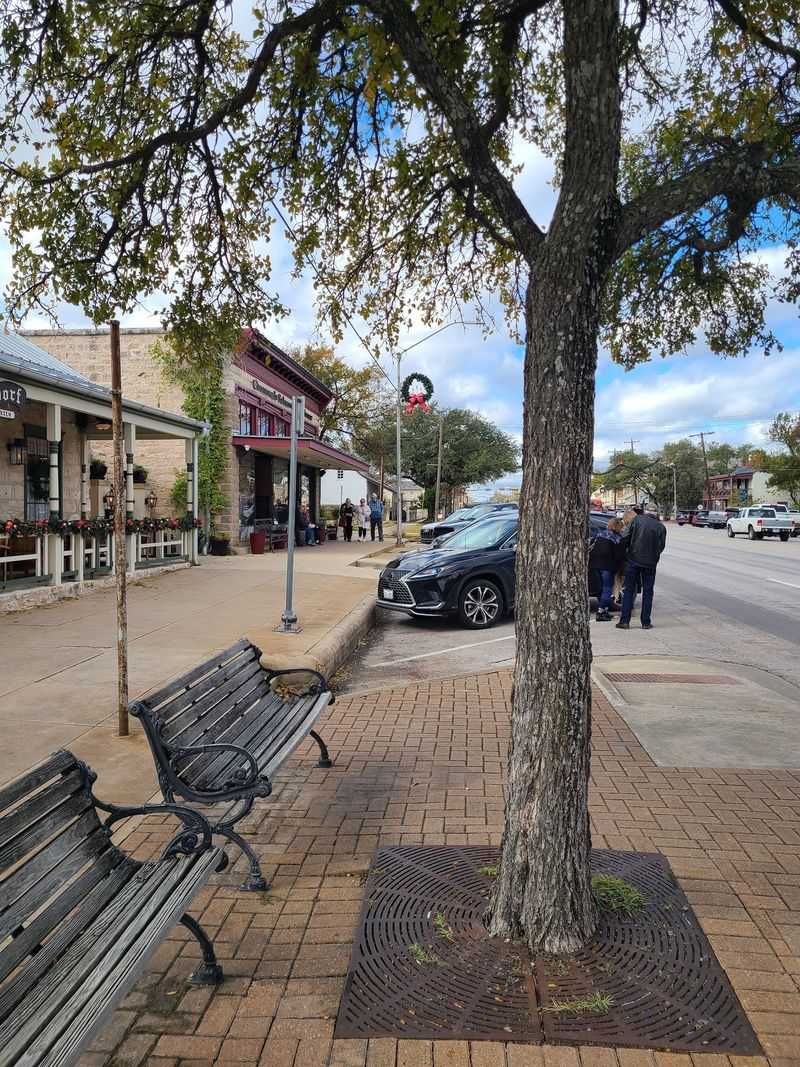
German settlers founded this Hill Country town in 1846, and their influence still shows in the architecture and food today.
Main Street runs long and walkable, lined with limestone buildings that now hold shops, bakeries, and museums. You can find German-style baked goods, pretzels, and pastries at local bakeries along the strip.
The National Museum of the Pacific War is here, which surprises many first-time visitors given the small-town setting. It honors Admiral Chester Nimitz, who was born in Fredericksburg, and covers a wide sweep of history across several buildings.
Nearby, Enchanted Rock State Natural Area offers a massive pink granite dome you can hike. It is a favorite for families and anyone who wants a short but rewarding climb with big views.
I like Fredericksburg because it blends walkable shopping with real history and open Hill Country scenery, so a weekend never feels wasted.
2. Jefferson, Texas
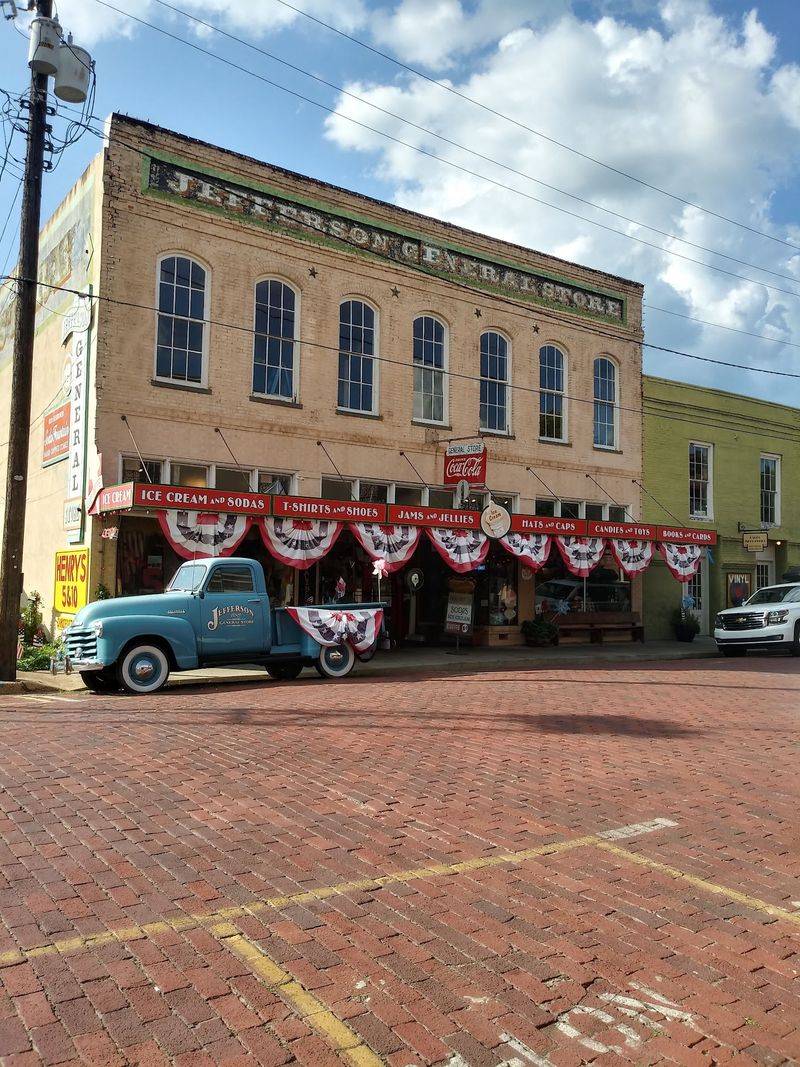
Back in the 1800s, Jefferson was one of the busiest inland ports in Texas, thanks to steamboat traffic on Big Cypress Bayou.
That riverport past left behind a downtown packed with brick storefronts and antique shops. Antique hunting is one of the main reasons people make the drive out to East Texas for a weekend here.
Bayou boat tours give you a look at the cypress-lined waterway that made the town matter in the first place. Horse-drawn carriage rides through the historic district add to the old-fashioned mood.
The town leans into its history year-round, with historic homes, bed-and-breakfast inns, and a small-town rhythm that never rushes you along.
Jefferson works well for travelers who want a genuine 19th-century feel without leaving Texas, especially if antiques and river history are your thing.
3. Gruene, Texas
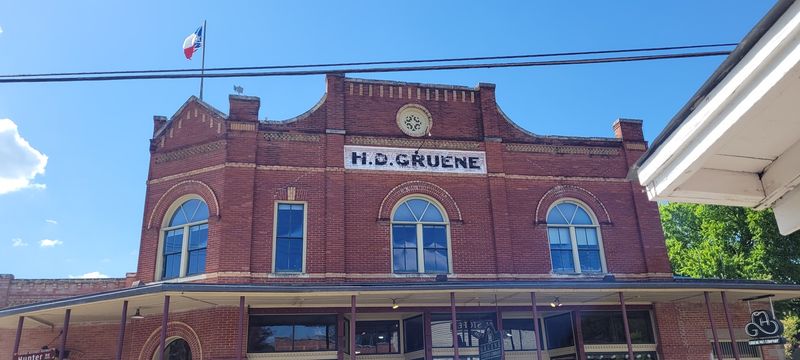
Gruene is actually a historic district within New Braunfels, and it holds one of the oldest dance halls in Texas.
Gruene Hall opened in 1878 and still hosts live music, keeping its original wooden floors and open-air feel. It draws people who want to hear real Texas music in a building older than most towns nearby.
The district sits right along the Guadalupe River, which makes it a popular launch point for tubing and floating during warmer months. That river access is a big part of why summer weekends stay busy here.
You can browse the historic general store, small shops, and river outfitters all within a short walk. The water tower and old buildings give the whole area a preserved, unhurried look.
I would save Gruene for a warm-weather weekend when you can pair music, river time, and small-town wandering in one trip.
4. Salado, Texas
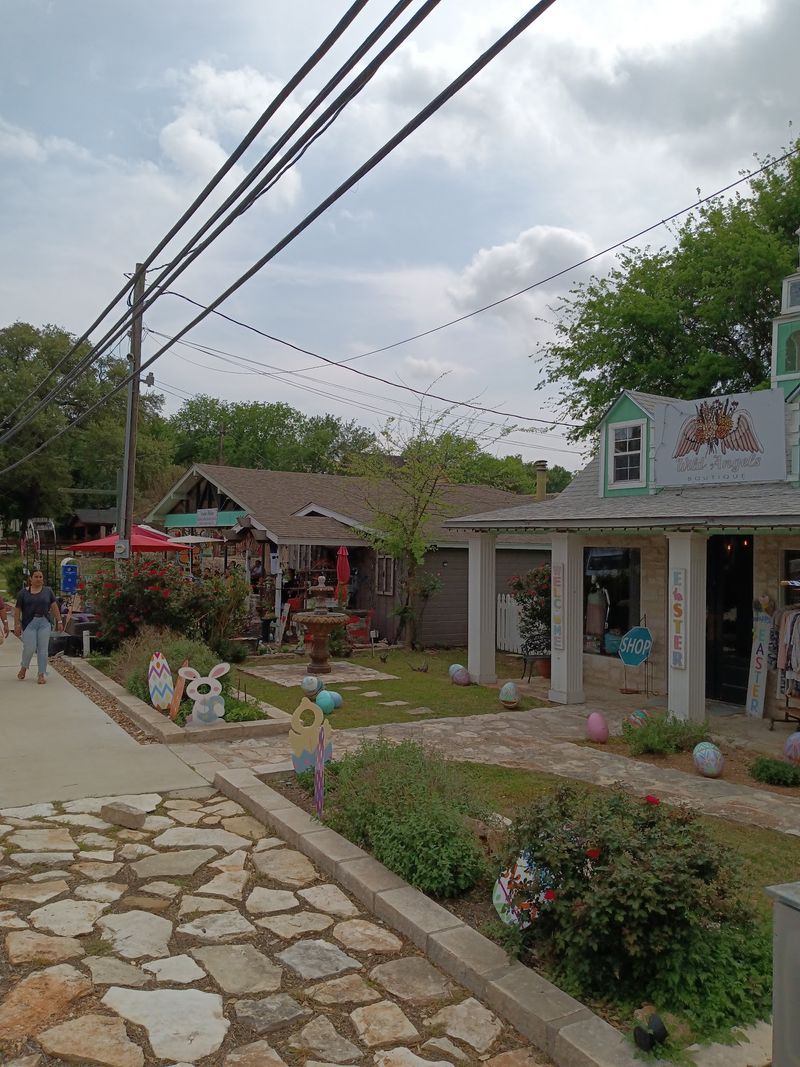
Clear spring-fed Salado Creek runs right through this village, and it has shaped the town since settlers arrived in the 1850s.
Salado has built a reputation as an arts community, with galleries, studios, and shops scattered through the small downtown. Sculptures and public art turn a simple walk into a low-key gallery tour.
The creek itself is a draw, offering a shady, easygoing spot to relax between browsing and dining. Its steady water is part of what gives the town its calm feel.
Historic buildings and stone structures anchor the main area, and the pace stays gentle even on busy weekends.
For travelers who want art, a pretty creek, and a slow stroll rather than a packed itinerary, Salado fits the bill neatly on a drive between Austin and Waco.
5. Marfa, Texas
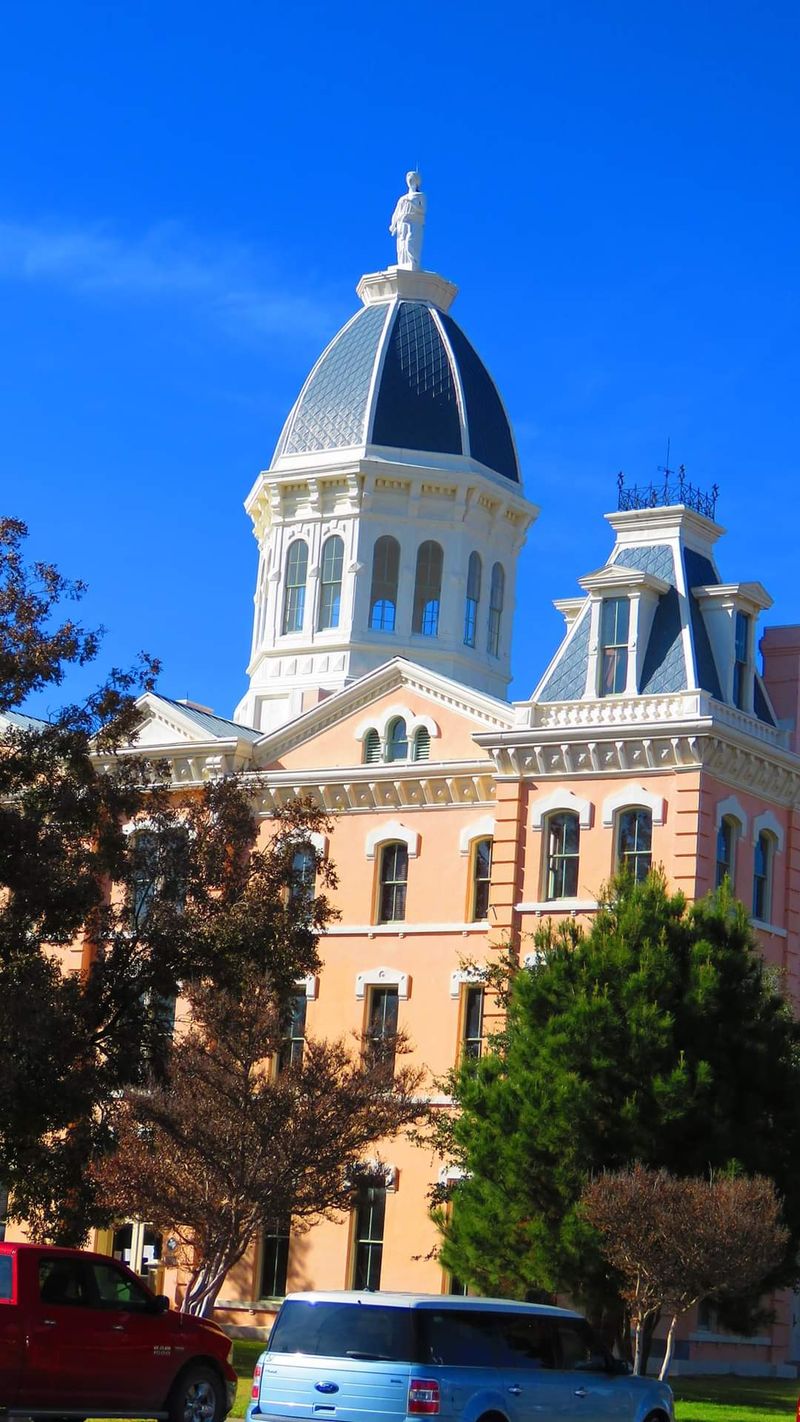
Way out in the high desert of West Texas, Marfa became famous for something you would never expect in a town this size: minimalist art.
Artist Donald Judd moved here in the 1970s, and the Chinati Foundation now displays large-scale contemporary art across former military buildings and open land. That art scene pulls visitors from all over the world.
The town also has the Presidio County Courthouse, a striking historic building you can spot from a distance. Small galleries, shops, and cafes fill out a downtown that stays quiet and spread out.
Then there are the Marfa Lights, mysterious glowing lights sometimes seen at night from a viewing area east of town. People still debate what causes them.
Marfa earns its spot because it mixes wide-open desert isolation with an art reputation that feels almost impossible for a town so tiny and remote.
6. Comfort, Texas
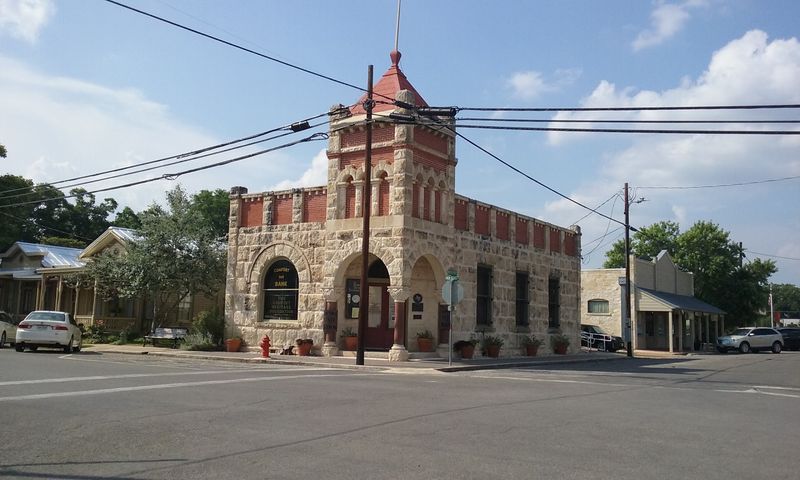
Comfort has one of the most intact 19th-century business districts in Texas, and much of it has never been heavily rebuilt.
German immigrants settled the town in 1854, and their limestone buildings still line the historic downtown. That preservation is exactly why history fans make a point of stopping here.
The district is filled with antique shops, small stores, and cafes housed inside original structures. Walking the few blocks feels like stepping back well over a century.
Comfort sits in the Hill Country between Fredericksburg and Boerne, which makes it an easy add-on to a longer regional drive.
I like this stop because it stays genuinely low-key, without the crowds of bigger Hill Country towns, so you can browse and slow down in peace.
7. Granbury, Texas
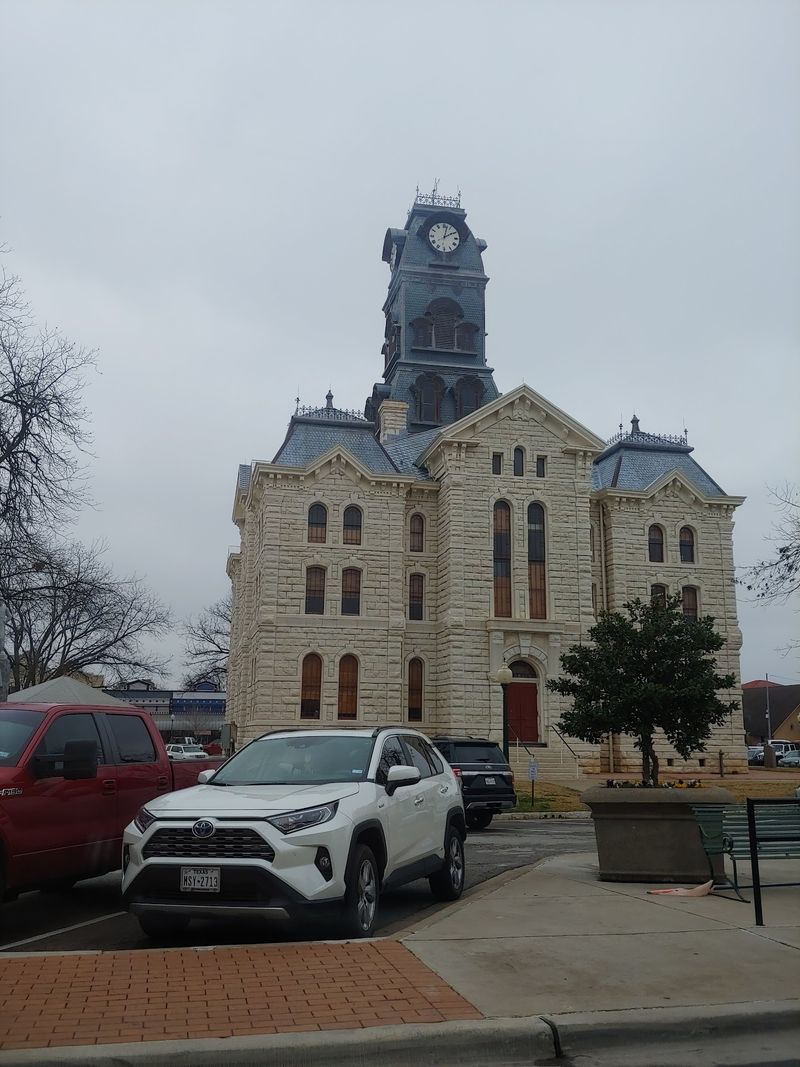
Granbury built its town square around a limestone courthouse, and the whole area was one of the first in Texas to land on the National Register of Historic Places.
The square is ringed with restored brick buildings that now hold shops, restaurants, and the historic Granbury Opera House. Live performances still take place in that opera house today.
Lake Granbury sits right beside town, adding boating, fishing, and a beach area to the mix. That combination of historic square and lakeside recreation makes for a full weekend.
Seasonal events and festivals fill the square throughout the year, keeping the historic center lively rather than sleepy.
Granbury rounds out the list because it pairs a beautifully preserved courthouse square with real water recreation, giving you two very different reasons to linger on a slow weekend drive.
Enjoyed this story?
Add Fast Food Club as a preferred source to see more of our reporting on Google.