


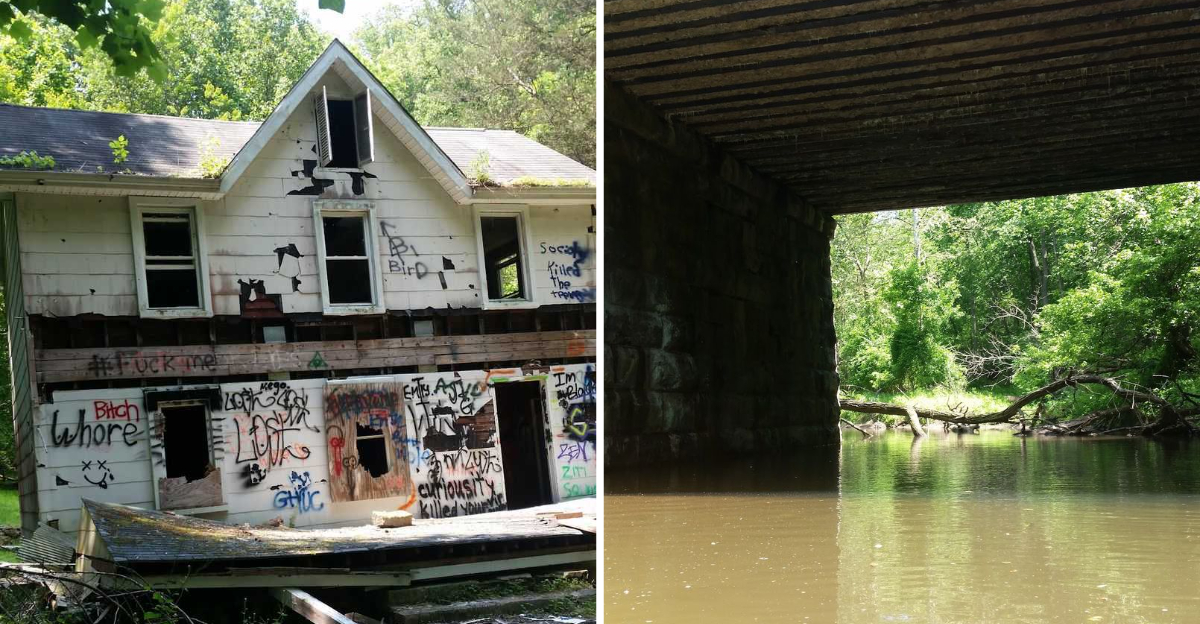
Deep in the trees along a winding Maryland river sits a town that time quietly walked away from. Crumbling stone walls, old foundations, and the hum of rushing water are all that remain of a once busy mill community.
Hikers stumble onto scattered ruins tangled in vines, wondering who lived here and why everyone left. The story mixes industry, faith, and a flood that changed everything in a single afternoon.
Getting there takes a little effort, and that is part of the appeal for those who love places most people never find. What waits in these woods is not a tourist trap or a polished attraction, but something rawer and stranger.
Keep reading to learn where it is, how it started, and why the ruins still draw curious wanderers today.
Where The Ruins Sit Along The Patapsco
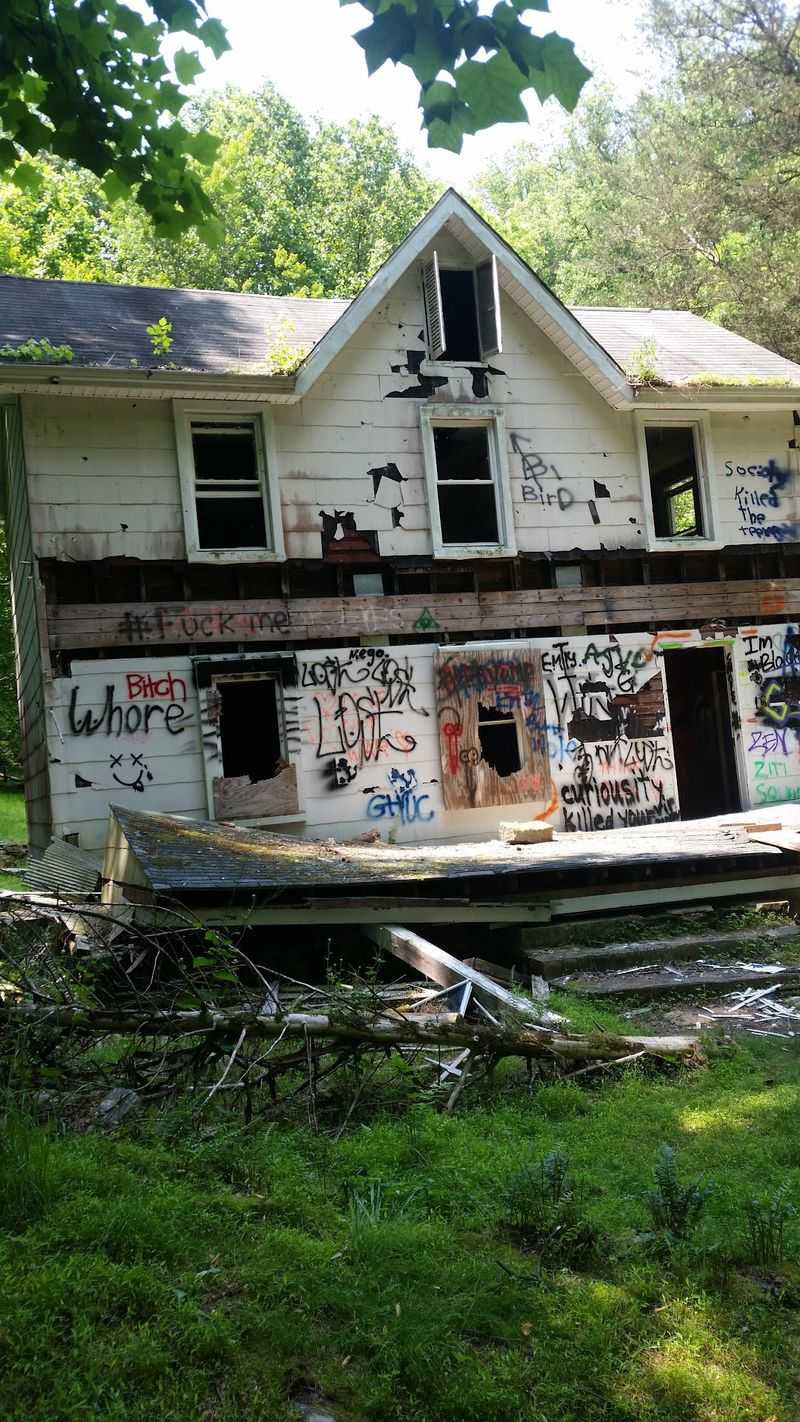
Tucked along the Patapsco River east of Woodstock and just north of Old Ellicott City, this abandoned settlement carries the simple address of Maryland 21244. The land straddles both Baltimore and Howard counties, which is fitting for a place that never quite fit into a single tidy category.
The name on the map is Daniels, and reaching it means following the river as it cuts through thick woodland. Roads give way to trails, and trails give way to scattered stone and brick.
What makes the spot so unusual is how completely nature has moved back in. Foundations that once held homes and a working mill now sit half swallowed by trees, moss, and creeping vines.
The river remains the constant thread, the same water that powered the community and later helped erase it. Following its bends today feels like tracing the outline of a story that has mostly faded from memory.
Few road signs point the way, and that quiet obscurity is exactly what draws the curious. The ruins do not announce themselves, so finding them feels like uncovering a secret the forest has been keeping.
The Mill That Built A Town
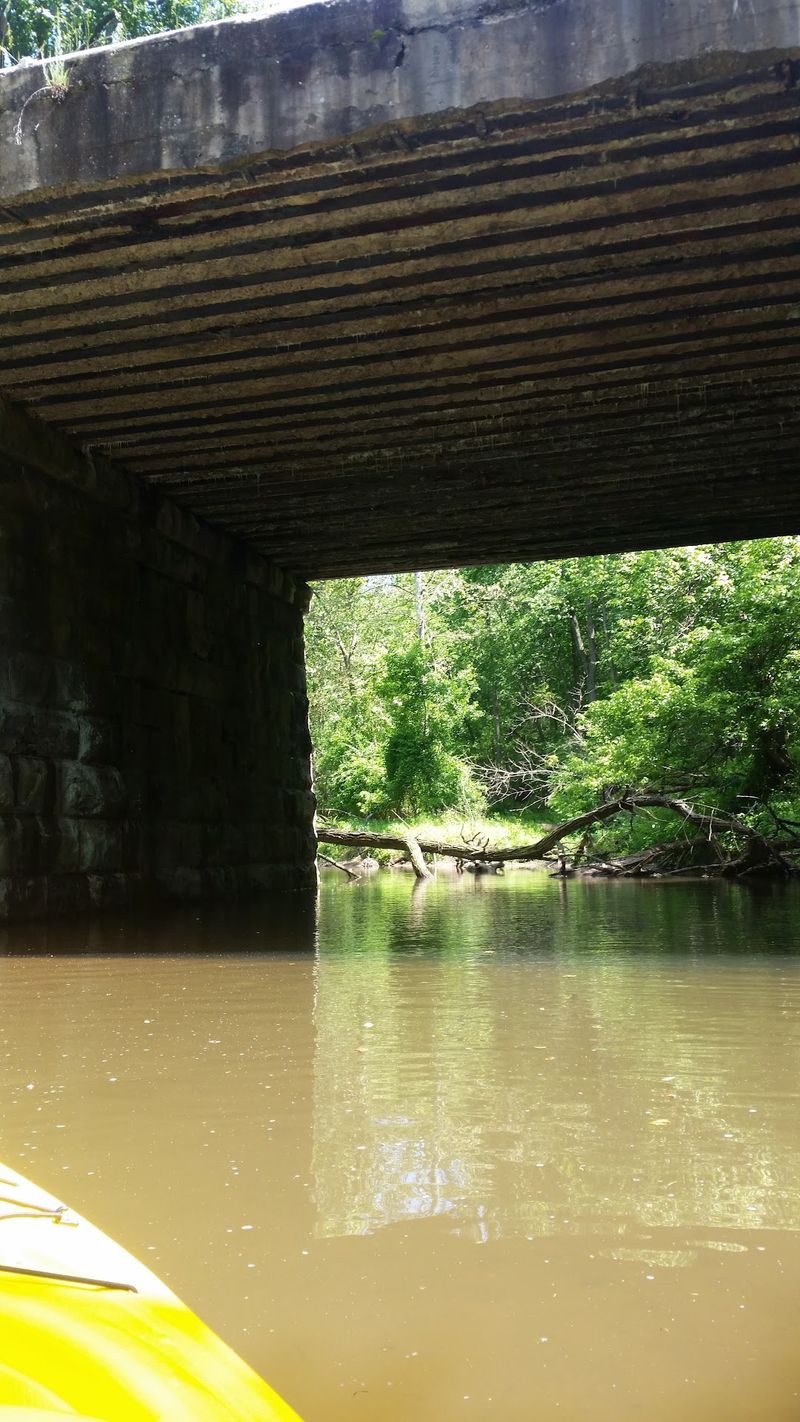
Everything here began with the Daniels Mill, a name that still carries weight on the National Register of Historic Places. The mill was the heartbeat of the community, the reason families settled among these hills in the first place.
Water from the Patapsco turned the wheels that powered production, and around that industry a whole town took shape. Workers needed homes, stores, and gathering places, so the settlement grew outward from the mill like ripples from a stone.
Textile work anchored daily life for generations, tying the fate of the people directly to the fate of the factory. When the mill thrived, so did the town clustered around it.
The historic listing is a reminder that this was no minor operation. It played a real role in Maryland’s industrial past, contributing to a network of mills that lined the region’s rivers.
Standing near the old mill site today, you get a sense of scale that the surrounding forest tries hard to hide. The stones may be quiet now, but they once framed a place that hummed with purpose from morning until night.
How A Company Town Took Shape
Life in a mill town followed its own rhythm, and Daniels was very much a company town. The people who lived here worked at the mill, and the mill in turn shaped where they lived and how the community was arranged.
Rows of housing once stood within walking distance of the workplace, keeping the labor force close and the operation running smoothly. That tight bundle of homes, factory, and river defined the entire layout of the settlement.
Community institutions grew alongside the industry. Places of worship and gathering spots gave residents a sense of belonging that stretched beyond the factory floor.
Everyday needs were met close to home, which made the town feel self contained. Families could live an entire life within a small footprint of land pressed against the water.
That closeness became part of the town’s identity and, later, part of its vulnerability. When the mill’s story ended, the community woven so tightly around it had little reason to remain.
The bones of that arrangement still surface in the woods, where clusters of ruins hint at how neatly life was once organized here.
When The Flood Changed Everything
Rivers give and rivers take, and the Patapsco eventually took much of what Daniels had built. Flooding along this waterway has long been part of the region’s history, and the low lying town sat squarely in harm’s way.
The community that clung so closely to the water paid for that closeness when the river surged. Structures near the banks were battered, and the tight cluster that made the town efficient also made it exposed.
Recovery from such events was not simple for a place already tied to a fading industry. Once the mill era waned and the water proved unforgiving, the reasons to stay grew thinner.
People drifted away, buildings emptied, and the forest began its slow return. What the flood did not carry off, time and vegetation gradually reclaimed.
That combination of natural force and industrial decline is what turned a working town into a ghost town. The two stories are impossible to separate.
Understanding the flood helps explain why so little remains standing, and why the ruins feel scattered rather than arranged. The river wrote the ending as surely as it wrote the beginning.
Stone Walls Wrapped In Green
Nature is the reigning landlord in Daniels now, and it has redecorated with vines. Old walls stand at odd angles, their edges softened by moss and framed by whatever the forest decided to grow that season.
Foundations poke through fallen leaves like the outlines of rooms that no longer have ceilings. Trees have taken root in spots where floors once were, blurring the line between building and woodland.
Part of the strange appeal is spotting these fragments before you realize what they are. A rectangle of stone that first looks like a natural ledge turns out to be the base of a long gone structure.
The greenery changes the whole mood of the place. In warmer months the ruins nearly vanish beneath the growth, while cooler seasons strip the trees bare and reveal more of the hidden framework.
Every visit offers a slightly different view depending on the time of year. The forest keeps rearranging its grip on the past.
Walking among these overtaken walls is a reminder of how quickly the wild reclaims what people leave behind.
The Eerie Quiet That Settles In
Silence has a way of announcing itself in a place like this. The usual buzz of a town is gone, replaced by the steady voice of the river and the occasional rustle of branches overhead.
That stillness is exactly what earns Daniels its reputation for sending a shiver up your spine. Knowing that families once filled these grounds makes the emptiness feel heavier than ordinary woods.
The mood shifts with the weather. On overcast days a low mist can gather near the water, softening the ruins into faint outlines and deepening the sense of mystery.
People who love abandoned places come precisely for this atmosphere. It is quiet without being dull, and haunting without needing any theatrics.
The absence of crowds only amplifies the effect. You can stand among the stones and feel as though the entire valley is holding its breath.
For those chasing a genuinely spooky mood rather than a manufactured one, few spots deliver it so honestly. The chills here come from history and hush, not from anything staged for effect.
A Playground For Urban Explorers
Ruins tend to attract a certain kind of wanderer, and Daniels is a favorite among people who love poking around forgotten places. History buffs, hikers, and photographers all find something worth the trek here.
The scattered remains reward slow, curious exploration. Half the fun is piecing together what each fragment might have been, from a home to a shop to part of the old mill complex.
Photographers especially appreciate the contrast between hard stone and soft forest. The ruins photograph beautifully in changing light and shifting seasons.
Those who enjoy a little detective work can trace foundations and imagine how the streets once connected. Every mound and wall becomes a small clue.
It also appeals to folks who prefer their outdoor adventures with a side of story. A plain walk in the woods is fine, but a walk through a vanished town is far more memorable.
Anyone drawn to the offbeat and the historical will feel right at home wandering these paths. Daniels rewards curiosity more than it rewards convenience.
Hiking The River Trails
Reaching the ruins is an outing in itself, and the walk along the Patapsco is half the reward. Trails follow the river through wooded terrain, weaving past the water that shaped the whole area.
The paths range from easy strolls to rougher stretches, so a bit of planning helps. Sturdy footwear makes the uneven ground and occasional muddy patches far more comfortable.
The river stays close for much of the route, providing a steady companion as you move toward the old town site. Its constant flow is a reminder of the force that both built and unmade the community.
Wildlife and greenery keep the hike lively even before the ruins appear. The forest here is active and full of small movement.
Because the area sits within a natural river corridor, the surroundings feel wilder than a typical park. That sense of remoteness adds to the thrill of discovery.
By the time the first stone walls come into view, the journey has already set the tone. The trek and the destination work together to make the visit feel earned.
Two Counties, One Vanished Town
A quirky detail sets Daniels apart from most abandoned towns. It sits across two counties at once, with the Patapsco River acting as the natural divider between Baltimore and Howard.
The river was not just a border on a map but a working part of daily life. It powered the mill, shaped the town’s layout, and later became the very thing that hastened its decline.
Being split between counties gives the site an odd administrative footprint for a place with almost no residents left. The ruins belong to two jurisdictions and yet feel like they belong only to the forest.
Its position between Woodstock and Old Ellicott City places it in a stretch of Maryland rich with mill history. The whole corridor tells a story of water powered industry.
That geography helps explain why the town developed where it did. The river offered both opportunity and eventual hardship in equal measure.
Understanding the layout makes wandering the ruins more rewarding, since the water is the key to nearly every part of the story.
Tips Before You Set Out
A little preparation turns a good visit into a smooth one. Since the ruins sit along the river within a natural corridor, plan for a walk rather than a drive right up to the site.
Comfortable, grippy shoes are a smart choice given the uneven and sometimes damp terrain. The paths near the water can be tricky in spots.
Bringing water and dressing for the weather makes the trek far more pleasant. Shade is plentiful, but the forest floor can be muddy after rain.
Timing matters too. The bare trees of cooler months reveal more of the ruins, while summer growth can hide them, so pick a season that matches what you want to see.
Respecting the ruins keeps this historic site intact for the next curious wanderer. The stones are fragile pieces of a listed landmark, so tread lightly and leave things as you find them.
Packing out whatever you bring in helps preserve the quiet, wild character that makes the place special. A responsible visit keeps Daniels worth finding for years to come.
Why The Ruins Stay With You
Some places fade from memory the moment you leave, and others linger for reasons that are hard to pin down. Daniels lands firmly in the second group.
The mix of a real mill town, a river that gave and took, and a forest patiently reclaiming everything creates a story you keep turning over long after the walk ends. It is history you can stand inside rather than read on a plaque.
Part of its power is how little effort it makes to impress. There are no gates, no gift shops, and no crowds, only stone, water, and trees keeping the past company.
For anyone who loves quiet mystery over polished attractions, this vanished Maryland town delivers something genuine. The chills come from truth, not decoration.
The ruins reward the curious and respectful, offering a glimpse of a community that once thrived and then slipped into the woods. It is a reminder that even busy places can go silent.
Come for the eerie hush, stay for the history, and leave with a story worth telling.
Enjoyed this story?
Add Fast Food Club as a preferred source to see more of our reporting on Google.