


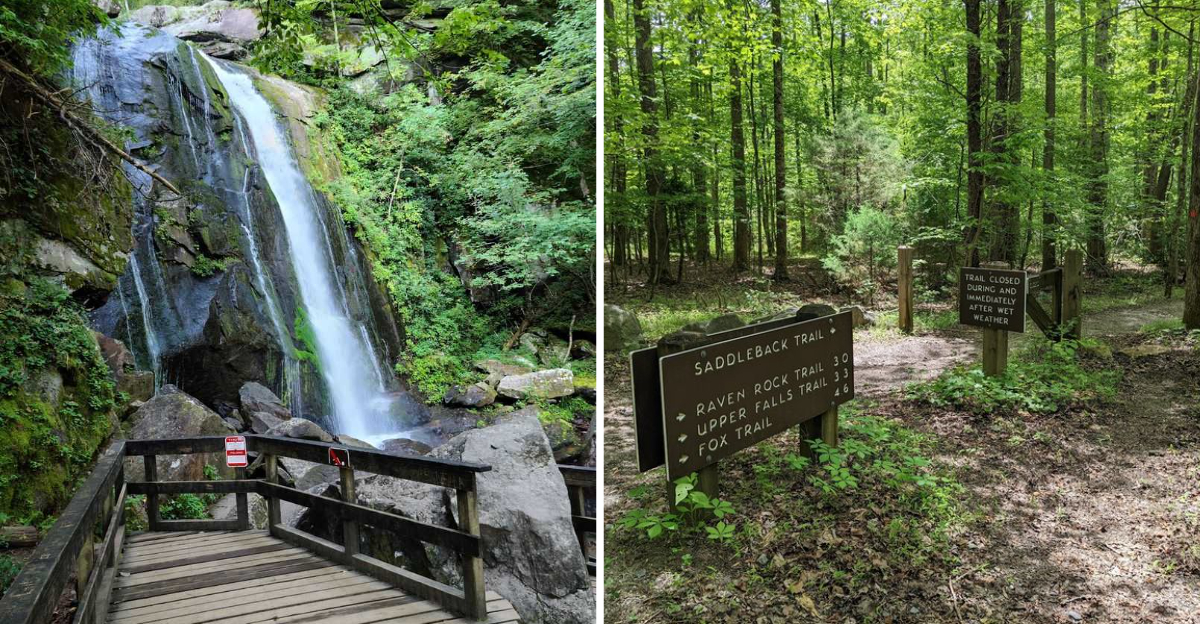
Tucked into the foothills of western North Carolina, there is a stretch of wild country where cold mountain streams tumble over boulders and 47 miles of trails wind through thick forest. It holds an 80-foot waterfall that draws people from hours away, plus quiet creekside spots where families spread out for the afternoon.
What keeps folks coming back is the rare mix of real adventure and honest calm, all wrapped inside a park that stays remarkably well kept. The rangers here have a reputation for being helpful, the campground fills up fast, and the wildlife tends to make an appearance when you least expect it.
Keep reading to learn where this place is, what makes each corner worth the drive, and the practical tips that will make your first trip a smooth one.
Where To Find This Foothills Retreat
Deep in Burke County, at 3001 S Mountain Park in Connelly Springs, North Carolina, sits South Mountains State Park. The address alone hints at the rugged terrain waiting past the entrance gate.
The drive in sets the mood before you even park. Both sides of the road offer views worth slowing down for, and the trip in and out tends to feel like part of the experience rather than just a commute.
Once you arrive, the layout keeps things simple. The parking lot sits close to the main trailhead, which means less time hauling gear and more time on the path.
Cell signal is nearly nonexistent throughout the grounds, so it pays to know your way in and out before you lose those bars. That quiet disconnection is part of the appeal for many who show up wanting a break from screens.
Holding a 4.9-star average across nearly 3,000 opinions, the park has earned steady praise for staying clean and well managed. It is the kind of place people mark on their calendar for a return trip before they have even left the parking area.
The Waterfall That Anchors The Park
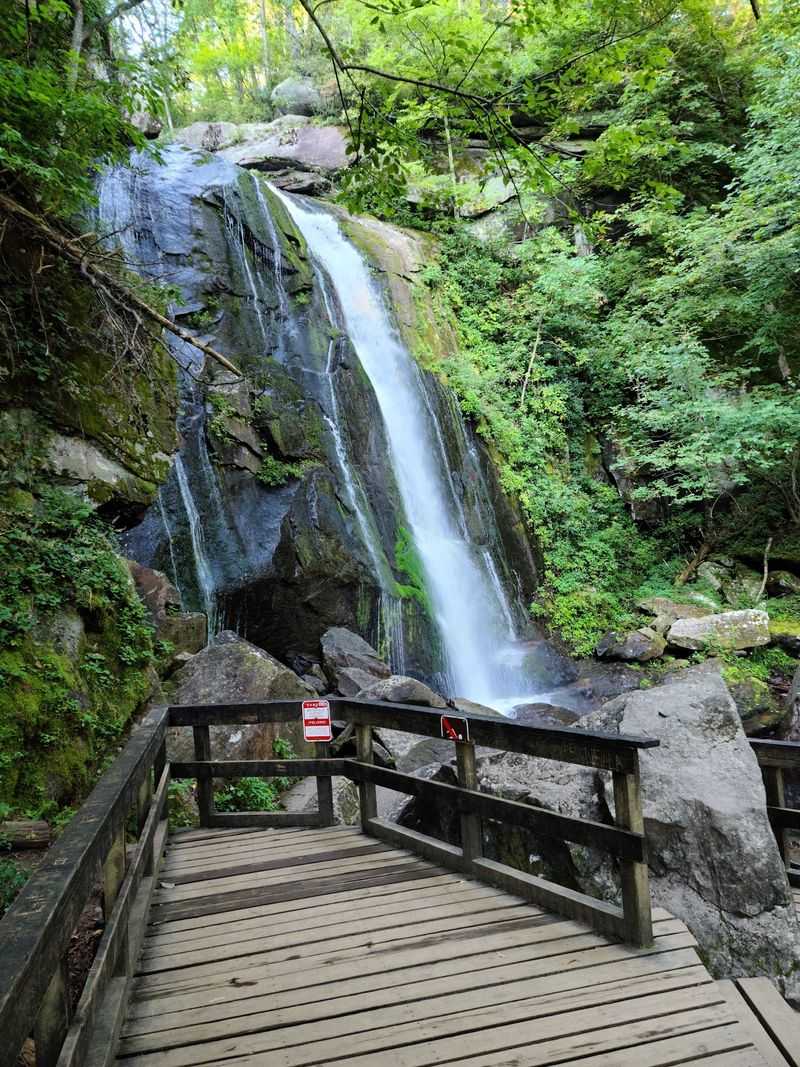
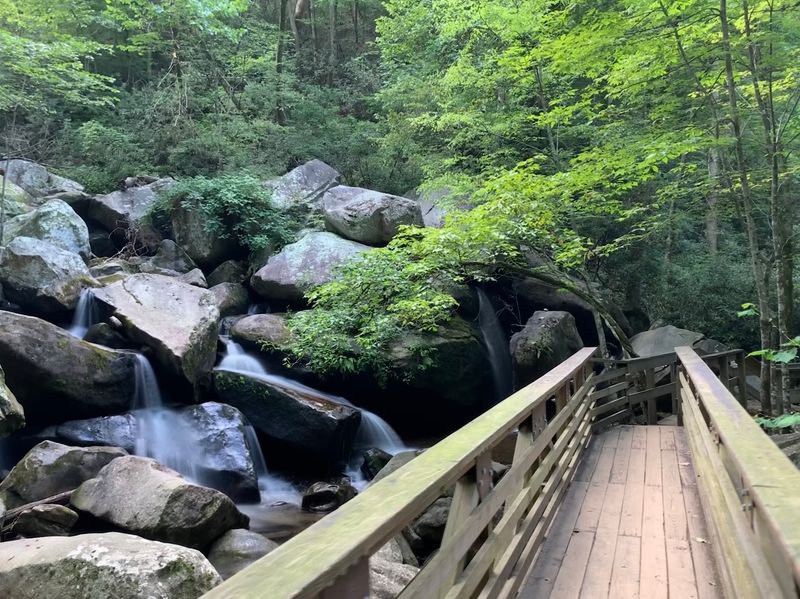
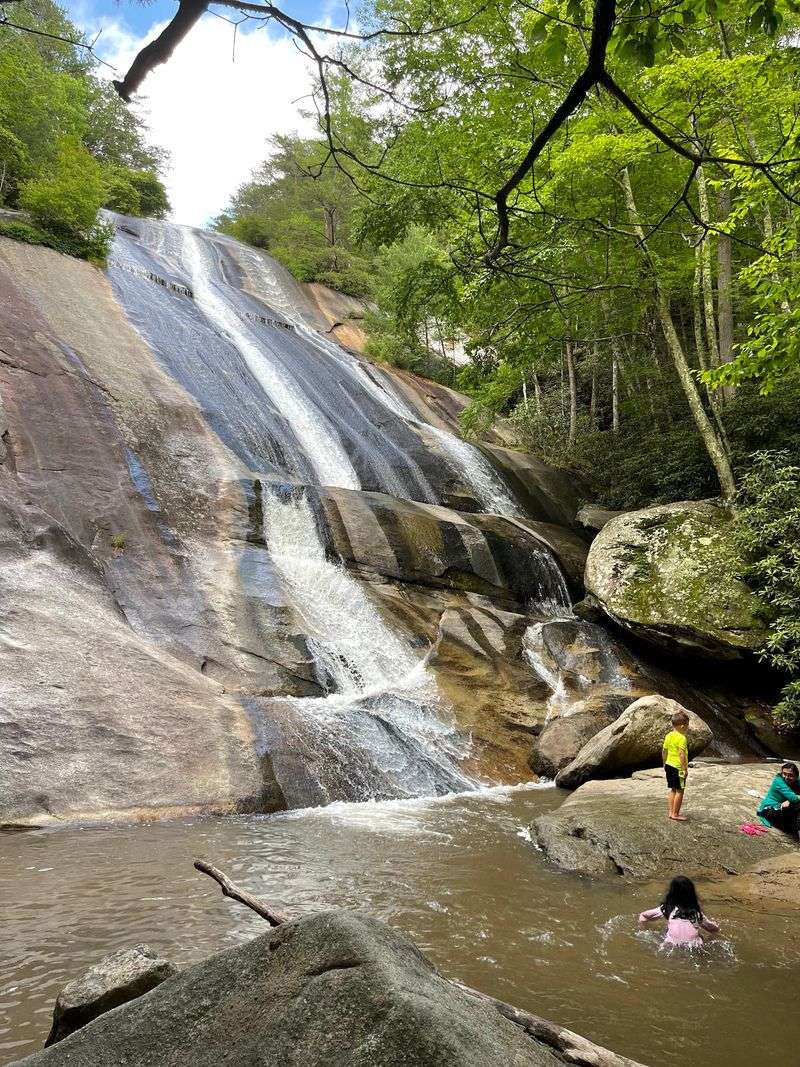
An 80-foot cascade known as High Shoals Falls is the headline act, and it is the reason many people make the long drive in the first place. The falls tumble down a rocky face that looks impressive whether you view it from below or from the platform above.
Reaching it takes some effort. The route to the top involves steep stairs and a stretch of climbing that turns a pleasant walk into a genuine workout.
The payoff is worth every step. From the upper vantage point, the water spilling over the edge makes the burning legs feel like a fair trade.
Water levels shift with the season, so the falls can look thunderous in spring or gentler in a dry stretch. Either way, the surrounding cascades along the trail give you plenty of scenery even before you reach the main event.
Access to the falls has occasionally been limited for safety, and portions near the top have been closed at times. Checking ahead saves you from a surprise, since the falls remain the crown jewel of the whole park.
Forty-Seven Miles Of Trails For Every Level
Hikers get spoiled here. With 47 miles of trails threading through the park, there is a route for nearly every ability, from short strolls to leg-testing climbs.
Beginners and families gravitate toward the gentler options. Hidden Cove Trail, for example, runs about 2.7 miles at a moderate pace and gives newer hikers a taste of the terrain without wearing them down.
The connecting network is one of the park’s biggest draws. Trails link up to form loops and longer treks, so you can build a route that matches your energy on any given day.
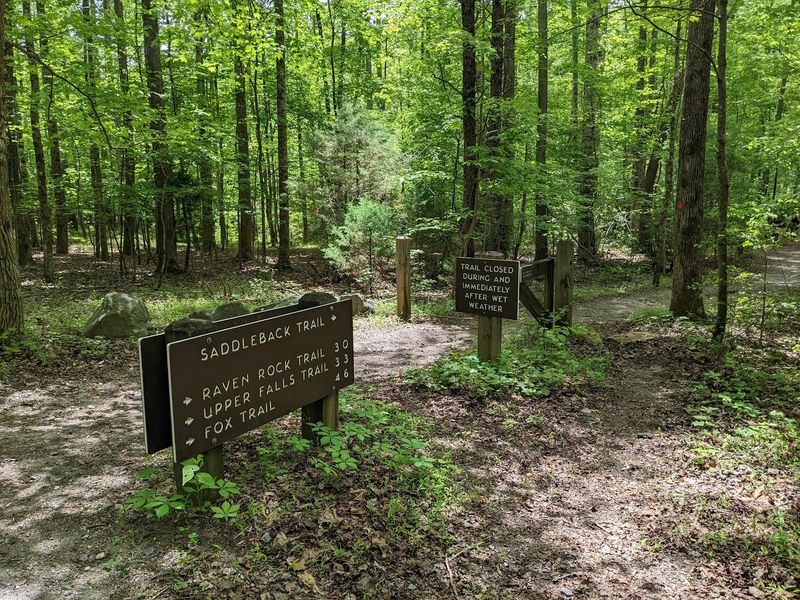
Signage keeps the guesswork low. Paths are clearly marked and easy to follow, which frees you to focus on the surroundings instead of squinting at a map.
Hikers describe the trail system as varied and rewarding, with good views spread throughout rather than saved for a single destination. Working your way up to the longer routes becomes its own quiet goal for repeat visitors.
Cool Creeks And Streamside Rest Stops
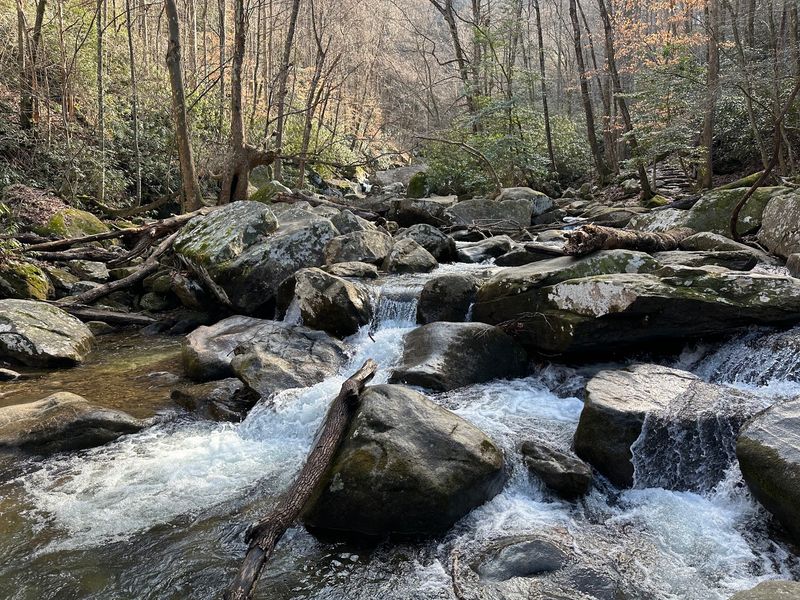
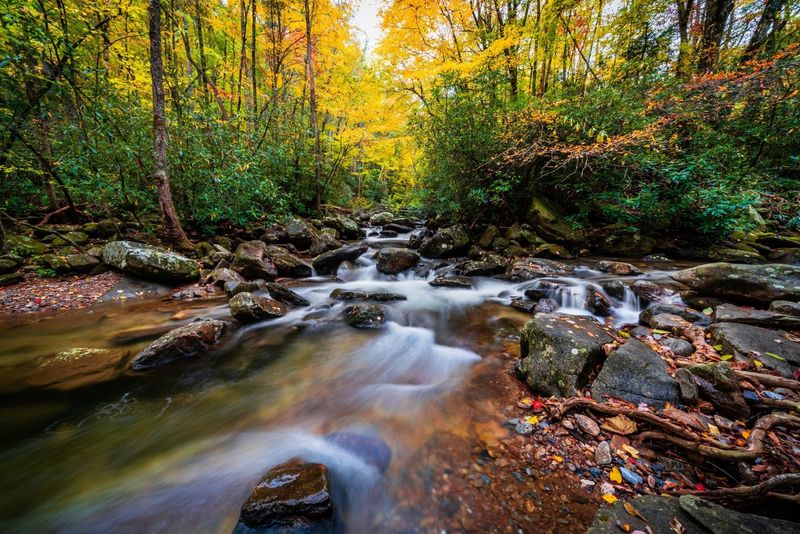
Running water shows up everywhere you look. Jacob Fork and the park’s other streams carry cold mountain water that stays refreshing all year, even in the middle of summer.
On warm days, families spread out along the creek to cool off. The water runs clean, and weekdays tend to make it easier to claim a good spot before the crowds roll in.
Plenty of natural rest areas dot the trails. Flat rocks and shaded banks give hikers a reason to pause, sit, and let the sound of the water do the rest.
The pools near the falls have long been a favorite gathering place on hot afternoons. While swimming is not officially encouraged, people often wade in a careful, sensible way.
Because the streams feed off mountain runoff, levels rise and fall with the weather. A rainy season fills them up nicely, while a dry stretch leaves gentler flows and easier rock-hopping across the shallows.
The Visitor Center Worth A Stop
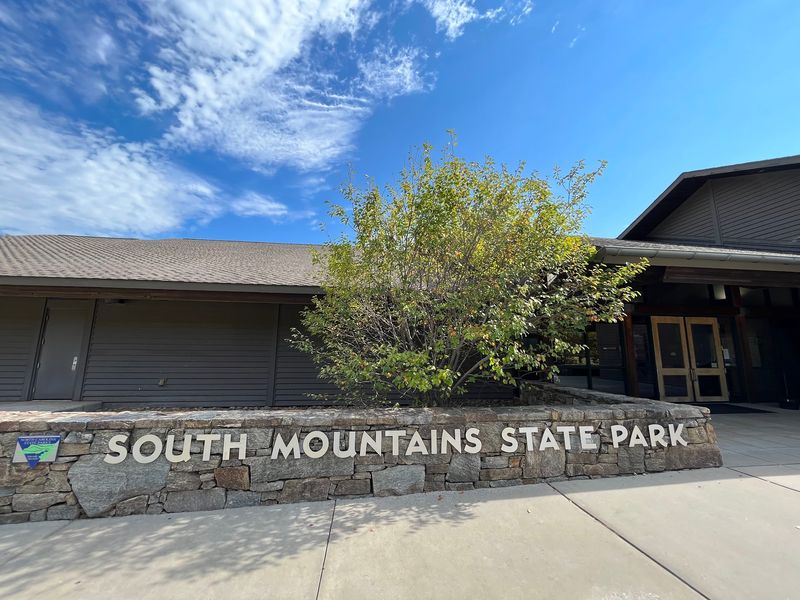
Skipping the visitor center would be a mistake. Small but thoughtfully arranged, it serves as the perfect first stop before you head out onto the trails.
The showpiece inside is a large topographical relief map of the park. Standing over it gives you a real sense of how the ridges, valleys, and trails all fit together.
A nature center rounds out the space with educational displays. The information there helps first-timers understand the landscape and the wildlife they might cross paths with.
The staff have built a reputation for being friendly and genuinely helpful. Questions about trail conditions or which routes are open get answered with a smile.
Campers appreciate that the center stocks essential items, and the clean restrooms are a welcome touch. It is the kind of low-key stop that makes the rest of the visit run smoother.
Camping Beside The Water
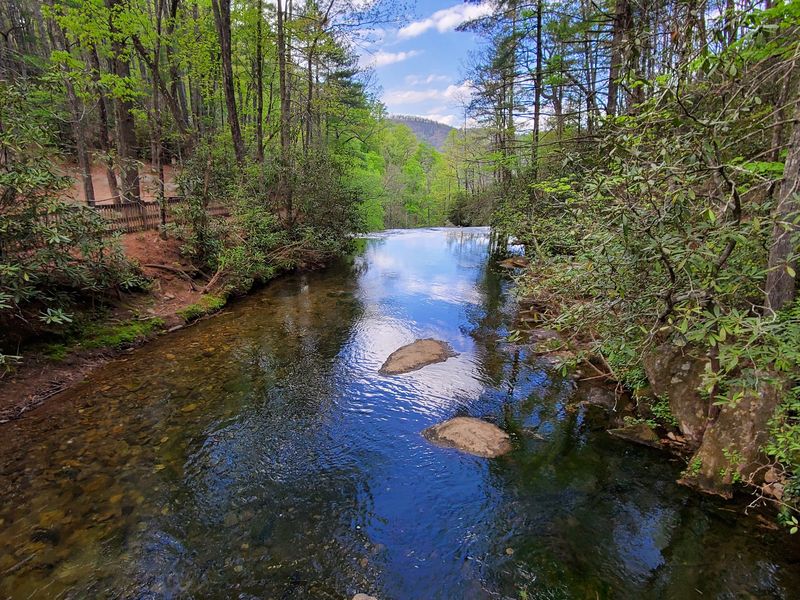
Spending a night here turns a day trip into a proper getaway. The Family Campground holds 18 sites, and a few of them sit right alongside the park’s streams.
Sites like C5 and C6 rank among the most sought after, prized for their spots near the water. Site 17 has also won loyal fans who return for its stream overlook.
The bathhouse gets high marks for staying spotless. New tile, good showers, and a well-kept facility make roughing it feel a little less rough.
Rangers make regular rounds through the campground, which adds a sense of safety and order. That steady presence is a big reason families feel comfortable bringing little ones along.
A couple of practical notes matter here. There is no dump station on site, only a small number of RV spots near the parking area, and sites can sit close together, so tent campers looking for elbow room should plan accordingly.
Trout Fishing In Mountain Waters
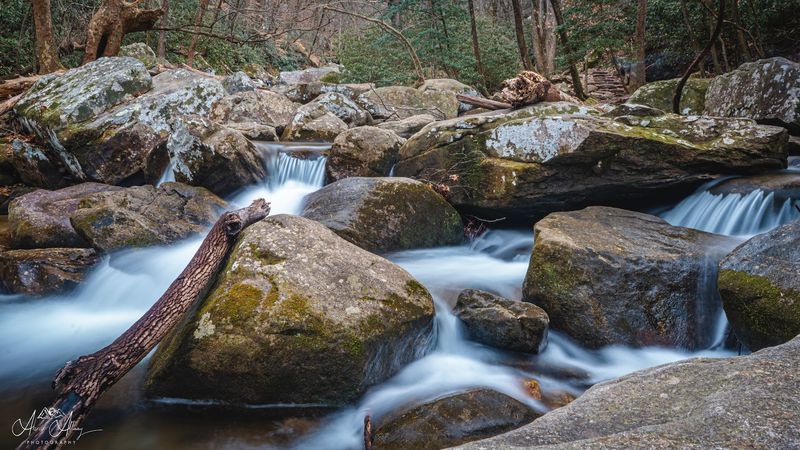
Anglers have their own reason to visit. The park’s cold streams hold trout, and casting a line here is a quiet way to spend a morning away from the busier trails.
Fishing conditions swing with the water levels. When streams run low, the action slows down, though decent-sized trout still swim through the deeper pockets.
The setting adds to the appeal. Working a line along a rocky mountain stream turns fishing into a full outdoor outing rather than just a quick catch.
Not every day brings a bite, and some folks leave with empty hooks. Even then, the surroundings tend to make the trip feel worthwhile.
Younger anglers seem to enjoy the experience as much as the grown-ups. Watching kids try their luck along the water is a common and welcome sight around the park.
A Challenge At Chestnut Knob Overlook
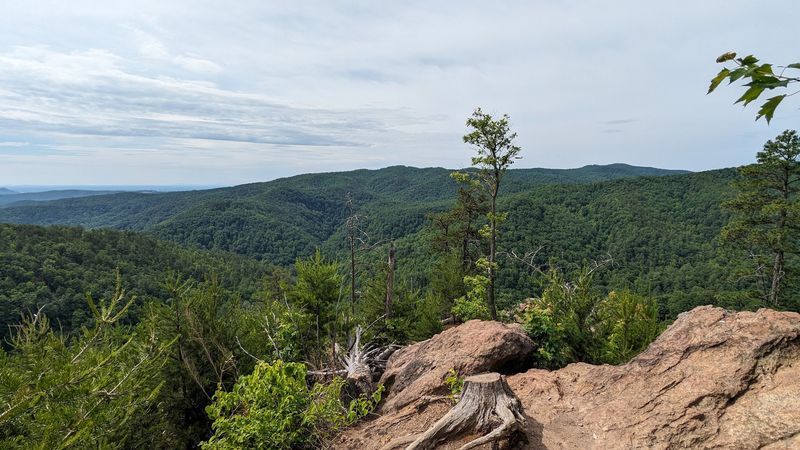
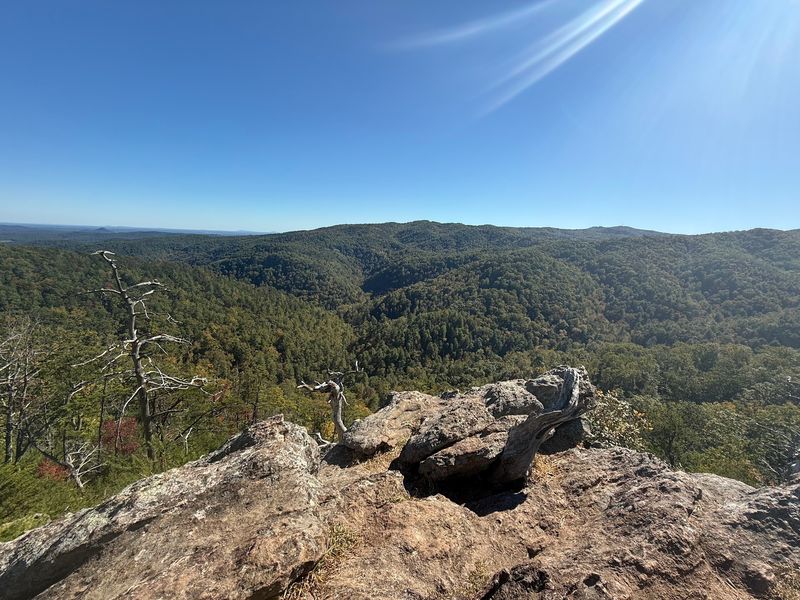
For those who want to push harder, the trail to Chestnut Knob Overlook delivers. It is a demanding route that rewards effort with a satisfying view at the top.
The climb earns its reputation. Steep grades and a steady ascent make this one a real test for the legs and lungs.
Conditions along the way can get rough. Sections have grown overgrown at times, with rocks, heavy leaf cover, and downed trees to navigate around.
Even with trail damage in the mix, the overlook remains open and reachable. It gives serious hikers a solid workout when some of the other routes are closed.
The reward at the summit makes the grind worthwhile. Reaching Chestnut Knob is the kind of accomplishment that keeps experienced hikers coming back for more.
Wildlife And Bears On The Radar
Nature does not stay hidden here for long. Odds are strong that you will spot some animals during a visit, which adds a bit of excitement to any hike.
Birds, small critters, and larger creatures all share the park. Keeping your eyes open along the trails often turns up a surprise or two.
Bears deserve special attention. The park is bear country, so all food and scented items should stay locked in vehicles, especially for those staying overnight.
Following the food-storage rules keeps both people and animals safe. Rangers reinforce these practices, and campers who respect them rarely run into trouble.
Encounters tend to leave lasting impressions. Seeing wildlife in its own habitat is one of those small thrills that makes a state park trip feel genuinely wild.
Picnic Areas, Grills, And Gathering Spots
Not every visit has to involve a grueling climb. The park sets aside picnic areas with grills tucked among the trees, giving families a comfortable base for the day.
A large covered area gives groups a spot to eat out of the sun or rain. That kind of shelter makes the park an easy pick for gatherings no matter the forecast.
An amphitheater adds another layer to the grounds. It offers a space for programs and gatherings beyond the usual hiking and creek time.
These common areas stay well maintained, which regulars notice and appreciate. Clean tables and tidy grounds reflect the care the rangers put in.
Combined with the nearby creek, the picnic zones turn a simple outing into a full day. Pack a lunch, claim a table, and let the afternoon stretch out at its own pace.
Hours, Contact, And Getting There
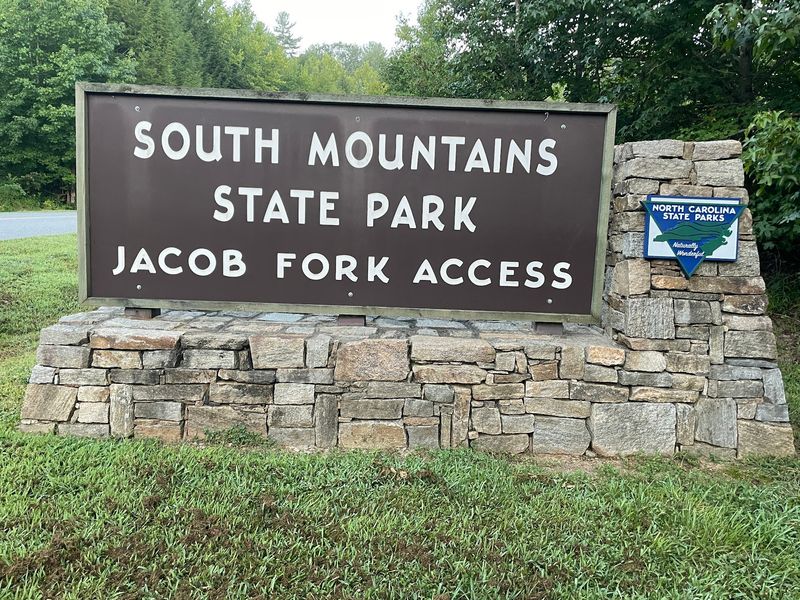
Planning a trip is refreshingly simple. The park welcomes guests every day of the week from 7 AM to 10 PM, giving early risers and late-afternoon adventurers plenty of room to work with.
The address to punch into your directions is 3001 S Mountain Park, Connelly Springs, NC 28612. Just remember that once you arrive, cell service drops off almost completely.
For questions before you go, the park can be reached at +1 828-433-4772. The official site at ncparks.gov also lists current conditions.
Checking trail status ahead of time matters here. Some routes have stayed closed after storm damage, and a quick look at the latest updates can save a long drive to a shut trail.
Early arrivals get the best of the park. Morning visits mean lighter crowds, easier parking, and a better shot at the prime creek spots before the day fills up.
Why This Park Earns A Return Visit
Few places balance adventure and calm the way this one does. Between the towering waterfall, the endless trails, and the streamside campsites, there is enough here to fill a weekend or a full week.
Storm damage from Hurricane Helene did close a share of the trails, and some visitors have felt the pinch of fewer open routes. Even so, the goodwill toward the park runs deep, largely thanks to how well the rangers keep things running.
The consistent theme among guests is a simple one: they cannot wait to come back. First-timers often start planning their next trip before they have packed up the car.
Clean facilities, friendly staff, and scenery worth the drive keep the loyalty strong. Even the toughest critics tend to give credit to the crew behind the scenes.
For a peaceful escape that still leaves room for a real challenge, South Mountains State Park hits a rare sweet spot. Pack your boots, arrive early, and let the foothills do the rest.
Enjoyed this story?
Add Fast Food Club as a preferred source to see more of our reporting on Google.