


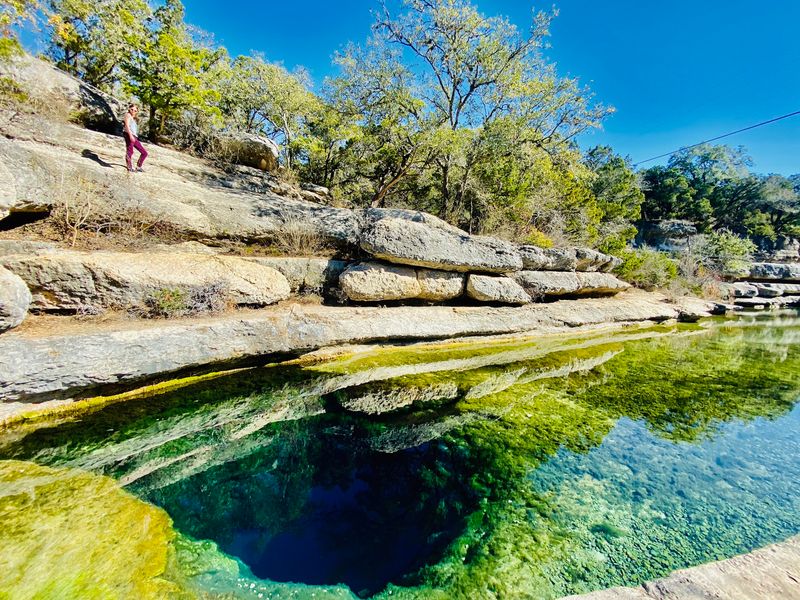
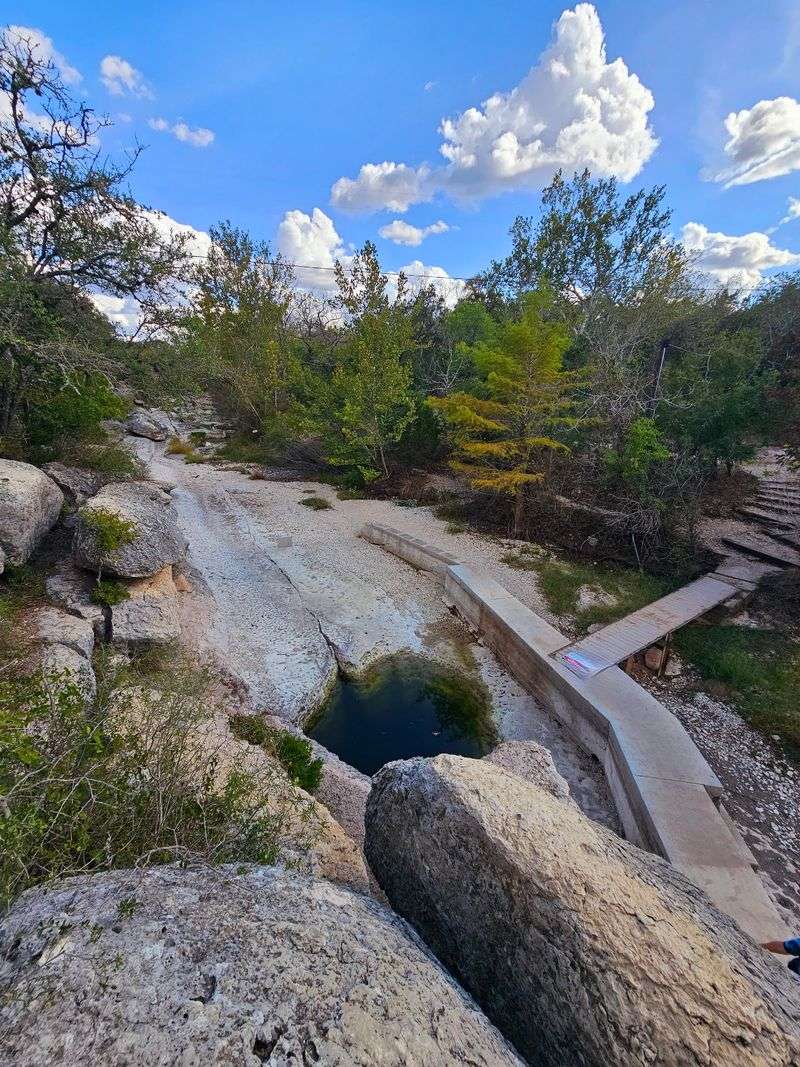
Somewhere in the Texas Hill Country sits a natural opening in the earth that drops 138 feet straight down, feeding one of the longest underwater cave systems in the state. When the springs are flowing, the water turns a deep blue that lets you peer clear to the bottom.
The land around it holds hiking trails, demonstration gardens, a small nature center, and wildlife that shows up in the early morning. There is a catch, though, and it involves a drought that has changed what this place looks like from one season to the next.
Free to enter and full of surprises, it rewards anyone willing to take a short walk and learn the story behind the well. Keep reading, because the details make this spot far more interesting than a single photo could ever show.
Where the Well Waits in the Hill Country
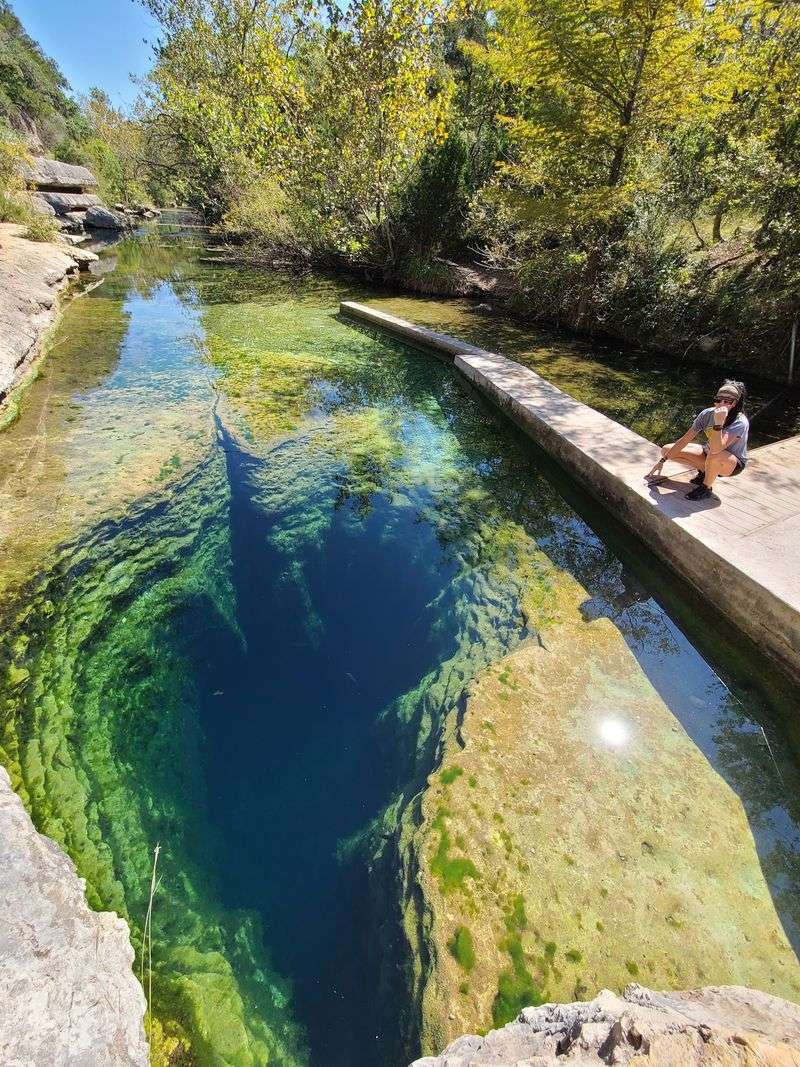
Tucked along a quiet road outside the small town of Wimberley, this nature preserve carries a full address of 1699 Mt Sharp Rd, Wimberley, TX 78676. The setting sits in the Texas Hill Country, a region known for rolling terrain and limestone bones.
The centerpiece is an artesian spring that, when active, pushes several thousand gallons of water per minute out of the ground. That flow acts as the headwaters of Cypress Creek, which winds through Wimberley toward Blue Hole and eventually joins the Blanco River.
The opening itself plunges about 138 feet down and connects to what has been called one of the longest underwater caves in Texas. Entry to the park is free, and so is parking, which makes it an easy stop for families and curious travelers alike.
Several parking areas serve the property, each connecting to different routes toward the well. A short walk of roughly a quarter mile leads you to the main attraction along well-kept trails.
The reward at the end depends heavily on the season, but the journey there stays pleasant year round.
A Spring With a Long Underground Secret
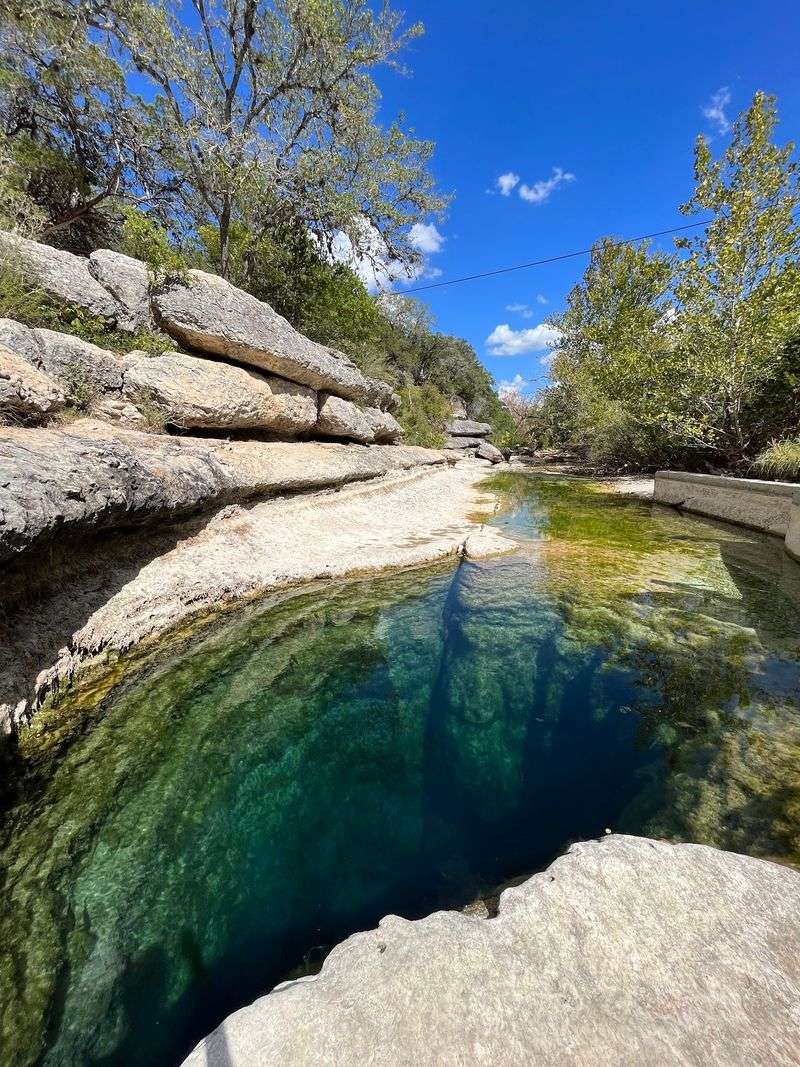
Beneath that calm surface hides a story that stretches far deeper than most people expect. The well descends around 138 feet and opens into a cave system that divers have spent years mapping.
Inside the nature center, a short film follows scuba explorers as they navigate the deep passages under the well. Watching it gives context to what you cannot see from the trail above, and it turns a simple photo stop into a genuine lesson.
The spring has served as a natural landmark for generations, feeding the creek that shaped the surrounding community. Informative signs along the route explain how the whole system works and why the water behaves the way it does.
A structure called a weir was built to keep river rocks from tumbling into the well, a detail that surprises plenty of first-time walkers. Learning what a weir is has become an unexpected highlight for people who arrive knowing nothing about hydrology.
The combination of visible surface and invisible depth gives the place a mystery that keeps drawing people back. Few natural features in Texas layer their story quite this way.
The Drought That Changed the View
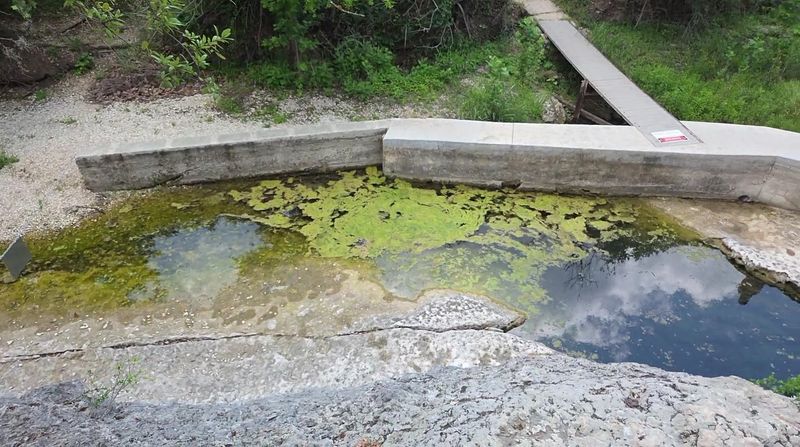
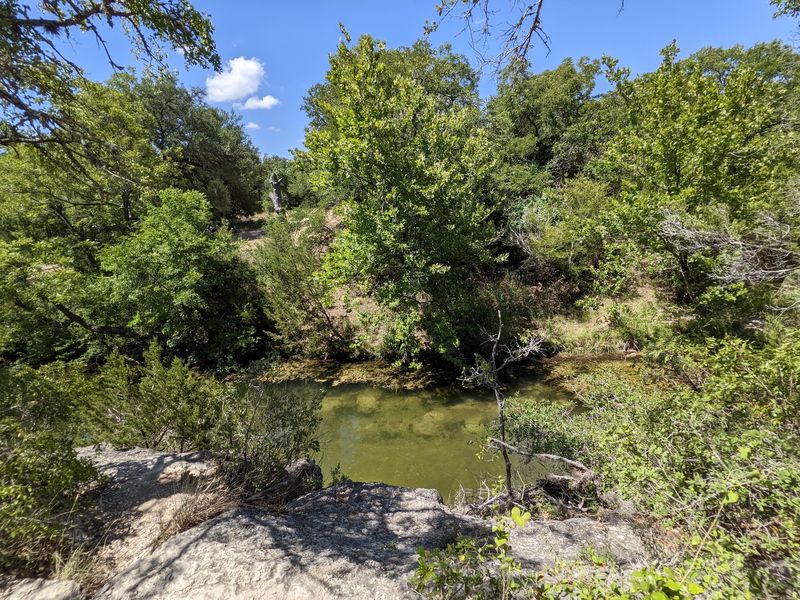
Anyone comparing online photos to a current visit may notice a big difference, and there is a real reason behind it. A multi-year drought has pulled water levels down dramatically, and the creek bed leading to the well has run dry during long stretches.
Park rangers point to the combination of dry weather and heavy water consumption from nearby land development. Private wells drilled into the same aquifer have added pressure to a system that already struggles during dry years.
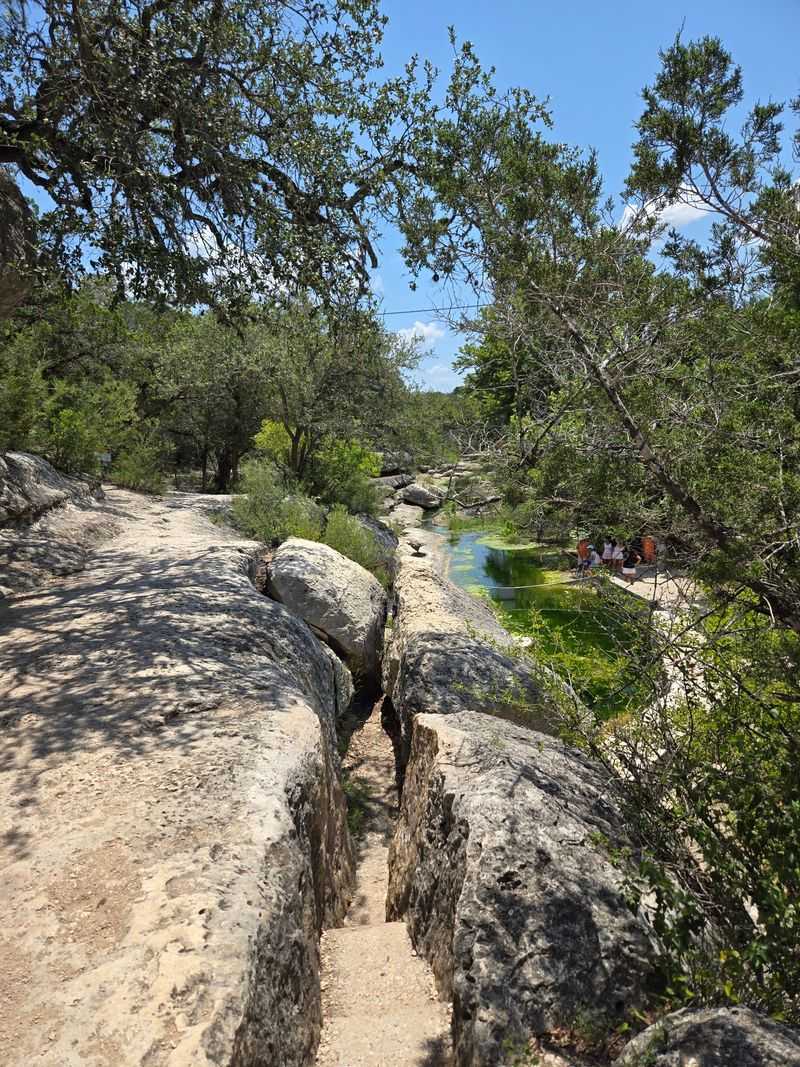
When the flow drops, algae can cover the surface and visibility fades, which disappoints people expecting the deep blue they saw in pictures. The change has been steep enough that some worry the clearest views may only return during extended rainy periods.
Good news does arrive now and then. After recent rains, the well has filled back up, giving lucky walkers the full effect the place is famous for.
Checking conditions before you go makes a real difference in what you experience. The land stays worth exploring either way, but timing shapes the show.
Why Swimming Is Off the Table for Now
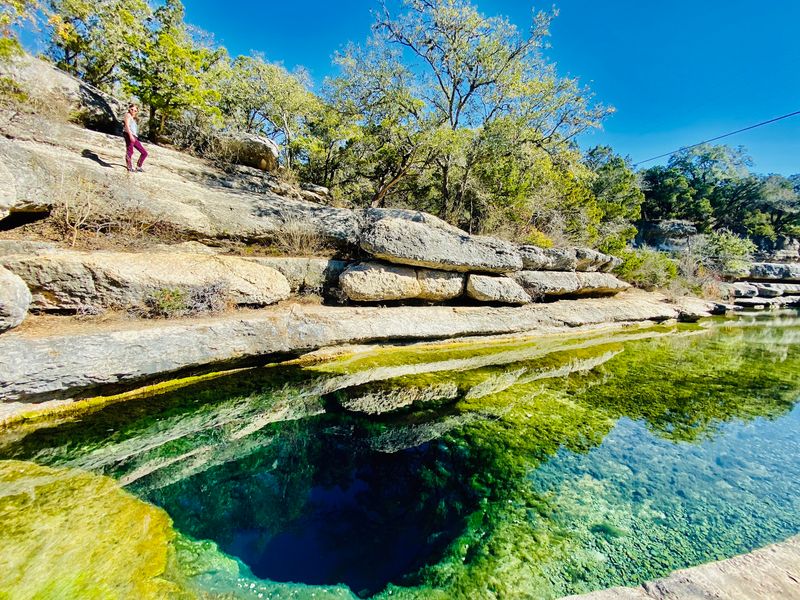
Plenty of people arrive hoping to take a dip, so it helps to know the situation early. Swimming has been closed because low water levels cannot safely support it, and the aquifer strain has made the closure a lasting one.
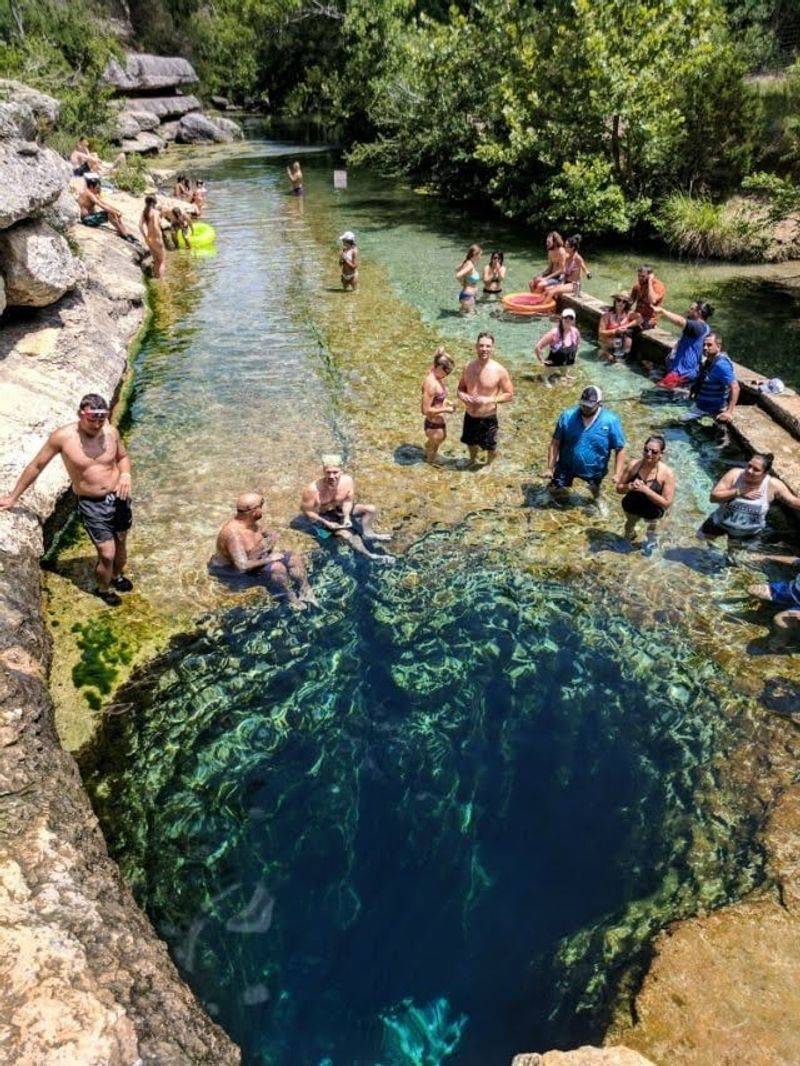
The well was once a beloved swimming spot, and longtime fans remember cooling off in its deep blue water. Preserving what remains has become the priority as the land is protected as carefully as possible.
The closure is nobody’s fault at the park level, and the staff have handled the shift with patience and clear communication. Many people still leave satisfied once they understand the bigger picture behind the rules.
Hope lingers that restored water levels could eventually bring swimming back. Families dream of returning to wade in the spring once the aquifer recovers.
For now, the well serves as a place to look, learn, and photograph rather than splash. If a swim is a must, nearby Cypress Falls Swimming Hole operates on limited days and offers an alternative.
Adjusting expectations before arrival keeps the visit rewarding.
Trails That Suit Almost Everyone
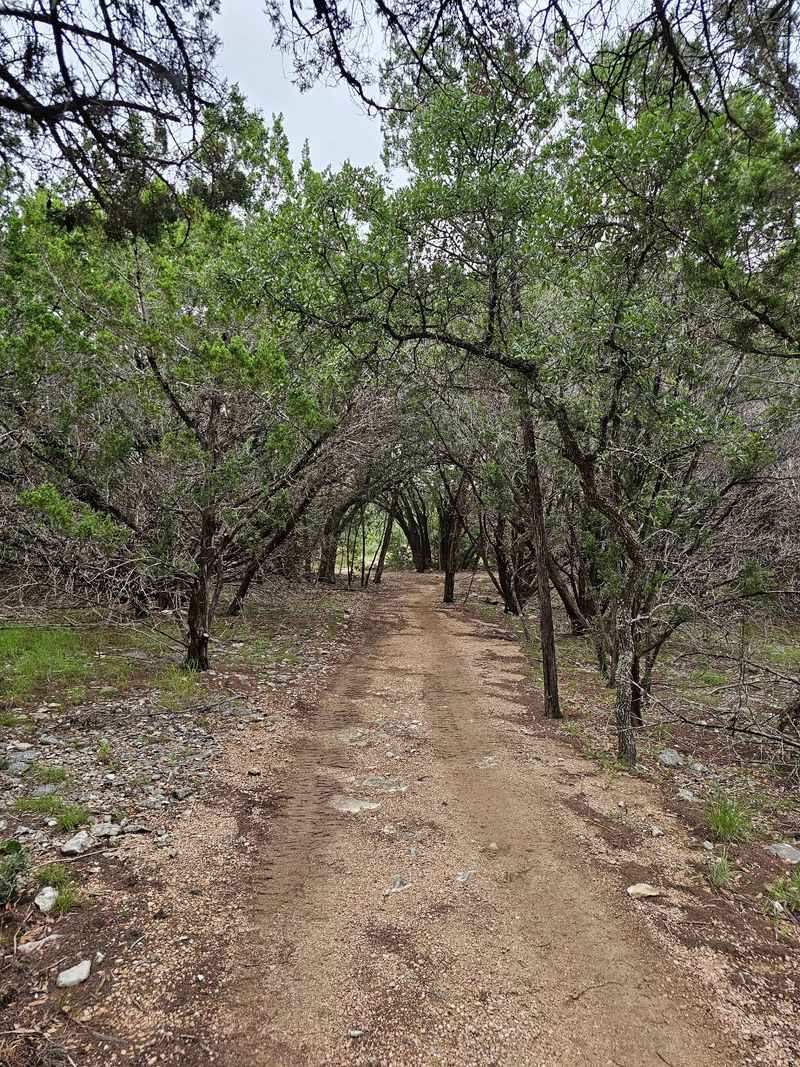
Walking is where this preserve truly shines, and the trail network keeps things approachable. The path to the well runs about a quarter mile over well-maintained ground with only limited elevation to manage.
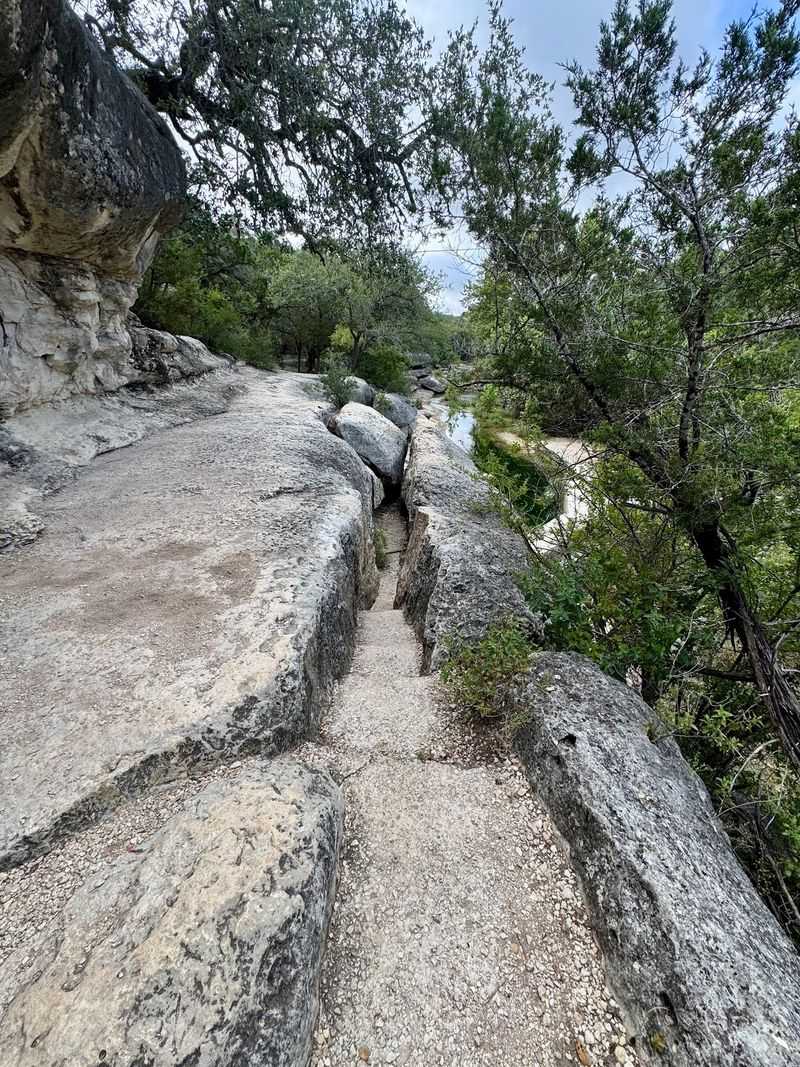
A loop option lets you extend the outing, and going from the bottom to the top tends to work best. Expect a short set of steps along the way that pass quickly and open up rewarding perspectives from both the top and bottom trails.
Hiking is by far the most talked-about activity here, mentioned far more than any other feature. The trails stay easy enough for casual walkers yet interesting enough to hold attention.
Winter visits tend to feel calm and uncrowded, giving you room to move at your own pace. The paths connect to the wider property, so there is more to explore than the well alone.
Sturdy shoes make the walk more comfortable, especially over rocky sections. Even when the water sits low, the trail itself justifies the trip and turns a quick stop into a proper outdoor adventure.
Wildlife That Shows Up at Sunrise
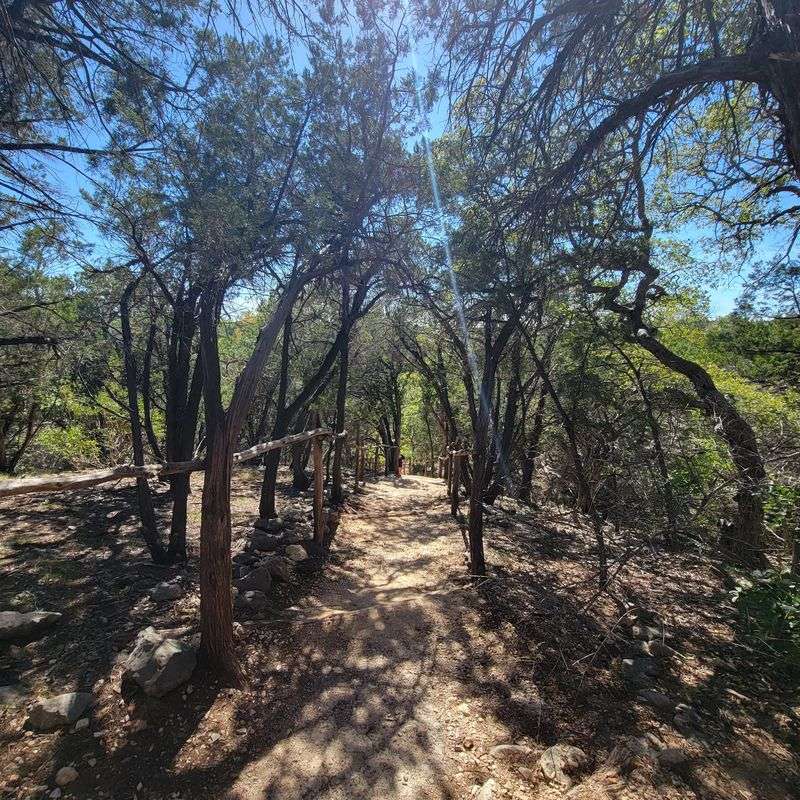
Early risers tend to get the best show at this preserve. Morning hours draw a fair amount of wildlife to the creek area, making the first walk of the day especially rewarding.
Deer have been spotted browsing among the trees, and after recent rains the setting feels lively with movement. Patient walkers who arrive quietly often catch glimpses that later crowds miss.
Birds play a big role here too, and a dedicated bird information area helps people identify what they are seeing. Learning about local species adds a layer of discovery for anyone with even a passing interest in nature.
The whole area functions as a habitat, so the animals are part of the landscape rather than a staged attraction. That authenticity makes every sighting feel like a small bonus.
Timing your visit for the cooler morning hours pays off in more ways than one. You dodge the midday heat and boost your odds of a memorable encounter along the way.
The Nature Center Packed With Discoveries
Set aside time for the small museum, because it holds more than its size suggests. The nature center is packed with samples and examples that explain the land, the water, and the cave system below.
A short film about scuba divers exploring the deep well plays inside, offering a look at passages no trail can reach. Reading materials cover the surrounding land and how everything connects.
On lucky days, a knowledgeable guide is present, including a former professor described as a wealth of information. Asking questions turns a quick browse into a genuine learning session.
The center gives the well its full context, transforming a simple photo stop into something you actually understand. People often leave knowing far more than when they arrived.
Air-conditioned and welcoming, it also provides a comfortable break from the Texas heat. Making it part of your route rounds out the visit and adds depth to everything you see outside.
Gardens That Prove Less Water Can Work
Right along the walking route sits a feature that quietly steals attention. The master gardeners’ demonstration gardens show how to grow plants with no irrigation and very little water.
Given the region’s ongoing drought, the lesson feels especially fitting and practical. People fascinated by the approach often linger longer than they expected.
The gardens double as a community space, connecting the parking area to the trail down toward the well. That placement means you pass through them naturally on your way in.
Beyond the practical tips, the plantings add color and life to the property. They reflect the same conservation spirit that guides the rest of the preserve.
Curious gardeners and casual strollers alike find something to appreciate here. The displays turn an ordinary walk into a chance to pick up ideas you can carry home to your own yard.
Family Fun Beyond the Water
Even with swimming closed, families rarely run out of things to do. The property includes play areas where kids can build and experiment with various pipes and materials, sparking plenty of imagination.
A natural human sundial adds a clever, interactive touch that appeals to all ages. A meditation walk offers a calmer option for those who want a slower pace.
Picnic tables scattered around the area give groups a place to rest and regroup between activities. The mix of features means younger visitors stay engaged while adults explore the trails and exhibits.
Free outdoor yoga classes have popped up during summer seasons, adding another reason to check the schedule. Programs like these keep the place feeling active and community-minded.
The variety here proves the well is only one piece of a much larger experience. Families arrive expecting a single sight and leave having filled an entire outing with discoveries.
Planning Your Visit the Smart Way
A little preparation goes a long way at this preserve. The park opens at 8 AM and closes at 6 PM every day of the week, giving you a generous window to plan around.
Entry and parking are both free, which is a rare combination for a spot this unique. Several parking lots serve different trail routes, and there is plenty of room to spread out.
Three portable restrooms sit at the parking site, and the nature center offers clean, air-conditioned bathrooms. There are no vending machines, so packing your own water and snacks is a wise move, especially in the summer heat.
Family pets are not allowed on the trails or at the well, so leave them at home. Sturdy shoes help on the short set of steps and rocky patches.
Researching current water conditions before you arrive prevents disappointment. A quick check saves the trip from surprises and lets you match your visit to what you most want to see.
A Verdict Worth the Short Walk
Weighing everything together, this preserve earns its steady 4.4-star standing across more than two thousand pieces of feedback. The well may sit low during dry spells, yet the surrounding land keeps delivering value.
Between the trails, the gardens, the nature center, and the wildlife, there is far more here than a single water feature. People who arrive with open expectations tend to leave genuinely glad they came.
The free entry sweetens the deal, removing any real risk from a visit even when conditions are not at their best. When rains return and the spring fills, the deep blue view becomes something special.
Checking water levels ahead of time remains the single best piece of advice. Do that, and you can time your trip for the version of the well you most want to witness.
Part science lesson, part peaceful walk, and part Hill Country escape, it rewards curiosity in every season. The short quarter-mile stroll asks little and gives back plenty.
Enjoyed this story?
Add Fast Food Club as a preferred source to see more of our reporting on Google.