


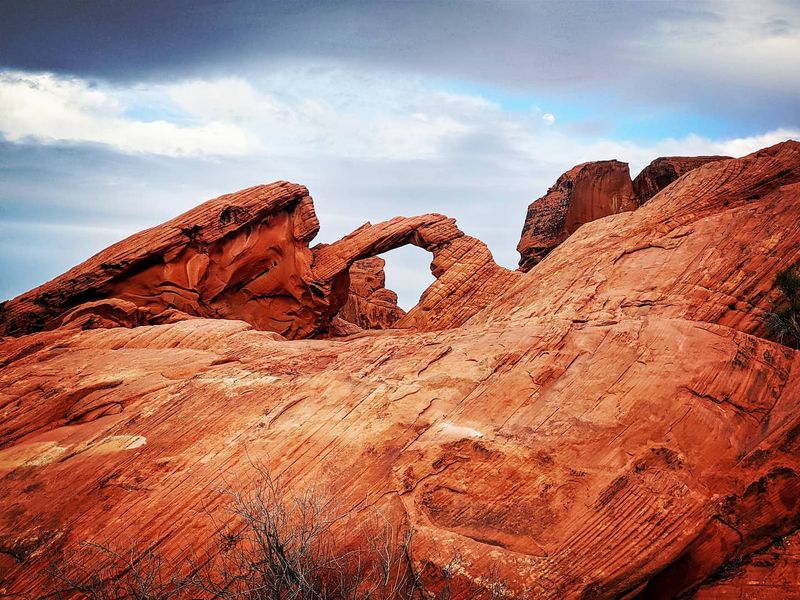
About 45 minutes past the neon and slot machines, the desert turns a deep shade of red that looks like the ground caught fire and froze in place. Twisting sandstone shapes, ancient rock carvings, and herds of bighorn sheep wait along quiet trails that most people driving to Las Vegas never bother to find.
Short walks lead to slot canyons and sweeping overlooks, while easy roads let anyone enjoy the scenery from behind the wheel. There is a brand new visitor center, clean facilities at nearly every stop, and enough color at sunrise and sunset to keep a camera busy for hours.
Stick around, because this desert escape has layers worth peeling back one trail at a time.
Where Nevada’s Oldest Park Hides In Plain Sight
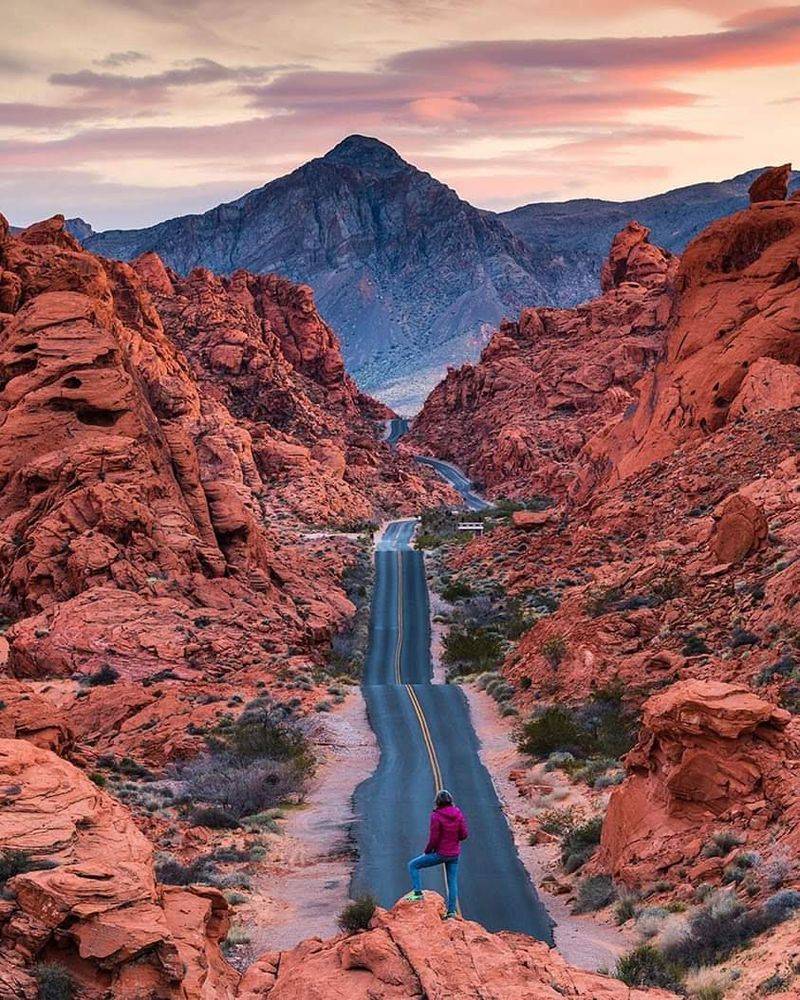
Tucked into Moapa Valley, NV 89040, this stretch of red rock carries a big title: Nevada’s oldest and largest state park.
The location sits roughly 45 minutes to an hour northeast of the Las Vegas Strip, close enough for a day trip yet far enough to feel like a different world.
Reaching it is refreshingly simple. A short detour off Interstate 15 drops drivers straight into the entrance, and the roads inside are smooth and easy to follow.
Petrified wood and red sandstone are the headline features, but the park packs in far more than that. Rock carvings, natural arches, and desert overlooks appear one after another as the road winds deeper into the formations.
Regulars describe it as an escape from the busy energy of the Strip, a place to slow down and let the scenery do the talking. With a 4.8 star average across more than 18,000 opinions, the enthusiasm holds steady.
Anyone looking for something to do beyond the casino floor tends to leave surprised at how close this quiet corner really is.
The Story Written In The Rocks
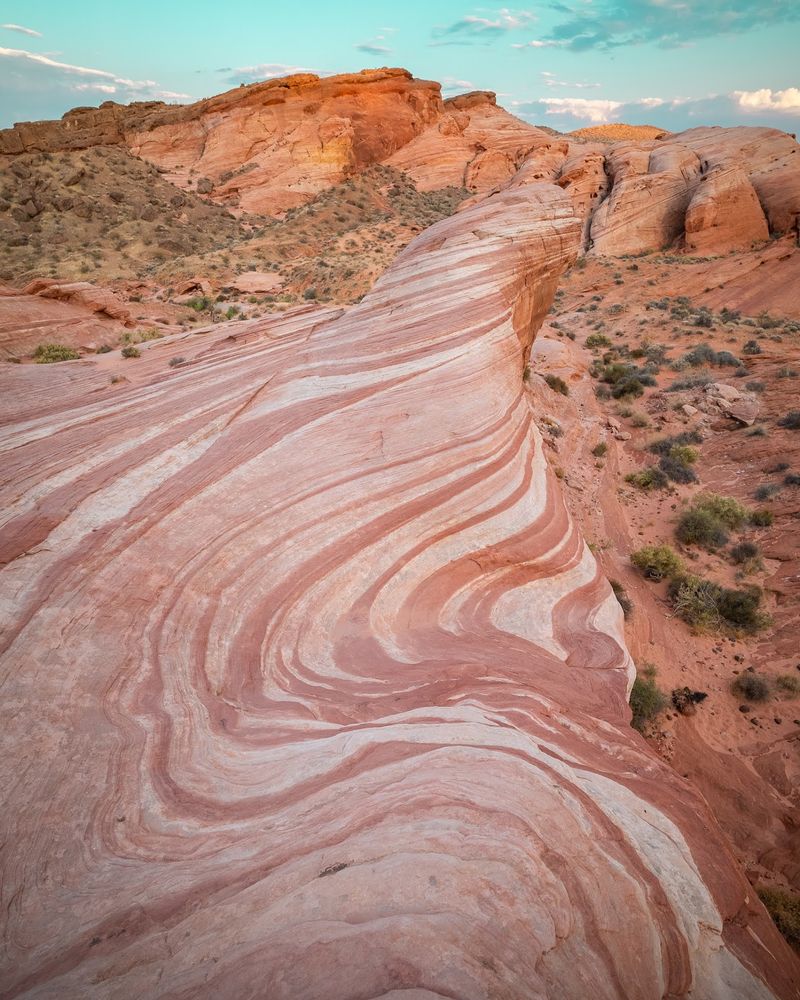
Millions of years of wind and rain shaped these formations into the twisted, swooping shapes that draw people off the highway today.
The combination of erosion forces carved the sandstone into ridges, waves, and hollows that seem almost designed rather than accidental.
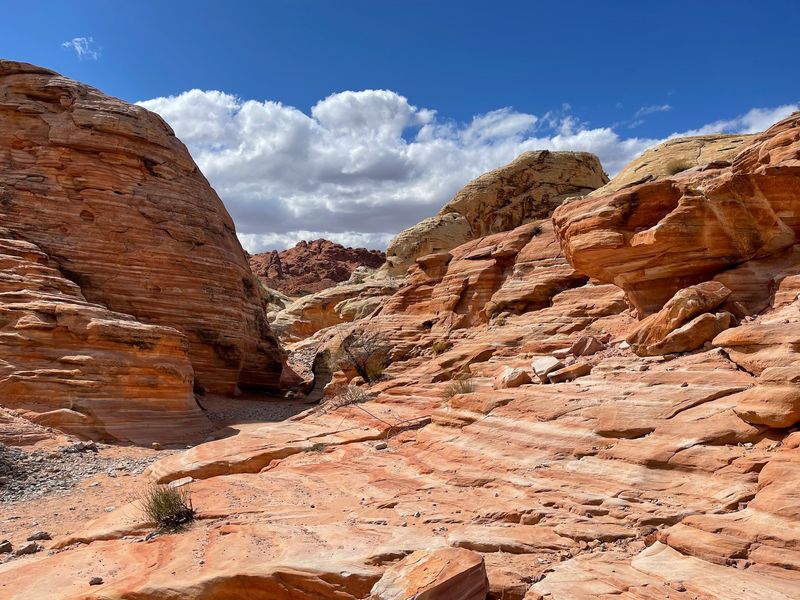
Color is the park’s signature. The rocks glow in shades of red, pink, yellow, and orange, and the intensity shifts throughout the day as the light changes.
People often mention how the whole place feels otherworldly, like standing on the surface of another planet. That impression comes honestly from the raw geology and the wide open desert stretching in every direction.
There is a sense of deep time here that visitors pick up on quickly. Standing among rocks this old tends to make the modern world feel very small and very recent.
Every curve of the road reveals a new arrangement of stone, which is exactly why so many trips take far longer than planned.
Ancient Carvings On The Canyon Walls
Long before highways and neon, people left their mark on these canyon walls, and those carvings are still here for anyone willing to walk a short trail.
Petroglyph Canyon Trail earns more mentions than almost any other feature in the park, and for good reason. The rock walls hold petroglyphs and pictographs that connect the present-day desert to its distant past.
The trail itself is manageable and rewards walkers with these ancient glyphs etched directly into the sandstone. Distant mountain views frame the canyon and add to the sense of stepping into another era.
Seeing human artwork this old sits with people in a way few attractions manage. It turns a scenic hike into something closer to a history lesson written in stone.
Respect for the carvings is a common theme among those who visit. The unspoken rule is simple: look closely, take photos, and leave everything exactly as you found it.
Chasing The Famous Fire Wave
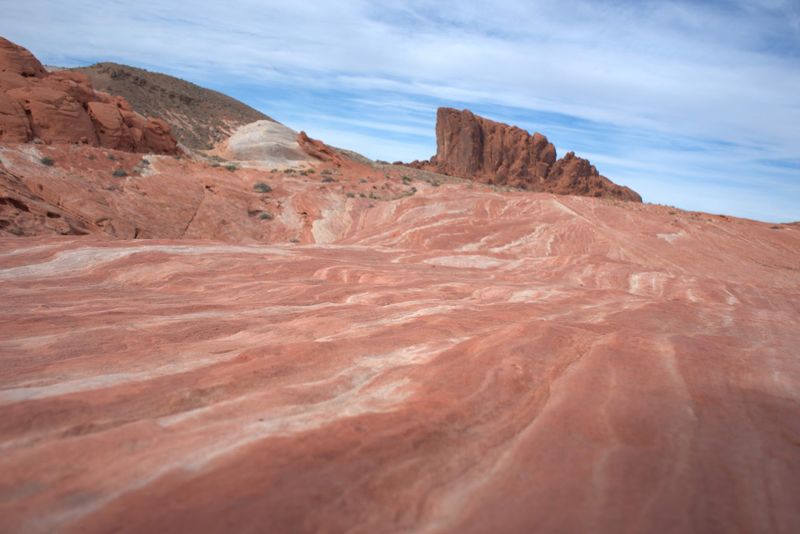
If one hike has become the park’s calling card, it is the Fire Wave, a striped sweep of sandstone that looks almost hand-painted.
The out-and-back version runs about three-quarters of a mile each way, making it approachable for most people. Those with more energy can link it into a longer loop that connects with Seven Wonders and White Domes.
The full loop stretches roughly 1.8 miles and stays mostly flat, which keeps it family friendly. Along the way, slot canyon sections break up the open terrain and give the walk extra variety.
A helpful tip floats around among those who have done it: there is a second trailhead across the parking lot that ties into the loop, though maps do not always make that obvious.
Shade is scarce outside the slot canyons, so timing matters here more than skill. In comfortable temperatures, many finish the whole loop in under an hour.
The payoff is a formation so photogenic that cameras rarely stay in pockets.
Slot Canyons And Hidden Passages
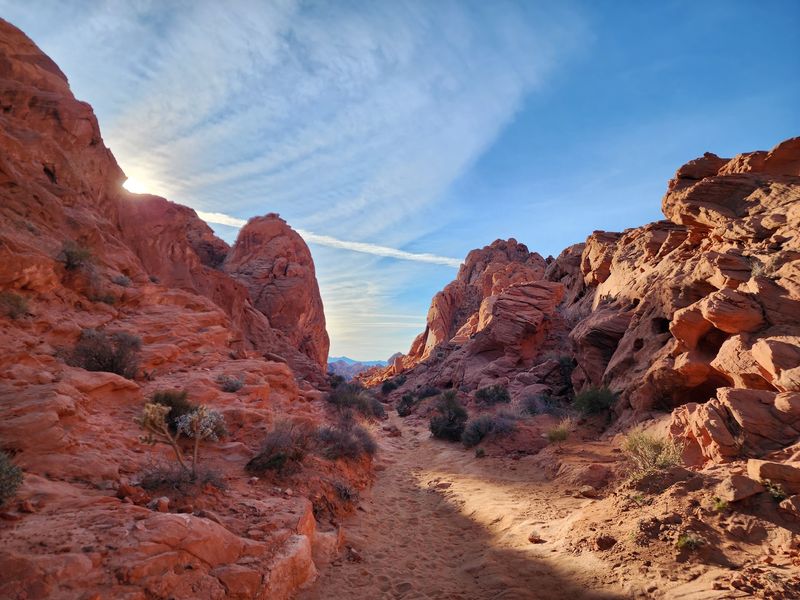
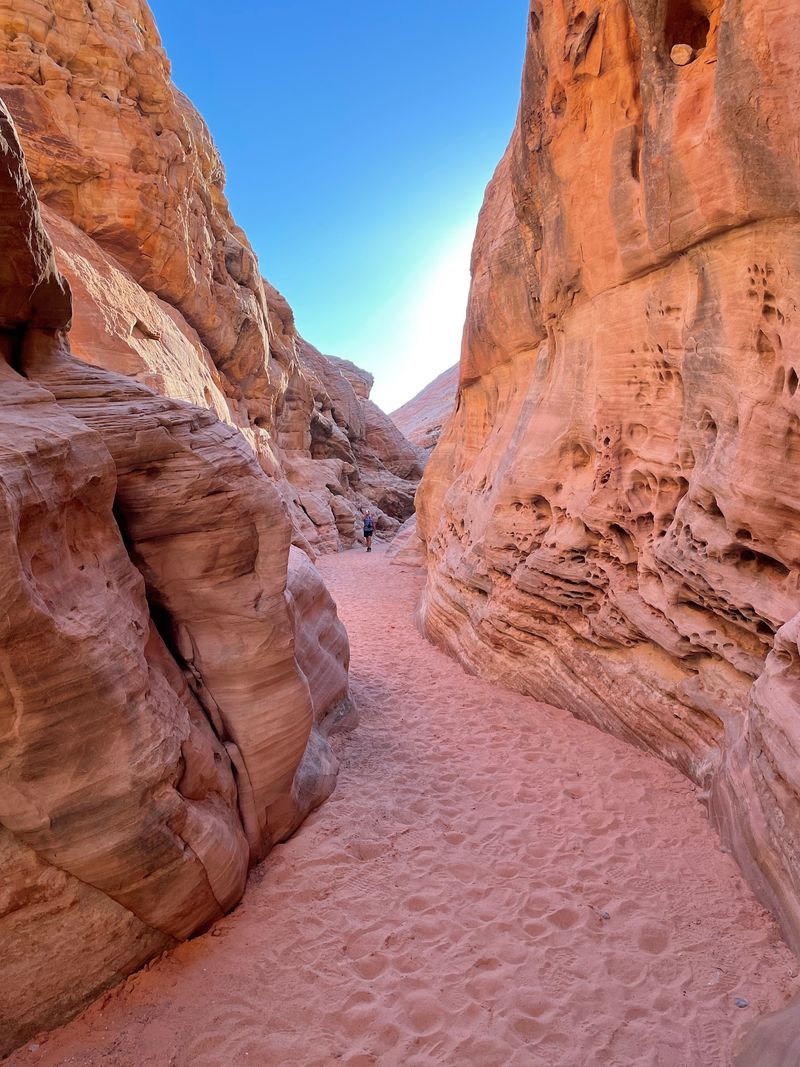
Squeeze between towering walls of red stone and the temperature drops, the light softens, and the whole mood of the hike changes.
Slot canyons show up as a favorite feature, earning dozens of mentions from those who have wandered through them. These narrow passages appear along the Fire Wave loop and reward a bit of exploring.
Part of the fun is the sense of discovery. Trail markers can be tricky to spot in a few spots, so finding the next one adds a small puzzle to the walk.
The tight corridors also offer welcome relief from the open desert sun, since the high walls provide some of the only natural shade around.
Moving through these carved channels feels adventurous without demanding technical skill. Sturdy shoes and a little patience are usually all it takes.
For many, the slot canyon stretches end up being the most memorable part of the entire route.
The Scenic Drive That Steals The Show
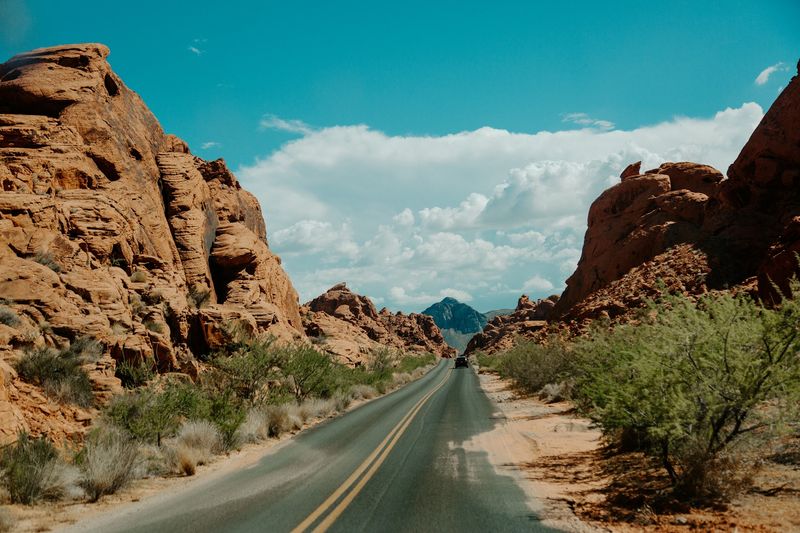
Not everyone comes here to hike, and that is completely fine, because the roads themselves put on a remarkable show.
The scenic drive ranks among the park’s most talked-about features. The landscape changes around nearly every curve, and roadside pullouts make it easy to stop and take it all in.
Many people admit they could have driven through faster if the views had not demanded so many photo stops. The colors and formations keep the pace slow in the best way.
White Domes Road gets its own following, leading toward some of the park’s more dramatic formations. Rainbow Vista adds another rewarding stop along the way.
For those with limited mobility or little ones in tow, the drive delivers the scenery without the effort. Frequent pullouts and picnic spots mean nobody has to walk far to enjoy the highlights.
The route back toward Las Vegas along Nevada State Route 167 tacks on views of Lake Mead, turning the exit into its own attraction.
Bighorn Sheep And Desert Wildlife
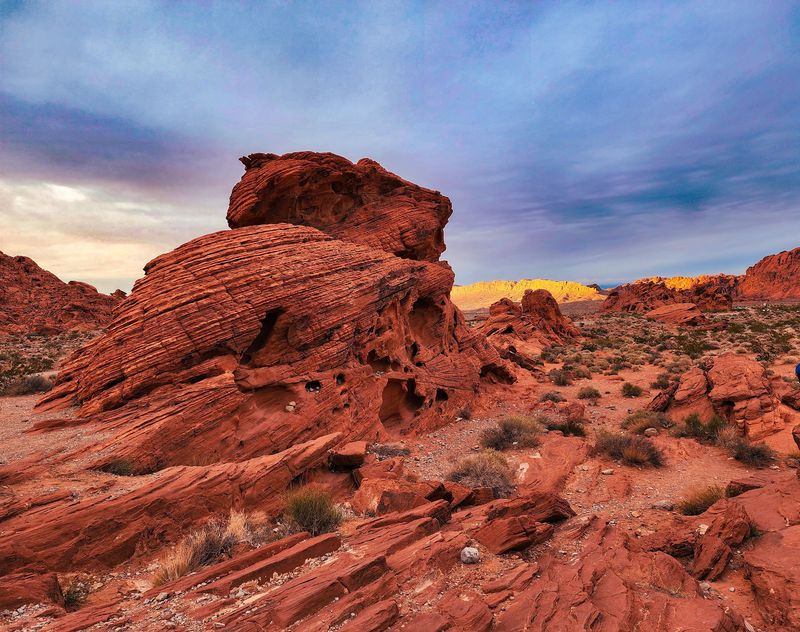
Keep your eyes on the ridges and you might spot the park’s most popular residents picking their way across the rocks.
Bighorn sheep are a genuine highlight, mentioned again and again by those lucky enough to see them. They wander close to the roads and trails, sometimes appearing in whole herds.
Sightings are far from guaranteed, which is part of the thrill. Some people leave without spotting a single animal, treating it as a good excuse to come back another day.
Others catch them right away, turning a routine stop into a highlight of the whole trip. Occasional goats join the desert cast as well.
The wildlife adds a layer of surprise to a place already full of visual drama. You never quite know whether the next curve holds a formation, a canyon, or a curious set of horns watching from above.
Patience and a slow pace tend to improve the odds more than anything else.
Elephant Rock And Nature’s Sculptures
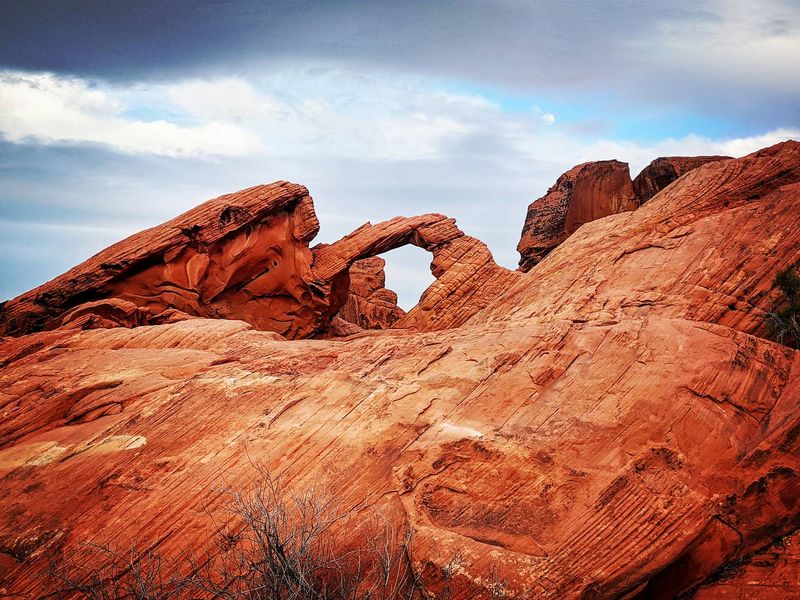
Nature has a sense of humor here, shaping stone into forms that look suspiciously familiar.
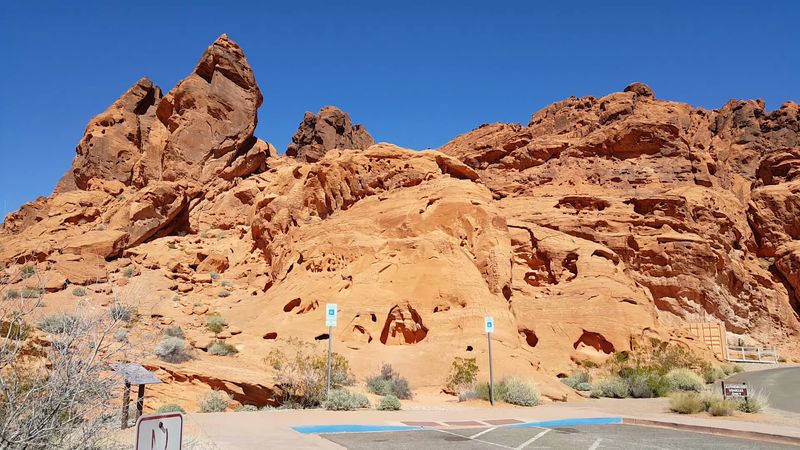
Elephant Rock is the classic example, a natural arch that resembles an elephant reaching its trunk toward the ground. It sits near an entrance and makes for a quick, satisfying stop.
The park is full of these accidental sculptures. Arches, domes, and odd silhouettes appear throughout, each one shaped purely by erosion over countless years.
Part of the appeal is how these shapes reward a bit of imagination. What looks like one thing from a distance can transform completely from another angle.
Formations like this turn an ordinary walk into a scavenger hunt for recognizable shapes. Kids and adults alike tend to enjoy pointing them out.
Whether spotted from the car or up close on foot, these stone figures give the park a playful character that balances its grand scale.
The Brand New Visitor Center
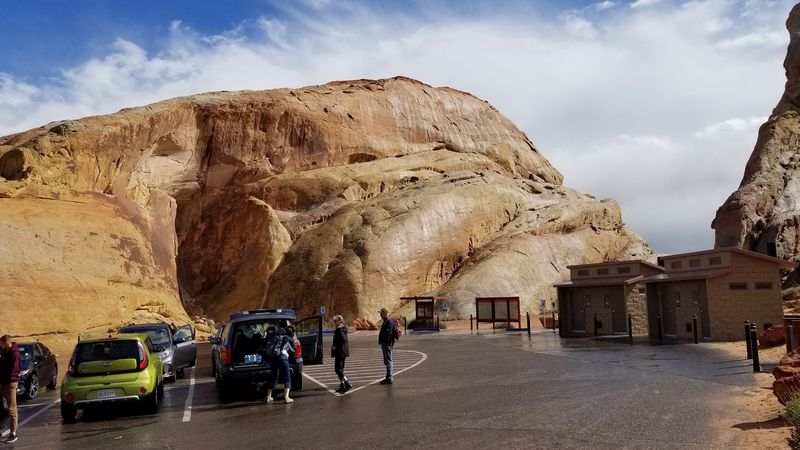
A stop that surprises people almost as much as the rocks is the visitor center, recently rebuilt and drawing plenty of praise.
The updated building comes loaded with information and interactive displays that explain the park’s geology, wildlife, and history. Rangers on hand happily point newcomers toward the best trails for their group.
Practical comforts are covered too. Clean restrooms, picnic tables, and a gift shop stocked with souvenirs make it an easy first or last stop.
Snacks and drinks are available inside, a handy detail in a place where staying hydrated is essential. The center often gets described as a genuine highlight rather than an afterthought.
Recent improvements go beyond the building itself. Maintained picnic areas, updated roadside signs, and a fresh park map all point to steady care and investment.
Starting a visit here pays off, since the staff recommendations and trail info help shape a smarter, smoother day in the desert.
A Playground For Photographers
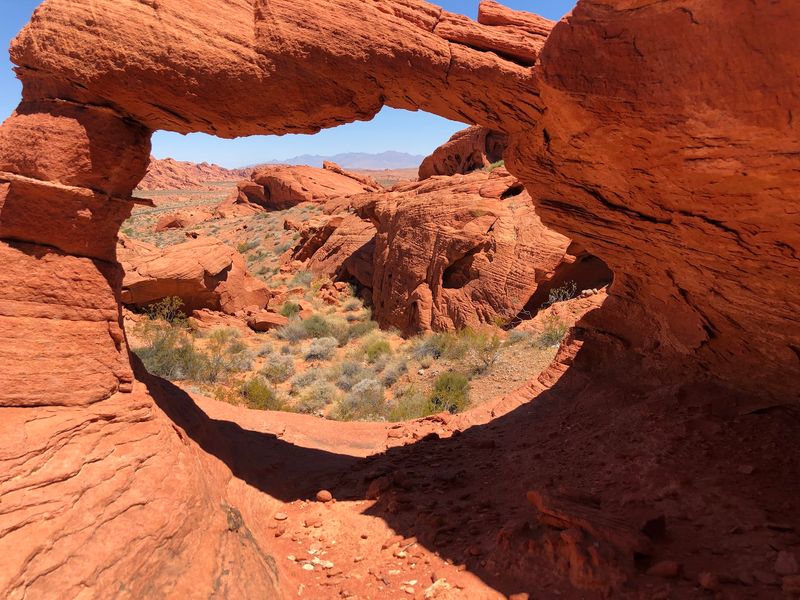
Cameras and phones tend to work overtime here, and the reason is obvious the moment the light hits the stone.
Photography ranks as one of the park’s biggest draws. Countless viewpoints and natural formations line up shot after shot, and every turn seems to reveal another frame worth capturing.
Timing makes a real difference. Sunrise and sunset are the golden windows, when the reds and oranges deepen and the colors practically come alive.
Those early and late hours also help beat the heat, a bonus that pairs nicely with better light. The soft glow flatters both the sweeping vistas and the smaller details.
Even casual snapshots come out looking dramatic, thanks to the natural color palette doing most of the work. Serious hobbyists could easily fill a full day chasing angles.
The park’s variety of shapes, textures, and overlooks means no two photographers walk away with quite the same collection.
Camping Under The Desert Sky
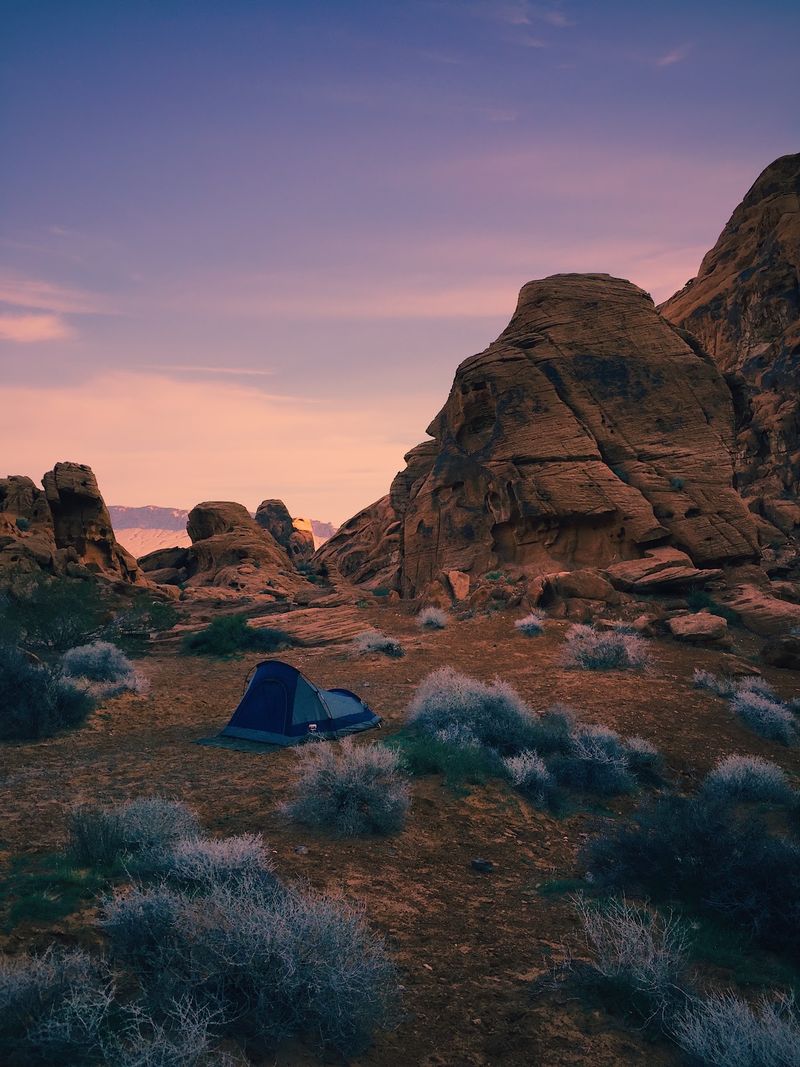
For those who want more than a quick visit, spending the night turns the park into a slower, richer experience.
Campgrounds sit right among the dramatic desert scenery, keeping the formations in view long after the day-trippers head home. Sites come well maintained and clean.
Certain sites offer water and electric hookups, which prove essential when temperatures climb toward the high 90s. Those amenities can make the difference between a rough night and a comfortable one.
The setting alone earns high marks. Waking up surrounded by red rock and open desert is a rare treat that no hotel on the Strip can match.
Staying over also opens up the best light windows without any driving. Sunrise and sunset become part of the routine rather than a race against the clock.
Heat management remains the key factor, so planning around the weather keeps the overnight experience firmly on the enjoyable side.
Trails For Every Kind Of Explorer
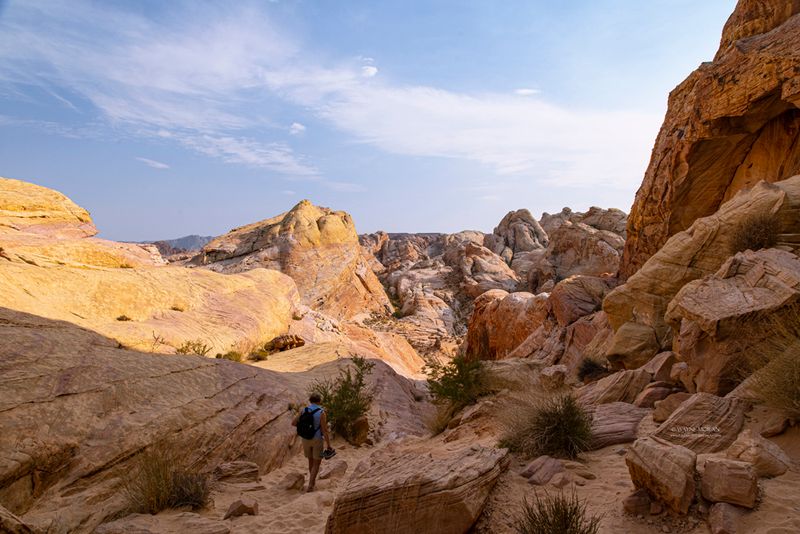
Something the park does especially well is offering a range of trails that suit nearly everyone who shows up.
Short, easy walks make up much of the menu. Rainbow Vista, for instance, stays mostly level and works for kids, seniors, and anyone comfortable strolling several city blocks.
Longer routes exist for those craving a bigger challenge, weaving up, down, and through the rock formations. The variety means groups with mixed abilities rarely have to compromise.
The park is also leashed dog-friendly, a welcome detail for travelers bringing along a four-legged companion. Restrooms sit at most major trailheads, adding convenience to the mix.
Signs are plentiful and the provided map keeps navigation simple, so getting turned around is uncommon. Being small enough to see most of it in a single day is part of the appeal.
Whether someone wants a gentle payoff view or a full morning of exploring, the trail lineup delivers without demanding expert skill.
Know Before You Go
A little planning goes a long way in a place where the desert sets the rules.
Entry runs a per-vehicle fee, generally noted around 10 to 15 dollars, and it is widely considered well worth the price. A useful heads-up: leaving before sunset avoids extra charges on the way out.
Water tops every list of essentials. The heat builds fast, and trails carry serious warnings, so early starts are strongly encouraged during warm months.
Timing matters seasonally too. Most trails close from mid-May through September, when temperatures climb too high for safe hiking.
Anything above 95 degrees is a clear signal to skip the walking.
Cell service can be spotty, so downloading trail maps before arriving is a smart move. Parking is easy, with decently sized lots at the main stops.
Pack snacks, bring plenty of water, and follow the guidance posted throughout. A few simple preparations keep the focus on the scenery rather than the discomfort.
Why This Detour Earns Its Reputation
By the time the exit comes into view, most people are already planning a return trip.
The park pulls off a rare balance. It is dramatic enough to feel like a bucket-list stop, yet close and easy enough to fit into a Las Vegas itinerary without much trouble.
Between the scenic drive, the ancient carvings, the slot canyons, and the roaming bighorn sheep, there is enough variety to satisfy hikers, drivers, campers, and photographers alike.
Its quiet, tranquil atmosphere stands in sharp contrast to the constant motion of the Strip. That peaceful desert calm is exactly what so many travelers say they came looking for.
Steady improvements to the facilities and consistently high praise suggest the experience keeps getting better rather than fading.
Trade the flashing lights for red sandstone and open sky, and Nevada’s oldest state park has a way of turning a simple detour into the highlight of the whole trip.
Enjoyed this story?
Add Fast Food Club as a preferred source to see more of our reporting on Google.