


Sedona draws a serious crowd, and the most famous overlooks can feel packed on a busy afternoon. Tucked a little off the beaten path sits a 286-acre nature reserve where the trails stay calm, a creek winds through shaded corridors, and the red rock formations rise up without a wall of people in the way.
It is quieter than most of what surrounds it, cared for by friendly rangers, and easy enough for almost anyone to enjoy. Wildlife shows up when you least expect it, and the visitor center hides a small museum worth a look.
There is a modest fee, a set of gentle loops, and enough scenery to fill a whole morning. Here is what makes this pocket of Sedona worth the drive.
A Creekside Reserve on Red Rock Loop Road
Set at 4050 Red Rock Loop Rd in Sedona, Arizona, this 286-acre reserve sits just off the well-known Red Rock Loop scenic drive. The address alone hints at the setting, since the road itself is considered a wonder before you even reach the gate.
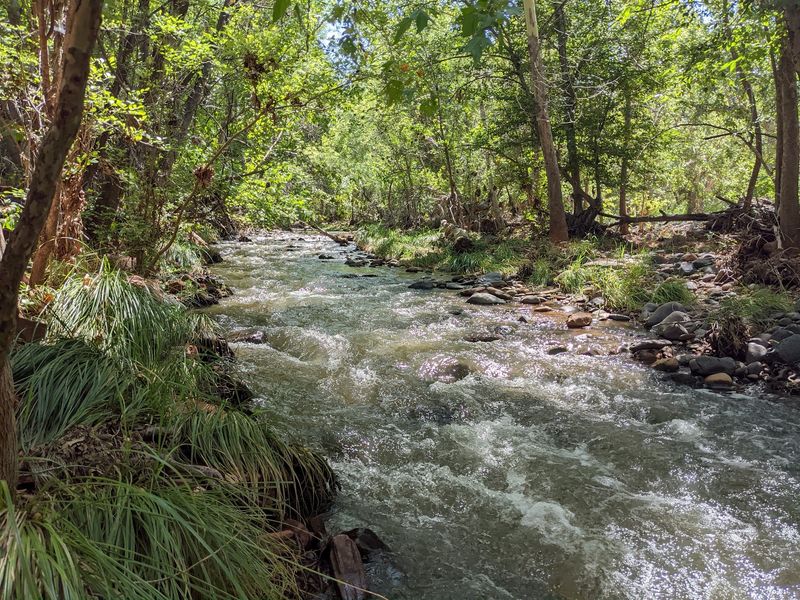
Oak Creek runs through the property, weaving shade and water into a place that many first-time guests do not expect to find so close to the busier parts of town. The park bills itself as a rugged scenic nature preserve, and that description fits the mix of open wildlife areas and climbing hills.
What sets it apart is how it balances access with calm. The trails are clearly cared for, the grounds stay clean, and the red rock views arrive without the elbow-to-elbow feeling of Sedona’s headline spots.
Rangers and volunteers keep the whole system running smoothly, from posted trail maps to guided walks. That combination of easy layout and thoughtful upkeep makes it a welcoming introduction to the region for newcomers and a peaceful return trip for those who already know the area.
Land That Was Saved Before It Was Shared
Long before the trails carried a single guest, this stretch of Sedona was privately held by people who understood the worth of keeping the land intact. Their choices eventually cleared the way for the property to open as a public park.
That backstory gives the place a quiet weight. Walking the loops today means enjoying a piece of nature that could easily have gone another direction if not for those earlier decisions to protect it.
It stands as a small but meaningful example of how great American landscapes can be both preserved and opened up at the same time. The reserve holds onto that reminder without turning it into a lecture.
You will still spot bits of private property along some of the routes, generally well marked so there is no confusion about where the public land ends. That mix of protected acreage and neighboring holdings tells its own story about how the area came together.
Guided history talks fill in more of the details, and they cover the ground without cutting corners. For anyone curious about how a working landscape became a shared one, the answer is woven right into the ground beneath your boots.
Five Miles of Well-Marked Loops
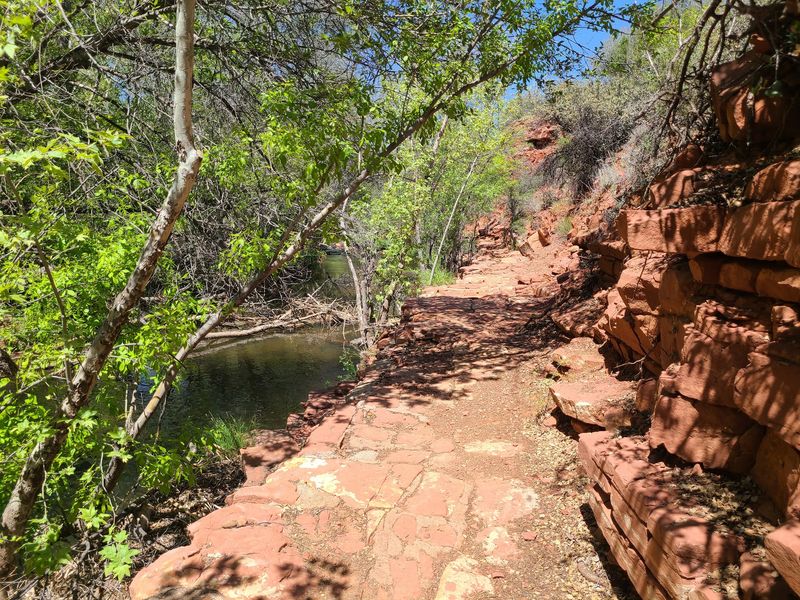
Roughly five miles of trail thread through the reserve, arranged as interconnected loops that let you stitch together a short stroll or a longer morning. The network runs from a quick 0.4-mile path along a stream to routes stretching one to three miles.
Every fork comes with a posted map, which keeps even the most turned-around walker on track. The paths are not paved, so proper footwear helps, but the grades stay manageable across the board.
Regulars describe the trails as easy and consistently well maintained, with a layout clear enough that guessing is rarely part of the plan. Many of the loops run alongside Oak Creek, adding shade and water to the mix.
It is worth knowing that the total mileage is modest. Some guests wish for more distance, though the tradeoff is a compact system you can explore thoroughly in a single visit.
Plenty of guests spend two or three hours out here without repeating the same ground twice. Bring water, take your time, and the small footprint starts to feel generous rather than limited.
Oak Creek and the Shaded Corridors
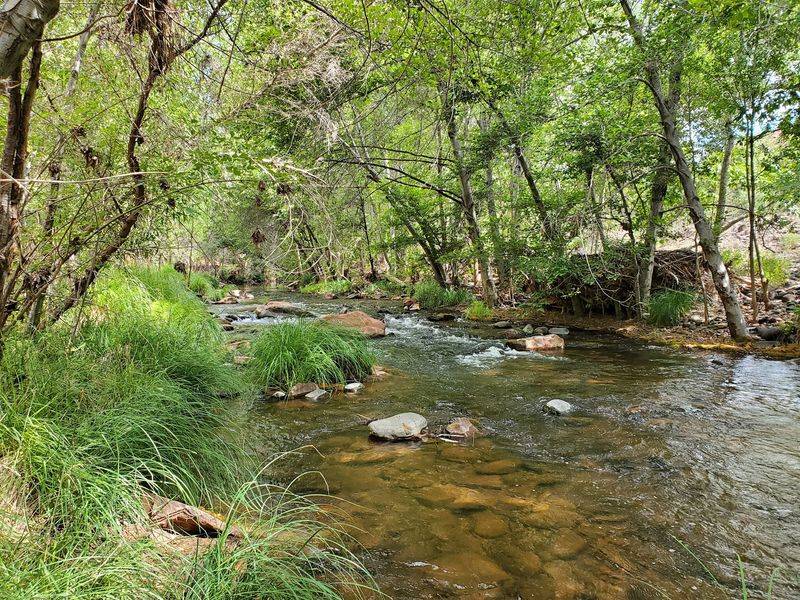
Water changes everything in a desert setting, and Oak Creek is the reason so many trails here feel cool and green. The creek carves a shaded corridor through the reserve, giving the whole park a softer character than the open ridges above.
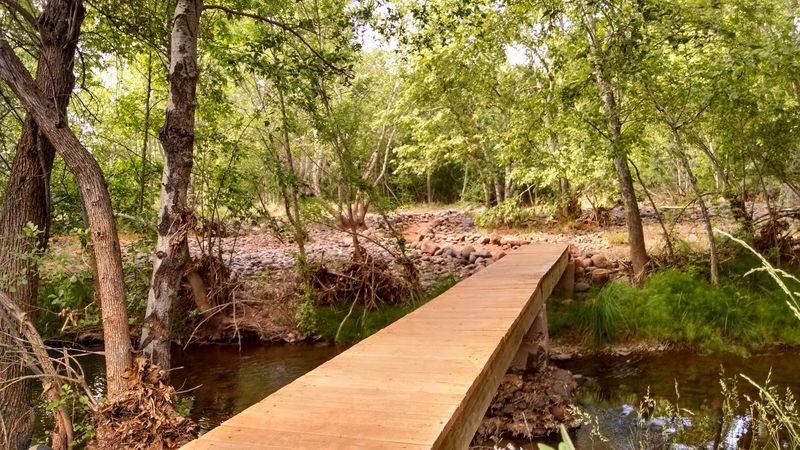
One short path runs just 0.4 miles along the stream, an easy option for anyone who wants the creekside scenery without a long trek. Reflections appear on the water when the season slows down, especially in the quieter winter months.
Guests are often told to make the short drive down toward the creek before they leave, since that lower stretch tends to be a favorite. The contrast between flowing water and towering red rock is part of what makes the place memorable.
Be aware that trail conditions can shift. One route near the water has been closed at times, so asking at the entrance whether every path is open saves disappointment.
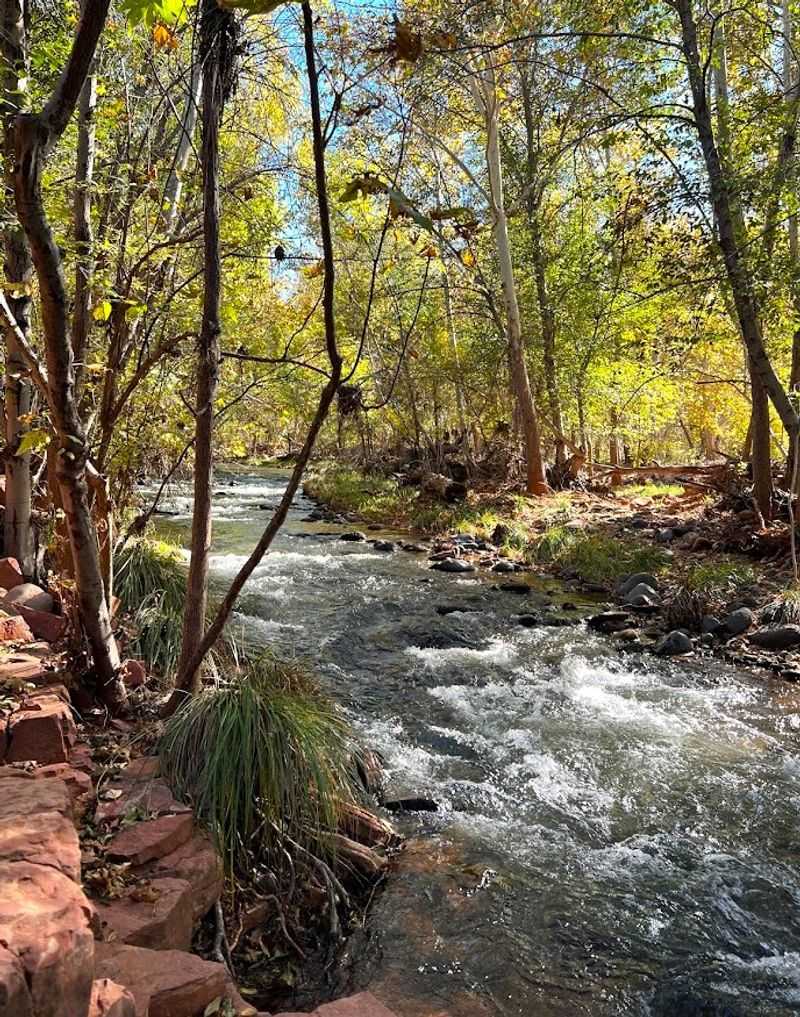
When the creekside loops are running, they turn a good outing into a great one. The sound of moving water is a rare treat in this corner of Arizona.
Wildlife, the Hummingbird Garden, and a Small Museum
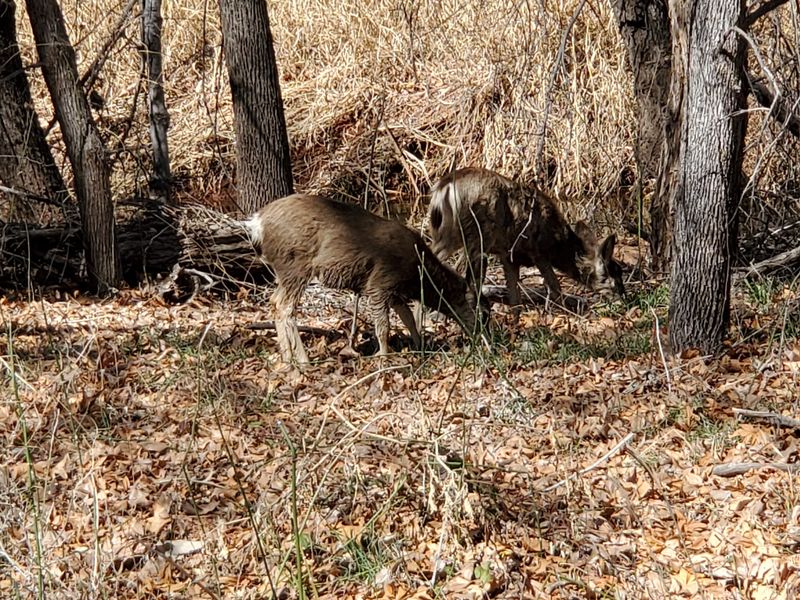
Keep your eyes open on the trails and the reserve tends to reward you. Mule deer wander the grounds, birds flit through the brush, and the occasional lucky guest spots more elusive residents.
The visitor center anchors the whole experience. Inside sits a small but unique museum with displays that fill in the natural and cultural background, plus a gift shop where you can pick up a keepsake or a new ornament.
Attached to it is a hummingbird garden that draws steady interest, and those who time it right catch the tiny birds in action. It is a gentle stop that suits families and casual walkers alike.
Because wildlife is such a big part of the appeal, dogs are not allowed on the trails. That rule is worth checking before you arrive so no one is turned away with a pet in tow.
Rattlesnakes have been noted on rare occasions, a normal reminder to stay on marked paths. Between the deer, the birds, and the museum exhibits, there is more to notice here than the rock formations alone.
Ranger Talks and Guided Nature Walks
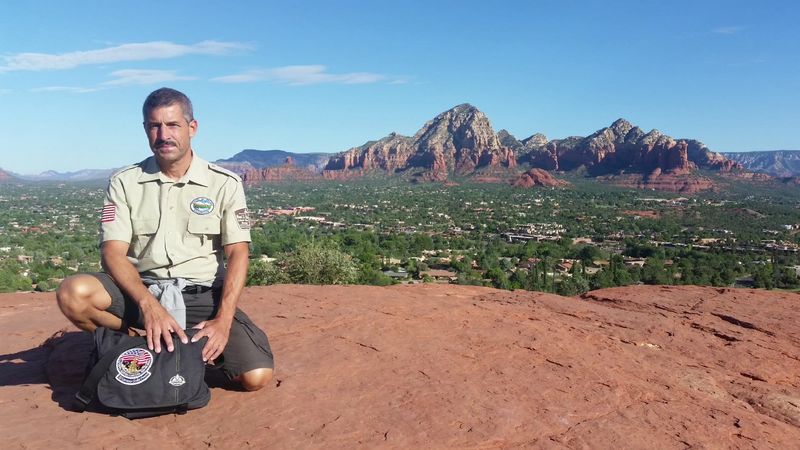
Knowledgeable staff and volunteers give this reserve an edge that many parks lack. Free ranger talks cover topics like the archaeology of the area, often followed by a short informative walk.
A ranger-guided nature walk runs each day at 10 a.m. and lasts about an hour. First-timers who join it tend to leave with a much fuller picture of what they are seeing.
The guides bring real enthusiasm to the job and answer questions freely, sharing the park’s history without rushing through it. Their engagement is a big part of why the walks land so well.
You always have the choice to explore on your own or lean on a guide. For a first visit, the guided option turns a simple hike into a learning outing.
Whether you are curious about the rock formations, the wildlife, or the human story behind the land, someone here can point you in the right direction. That personal touch is a quiet standout among Arizona’s parks.
A Calmer Alternative to Sedona’s Crowds
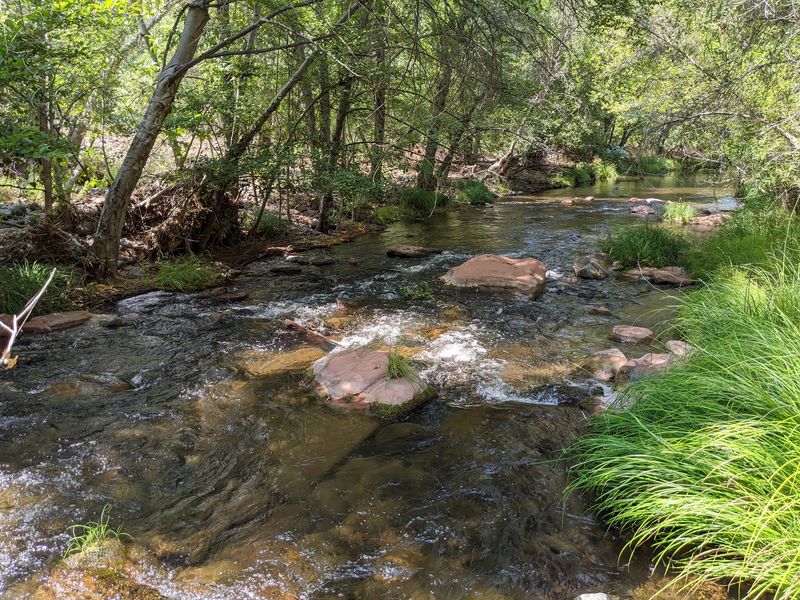
Sedona’s popularity is no secret, and its most famous viewpoints can feel crowded fast. This reserve offers the opposite mood, with trails that run noticeably quieter than much of the surrounding area.
The seclusion grows the farther out you hike, and the sense of escape is part of why guests return. It suits anyone looking to step away from the daily routine for a few peaceful hours.
Views of the main red rock formations open up from several points, so the trade for smaller crowds does not cost you the scenery. Rest spots along the loops give you places to pause and take it all in.
Families, casual walkers, and dedicated hikers all find a comfortable fit here. The moderate difficulty means most people can handle the routes without special training.
Winter brings an extra layer of calm, and a rare dusting of snow on the red rocks makes for an unusual sight. For a slower, more relaxed take on Sedona, this park delivers exactly that.
Hours, Fees, and Making the Most of Your Visit
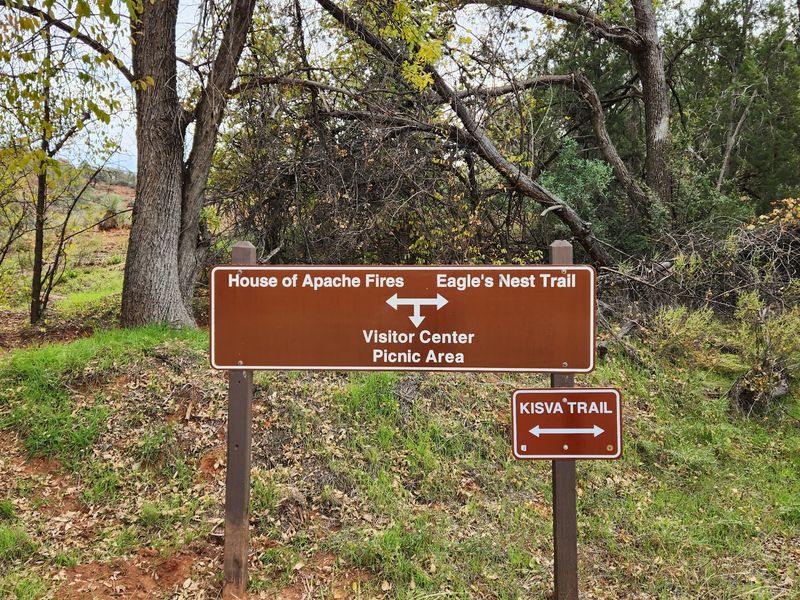
Planning is simple. The park is open daily from 8 a.m. to 5 p.m., which leaves plenty of room for a full morning or a relaxed afternoon on the trails.
Entry runs $10 per person, and it is worth stressing that the fee is charged per person rather than per car. Larger groups should factor that into the budget before arriving.
Most guests find the price fair given the upkeep, the guided programs, and the quieter setting. Since this is a park you walk rather than drive through, the value grows the longer you stay.
Parking is plentiful, and the reserve sits off the Red Rock Loop scenic drive, itself a highlight with pullouts for photos along the way. Bring plenty of water, especially in warmer months when the heat and the climbing hills add up quickly.
Ask at the entrance whether all trails are open, since conditions can change. Do that, pack out your trash, and give yourself a couple of hours, and this small park earns every bit of the drive.
Rated 4.7 stars across more than two thousand accounts, it consistently ranks among the standout parks in a state full of them. For a quieter slice of Sedona under those iconic red rocks, few places make it this easy.
Enjoyed this story?
Add Fast Food Club as a preferred source to see more of our reporting on Google.