


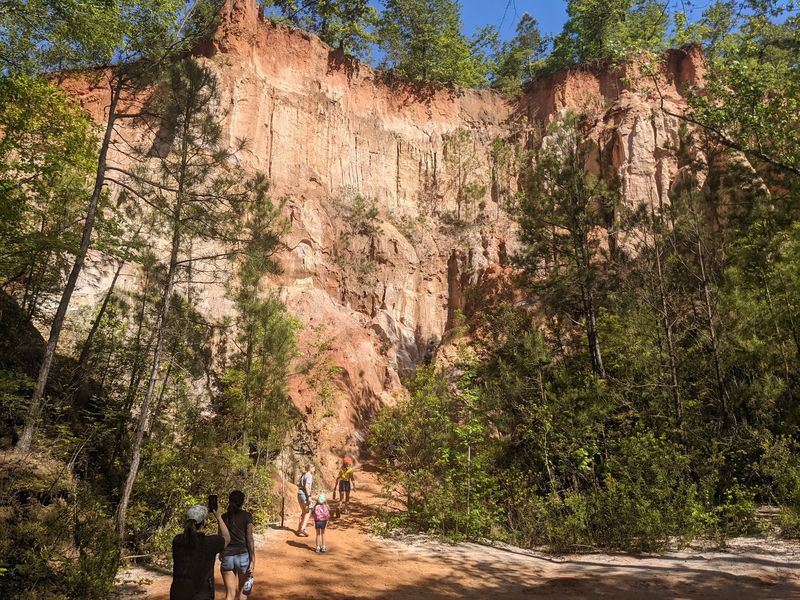
Tucked away in the small town of Lumpkin, Georgia, there is a place where the ground splits open into deep gullies streaked with pink, orange, and purple. People call it Georgia’s “Little Grand Canyon,” and honestly, the photos barely do it justice.
I visited to see if the hype was real, and I left with muddy shoes and a phone full of pictures. Here is everything I learned about this surprising slice of the Southeast.
Where Georgia Hides Its Little Grand Canyon
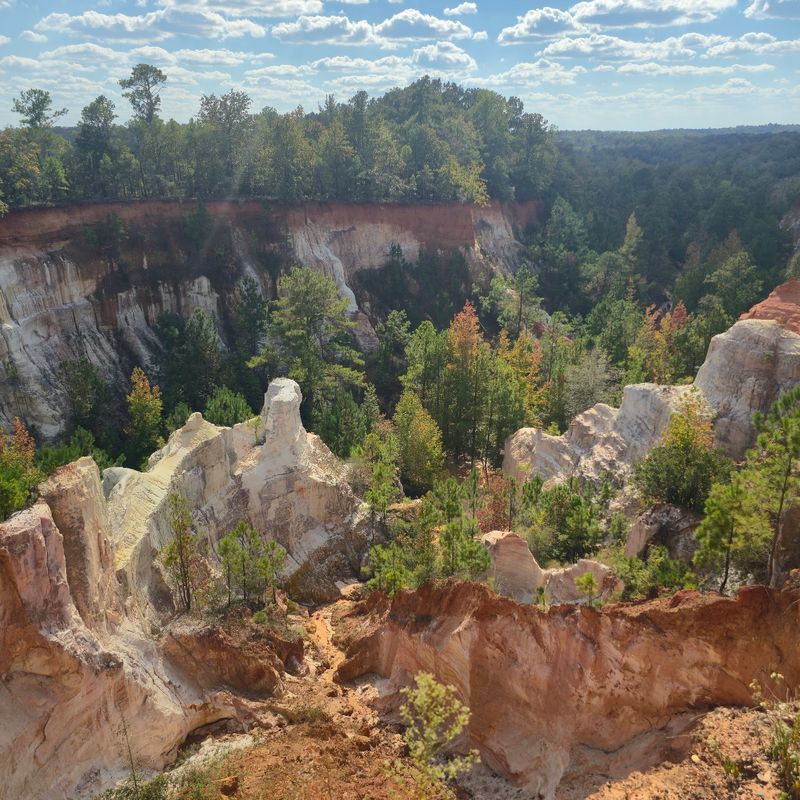
Roughly two hours south of Atlanta, near the tiny town of Lumpkin, you’ll find a state park that feels wildly out of place for Georgia. The address, 8930 Canyon Rd, sits far off the beaten path, and visitors say that remoteness is exactly the point.
Rather than a river cutting through stone over millions of years, this landscape opened up in a very different way. What waits at the edge is a series of deep, multi-colored canyons that photograph like the desert Southwest.
One couple I read about drove all the way from Florida just to see it, and they said there’s no need to travel out west when scenery like this sits right here in the region. That sentiment shows up again and again from people who make the trip.
Canyons Carved By Human Mistakes
Here’s the twist that surprises almost everyone: these canyons were not shaped by nature’s slow hand. According to what visitors have learned on-site, the gullies were created back in the 1800s by massive soil erosion caused by poor farming practices.
That means the towering walls, some as deep as 150 feet, are the result of a farming mistake that spiraled out of control. Instead of a cautionary tale hidden away, it became a landscape people now travel hours to admire.
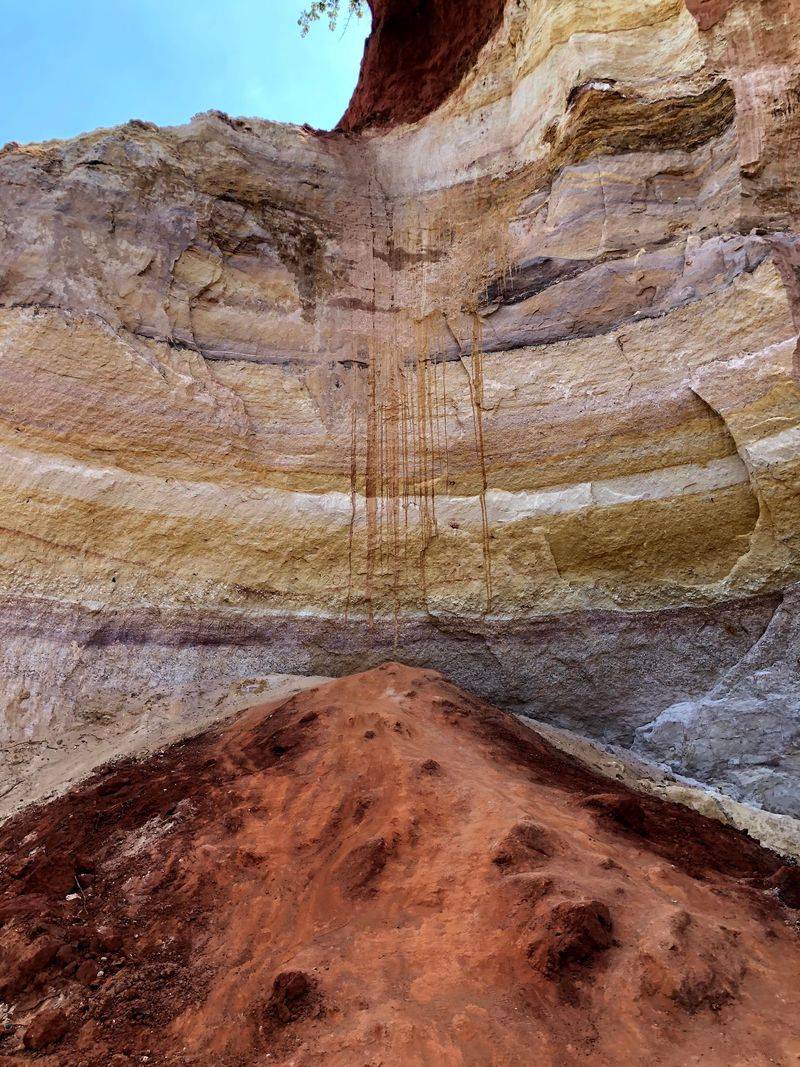
Regulars mention loving the “layers of history” you can literally see in the exposed soil. It’s a strange, humbling thought to stand at the bottom and realize the beauty around you grew out of human error.
Walls Painted In Pink, Orange, And Purple
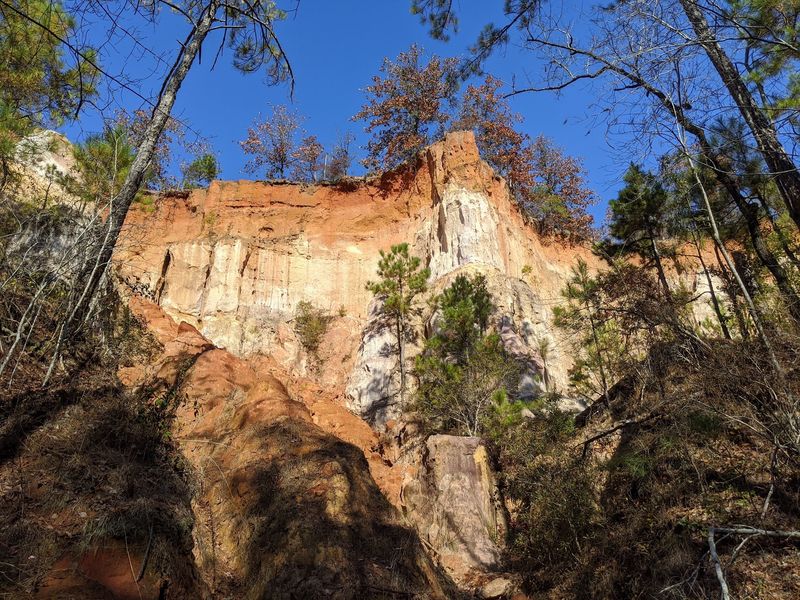
The colors are the first thing that grabs you. Soil here glows in shades of pink, orange, red, and purple, and visitors describe the walls as feeling like something straight out of the Southwest.
One reviewer, a ceramic artist, got especially excited to find bits of wild clay scattered along the trails. She noted that the colors throughout the canyons and sand are constantly changing depending on the light and the day.
When you’re standing on the canyon floor, you can reach out and touch those layered walls and look straight up toward the sky. Folks say that moment, more than any overlook, is what sticks with them long after they leave.
Walking The White Blaze Canyon Loop
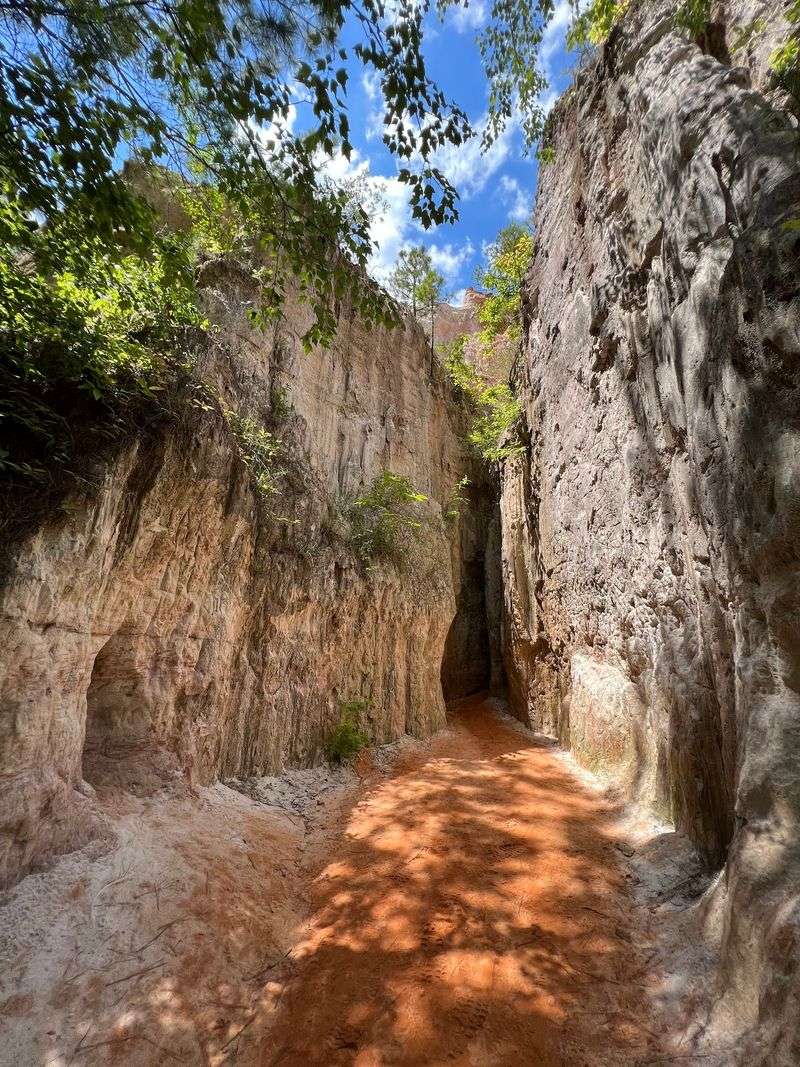
If you only have time for one hike, the White Blaze Canyon Loop is the crowd favorite. Visitors describe it as a moderate route full of ups and downs that gets your heart pumping without wearing you out completely.
The loop takes you along the canyon floor and past the numbered viewing areas, and many people run it in roughly two hours. One hiker tracked about 3.45 miles round trip and felt it was the perfect sampler.
A helpful tip from a regular: start at the parking lot trailhead rather than the visitor center. The overlooks near the center are mostly hidden by trees, while the best canyon views cluster on the second half of the loop.
The Backcountry Trail For Serious Hikers
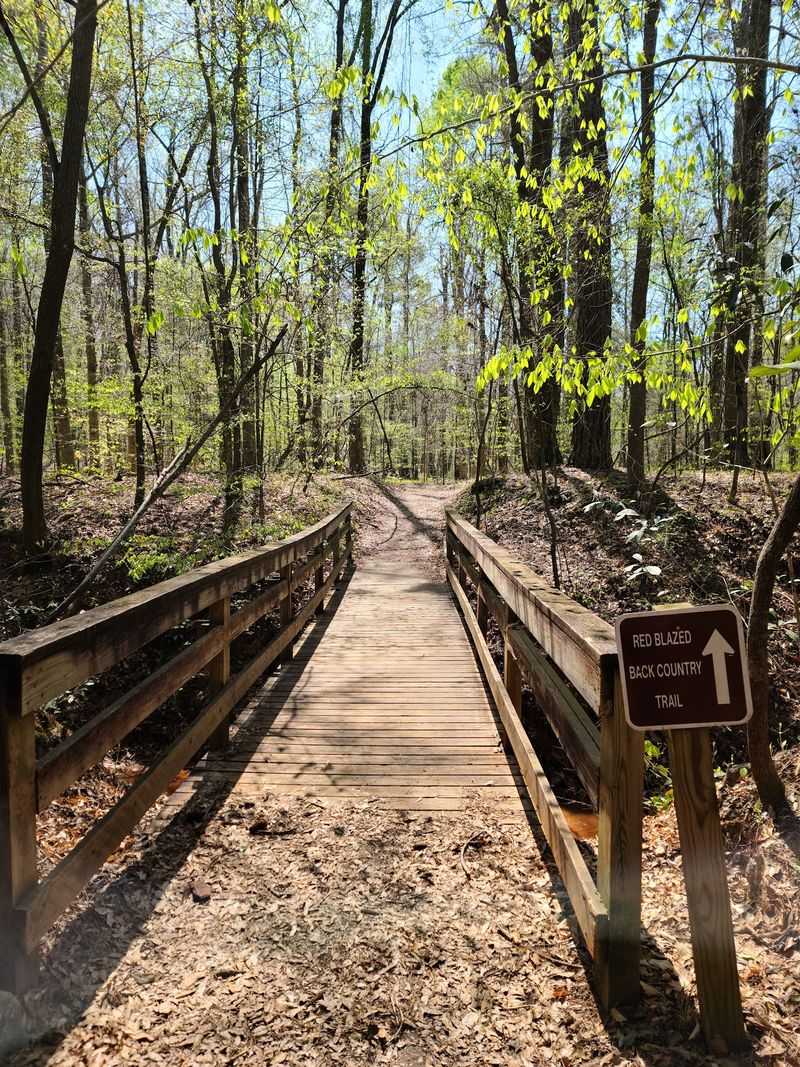
Craving something longer? The backcountry trail stretches the day into a real adventure, with a few long climbs and mostly flat, sandy, wooded stretches in between.
Experienced hikers say it’s very well marked and nicely maintained.
The catch is that most of the backcountry stays wooded with no canyon views until the very end, when it merges onto the white blaze trail. Some visitors combined it with canyons 6 through 9 for a big, satisfying loop.
One group logged around eight miles and roughly five hours on the full network of trails. Beginners are warned that the length and climbs make this the more demanding option, and several hikers loved it so much they planned to return and camp.
Choosing Which Canyons To See
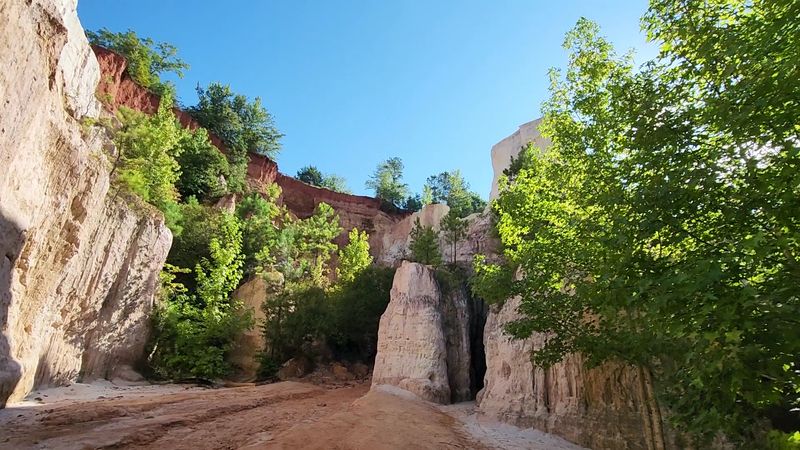
Not every canyon is created equal, and locals have strong opinions. Many say Canyons 4 and 5 are absolute must-sees, with some pointing to 5 and 6 as the true showstoppers.
Canyons 3 and 4 also get praise as the most scenic spots for photos, while 6 and 8 make great add-ons if you have extra time. On the flip side, a few visitors found Canyons 1 and 3 to be mostly muddy paths without the wow factor.
The numbered viewing areas branch off the main trail, and part of the fun is exploring a bit past the signs. Give yourself plenty of time if you want to hit them all, because there’s more to wander than you’d expect.
Water Crossings And Muddy Boots
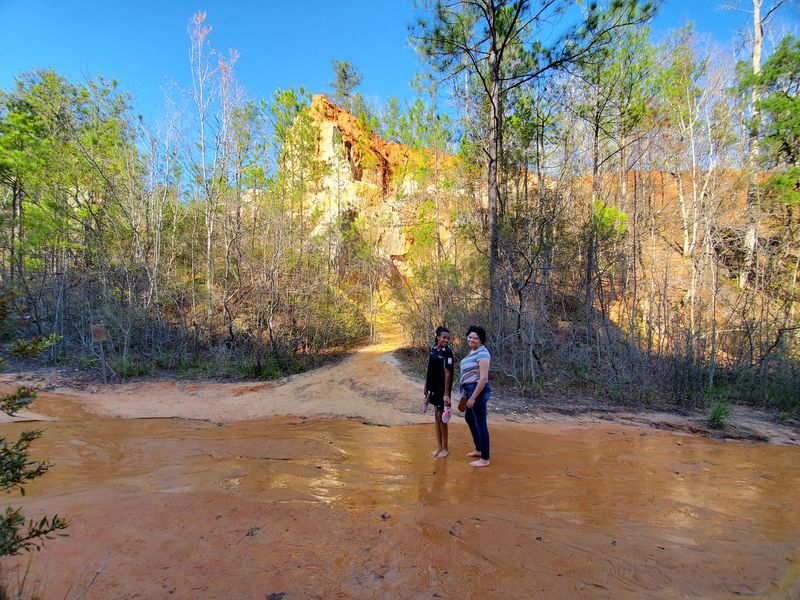
Let’s talk about your feet, because everyone here does. The canyon floor is often wet with flowing streams, and in some sections you’ll actually walk through water running down the middle of the trail.
Waterproof or water-safe shoes come up in review after review, especially depending on the season. Visitors suggest wearing boots you wouldn’t mind getting dirty, since the ground can get slippery and sloppy.
Here’s a small mercy: there’s a shoe-rinsing station right by the visitor center for when you finish caked in colorful mud. One person who visited during a drought found the trails far less muddy than expected, so conditions really do swing with the weather.
Abandoned Cars Along The Trail
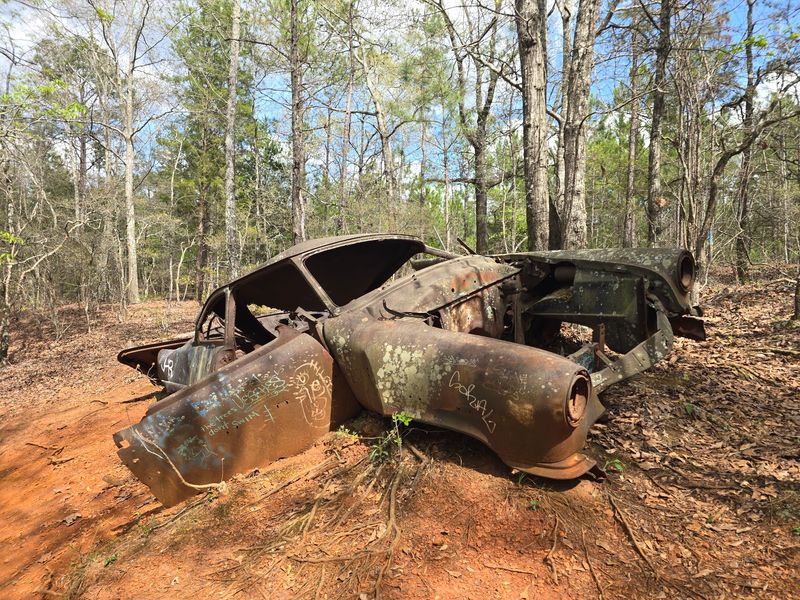
Fantasy novel? Maybe more like a quiet mystery.
Along one of the trails, hikers stumble upon a cluster of old abandoned cars slowly being reclaimed by the forest.
Visitors mention loving the surprise of seeing those rusted vehicles paired with the surrounding history. It adds an oddly cinematic, almost eerie touch to a walk that’s already full of unexpected sights.
Between the layered soil and these relics, the park quietly tells a story about time passing and nature taking things back. Keep your camera ready, because moments like this are easy to miss if you’re only staring at the canyon walls.
The Visitor Center And Little Gift Shop
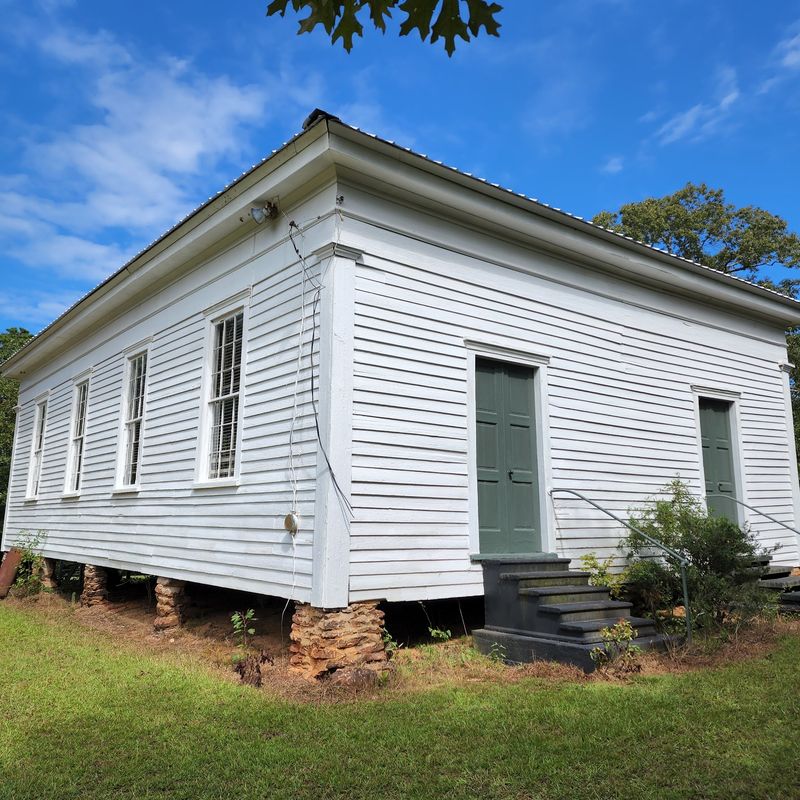
Small but mighty, the visitor center anchors the whole experience. Inside you’ll find a gift shop stocked with snacks, cold drinks, souvenirs, and even microwaveable sandwiches for a quick post-hike bite.
Plenty of visitors call out the shop as a highlight, especially when they come off a hot trail craving something cold. Maps are available outside the building, which comes in handy since the park opens at 7 AM but the center doesn’t open until 8 AM.
Restrooms here, and even the mid-trail ones, get praised for being impressively clean. It’s a modest hub, but it clearly makes a big difference for a comfortable day.
Picnics, Camping, And Slowing Down
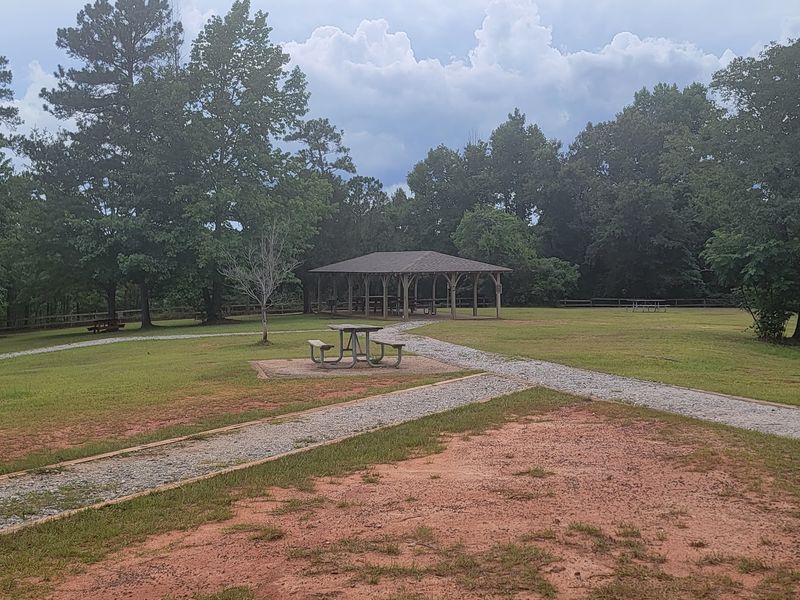
Not every visit has to be a marathon hike. Families love packing lunch and settling in at the picnic tables, and one grassy picnic area even offers a great overview of the canyon if you walk to the fence.
To reach it, folks say to turn right when leaving the main parking area, drive about a quarter mile, and park near the grassy spot with its own restrooms. It’s an easy, low-effort way to soak up the views.
Campgrounds round out the offerings for anyone wanting to stretch their trip overnight. Several hikers who fell for the backcountry trail said they were already planning to come back and camp.
A Family-Friendly Adventure With A Little Grit
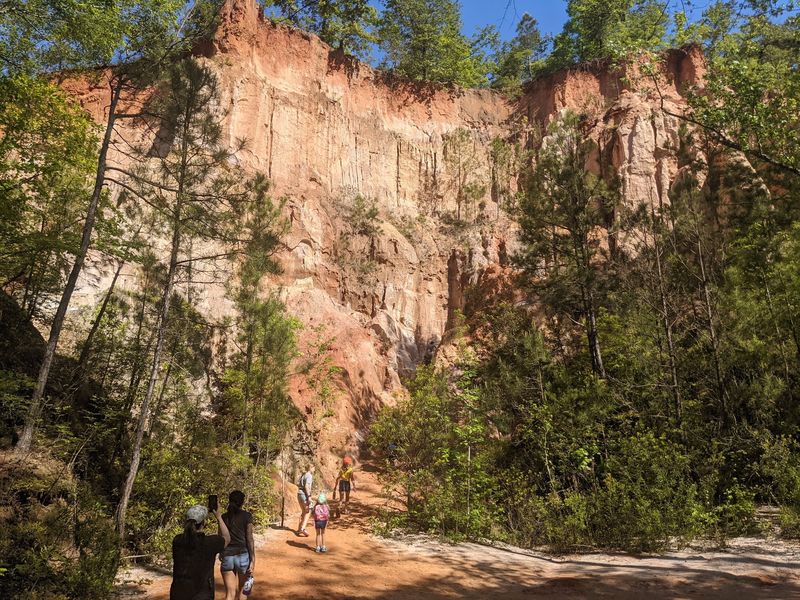
Bringing kids? Good news.
Visitors repeatedly describe this as a wonderful spot for families who want a taste of adventure without a packed crowd.
The shorter two-hour loop works well for children, and parents call the whole outing enriching for young ones thanks to the visible history. One reviewer noted it’s the kind of place where kids who can walk on their own will genuinely enjoy the climb and the water crossings.
That said, it’s not ideal for babies or toddlers who need to be carried across running water and uphill stretches. For walking-age kids with a sense of curiosity, though, it’s a memorable day out.
Best Seasons And Weather To Watch
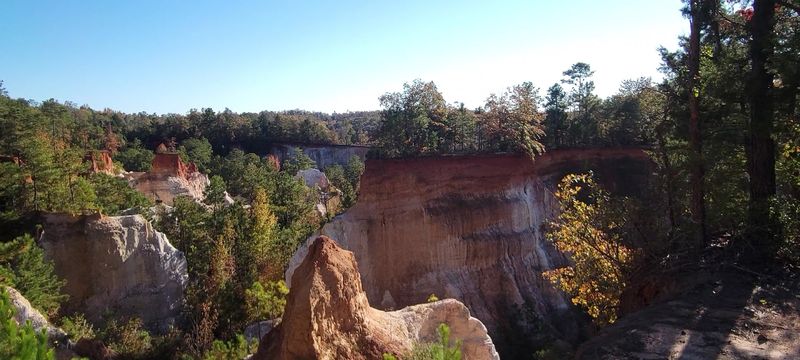
Timing matters more than you’d think here. Early spring and fall get the strongest recommendations, mostly to dodge the intense summer humidity that creeps in by late morning.
One visitor arrived just after 7 AM and found the early hours manageable before things turned uncomfortable. A three-star review pointed out that summer foliage can overgrow the Rim Trail overlooks, making fall and early winter even more appealing for clear views.
Rain is another thing to check, since water noticeably rushes through the canyon after a storm. Whatever season you pick, going early rewards you with cooler air and quieter trails.
Hours, The Ten Dollar Pass, And QR Code Payment
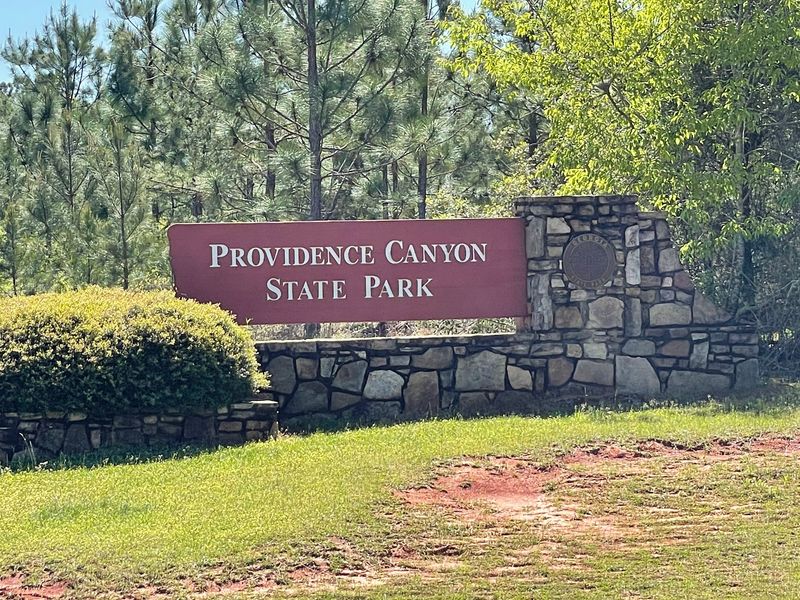
Planning logistics is refreshingly simple. The park is open daily from 7 AM to 9 PM, giving you a long window to explore from sunrise glow to evening light.
At the entrance you’ll spot a sign with a QR code; scan it and you can pay the day pass online. Most visitors describe the fee as $10 for parking, and one longtime reviewer noted parking runs about $5 per car with free park entry, so it’s worth confirming current rates when you arrive.
Parking is plentiful around the visitor center and along the rim trail, and you can reach the park by phone at 229-838-6202. Grab a map before you head down, since a few hikers wished the trails were marked a touch better.
Why This Canyon Earns Its Fantasy Reputation
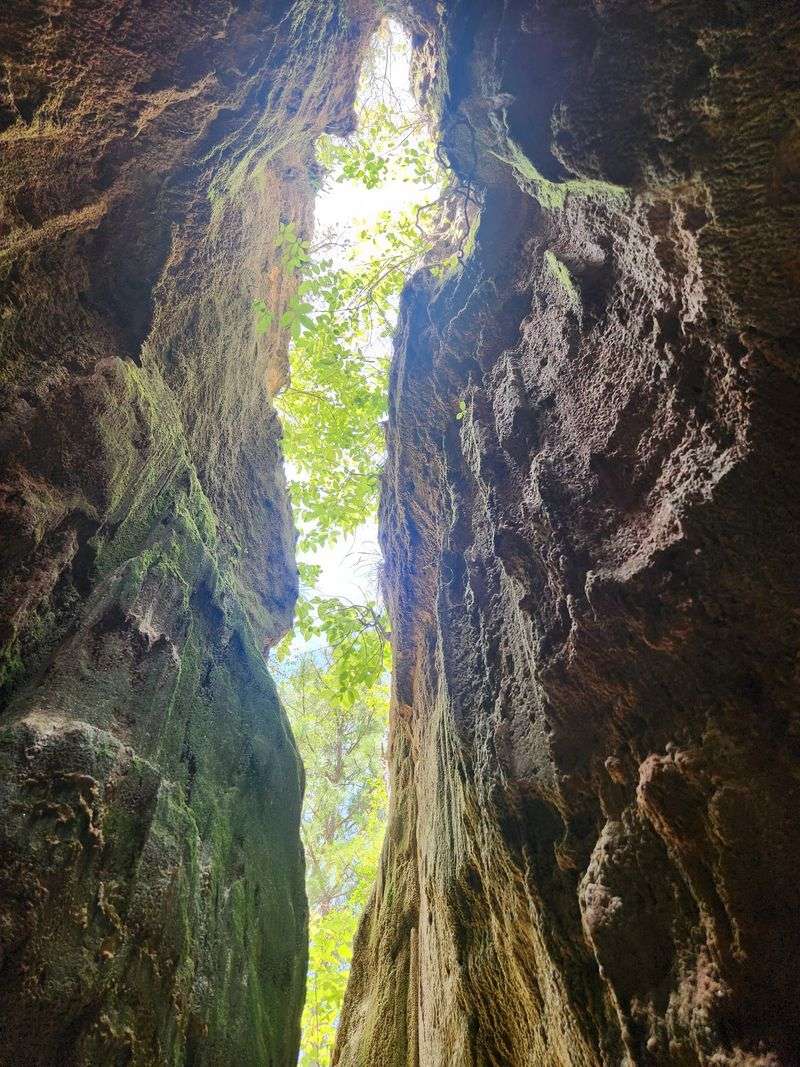
After walking those sandy floors and staring up at painted walls, I understand the 4.8-star rating across more than four thousand reviews. People consistently call it stunning, thrilling, and unlike anywhere else in the Southeast.
Come prepared with water, sunscreen, a hat, bug spray, and shoes you don’t mind trashing, since shade is scarce and the way back is entirely uphill. Bring a camera too, because visitors swear it’s one of the best photography spots around.
Would I go back? Absolutely.
For a place born from a farming accident, Providence Canyon has quietly become one of Georgia’s most magical surprises, and it’s well worth the trip off the beaten path.
Enjoyed this story?
Add Fast Food Club as a preferred source to see more of our reporting on Google.