


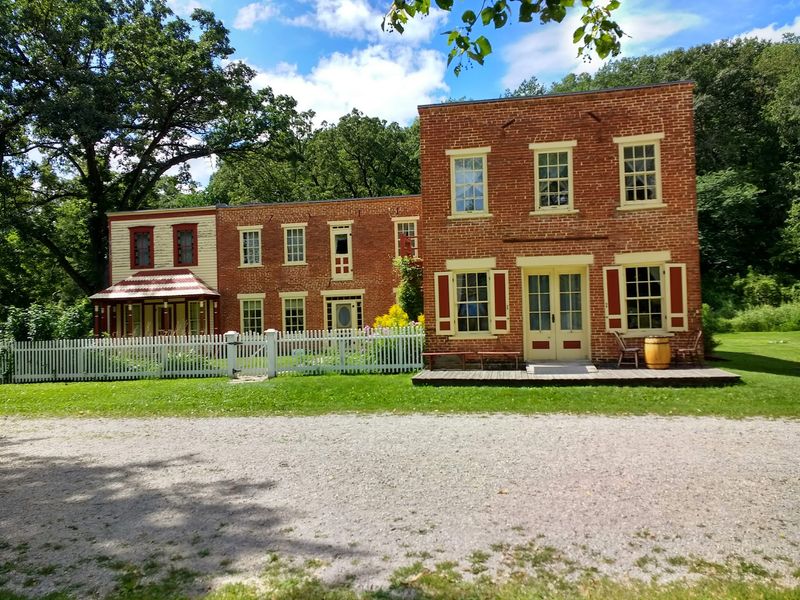
Somewhere in the quiet hills of southeastern Minnesota, a town that once buzzed with hotels, mills, and a busy general store slowly slipped off the map after the railroad chose a different route. What remains is not a ghostly ruin but a lovingly preserved slice of the 1850s, complete with restored buildings, staff in period clothing, and placards marking spots where homes once stood.
A steel truss bridge, prairie trails, and a hilltop cemetery round out the surprises waiting here. This is a place where a family road trip can turn into a genuine history lesson without anyone groaning about it.
Keep reading to find out where this little time capsule sits, what makes it worth the drive, and how to plan a visit that fits your schedule.
Where the Vanished Town Still Stands
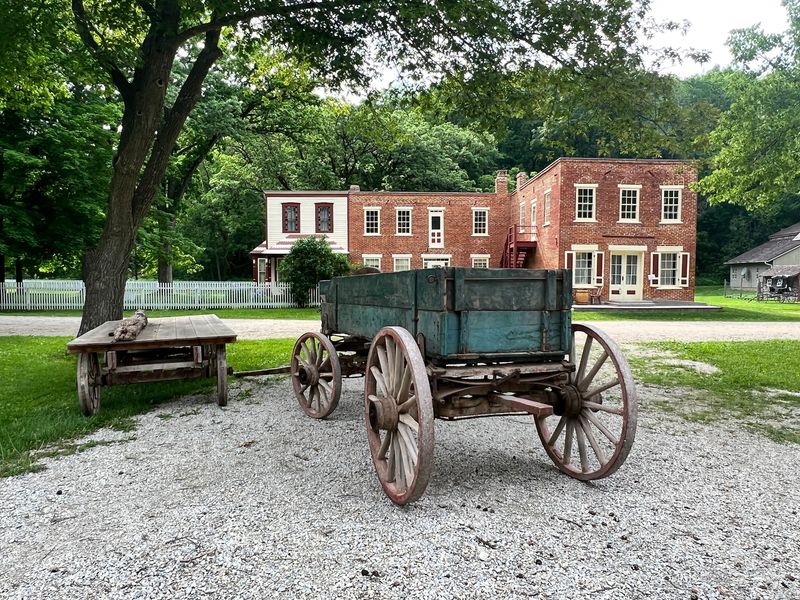
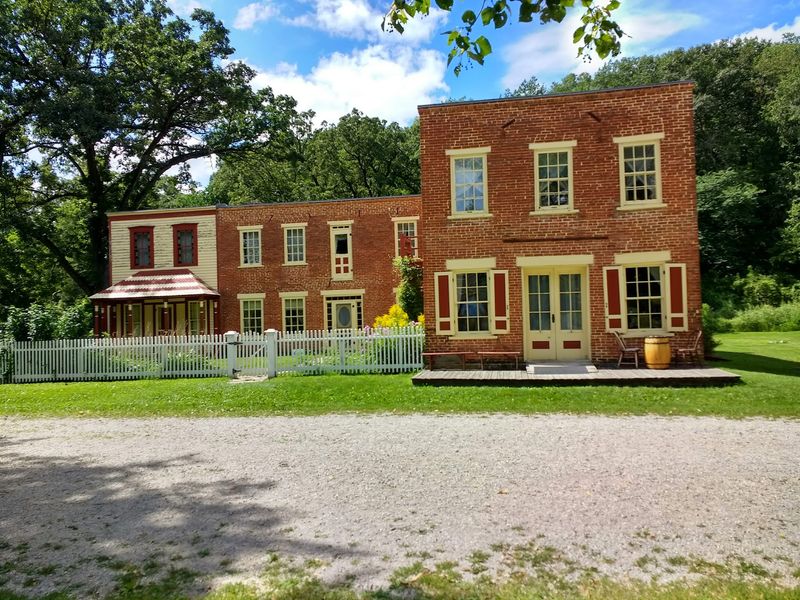
Tucked away at 21899 Co Rd 118 in Preston, Minnesota, Historic Forestville sits inside a peaceful pocket of the state’s southeastern countryside. The site is cared for by the Minnesota Historical Society, and it doubles as both a history museum and an open-air village.
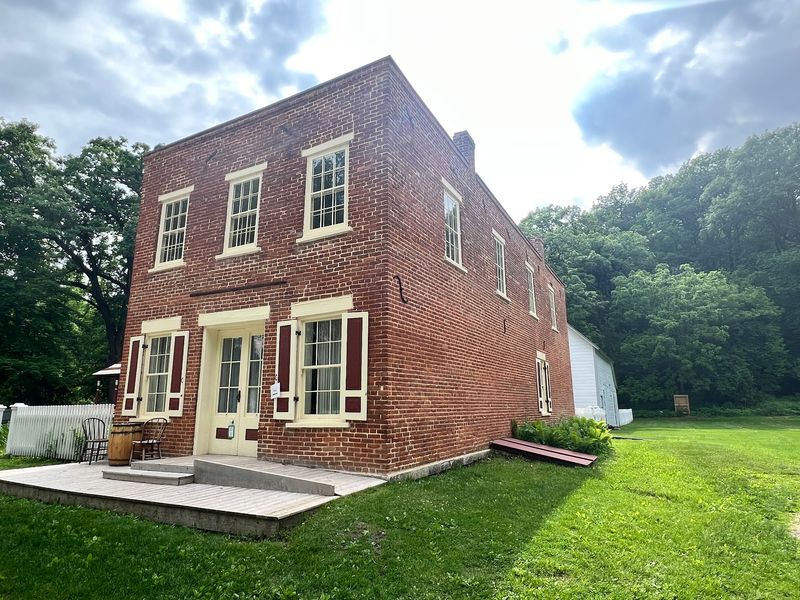
Back in the 1850s, this spot was a working town of roughly 150 residents. It held about 20 buildings, including two hotels, sawmills, a gristmill, a distillery, a school, and the well-known Meighen general store.
Everything changed when the railroad bypassed the area in 1868. The town’s purpose faded fast, and by the early 1900s Forestville had nearly disappeared.
Today only a handful of the original buildings remain. Some are restored and open to explore, while others live on as names and stone foundations scattered across the mowed grounds.
It is a rare chance to walk through a real place that time nearly erased.
A Town the Railroad Left Behind
Every fading town has a turning point, and for Forestville it arrived on iron rails that never came. When the railroad routed itself elsewhere in 1868, the little community lost the connection it needed to keep growing.
At its peak the town had real ambition. Hotels welcomed travelers, mills turned local grain and timber into goods, and the general store served as the beating heart of daily commerce.
Once trade dried up, families moved on and buildings emptied. What had been a bustling crossroads by 1850s standards quietly wound down over a few short decades.
The story is not told with grand monuments but with honesty. Signs mark where structures once stood, some beside old foundations, others simply staked in the grass with a name attached.
The effect is thoughtful rather than gloomy. The goal here is to preserve the spirit of a community, and it succeeds by reminding you that people once lived, worked, and built their lives on this very ground.
The Famous Steel Truss Bridge
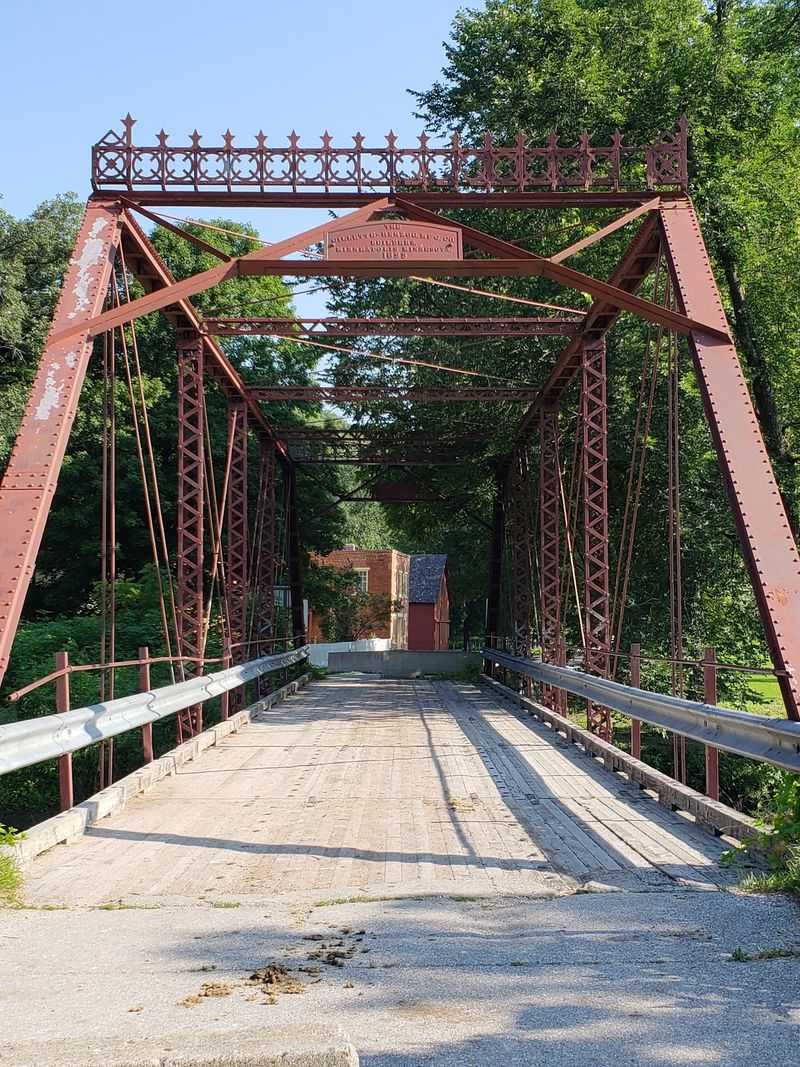
Among the things people talk about most, the Forestville Bridge tops the list. Originally built in 1899, this steel truss bridge once carried travelers across the South Branch of the Root River.
What makes it special is its rarity. It is a pin-connected Pratt through truss bridge, one of the last surviving examples of its kind in Minnesota.
Preservation work has meant the bridge was removed from its river crossing for repairs. Even off the water, it stays on-site as a reminder of the care poured into saving not just buildings but the infrastructure that once tied the town to the wider world.
Regulars have noted that walking across the old bridge used to be part of reaching the historic town itself. Its temporary relocation changed the scenery, and some felt the setting looked less picturesque without it in place.
Still, the bridge remains a genuine draw. Whether it spans a river or simply waits nearby, it is a piece of engineering worth admiring.
Guided Tours That Bring the Past Alive
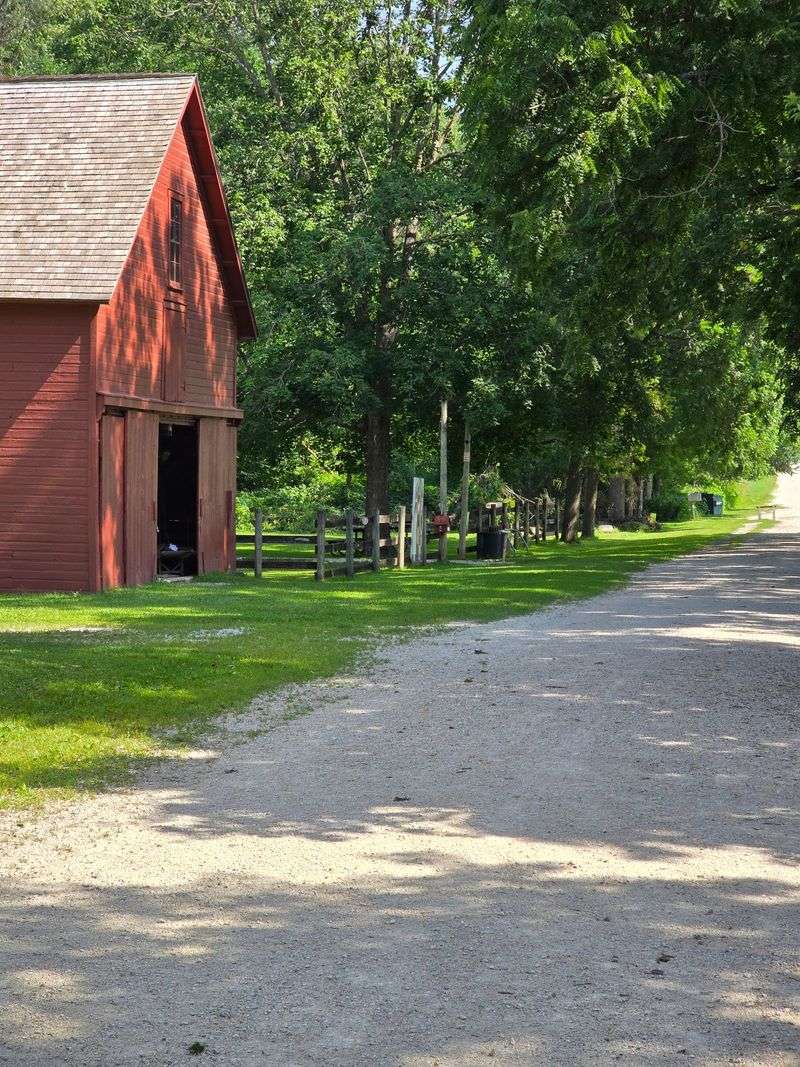
Guides here have a reputation for making history stick. Led by knowledgeable staff and volunteers, the tours walk you through the grounds, the historic house, and the barn while answering just about any question tossed their way.
Guests frequently mention how friendly and involved the guides are. Small groups are common on quieter days, which means more time for questions and less jostling for a good view.
The pacing feels approachable. A typical tour runs about 60 minutes, long enough to soak in the story but short enough to keep younger guests engaged.
Humor tends to sneak into the storytelling too. Several folks have described the tours as both funny and genuinely informative, a rare combination that keeps the mood light.
At around $10, the guided experience is considered a bargain for what you learn. If you want the full picture of what life looked like here, joining a tour is the way to do it.
The Meighen General Store
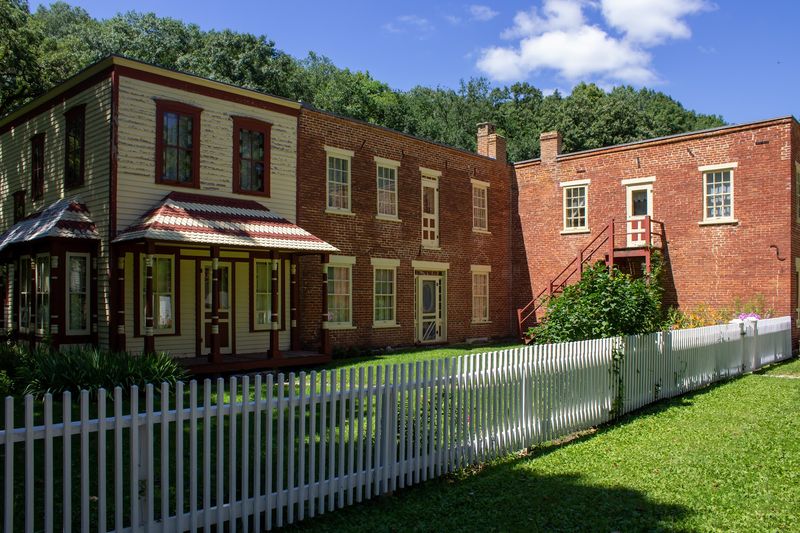
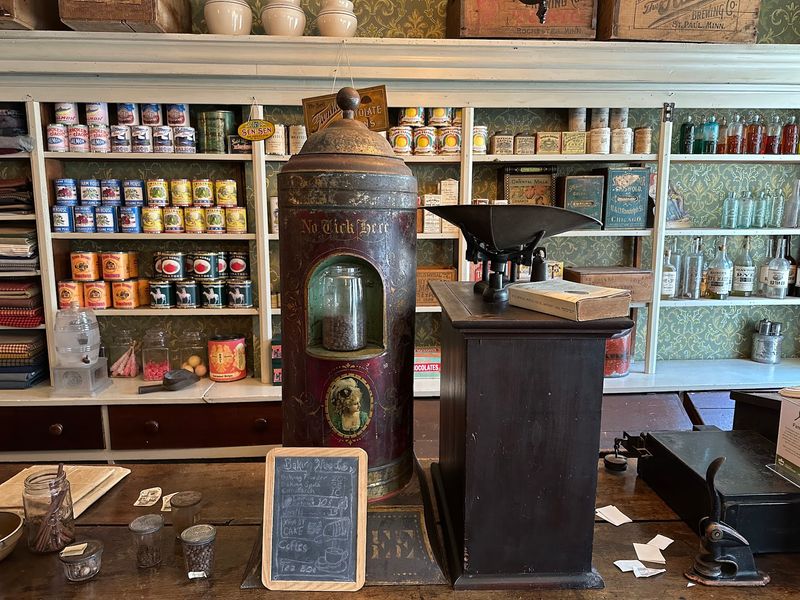
No village of this era would be complete without its commercial anchor, and the now-famous Meighen general store fills that role beautifully. It stood as one of the town’s central gathering places during Forestville’s active years.
The store represents the kind of daily life the site works to preserve. Goods, equipment, and the rhythms of frontier commerce all come together in one restored space.
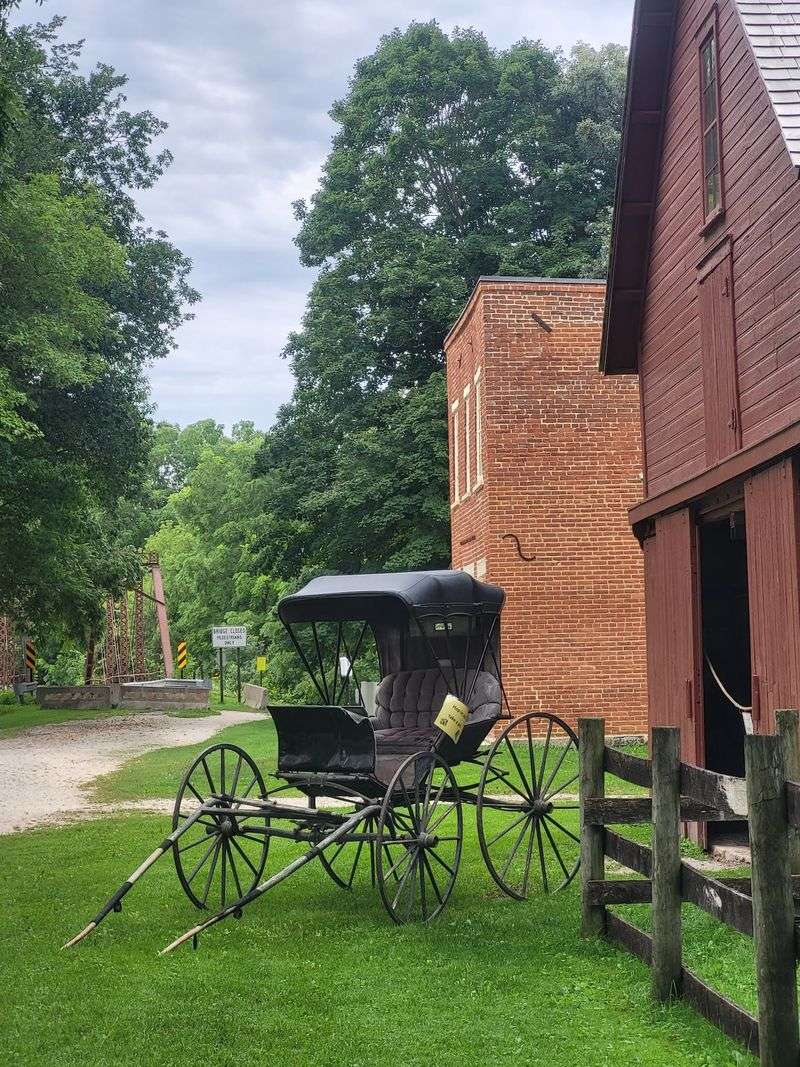
Old barns and the equipment once used around town add depth to the picture. Seeing these pieces up close gives you a sense of how a small community met its everyday needs.
Restoration has been handled with obvious care. The buildings that remain are well-maintained and thoughtfully interpreted, so the details feel grounded rather than staged.
For anyone curious about how a mid-1800s town actually functioned, the store is a highlight. It turns abstract history into something you can walk right through.
The Hilltop Cemetery Climb
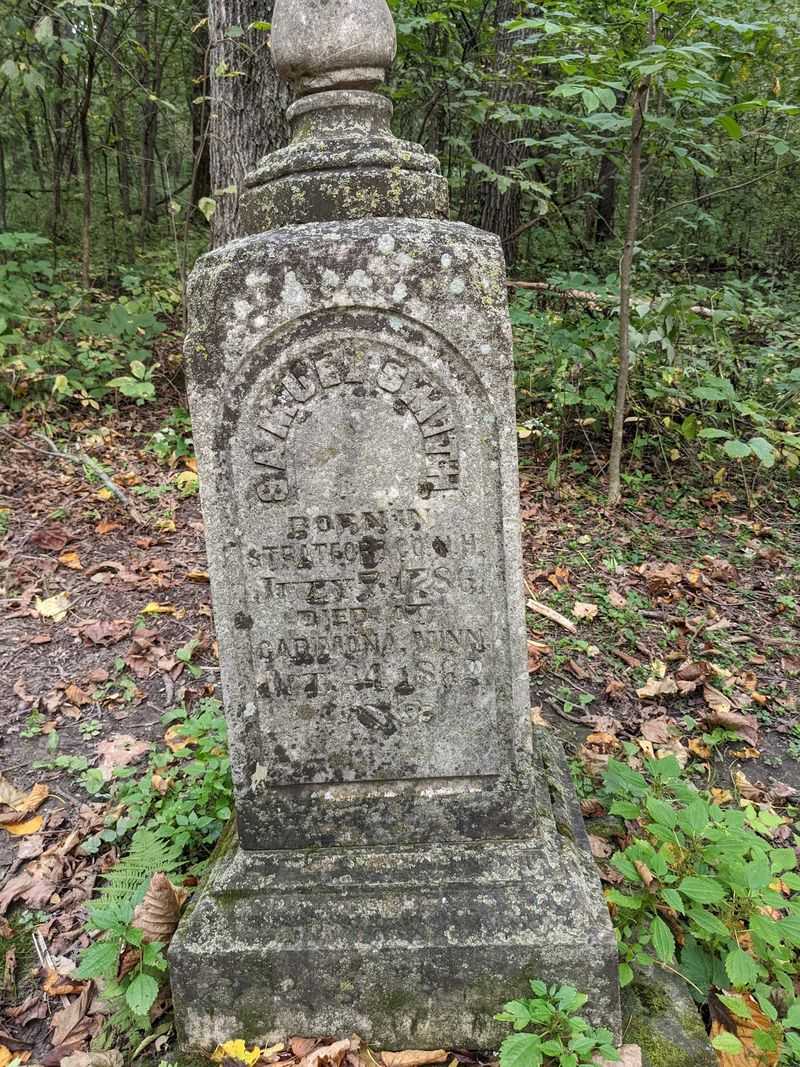
Adventurous guests often make the trek up to Zumbro Cemetery, and they rarely regret it. The climb has earned a reputation for being a serious uphill workout.
The reward at the top makes the effort worthwhile. Folks describe the cemetery as a neat and rewarding stop that adds another layer to the town’s story.
Special cemetery tours have been offered here, giving visitors a guided look at the resting place of the community’s early residents. It is one of the more reflective parts of the site.
The path itself winds up a notable hill, so comfortable footwear helps. A few people have mentioned spotting odd little surprises like toys tucked into bushes and trees along the way.
It is a quieter corner of the experience, but a memorable one. For those who like their history with a bit of a hike, this climb delivers.
Trails, Prairie, and the Great Outdoors
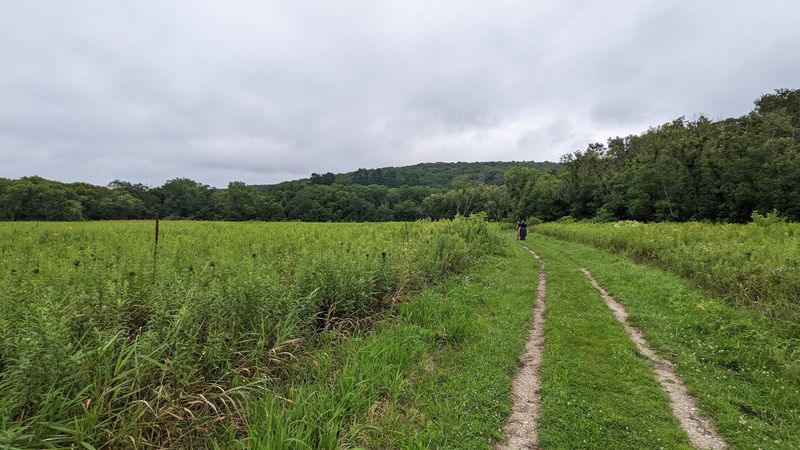
Beyond the buildings, the grounds open into a genuine outdoor escape. Great trails wind through the area, making it easy to pair a history tour with a proper hiking day trip.
A beautiful restored prairie is one of the site’s natural highlights. It shows off the landscape that would have surrounded the town long before it was settled.
Seasons shape the experience in a big way. Early summer brings lush green surroundings, while fall turns the scenery into a colorful backdrop for a long walk.
The setting is dog friendly, so four-legged companions are welcome to explore the trails too. Horseback riders also enjoy hours of scenic paths through the woods.
The nearby creek adds another draw for outdoor lovers. It offers good spots for fishing, including plenty of room for fly fishing along the water.
A Quiet Setting for Slowing Down
Some places invite you to rush, and this is not one of them. The calm setting has become one of Forestville’s most appreciated qualities, offering a welcome break from busier destinations.
Picnic tables scattered around the grounds encourage lingering. One guest even confessed to happily dozing off on a table for an hour, proof of just how relaxing the atmosphere can be.
The lack of crowds only adds to the charm. On slower days you might find the whole site nearly to yourself, perfect for an unhurried stroll.
Part of what makes it peaceful is how remote it feels. There is no cell service inside the park, which many treat as a genuine perk rather than a drawback.
If disconnecting is the goal, few spots do it better. This is a place built for wandering, resting, and letting the day stretch out.
Fun for the Whole Family
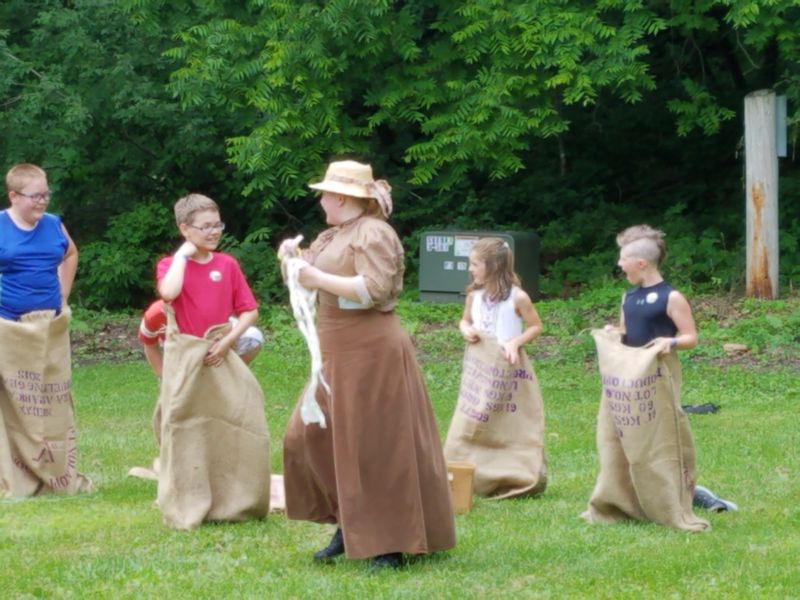
Bringing kids along tends to work out well here. The historic town offers tours and activities designed to keep the whole family engaged, from grandparents down to grade-schoolers.
Families have brought children as young as six and eight and reported that everyone enjoyed the tour. A quick stop at the gift shop for a treat beforehand can work wonders for holding little ones’ attention.
Special events add extra sparkle for younger guests. The July 4, 1899 celebration has featured plenty of activities and characters dressed in period costume.
Those festive days give kids something active to do while parents soak up the history. It turns a museum visit into a full outing with something for every age.
The 60-minute tour length is friendly for shorter attention spans too. All told, it is an easy pick for a family day that sneaks in a little learning.
The Gift Shop and Little Extras
Small touches can make a visit, and the gift shop here punches above its weight. It stocks ice cream, drinks, stickers, books, and additional information about the site.
The staff working the shop have earned praise for being pleasant and welcoming. It is an easy first or last stop on your way through the grounds.
Treats from the shop have a practical use too. More than a few parents have picked up suckers for the kids to keep them happy during the tour.
The books and materials on hand are handy for anyone wanting to dig deeper into the town’s history. They turn a casual visit into a chance to keep learning at home.
Practical comforts round things out. The site even offers WiFi, a small but appreciated convenience in such a remote setting.
Nearby Mystery Cave and Camping
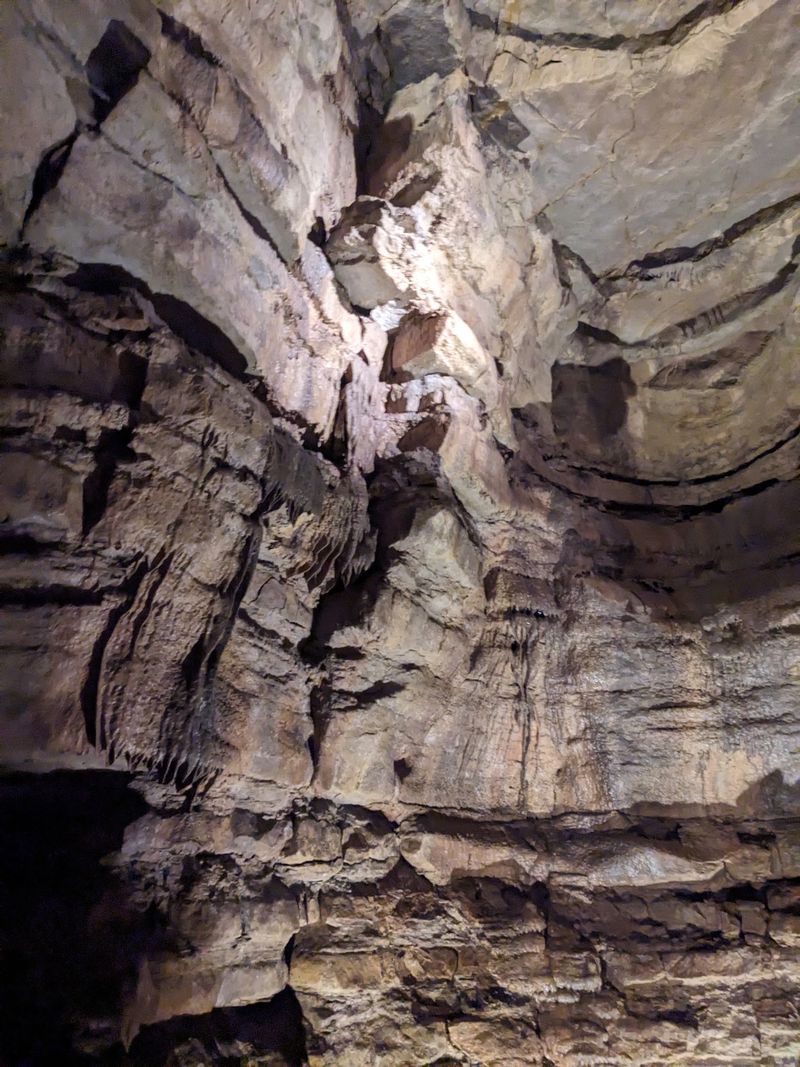
The fun does not stop at the village edge. Adjoining Mystery Cave gives guests a chance to head underground and explore, and its tours have earned high marks.
The cave guides are known for their deep knowledge. Guests have marveled at how there was hardly a question the guide could not answer during the underground tour.
Weather can add a little atmosphere down below. A morning of rain once left the cave slightly wet, which some felt only enhanced the experience.
Above ground, camping makes it easy to turn a day trip into a getaway. RV camping here is described as private and full of trees, with nice spots tucked among the woods.
Pairing the cave, the campground, and the historic town creates a well-rounded outing. It is the kind of area where you can easily fill a whole weekend.
Planning Your Visit
A little planning goes a long way with a site like this. The best advice is to arrive earlier in the day if you want to tour the interiors or learn from a guide.
Show up too late and the historic buildings may be closed, though the grounds still make for a peaceful walk. Guided tours are not always offered every day, so timing matters.
Hours have shifted at times due to preservation work. During certain seasons the site has run on a limited schedule tied to the closure of the historic bridge on County Road 118.
Checking ahead is smart. The Minnesota Historical Society posts updates at mnhs.org/forestville, so a quick look before you go helps avoid surprises.
The guided tour price sits around a reasonable $10, and weekends tend to be your best bet for the full experience. Weekdays can mean exploring on your own, which suits some travelers just fine.
With a 4.5-star reputation across nearly 150 reviews, this quiet corner of Preston, Minnesota, keeps drawing people back. Whether you come for the bridge, the trails, or a walk through a town that time nearly forgot, Historic Forestville rewards the trip with history, calm, and a story worth carrying home.
Enjoyed this story?
Add Fast Food Club as a preferred source to see more of our reporting on Google.