


Long before highways cut across Ohio, ancient builders shaped enormous ridges of earth that still trace the edge of a river valley today. Some of those walls stretch more than three miles, and you can walk right beside them, following paths that people carved centuries ago.
Tucked into the rolling countryside above the Little Miami River sits a place that mixes deep history with quiet nature trails, a large museum packed with artifacts, and overlooks that reveal the valley below. It carries a UNESCO World Heritage designation, which puts it in rare company worldwide.
What makes it worth the drive is how much you can actually touch, learn, and explore in a single afternoon. Keep reading to find out where it is and what waits along those old earthen ridges.
Where the Old Walls Still Stand
Set along State Route 350 at 6123 OH-350 in Oregonia, Ohio, this landmark parkland goes by the name Fort Ancient Earthworks & Nature Preserve, a UNESCO World Heritage Site.
The site sits above the Little Miami River valley, surrounded by hardwood forest and open fields. Getting here means winding through Warren County countryside, well away from the noise of city traffic.
The property blends three things at once. There is a preserve protecting ancient earthworks, a nature area laced with trails, and a museum focused on American Indian heritage and early settlers.
Those earthen ridges are the real headline. Built by ancient hands, they total over three and a half miles in length and hug the shape of the land in a way that still puzzles people today.
Walking on the ridges themselves is strictly off-limits to help preserve them, but paths run right alongside so you can follow their sweep up close. Signs mark the significance of different areas as you go.
A single adult entry has run around seven to eight dollars, which many consider a fair price for both the museum and the grounds. It is a spot that rewards curiosity and a little planning.
A Name That Got the Story Wrong
Early pioneers gave the site its name, assuming the earthen walls formed a defensive fort. That guess turned out to be off the mark, and the label stuck anyway.
The people who shaped these ridges were part of ancient Indigenous cultures of Ohio, and the museum ties them into a much larger story. Displays trace cultures who lived before, during, and after the builders themselves.
You will find explanations of how the mounds fit into the wider network of Native settlements across the Midwest. The exhibits also cover the impact of immigrating pioneer settlements in the old Northwestern Territory.
History runs deeper than most expect. There are even sections on lesser-known chapters like the Beaver Wars, which many people learn about here for the first time.
What the mounds were actually used for remains partly a mystery, and the museum leans into that open question rather than pretending to have every answer. That honesty makes the visit feel genuine.
The overall effect is a place that corrects an old misunderstanding while inviting you to keep wondering about the people who did the building.
The Museum That Surprises People
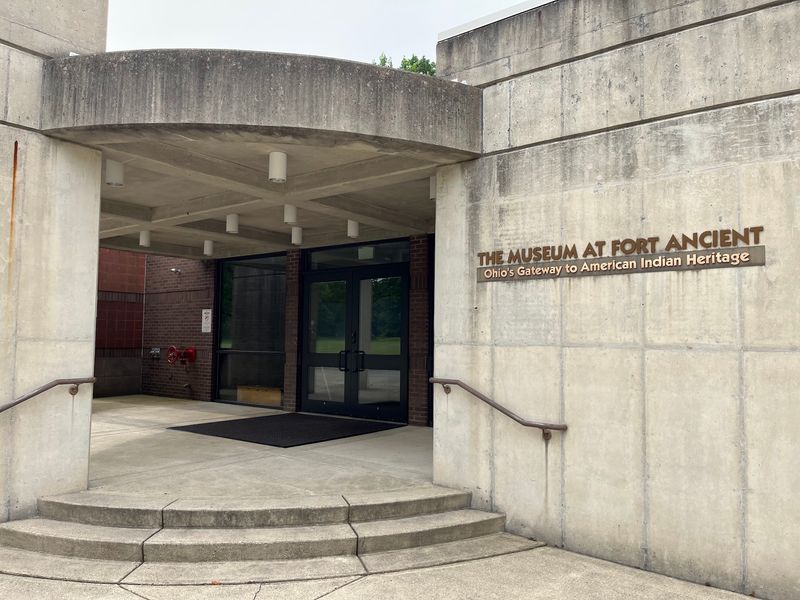
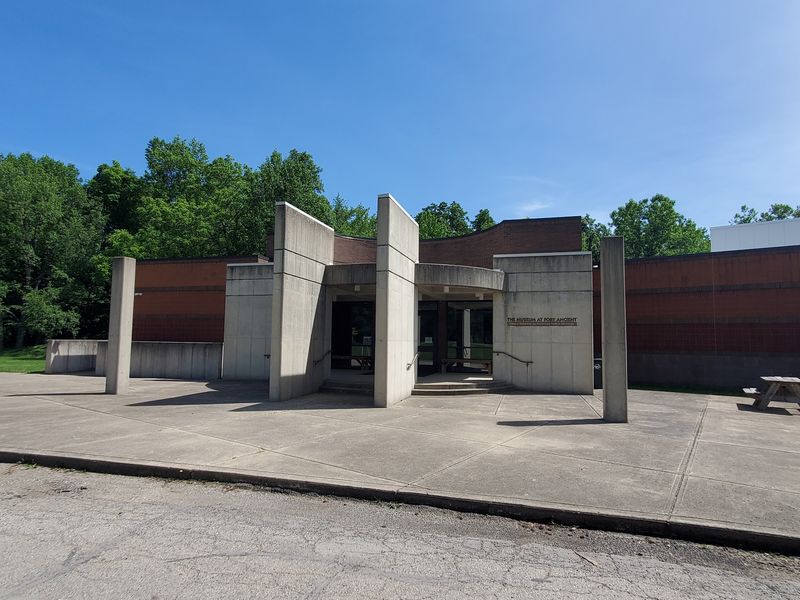
Plenty of folks arrive expecting a small roadside stop and leave stunned by how much fills the building. The museum turns out to be far bigger than it looks from the parking lot.
Inside sits a vast collection of ancient and historical artifacts, along with replicas that trace the influence of people across the region. Well-organized displays walk you through the early history of Ohio step by step.
People regularly spend two hours here and still feel they only scratched the surface. Some suggest setting aside much of a day if you want to read every panel.
The exhibits lean a little younger in places, which makes them a smart pick for families with kids. Dioramas and informative displays keep the material approachable without dumbing it down.
A few of the buildings could use a refresh, and now and then certain historical items are pulled from display. Even so, the depth of information keeps the experience strong.
Restrooms are located inside, and the layout is easy to follow. For anyone drawn to archaeology or state history, this hall alone justifies the trip.
Three and a Half Miles of Earthen Ridges
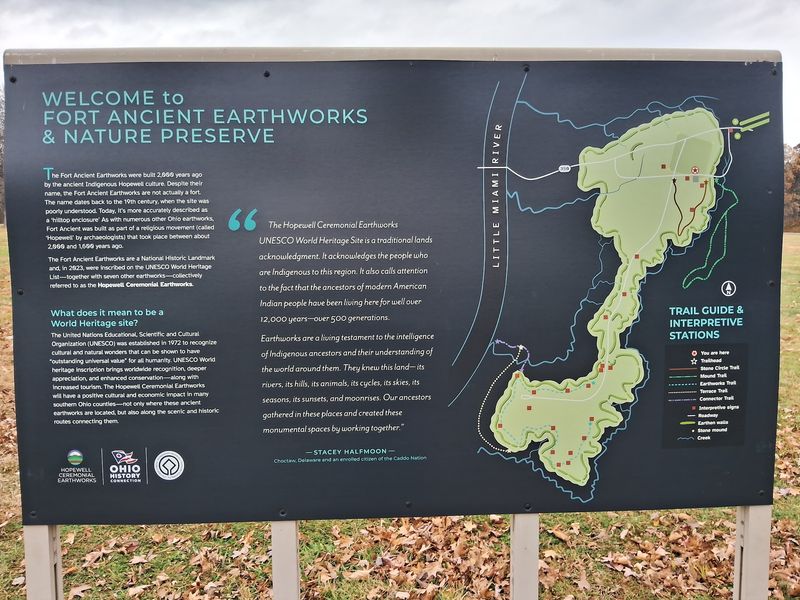
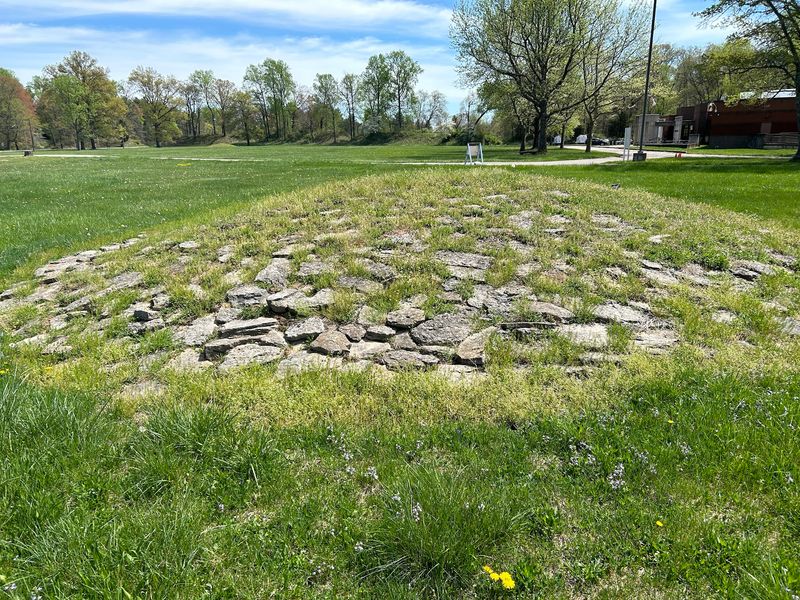
The earthworks are the reason this place earned world attention, and standing beside them makes their scale sink in. These sizable man-made ridges stretch over three and a half miles across the landscape.
Even by modern standards, the mounds come across as impressive feats of engineering. Building them by hand, with the tools of the time, was an enormous undertaking.
One catch worth knowing is that the ridges can be tricky to spot when summer foliage fills in. Late fall and winter, with bare branches, often give the clearest views of their outlines.
Signs along the paths list the meaning of designated areas, so the walls become more than shapeless mounds of dirt. You start reading the land the way its builders may have.
Respecting the boundaries matters here. Orange fencing and restricted signs mark the fragile spots, and staying off the structures helps them survive for the next generation.
Following the curve of these ridges is the closest thing to walking in the footsteps of the ancient builders that Ohio offers.
Trails Through Oaks, Maples and Beeches
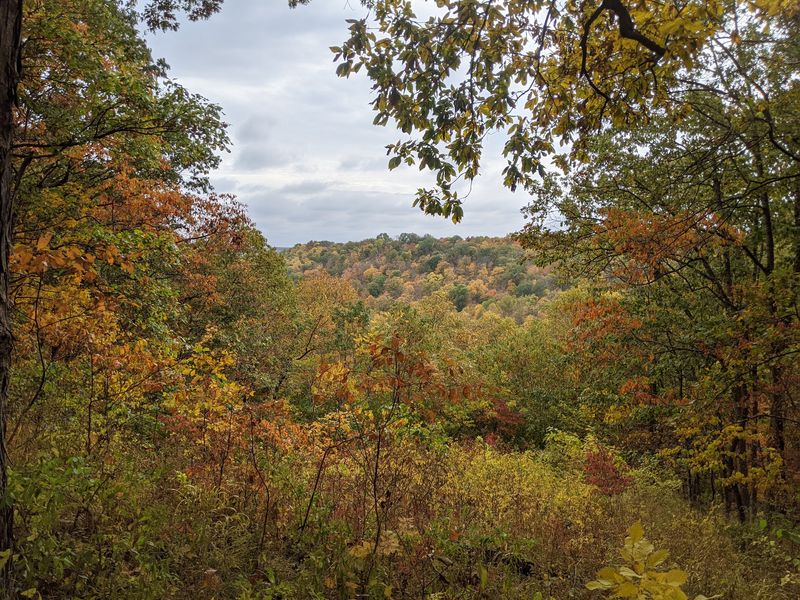
Beyond the mounds, the preserve opens into a network of walking paths that wind through mature woodland. Roughly 141 mentions of trails in visitor chatter tells you how central the hiking is here.
Towering deciduous and nut-bearing trees line many of the routes. Impressively large oaks, maples, beeches, and tulip trees stand throughout the property no matter the season.
Some trails stay flat and easy, while others climb and dip with real effort involved. Paths range from gentle strolls to steeper stretches that reward more experienced walkers.
The trailheads themselves are usually well marked, which makes starting out simple. Grabbing a trail map inside the museum before heading out is a smart move.
Wildflowers add color in the right weeks. Late September and early October bring white snakeroot, goldenrods, and asters into bloom across the grounds.
Whether you want a short loop or a longer trek, the trail system gives the earthworks a living, green setting that changes with the calendar.
The Overlook Above the River Valley
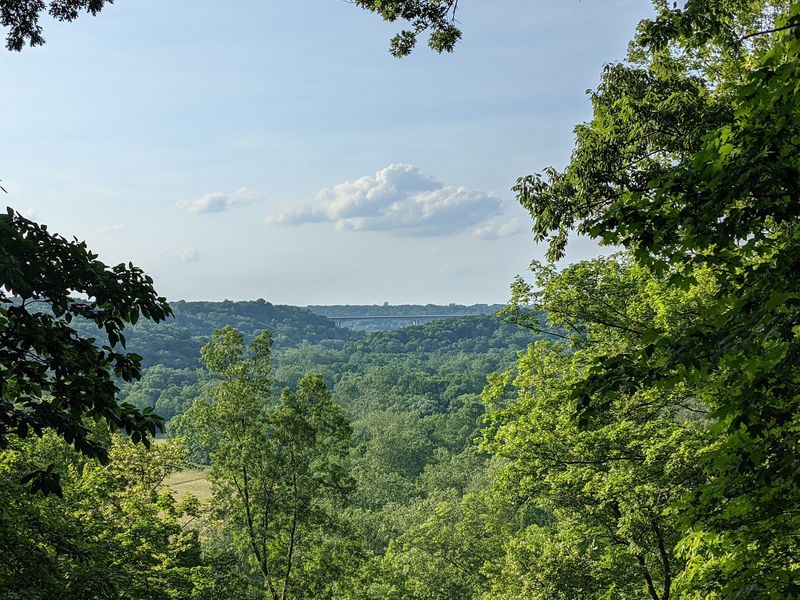
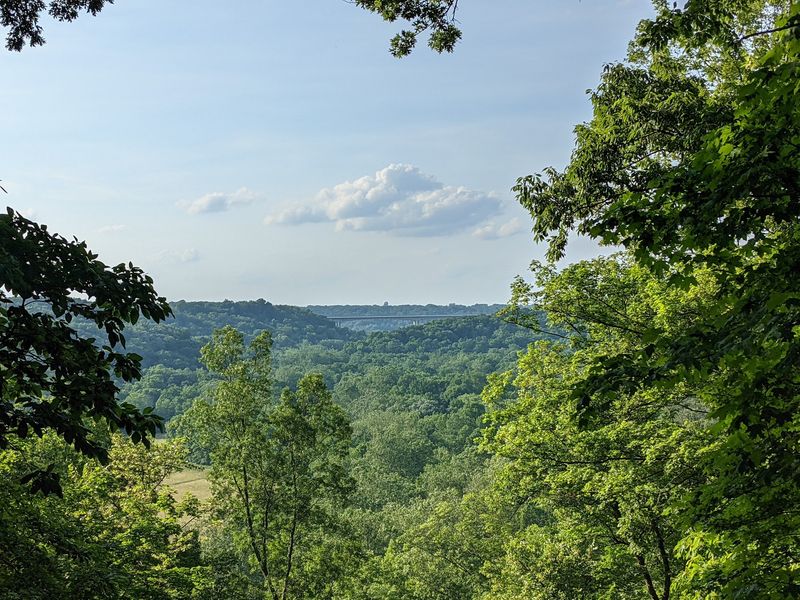
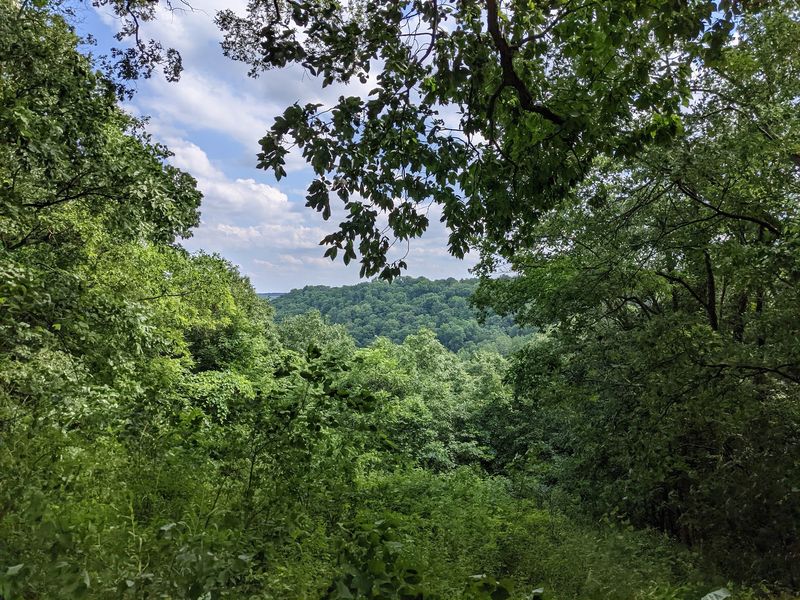
Near the top of an area named Eagle’s Trail waits a payoff worth the climb. An overlook there, reached by stone and wooden steps, opens onto the Little Miami valley spreading out below.
The view ranks among the best features on the whole property. Seeing the river valley from up high helps explain why ancient builders chose this high ground in the first place.
A road also leads to the back of the dedicated site, offering great vantage points for those who would rather drive than hike. Not every scenic spot demands a long walk.
For the more ambitious, one trail drops all the way down to the river itself. Steps mark the route, but it turns very steep in places, and a walking stick can help with balance.
Sturdy footwear with good tread makes the descent far more manageable. Over-the-calf hiking boots are a sensible choice for the rougher sections.
The overlook rewards the effort with a wide, quiet look at the land that shaped this ancient place.
Twin Mounds and the Solstice Markers
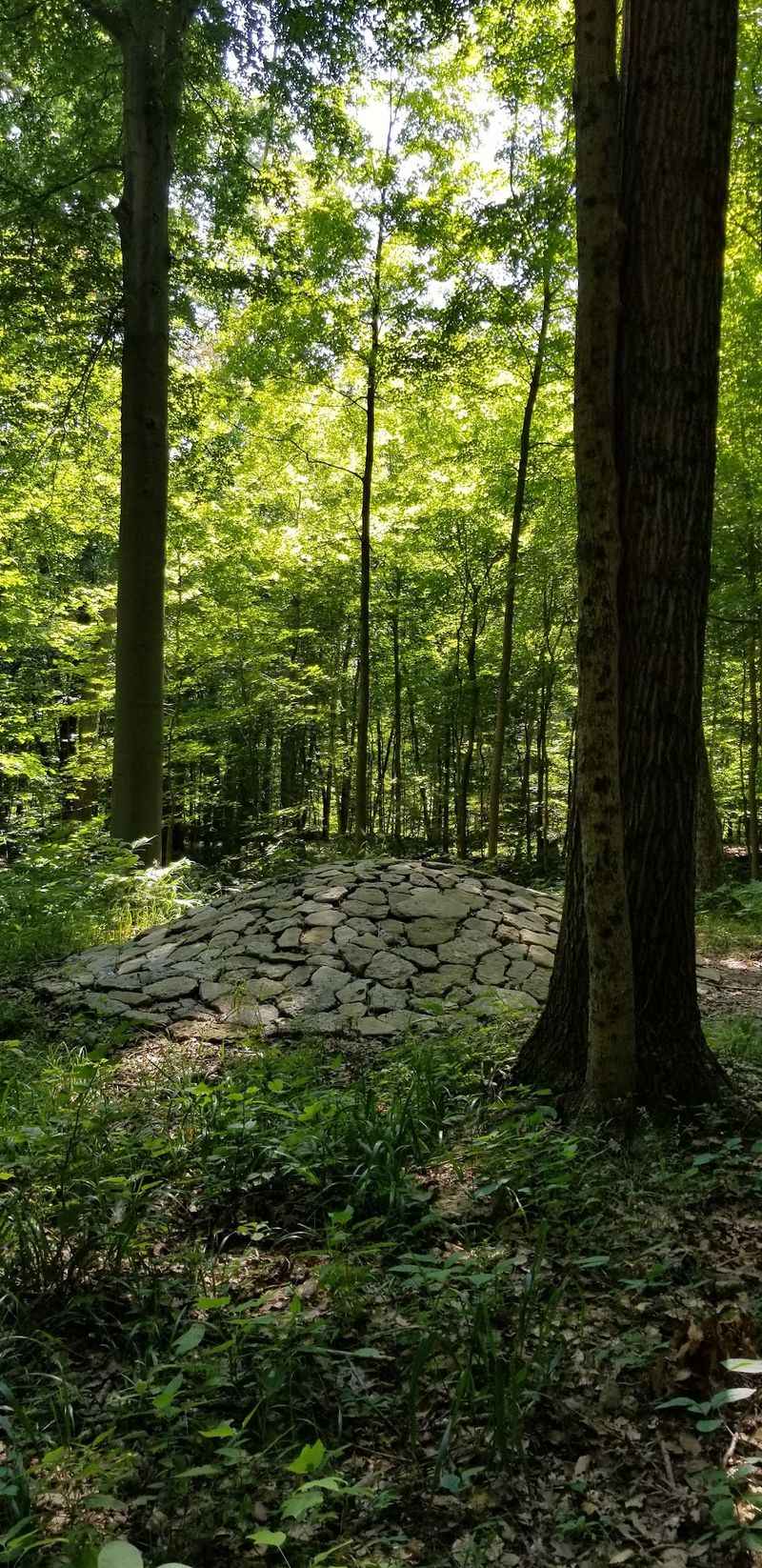
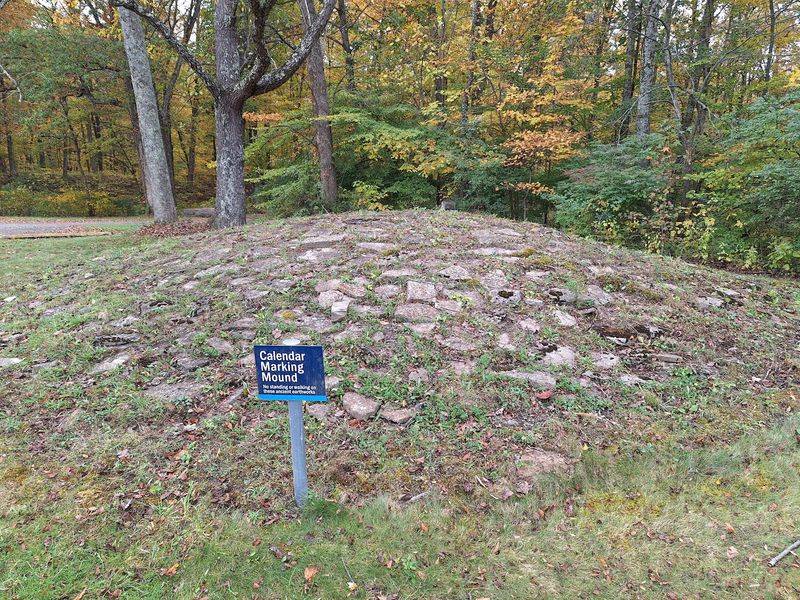
Across the road from the main grounds lies one of the more thought-provoking corners of the site. An area there appears designed to help Native people track the days of the year.
The layout connects to key moments like the summer solstice, the harvest, and the turning of the seasons. Ancient observation of the sky shaped how this ground was arranged.
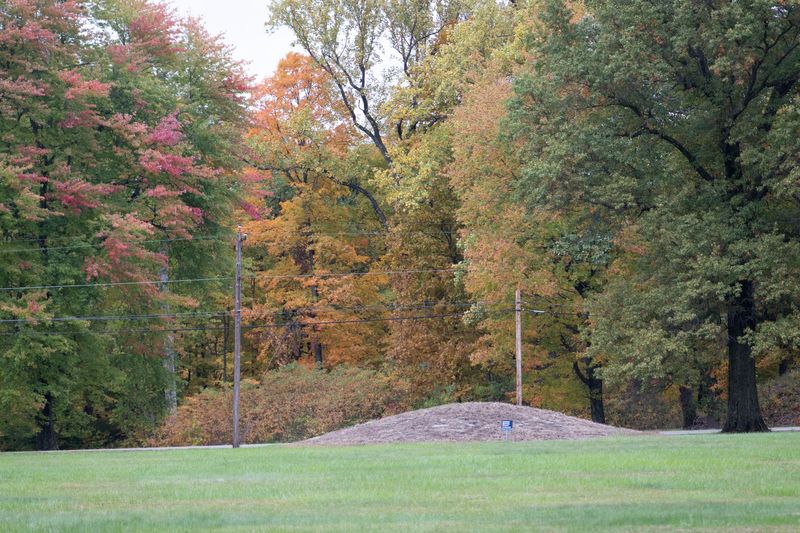
A short drive or a trail walk brings you to the Twin Mounds. A path there leads through a stand of tall conifers, a nice change from the hardwood forest elsewhere.
Standing among these features gives the earthworks new meaning. They were not just walls and piles of dirt but tools tied to time, farming, and the calendar.
Signs help make sense of what you are seeing, though a little imagination fills the gaps that centuries have left behind. The mystery is part of the appeal.
This section rewards the curious traveler willing to cross the road and wander a bit farther afield.
A Gift Shop Full of Local Finds
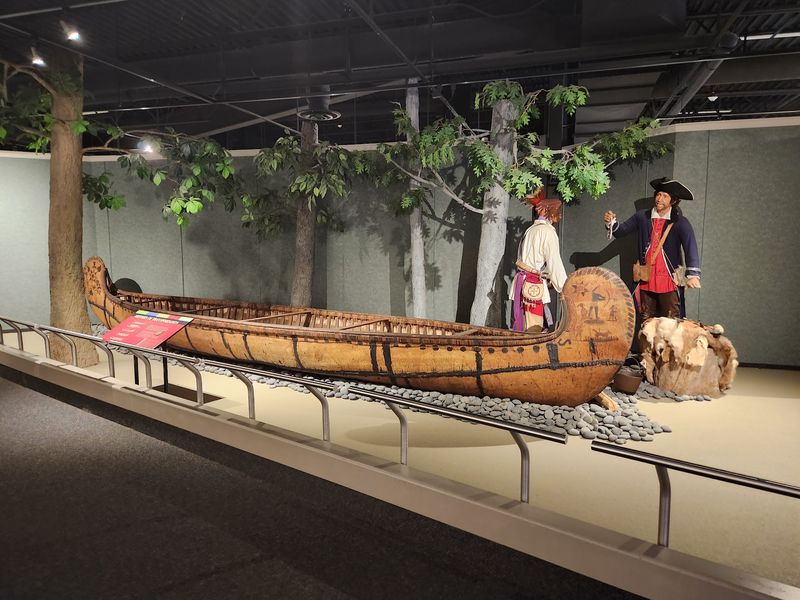
Tucked inside the museum sits a small shop that punches above its size. Shelves hold many local items along with a tempting spread of rocks for anyone who collects them.
Handmade goods crafted by Native Americans give the shop real character. It is the kind of place where souvenirs actually mean something.
Books line the shelves too, useful for anyone who leaves the museum wanting to read more about the earthworks or the region. The selection ties neatly to what you just saw.
Native distributed foods sometimes appear as well, including fry bread, wild rice, and teas. Picking something up supports the traditions the site works to honor.
Paying is easy, with debit, credit, and cash all accepted. No need to fumble for exact change at the counter.
Friendly staff round out the experience, ready to answer questions or point you toward the right trail map. Stopping in makes a fitting bookend to a visit.
Room for Picnics and Family Games
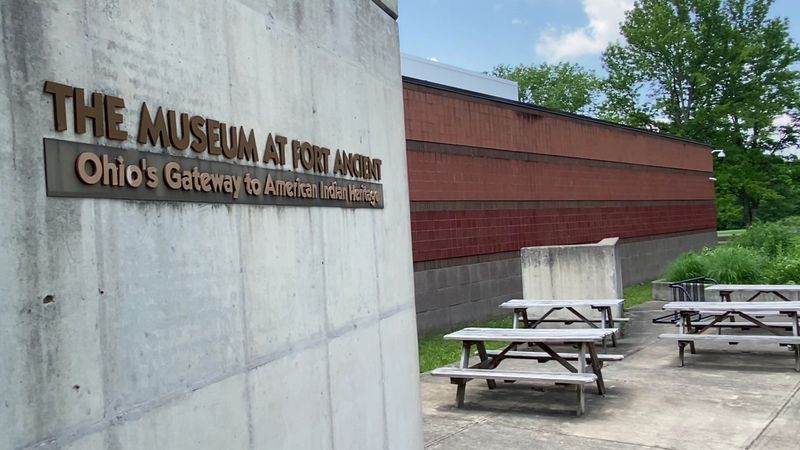
Families get more than history at this stop. Wide open fields and picnic areas make it easy to turn a visit into a relaxed outing.
Shaded picnic tables give you a spot to pause for a snack or lunch before the drive home. The seating stays clean and inviting.
One area features a large structure that offers shade and shelter from the sun or changing weather. That covered spot doubles as a handy meeting point for groups.
Kids of every age find room to burn energy. Open pastures leave plenty of space to toss a football, fly a frisbee, or play outdoor games.
Grandparents bring grandkids, families spread out, and there is enough room that nobody feels crowded. The flat central grounds make wandering simple for all ages.
A group walk followed by a picnic sums up the easygoing spirit of the place. History and playtime share the same acres, and both come out ahead.
A CCC Shelter With Its Own Backstory
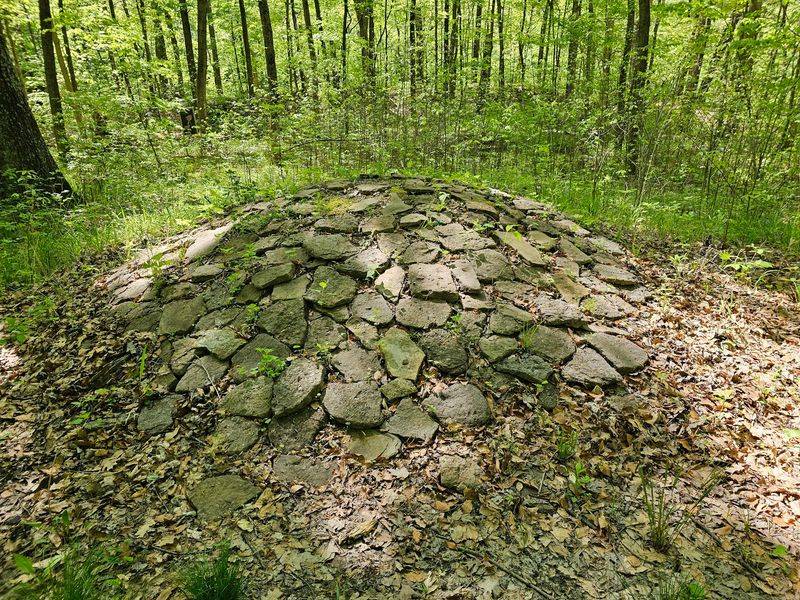
Among the modern additions stands a structure with roots in the 1930s. A shelter built by the Civilian Conservation Corps still serves the site today.
The CCC put people to work across the country building parks and public spaces, and this shelter is a lasting piece of that era. It adds a second layer of history on top of the ancient one.
Its sturdy construction has held up over the decades. The shelter offers a shaded gathering spot that fits right into the wooded surroundings.
History here does not stop at the earthworks. This building reminds you that people kept adding to the land right into the last century.
For anyone interested in how public lands took shape, the shelter is a quiet but meaningful detail. It rewards travelers who notice the little things.
Pairing an ancient site with a Depression-era landmark gives the property an unusual span of stories under one roof of trees.
Native Plant Gardens and Growing Grounds
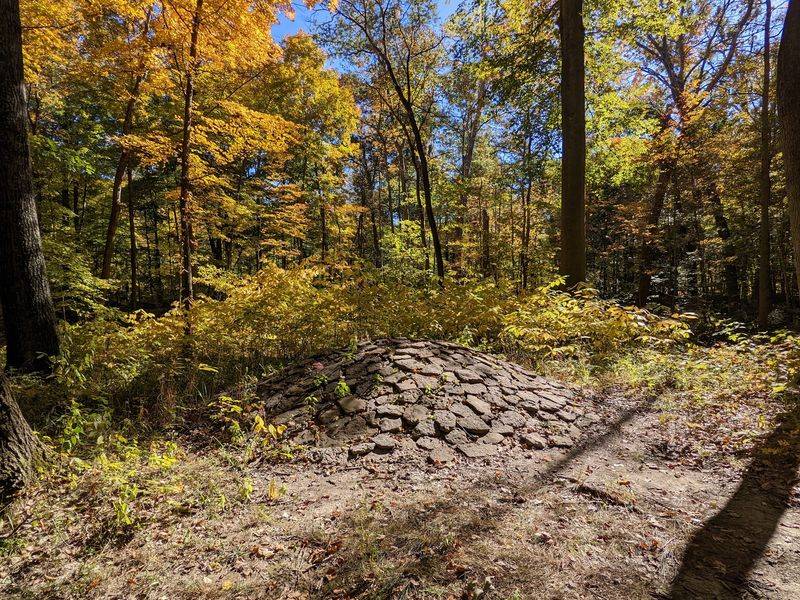
A short trail behind the main building leads to a native plant garden, a small feature with a story of its own. Girl Scouts established the plot back in 2009.
The garden showcases plants tied to the region and its Indigenous history. Even a brief look connects the earthworks to the living landscape around them.
An outdoor garden area elsewhere draws interest too, especially if you catch it near its peak growing weeks. Timing your visit for late spring or early summer can bring more color.
A hut on the grounds ranks among the more original replicas of its kind on display anywhere. It hints at how demanding daily life once was for the people who lived here.
Some of the plantings and benches have gone a while without upkeep, so temper expectations in spots. The intent behind them still shines through.
These green touches let visitors see the land as more than a backdrop, tying plants, people, and history together in one walkable corner.
Quiet Weekdays and Friendly Faces
Crowds rarely overwhelm this site, which is part of its charm. Weekday afternoons can feel almost private, with only twenty or thirty other people around the whole property.
Parking is easy to find, and the welcome center greets you without a wait. Arriving midweek often means having the trails and exhibits mostly to yourself.
The staff earns steady praise for kindness and knowledge. Attendants answer questions patiently and help newcomers get their bearings.
New arrivals sometimes find the layout a little confusing at first, but the front desk sorts that out quickly. A friendly greeting goes a long way here.
Even guests who show up close to closing report being welcomed rather than rushed out the door. The relaxed pace suits the reflective mood of the place.
For anyone who values calm over crowds, timing a visit for a quiet weekday delivers exactly that kind of unhurried experience.
Getting There, Hours and Admission
Planning the practical side keeps a visit smooth. The site opens Wednesday through Saturday from 10 AM to 4 PM, and Sunday from noon to 4 PM, while Monday and Tuesday stay closed.
Checking the hours before you go is wise, since the schedule leaves out the first two days of the week. You can reach the site by phone at +1 513-932-4421 or through the Ohio History website.
Admission stays modest. A single adult entry has run about seven dollars, with grounds-only access reported around eight dollars per car, and History Connection members get in free.
The road across the river valley, near the former Morgan’s Canoe Rental, turns very steep with tight hairpin curves. The posted speed of 15 MPH is there for good reason, so drive carefully, especially in wet or icy weather.
Dedicated handicapped parking sits close to the museum entrance, with more parking a short, level walk away. Sidewalks connect both lots for a safe approach.
A little preparation makes the day far easier from the moment you turn off the highway.
Why the Old Walls Are Worth the Trip
Some places pack more into a single afternoon than you expect, and this preserve is one of them. History, nature, and quiet space come together on ground shaped by ancient hands.
The combination is unusual. A world-class museum, more than three miles of earthen ridges, wooded trails, an overlook, and open fields all share the same address.
Regulars mention feeling a real connection to the people who built these mounds, and the mystery of why they did it keeps pulling folks back. There is always another panel to read or trail to try.
Bring good footwear, grab a trail map inside, and check the seasons if you want the clearest look at the ridges. A little planning turns a good visit into a great one.
Families, hikers, and history lovers all find something to hold their attention here. Few Ohio stops manage to reach so wide.
For a spot where you can walk beside walls raised centuries ago, this ancient earthwork fort makes a strong and lasting case.
Enjoyed this story?
Add Fast Food Club as a preferred source to see more of our reporting on Google.