


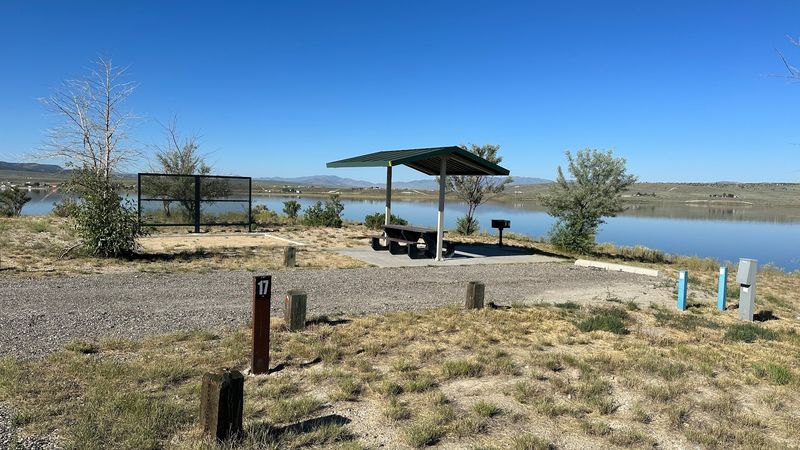
Northern Nevada keeps a few secrets, and one of the best sits about ten miles south of Elko where the sagebrush suddenly gives way to a wide blue reservoir. Weekdays here can feel almost private, with a couple of anglers casting from the bank and hawks circling overhead.
There are trails that wander along the shoreline, campgrounds with hot showers, and beaches where families splash on warm afternoons. The day pass costs about five dollars, which makes it one of the easiest escapes around.
Rangers get high marks for being helpful, and the whole place carries a calm that is hard to find on a summer weekend elsewhere. Stick around and you will learn exactly where to camp, when to visit, and why this spot earns its loyal following.
Where The Desert Opens To Blue Water
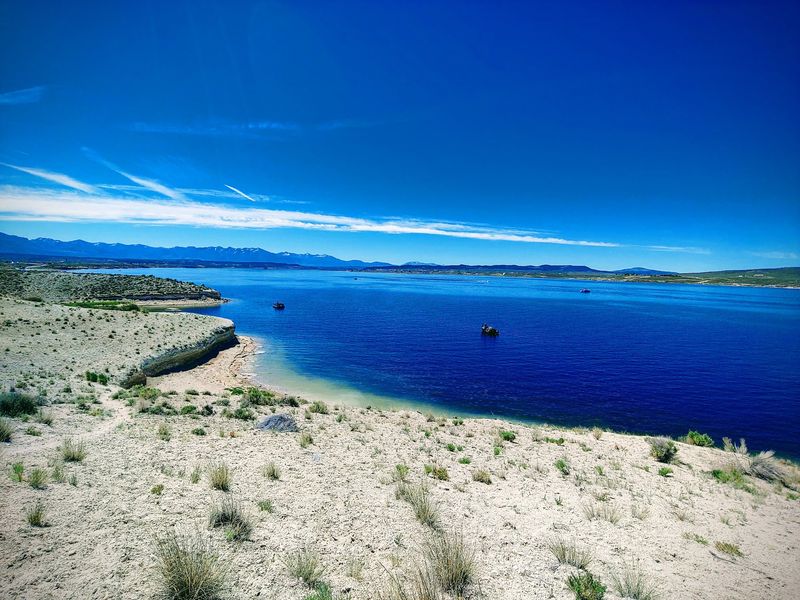
Ten miles from the grocery stores and gas stations of Elko, the pavement leads to a reservoir that feels like a different world. The official address is 353 Lower South Fork Rd #8, Spring Creek, NV 89815, tucked into the high desert of northeastern Nevada.
The park spreads out around South Fork Reservoir, a body of water fed by the South Fork of the Humboldt River. Rolling hills of sage frame the shoreline on nearly every side.
The contrast is the draw here. Dry, open country runs for miles, and then this broad stretch of blue appears almost out of nowhere.
The gates stay open around the clock, seven days a week, so early risers and late arrivals both find room. A five dollar day pass covers most casual visits.
Families, anglers, and weekend campers all end up sharing the same peaceful patch of desert. Once you see how the water sits against the hills, the drive out from town stops feeling long.
A Reservoir With A Loyal Following
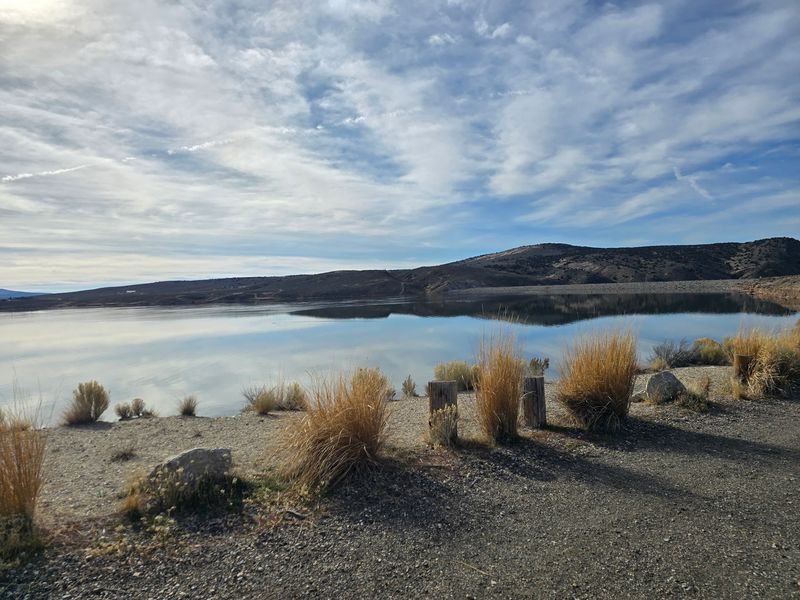
Among the twenty-seven state parks scattered across Nevada, this one earns a spot near the top for people who have made the rounds. Folks who have visited every single one still name South Fork as a favorite.
The reputation is built on variety. There is fishing, camping, boating, swimming, and trails, all packed into one manageable area.
Part of the charm is how well it holds together. The grounds stay tidy, the facilities work, and the staff keep things running smoothly.
The park sits at an elevation that brings cool mornings and warm afternoons through the summer season. That rhythm suits campers who like to fish at dawn and swim by midday.
Rather than trying to be one big attraction, the place succeeds by doing several small things well. That balance is exactly why so many return year after year.
Casting A Line Along The Shore
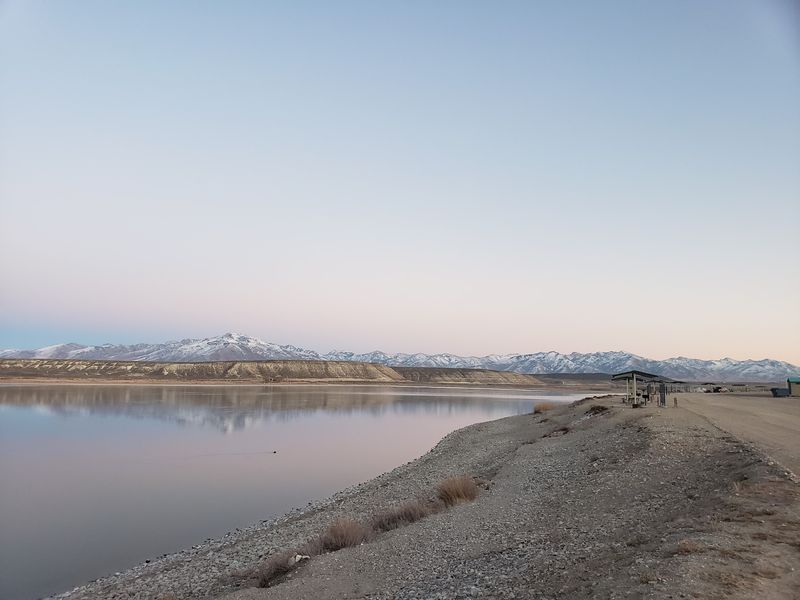
Fishing is the single most talked-about activity at South Fork, and for good reason. Anglers work the shoreline and the boat launches for trout throughout the year.
Shore fishing can be surprisingly productive. People who cast from the bank often reel in trout without needing a boat at all.
Some days deliver nonstop action. There are outings where bites and hooked fish seem to come from every direction along the water.
Not every trip is a jackpot, though. The fishing runs hot and cold depending on the season and conditions, so patience helps.
The reservoir gives both boat anglers and bank anglers a fair shot. Trout are the headliner, and the wide open water gives plenty of room to spread out.
For a quiet morning with a rod and a thermos, few places in the region compete. The mix of easy access and steady catches keeps the fishing crowd coming back.
Campgrounds On The North And East Ends
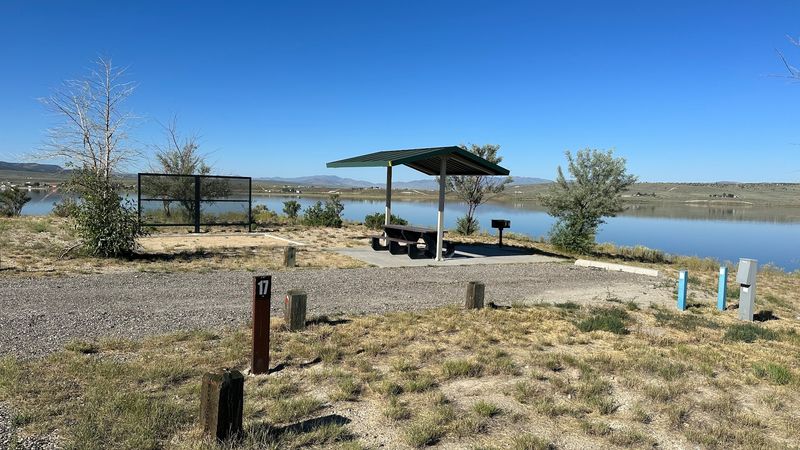
Campers have real choices here, and the north and east ends carry the full-service sites. Electric hookups run at roughly twenty-five sites, with a nightly fee around twenty-five dollars.
These areas come with the comforts that make longer stays easy. Flush toilets, free hot showers, potable water spigots, and a dump station all sit within reach.
Sites include covered picnic tables and fire rings, which help on breezy afternoons. A boat ramp, group campground, and ranger station round out the north end.
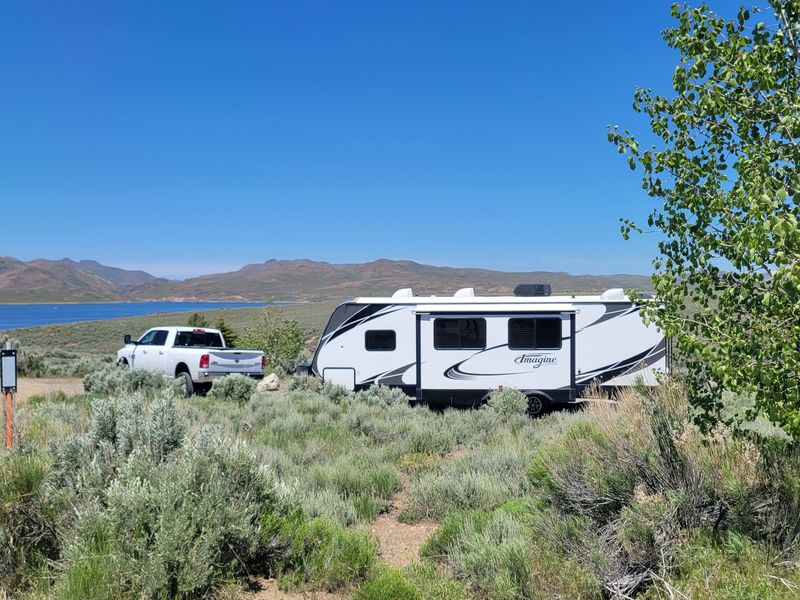
One honest note for big rigs: many sites are not very level. Hauling a large trailer or motorhome can make finding a flat spot a bit of a puzzle.
Midweek is the sweet spot for space. Weekends start filling on Thursdays and usually clear out by Sunday night.
For anyone who likes hookups and hot water after a day on the reservoir, this side delivers the goods.
Waterside Camping On The West Side
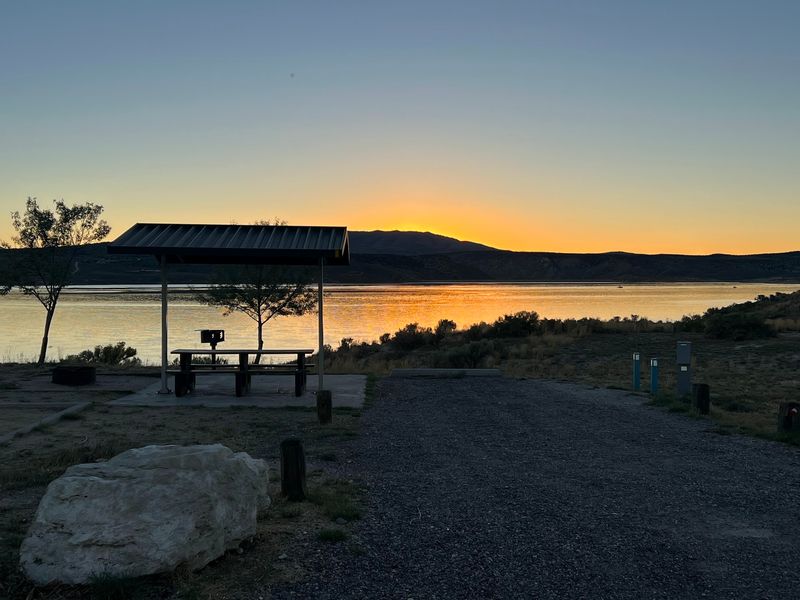
Prefer to wake up with water right outside the door? The west and south side campgrounds sit directly along the shoreline.
The nightly fee here runs lower, around fifteen dollars. That savings comes with a trade-off in amenities.
These beachside sites keep things simple. Expect vault or pit toilets, no showers, and no potable water on this side.
The layout is thoughtful in one clever way. Sites are arranged end to end rather than side by side, so neighbors stay out of your windows and the view stays open.
Need a hot shower or fresh water? A short drive over to the north side solves that easily.
The pull-through spots can get a little awkward with sharp angles in the middle, so many big rigs just back in. Even with the quirks, camping a few steps from the water is the reason people pick this side.
Beaches And A Cool Swim
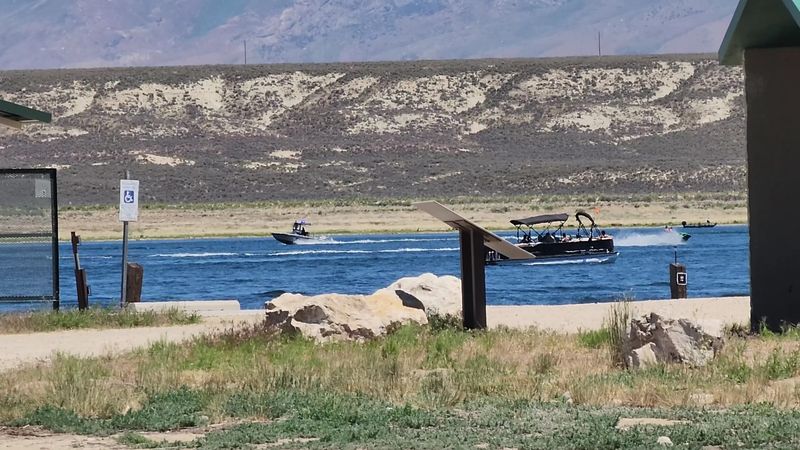
When the afternoon heat climbs, the beach areas turn into the busiest corner of the park. Jet Ski Beach is a popular spot for families to swim and cool off.
The water itself gets high praise on warm days. Grandkids and grown-ups alike wade in when summer temperatures peak.
A gentle caution comes with the fun. Water advisories can appear, so it is smart to check conditions before jumping in.
There is one important safety note. Keep pets and small children away from drinking the water, since it can make them sick.
Day-use beach access can feel a little tight at times, with some stretches fenced off and popular spots filling in. Arriving earlier helps you claim your patch of sand.
For a hot summer day near Elko, few things beat a shady picnic table and a quick dip in the reservoir.
Trails That Trace The Water’s Edge
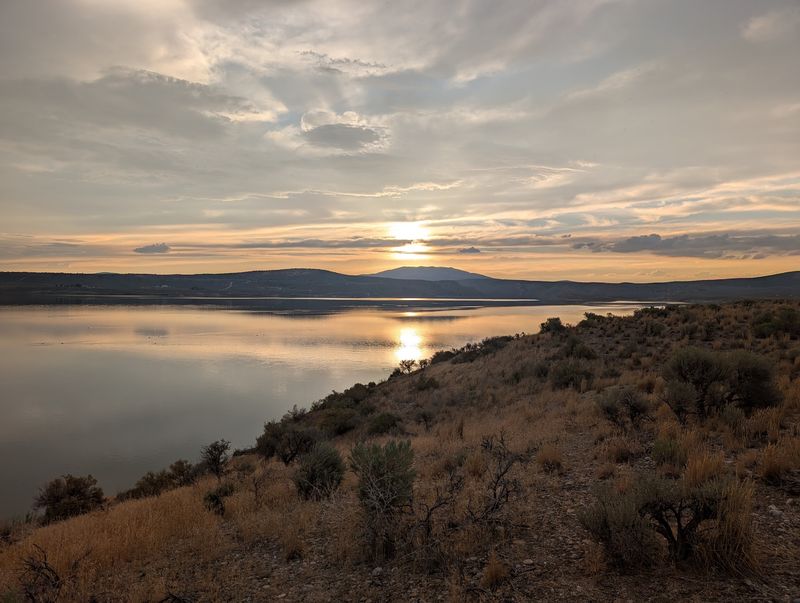
Lace up your boots, because the park is laced with paths worth exploring. Multiple hiking trails wind through the sage and along the shoreline.
The routes reward walkers with wide views of the reservoir and the surrounding hills. Wildlife sightings are common along the way.
Dogs tend to love these outings just as much as their people. Leashed pups make happy trail companions on the shoreline loops.
The terrain stays mostly open, which keeps the water in sight for much of the walk. That makes it easy to pause and take in the scenery.
A quick reminder on the leash rule: keeping pets close protects both them and the wildlife, and it keeps trails pleasant for everyone.
For a low-key stroll or a longer ramble, the trail network gives the quiet desert wandering that gives this park its character.
Boat Ramps, Kayaks And Jet Skis
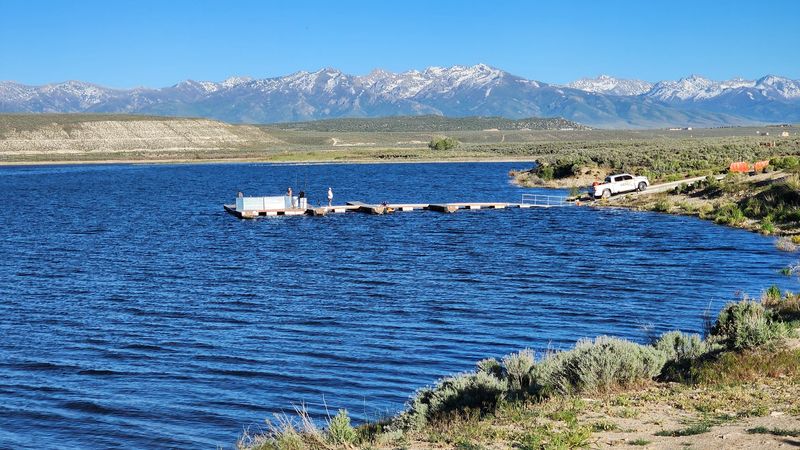
Anyone hauling a watercraft finds a welcome here. Boat launches sit on the north end, ready for motorboats, jet skis, and kayaks.
The open water invites all kinds of paddling and cruising. Jet skiing gets frequent mentions from folks who love the reservoir.
Launching a kayak or grabbing a day-use beach spot can take a little hunting. Some of the shoreline is fenced off, so scout your options first.
On busy days the popular launch spots can get crowded, with groups setting up close together. Weekday mornings ease that pressure.
Boat owners like the convenience of a proper ramp so close to camp. Paddlers get calmer stretches once they push away from the main launch.
Between fishing boats, jet skis, and quiet kayaks, the reservoir keeps water lovers of every stripe busy from spring through fall.
Quiet Weekdays And Wildlife Watching
Timing changes the whole feel of this place. Come during the week and you may share the park with only a handful of other campers.
Off-season visits turn especially peaceful. A February trip can find the grounds nearly empty and well maintained.
Wildlife takes advantage of the calm. Pelicans have been spotted gliding in to land on the water, and birds of prey circle the hills.
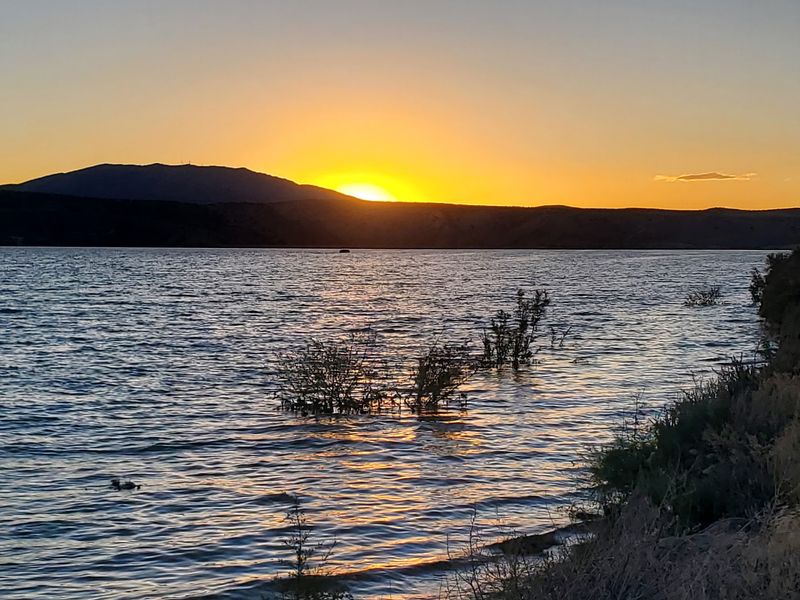
Sunsets are a quiet highlight. Evening light spreads across the reservoir and paints the surrounding desert in warm tones.
Nights settle down after ten, even on busier weekends. That late hush is part of why people call this their spot to unwind.
For a restful end to a long week, midweek stays deliver the solitude that the park is quietly famous for.
Planning Your Visit The Smart Way
A few practical notes make the trip smoother. The park stays open twenty-four hours a day, every day of the week.
Day use is a bargain at around five dollars for a pass. Regular visitors point to the annual Nevada State Parks passport as a cost-effective way to camp all year.
Camping fees split by location. Hookup sites on the north and east run about twenty-five dollars a night, while beachside west-side sites run about fifteen.
Supplies are close by. Grocery, gas, and a hardware store sit roughly ten miles away near Elko.
The rangers get consistent praise for being kind and informative, whether they are answering questions or checking payment receipts. That friendly help smooths out first visits.
Two things to plan around: it can get windy and dusty, and midweek stays beat the weekend rush. Pack accordingly and you are set.
Enjoyed this story?
Add Fast Food Club as a preferred source to see more of our reporting on Google.