


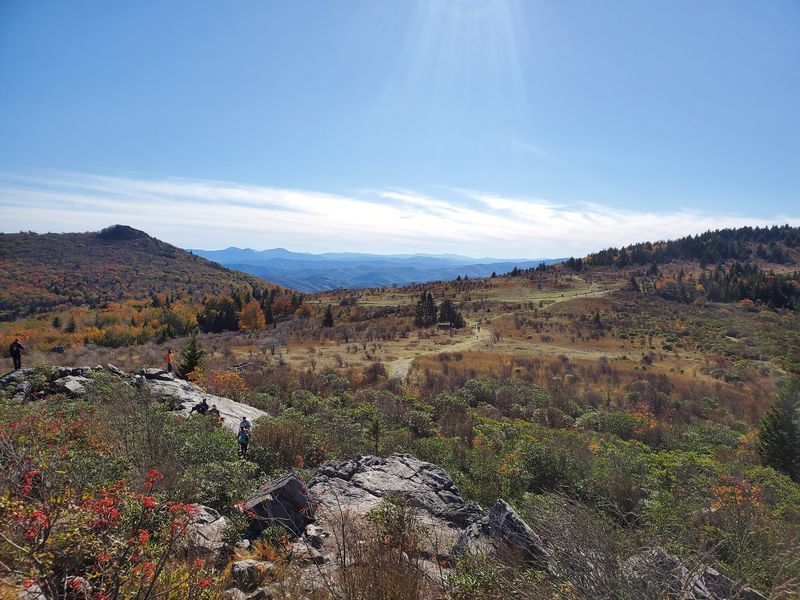
Somewhere in the far southwest corner of Virginia, there is a mountain landscape where free-roaming ponies wander open grassy balds and rock scrambles reward hikers with views that stretch for miles. It looks more like the Scottish Highlands than the Blue Ridge, and that surprise is exactly what keeps people talking about it.
Foals trot alongside longhorn cattle, wild berries grow beside the trails, and the elevation is high enough to make weather feel like part of the adventure. There is bouldering for climbers, waterfalls for wanderers, and enough trails to fill an entire weekend.
What follows is a closer look at why this high-country escape earns such devotion, plus the practical notes that will make a first visit smoother and a return trip almost inevitable.
Where Virginia Turns Into the Highlands
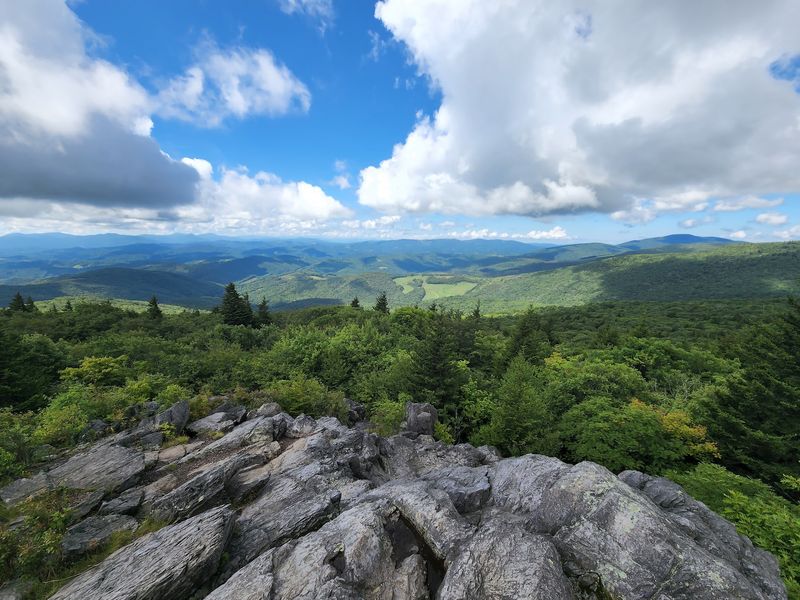
Tucked at 829 Grayson Highland Ln in Mouth of Wilson, Virginia, this state park sits high in the state’s southwestern corner, where the terrain rises into open alpine balds instead of the dense woods most people expect.
The landscape here has earned a reputation that borders on legendary. People often say the scenery makes them feel like they have arrived in Scotland, all rolling grass, rugged rock, and horizon-filling ridgelines.
Managed by Virginia’s Department of Conservation and Recreation, the park serves as a gateway into the neighboring Mount Rogers National Recreation Area. That connection means a short drive delivers you to trails that climb toward the highest point in the state.
What sets the place apart is variety packed into one destination. There is bouldering, scenic hiking, horse trails, and a resident herd of free-roaming ponies that has become the unofficial mascot of the whole region.
With a rating that hovers near the top of any list, it consistently ranks among the most beloved parks in Virginia. The reputation is well earned, and the rest of this story explains exactly why.
The Free-Roaming Ponies Everyone Comes For
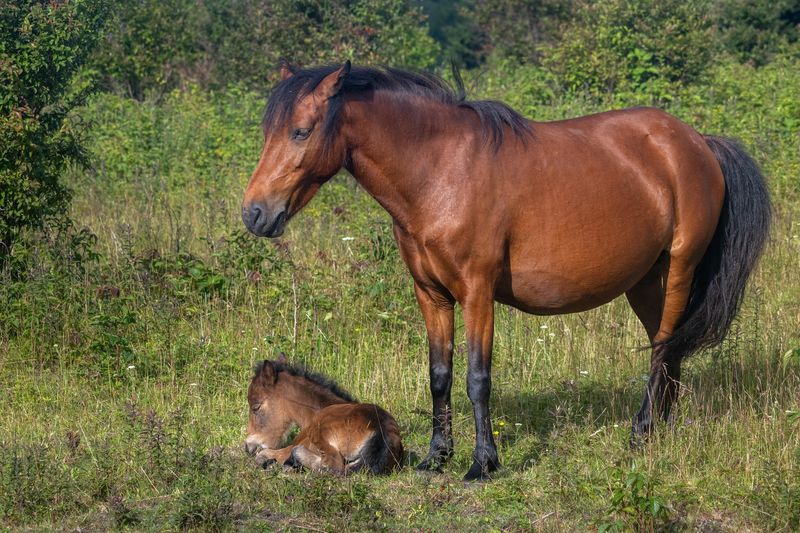
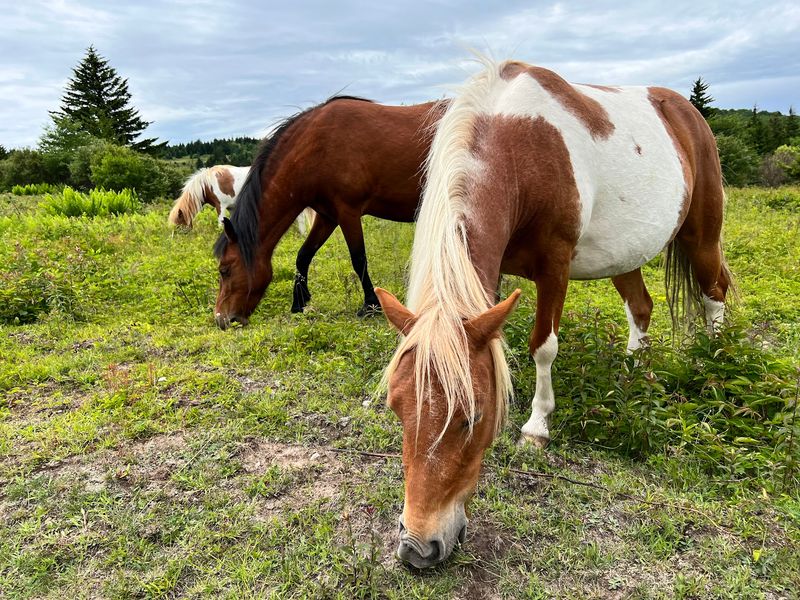
More than any view, the ponies are the reason license plates from across the country fill the parking lots. They are mentioned again and again as the highlight of a trip, and a single foal trotting across the grass can turn an ordinary hike into something people remember for years.
The herd roams freely across the high balds, and spotting them near Massie Gap or along the Horse Trail North is common. Some days bring a small cluster, other days as many as ten grazing together.
They are surprisingly people-friendly, sometimes wandering right up to hikers on the trail. That closeness is part of the charm, though it comes with a caution.
The park asks that no one touch or feed them, both for the animals’ health and because a curious pony is still a large, powerful creature. A gentle reminder from the ground shaking as one strolls past tends to reinforce the rule.
Not everyone gets lucky on the first try. Some groups leave without a single sighting, which only fuels the promise of a return visit.
Trails That Trade Deep Woods for Open Sky
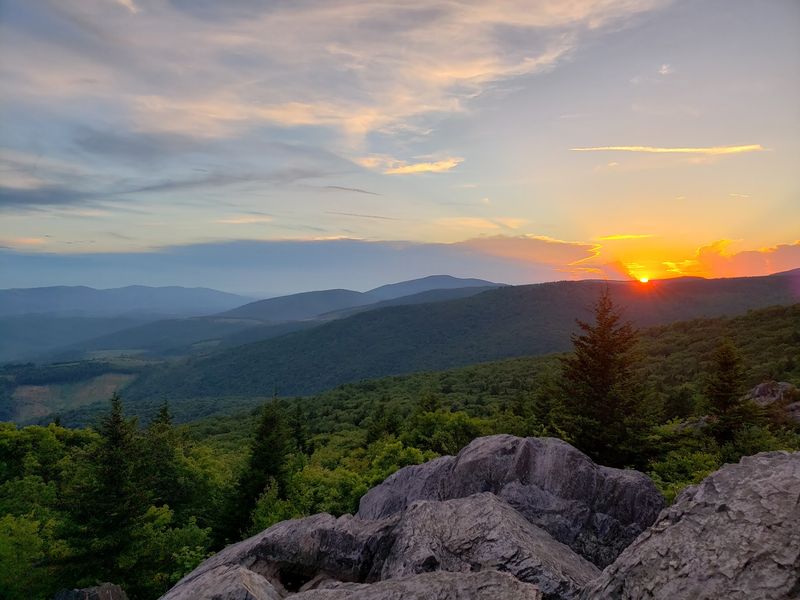
Hiking here breaks the usual rules of the Blue Ridge. Instead of tunneling through thick forest, the paths cut across massive, wide-open balds where the sky feels enormous and the ridgelines roll off in every direction.
Favorites include the Rhododendron Trail, Wilburn Ridge, and Horse Trail North, the last of which regularly turns up ponies along the way. Many of these routes are described as easy to moderate but generous with their payoff.
Rock scrambles add a playful challenge, and a spot called Fat Man’s Squeeze gives climbers a narrow passage to wiggle through. The 360-degree views from the higher stretches are the kind pictures never quite capture.
The Appalachian Trail also threads through the area, letting day hikers sample a piece of one of America’s most famous long-distance footpaths.
A fair warning surfaces often: much of the ground is rocky, sometimes resembling a dry creek bed. Sturdy footwear turns that grumble into a non-issue and lets the scenery do the talking.
A Shortcut to the Roof of Virginia
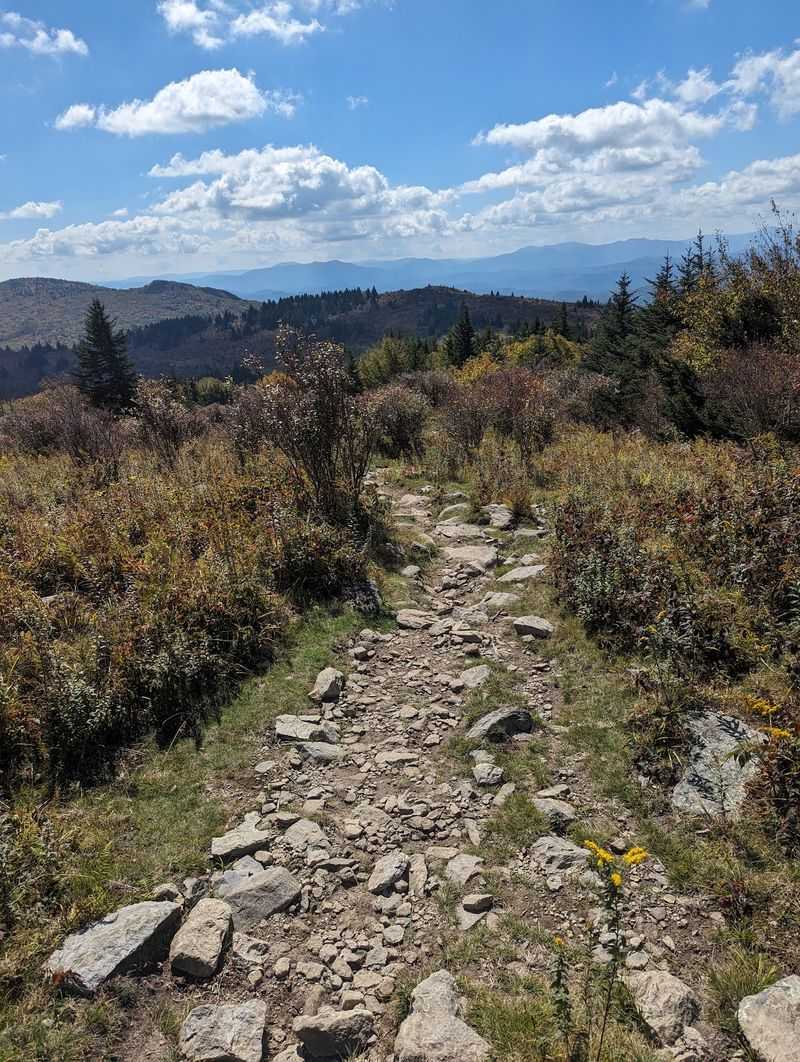
Ambitious walkers use the park as a launch pad for something bigger. From here, trails link into the Mount Rogers National Recreation Area and continue all the way to the summit of Mount Rogers, the highest point in the state.
The route earns its moderate rating honestly. It runs long enough to feel like a genuine accomplishment without demanding the endurance of a mountaineer.
Along the way, the character of the land keeps shifting, from grassy balds dotted with grazing animals to shaded stretches where wild blueberries and blackberries grow right beside the path.
Trail maps for these higher routes can be tricky, since some paths belong to Mount Rogers rather than the park itself. Apps like AllTrails help fill the gaps that the park’s own map leaves out.
Reaching the intersections near the Crest and Rhododendron Gap becomes a small badge of honor. The climb rewards the effort with mountain scenery that people rank among the best in Virginia.
Longhorn Cattle Sharing the Slopes
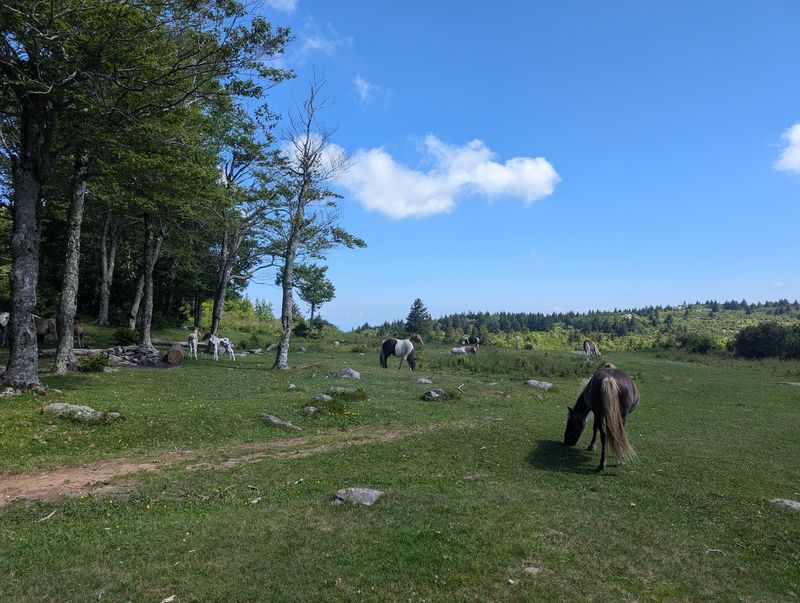
Ponies get the headlines, but they are not the only large residents wandering the high country. Longhorn cattle also roam the balds, and coming across them on the trail tends to catch people off guard in the best way.
They turn up in the distance or occasionally close enough to make a hiker pause and give them room. Their long horns and easygoing manner make them one of the more unexpected sights in the park.
For some folks, the cattle end up being a genuine highlight of the day. When the ponies stay hidden, these gentle giants happily fill the role of trailside surprise.
Their presence adds to the feeling that this landscape is a working piece of mountain wilderness rather than a manicured attraction. Animals here go about their business at their own pace.
Keeping a respectful distance is the smart move, same as with the ponies. Admire, photograph, and let them graze in peace, and everyone leaves the encounter happy.
A Bouldering Playground in the Rocks
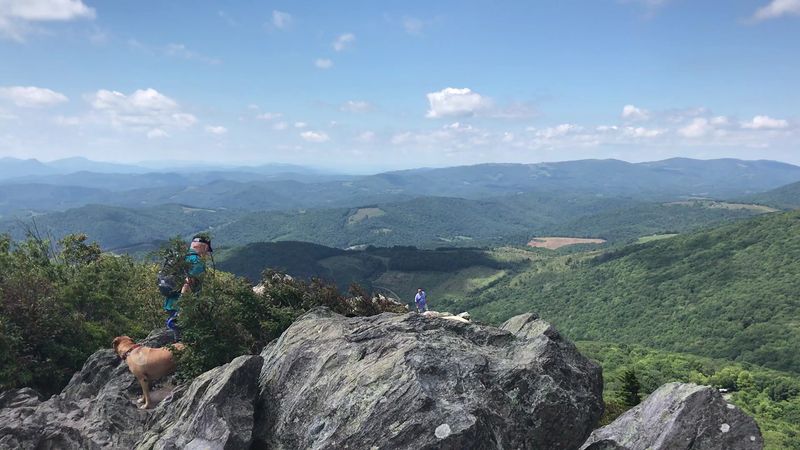
Climbers have a soft spot for this park, and for good reason. The scattered boulders and rugged rock formations across the high country make it one of the region’s better-known bouldering destinations.
Weathered stone gives climbers plenty of problems to solve, from beginner scrambles to more technical challenges. The open setting means a climb often comes with a sweeping backdrop of ridges and sky.
Even non-climbers get to enjoy the rock. Trails weave past and over boulders, and scrambling up a formation for a better view is practically a rite of passage here.
The mix of climbing and hiking in one place is part of what makes the park feel so complete. You can spend a morning testing your grip and an afternoon strolling the balds in search of ponies.
For anyone who loves the feel of stone underfoot, this corner of Virginia delivers a rare combination of rugged play and postcard scenery.
Waterfalls Hidden Along Cabin Creek
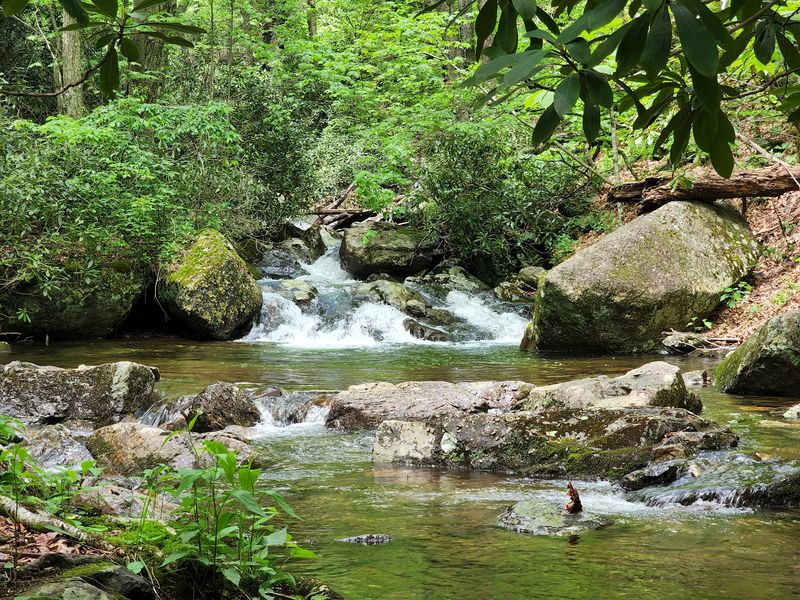
Beyond the wide-open ridges, the park keeps a quieter treasure tucked into the trees. The Cabin Creek Trail leads to a waterfall that gives hikers a shady, wooded contrast to the sunlit balds above.
Falling water shows up often on the list of things people love about the place, a reminder that the terrain here has more moods than its famous grasslands suggest.
The trail offers a gentler, greener kind of walk, perfect for a day when you want beauty without a demanding climb. It pairs nicely with the higher routes for a full loop of the park’s variety.
Rhododendron thickets add seasonal color to many of these lower stretches, blooming into showy displays that draw admirers each year.
Water, wildflowers, and woodland shade round out a landscape that already dazzles up high. Chasing a waterfall here feels like discovering a bonus chapter in an already generous story.
The Visitor Center and Twin Pinnacles
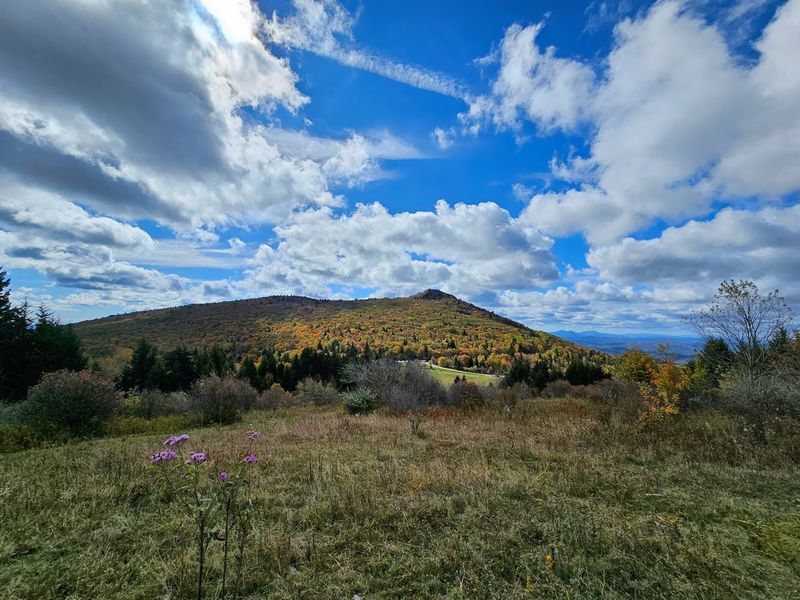
Up near the top of the park, the visitor center anchors one of its most rewarding short hikes. The Twin Pinnacles Trail starts here and delivers a big view for relatively little effort.
The center itself houses restrooms and a shop stocked with souvenirs, some of them handmade and of high quality, though a few carry higher price tags to match.
Rangers based here get plenty of praise for being kind and knowledgeable, the kind of staff who clearly enjoy their work and love sharing tips about where the ponies might be.
A word to the wise on parking: the lower lot lets you walk up the stairs, while the top holds mostly accessible spots. Knowing that ahead of time saves an awkward loop back around.
Nearby, the Listening Rock Trail branches off from the overlook, reached by rock steps beside a large boulder. It is rocky with ups and downs, but the scenery makes the effort worthwhile.
Every Season Wears a Different Face
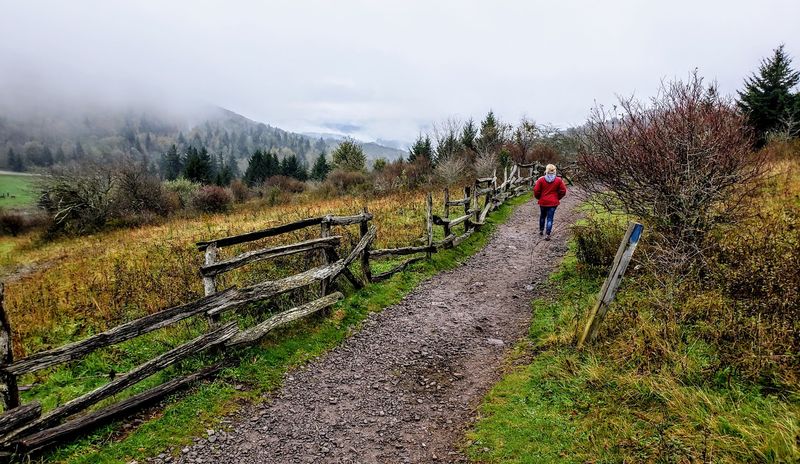
The high elevation gives this park a personality that changes dramatically through the year. Winter visits can feel almost otherworldly, with hikers walking through clouds amid ice and snow on the frosted balds.
Autumn brings its own reward. Early October can find the enormous parking lots nearly empty while fall foliage blankets the hills, a rare combination of peak color and elbow room.
Summer means wild blueberries and blackberries ripening beside the trails, plus foals romping across the grass. The warm months are lively, and the balds hum with activity.
Weather up here is not to be underestimated. Rain, wind, and fog can roll in fast at higher elevations, and altitude can leave overnight gear damp with condensation.
There is a quiet upside to bad forecasts, though. Come when the skies look grumpy, and you may just have this mountain paradise almost entirely to yourself.
Camping Under the High-Country Stars
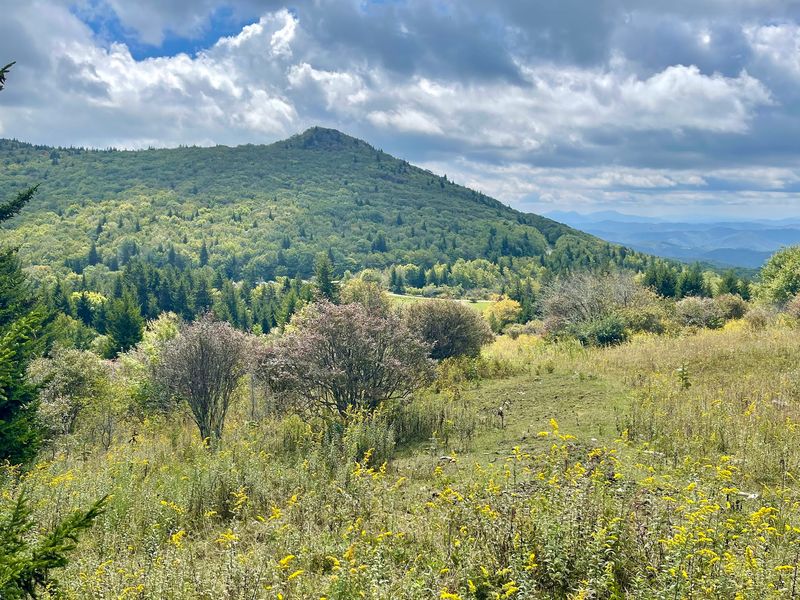
Staying overnight turns a day trip into a proper adventure, and the park’s campground makes that easy. The roads into and through the campground are well maintained, and every site sits on gravel.
Site quality varies, so a little planning pays off. Some spots run more level than others, and a few offer plenty of shade while others catch more sun and prove simpler for pulling an RV in and out.
The Hickory campground includes a shower house that shows its age, but the water runs hot and stays on without needing to hold a button. There is also a small country store housed in an appealingly old building, though its shelves can run understocked.
Honesty helps set expectations. Sites sit fairly close together, so privacy is limited, and the place tends to grow quiet early once the hiking day winds down.
One practical heads-up: cell signal is essentially nonexistent, with the park management office the place to go if you need to connect. Pack accordingly and enjoy the unplugged calm.
Fees, Parking, and Smart Cash Tips
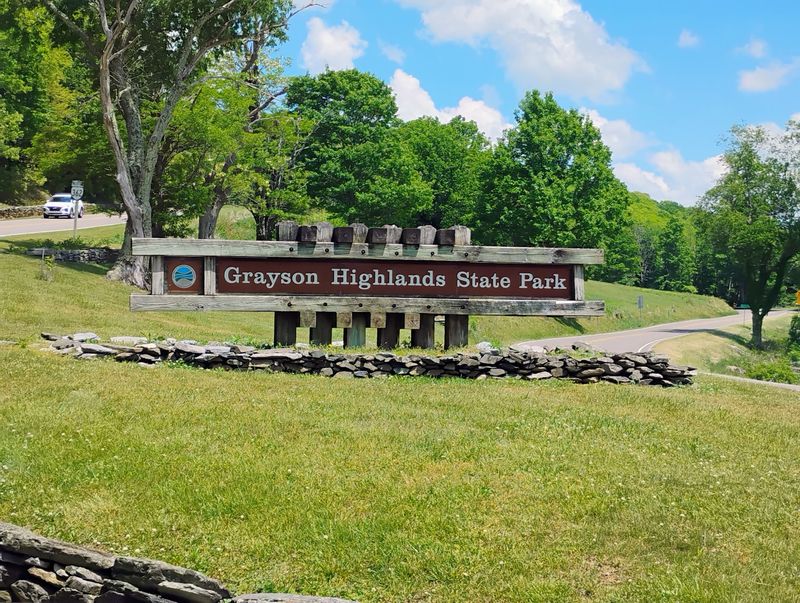
Getting the logistics right makes for a far smoother visit. Entry runs a modest fee, reported around seven to ten dollars, collected at the gate or through an honor-system envelope when staff are not present.
The cash detail matters more than you might expect. Early arrivals sometimes find the entrance unattended and the envelope the only option, so bringing exact bills saves you from overpaying like the folks who dropped in twenty for lack of change.
Massie Gap is the popular launch point for many trails and can fill up quickly, so arriving earlier in the day helps secure a spot. Parking near the visitor center is generally described as easy, with the lower lot and stairs a good approach.
Facilities can occasionally be closed, and the souvenir vending machine near the visitor center runs cash-only, another reason to carry a few bills.
Restroom availability has been inconsistent at times, with signs sometimes directing visitors to vault toilets elsewhere in the park. A quick plan around that keeps the focus on the trails.
Why This Corner of Virginia Sticks With You
Some places earn their loyal following slowly, and others do it the moment you crest the first bald. This park lands firmly in the second camp, ranking among the most cherished state parks in Virginia and drawing people back season after season.
The blend is hard to beat: free-roaming ponies and foals, longhorn cattle, rock scrambles, waterfalls, and views that spread out in a full circle. It regularly lands on personal top-three lists for the state, and it is easy to see why.
No destination is flawless. Rocky trails, close-set campsites, and the occasional closed building are worth knowing before you go, so the good parts get all your attention.
Families love it, scouts remember it as a standout weekend, and photographers treat the balds like a personal studio. Kids and grown-ups alike leave a little enchanted.
Whether you come for a single golden autumn afternoon or a long summer weekend, the high country tends to plant a quiet promise. You will want to come back, if only to finally meet the ponies that got away.
Enjoyed this story?
Add Fast Food Club as a preferred source to see more of our reporting on Google.