


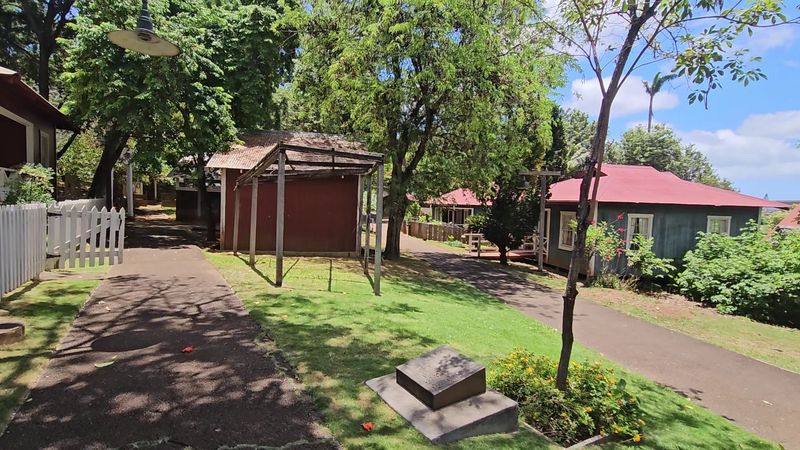
Tucked along a quiet street on Oahu sits a cluster of restored homes that once buzzed with families from across the world. These weren’t fancy houses.
They belonged to workers who left Japan, the Philippines, Portugal, China, Korea, and Puerto Rico to build new lives on Hawaii’s sugar plantations more than a century ago. Walking the paths here feels like flipping through a photo album that suddenly comes alive, with 25 buildings arranged just as they might have stood in the early 1900s.
The stories waiting inside each doorway explain how the islands became the multicultural home they are today. Curious what daily life really looked like back then, and why history lovers keep coming back for more?
Keep reading, because this place has plenty to share.
Where the Past Still Stands in Waipahu
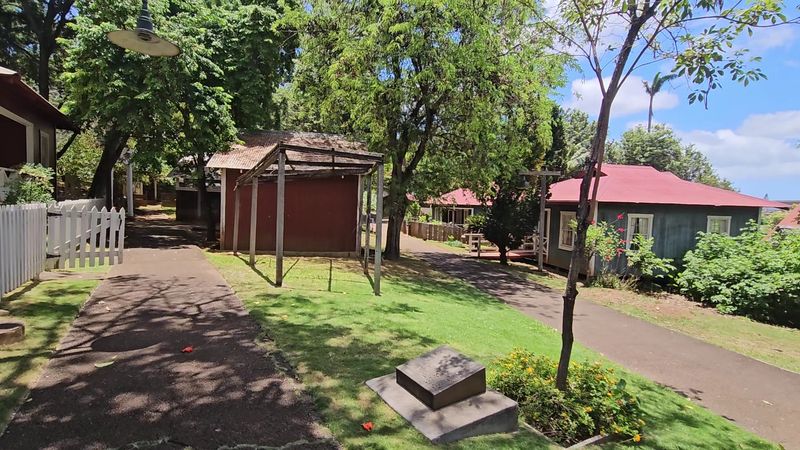
Along Waipahu Street on Oahu, a living history site quietly preserves one of the most important chapters in Hawaii’s story. Hawaii’s Plantation Village sits at 94-695 Waipahu St, Waipahu, HI 96797, in an area historically tied to the sugar plantation era.
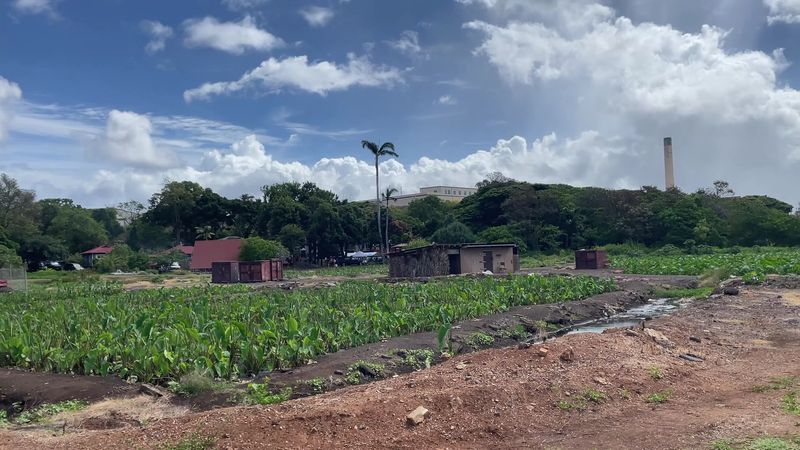
The site works as an open-air museum, meaning most of the experience happens outdoors as you move between homes and community spaces. It re-creates a 1900s sugar plantation using 25 buildings and homes spread across walking paths and gardens.
Each structure represents a piece of daily life for the immigrant workers who shaped the islands. Rather than a single museum hall, the layout invites you to wander through an entire reconstructed community.
Holding a strong 4.6-star standing across hundreds of accounts, the village has earned a loyal following among people who care about local heritage. It stays quiet and low-key, far from the busier tourist corners of the island.
That calm is part of the charm, giving the history room to breathe.
The Sugar Plantation Story Behind It All
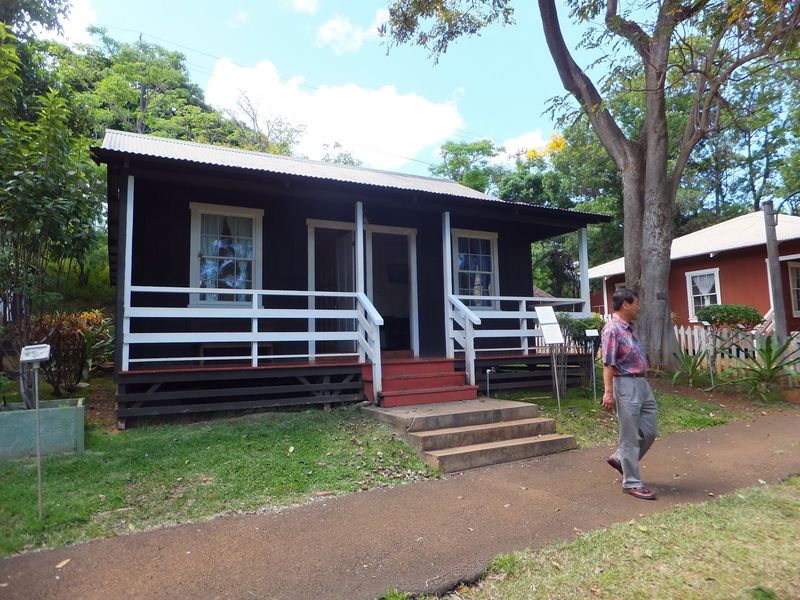
Sugar shaped Hawaii in ways that still echo today, and this village exists to tell that tale honestly. The plantations of the late 1800s and early 1900s pulled in workers from many corners of the globe, all hoping to find their footing on the islands.
The exhibits trace the progression of the sugar industry, showing how it grew and how it changed the people who labored in it. Guests learn about both the opportunities and the hardships that came with plantation life.
The history here doesn’t shy away from difficult truths. It presents the good and the challenging experiences these communities faced during that period, making the visit a meaningful and sometimes heavy learning experience.
Understanding this era helps explain why Hawaii is such a diverse place today. Different groups arrived, worked side by side, and slowly blended their traditions into the culture the islands now share.
Leaving here, most people carry a deeper respect for the workers who built so much.
Homes From Many Homelands
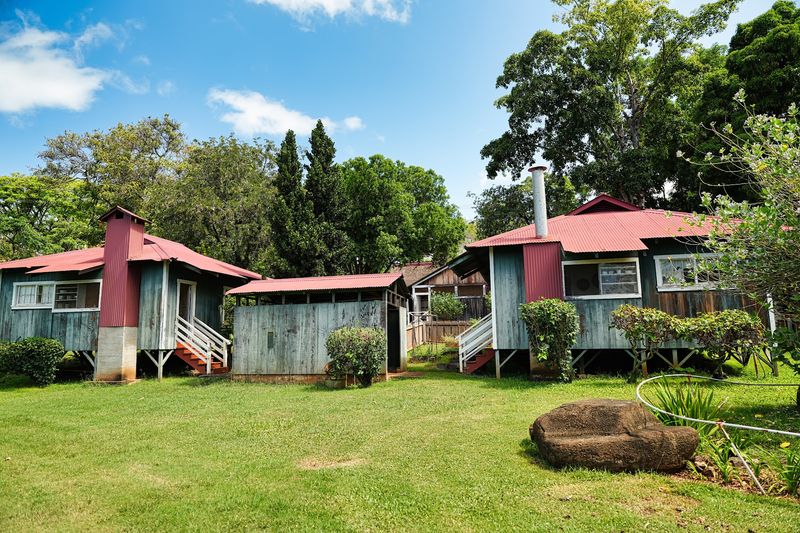
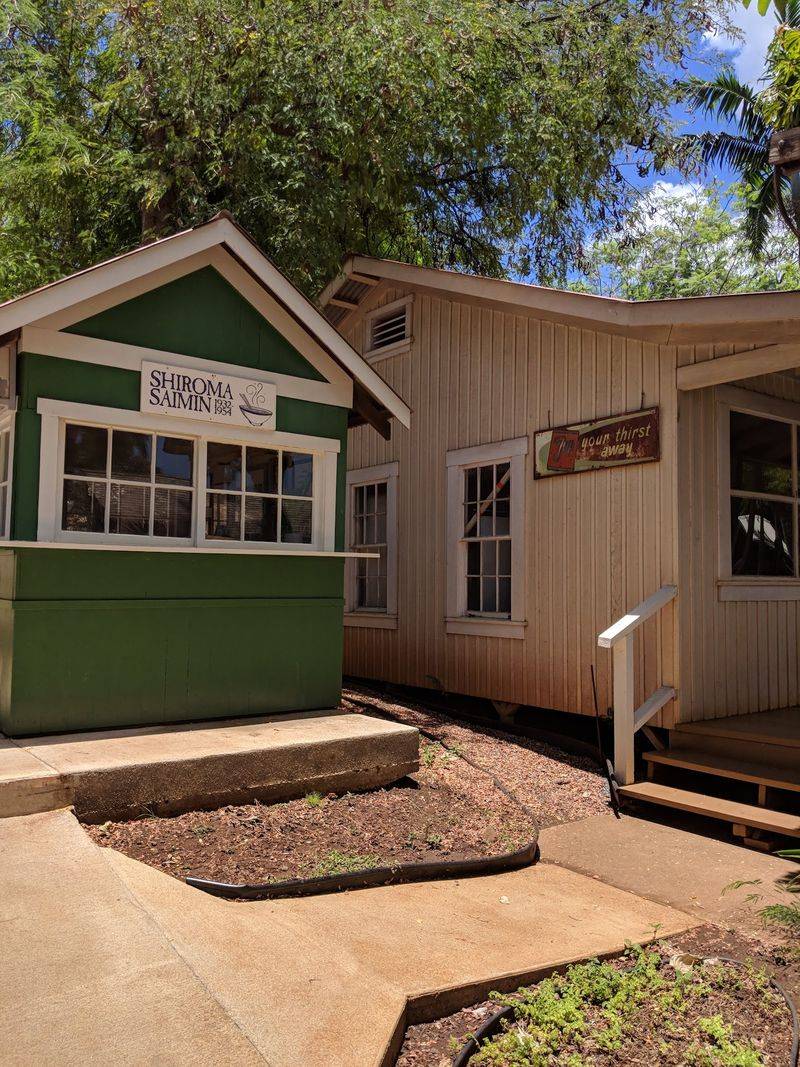
One of the most striking features is how the homes reflect so many different backgrounds. Structures represent Japanese, Filipino, Portuguese, Chinese, Korean, Puerto Rican, and Hawaiian influences, each arranged to show how these communities lived.
Stepping inside real houses filled with artifacts from various time periods gives the whole visit a time-traveling quality. You can look through doorways and windows into rooms set up much as they once were.
The variety is the point. Seeing how neighbors from opposite ends of the world settled near one another helps explain how their cultures eventually mingled and shaped modern island life.
Guests often mention how the homes and village layout are the highlight of their trip, and it’s easy to see why. Nothing quite compares to standing in a building that existed in that exact form generations ago.
Each doorway feels like a new page in a shared family history.
Guides Who Know Every Story
Ask anyone what makes the tour special, and the guides usually top the list. Many are described as walking encyclopedias, offering detailed presentations packed with fascinating stories about the people who lived and immigrated here.
Some guides bring personal roots to their talks. Regulars mention encountering patient, third-generation guides whose own family histories tie directly to the plantation era, adding warmth and authenticity to every stop.
The guided tour explains the historical significance of each building along with the migration journeys that brought workers to the islands. Expect it to last about an hour or more, depending on how many questions come up along the way.
Because guides love to share, tours can stretch on the longer side. A few folks wish the talks stayed a bit tighter to the main topic, but most walk away impressed by the depth and passion.
The knowledge on offer here is hard to match anywhere else.
Choosing Between Guided and Self-Guided Tours
Not everyone wants a full guided walk, and the village has an option for that too. Self-guided visitors receive a binder or book filled with information about each building and its history, letting them explore at their own pace.
Going the self-guided route works well on quieter mornings when you’d rather linger in one home before moving to the next. The staff at the counter hand over the materials and share helpful facts before you set off.
The guided tour, by contrast, brings the stories to life through a knowledgeable narrator who fills in details a book can’t quite capture. Both paths cover the same rich ground.
Whichever style you pick, plan on spending a few hours to take it all in. Comfortable shoes help, since there’s plenty of walking across the grounds.
Either way, the village rewards those who slow down and pay attention.
The Visitor Center and Its Exhibits
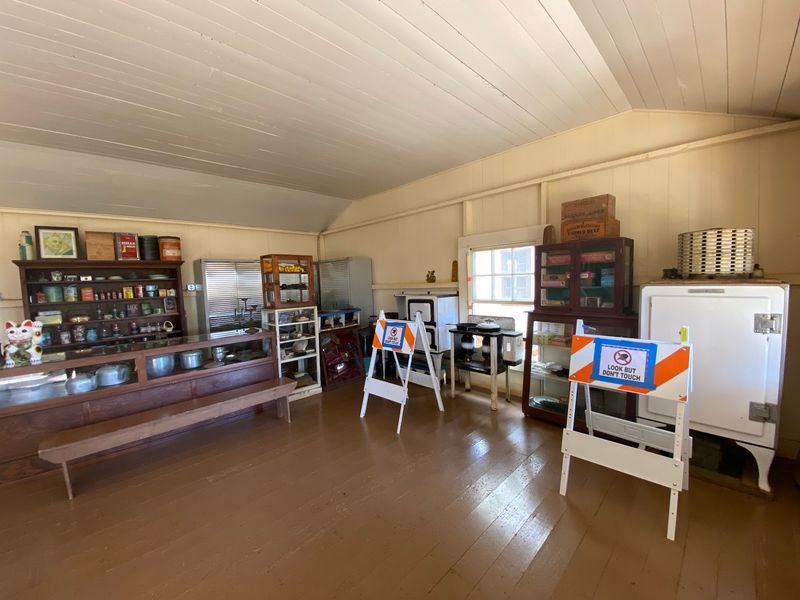
Before or after wandering the grounds, the main building deserves a look of its own. Inside, cultural exhibits round out the outdoor experience, including a display on Hawaii’s food history titled Hele Mai: Let’s Eat.
The indoor museum keeps things straightforward but stays informative and interesting throughout. Temporary exhibits appear from time to time, such as a feature spotlighting Okinawan immigrants and their connection to the islands.
These displays add helpful context to what you’ll see outside, tying together the many threads of plantation life. Spending time here first can make the walk through the homes feel more meaningful.
The visitor center also serves as the practical hub of the site, where you check in and gather any materials you need. It’s a small but worthwhile stop that many guests suggest you don’t skip.
A little time indoors sets the stage nicely for everything beyond.
Gardens, Taro, and a Surprise Bird
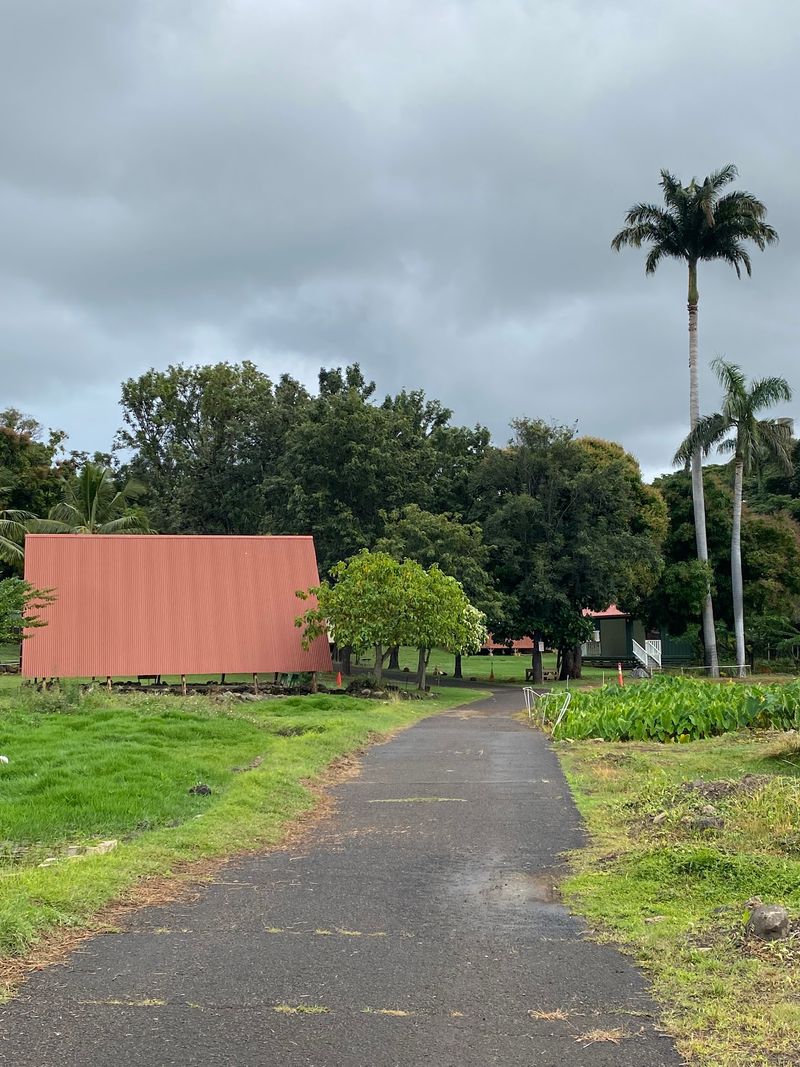
The grounds hold more than just buildings. Patches of taro grow across the property, along with sugar cane and various fruit trees, including star fruit that guests sometimes spot ripening on the branches.
A small pond adds a peaceful touch to the walking paths, and the greenery makes the whole village feel alive rather than frozen in time. The gardens help paint a fuller picture of how the community once fed itself.
Wildlife occasionally makes an appearance too. On one visit, a worker pointed out an endangered bird quietly watching the group, a reminder that nature and history share this space.
The plants aren’t just decoration. They reflect the crops and food sources that mattered to plantation families, connecting the land directly to the stories being told.
Keep your eyes open, because the grounds have a way of surprising you.
A Gift Shop Full of Local Treasures
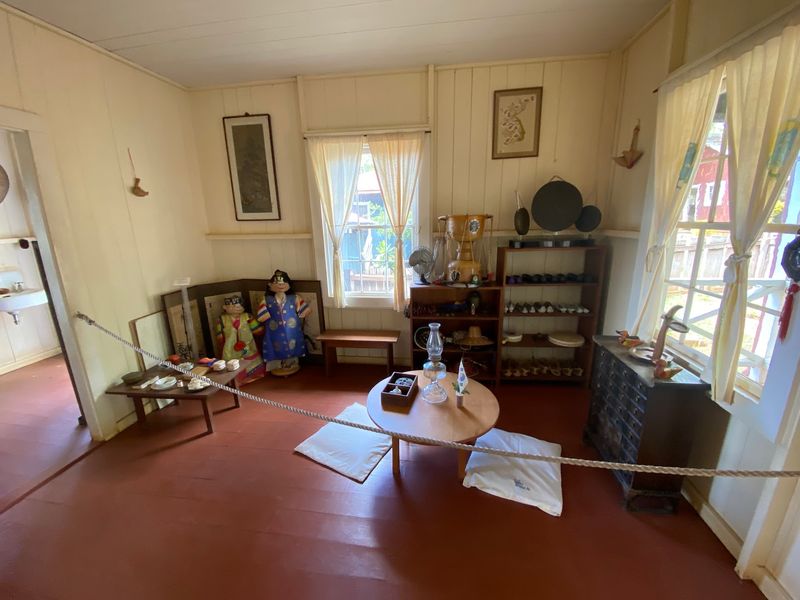
Save a little time for the gift shop, because it’s a highlight in its own right. The shelves brim with handmade, high-quality items created by local artists, making it more than your average souvenir stand.
People pick up books to learn even more after their visit, along with cultural keepsakes that carry real meaning. Some guests have bought special items like a Samurai doll or a beautiful cultural piece and had it shipped home.
The selection leans toward authentic, thoughtful goods rather than mass-produced trinkets. That focus fits the spirit of a place dedicated to preserving heritage.
Supporting the shop also helps support the ongoing effort to maintain the village. Every purchase gives a little back to the caretakers who keep this history alive for future generations.
It’s an easy way to carry a piece of the experience home with you.
Festivals and Special Events
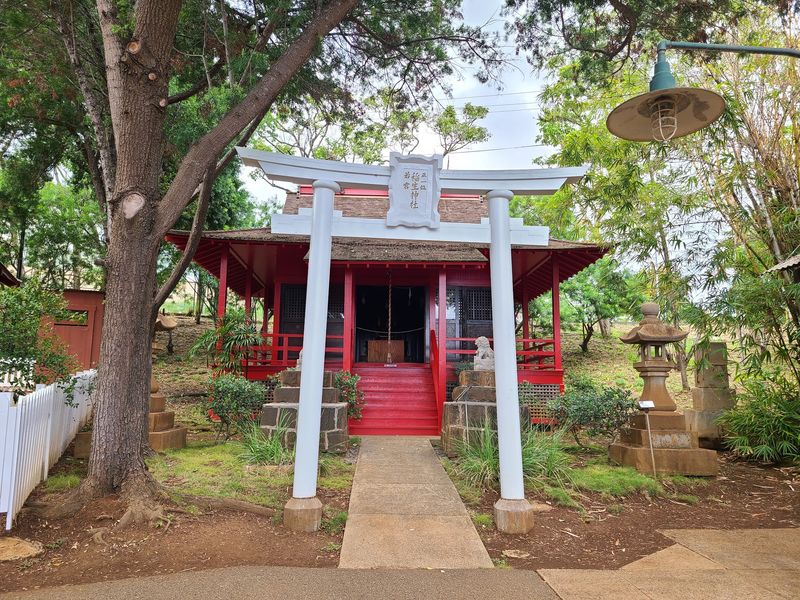
Every so often the village comes alive with celebrations that draw the community together. The Harvest Moon Festival, for example, brings activities, food, and cultural performances to the grounds, sometimes with free admission for the day.
During these events, you might meet performers sharing traditional music, such as an Okinawan instrument played by an elder who explains the shared histories of Hawaii and Okinawa. Moments like that make the culture feel present rather than tucked away in the past.
Festivals turn a quiet museum into a lively gathering spot, offering a different way to connect with the traditions on display. They’re a great reason to check the schedule before planning your trip.
Even arriving late to one of these days can be rewarding, with food and buildings still open to enjoy. Timing your visit around an event adds an extra layer to everything the village already offers.
The Ghost Stories That Follow the Grounds
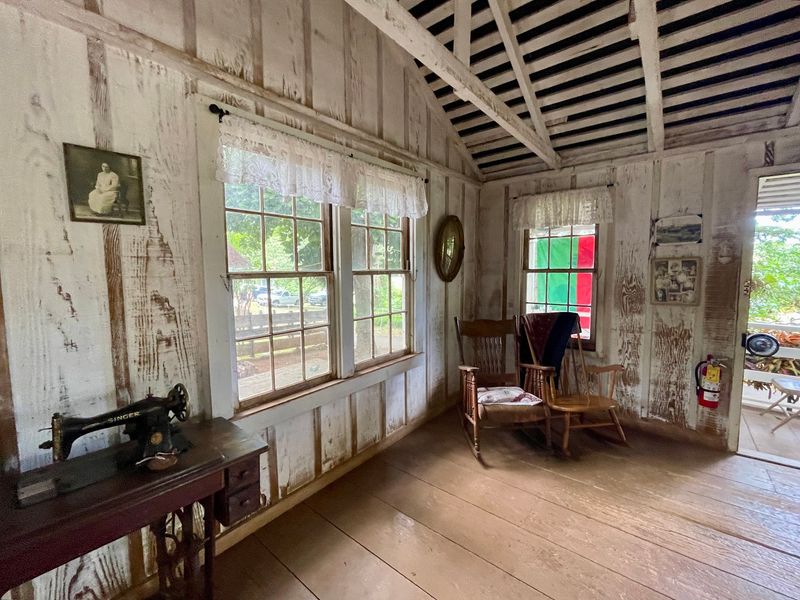
Here’s a twist you might not expect from a history museum. Some guests come away with tales of eerie moments, and a haunted-house reputation trails a few of the older homes.
One person recalled walking into the Filipino home, hearing voices as if a group were chatting inside, only to find the room empty. A quick case of the chills sent them straight back outside.
Whether you believe in that sort of thing or not, the stories add a playful mystery to the walk. They also speak to how deeply these houses hold the memory of the families who once filled them.
The atmosphere of standing inside century-old rooms naturally sparks the imagination. For anyone who enjoys a little intrigue with their history, these accounts make the visit even more memorable.
Just don’t be surprised if a quiet doorway gives you pause.
Who Will Enjoy This Place Most
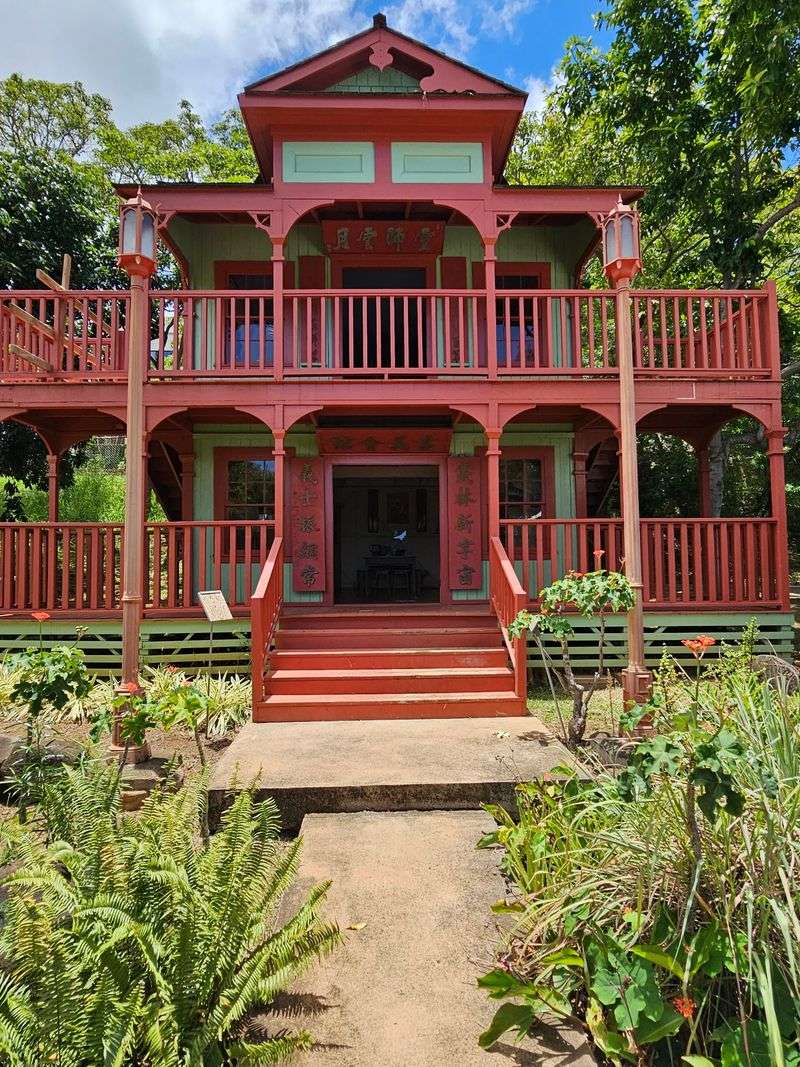
History buffs, this one’s calling your name. The site rewards anyone eager to learn about Hawaii’s plantation past, and it especially clicks with older adults and young people who love digging into the story of a place.
Families find plenty to enjoy too, and it has served well as a field trip destination for kids. Younger guests tend to get excited exploring the little houses, and cultural performances like a tiger dance keep them engaged.
People tracing their own family roots often feel a special pull here. Travelers from the mainland come to connect with their heritage and leave with a richer understanding of where they come from.
The quiet, uncrowded feel makes it ideal for those who prefer a thoughtful pace over a packed tourist attraction. Whatever draws you in, the village meets you with substance and heart.
It suits the curious more than the rushed.
Tips for a Smooth Visit
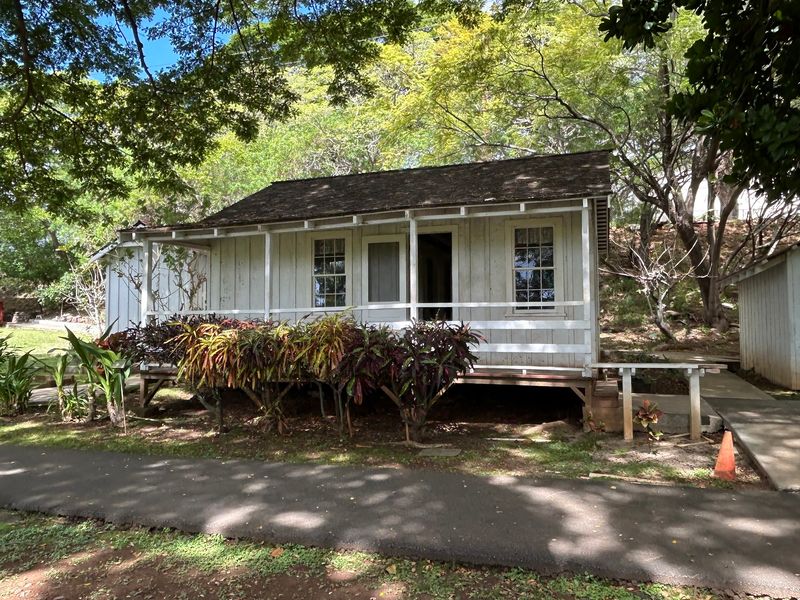
A little planning goes a long way at an outdoor museum like this one. On rainy days the grounds can turn slick with standing water on the pathways, so watch your step and dress accordingly.
Helpfully, umbrellas are available in the main building for guests caught in a shower. That small touch of hospitality makes a wet-weather visit far more manageable.
Bring bug repellent too, since mosquitoes can be present around the greenery. It’s a simple item that keeps the walk comfortable from start to finish.
Because there’s a lot of ground to cover and plenty of walking involved, it’s smart to eat beforehand and wear comfortable shoes. Setting aside a few hours ensures you won’t feel rushed through the homes and exhibits.
A bit of preparation lets you focus on the stories instead of the logistics.
Hours, Admission, and Getting There
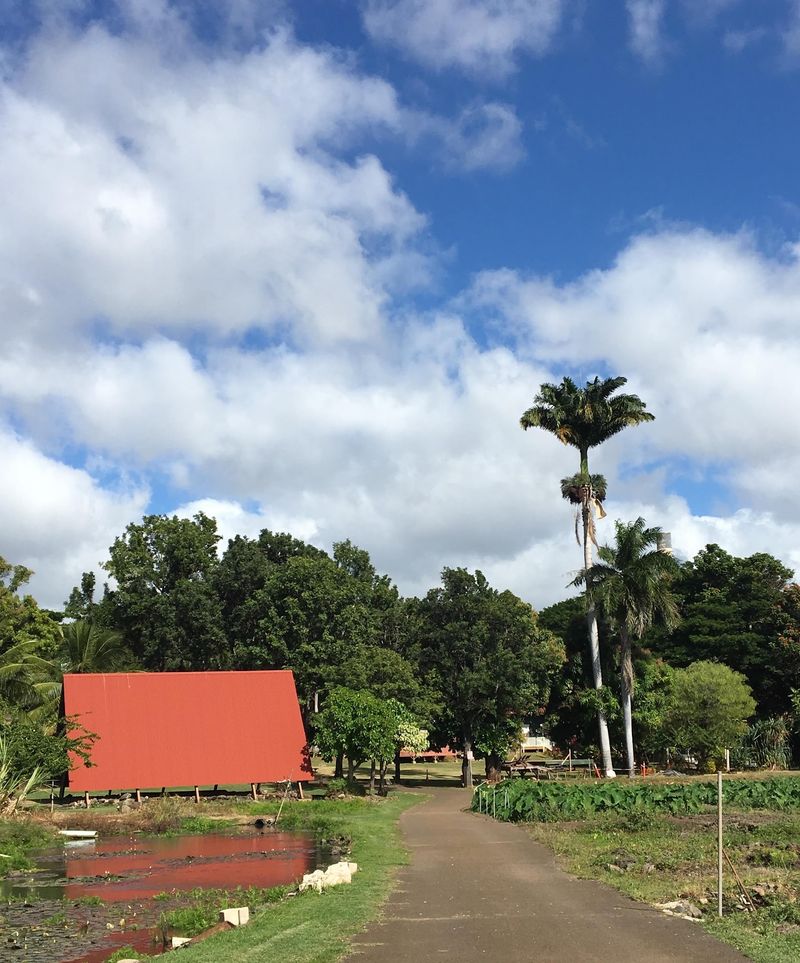
Planning your trip is refreshingly simple. The village operates Monday through Saturday from 9 AM to 2 PM and stays closed on Sundays, so mornings make the most sense for a full visit.
Admission has been noted around 17 dollars for adults and 11 dollars for seniors, with lower rates for military guests. Prices can shift over time, so it’s worth confirming through the official website before you go.
You’ll find the village at 94-695 Waipahu St in Waipahu, an easy destination on Oahu away from the island’s busiest spots. The quiet setting is part of what makes the experience feel authentic rather than touristy.
Weekday mornings tend to be calm and uncrowded, which many guests say makes the visit even more enjoyable. Arriving early gives you the widest window to explore before the 2 PM close.
A quick check of hours and rates keeps everything running smoothly.
Why This Village Deserves Your Time
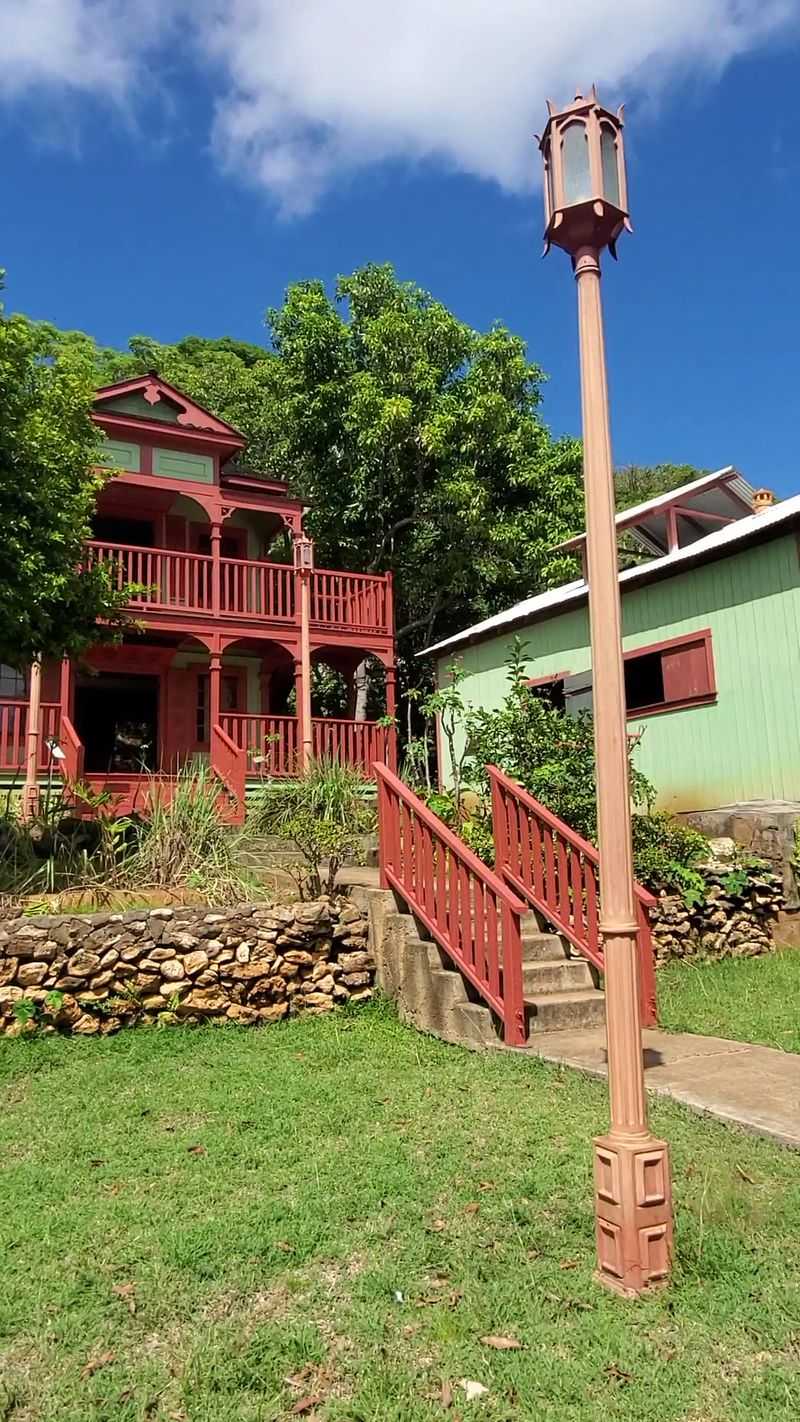
Some places simply stick with you, and this one earns that place through its honesty and care. The village preserves a genuine slice of the islands’ past, keeping the stories of immigrant families alive for children and travelers alike.
Its strong reputation, built across hundreds of glowing accounts, speaks to how much people value the experience. Many say they would happily return and bring others along next time.
What sets it apart is the feeling of walking through history rather than reading about it from a distance. The homes, gardens, and knowledgeable guides work together to make the era feel real and close.
For anyone spending time on Oahu who wants more than beaches and crowds, this is a meaningful detour well worth the trip. Come with curiosity and a few open hours, and you’ll leave with a deeper understanding of how Hawaii became the home it is today.
The past is waiting patiently on Waipahu Street.
Enjoyed this story?
Add Fast Food Club as a preferred source to see more of our reporting on Google.