


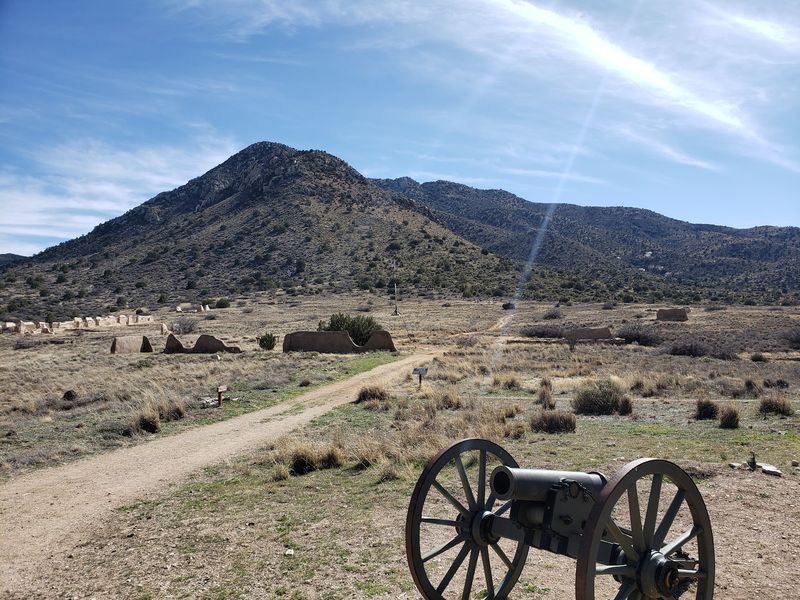
Tucked into the hills of southern Arizona sits a place where the parking lot is only the beginning of the adventure. To reach the old fort ruins here, you leave your car behind and set off on a 1.5 mile trail that winds past a cemetery, stone foundations, and pieces of history scattered across the ground.
It is peaceful, a little challenging, and completely free to explore. Along the way, small signs tell the story of the people who once passed through this rugged corner of the state.
The reward at the end is a scattering of ruins and a small museum that quietly explains why this spot mattered so much. Keep reading to learn what makes this walk worth every step.
Where the Trail Begins in Southern Arizona
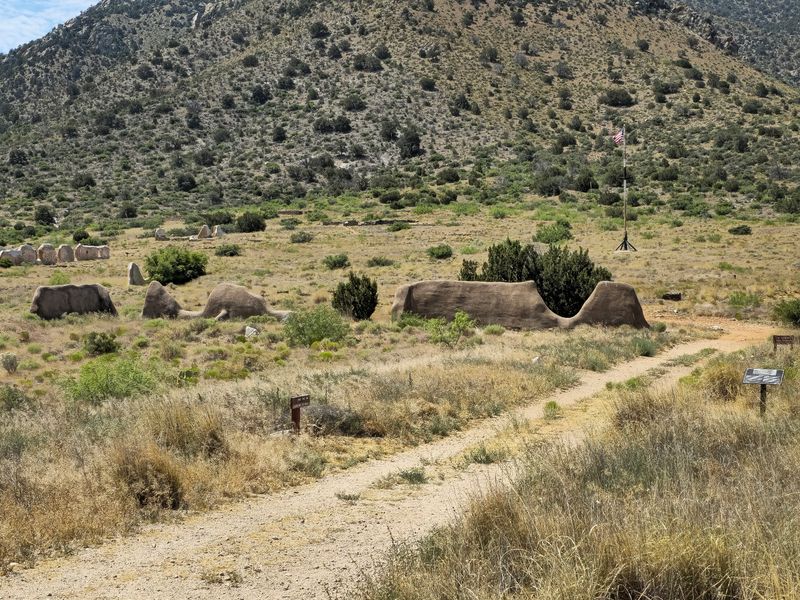
Deep in the Chiricahua country of southern Arizona, Fort Bowie National Historic Site rests at 3500 S Apache Pass Rd in Bowie, AZ 85605. Getting here already feels like part of the story, since the last stretch runs along a dirt road that carries you away from the busy highways.
The site sits inside Apache Pass, a narrow corridor between mountain ranges that once made this land a key crossing point. That geography is exactly why a fort was built here in the first place.
What sets this place apart is simple. There is no drive-up view of the ruins.
Instead, you park at a trailhead and travel the rest of the way on your own two feet.
The elevation sits around 5,000 feet, which surprises some folks with how quickly the walk can leave them a little winded. Still, the payoff is a quiet, historic pocket of Arizona that many people drive right past without ever knowing it exists.
The Story Written Into Apache Pass
History runs thick through this ground. The events here trace back to a tense chapter involving the U.S. military and the Chiricahua Apache, sparked when a young lieutenant accused Chief Cochise of taking a boy.
What followed shaped the region for years, and the fort became a central military post during a long period of conflict. The ruins you see today are the quiet remains of that turbulent time.
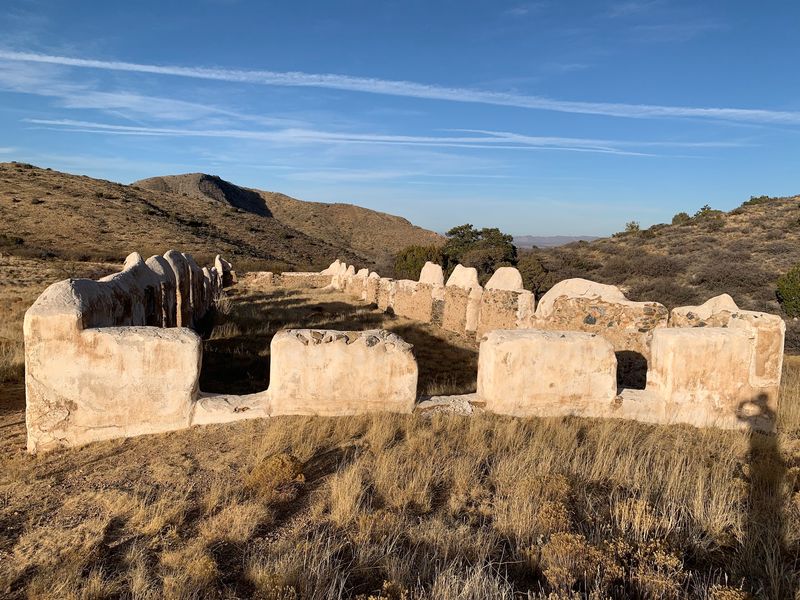
Walking the grounds gives you a real sense of what life may have looked like in the 1800s. The stone outlines of buildings hint at barracks, offices, and homes that once stood in this remote pass.
Interpretive signs along the way fill in the details, so you do not need to be a scholar to follow the thread. By the time you reach the main ruins, the pieces of the story have come together, turning a scenic walk into something far more meaningful.
A 1.5 Mile Walk to the Past
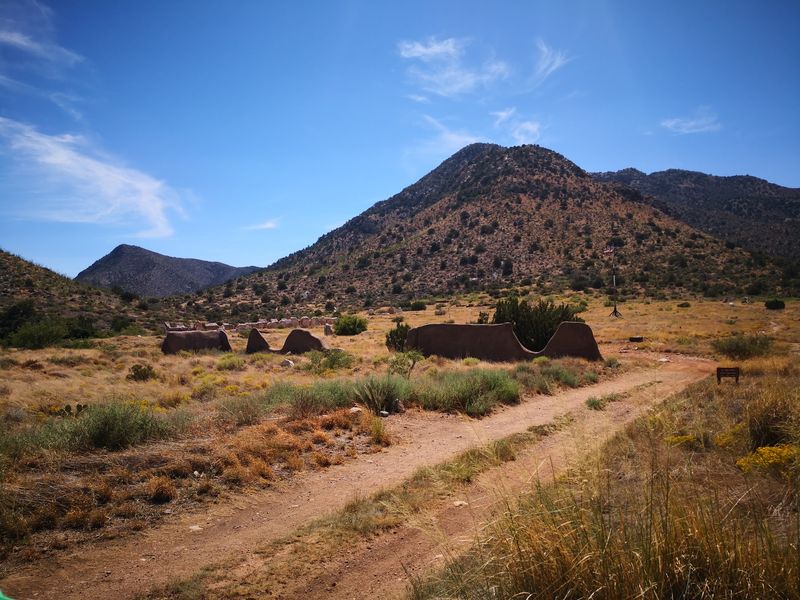
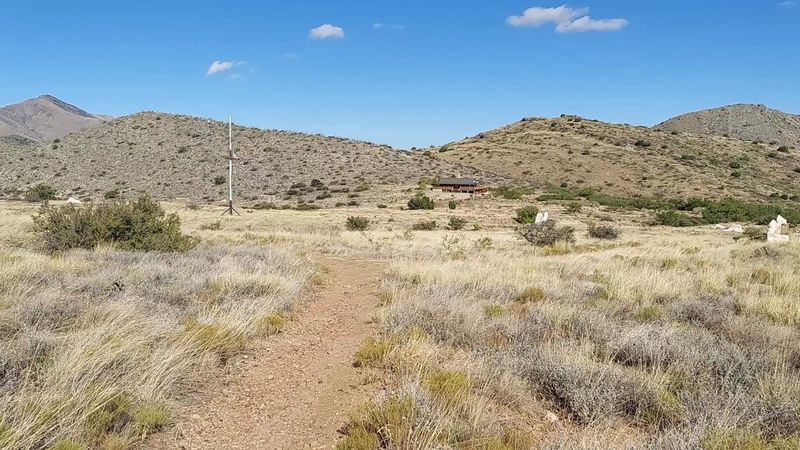
The heart of the experience is the trail itself, stretching roughly 1.5 miles from the parking area to the fort and visitor center. The path is not paved, made instead of gravel, dirt, and rock that rolls over hills, washes, and gentle valleys.
Some describe it as an easy stroll, while others call it moderate, especially in spots that can get slick underfoot. The truth likely lands somewhere in between, depending on your pace and the weather.
Mileage markers appear every quarter mile, a small touch that keeps you aware of how close you are getting. That little detail turns the journey into a countdown of sorts.
Most people cover the walk in about 45 minutes, though stopping for photos and reading the signs can stretch it longer. It is the kind of trail where a spry hiker in their seventies can pass you by, a reminder that determination matters more than speed out here.
Signs and Stories Along the Path
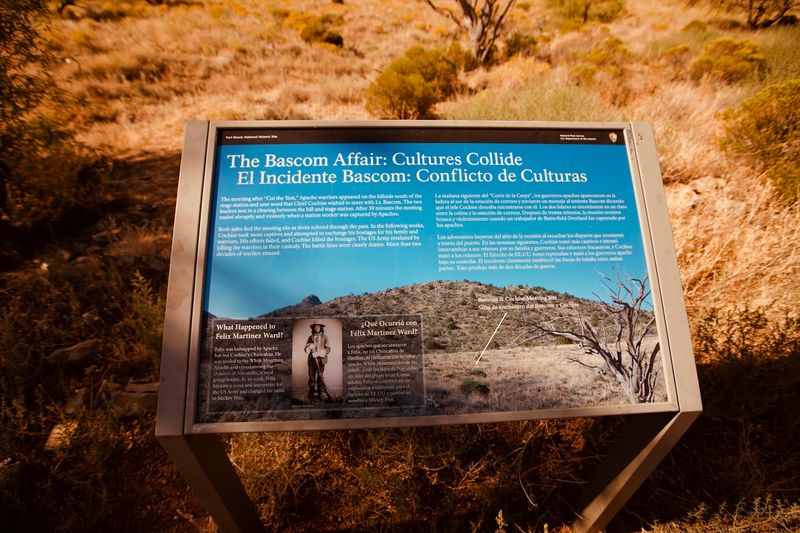
One thing that keeps the walk from feeling like just exercise is the steady stream of information posted along the route. Kiosks and plaques appear at regular points, each one sharing a piece of the area’s past.
The signs cover the people, the struggles, and the events that unfolded across this pass. Because of them, the hike doubles as a self-guided history lesson that unfolds step by step.
Each building ruin and natural landmark comes with its own explanation, so you understand what you are looking at rather than guessing. The documentation is thorough and thoughtfully placed.
By the time you reach the fort, you have absorbed a surprising amount of context without ever feeling lectured. That balance of movement and learning is part of what makes the trail so rewarding for curious minds.
The Cemetery Tucked Along the Way
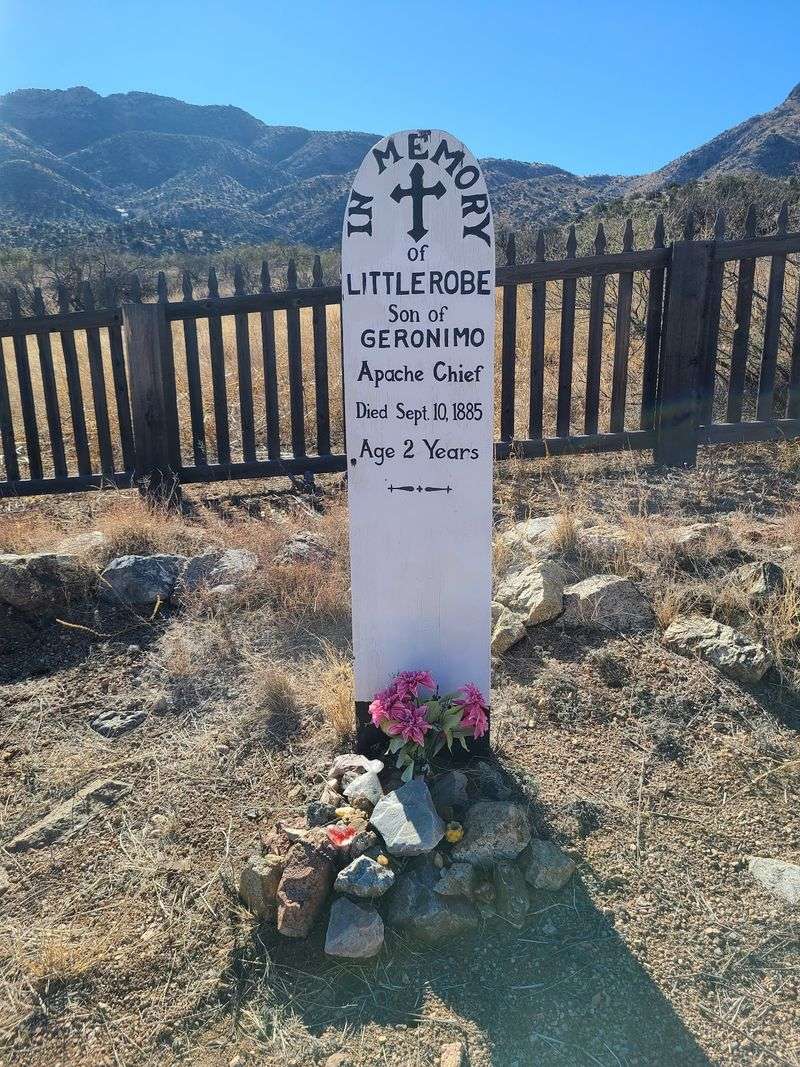
Not far into the hike, the trail passes an old cemetery that adds a solemn note to the journey. It stands as a quiet marker of the many people who once lived, worked, and passed through this rugged land.
The graveyard is one of several points of interest scattered before you even reach the main fort. Its presence deepens the sense of history that hangs over the whole site.
Pausing here gives you a moment to reflect on how remote and demanding life in this pass truly was. The markers speak to a time when survival in the desert was no small feat.
It is a modest stop, but a memorable one that stays with many who make the walk. Small details like this are what give the trail its layered, storied feel.
Ruins That Reveal Two Forts
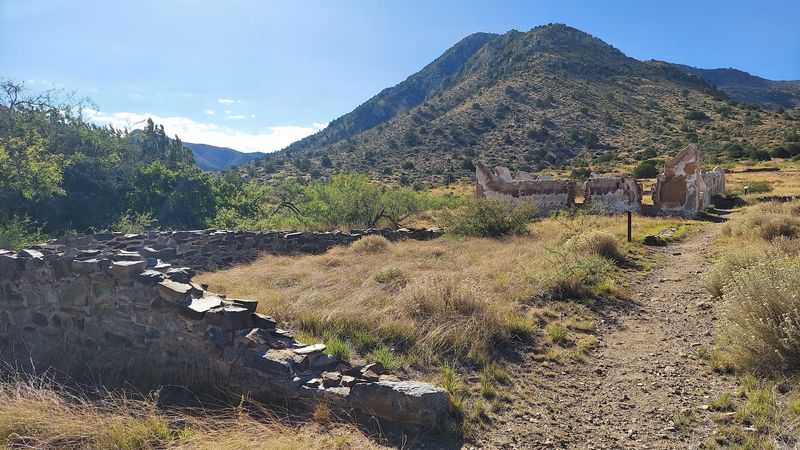
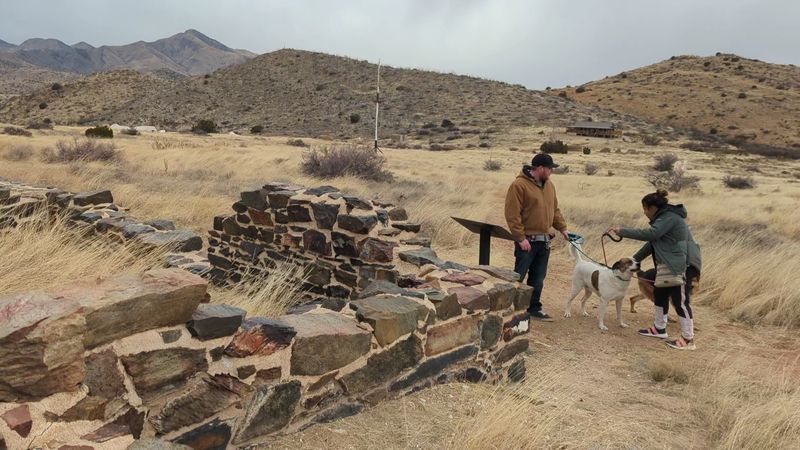
Reaching the fort, you discover that this is not a single structure but a whole complex of ruins spread across the landscape. There are actually two distinct sites here, telling the story of the fort’s evolution over time.
The first location shows the foundations of the original fort, where you can still trace the outlines of where the walls once stood. It is humble, but historically fascinating.
The second set of ruins is more pronounced and easier to recognize as you make your way toward the visitor center. These remains give a fuller picture of the larger post that grew here.
Some are surprised by how much bigger the fort site is than they expected. While the ruins mostly offer bare outlines rather than towering walls, they carry real weight for anyone drawn to the past.
Inside the Visitor Center Museum
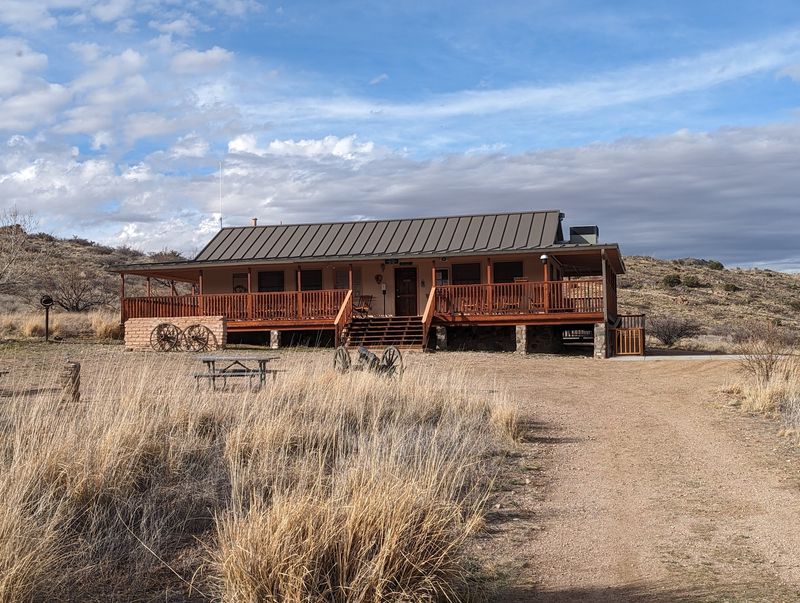
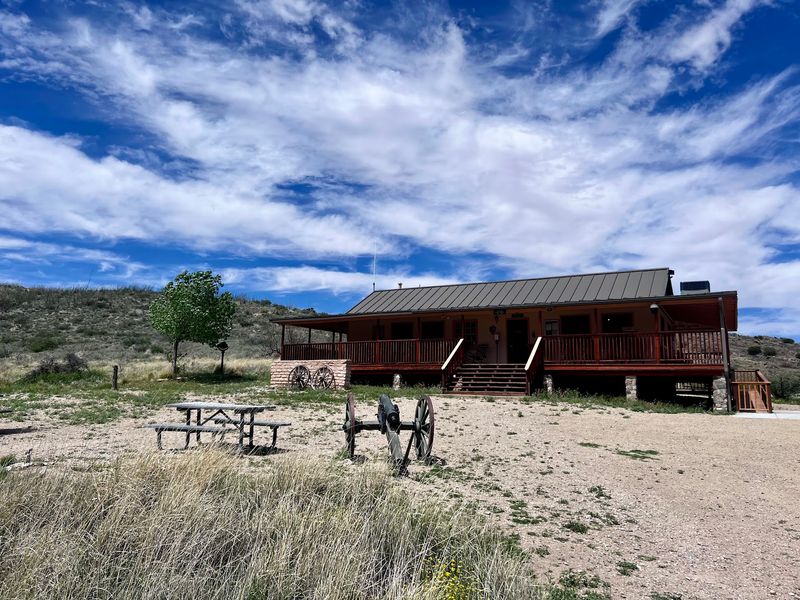
At the end of the trail waits a small visitor center that punches above its size. Inside sits a museum filled with relics recovered from the fort, along with displays that bring the history into focus.
The collection is compact but genuinely engaging, giving you plenty to study after your walk. It rewards those who take the time to look closely and think about what they are seeing.
Park rangers and volunteers staff the center, and they are known for being friendly and full of knowledge. A good conversation here can add real depth to the whole visit.
Beyond the exhibits, the center offers a gift shop with a solid selection of books for those wanting to dig deeper. It is a fitting cap to a journey built around curiosity and history.
The Scenic Loop Trail Back
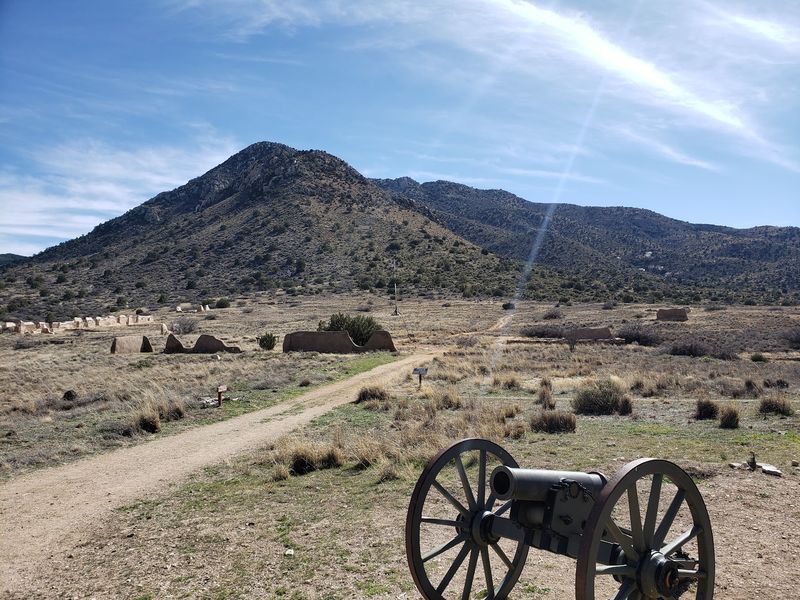
Here is a tip that regular hikers love to share. Rather than returning the way you came, take the loop trail back to the parking lot for a completely different perspective.
The return route climbs a rocky hill with easy switchbacks before dropping back down to the main path. It runs a little steeper and more challenging, but the effort pays off.
From up above, you get a sweeping view of the entire fort complex laid out below. That overhead look helps put the whole site into perspective in a way the ground level simply cannot.
The scenery on this stretch draws plenty of praise, blending Arizona’s rugged beauty with the historic ruins. Just do not forget to take it, since it is easy to head back the familiar way out of habit.
Scenery That Steals the Show
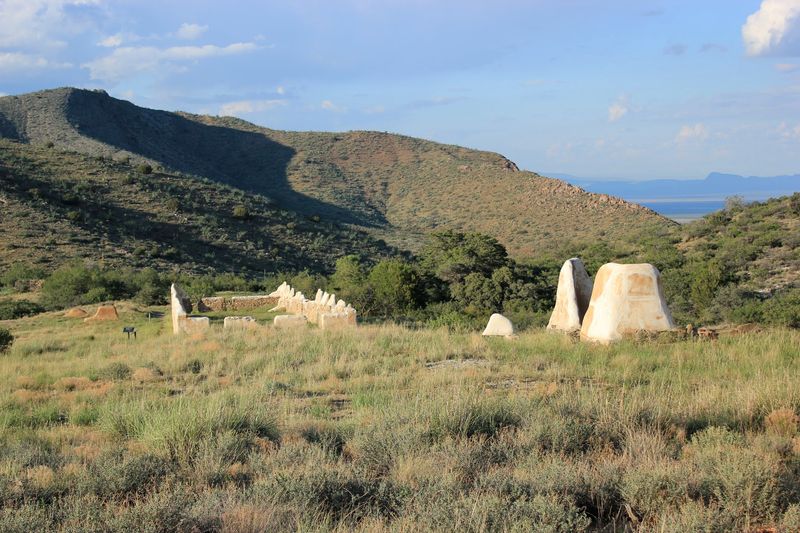
Beyond the history, the surrounding landscape is a genuine highlight of the trip. The terrain unfolds in waves of hills, washes, and open valleys framed by distant mountain ranges.
The scenery is often described as spectacular, and it makes the walk feel worthwhile even for those less interested in the fort’s story. Nature and history share the spotlight here.
There is even a geological twist worth mentioning. The site sits on a fault line that has displayed all three kinds of fault movement over time, a rare detail that fascinates the science minded.
Whether you come for the ruins or the views, the setting delivers. It is one of those places where every direction you look offers something worth pausing over.
The Bumpy Dirt Road In
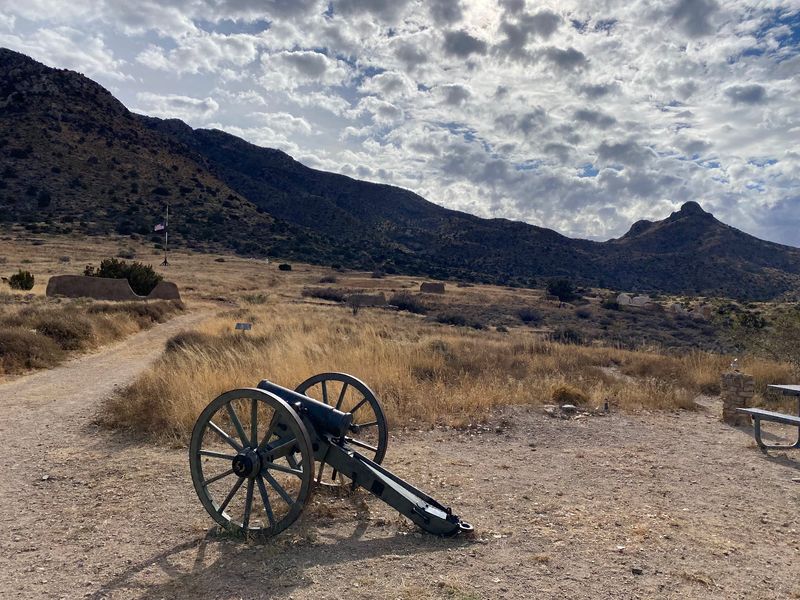
Getting to the trailhead is an adventure in its own right. The approach runs along roughly nine miles of dirt road that can feel long and a little bumpy.
Some drivers find the rough stretch a bit nerve wracking for their vehicles. Still, plenty of people manage it just fine, including those in small SUVs that are far from rugged off-road machines.
The gravel surface does not require four-wheel drive under normal conditions, though a slow and careful pace helps. Taking your time turns the drive into part of the escape from paved civilization.
That remoteness is exactly what keeps the crowds thin. The road may test your patience, but it also guards the quiet that makes this site so special.
A Peaceful Escape From the Crowds
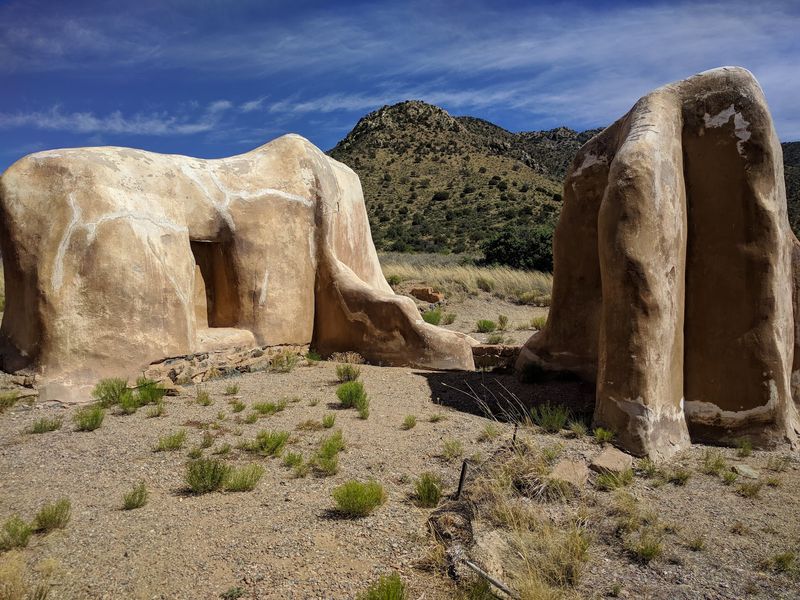
If solitude is what you crave, this place delivers in spades. Many people report seeing only a handful of others during their entire visit, even on pleasant days.
That calm makes it a welcome retreat, especially for travelers hoping to dodge busy holiday crowds. The quiet lets the history and the landscape speak for themselves.
There is a serene quality to walking these grounds with so few people around. The peaceful atmosphere is part of what earns the site such warm regard.
For those who love their outings unhurried and low-key, it is close to ideal. You can wander the ruins and read the signs at your own pace, with nothing rushing you along.
Accessible Options and Junior Ranger Fun
The long hike might sound daunting for some, but there are thoughtful options to keep the site open to more people. Those who cannot manage the full walk can contact the visitor center to ask about accommodations.
A road leads up closer to the visitor center area, offering an alternative for anyone unable to travel the trail on foot. Making the history accessible to a wider range of guests is a genuine strength here.
Families have their own draw as well. The junior ranger program adds a fun, hands-on layer for younger explorers, encouraging them to walk the ruins and think creatively inside the museum.
Small touches like a bugle sounding every fifteen minutes bring extra charm to the visit. Little moments like that make the place memorable for kids and grown-ups alike.
Hours, Cost, and What to Pack
Planning ahead makes a big difference for a smooth trip. The site runs on limited days, open Friday through Monday from 8:30 AM to 4 PM, and closed Tuesday through Thursday.
Even when the visitor center is closed, the grounds, restrooms, and water fill station often remain accessible for self-guided exploring. That flexibility helps travelers who arrive on off days.
One of the best parts is the price, since entry is completely free. That makes it an easy stop for anyone collecting national park experiences on a budget.
Come prepared with water, snacks, sunscreen, and a walking stick if you like the extra support. The trail is exposed, and staying hydrated at this elevation is important, though water is available at the ranger station.
Why the Walk Is Worth It
Some destinations hand you everything from the comfort of your car. This one asks a little more, and that is exactly what makes it stand out.
By requiring you to travel on foot, the fort ties its history to the land in a way a quick drive-by never could. The 1.5 mile trail, the ruins, the cemetery, and the sweeping views all add up to something greater than the sum of its parts.
Holding a strong 4.6 star rating across more than 500 reviews, it clearly leaves a lasting impression on those who make the effort. History buffs in particular find it well worth the detour.
Off the beaten path and refreshingly uncrowded, Fort Bowie rewards curiosity and a willingness to walk. Lace up your shoes, grab your water bottle, and let this quiet corner of Arizona tell you its story.
Enjoyed this story?
Add Fast Food Club as a preferred source to see more of our reporting on Google.